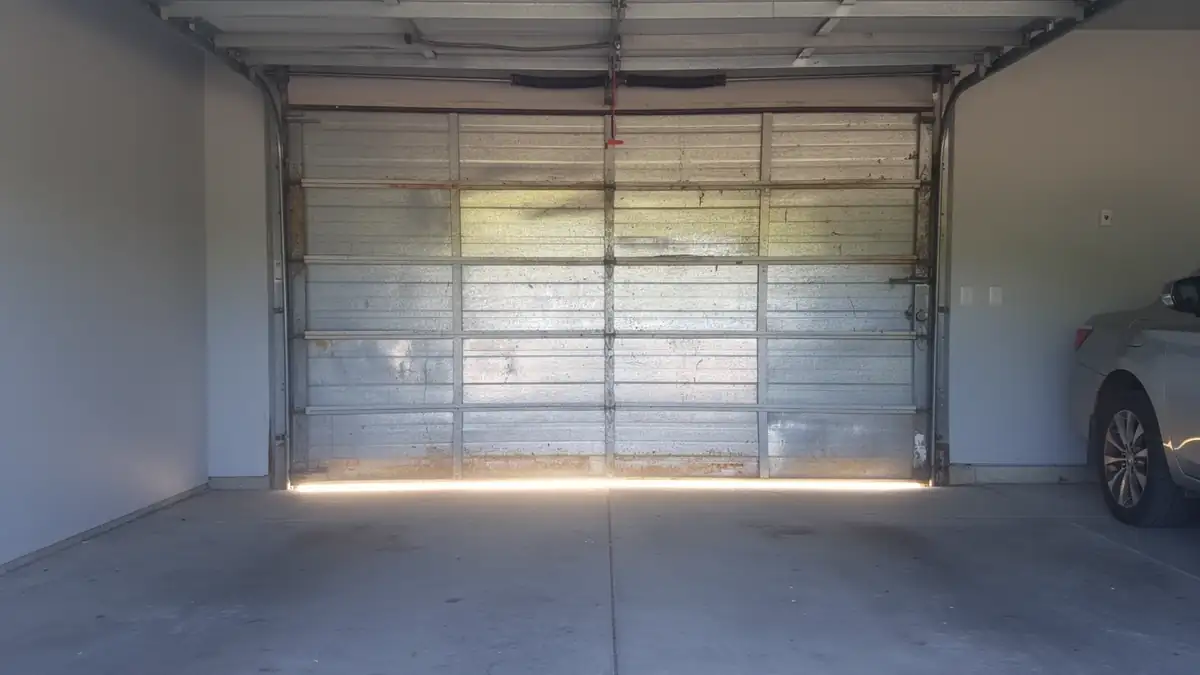
When Waiting Is Fine
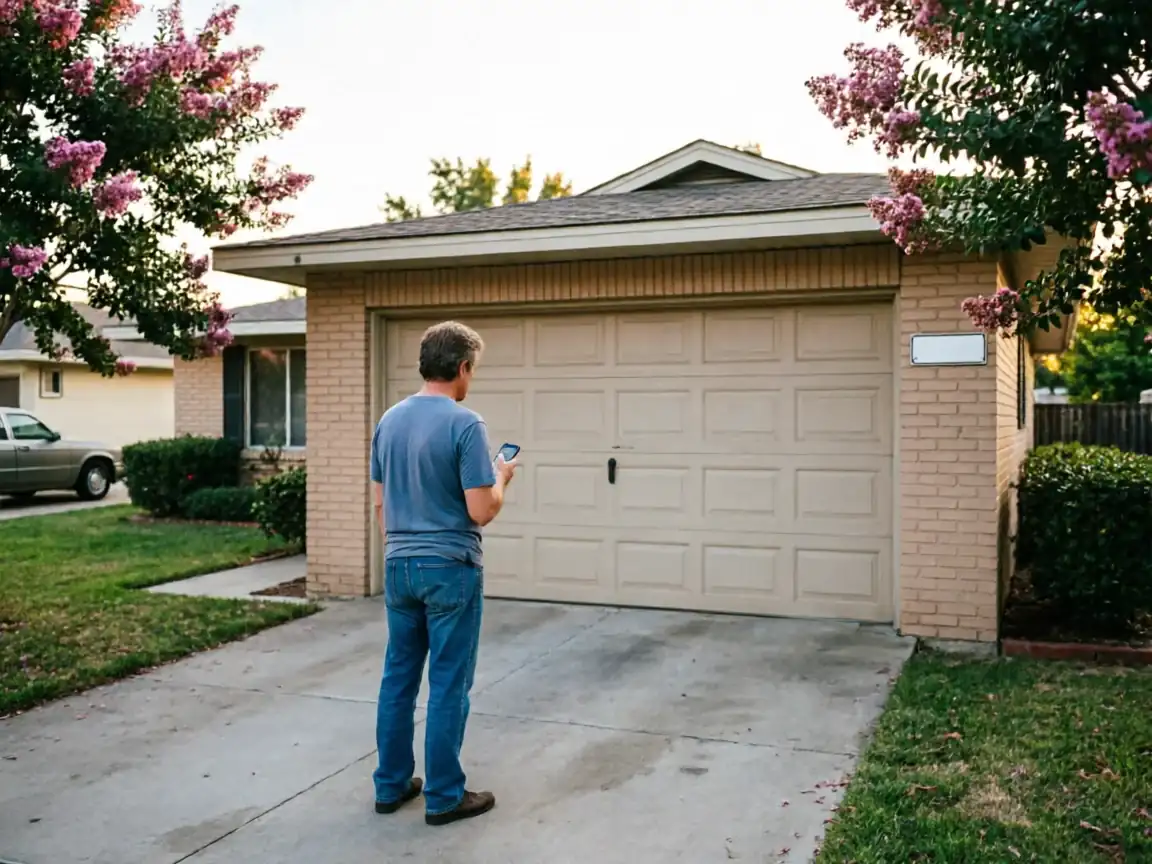
Not every noise or wobble means you need a truck out today. A door that's a little loud on the way up, a roller that chatters but still tracks straight, a remote that needs two presses before the opener catches - none of that is an emergency. If the door still opens and closes level, holds its position when you stop it halfway, and the cables look intact, you can usually wait for a scheduled visit rather than an after-hours call.
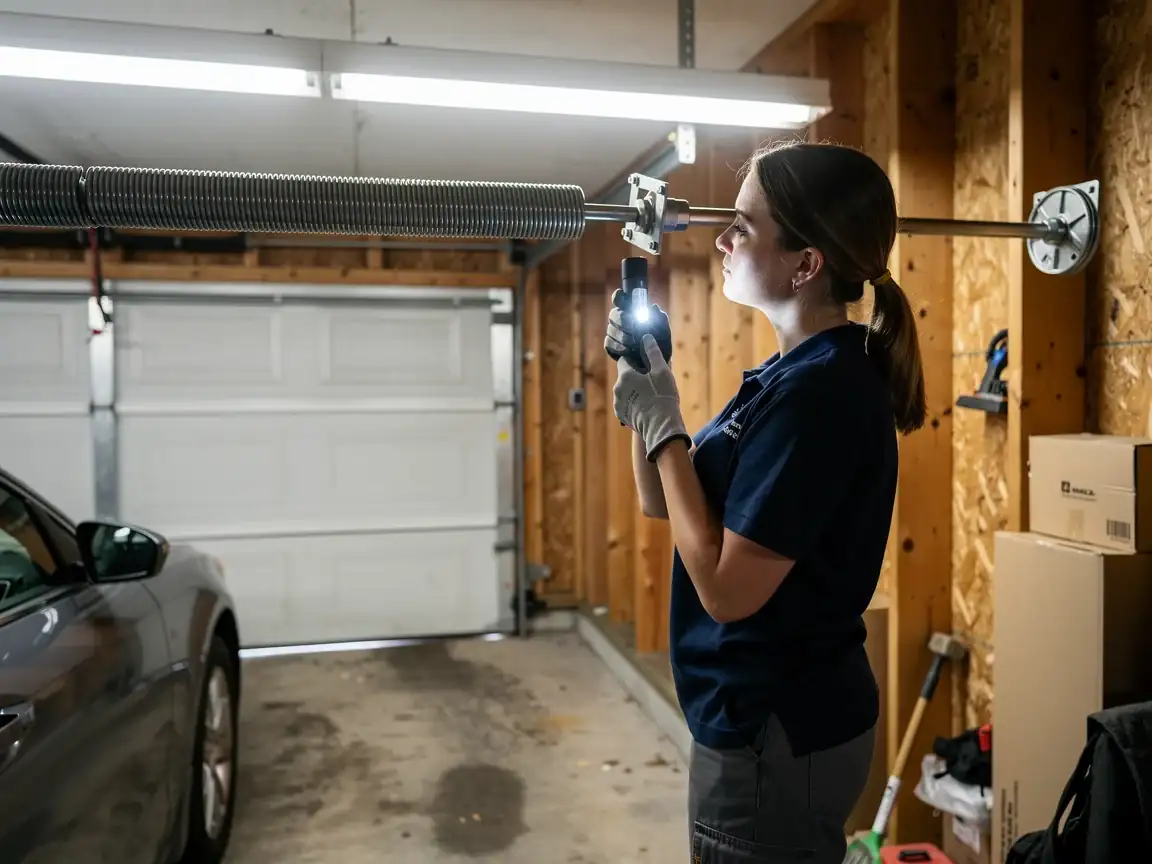
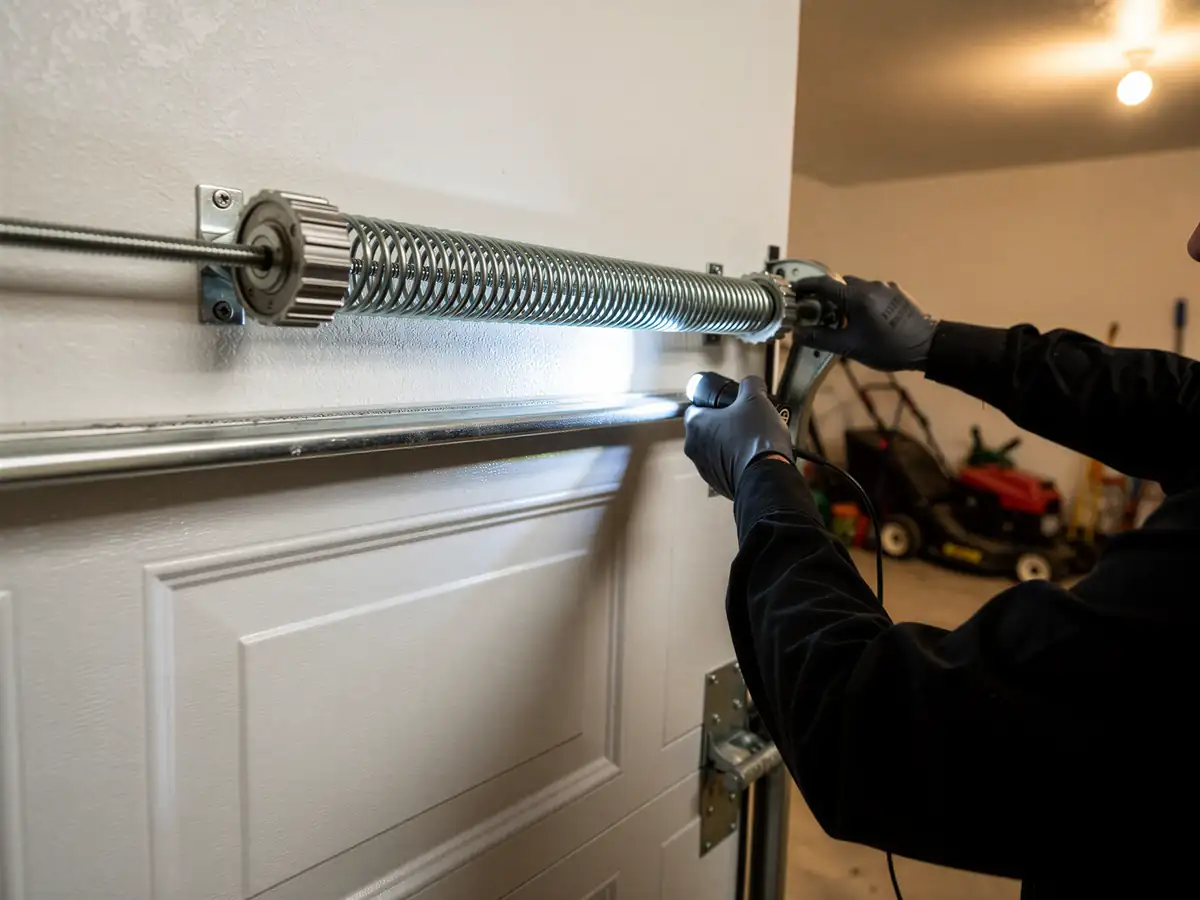
That said, waiting makes sense mostly on cosmetic or minor mechanical issues, not on anything involving the spring system. A door built in the 1960s or 70s that's still on its original torsion spring has already outlived what most springs are rated for, and when that spring lets go it doesn't give you a warning period. So the honest answer is: wait on the squeak, don't wait on a spring that's visibly stretched, gapped, or rusted through at a coil. If you're not sure which one you're looking at, that's a reasonable thing to ask about over the phone before deciding.
The Situation
Housing across this part of the metro mostly went up between 1959 and 1999
With the median landing around 1973 - which puts a lot of garage doors here solidly in original-hardware territory if nobody's swapped them out. Across the 20 named areas that make up the broader service territory, the bulk of the stock dates to the 1960s and 70s rather than anything newer.
The area carries 70,136 households and 39,401 owner-occupied houses
And median household income sits at $60,822. That matters for the kind of decisions people are making: most owners here are choosing between a spring repair and a full door replacement, not treating either one as pocket change. Whether you're closer in or out toward Arcadia at five miles, Jones at ten, or Guthrie at fourteen, the same build-era pattern shows up - a door that's original to a house from the Johnson or Nixon years, running on hardware nobody's touched since.
- 70,136 households
- 39,401 owner-occupied
- $60,822 median household income
What Local Conditions Do
This area sits in a cold-moderate climate band, which means real winter cold but not the extreme sustained freeze you'd get farther north. That still matters for a garage door. Steel contracts in cold air, and on an older torsion spring that's already lost some tension over fifty-plus years, a cold snap is often what finally breaks it - the spring was close to done anyway, and the temperature swing is the push.
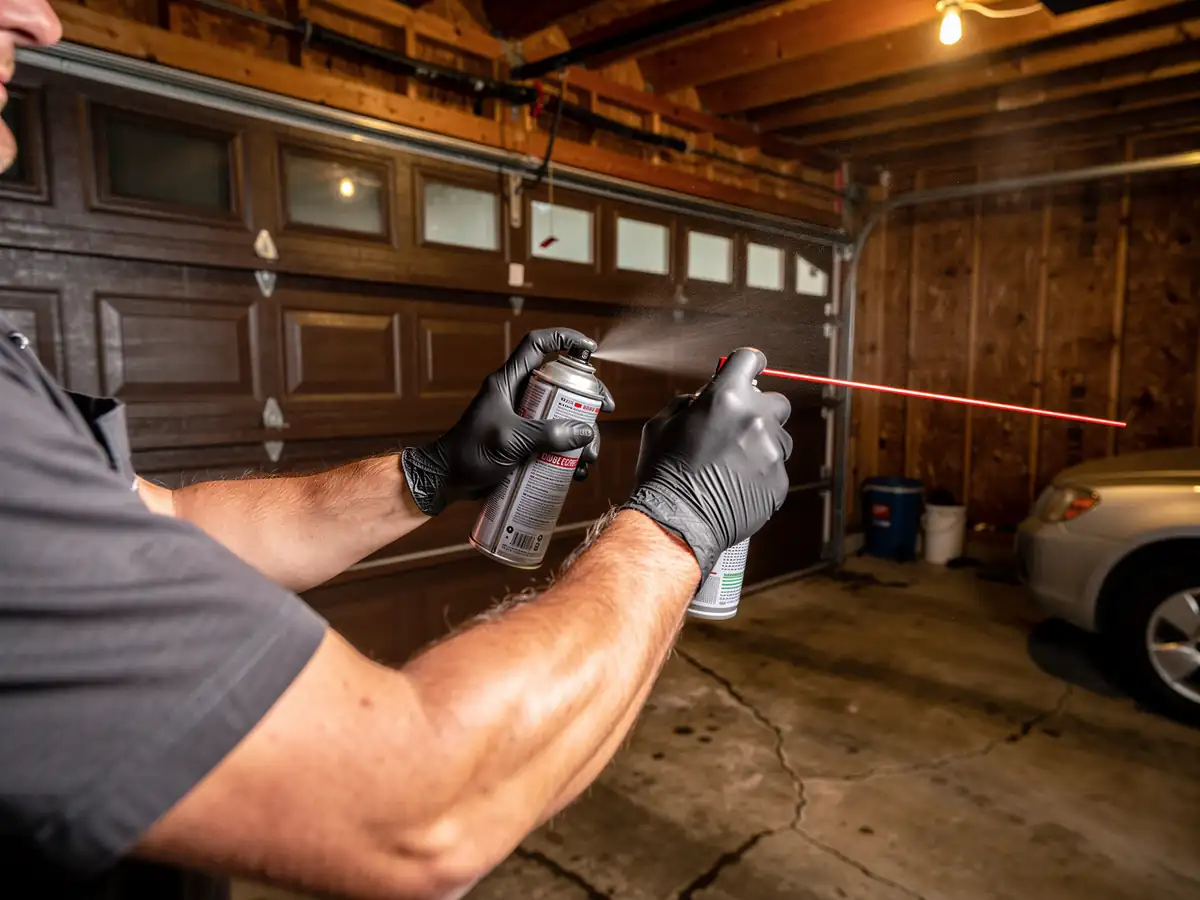
Lubricant on older rollers and hinges thickens up in cold weather too, which is part of why a door that ran quiet in August starts groaning in January. On doors from the 1960s and 70s that still have their original hardware, that stiffness combines with decades of wear in a way a newer door doesn't show. Panel seams on steel doors from that era can also flex more than current doors when temperatures swing, which shows up as a slightly uneven gap at the bottom corners during a cold stretch even when nothing is actually broken.
What to Look At First
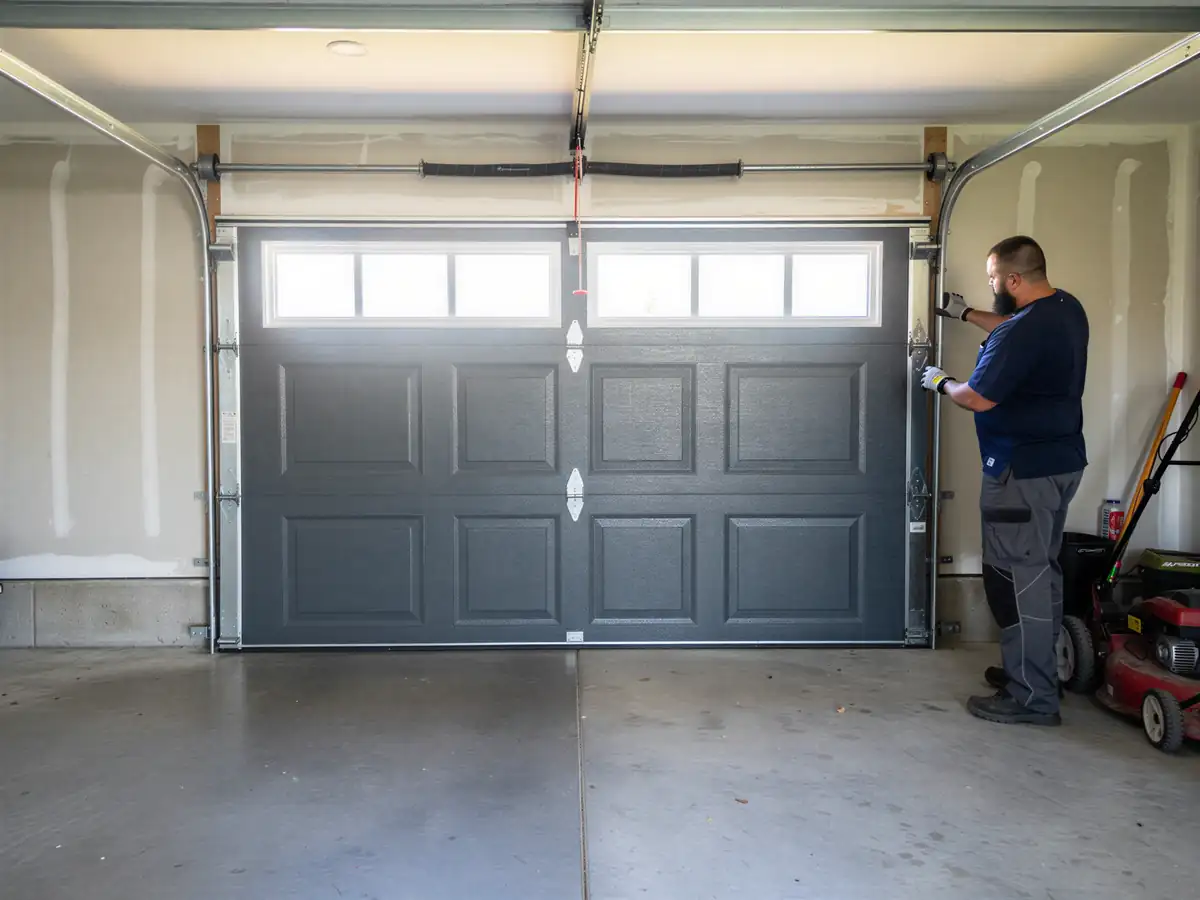
Start with the spring, since it's the part most likely to be original on a house from this era. Look for a visible gap in the coil, rust concentrated at one point rather than spread evenly, or a spring that looks noticeably longer than it should when the door is down. Don't try to adjust tension yourself.
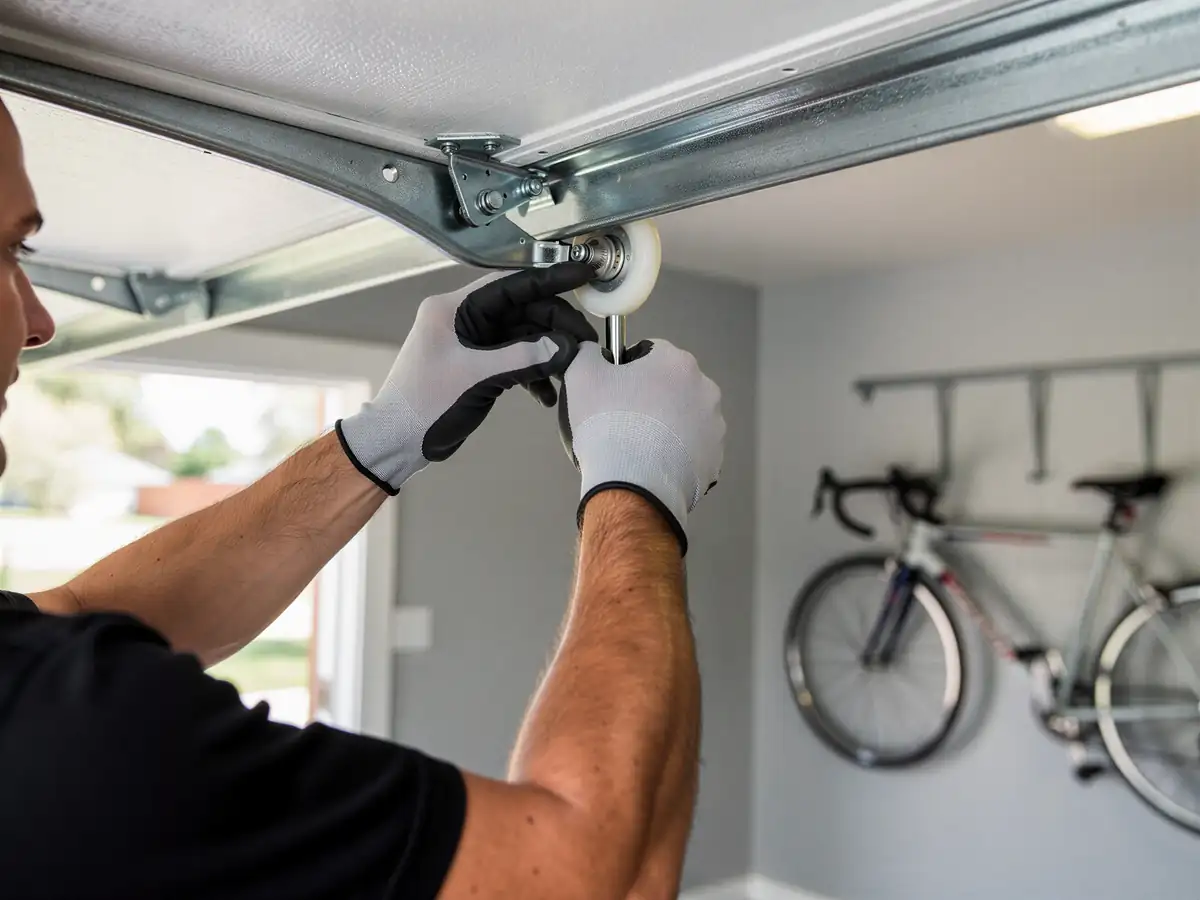
Next, check the track for rust at the bottom few feet, where road salt and winter moisture collect most. Loose or rusted brackets there are common on doors this age. Then look at the weatherstripping along the bottom - on a door built before current sealing standards, it's often cracked or missing entirely, which lets more cold air into the garage than a newer door would.
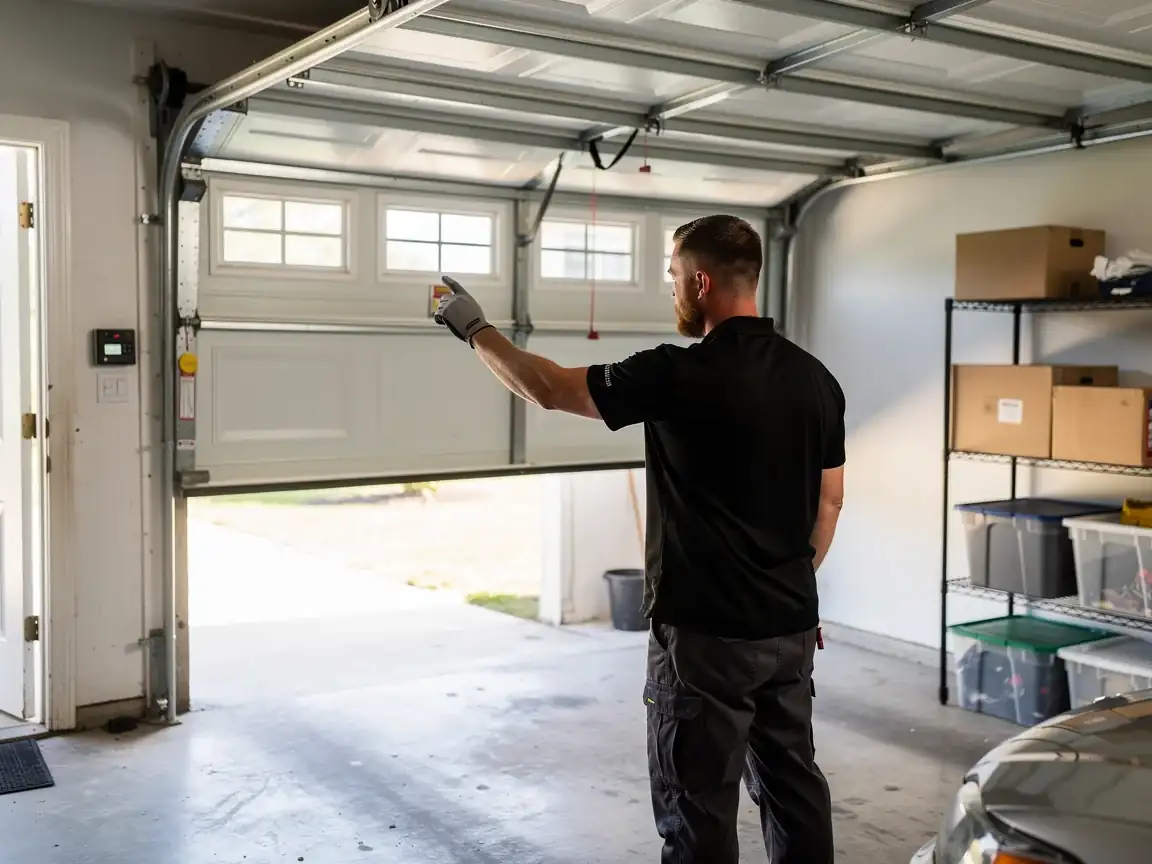
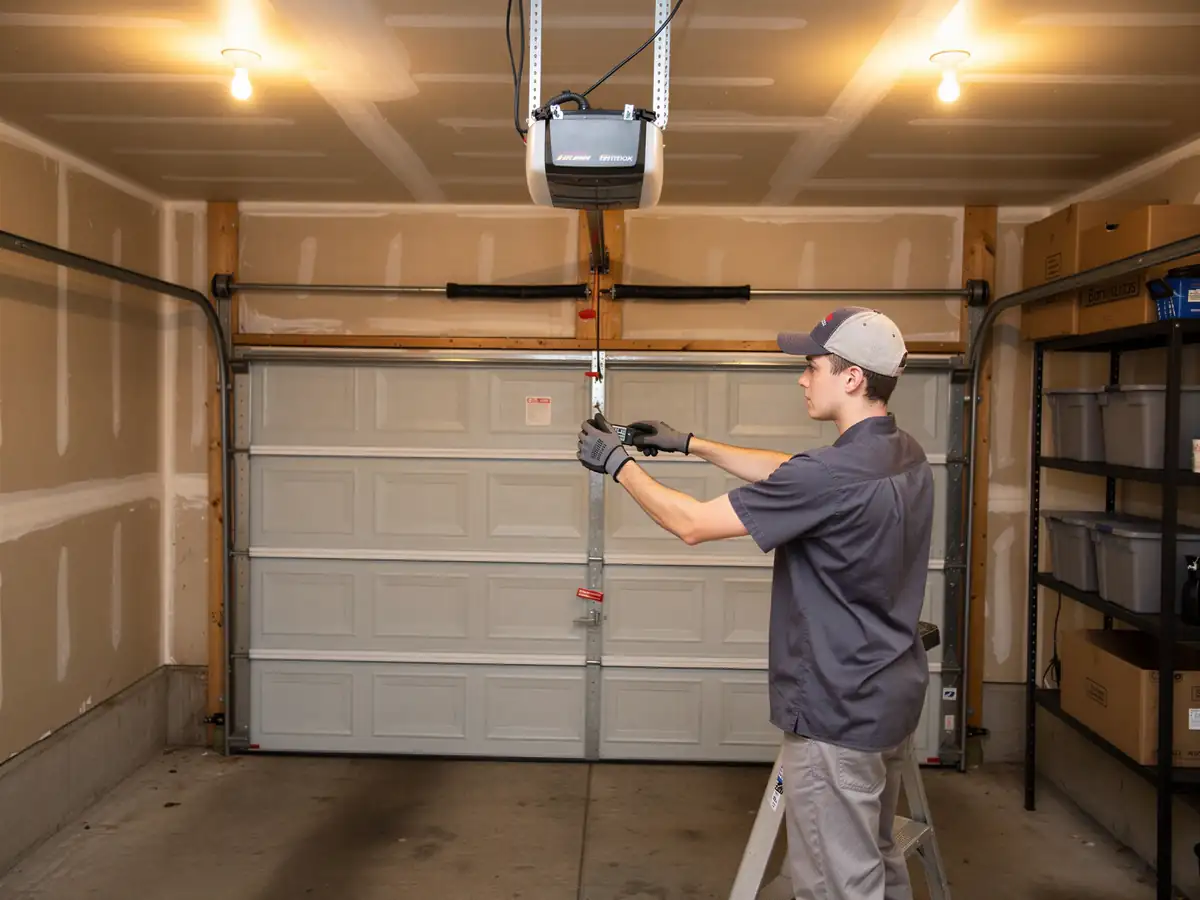
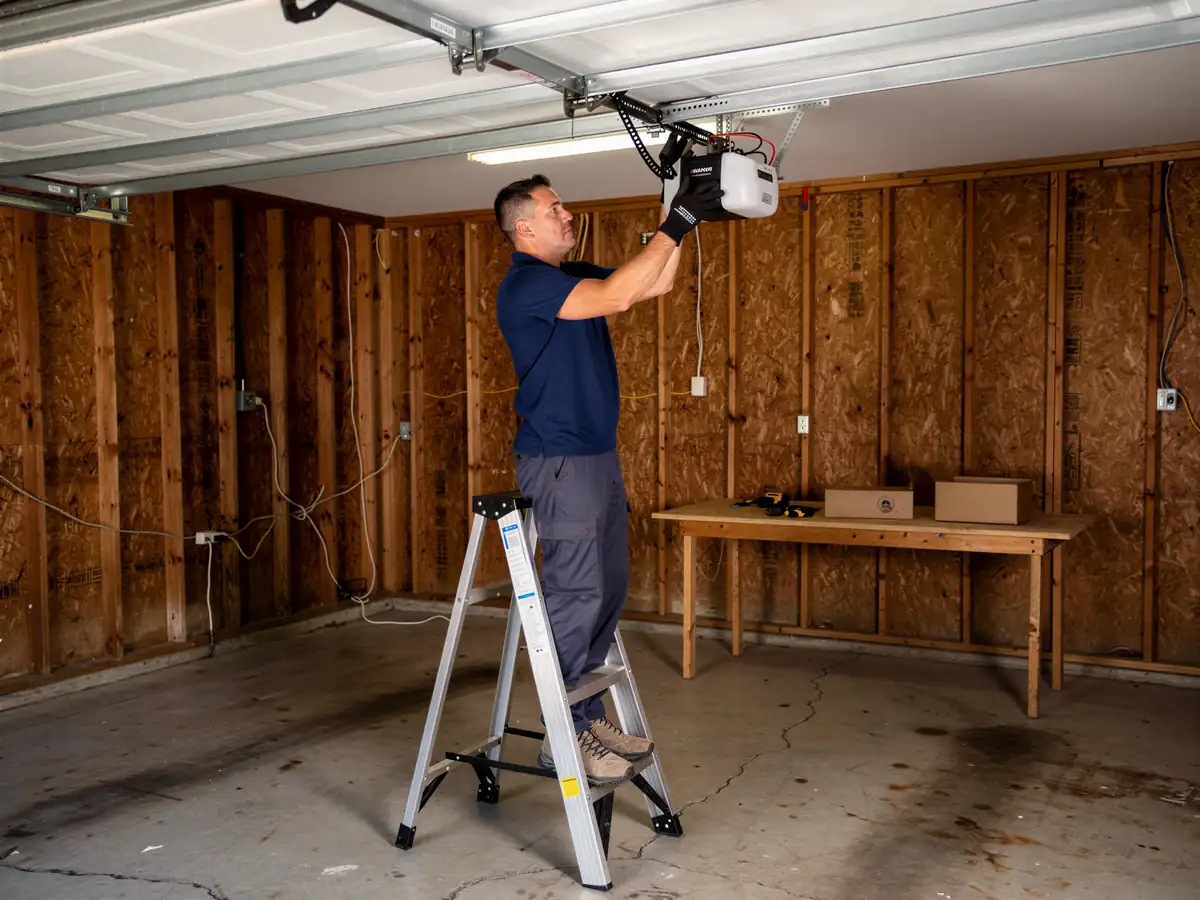
Last, listen to the opener. If it's a unit from a prior remodel rather than the original door-era motor, note that separately - opener age and door age don't always match on a house this old, and mixing up which part is actually failing is the most common reason a simple fix turns into two visits instead of one.