When Waiting Is Fine
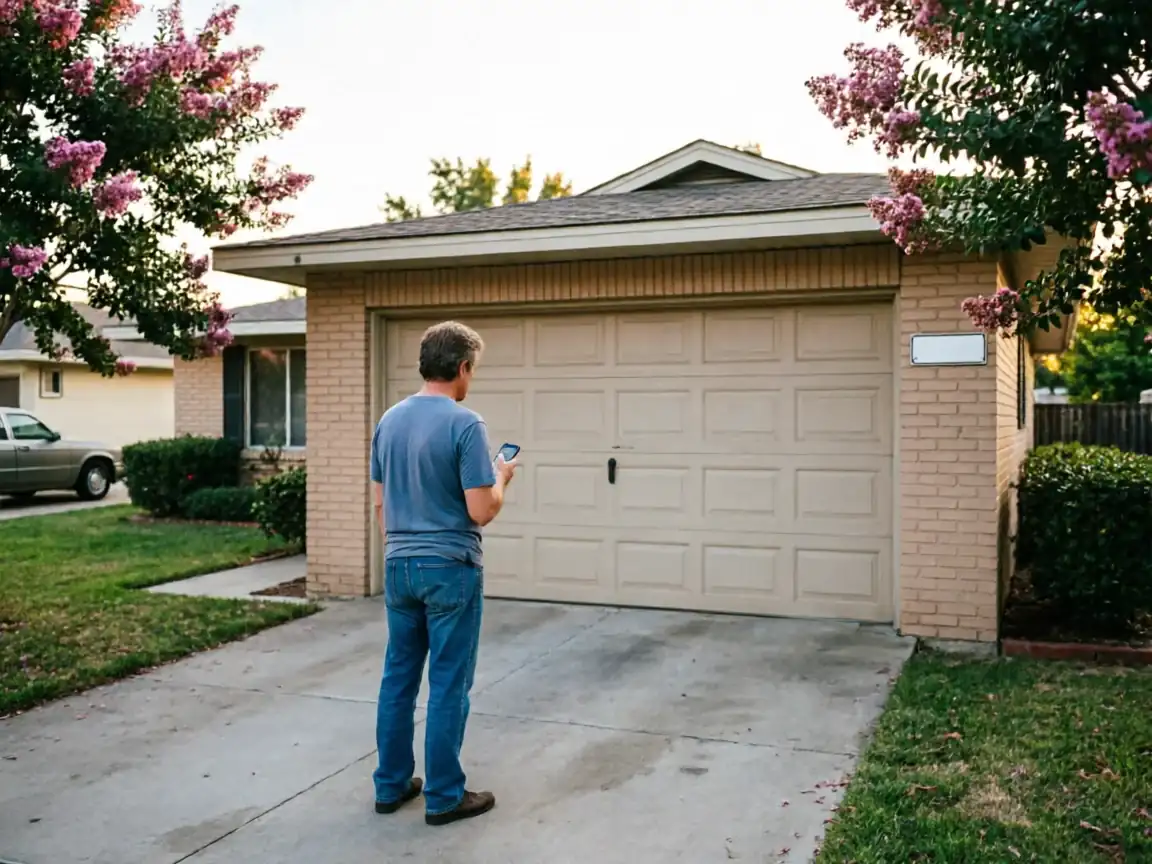
Not every stiff door is an emergency. If your opener groans on a cold morning but the door still closes all the way and the spring coils still look even, you can wait a day or two and call when it's convenient instead of when it's urgent. Cold steel is less springy than warm steel, full stop - that's physics, not damage. A door that's merely slow and loud on the first cold snap of the season is usually just tight, not broken.
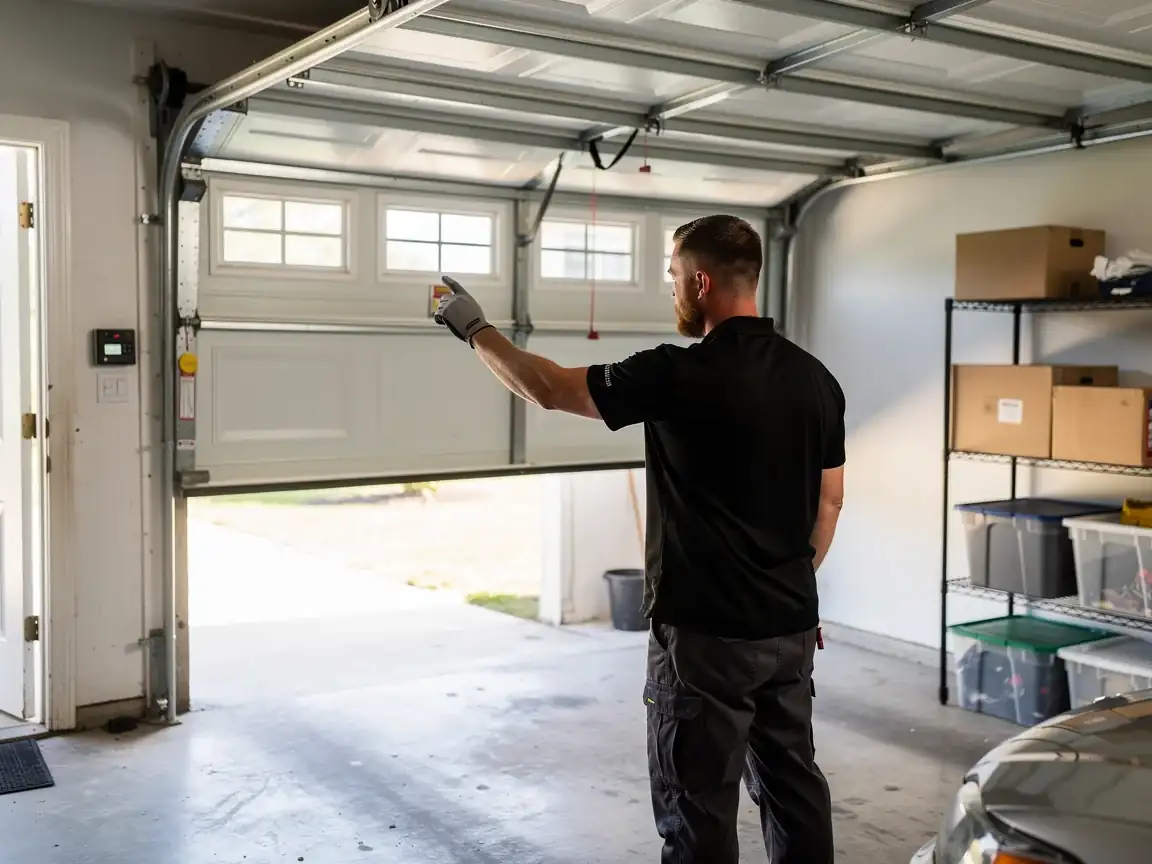
What isn't fine to wait on: a door that stops partway and won't budge, a spring with a visible gap in the coil, or a cable that's frayed and starting to separate. Those get worse with every cycle, not better. The honest limit here is that we can't tell you over the phone which one you have - a stiff door and a dying spring sound almost the same until the second one lets go, usually without warning, usually on the coldest morning of the week.
The Situation
Across the area this company works, most of the housing went up between 1959 and 1999
With the median build year landing around 1973 - and the bulk of it, across roughly twenty named neighborhoods, dates to the 1960s and '70s. That means a lot of the garage doors on these streets are original equipment, or close to it: steel torsion springs, steel track, hardware sized for doors that have been opened and closed roughly twice a day for forty-plus years.
The service area covers 70,136 households, 39,401 of them owner-occupied houses
The kind with an attached garage, not an apartment carport. Median household income sits at $60,822, which matters for the repair-versus-replace math: most owners here are deciding between a spring job in the low hundreds and a full door swap near a thousand, not treating either as pocket change. Nearby towns like Arcadia, Jones, Guthrie, and Midwest City sit anywhere from five to twenty miles out, each with its own mix of older and newer stock, but this page is about what's sitting in driveways closer to home.
- 70,136 households
- 39,401 owner-occupied
- $60,822 median household income
What Local Conditions Do
This area sits in a cold moderate climate band - not the brutal winters you'd get further north, but enough hard freezes each year to matter for a door that's been in service since the 1960s or '70s. Steel contracts when it's cold. A torsion spring that's already lost some of its temper over four decades of cycling has less margin left when the metal tightens up on a frozen morning, and that's exactly when a lot of these springs finally let go.
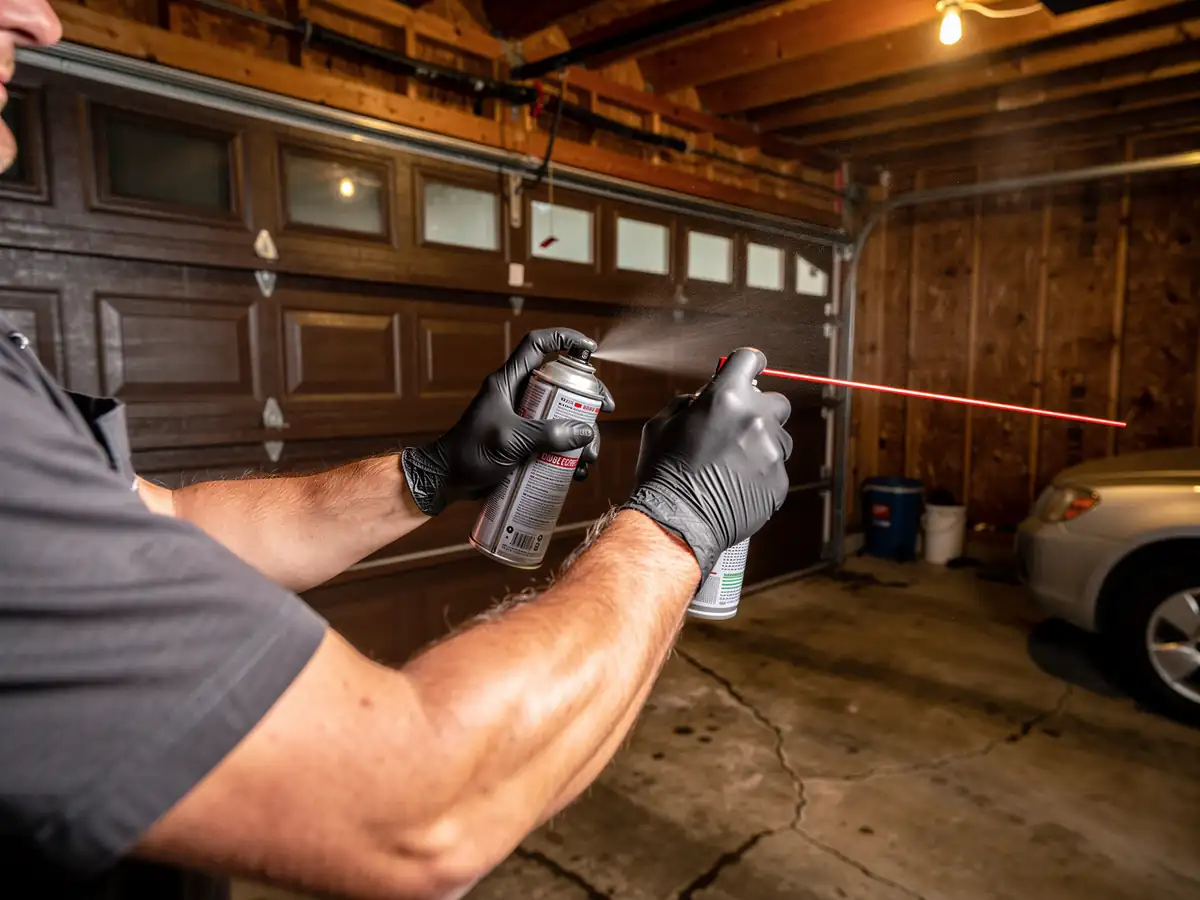
Cold also thickens whatever grease or lubricant is left on the track and rollers, which makes the opener work harder to pull the door up. On a door with original hardware, that extra strain lands on parts that were never built to be maintenance-free forever - the same springs, cables, and rollers that have been doing the job since the house was new. None of this means a cold morning will break your door. It means a door that was already near the end of its spring life is more likely to pick a cold morning to prove it.
What to Look At First
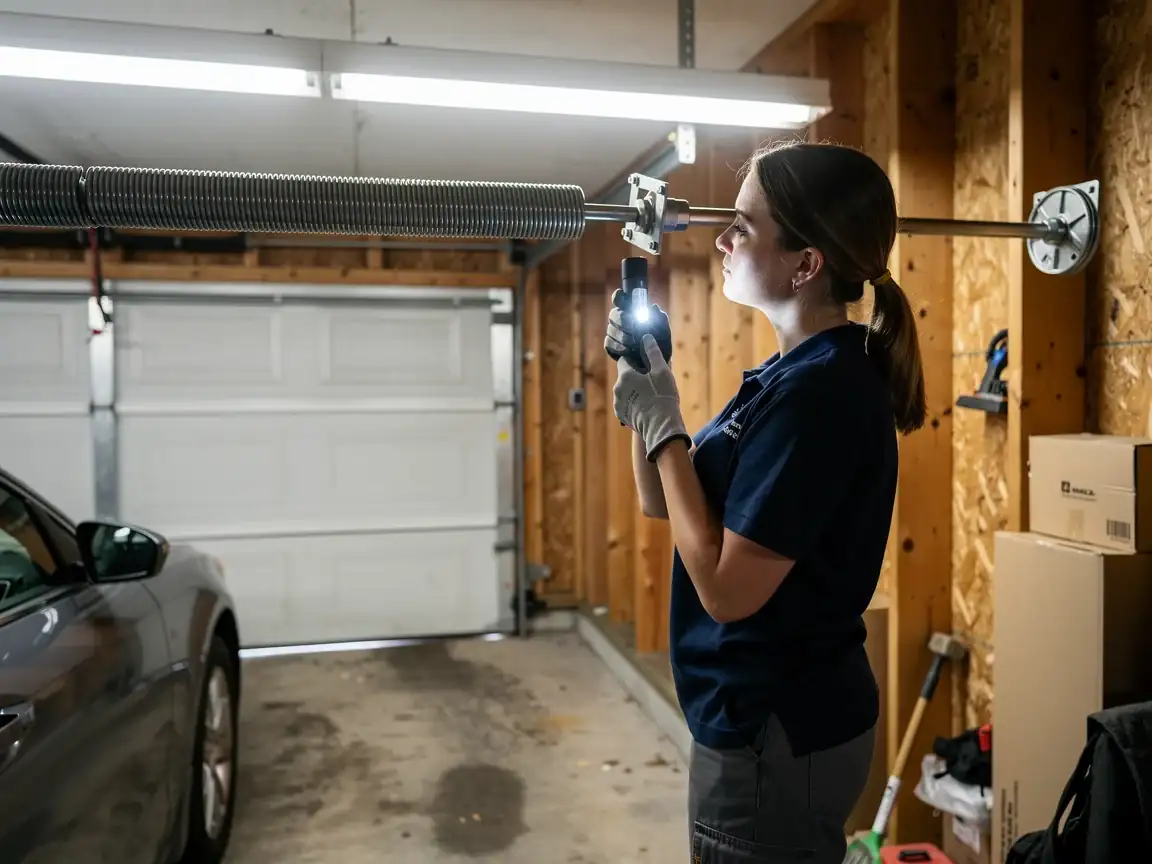
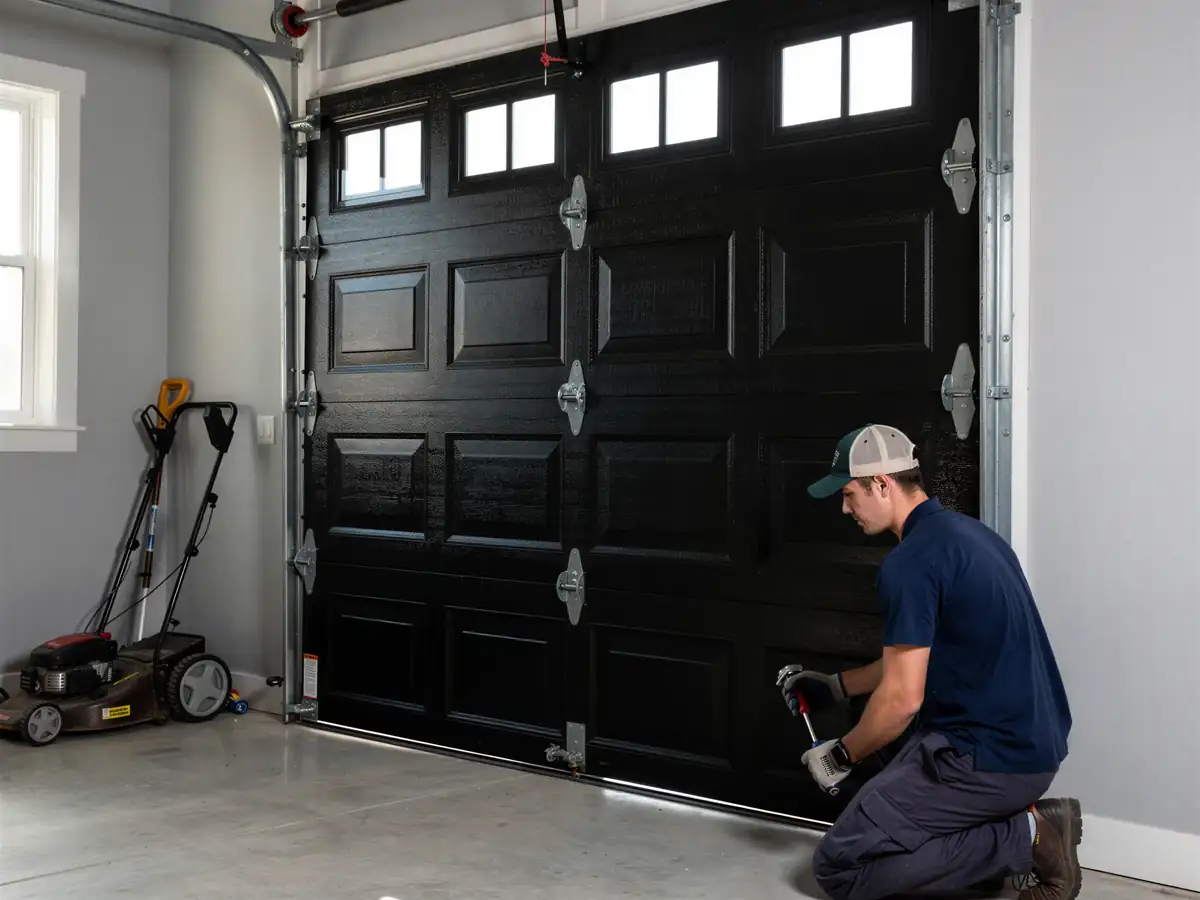
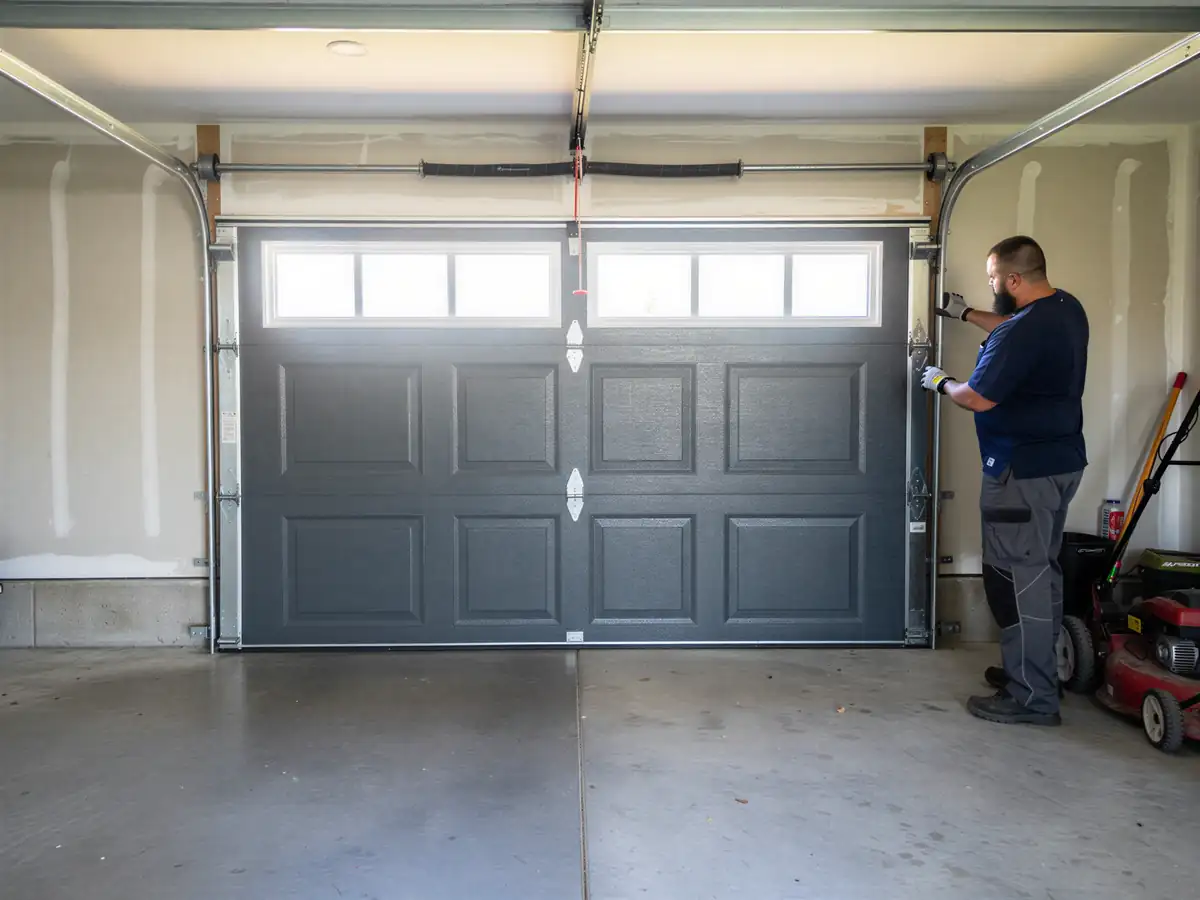
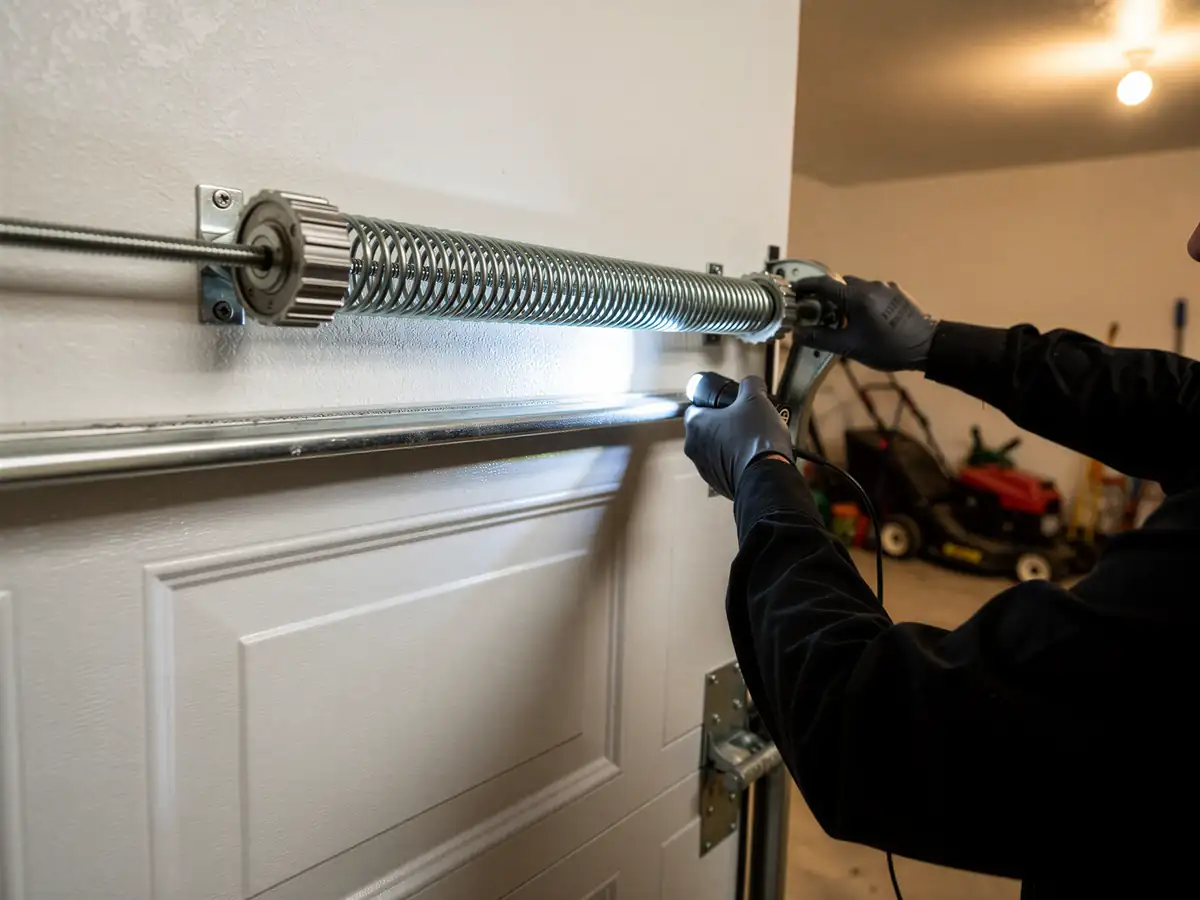
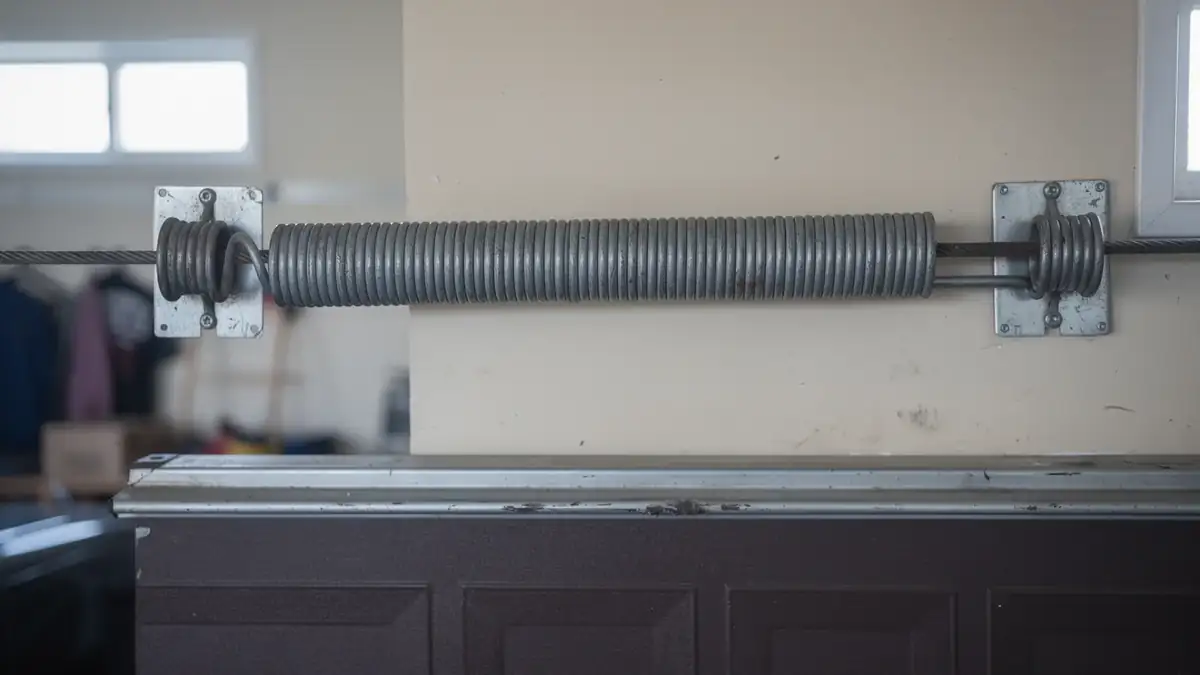
Start with the spring itself. Stand to the side - never in front of a torsion spring under tension - and look for a gap in the coil, rust that's eaten into the wire, or a spring that looks stretched compared to its mate on the other side of the door. On a door built in the 1960s or '70s and never upgraded, this is the part most likely to be original.
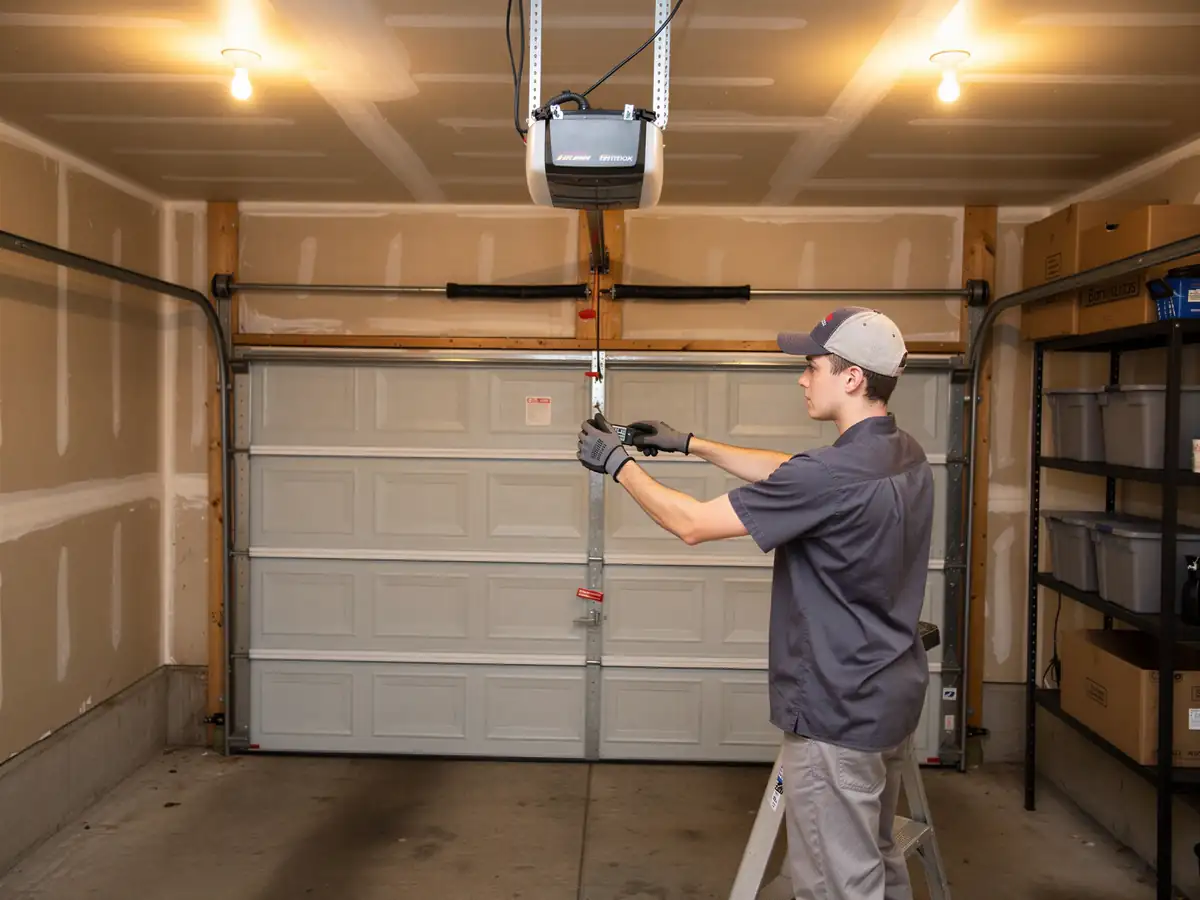
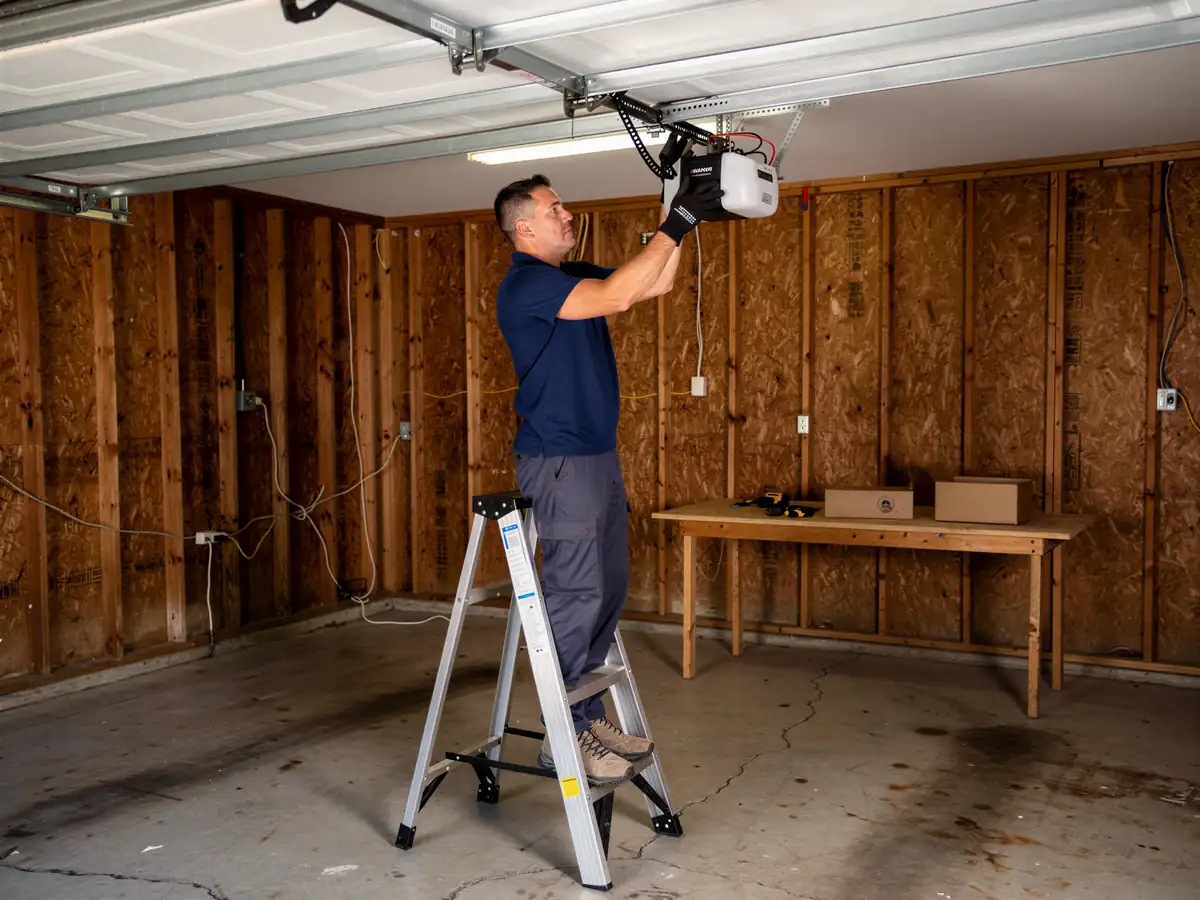
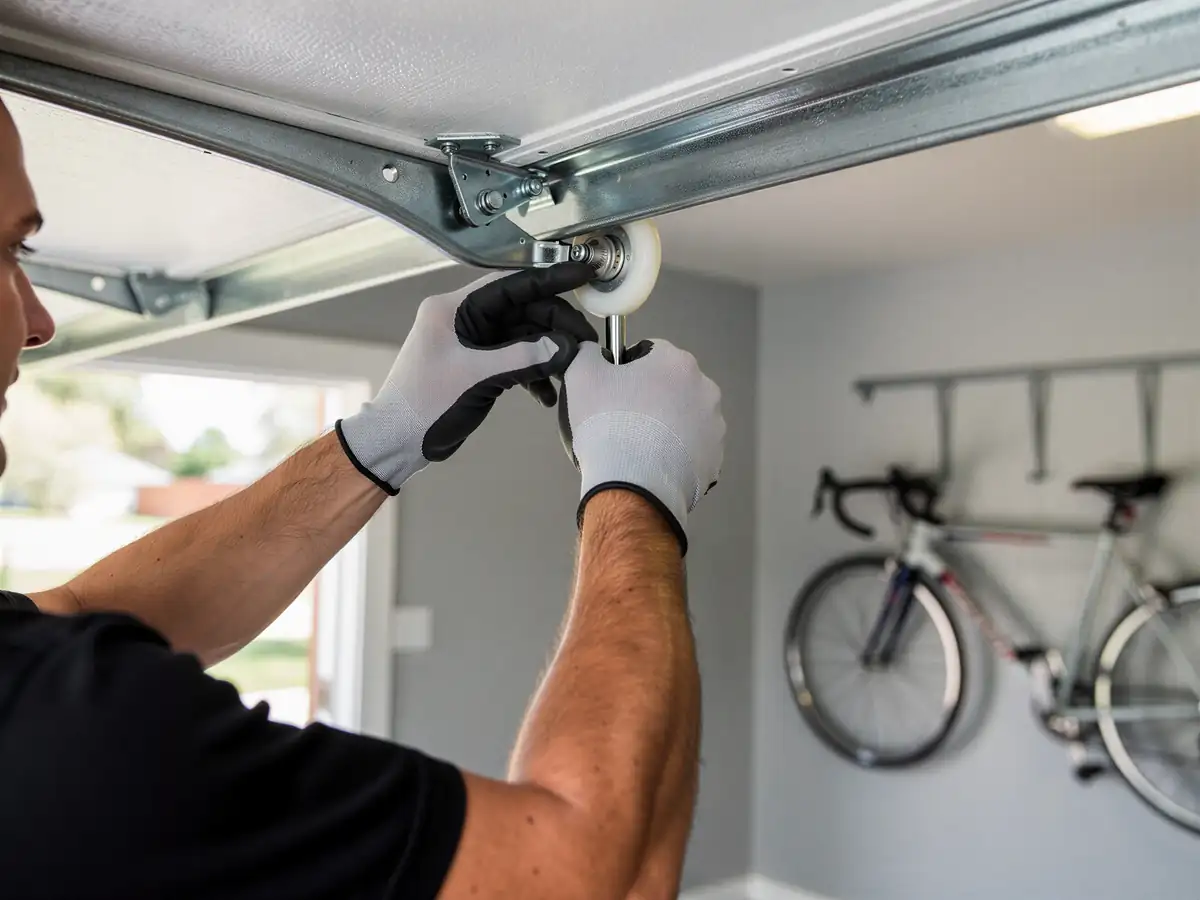
Next, check the cables running down each side of the track for fraying, especially near the bottom bracket. Then listen to the opener on a cold start: a motor that strains, hesitates, or reverses partway up is often compensating for a spring that's no longer carrying its share of the door's weight. Rollers are the last thing to check and the easiest to ignore - on older steel track, worn rollers show up as a grinding sound rather than a visible problem, and they're one of the few things on this list that's cheap to fix before it becomes expensive.