Can You Do This Yourself
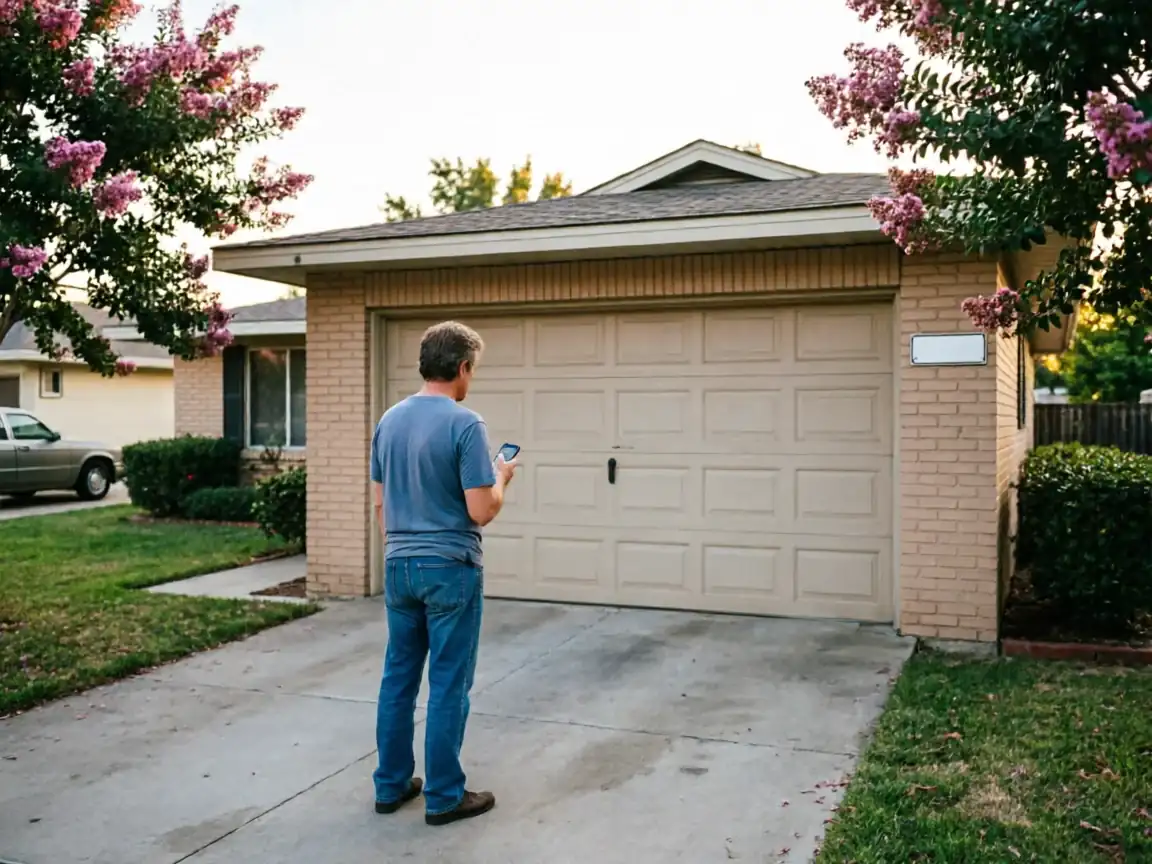
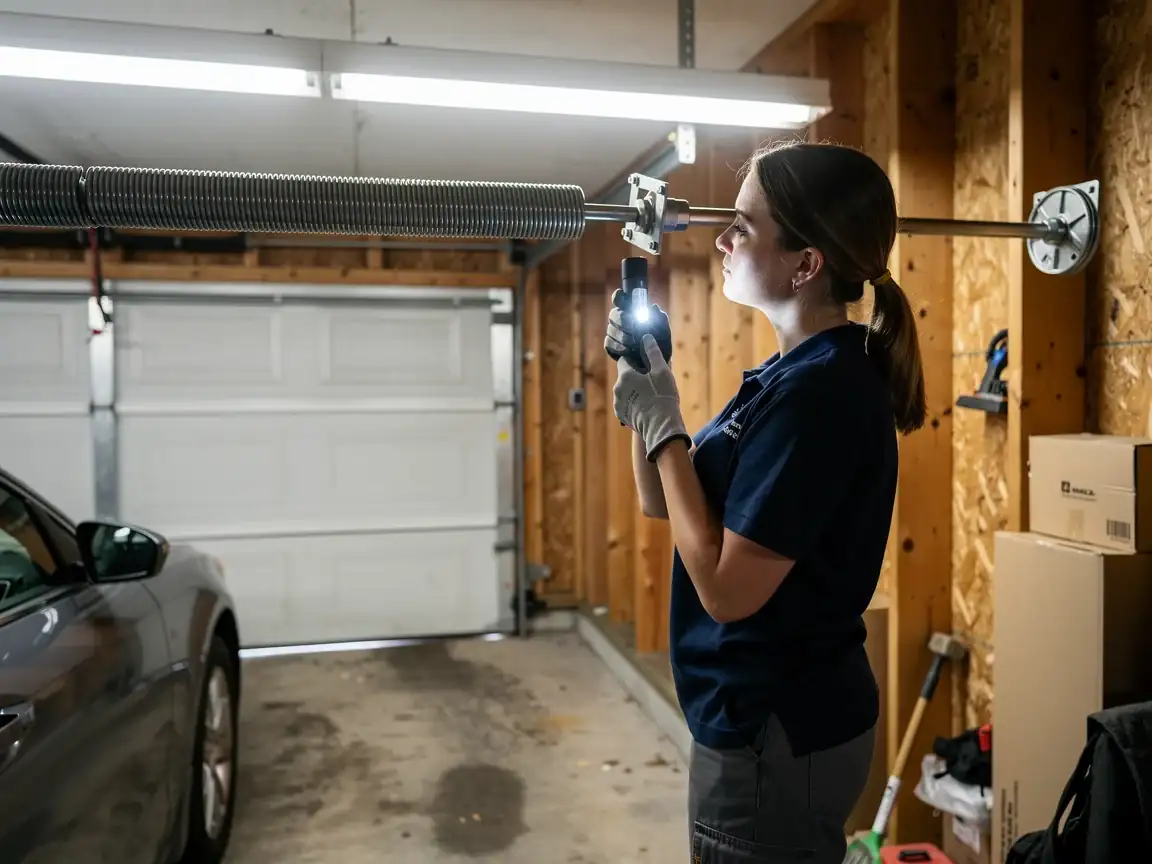
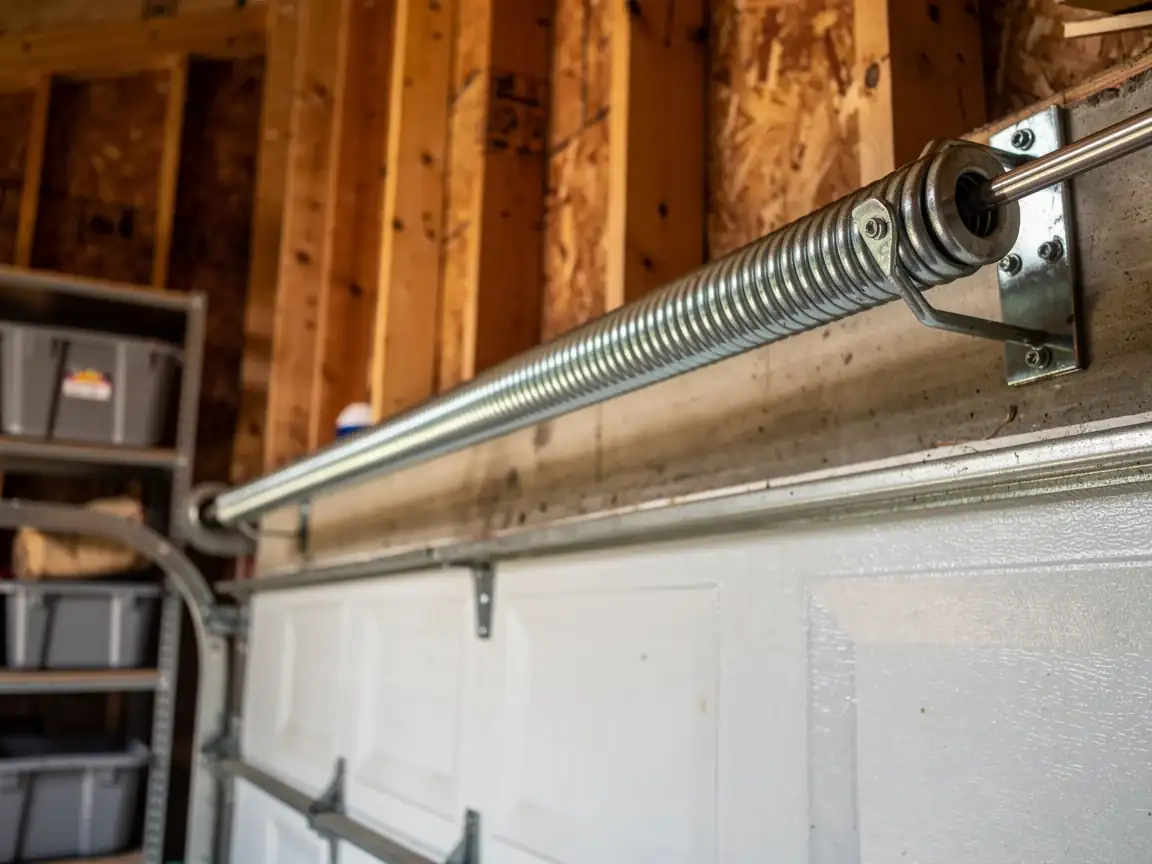
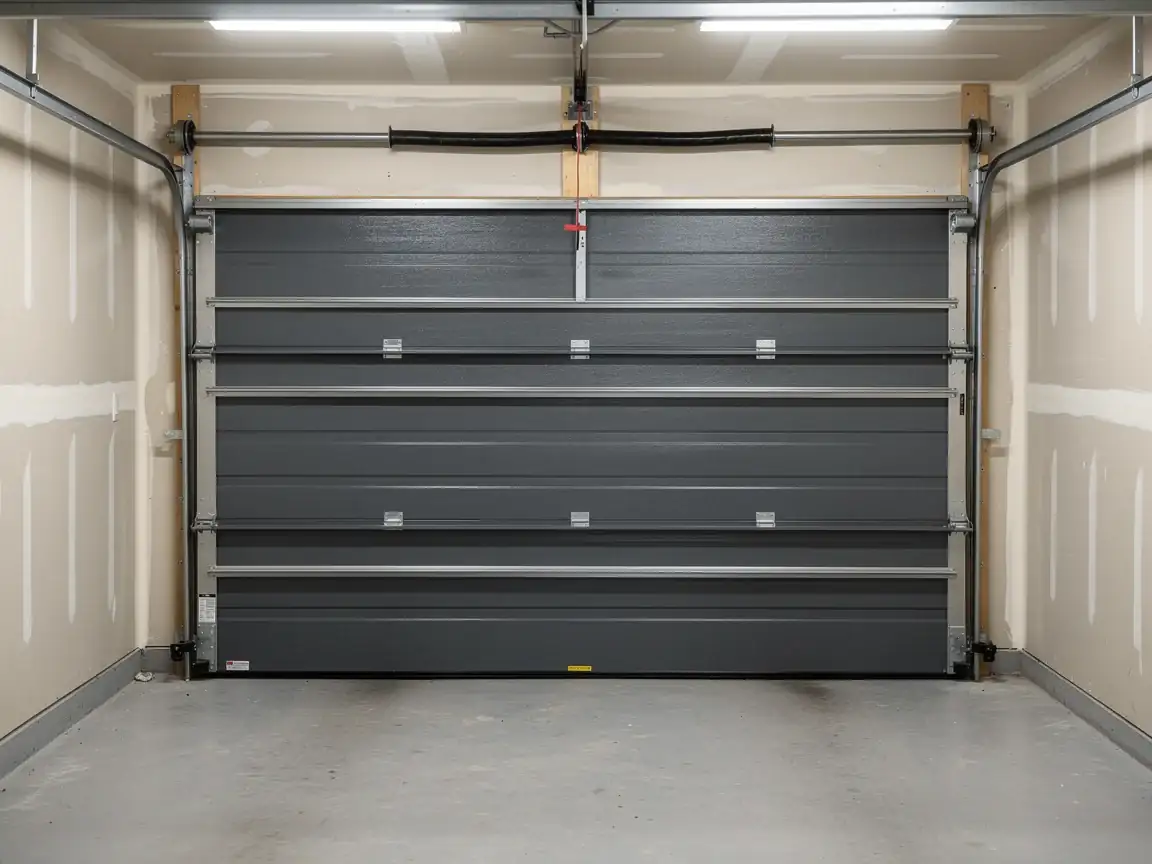
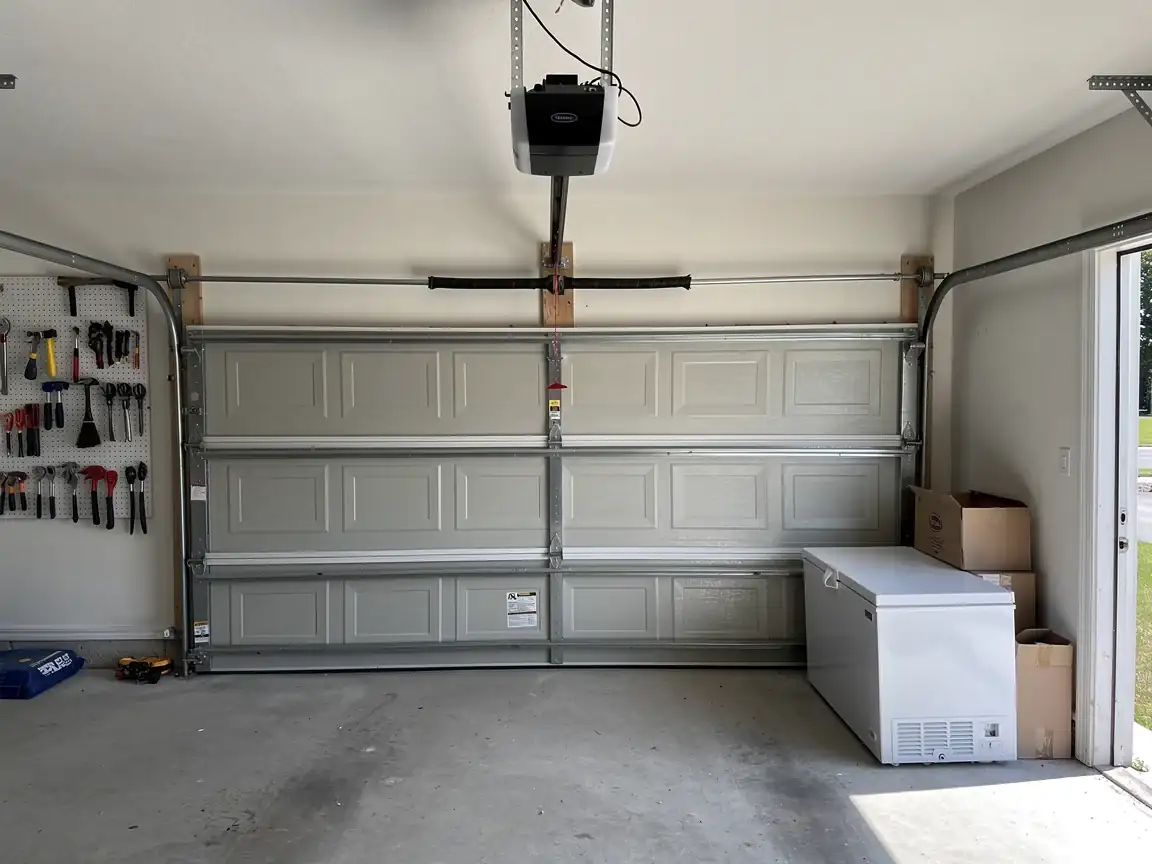
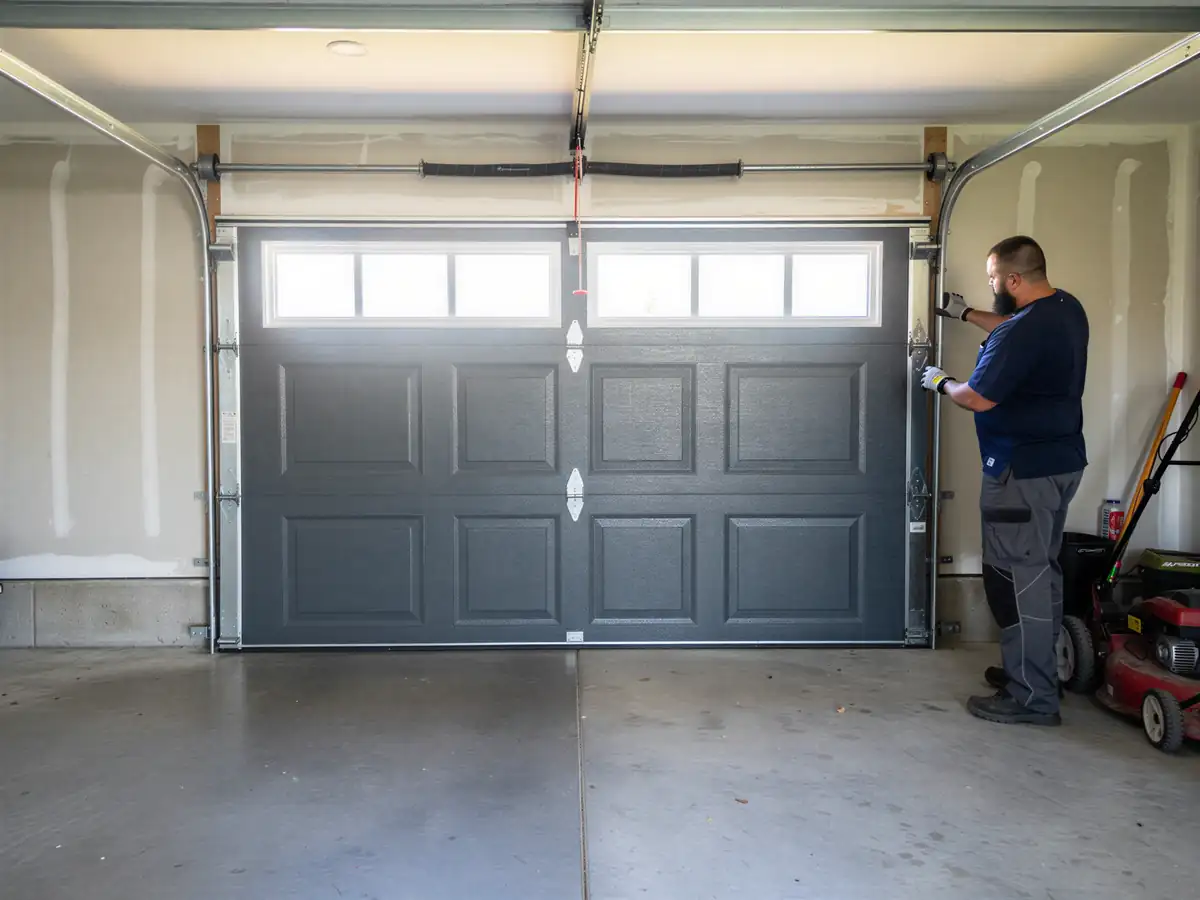
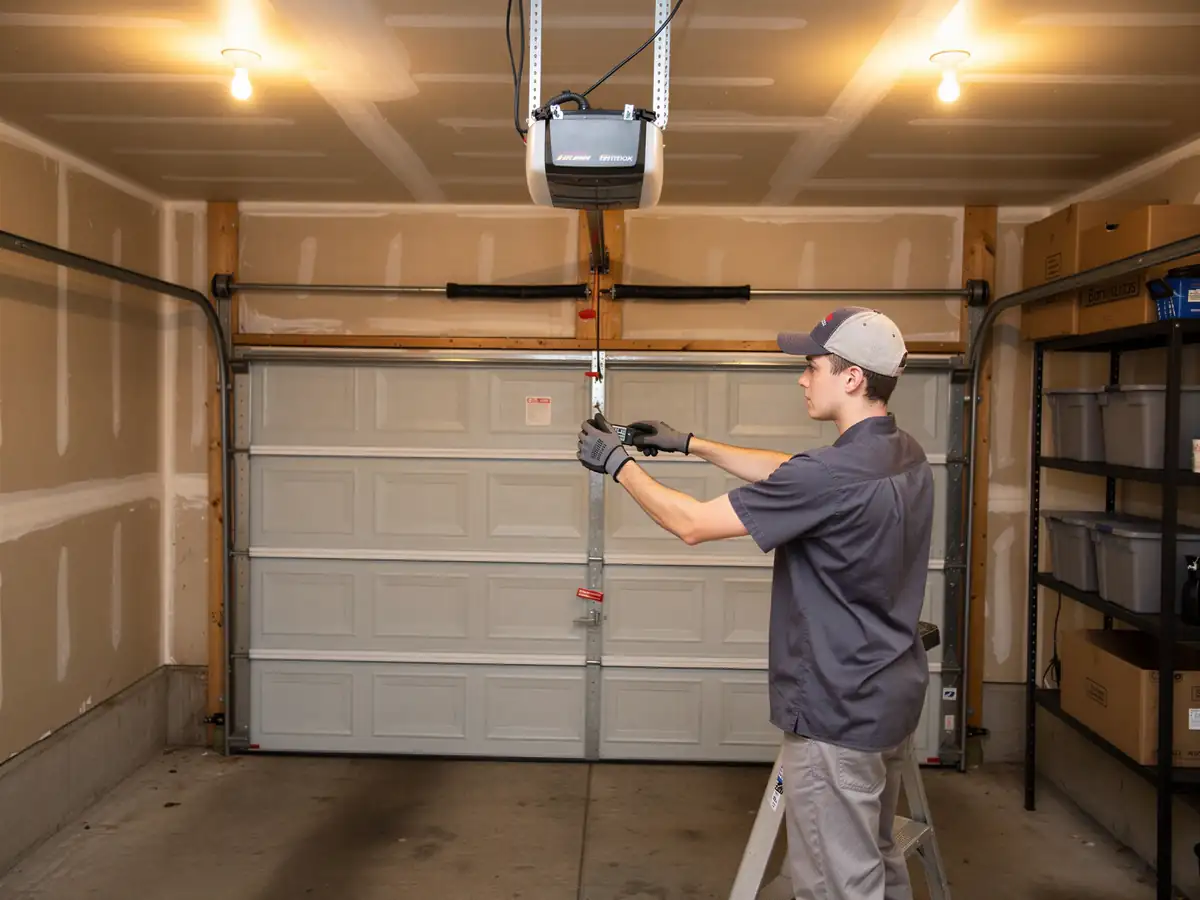
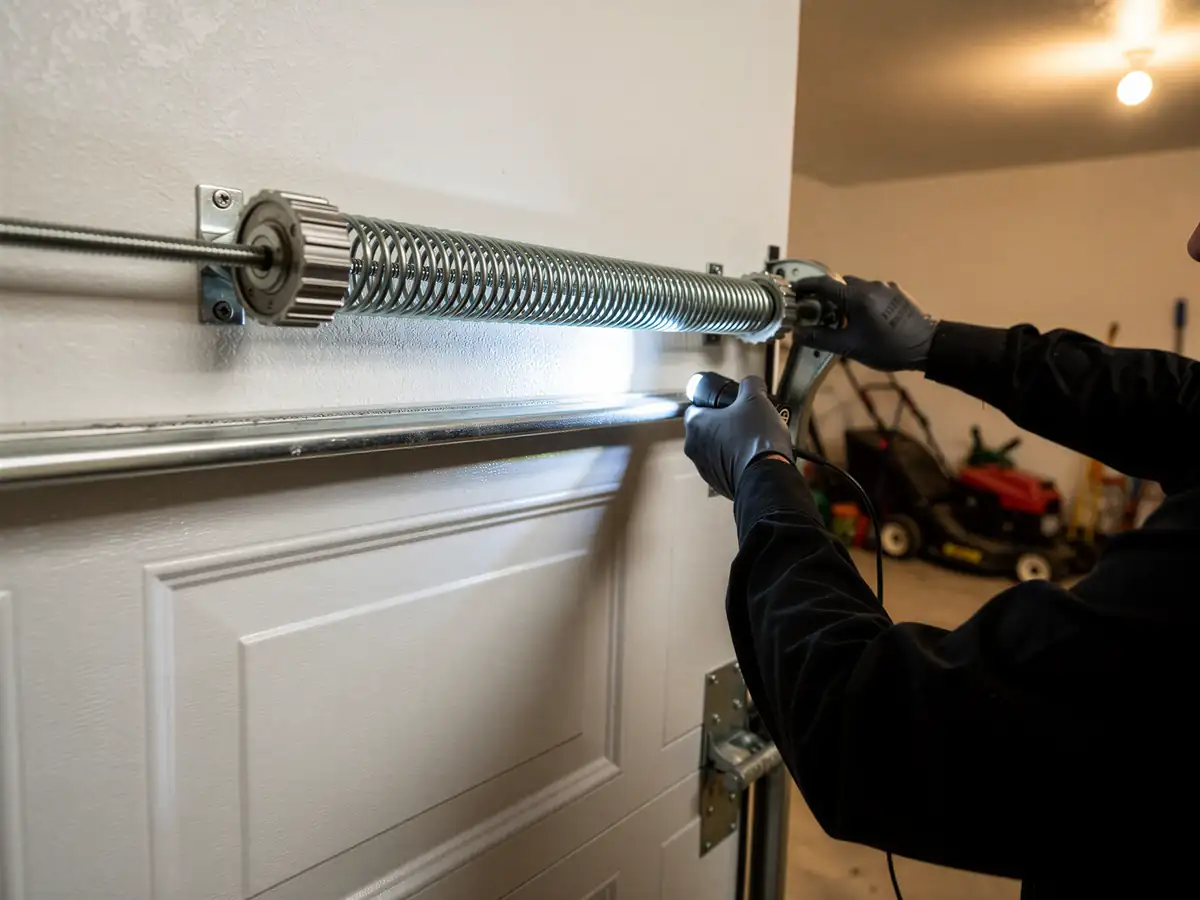
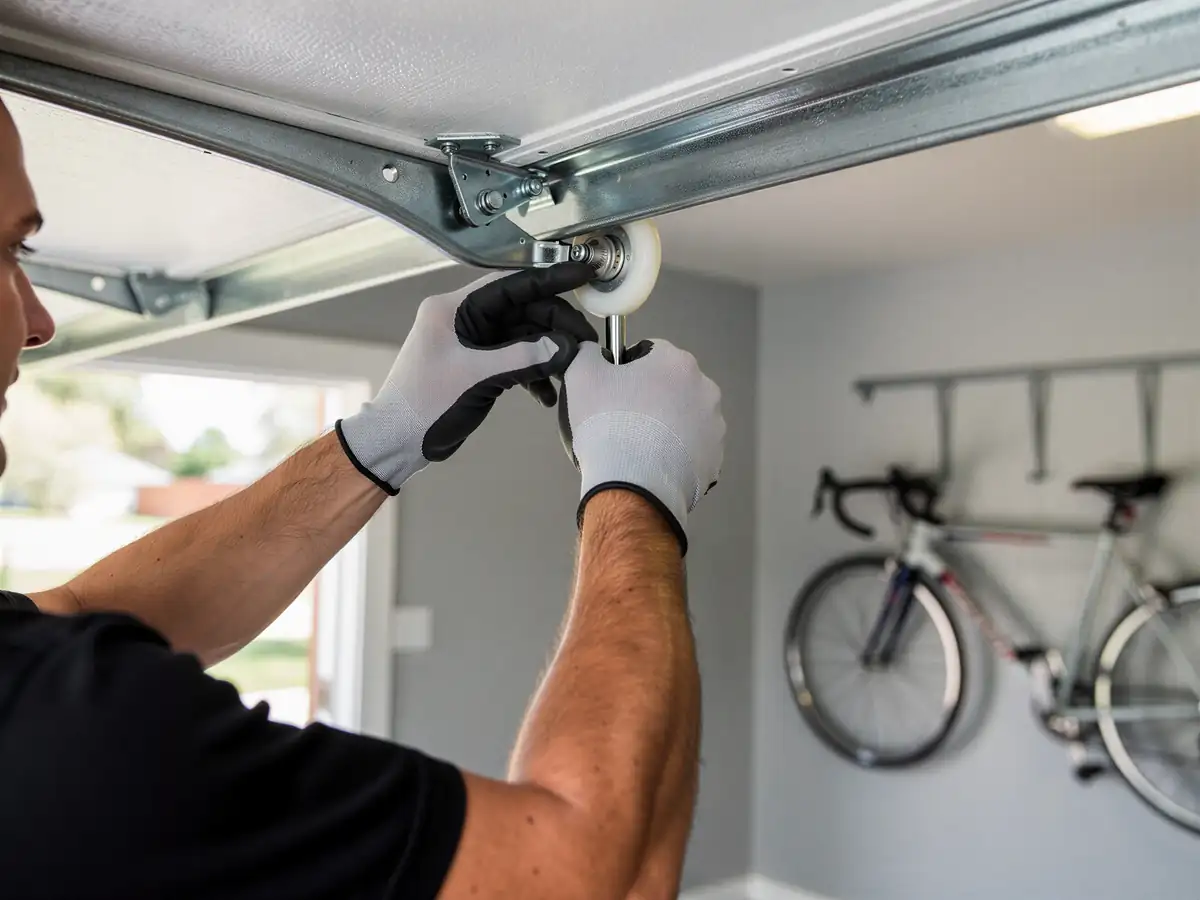
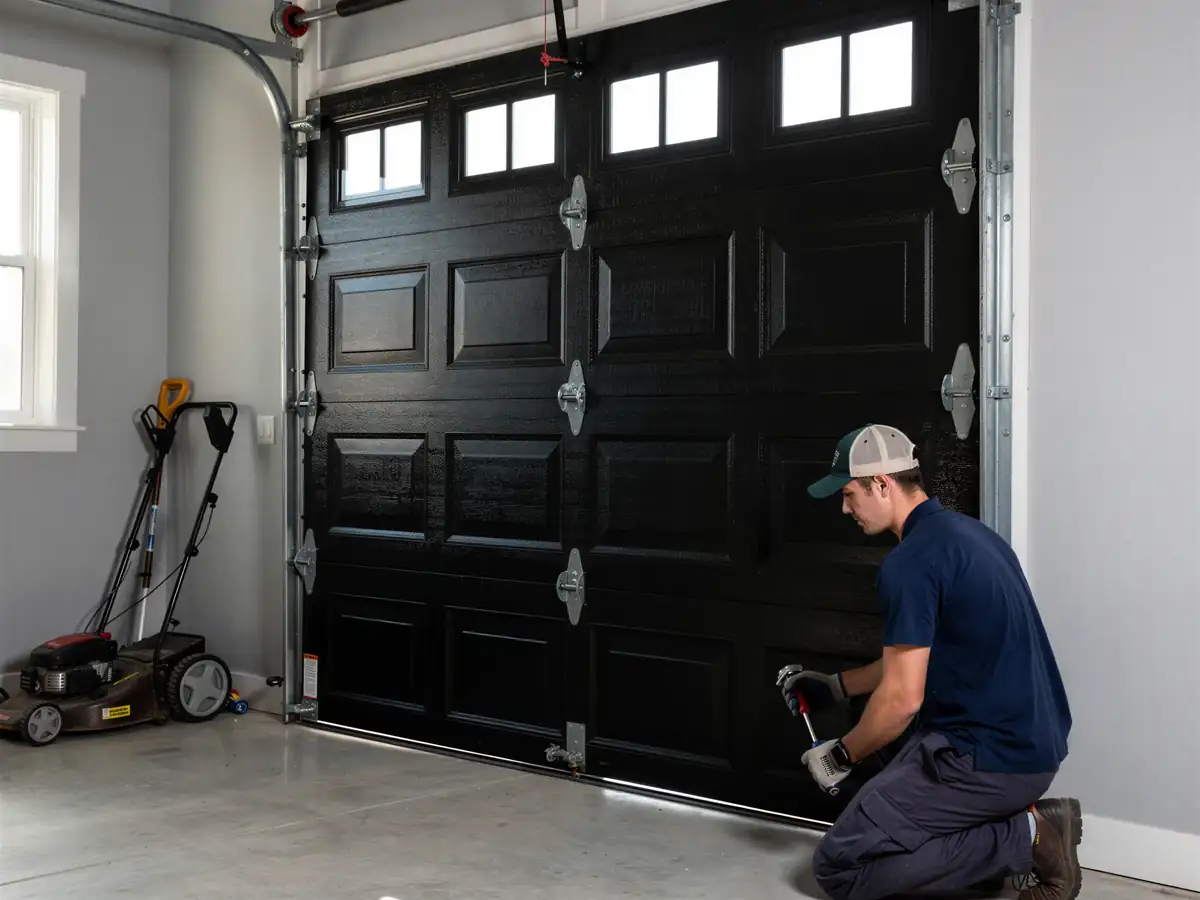
Some of it, yes. If the door won't close and the photo-eye sensors near the bottom of the track are dirty or knocked out of alignment, you can wipe the lenses and nudge them back into line yourself. Same goes for a track that's loose at a bracket - a wrench and ten minutes handles it. What you shouldn't touch is the torsion spring. A lot of the doors we see on service calls sit on houses built in the 1960s and 70s, part of the wider 1959-1999 stock across this area, and those springs are wound under enough tension to break a wrist or worse if the winding bars slip. Same with the cables running from the bottom brackets up to the drum - if one has frayed, don't crank the door up by hand to see how bad it is. The honest limit here: if a spring has already let go and the door is sitting on the floor, that's not a DIY afternoon, that's a call. We'd rather talk you through what's safe to check over the phone than have you find out the hard way what a 150-pound door does when the last cable snaps.
What You Are Seeing
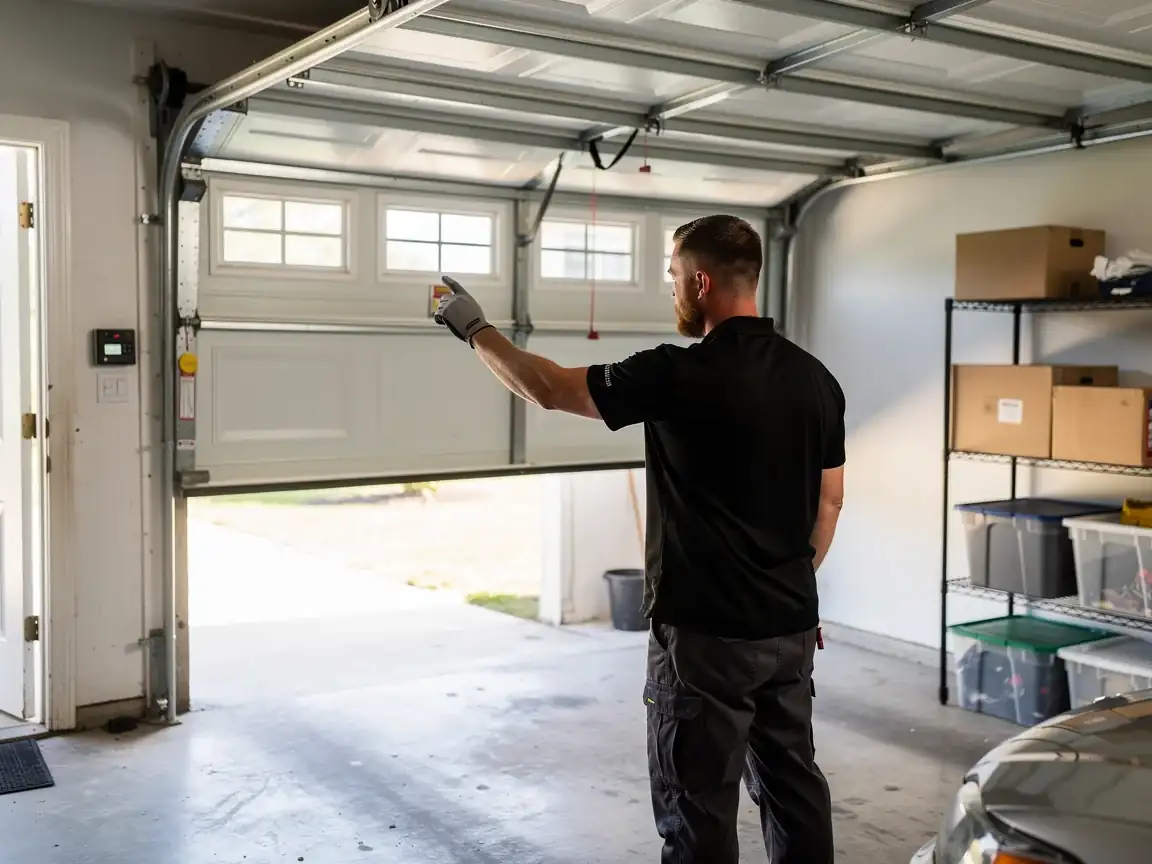
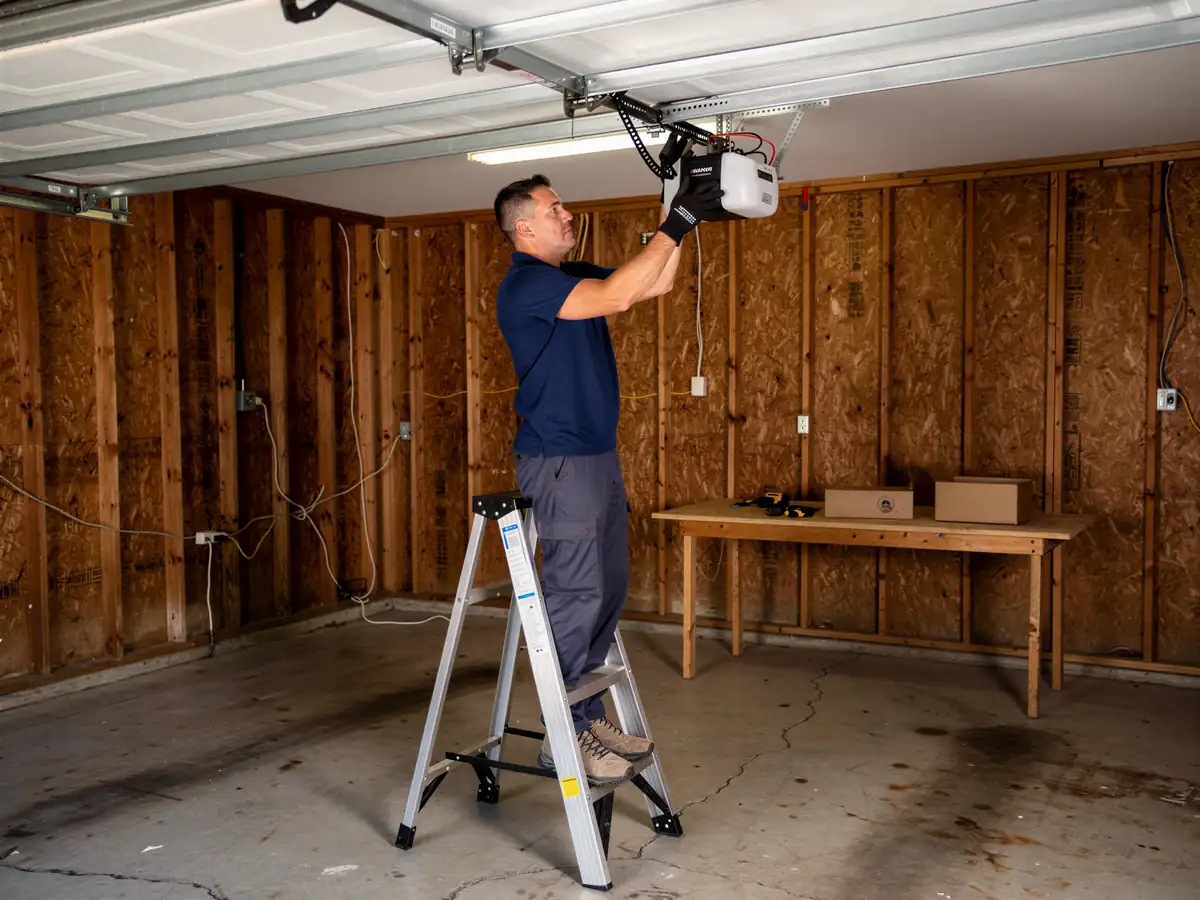
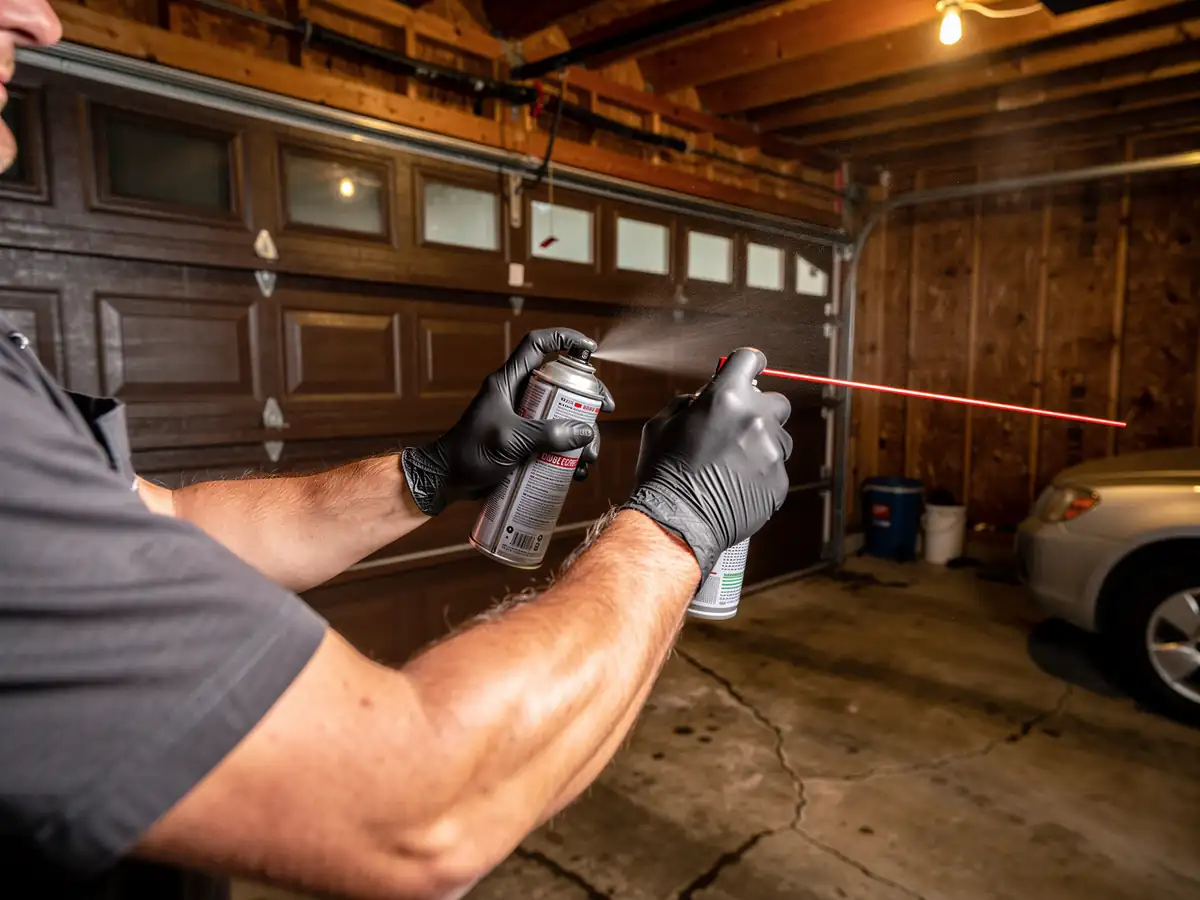
The door stops partway and reverses before it hits the floor - that's almost always a photo-eye issue or a spring losing tension, not the opener itself. A loud bang from the garage followed by a door that won't budge is a torsion spring that's let go; don't force the opener to lift it, you'll strip the gear. If the door is crawling up slower than it used to, or the opener motor sounds like it's working harder than it should, that's a spring past its service life trying to carry a door it can no longer balance. Cold mornings bring their own version: a door that opens fine by afternoon but groans or sticks at the top of the track on a cold start is often a lubrication problem made worse by low temperatures stiffening the grease in the rollers and hinges. A door that's visibly off-track, with rollers bent out of the channel, usually traces back to one bent section rather than the whole track failing.
What Causes It Around Here
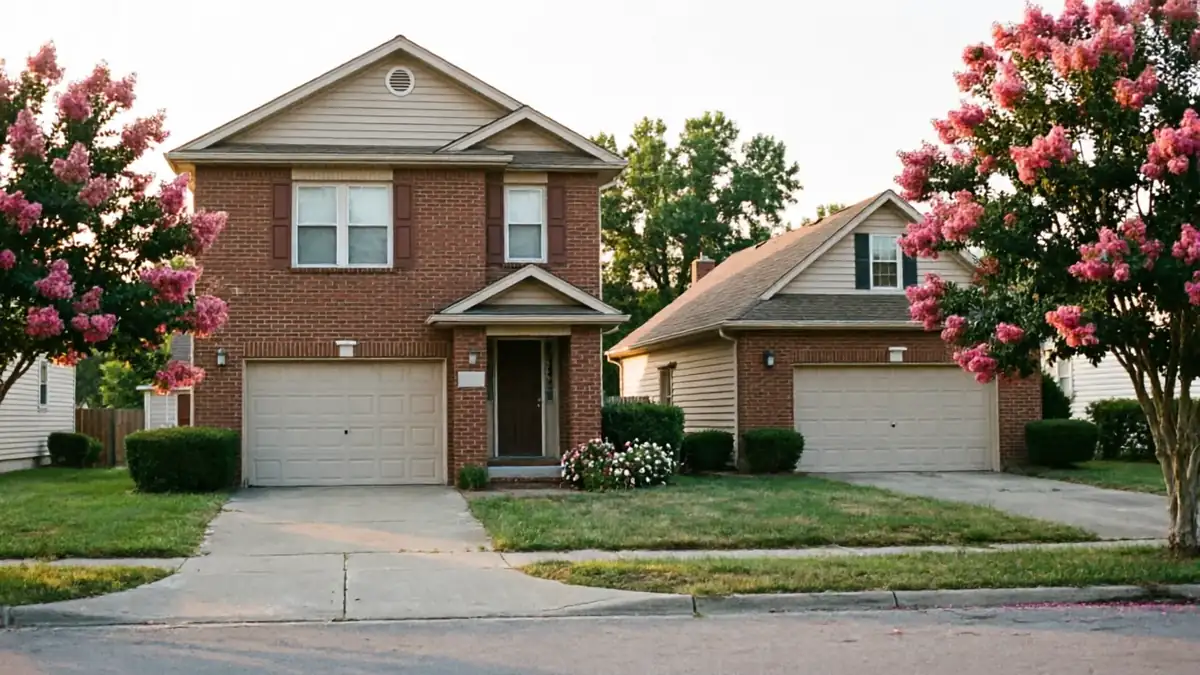
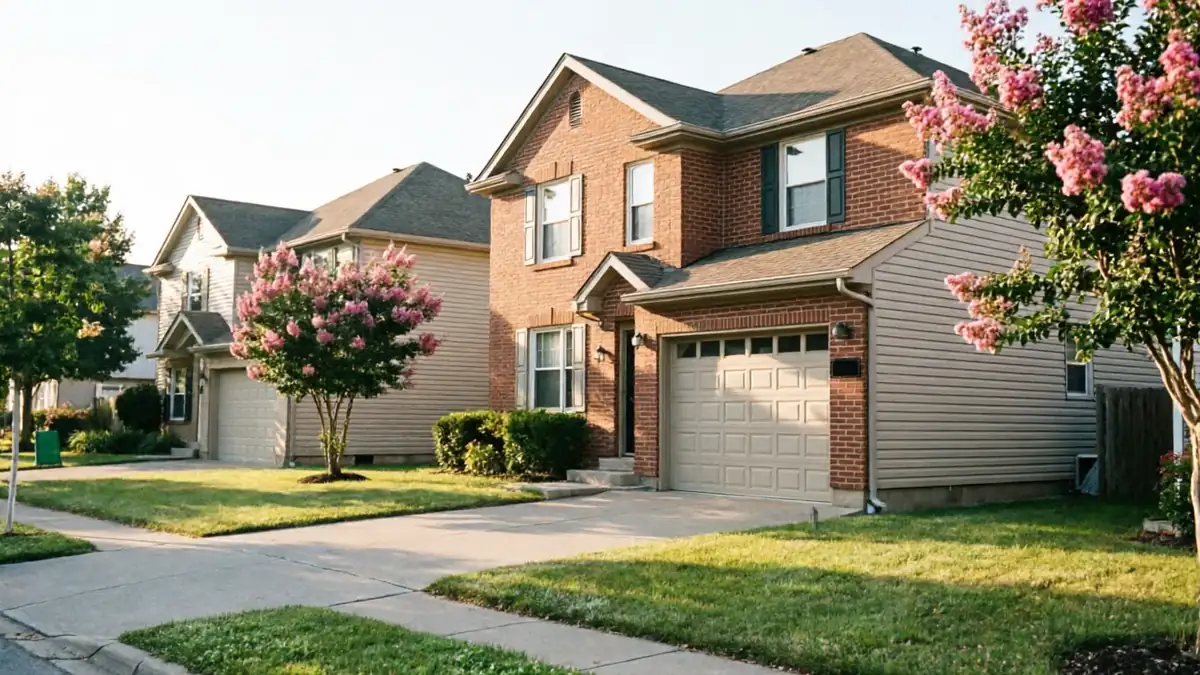
Edmond sits in a cold-moderate climate band, and that matters more to a garage door than most people expect. Steel torsion springs flex through more freeze-thaw cycles here each winter than they would in a milder zone, and that cycling is what fatigues the metal until it snaps - often on the first cold morning rather than during the cold stretch itself. Layer that onto the housing stock: a lot of this area went up between 1959 and 1999, with the heaviest concentration in the 1960s and 70s across the twenty-plus named areas we work, which means a large share of the doors we're called to still carry original or first-generation replacement springs sized for hardware nobody manufactures the same way anymore. With 39,401 owner-occupied houses in the service area and a median household income of $60,822, most of what we see are repair calls on houses that have had one owner's worth of wear on the same door - not fresh installs with new hardware. That combination, older springs plus real winters, is the reason this fails more often here than the national averages would suggest.