Can You Do This Yourself
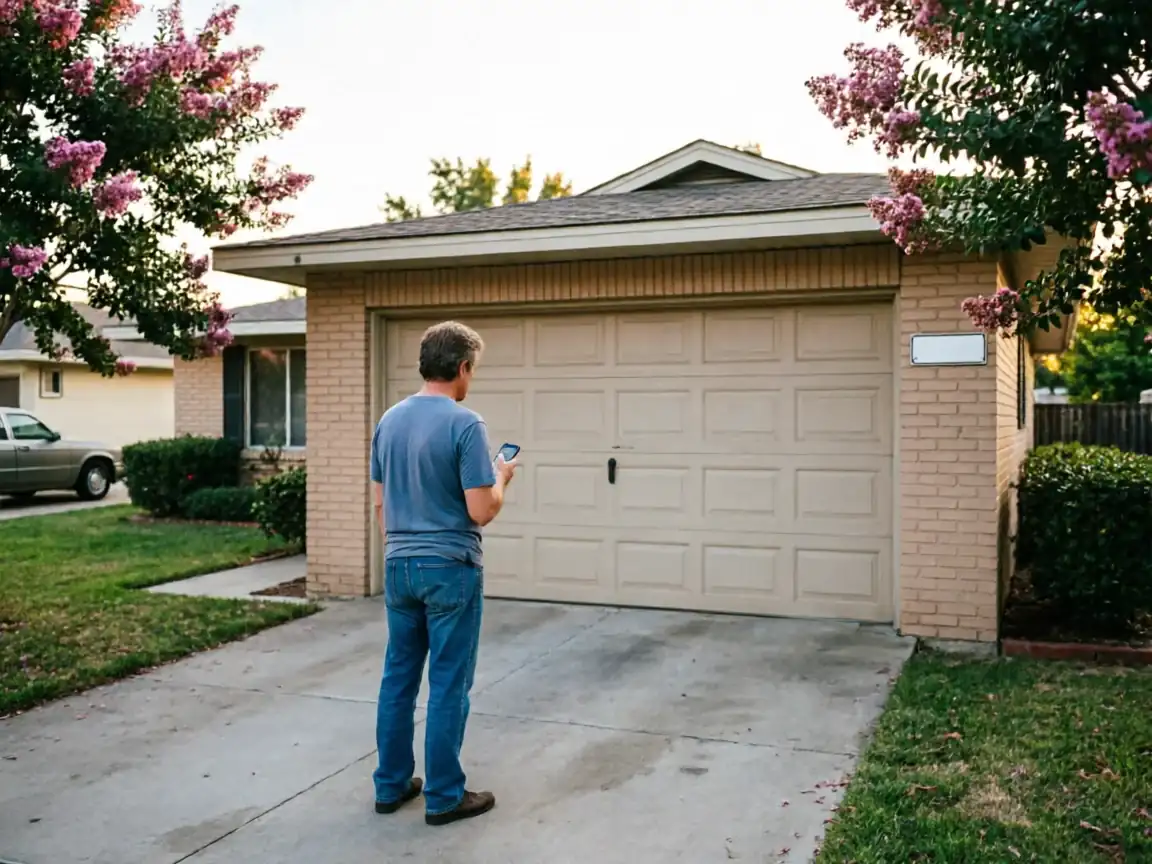
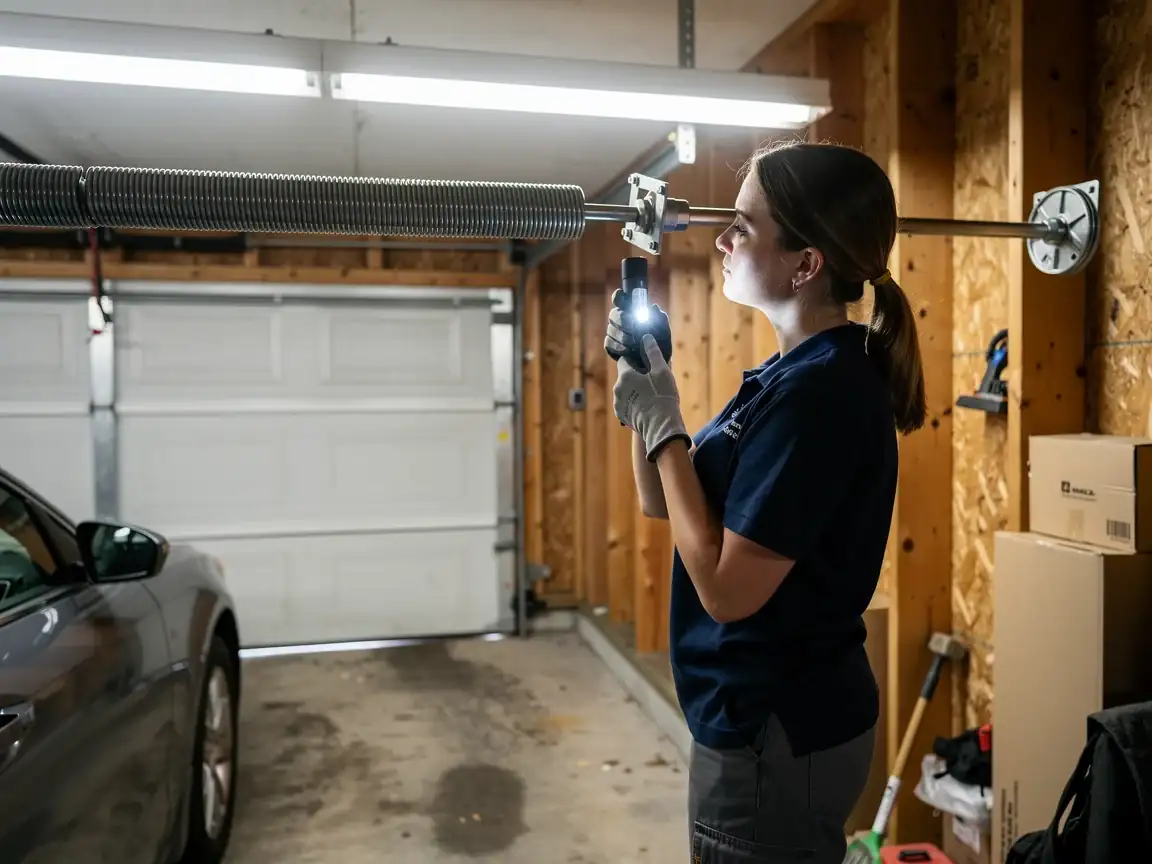
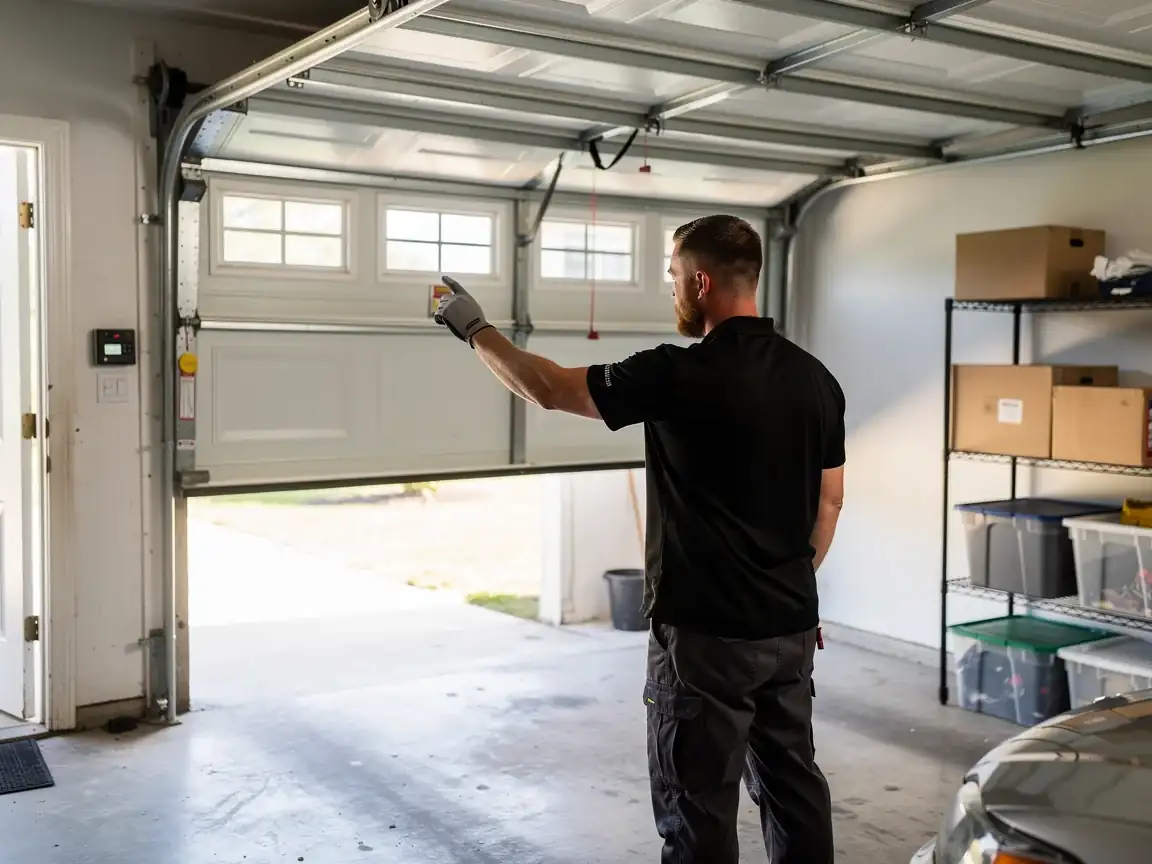
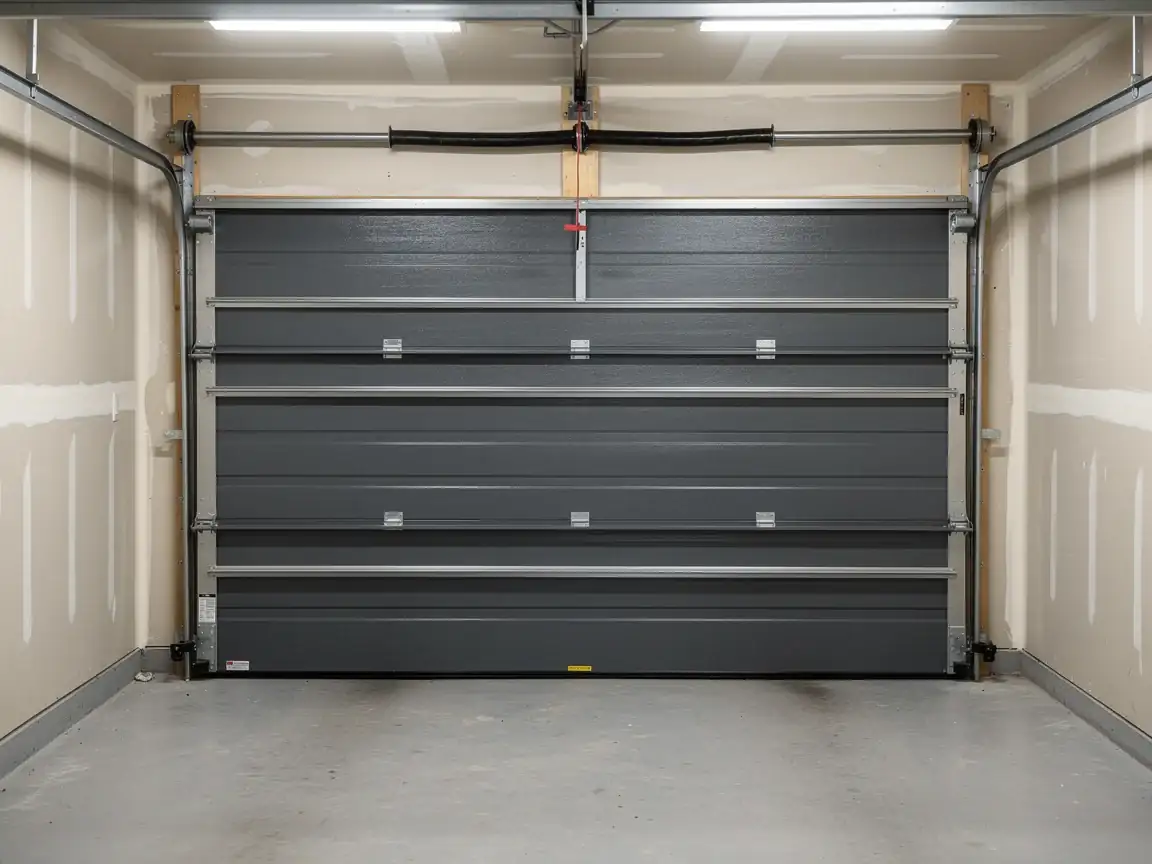
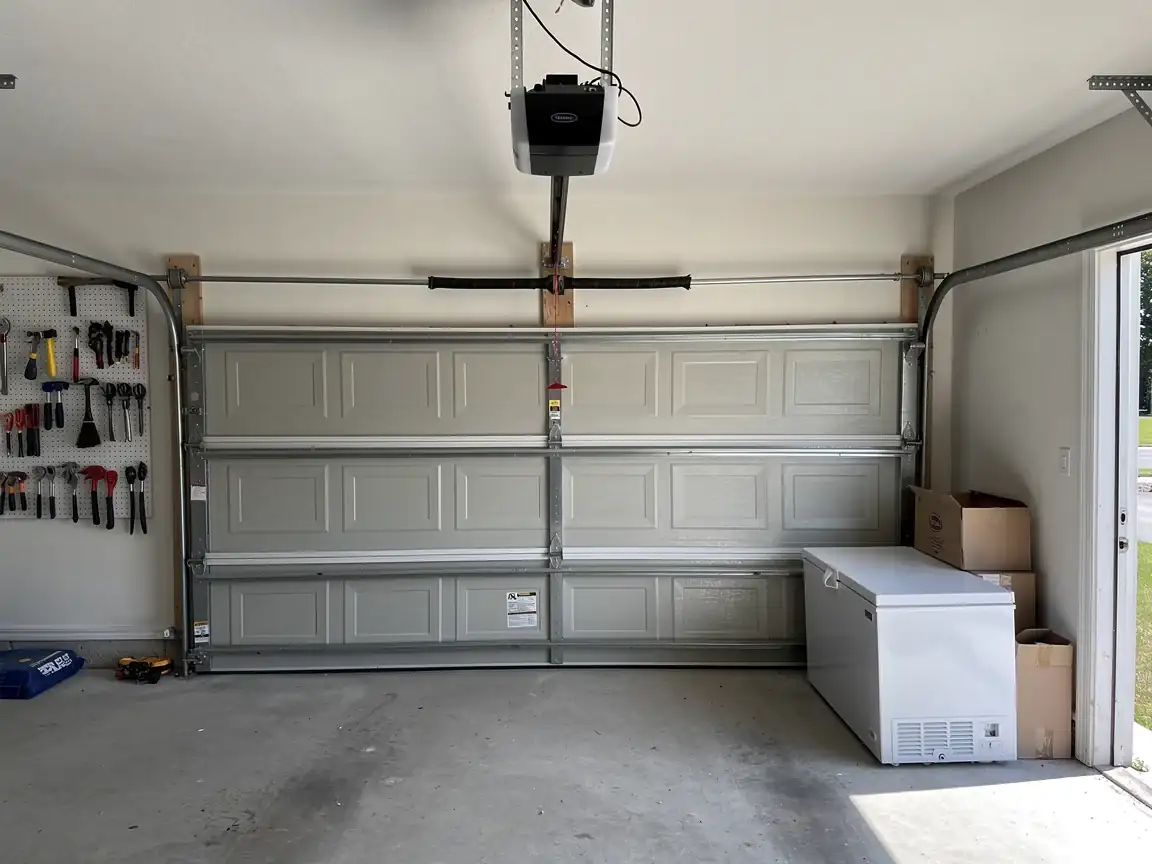
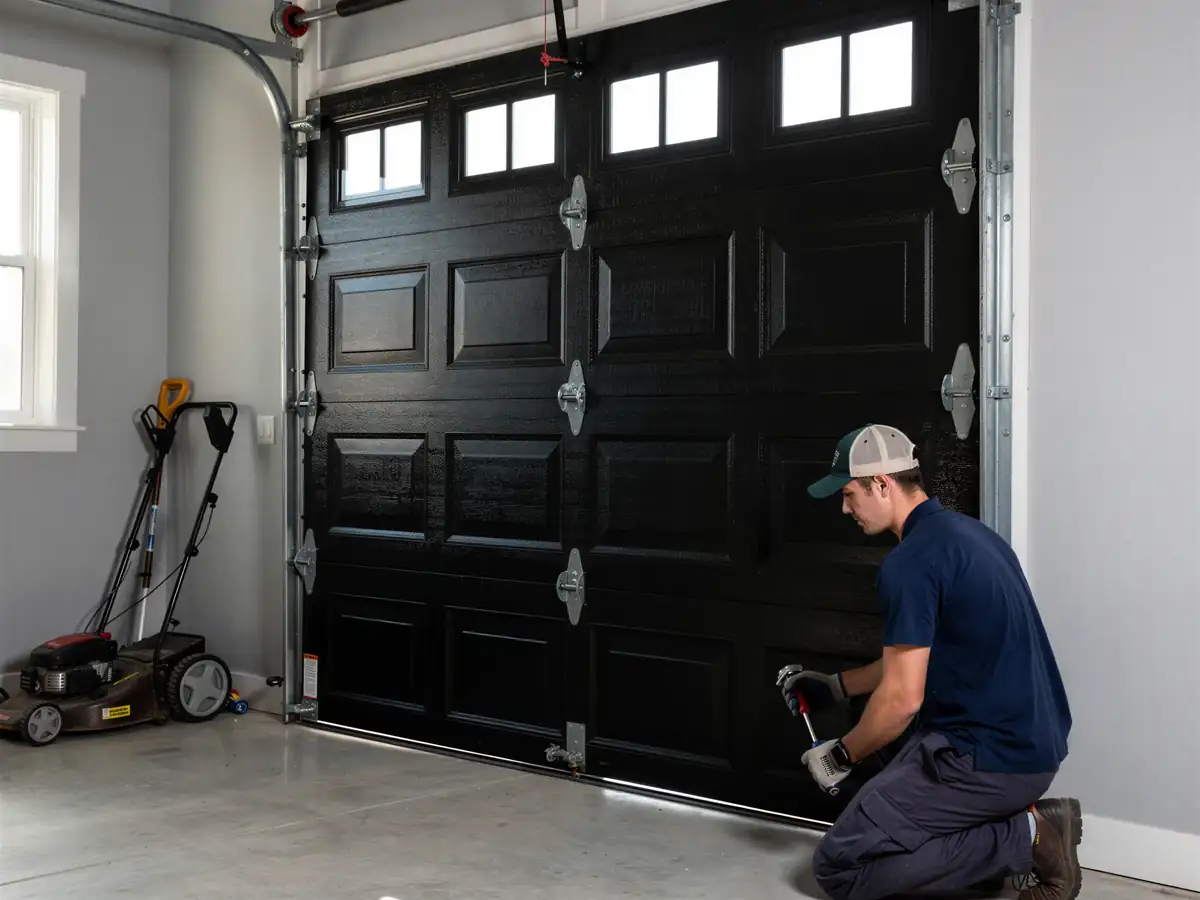
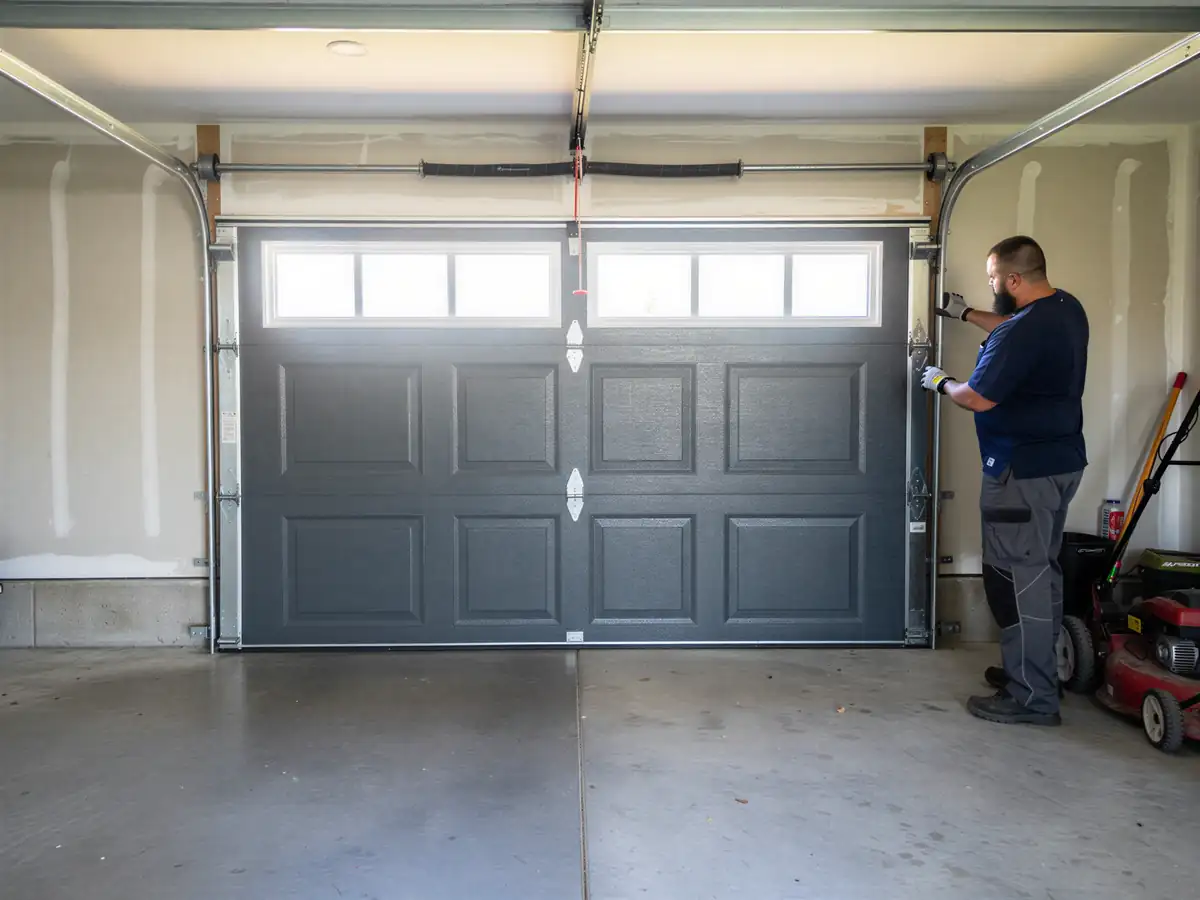
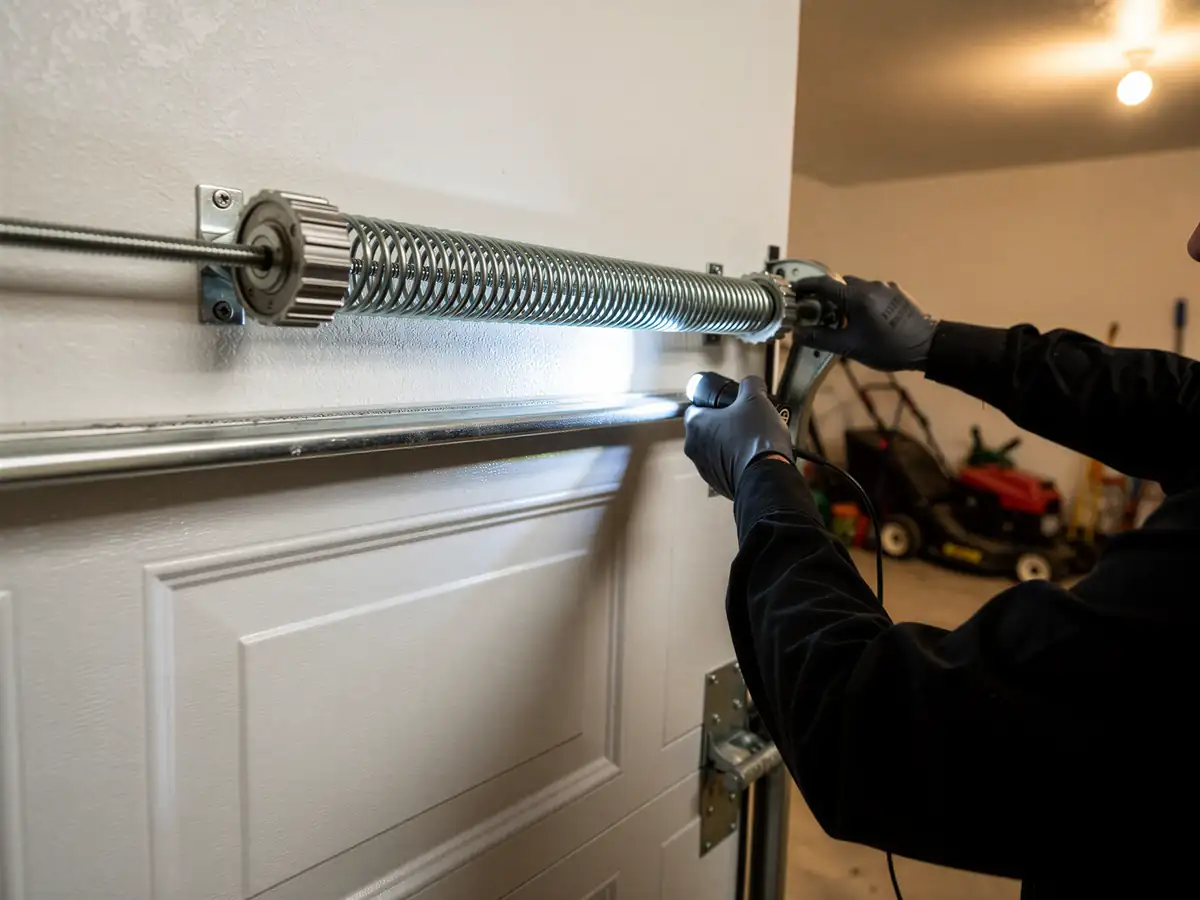
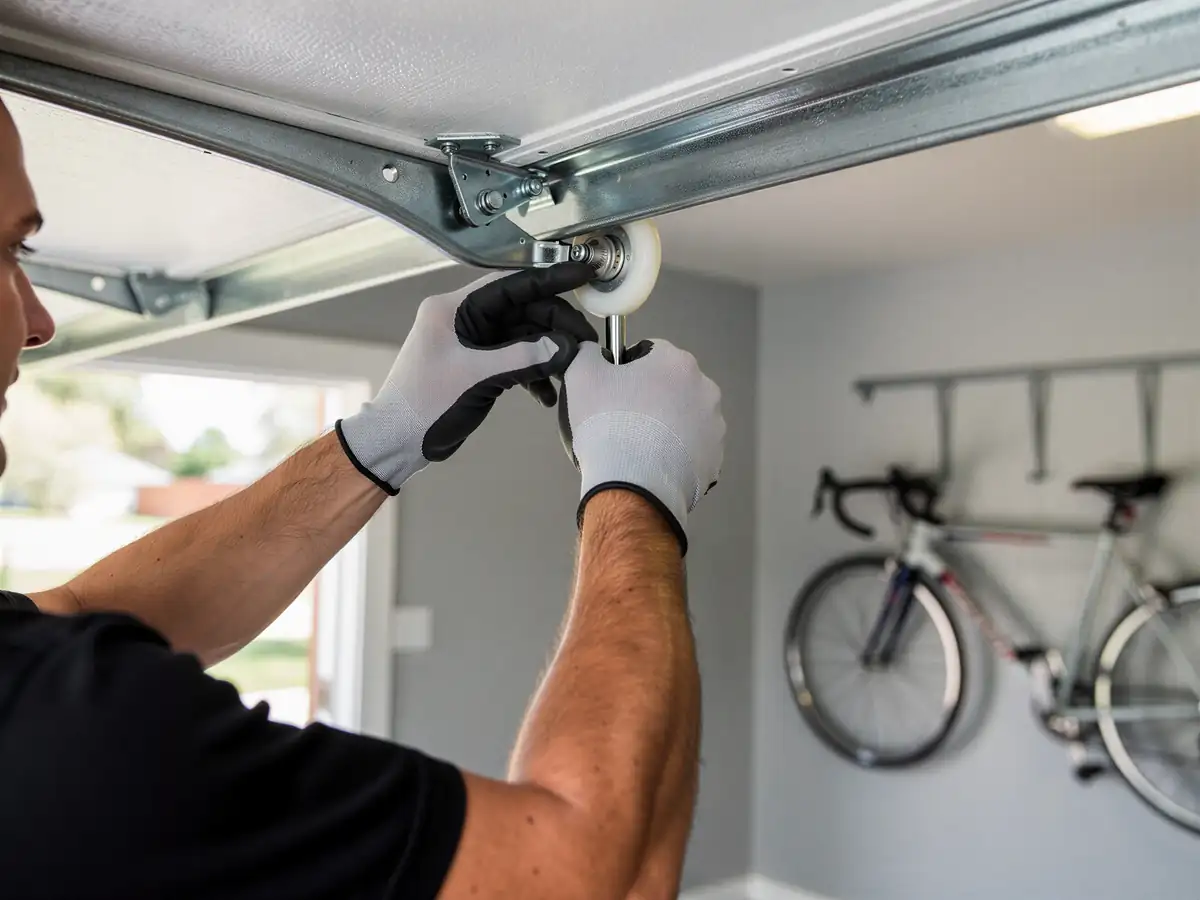
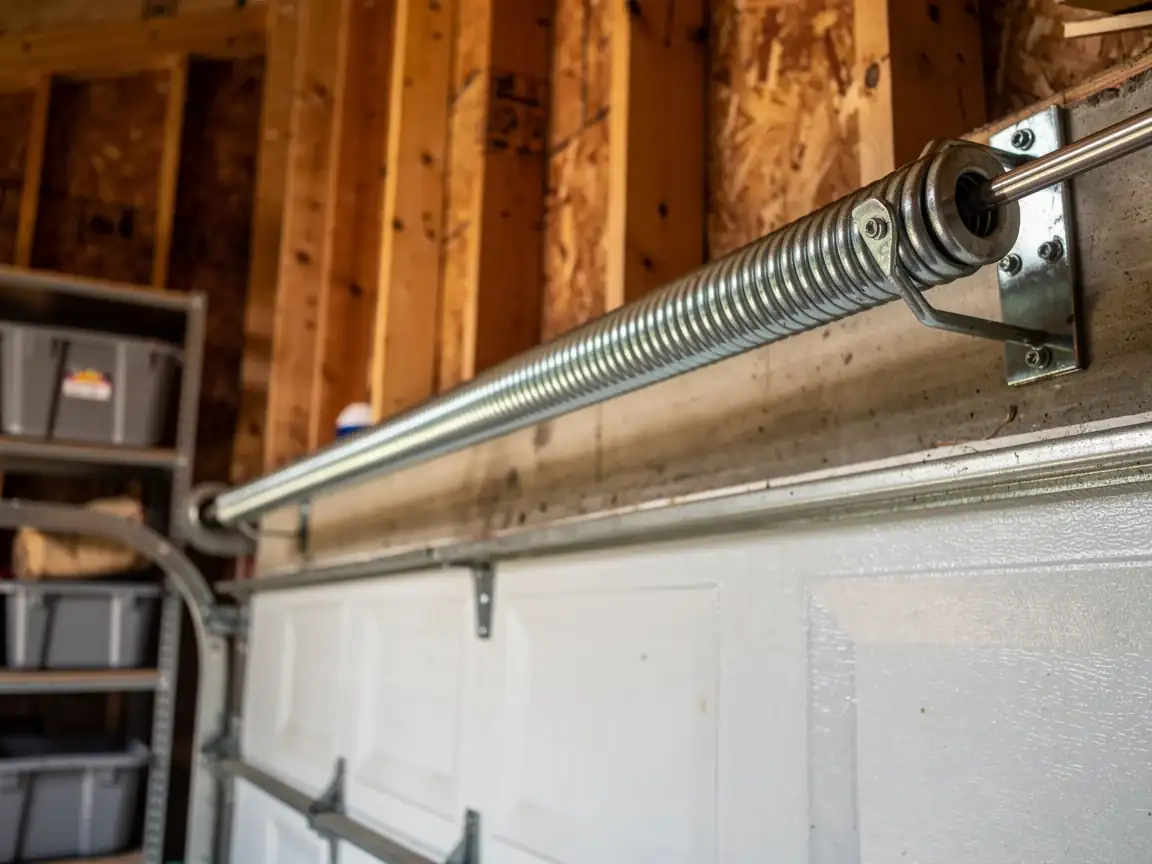
A lot of what goes wrong with a garage door in Edmond is simple enough to look at yourself before you call anyone. Check the track for dents, check the rollers for cracking, and check whether the door is balanced by disconnecting the opener and lifting it by hand halfway up. If it holds there, the spring is doing its job. If it drops or flies up, the spring is carrying the wrong tension and that's not a DIY fix - torsion springs are wound under several hundred pounds of force and the tools to safely wind or unwind them aren't something most homeowners keep in the garage.
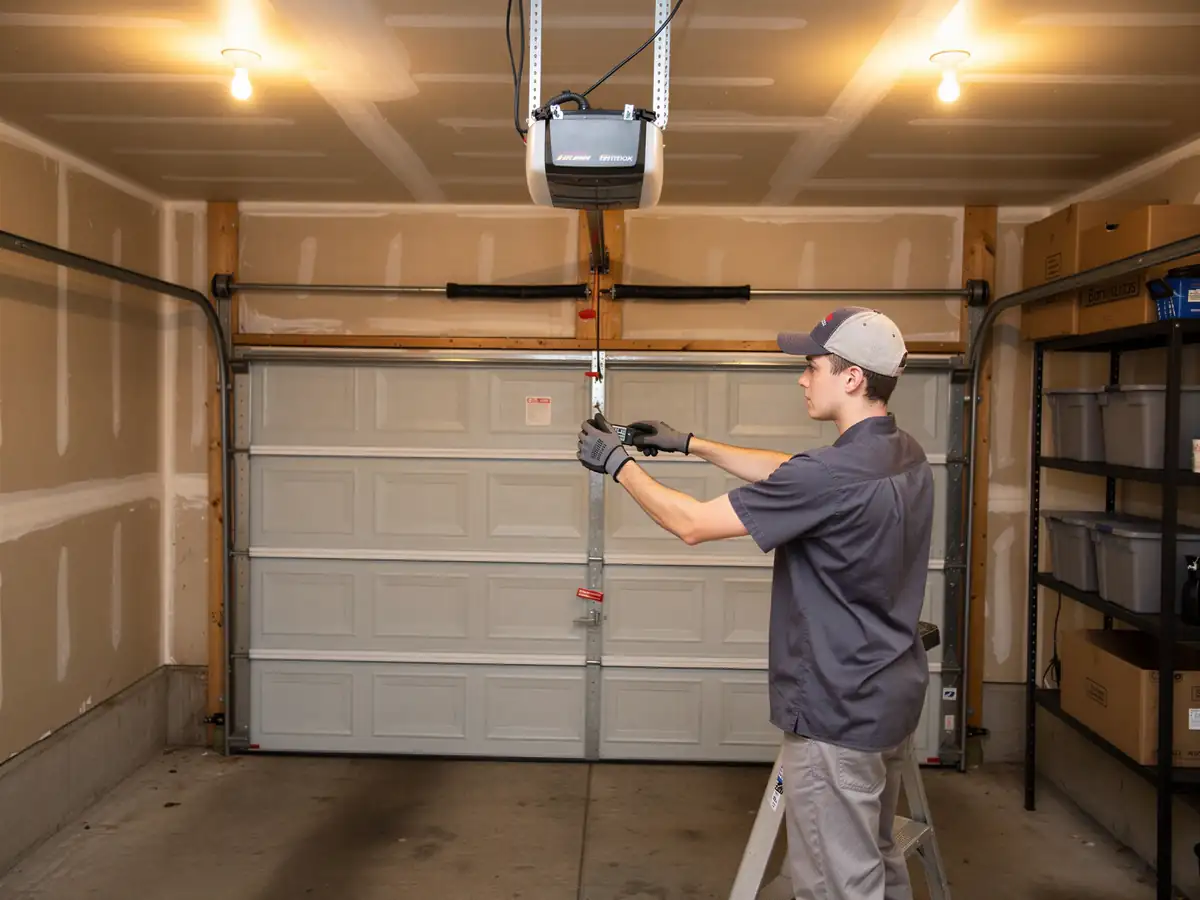
Opener issues are a mixed bag. A dead remote battery or a sensor knocked out of alignment by a bike or a stray box, you can sort yourself in five minutes. A motor that runs but won't move the door, or a door that reverses halfway for no clear reason, usually points to something mechanical downstream that's worth a second set of eyes.
We'll be straight about it: if your door was installed when the house was built - and across Edmond's older sections that means hardware from the 1960s, 70s, or 80s - replacement parts for that specific track width or spring mount may not be stocked anywhere nearby, and a repair quote can turn into a replacement conversation fast.
What the Fix Involves
A standard service call starts with the spring and cable system
Since that's what fails most and what's most dangerous to leave half-fixed. We check spring wind count against door weight, inspect the cables for fraying at the drum, and look at the track alignment where the rollers ride. On homes built in the 1960s and 70s - the bulk of what's on the ground in Edmond's established neighborhoods - we're often working with side-mounted torsion setups and lighter-gauge track that wasn't built for today's heavier insulated doors, so part of the job is confirming the hardware still matches the door it's holding up.
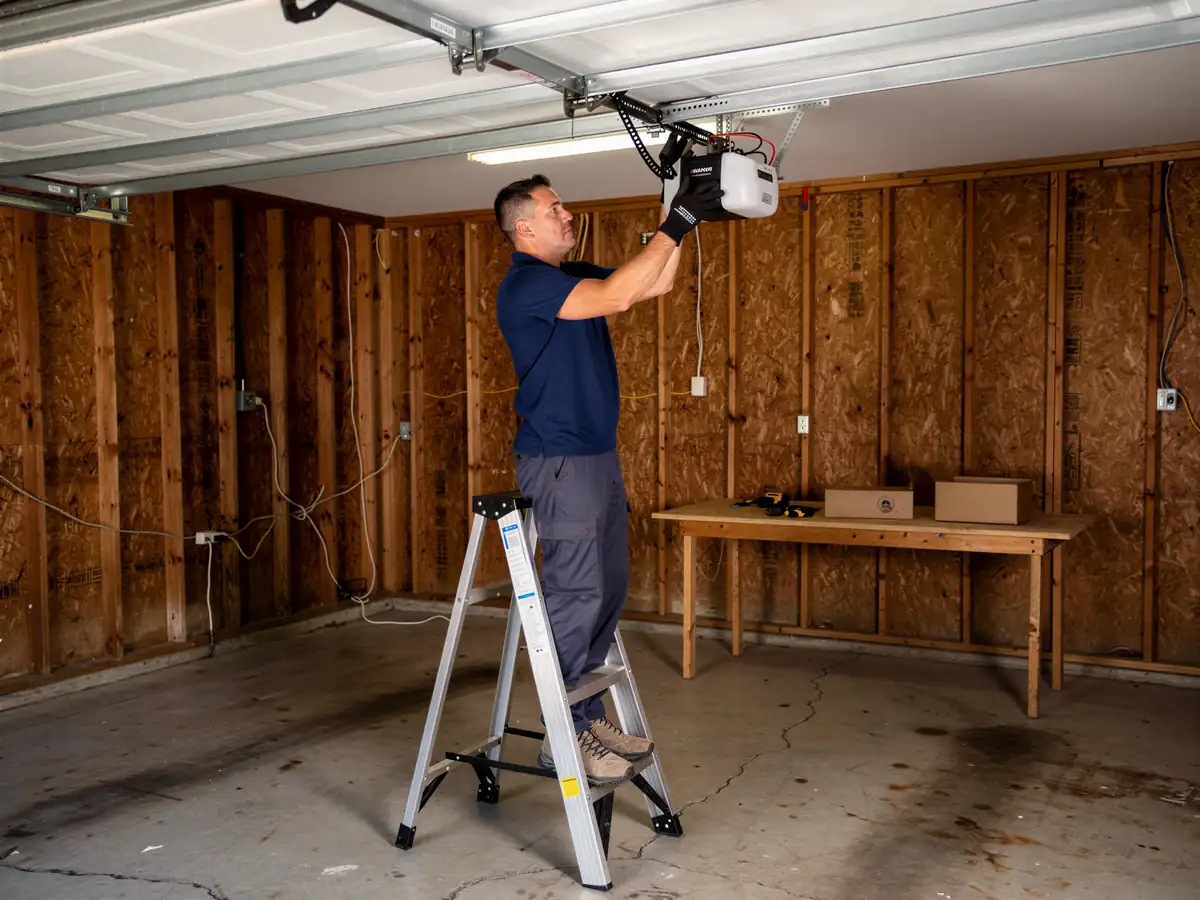
On the opener side, we test the force settings, the safety reversal sensors, and the drive mechanism itself, whether it's chain, belt, or screw drive
A lot of openers from that same building era are long past any manufacturer support, so once a circuit board or logic unit fails, repair isn't on the table and replacement is the only real option.
We'll tell you up front if a part needed for your specific door isn't something we can get quickly
That's the honest limit of this work: older or odd-sized hardware sometimes means a longer wait than a same-week fix, and we're not going to pretend otherwise just to book the job.
What You Are Seeing
The signs that bring most Edmond homeowners to the phone are pretty consistent. A door that's suddenly heavy to lift by hand, or won't stay up on its own, points to a spring that's lost tension or snapped outright. A loud bang from the garage, followed by the door refusing to open with the opener, is almost always a broken torsion spring - startling, but not something that damages the rest of the system if you leave the door alone and call rather than force it.
Grinding or scraping sounds as the door travels usually trace back to worn rollers or a track that's pulled slightly out of alignment, both common once a door's been cycling for a couple of decades. A door that opens but reverses itself on the way down often means a misaligned or dirty photo-eye sensor near the floor, which is cheap to fix once you know that's the cause.
If the opener runs - you can hear the motor - but the door doesn't move, check the drive gear or belt before assuming the motor itself is dead. On houses with the original builder-grade opener still installed, this is one of the most common calls we get, and it's usually a worn drive gear rather than a motor replacement.
What Causes It Around Here
Most of the housing across the Edmond service area went up between 1959 and 1999, with a concentration in the 1960s and 70s across the twenty or so named sections of town. That means a large share of garage doors and openers in daily use are original or close to it - decades of thermal cycling on hardware that was never built with today's insulated steel doors in mind.
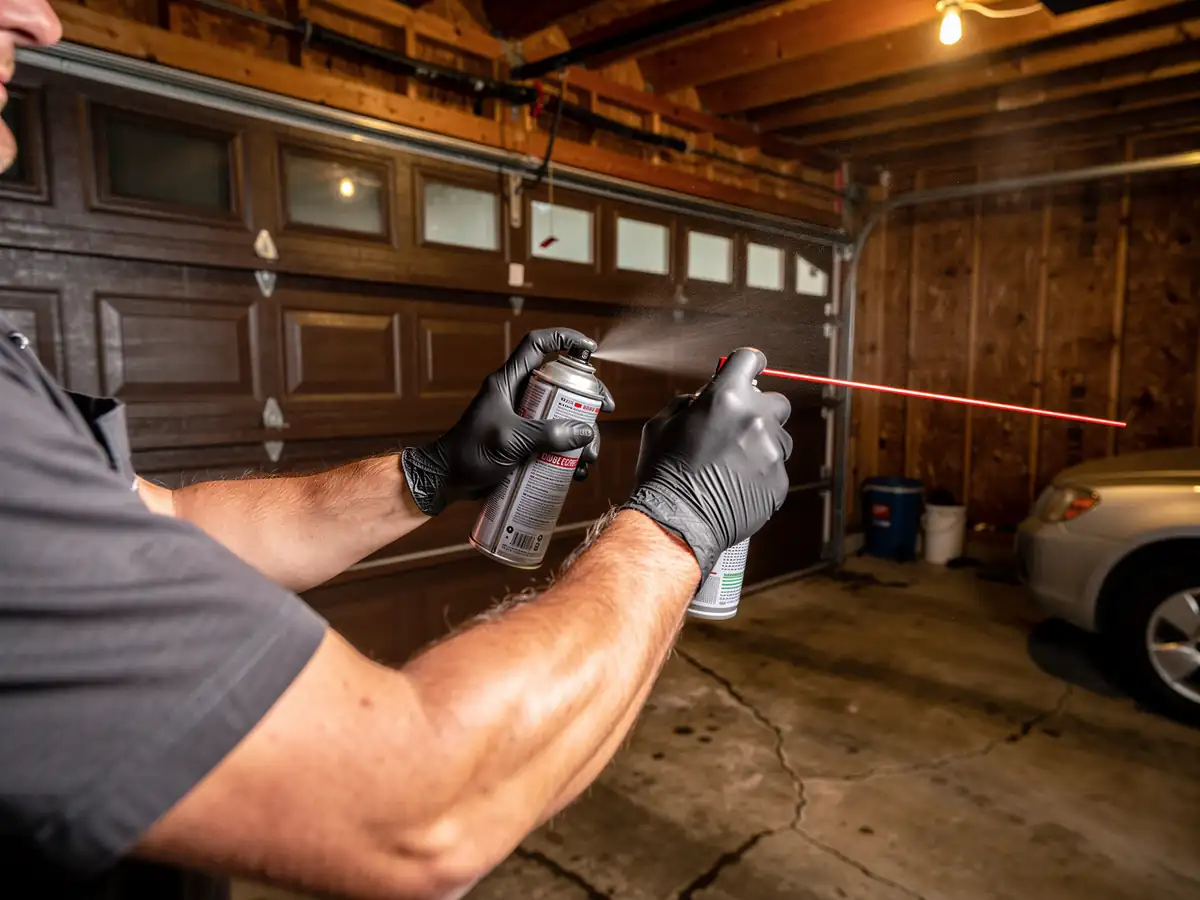
Edmond sits in a cold-moderate climate band, which matters more than people expect for garage doors. Winter cold tightens steel cable and stiffens the lubricant in older rollers and hinges, which is why a lot of our calls cluster in the colder months - a spring that was already near the end of its wind count finally lets go once the metal contracts. Summer heat swings the other way, expanding wood door panels and loosening screws at the track brackets.
The practical result: a door system installed when a neighborhood was built forty-plus years ago is running at the edge of its service life right when seasonal temperature swings put the most stress on it. That combination - old hardware, a climate that cycles hard between cold and heat - is the real reason garage door service calls in Edmond skew toward spring failure and opener gear wear rather than cosmetic panel damage.