Old Streets and New Ones
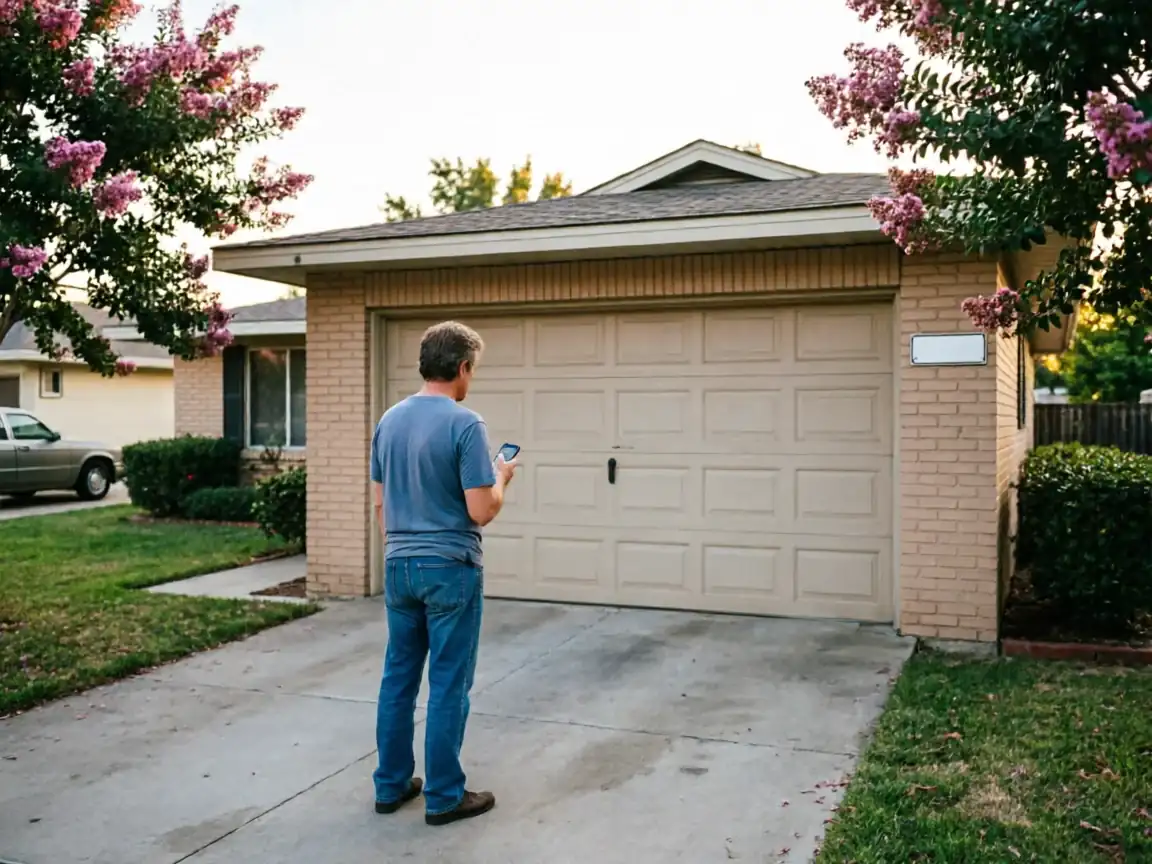
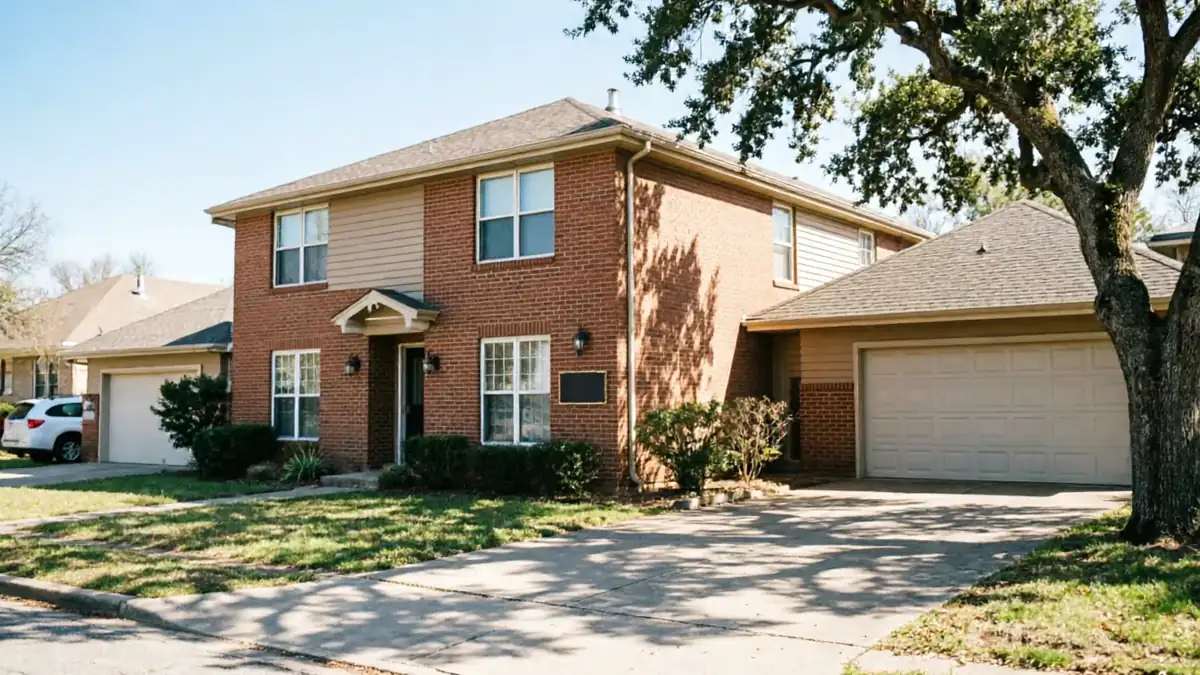
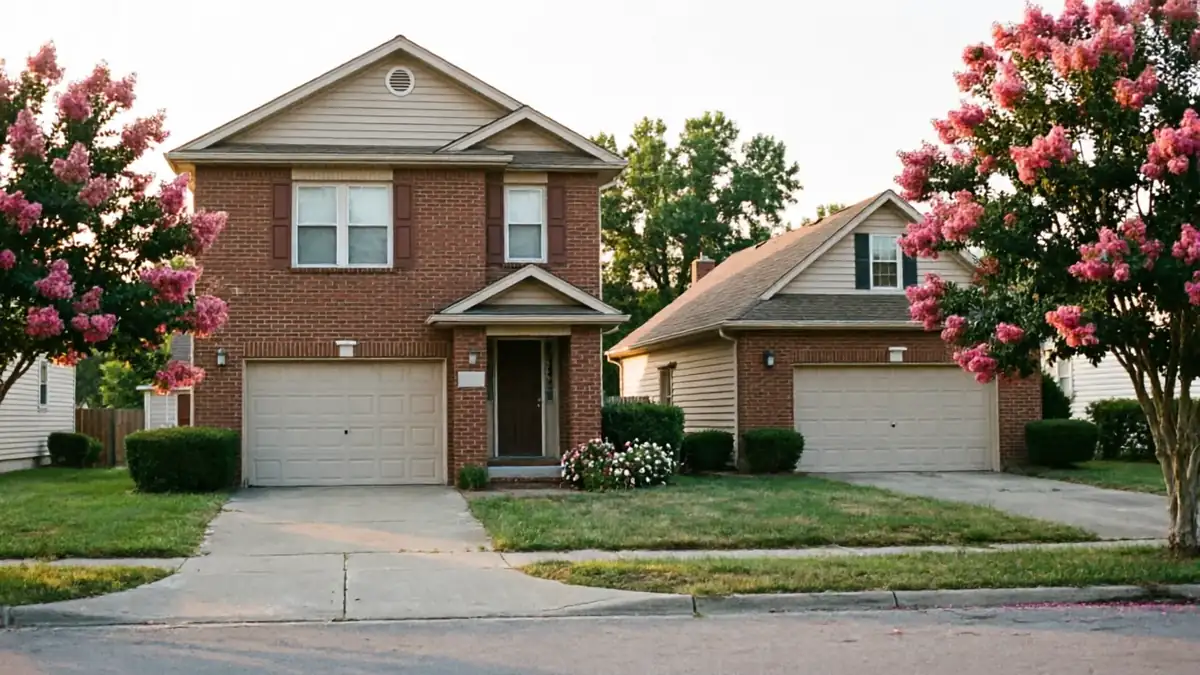
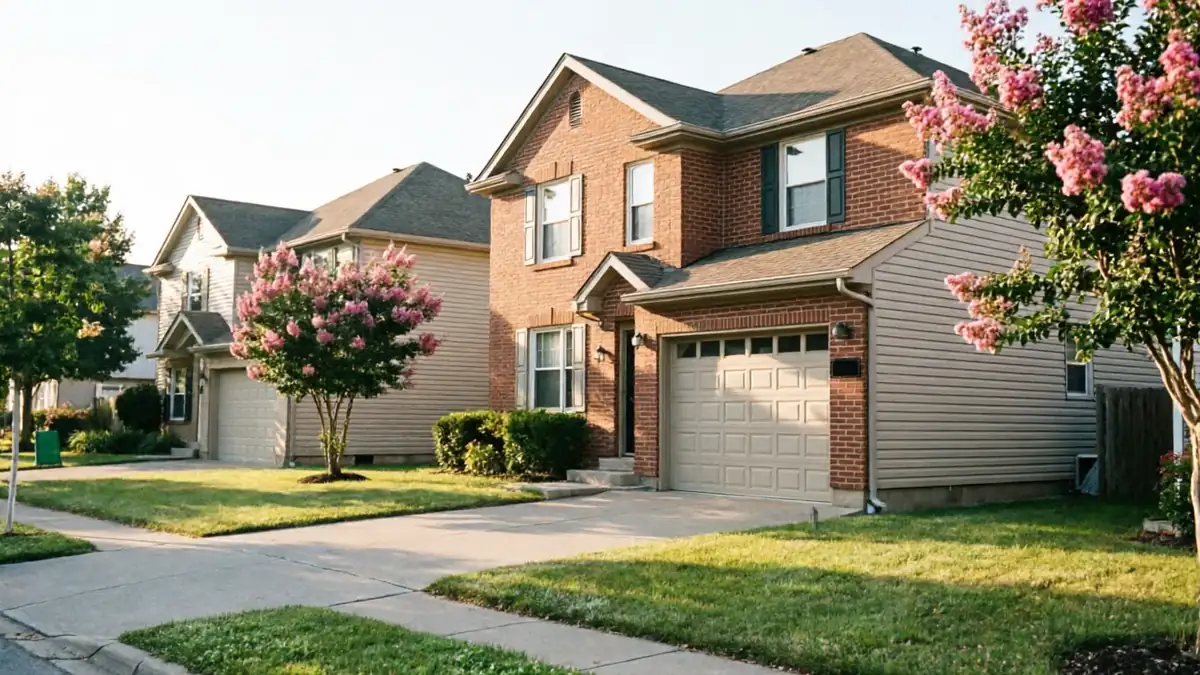
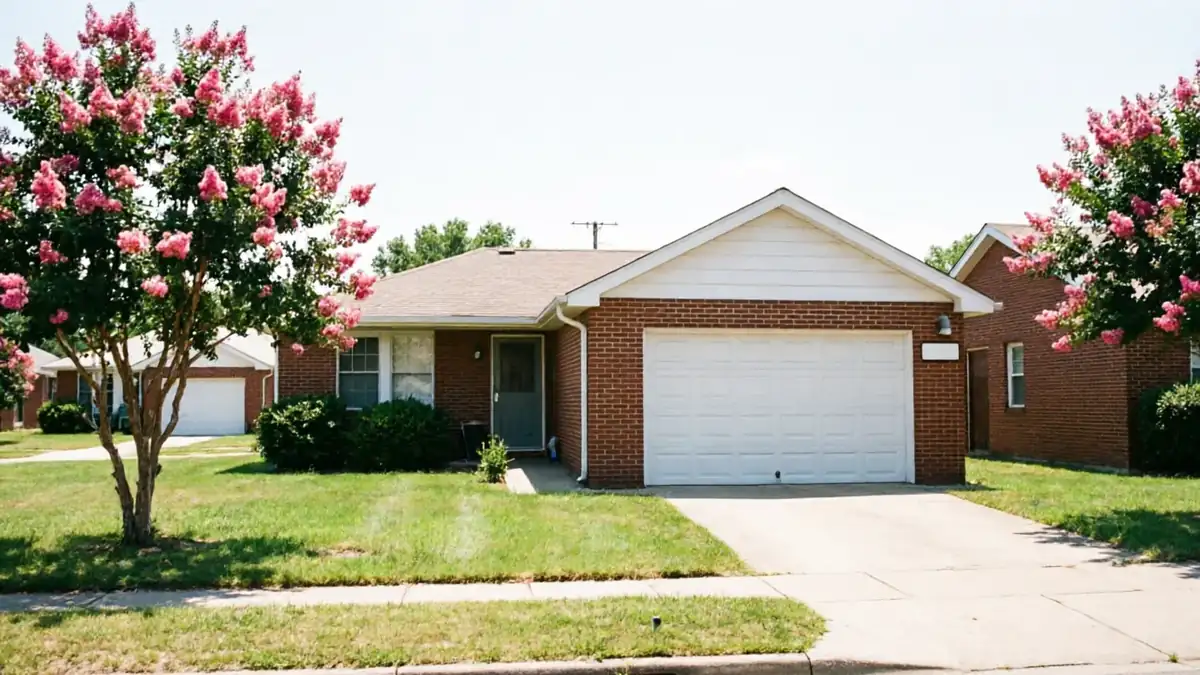
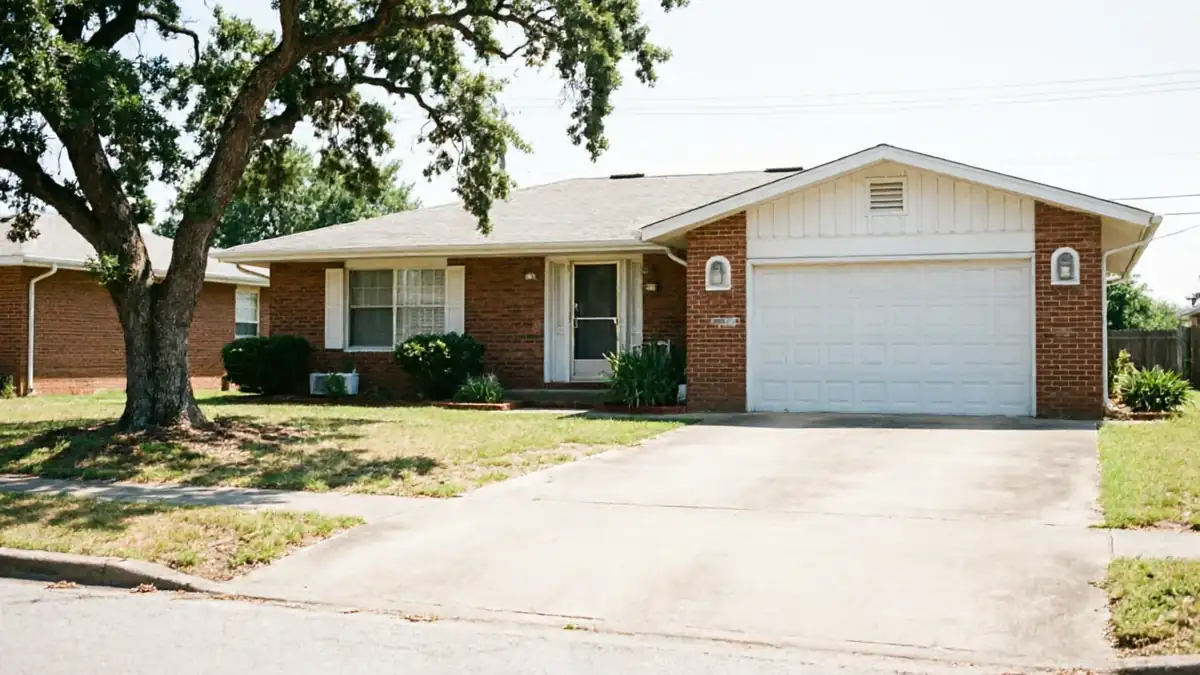
Piedmont sits about 19 miles from Edmond, and the drive out matters less than what's waiting at the end of it. Across the wider service area we cover, the median home was built back in 1973 - original one-piece doors, torsion springs mounted on hardware nobody stocks anymore. Piedmont doesn't match that. The median year built here is 1999, a full generation newer than the typical house in the rest of the territory. That gap is the whole story for this page. A 1999 build means a different door, a different opener, and different failure points than what we see on the older streets closer to Edmond.
Piedmont also runs smaller than most of the named areas we cover - about 2,959 households, against roughly 70,136 across the full service area and 39,401 owner-occupied houses region-wide. It's a newer, lower-density pocket, and the garage doors reflect that. We're not guessing at this from a city-wide average; the late-90s build date is specific to Piedmont itself.
The Houses Here
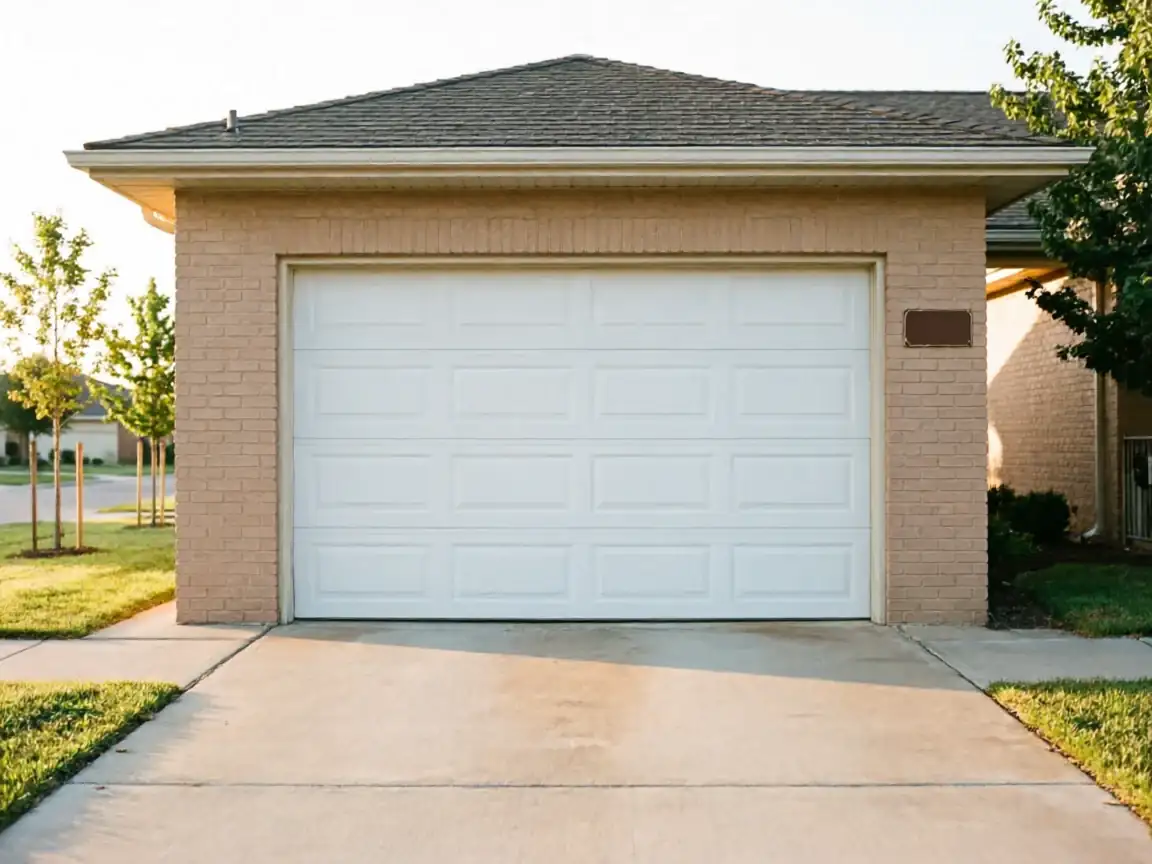
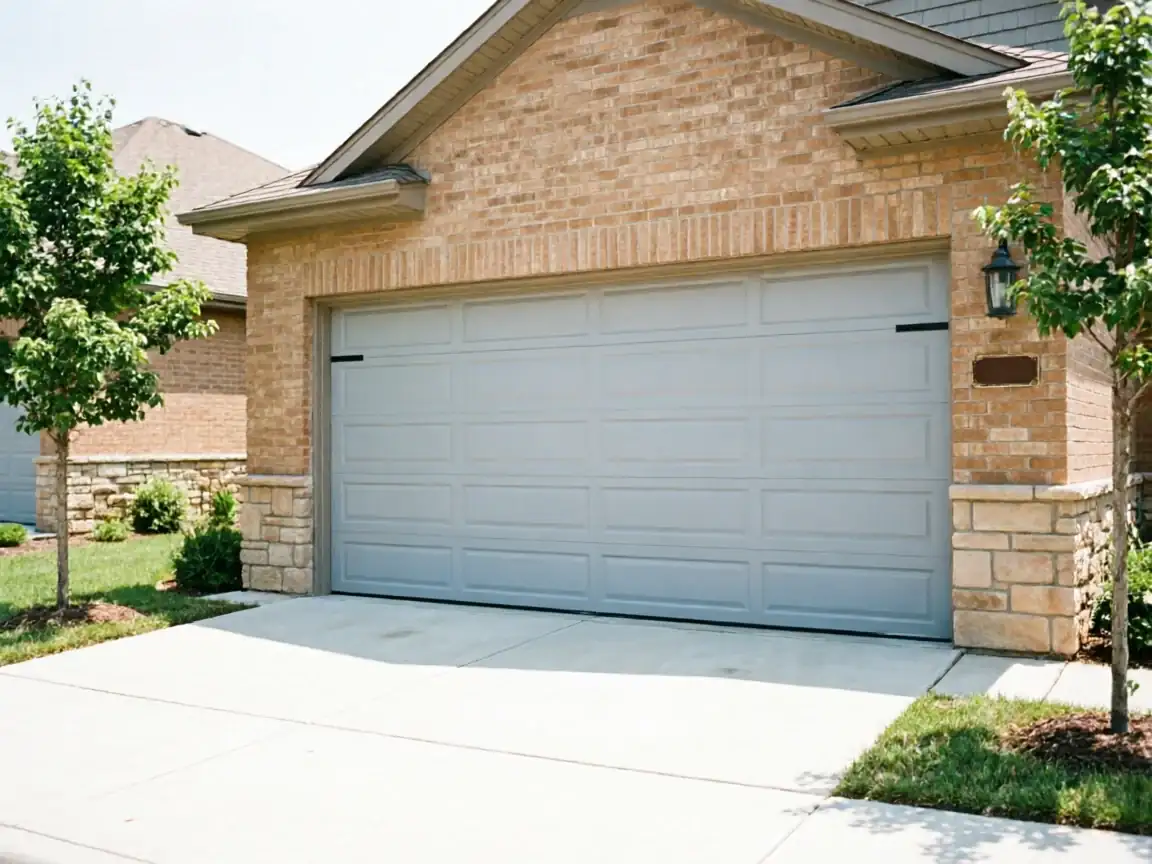
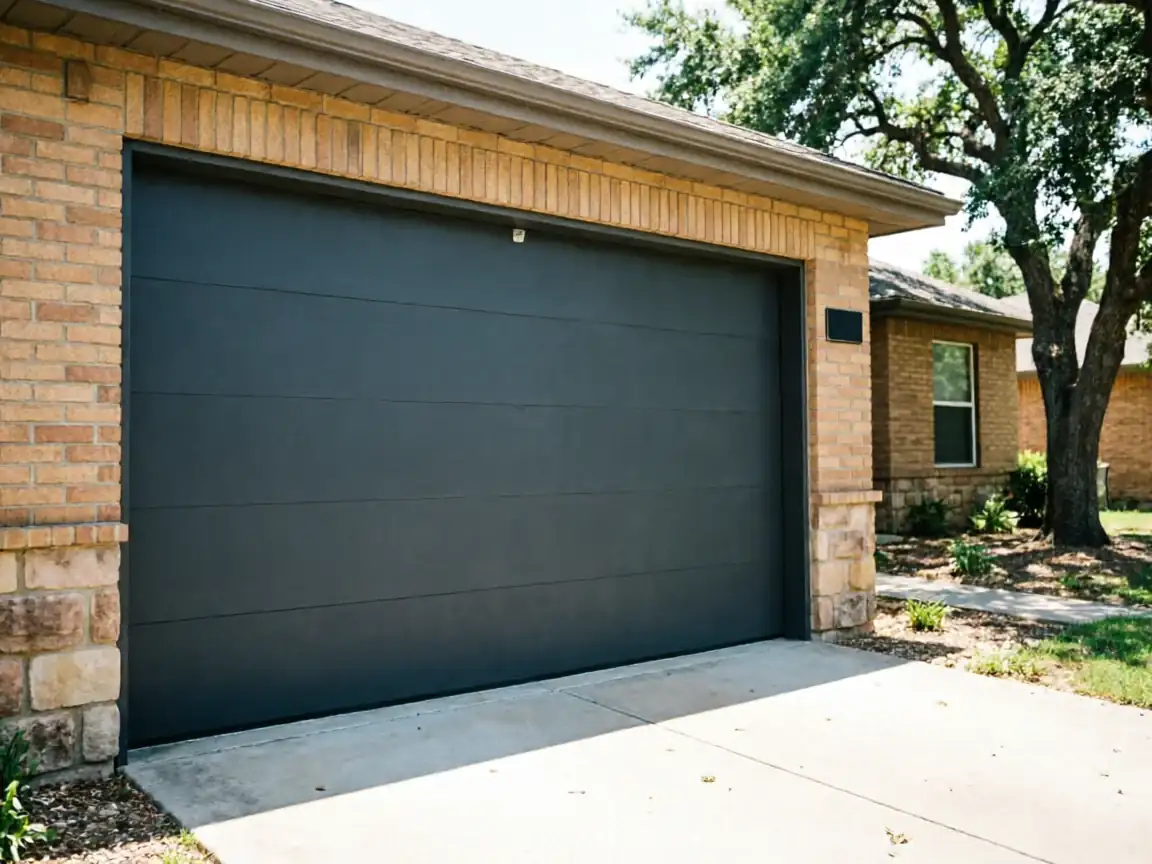
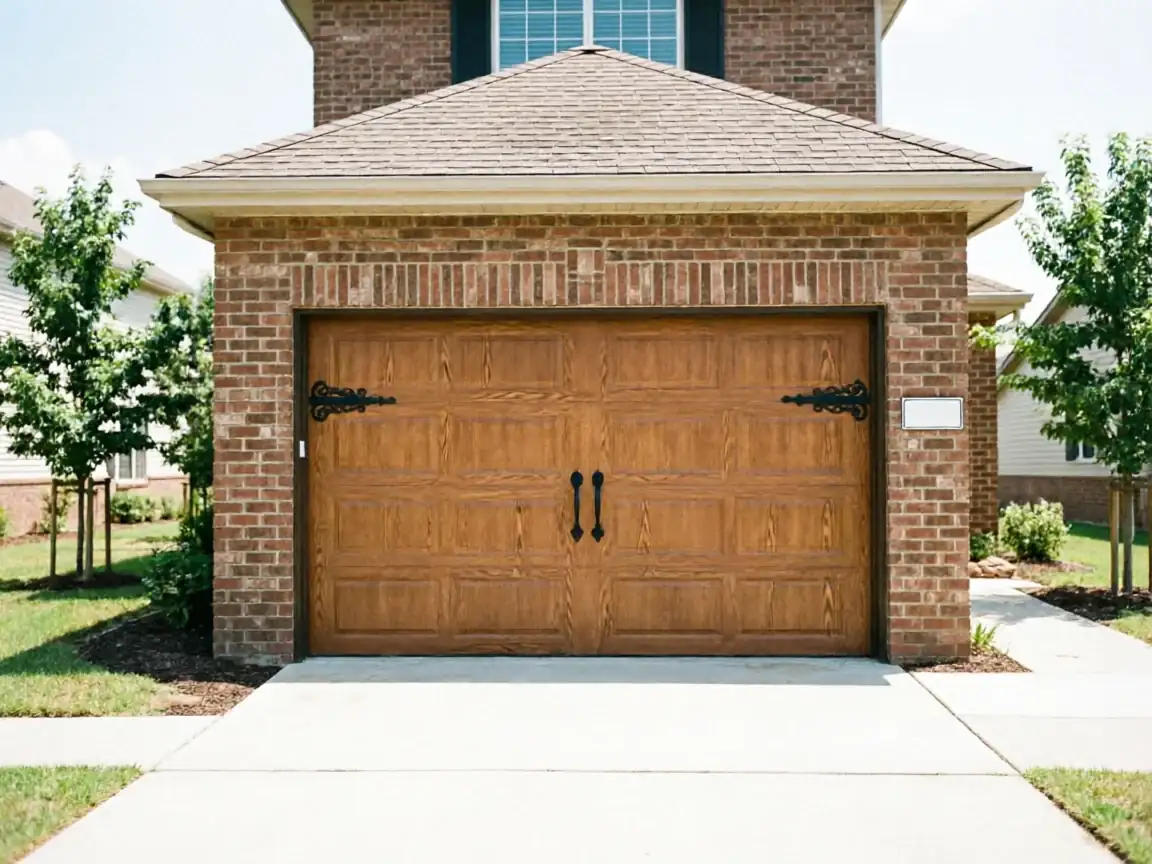
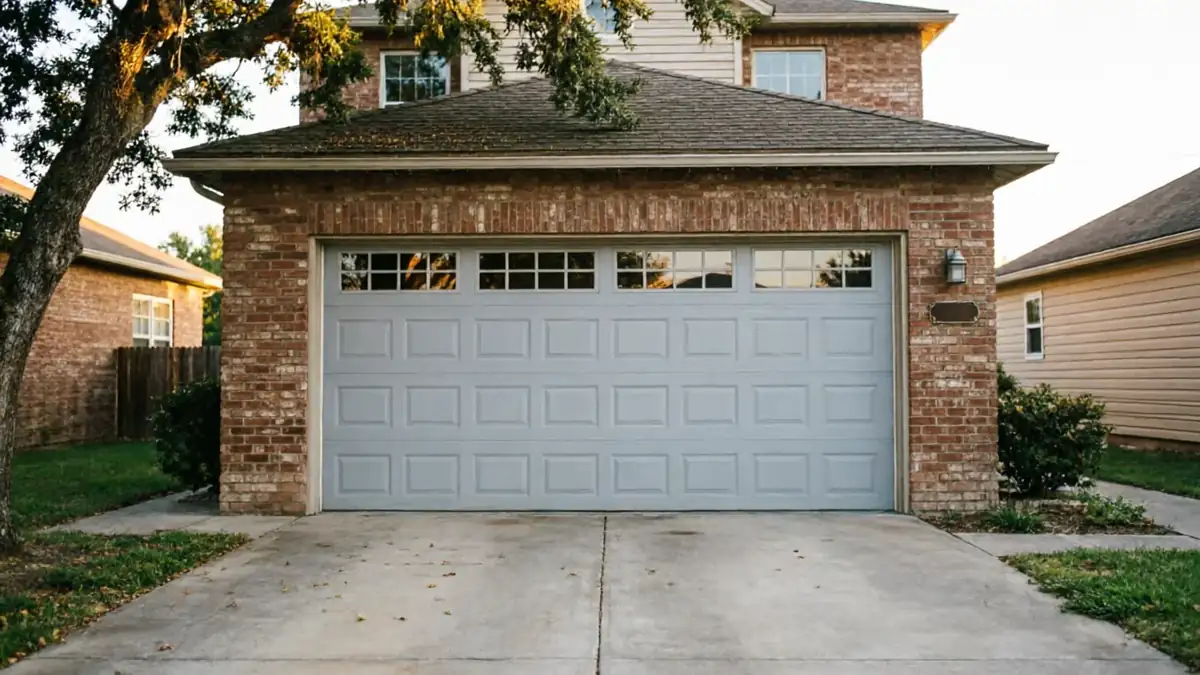
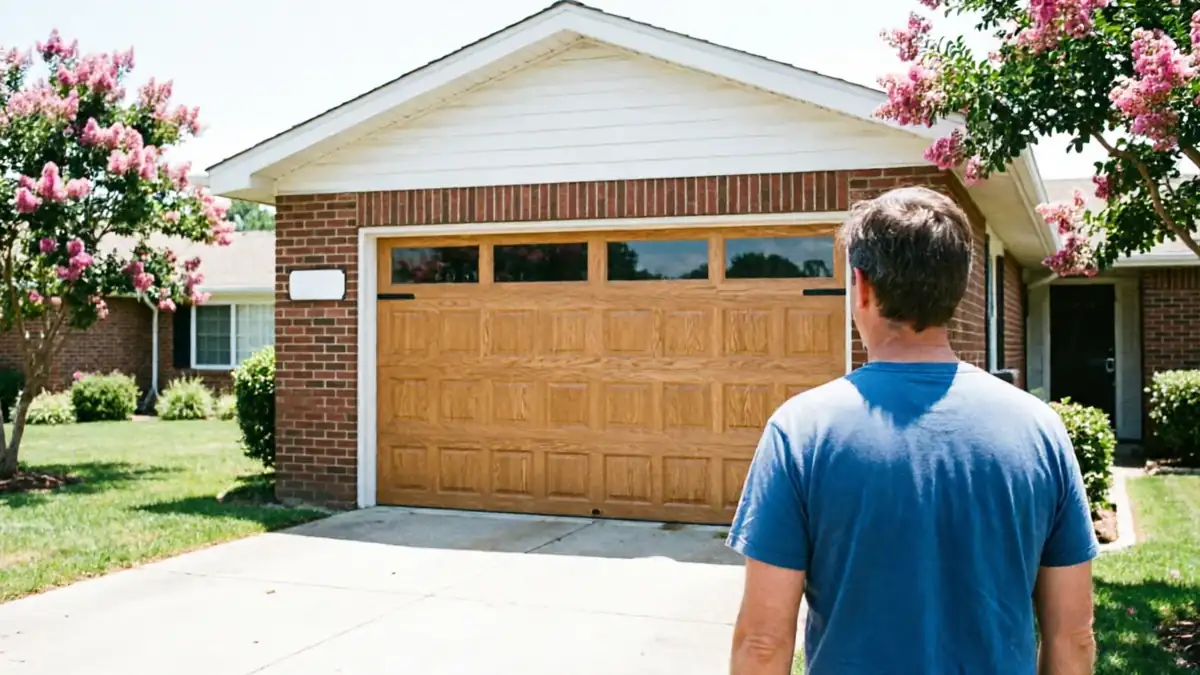
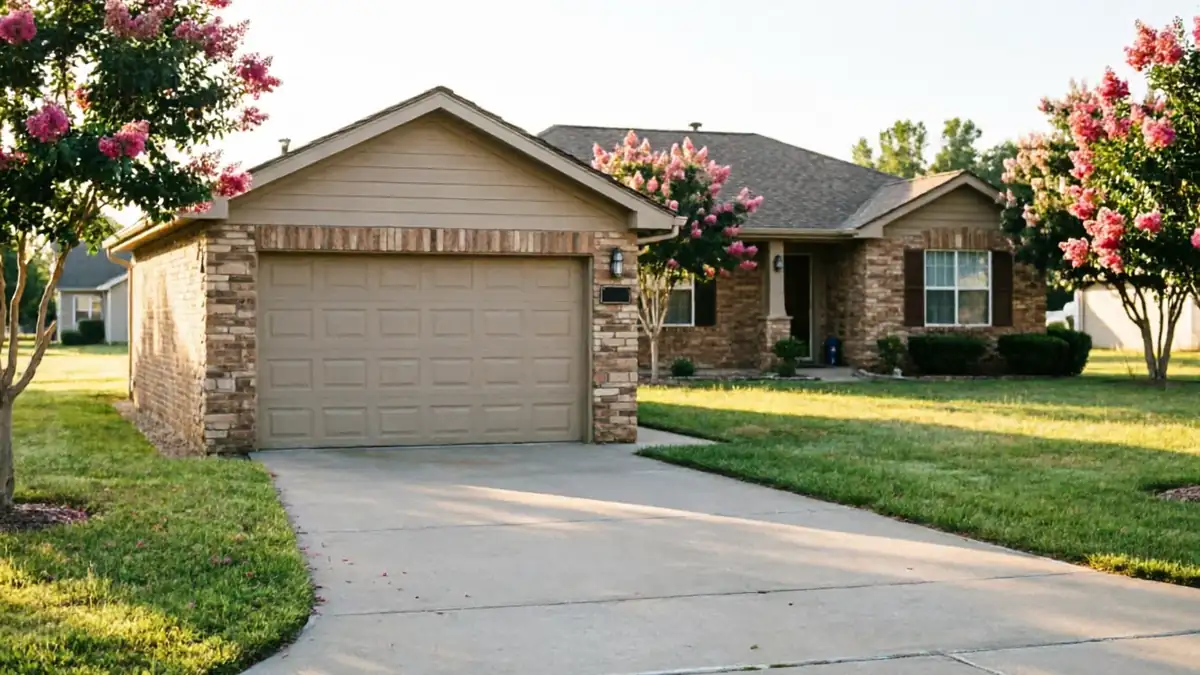
A house built around 1999 came with a sectional steel door
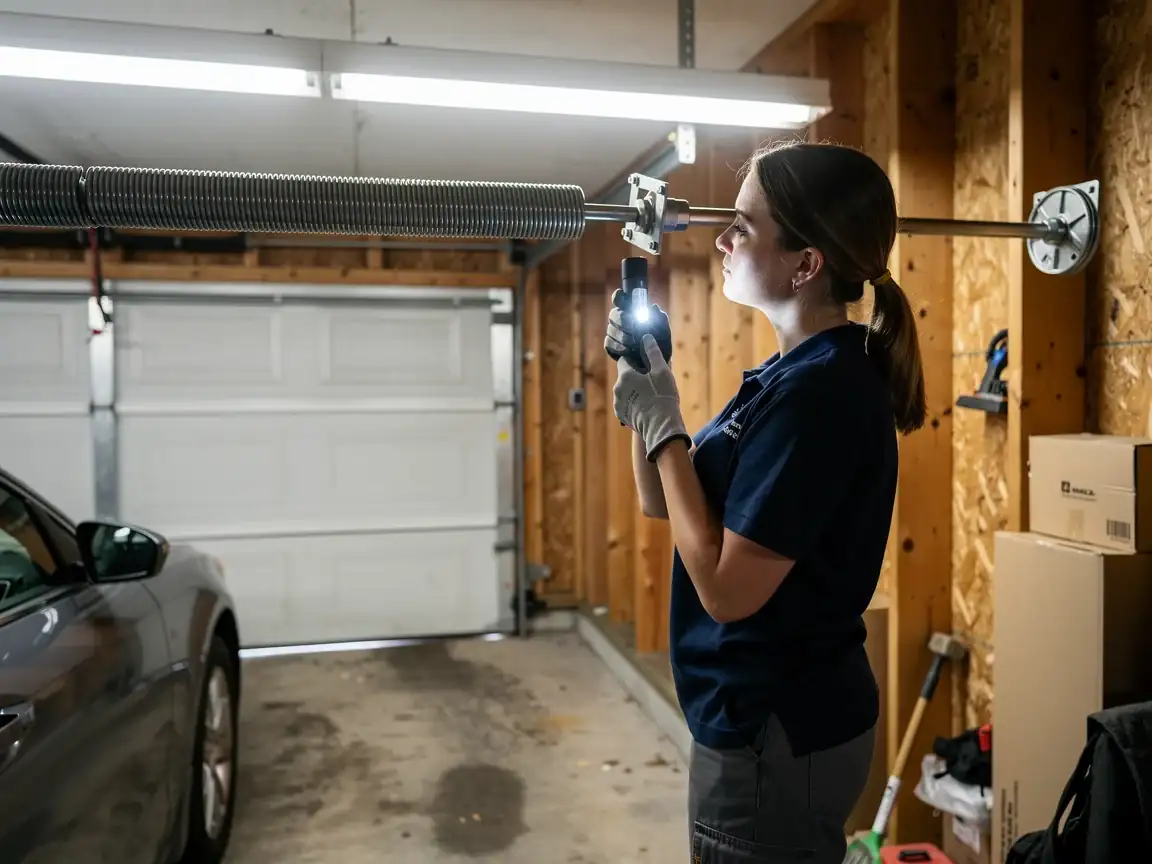
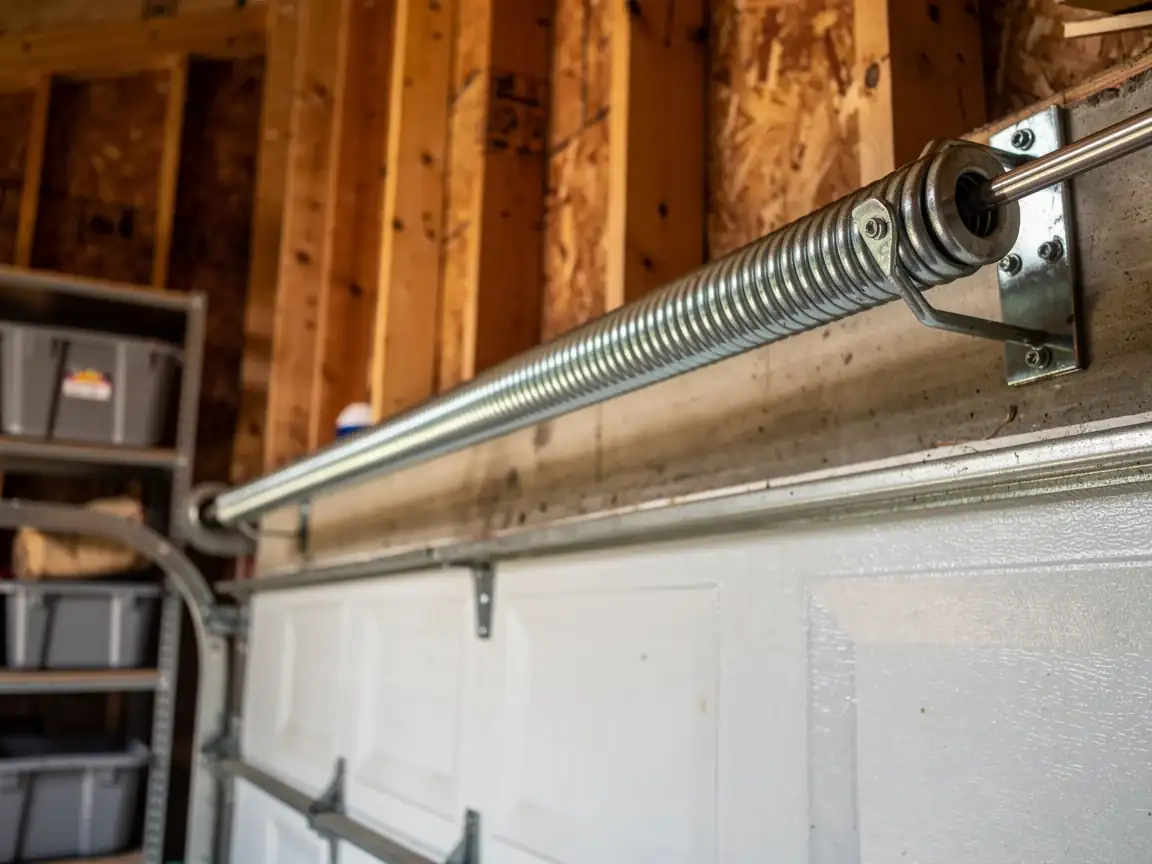
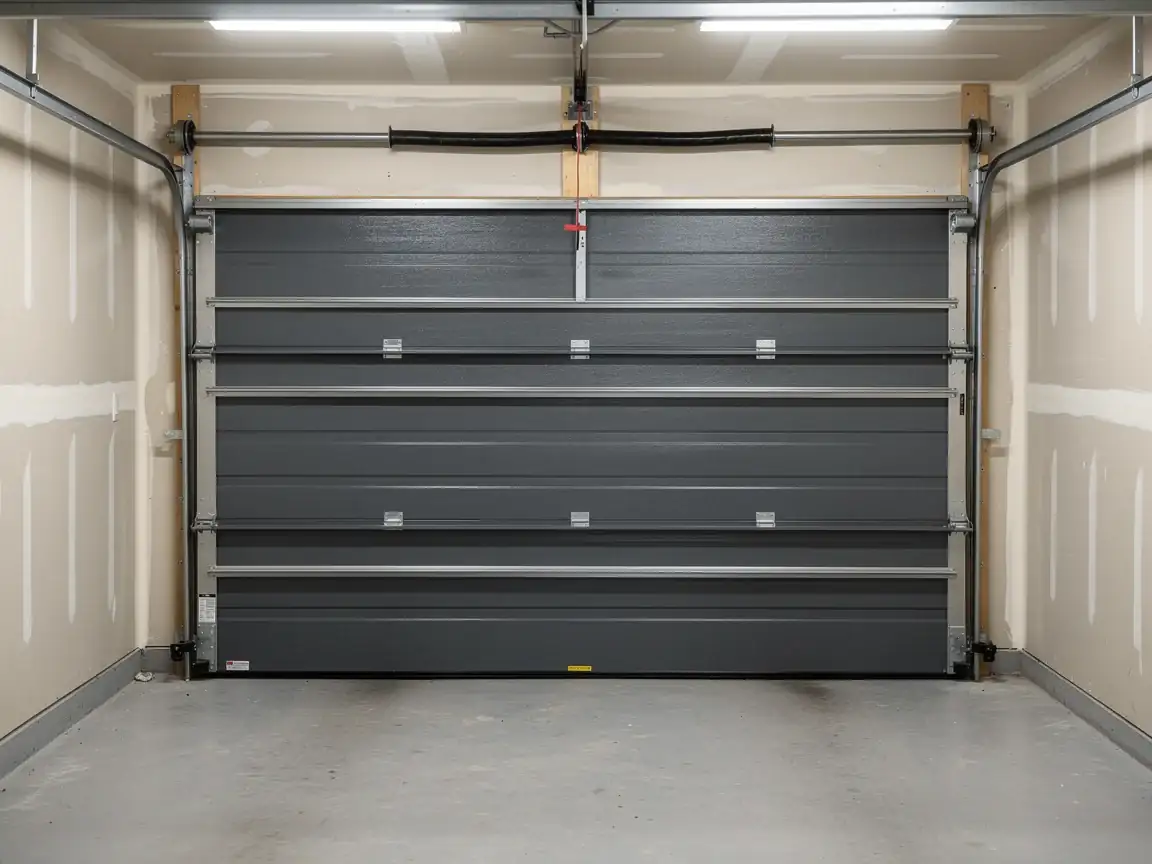
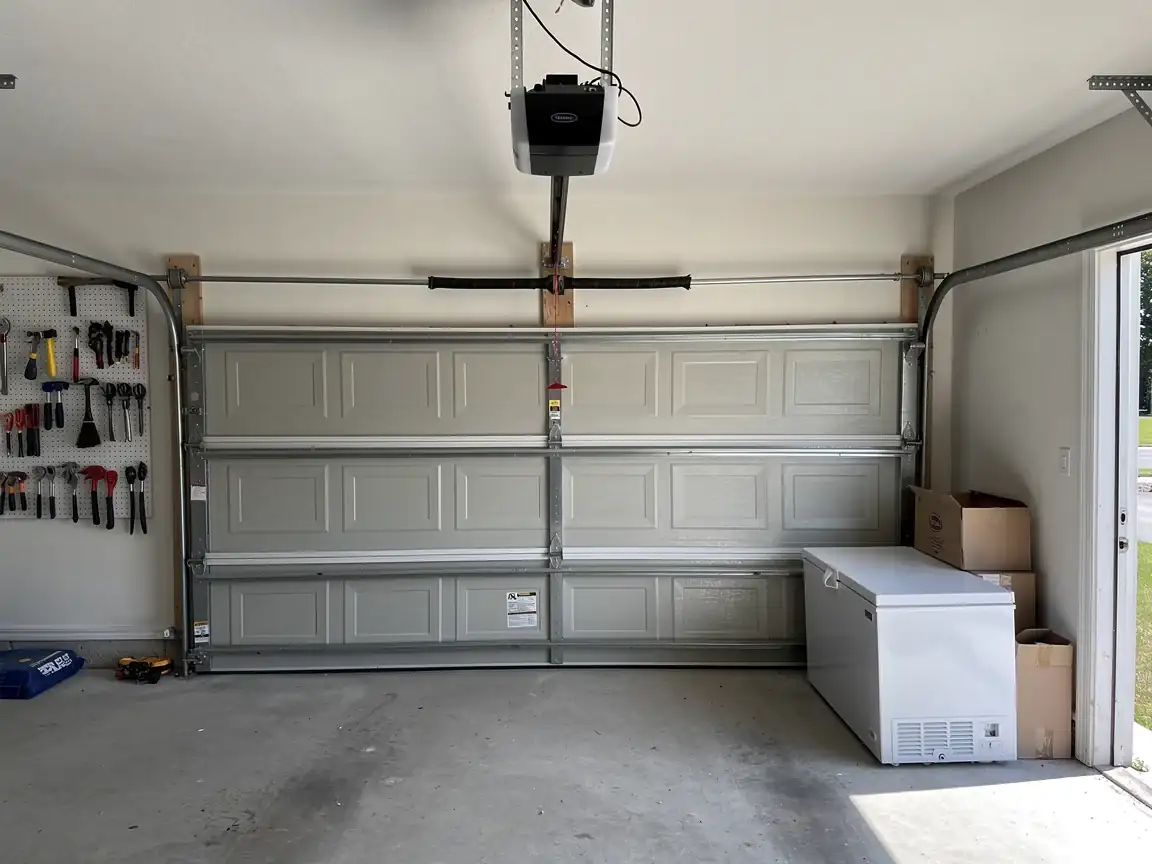
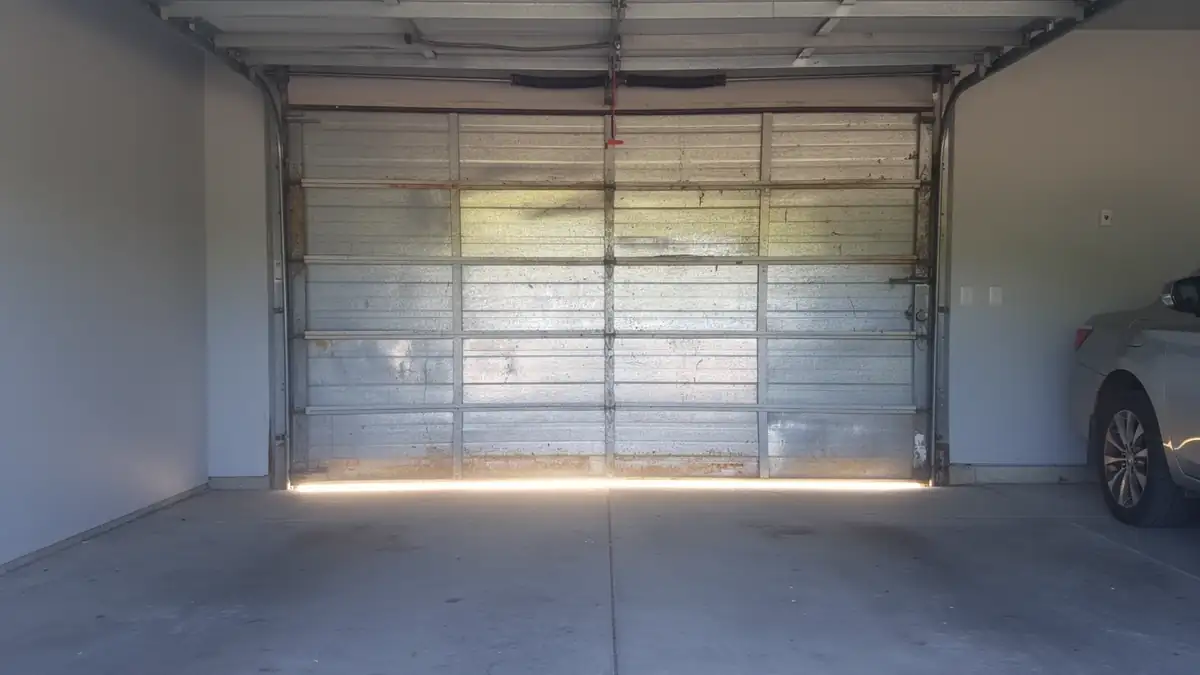
Extension or torsion springs rated for that era's panel weights, and - if the builder sprang for it - a chain-drive opener with a photo-eye safety sensor, which became standard practice by then. These are not the heavy, single-panel doors you find on 1960s and 70s stock elsewhere in the area. The track systems are lighter, the rollers are usually nylon rather than steel, and the opener logic boards are a different generation entirely.
Piedmont households also report a median income of $94,882
Noticeably higher than the $60,822 median across the broader service area. That doesn't change the engineering, but it does tend to track with more upgraded openers - battery backup units, smart-home-tied openers, insulated steel doors - showing up on service calls here more than on the older stock closer in.
What the Housing Means for Your Door
Because the typical Piedmont garage door is roughly 25 years newer than the regional median, the common failures skew toward wear-and-tear on moving parts rather than obsolete hardware. We're less likely to be hunting down a discontinued spring size or a side-mounted torsion bar nobody makes anymore, and more likely dealing with a worn nylon roller, a stretched or frayed cable, a opener logic board that's finally quit, or a photo-eye sensor knocked out of alignment.
The climate band here is cold-moderate, which means winter cold snaps still stiffen grease in springs and openers and can make a marginal part fail outright on the coldest mornings - that part doesn't change with the build year. But the fix is usually a repair, not a full teardown of old hardware, since newer doors on newer tracks tend to have more standard, more available parts.
One honest limitation: if your opener logic board has failed and the exact model is no longer made, we may need to replace the whole unit rather than chase a part - that happens even on 25-year-old openers.
Common Jobs Here
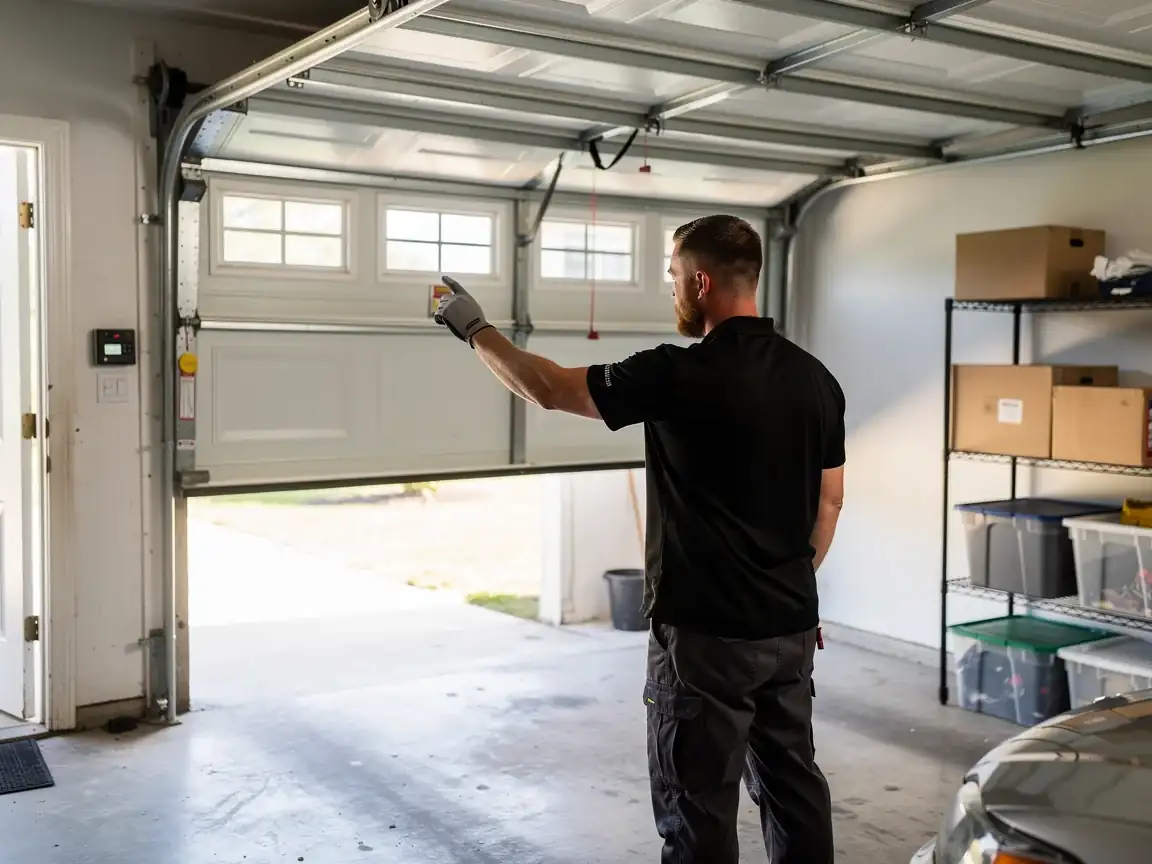
On Piedmont calls, we see worn rollers and stretched cables more often than snapped torsion springs - the hardware is young enough that springs usually fail from fatigue rather than age-related metal breakdown. Opener issues run toward sensor misalignment, remote or keypad failures, and logic boards reaching the end of their service life rather than the worn-out chain-drive motors you'd expect on an older unit.
Cold mornings in this climate band can seize a stiff spring or bind a track that's slightly out of plumb, especially right after a hard freeze. We also get panel dents and track knocks from everyday use - a car bumper, a bike, a basketball - which is common anywhere but shows up on newer steel doors as cosmetic damage rather than structural failure, since the panels themselves are usually sound. We don't try to patch a torsion spring; when one goes, we replace it in pairs, which is standard practice regardless of the door's age.