The Complications
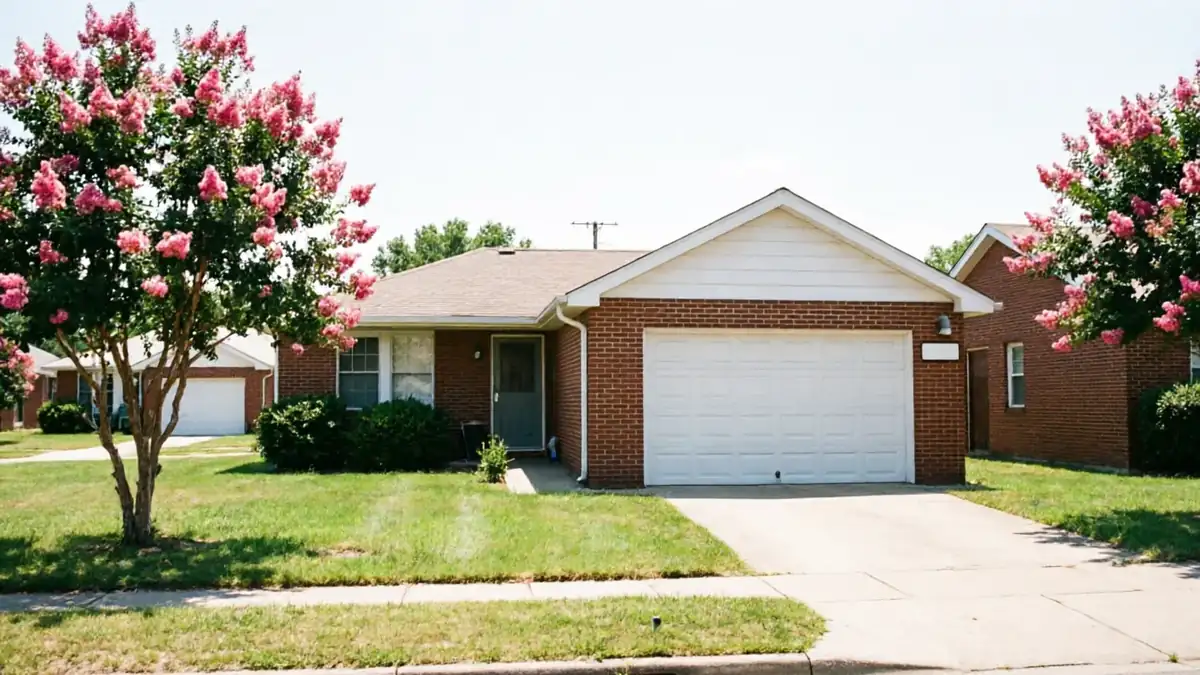
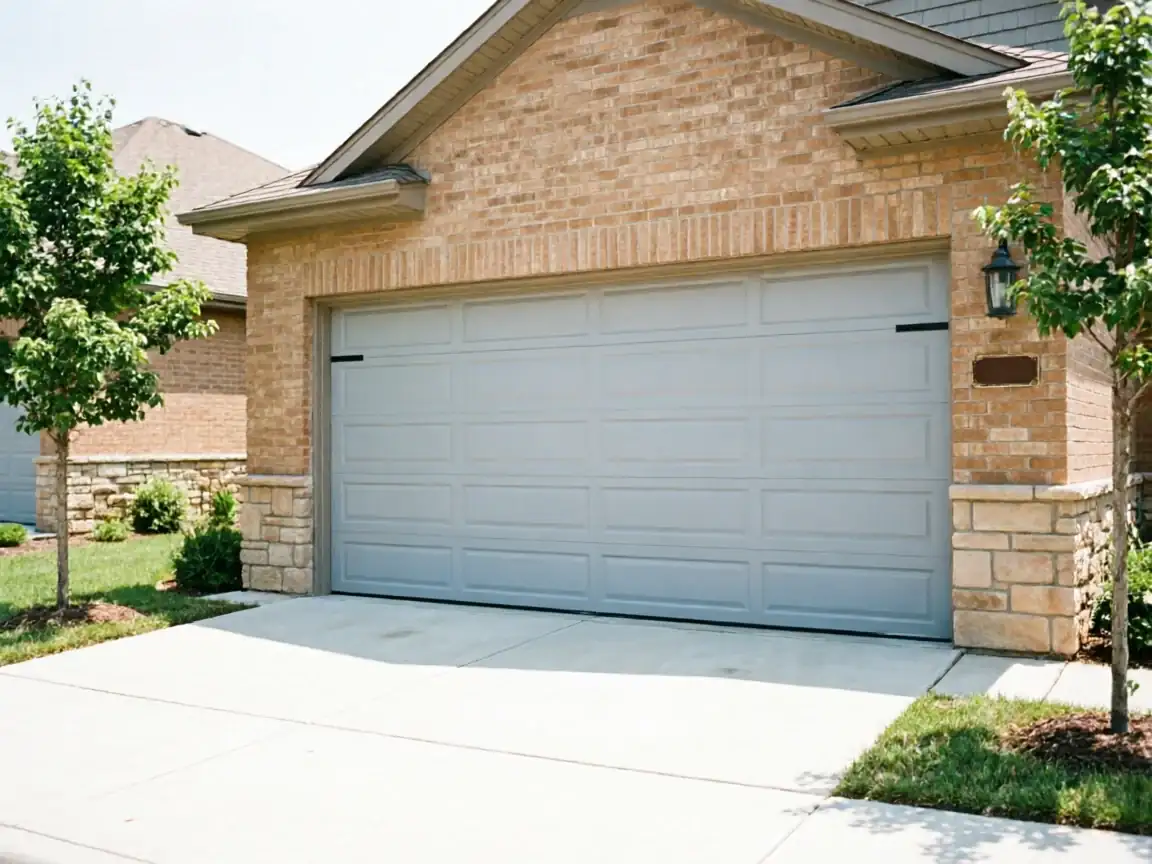
Most houses in Piedmont went up around 1999, a full generation newer than the 1973 median you'll find across the wider service area. That matters because it tells you what kind of roller is wearing out on your door right now. These aren't the older galvanized rollers on worn hub pins you'd find on a 1960s house further toward town - they're steel rollers on hardware that's only now hitting the 25-year mark where the roller stem wears oval in the bracket and the wheel itself develops flat spots.
The complication isn't age in the dramatic sense, it's that these doors were built to last about this long and are now doing exactly what steel rollers do on schedule: grinding, catching at the same spot in the track every cycle, and eventually seizing enough that the opener starts straining to pull the door up. On a newer build like this, the track itself is usually still straight, which changes what the actual repair looks like.
One honest limitation: if a roller has been grinding long enough to chew into the track rail, roller replacement alone won't fix it, and we'll tell you that on site rather than sell you rollers that won't solve the noise.
What Is on the Truck
The truck comes out of Edmond, about 19 miles to reach Piedmont
So it carries stock built to cover a range of ages rather than one era. For a house built near 1999 that usually means standard 2-inch steel rollers with sealed bearings as a direct swap, plus 7-ball nylon rollers for owners who want a quieter upgrade instead of steel-for-steel.
- 19 miles
With 2,959 households in Piedmont, this is a smaller slice of the territory than some of the areas closer in
And build years here cluster tightly enough that a tech can usually tell what hardware era he's walking into before he even opens the door panel. That doesn't mean guessing - it means the stock on the truck is already sized for what's actually out here, nylon and steel both, rather than hauling parts for 1970s extension-spring doors that Piedmont mostly doesn't have.
- 2,959 households
What the Fix Involves
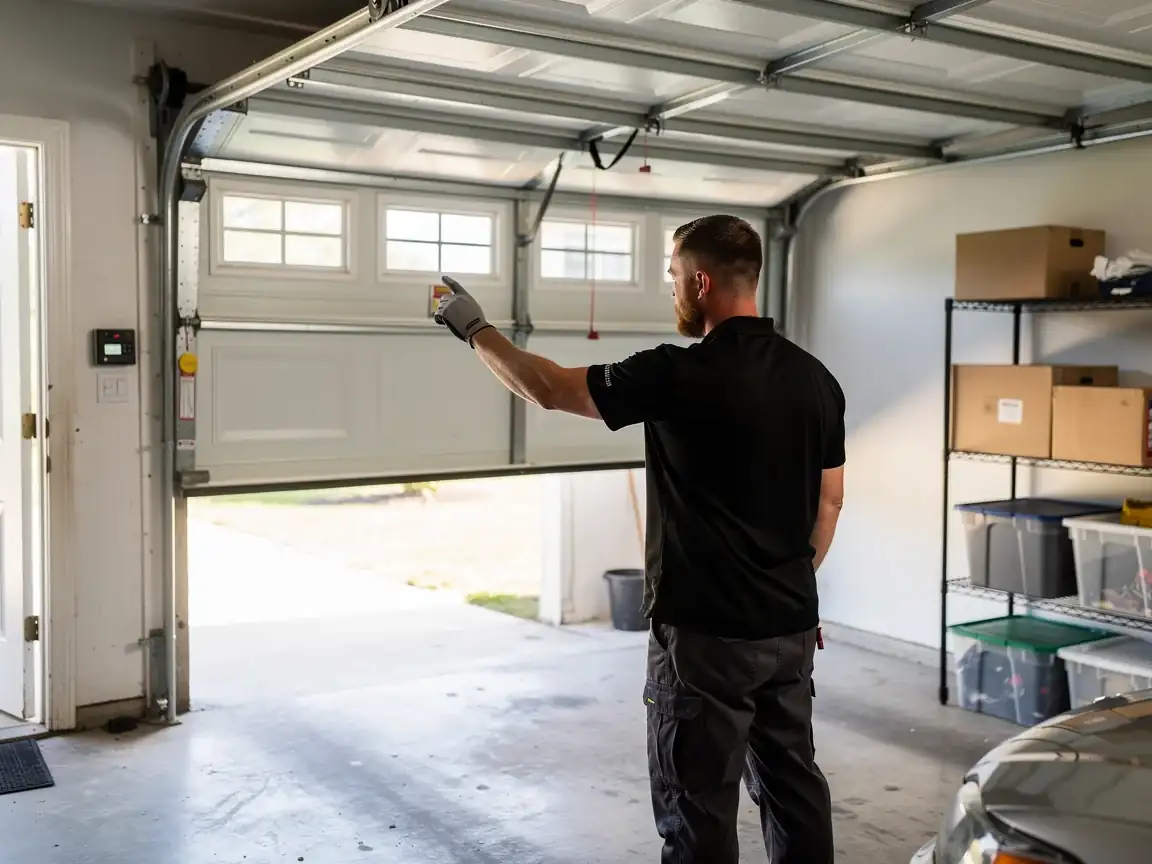
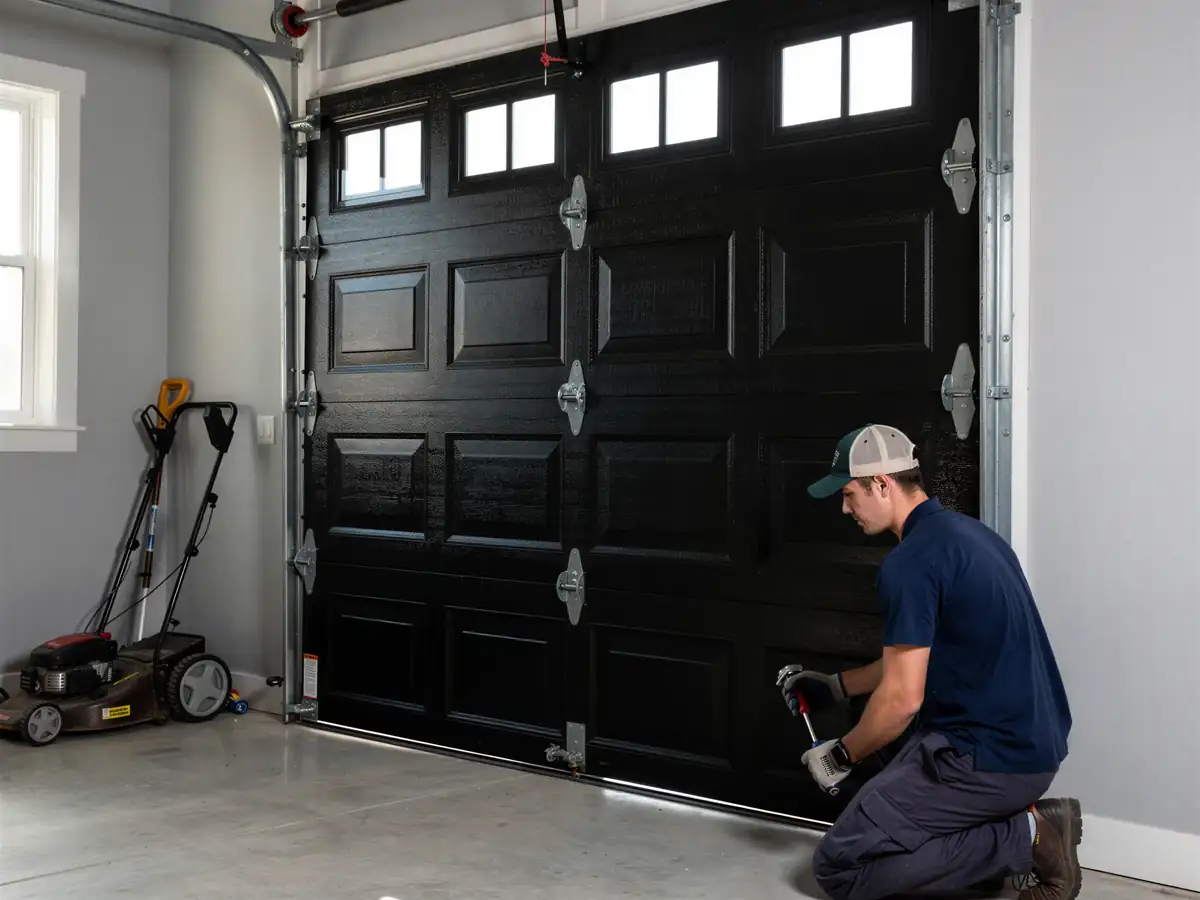
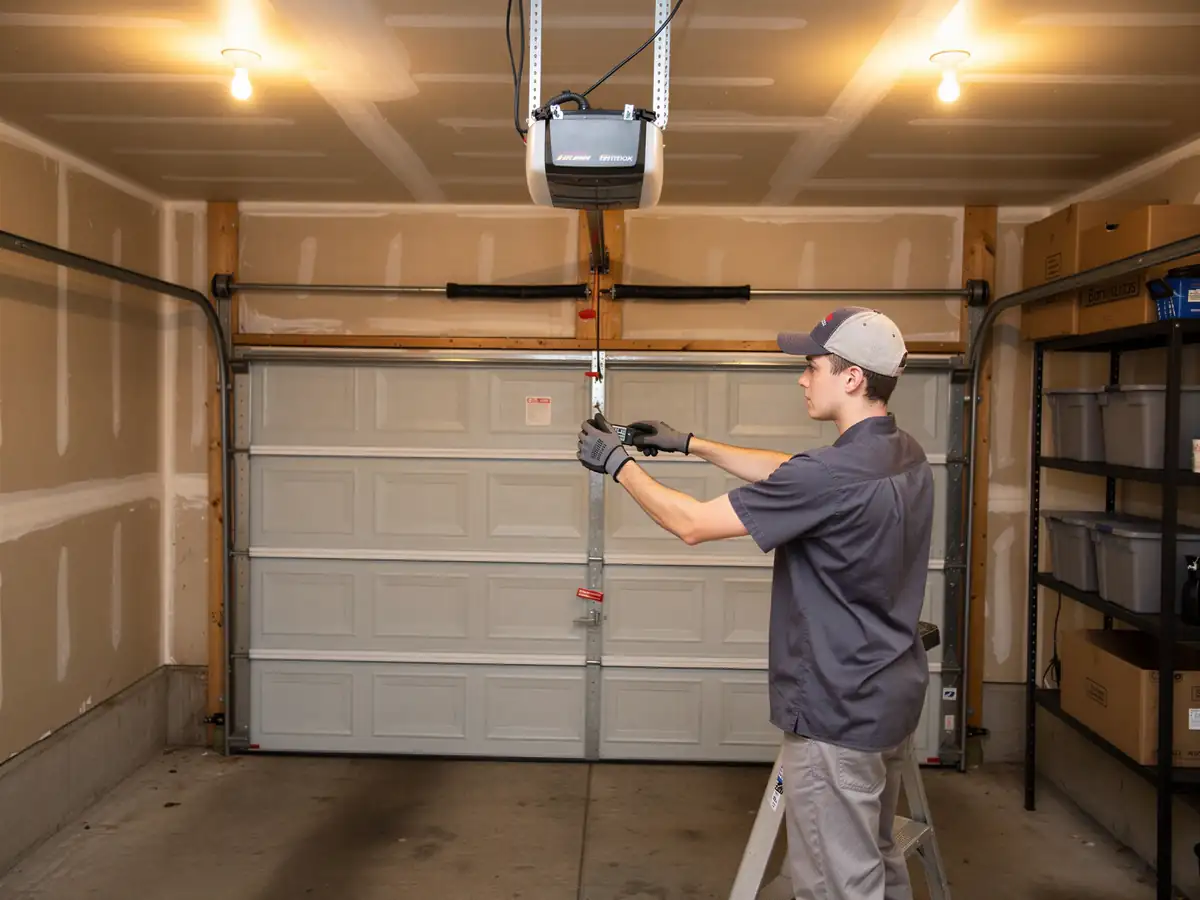
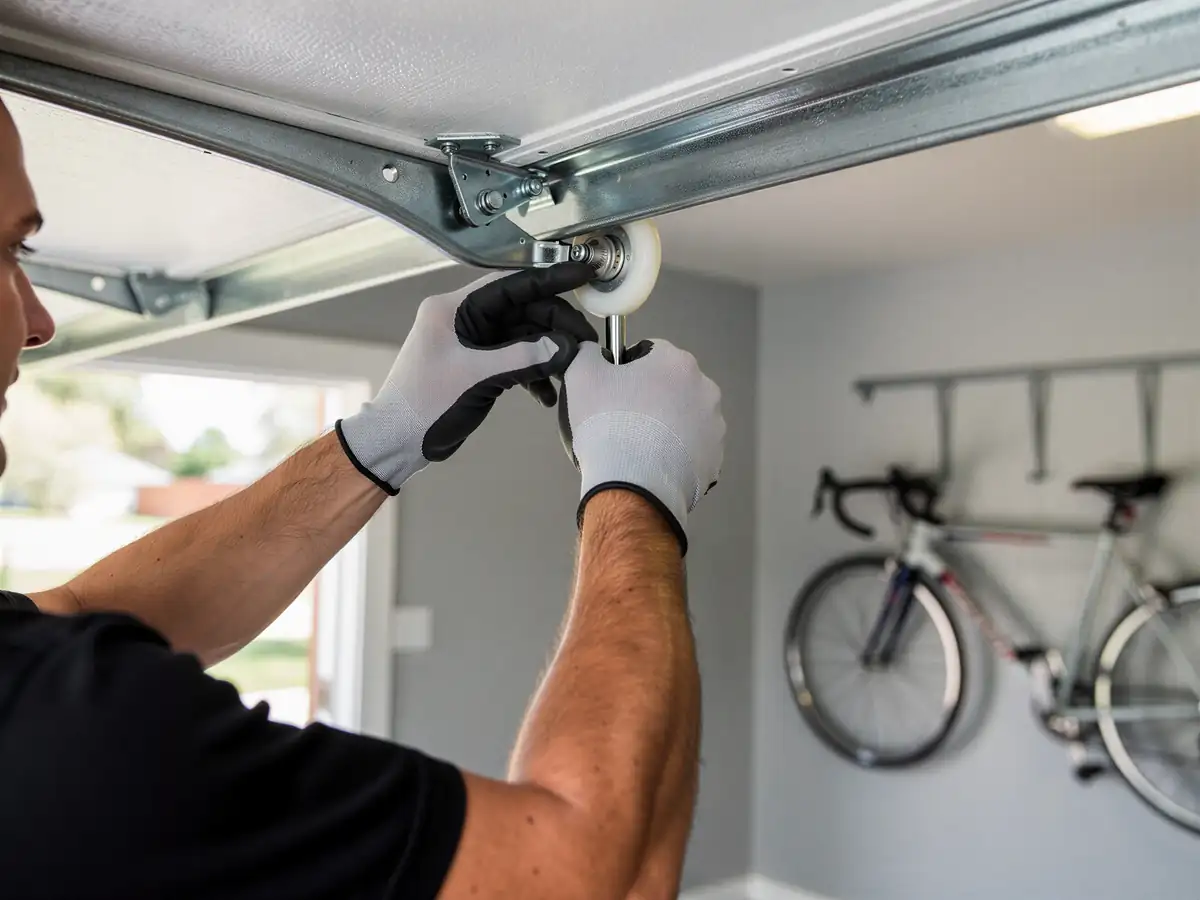
The tech pulls the door down, locks it off the opener, and checks each roller stem and track section before swapping anything. On a door this age the track alignment is usually still true, so the work is roller-for-roller: pull the old steel roller out of the hinge bracket, seat the new one, and run the door through a full cycle to listen for the spot where it used to catch.
If you're upgrading to nylon, the swap is the same mechanically, but nylon rollers run quieter and don't need the periodic lubrication steel rollers do, which matters if the door sits near a bedroom wall. Either way, the hinges and brackets get checked too - a roller replaced into a worn bracket will just wear out again in a season or two, so that gets flagged rather than ignored.
What You Pay
We don't have a posted price to quote here, and we're not going to guess one for your door sight unseen - roller count, whether brackets need replacing, and steel versus nylon all move the number. At a median household income of $94,882 in Piedmont, well above the $60,822 figure across the broader service area, we do see more owners here ask to go straight to nylon rather than replace steel with steel, since the price difference is smaller than people expect for the quiet it buys.
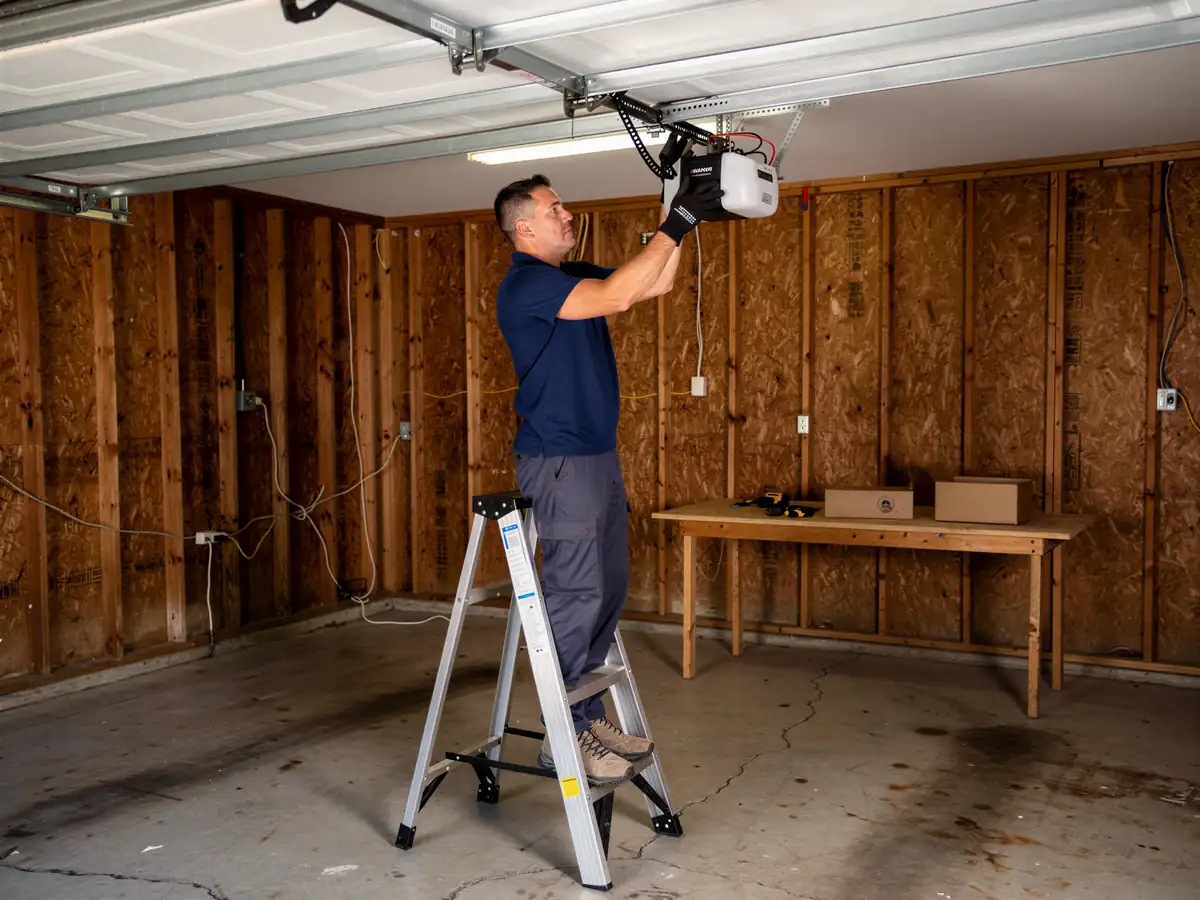
The honest limitation: if your opener has been straining against bad rollers for a while, that's a separate conversation - roller replacement won't fix a worn opener gear, and we'll say so rather than have you pay twice.
How Long You Are Without the Door
Roller replacement on its own is one of the shorter jobs a garage door sees
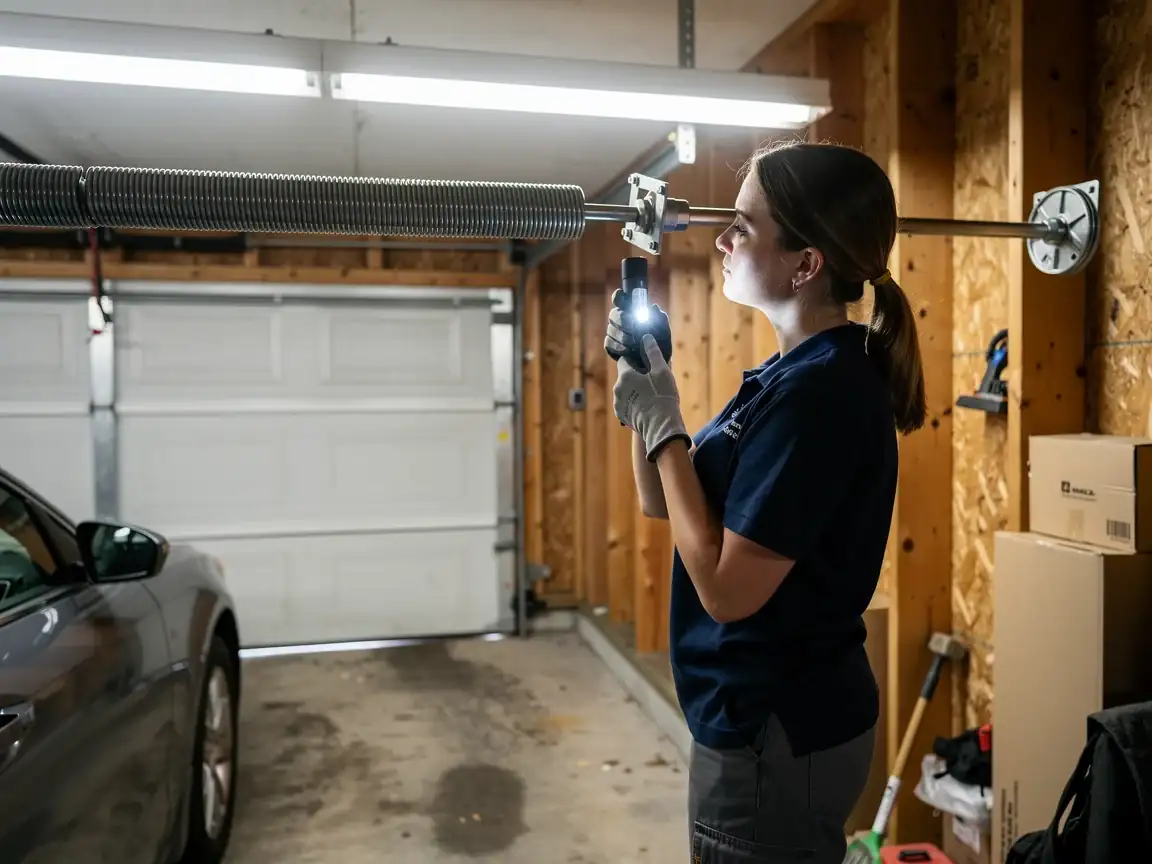
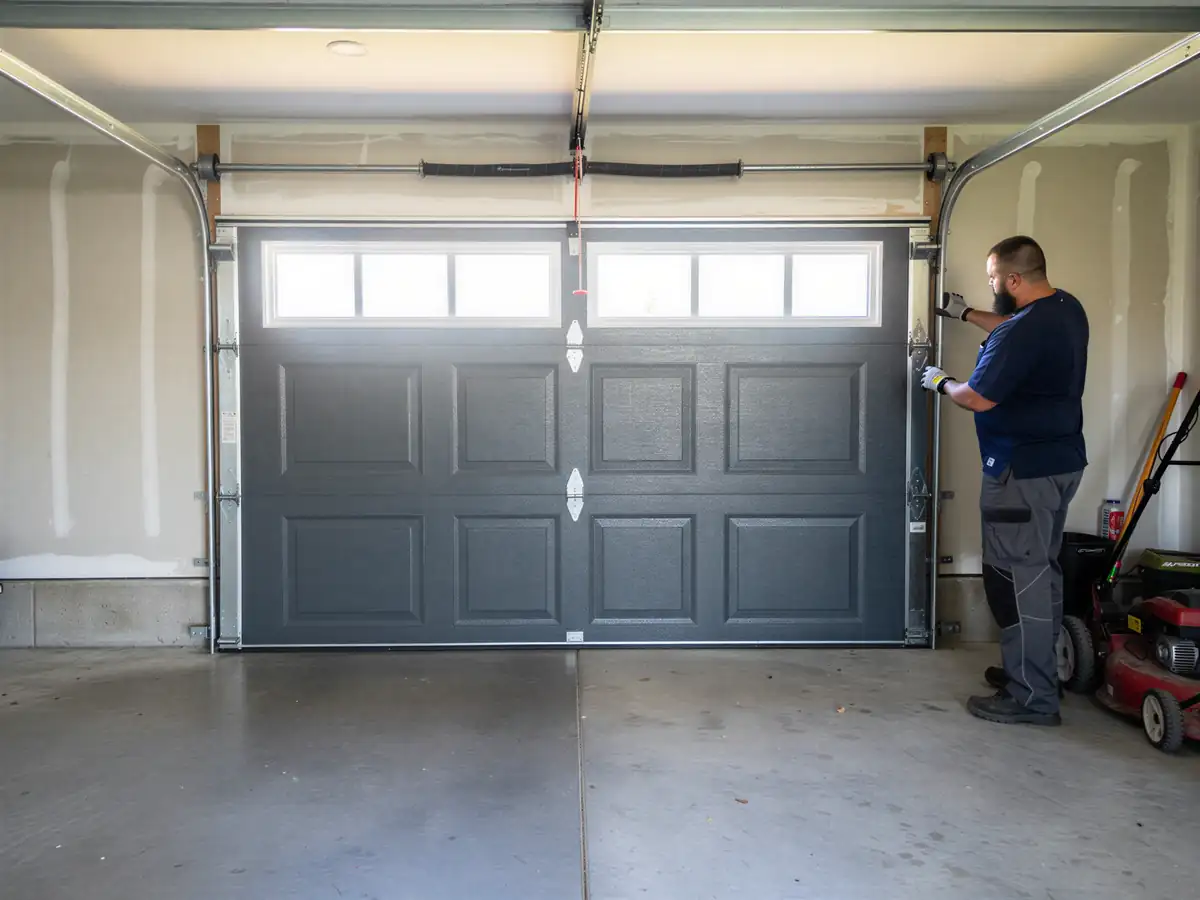
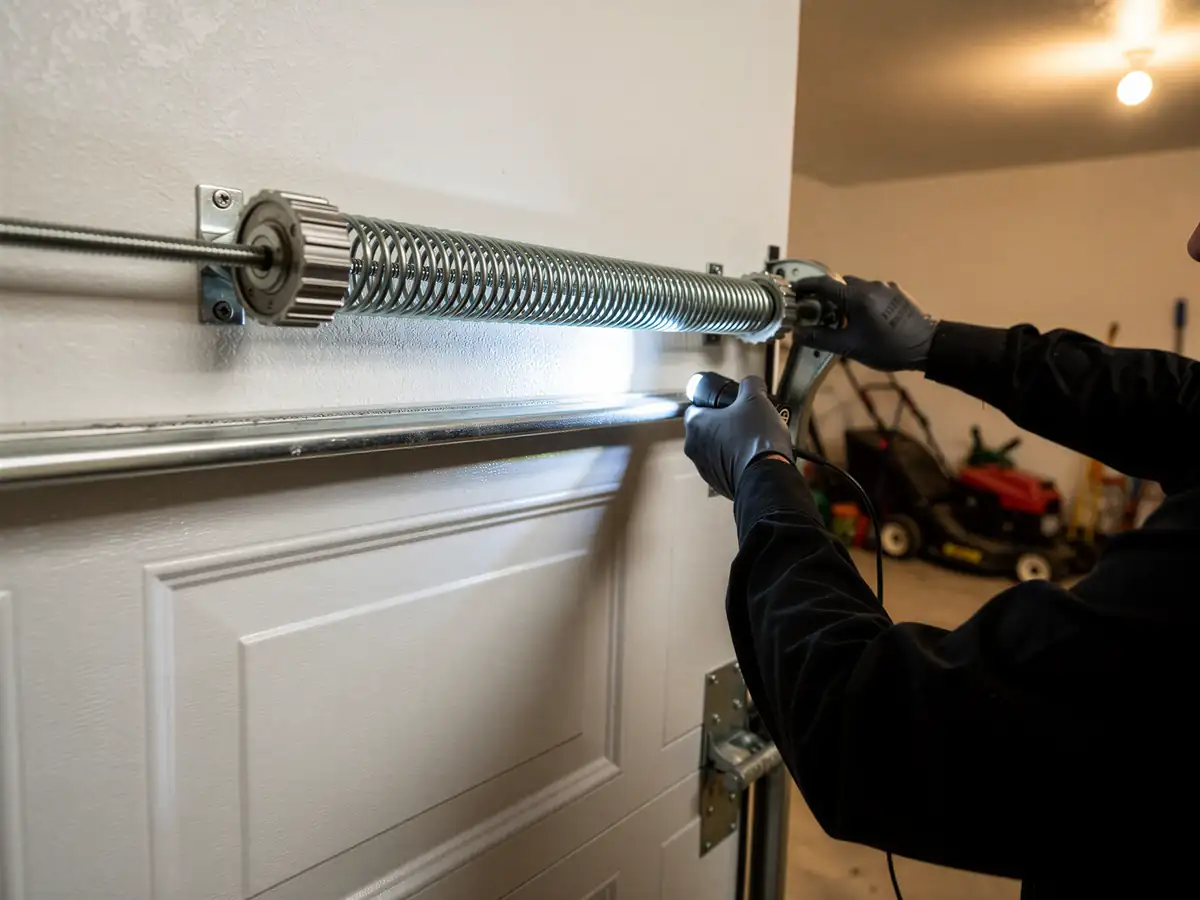
There's no spring to unwind under tension and no track to rebuild on a door this age, assuming the rollers haven't already chewed into the rail. The door comes down, the old rollers come out, the new ones go in, and it goes back up the same visit.
What stretches the visit is diagnosis, not the swap itself
Confirming it's actually the rollers and not a bent track section or a failing opener trying to mask the same symptom. On a late-90s Piedmont build, that diagnosis usually goes fast because the hardware is consistent enough that a tech knows what he's looking at within a few cycles of the door.
What You Are Seeing
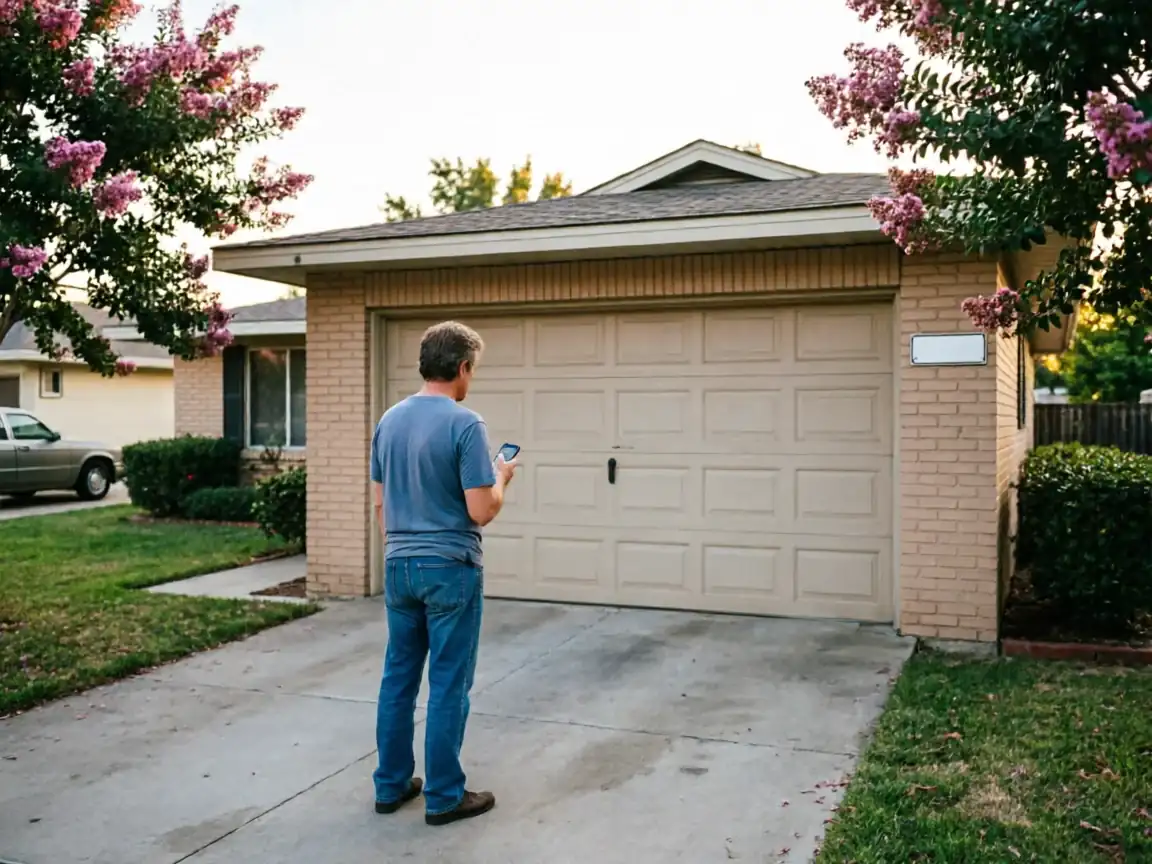
The usual signs on a house this age: a grinding or rattling noise as the door moves, worse at the same point in the track every time, and a door that feels like it's catching or jerking rather than gliding. Sometimes the opener starts working harder - more strain in the motor sound - because it's fighting rollers that aren't rolling smoothly anymore.
Look at the rollers themselves if you can see them: steel rollers original to a late-90s build often show a flat worn side or a stem that's gone shiny and loose in the bracket rather than snug. If the door comes off the track entirely, or a roller has actually popped out of its bracket, don't keep running the opener - that's past a roller swap and into something that needs a look before the door gets used again. See the Piedmont area page for the rest of what we cover out here, or check roller replacement in Edmond for how this compares on the older housing stock closer in.