The Complications
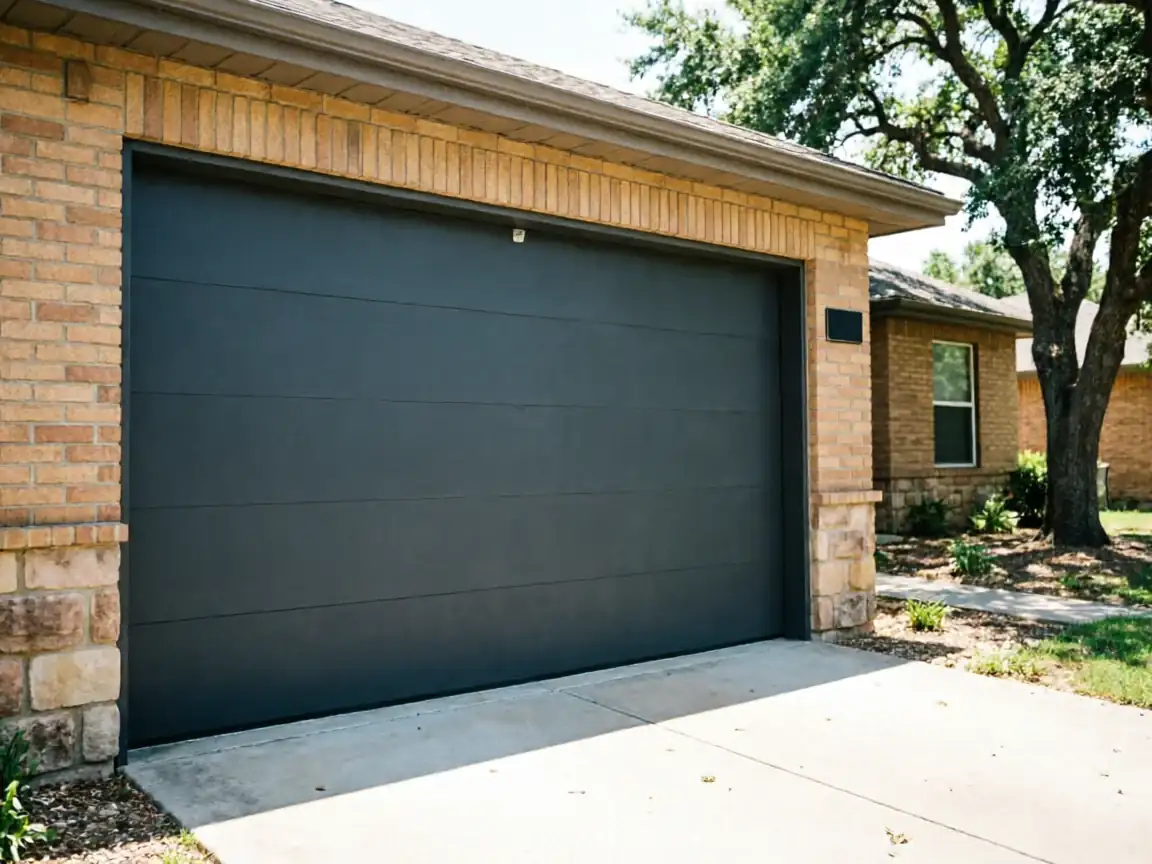
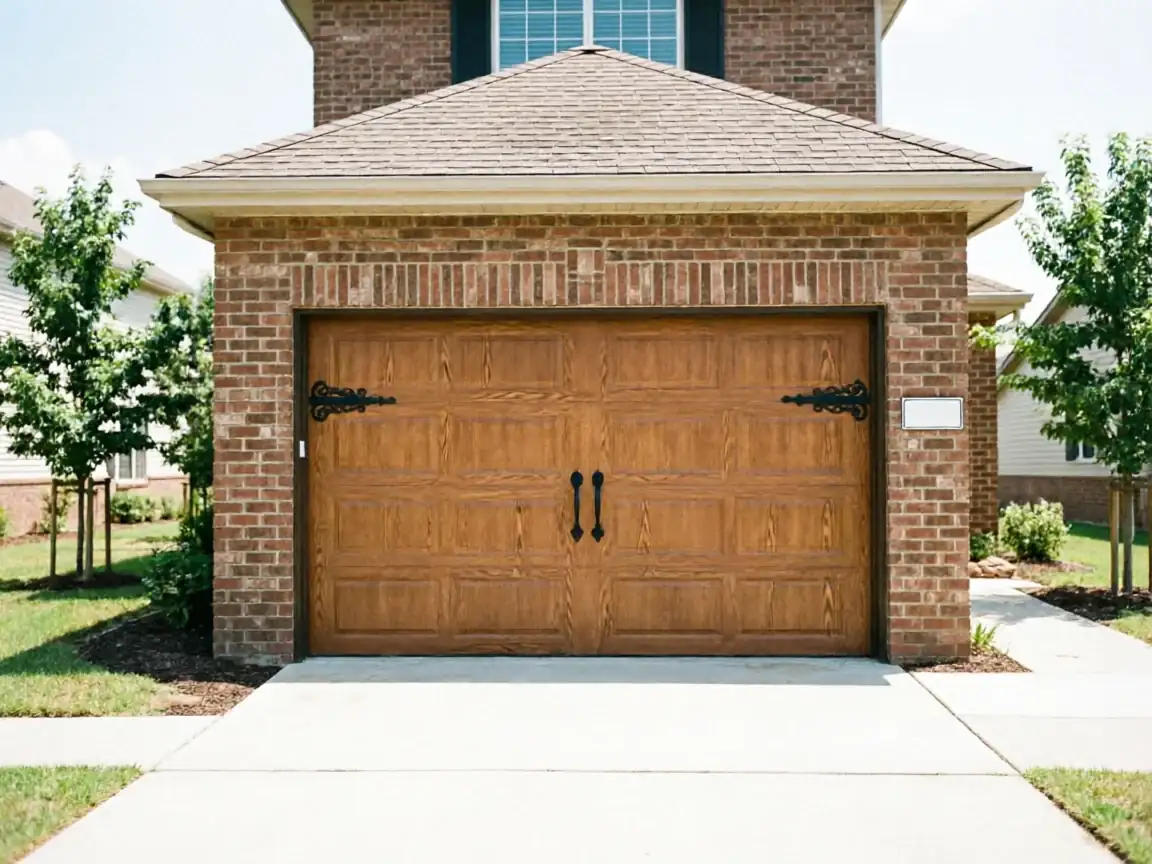
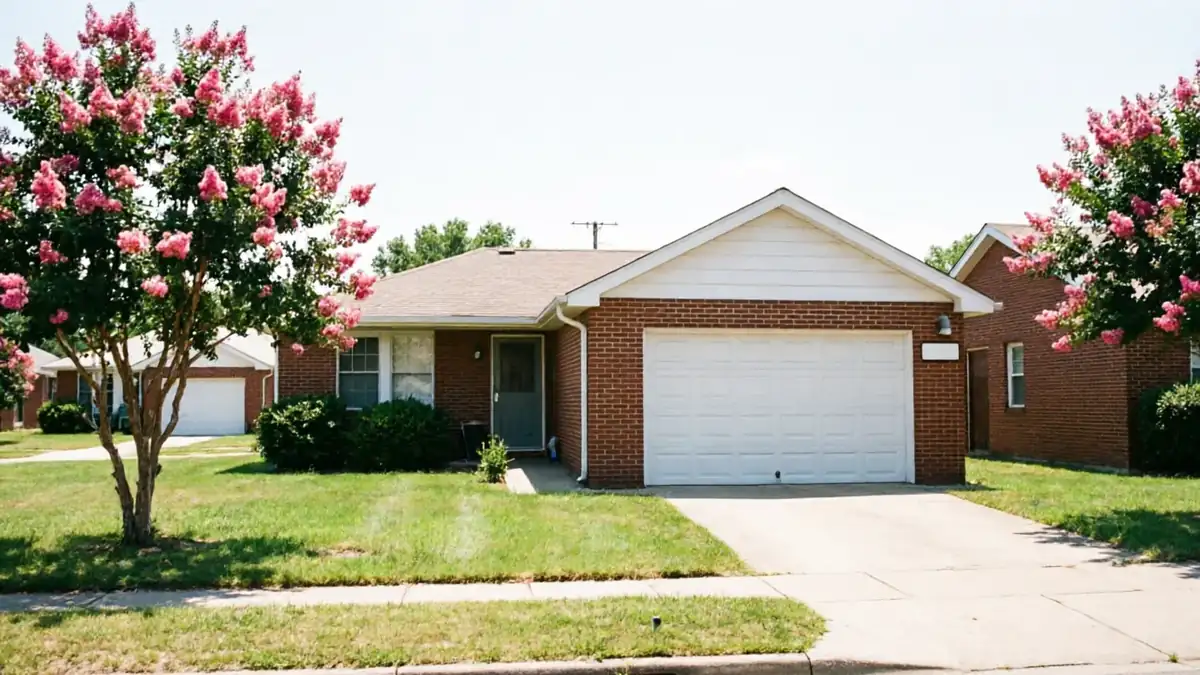
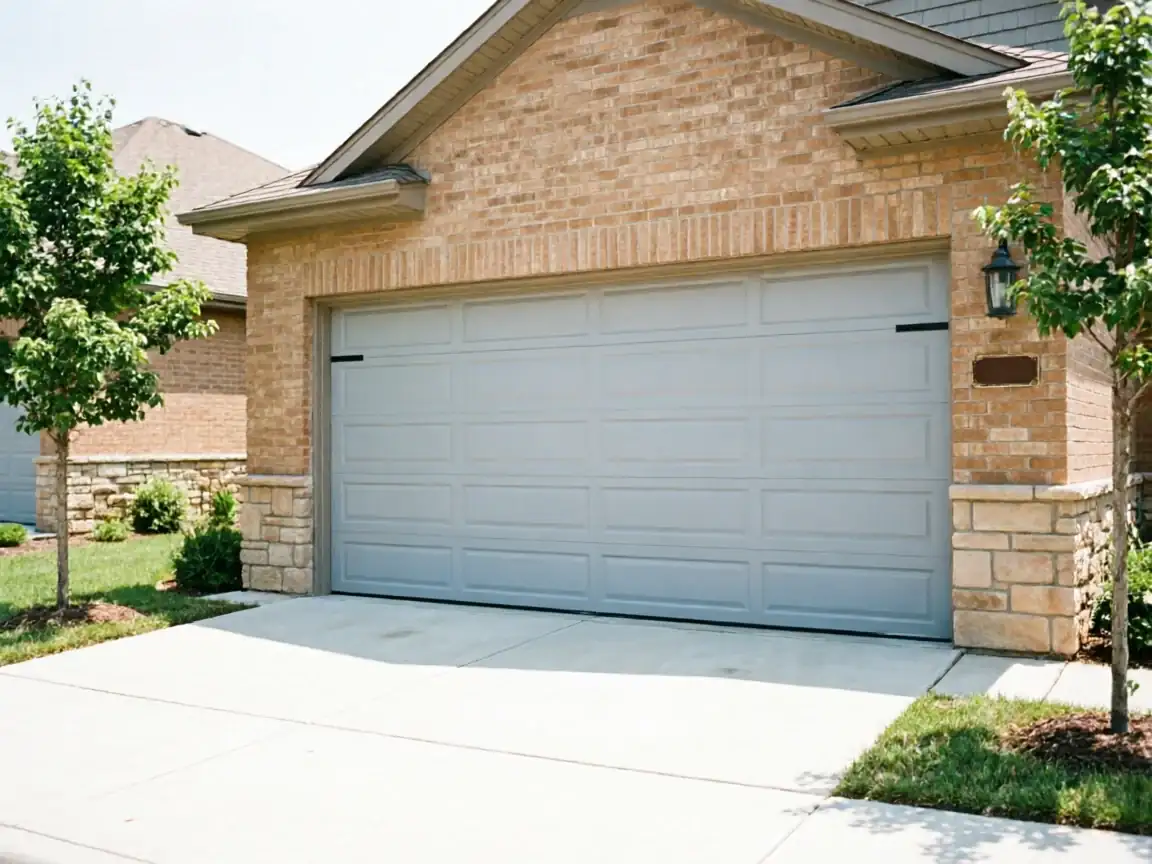
Piedmont's median household income sits at $94,882, well above the $60,822 median across the rest of the service area we cover out of Edmond. That number matters here more than it does in older neighborhoods, because it changes the math on whether an opener gets repaired or replaced. Piedmont houses also run newer than most of what we see - the typical home here went up around 1999, a good twenty-five years past the service area's broader median of 1973. That means fewer of the original chain-drive units from the 70s and 80s, and more mid-weight steel doors with some insulation, which puts real load on an opener's gearing over twenty-plus years of use. The complication isn't age the way it is in the older pockets of the territory - it's that a 1999-era opener is old enough to be wearing out but was built for a door that's heavier than the openers installed decades earlier ever had to lift. Rolling-code boards from that era are also starting to fail outright rather than just getting noisy, and once the logic board goes, there usually isn't a repair for it.
What the Fix Involves
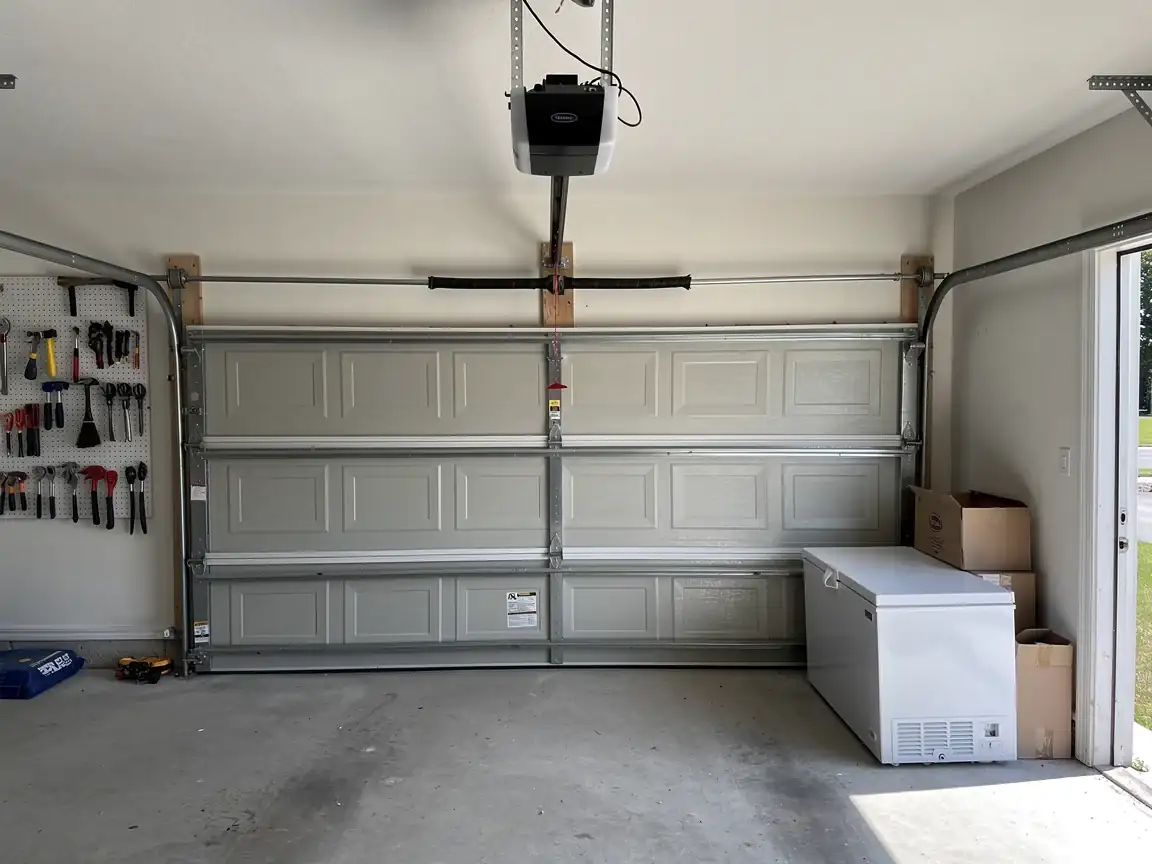
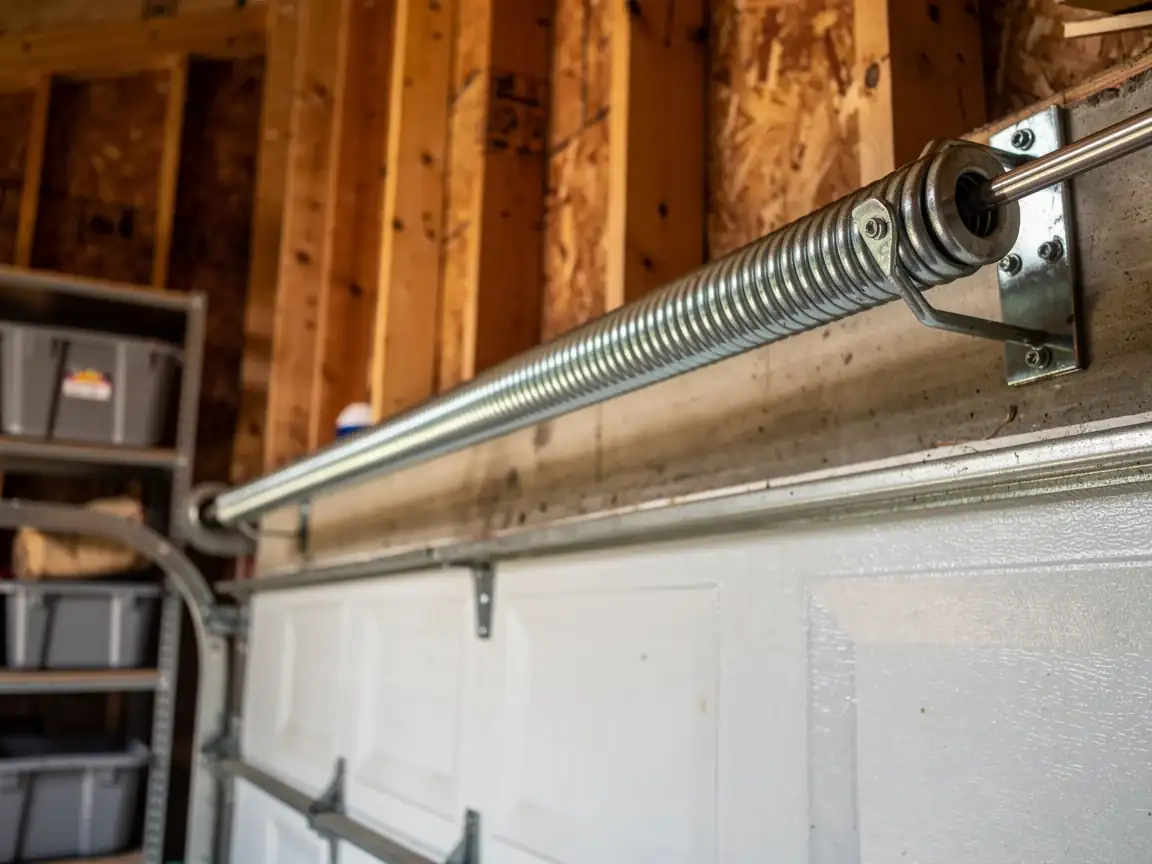
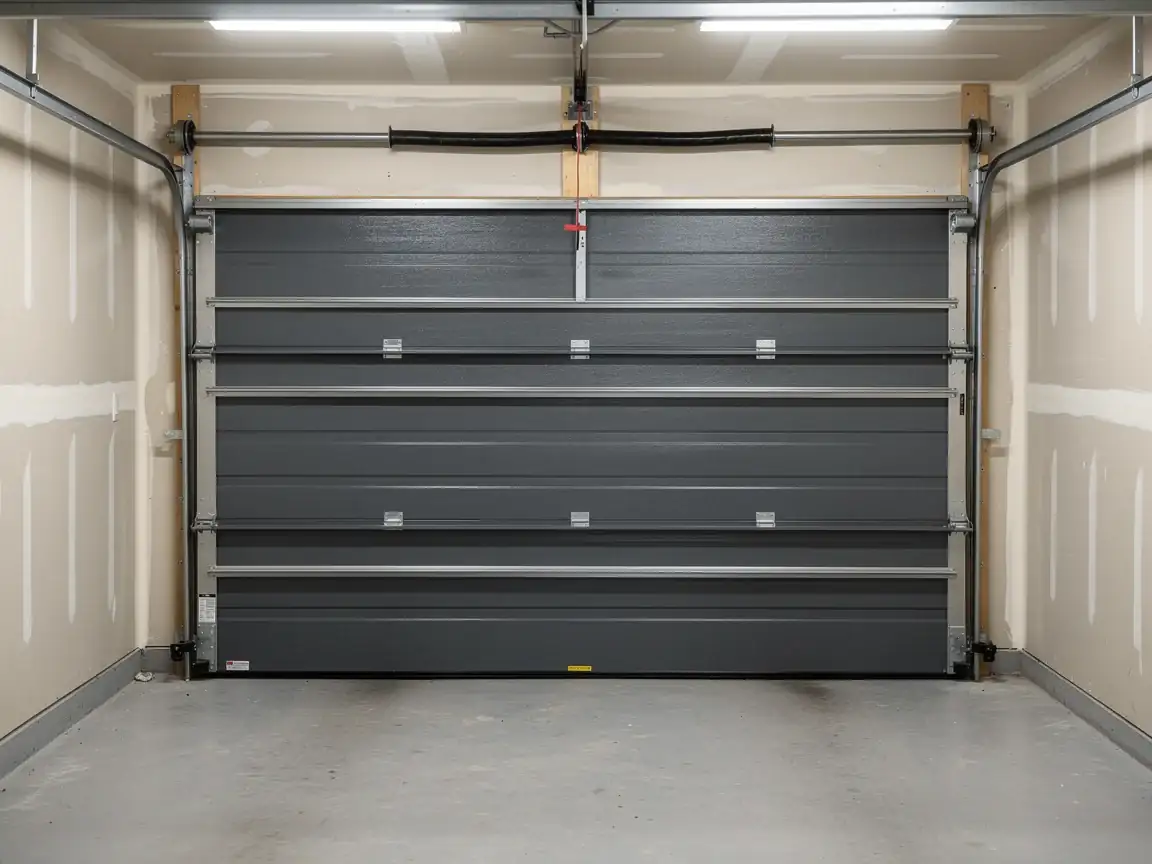
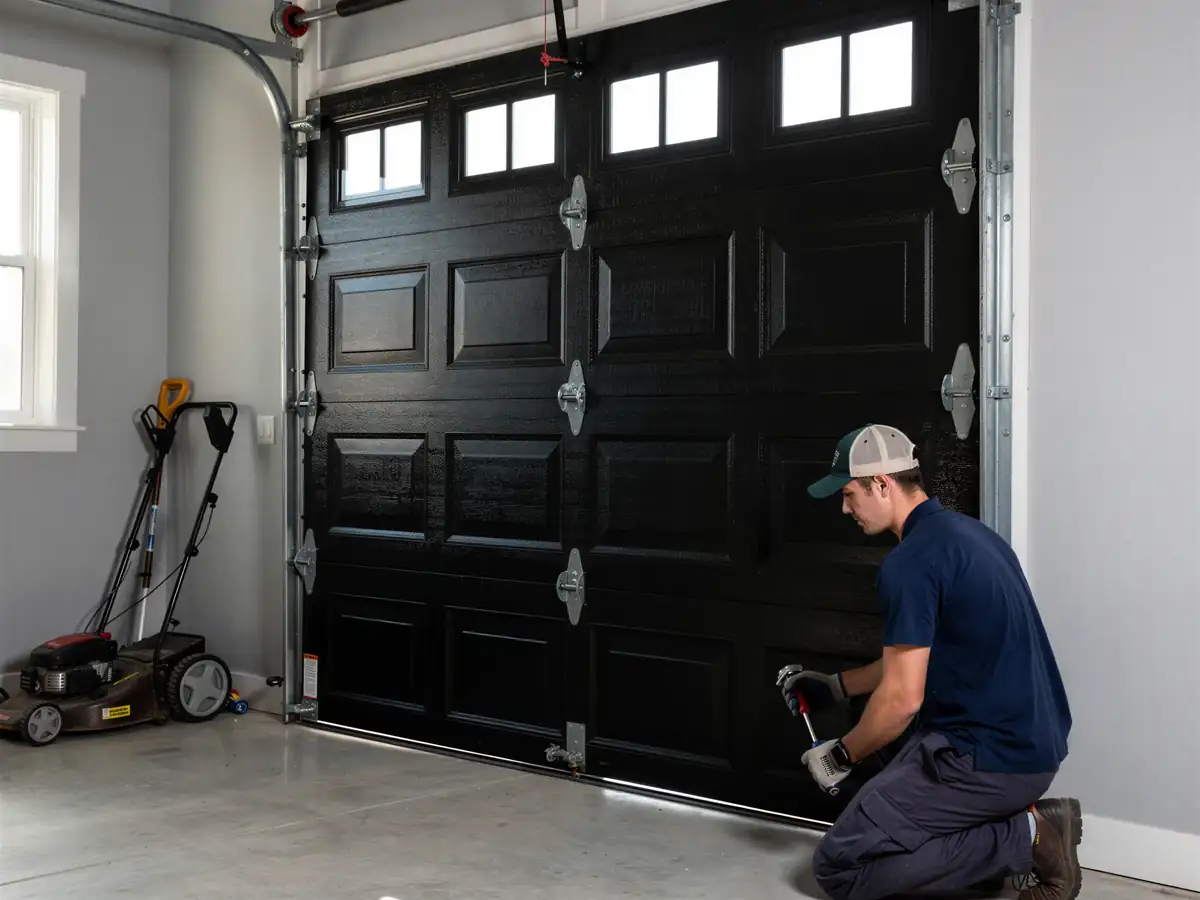
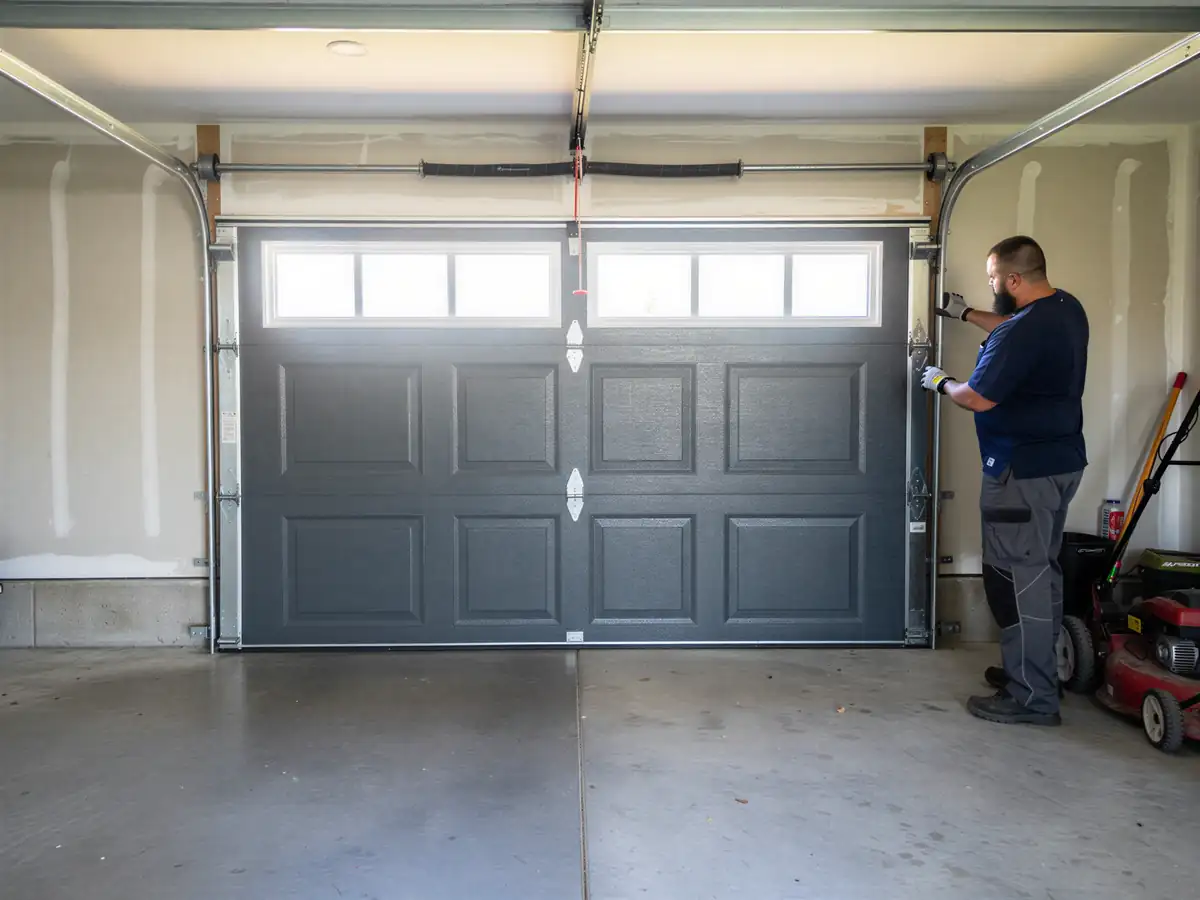
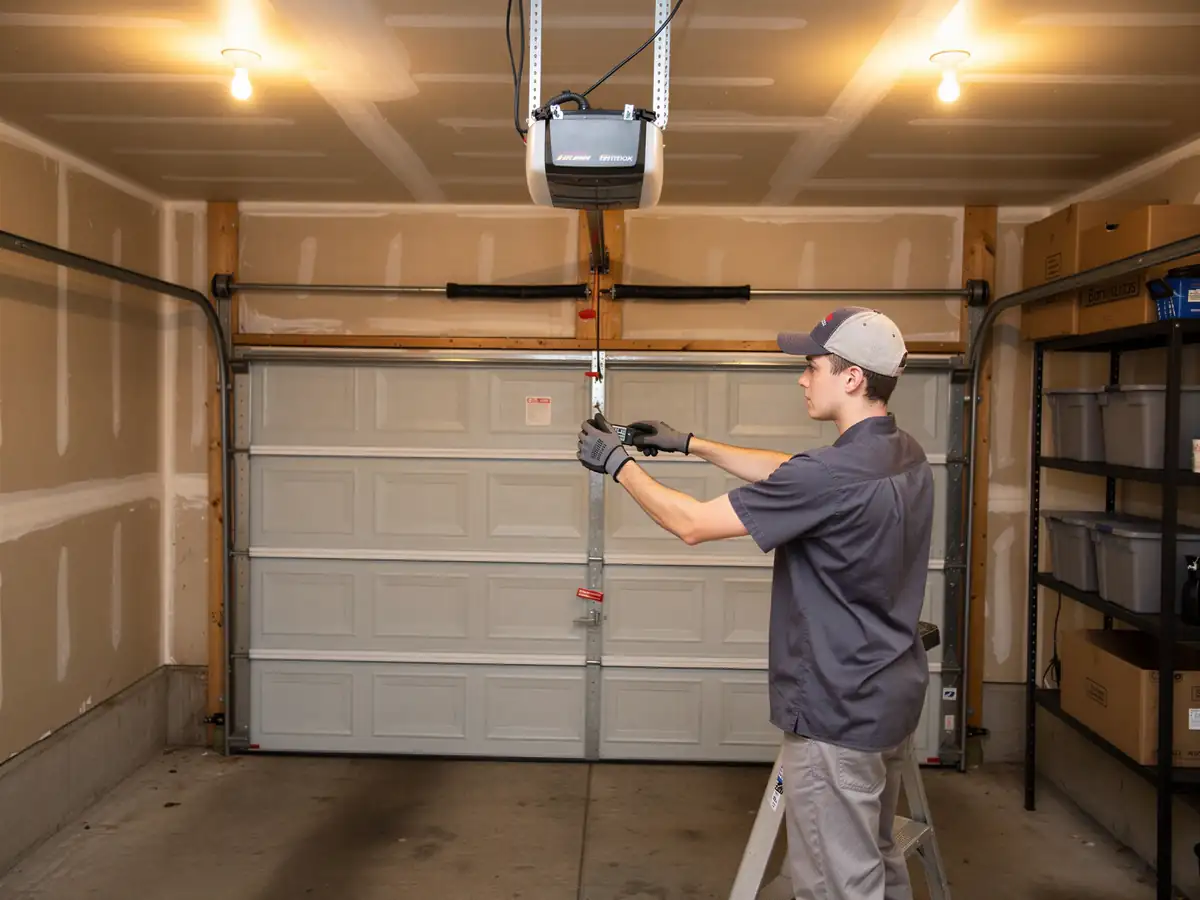
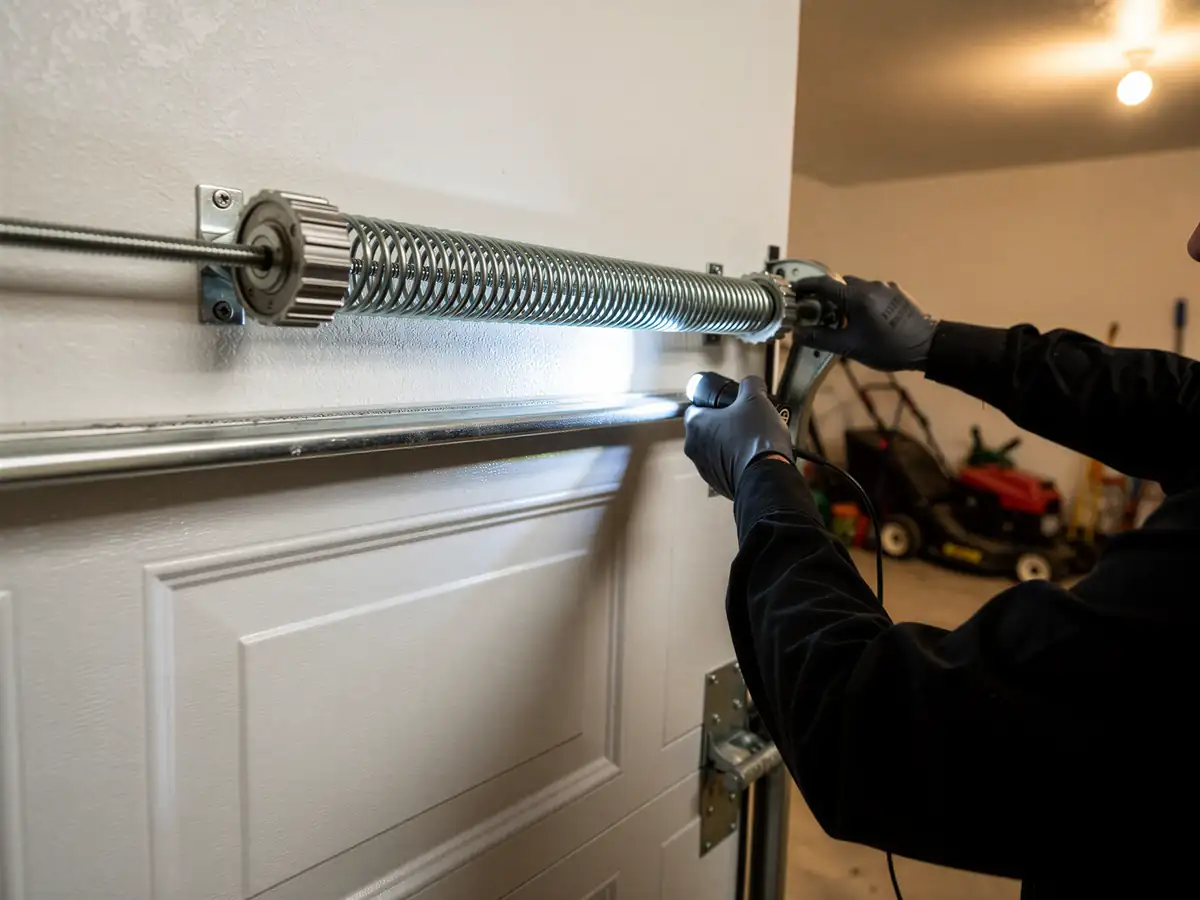
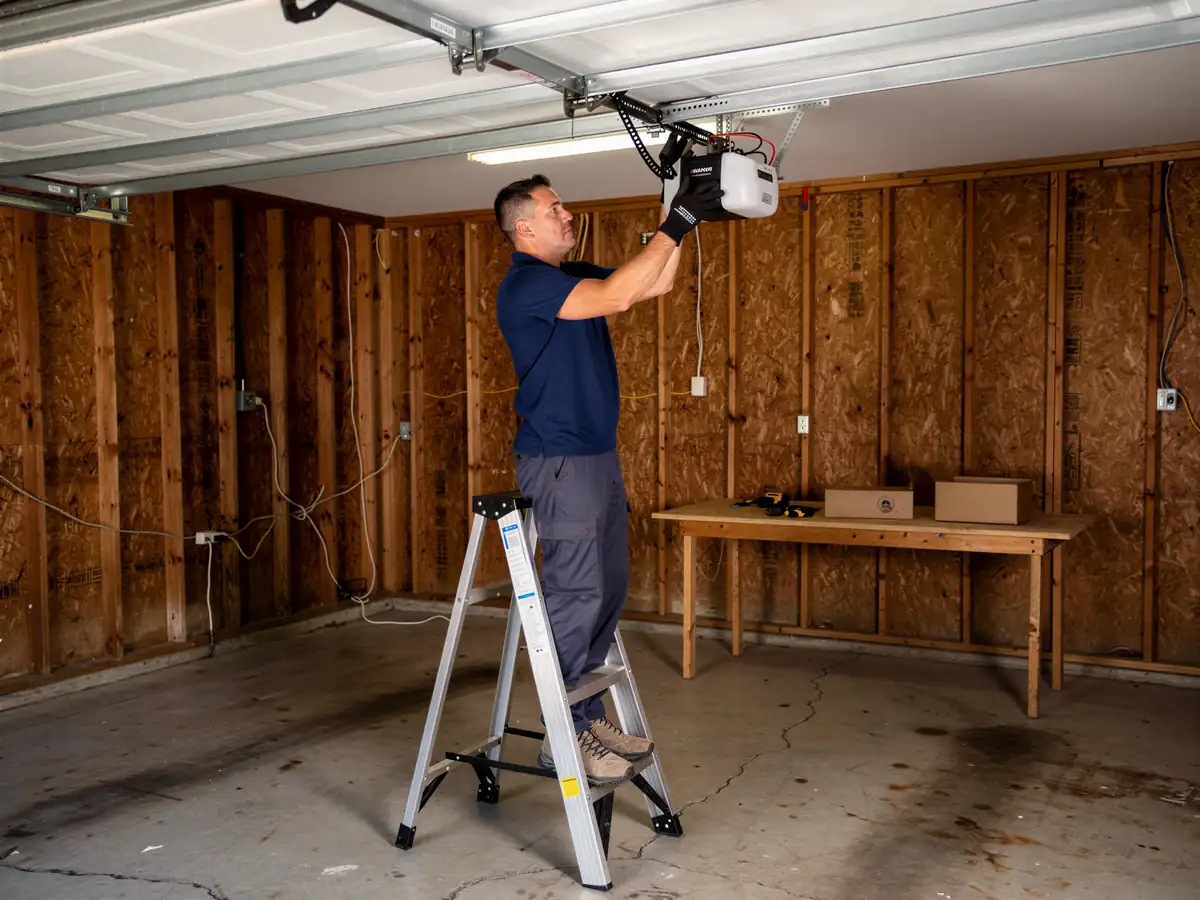
A straight install starts with pulling the old unit and rail, confirming the door's weight and balance are right before anything new goes up - an opener fighting a poorly balanced door burns itself out early no matter how good it is. We mount the new rail and head unit, set the travel limits, and dial in the force settings so the door doesn't slam or stall partway. Photo eyes get aligned and tested, the wall control and any remotes get paired, and if you're adding a smart or Wi-Fi opener we walk through the app setup before we leave. On a 1999-era house the structural framing above the door is usually straightforward to work with, which keeps the mounting part of the job simple. Where it gets longer is when the old opener's rail bracket or header mount doesn't match the new unit's hardware pattern, which happens more than people expect even on newer builds - that's an extra twenty minutes, not a second trip.
What You Pay
We don't post prices for opener work because the number depends on horsepower, drive type, and whether it's a smart unit or a basic one - but the decision in Piedmont tends to land differently than it does elsewhere in the territory. At a median income of $94,882, most homeowners here are better served putting money into a new opener built to carry a heavier insulated door properly than sinking cost into patching a gearbox on a unit that's already near the end of its life. In the older parts of our service area, where incomes run closer to the $60,822 overall median, repair stretches the budget further and makes more sense more often. In Piedmont, replacement usually pencils out faster. We'll still tell you honestly if your opener just needs a logic board or a sensor - we're not going to sell a full install when a twenty-minute fix solves it.
What You Are Seeing
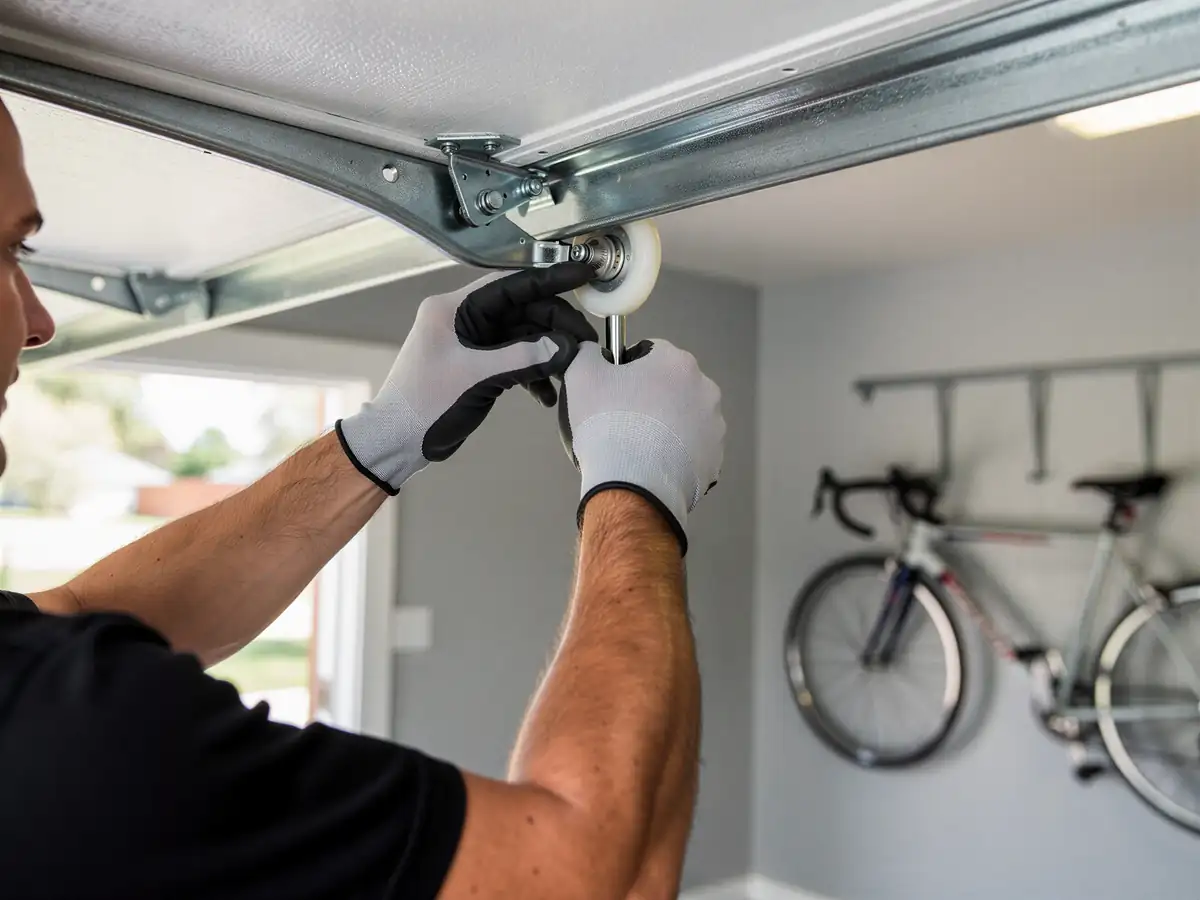
On Piedmont's newer housing stock, the opener complaints we hear are less about rust and more about wear: a motor that strains and groans lifting a steel door it was never quite matched to, remotes that only work from a few feet inside the garage, or a unit that opens fine but won't close without someone holding the button the whole way down - usually a sign the force settings have drifted or a photo eye has shifted out of alignment. Some homeowners are seeing their opener simply stop responding to the wall button or remote altogether, which on a unit from the late 90s or early 2000s is often the logic board giving out rather than anything mechanical. If your door reverses right after touching the floor, or the light blinks instead of running the motor, that's diagnostic information worth noting before we get there.