Can You Do This Yourself
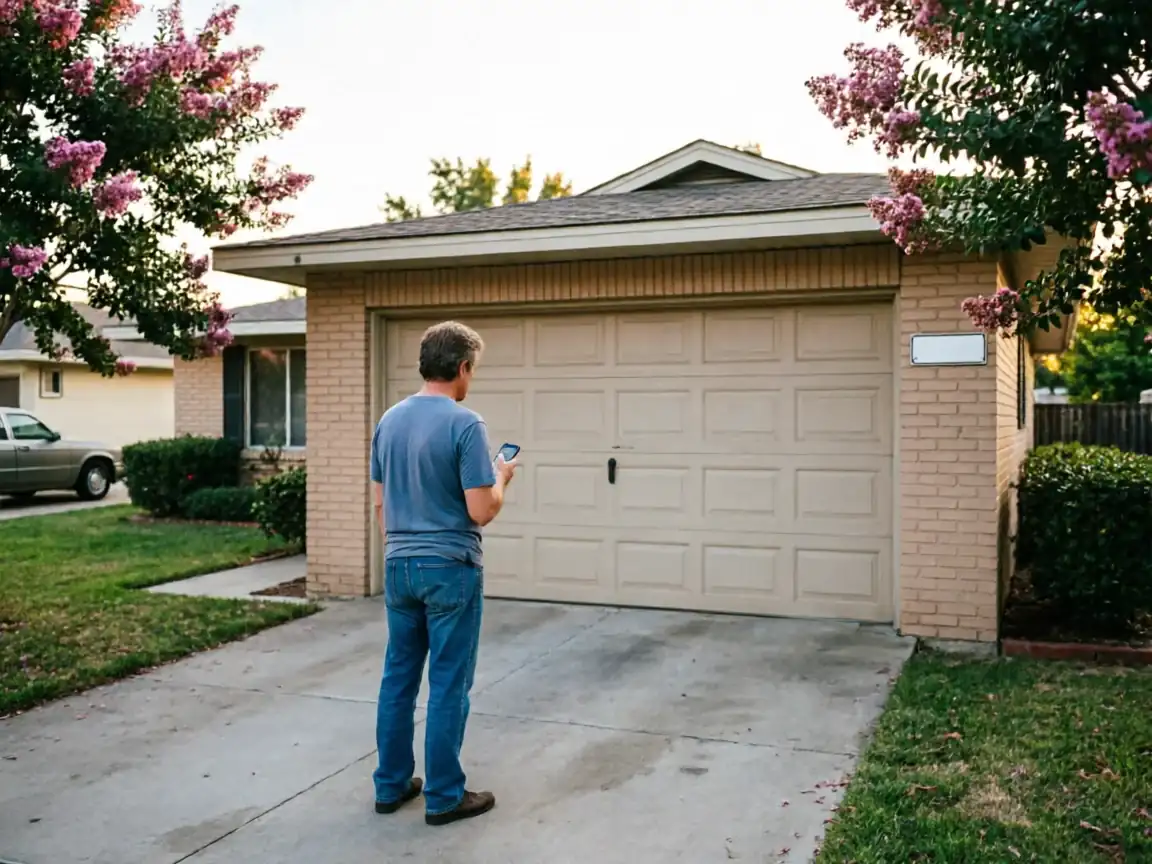
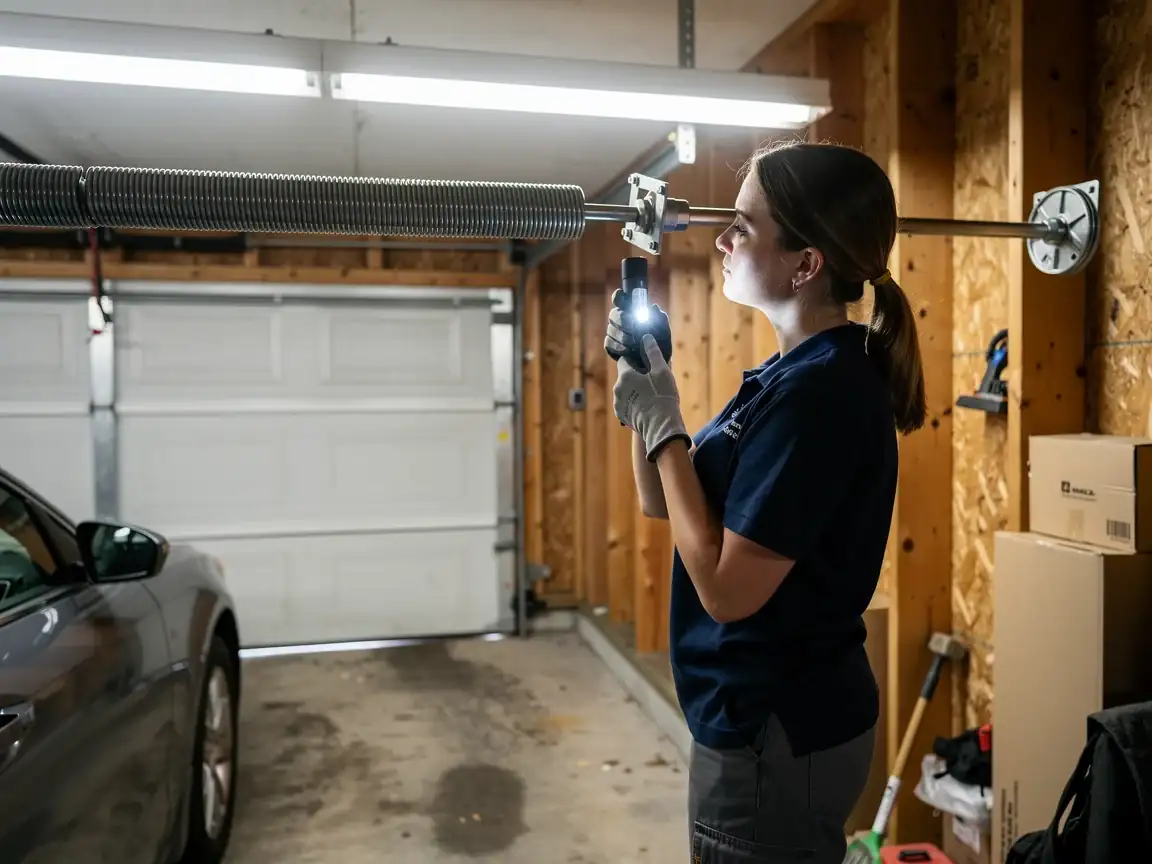
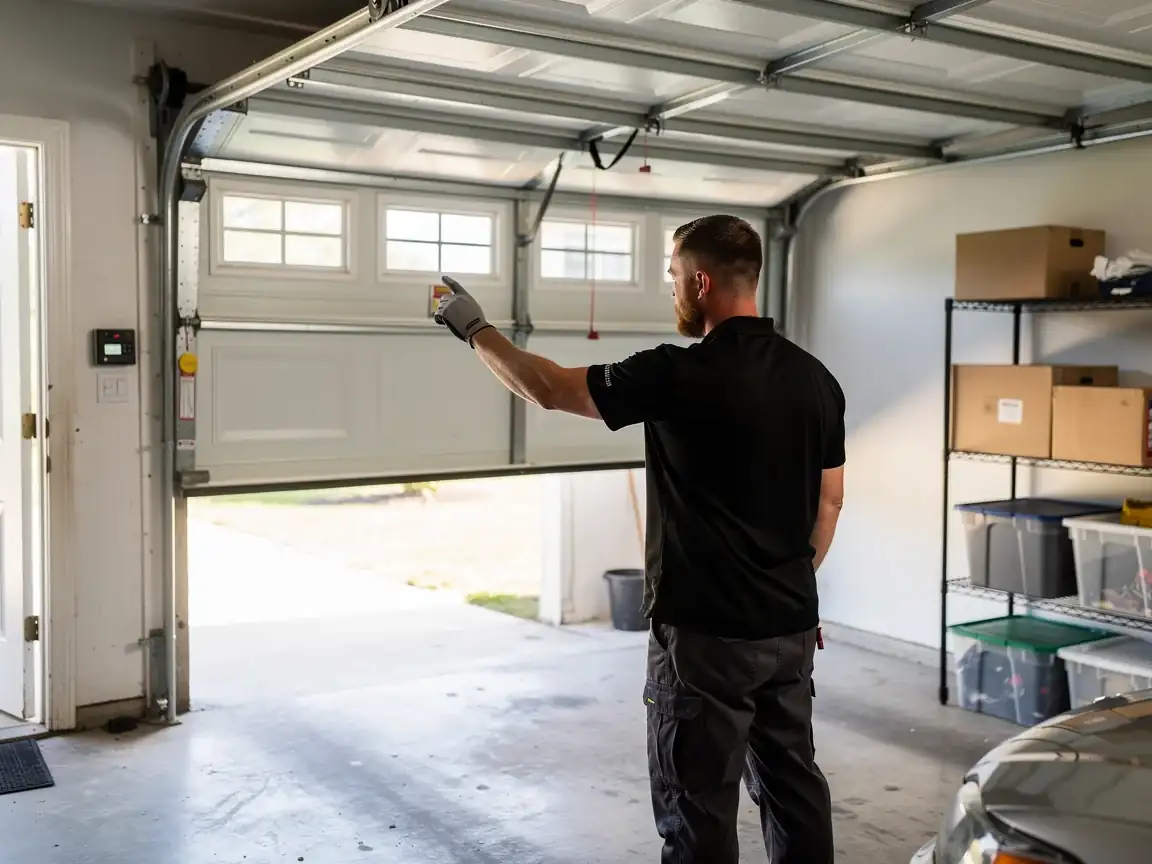
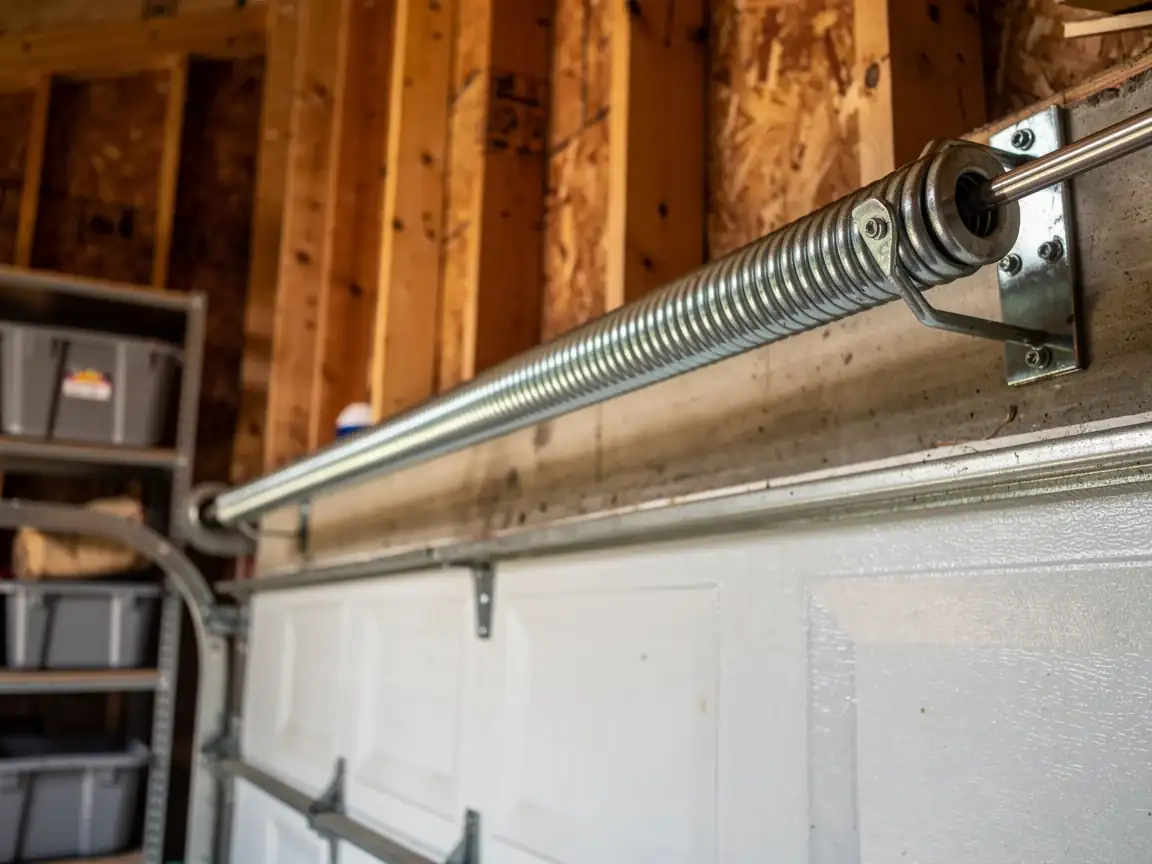
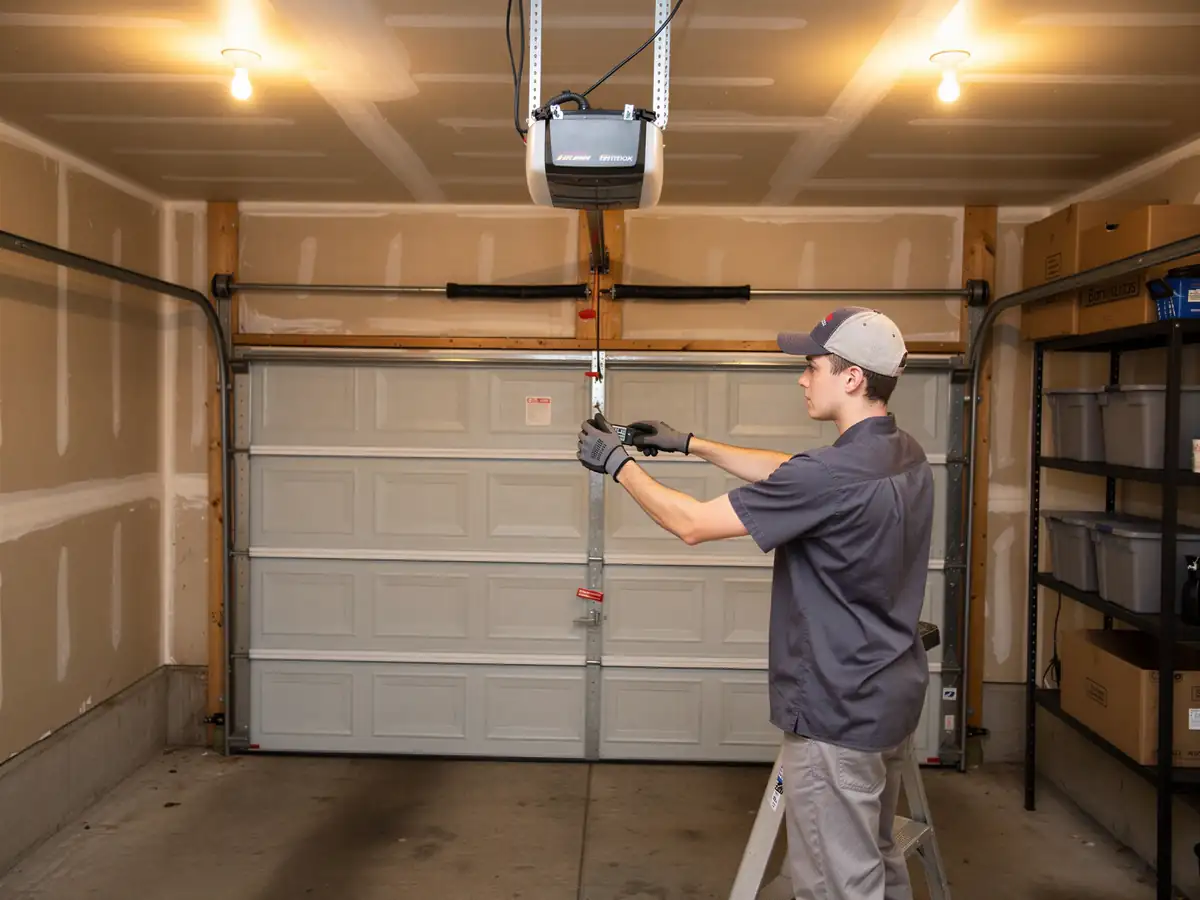
A torsion spring is wound under enough tension to break a bone or take off a finger if the winding bars slip. We're not going to walk you through doing it yourself, and any guide that treats it like a weekend project is leaving out the part where things go wrong fast. What you can safely do is diagnose: unplug the opener, try lifting the door by hand, and see if it feels dead weight heavy or binds partway up. That tells you whether you're looking at a spring, a cable, or a track problem before anyone comes out.
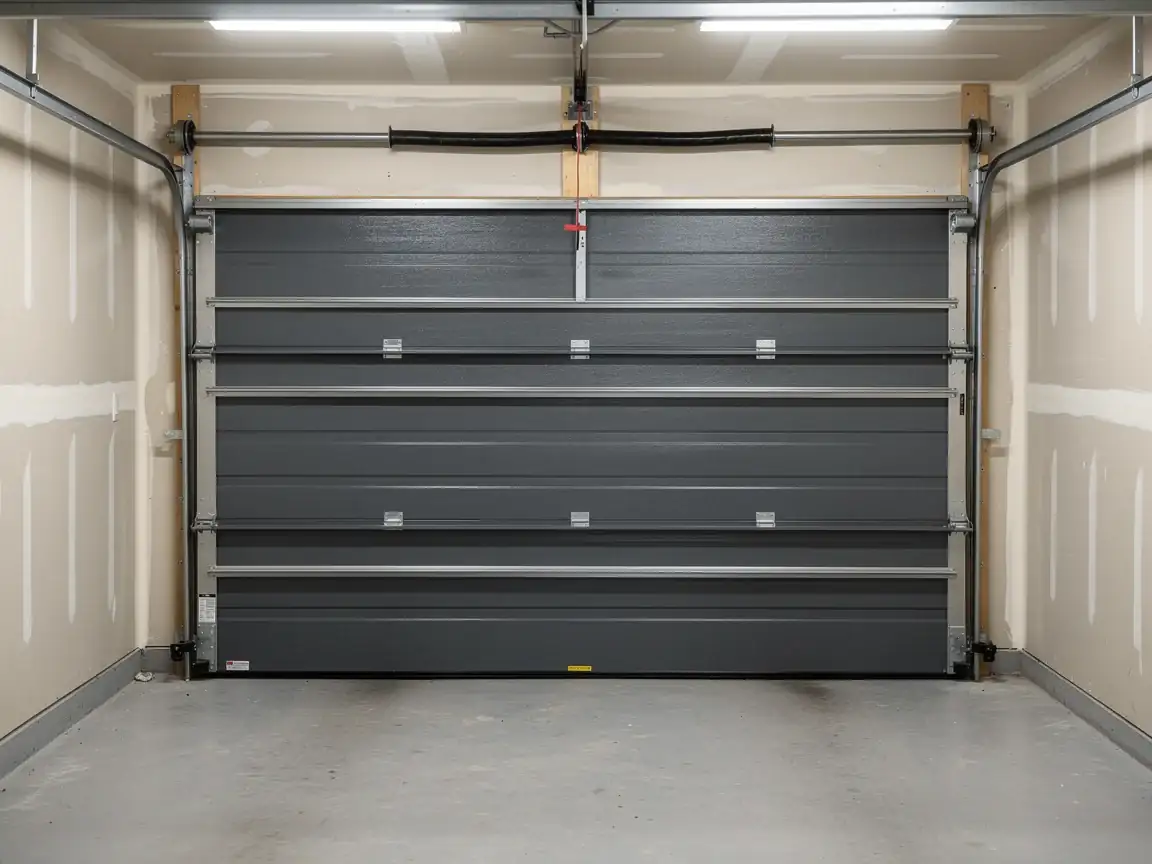
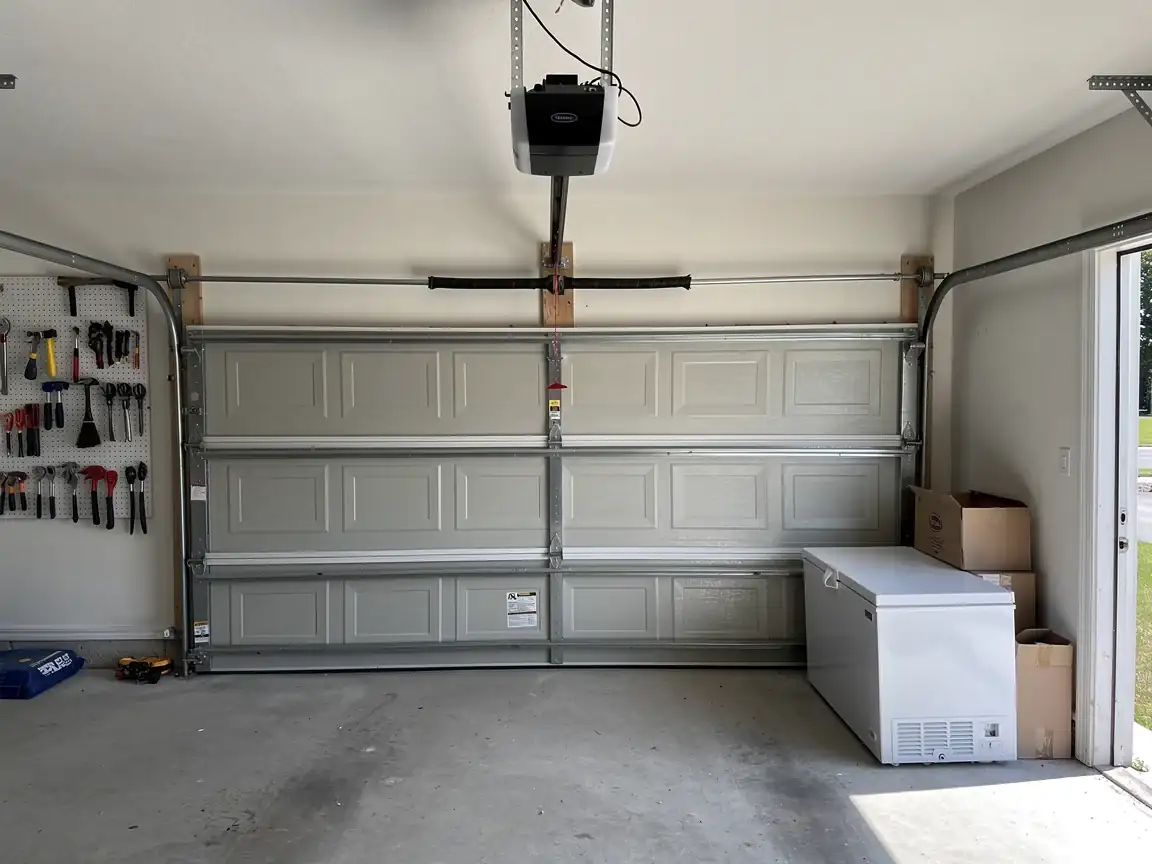
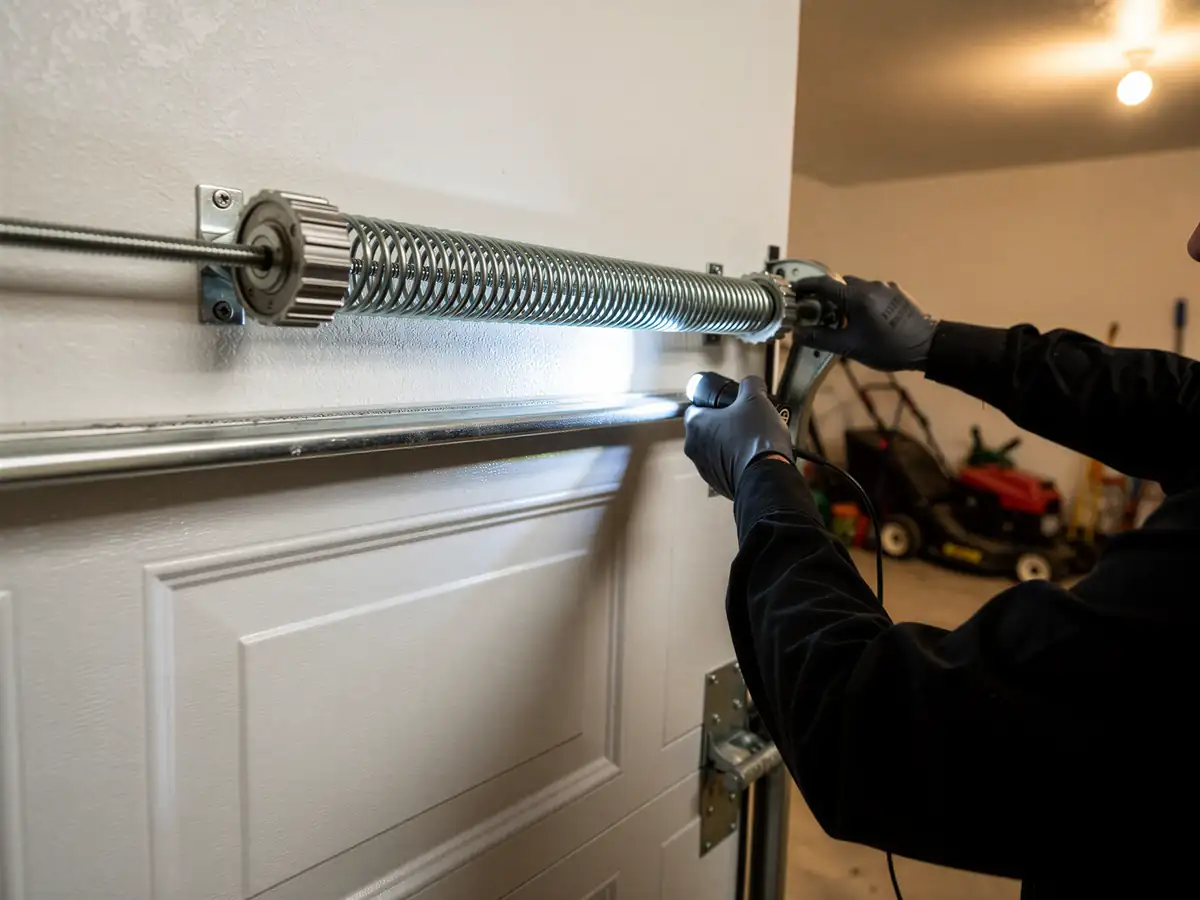
Extension springs over the horizontal track are a little less violent to work on than torsion springs, but they still store real energy and still need the right safety cables in place. If a spring has already let go and the door is sitting shut with slack cable hanging, leave it alone and leave the opener unplugged. Don't try to force the door up on a broken spring - that's how openers get burned out and how tracks get bent, which turns a spring call into a bigger job.
One honest limit here: if your spring is original to a house built decades ago, we're not going to rewind or patch it. Springs get replaced in matched pairs, not repaired, because a mismatched or re-tensioned spring fails again within months and usually takes the other one with it.
What the Fix Involves
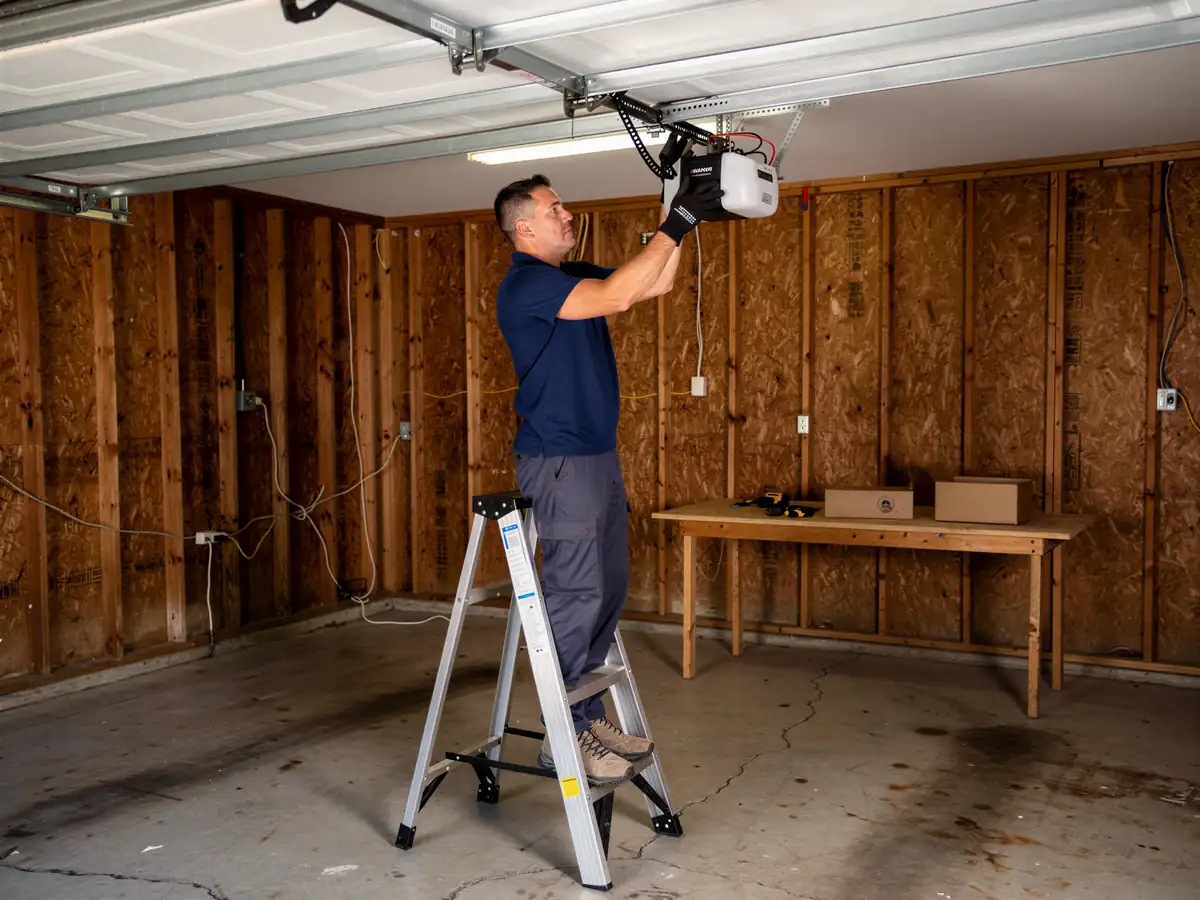
Most calls are a straight swap
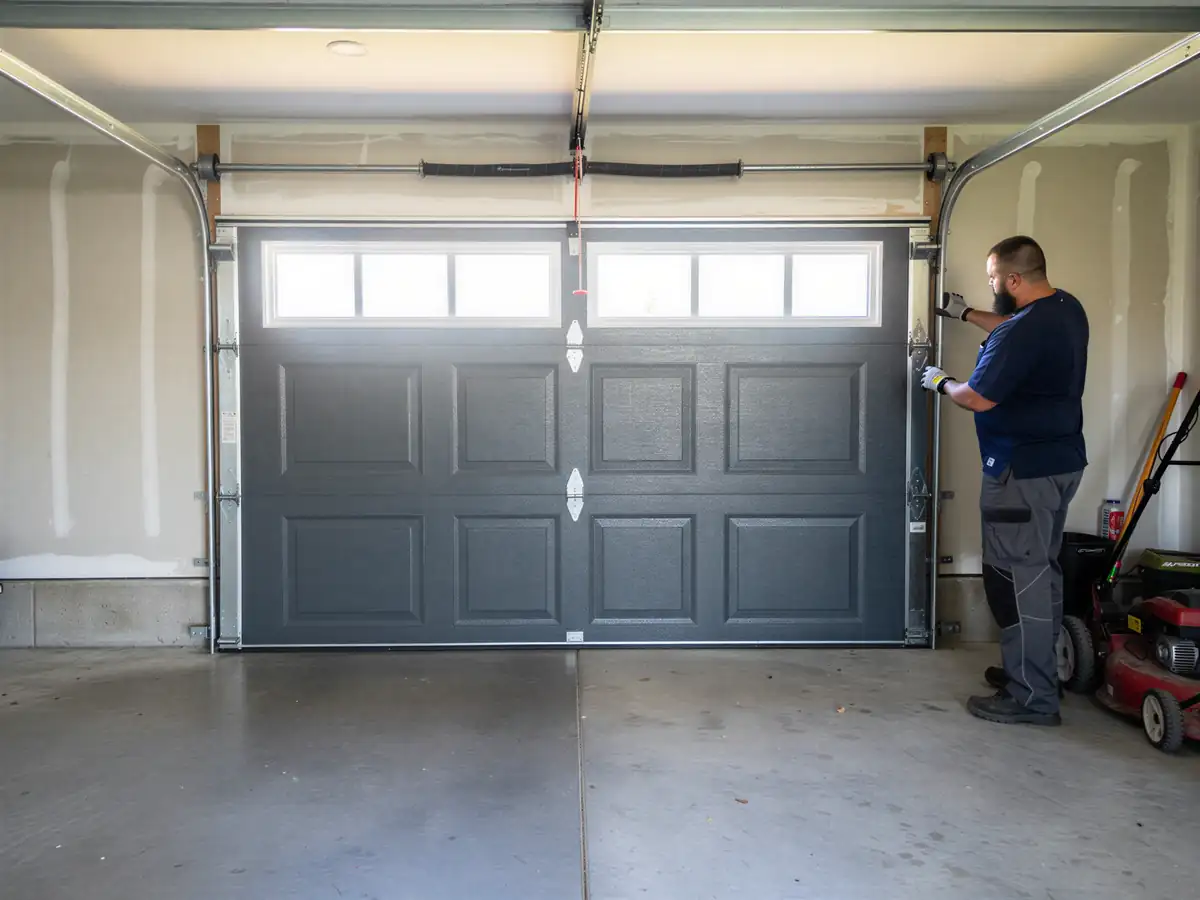
Matched torsion springs sized to the door's weight and cycle count, new cable if the old one shows fraying, and a check of the drums and bearing plates since those wear at the same rate as the spring. On older doors we also check whether the winding cones and shaft are original - after enough decades those get pitted or undersized for a heavier replacement door panel, and that changes what spring is needed.
We test the door's balance after the swap, not just whether it opens
A door that's out of balance even slightly keeps eating springs and straining the opener's drive gear, so the extra ten minutes on the cone settings and cable drum alignment is what makes the repair last instead of becoming a repeat call.
Part of the job is telling you when spring repair isn't the right fix
If the track is bent, if the door panels are sagging at the seams, or if the opener has been straining against a bad spring long enough to cook its gears, replacing the spring alone just buys you a few more weeks before the next failure. We'll say so before we start, not after.
What You Are Seeing
A torsion spring usually goes with a bang loud enough to hear from another room - a clean snap, then a door that won't lift or lifts a few inches and stops. Extension springs tend to go quieter: one side droops, the door opens crooked, or a frayed cable lets go first and the spring just dangles.
Short of a full break, watch for a door that's gotten noticeably heavier to lift by hand over the past few weeks, or an opener that strains and clicks before it gives up partway through the cycle. That's a spring losing tension gradually rather than snapping outright, and it's worth a call before it strands the car inside on a cold morning.
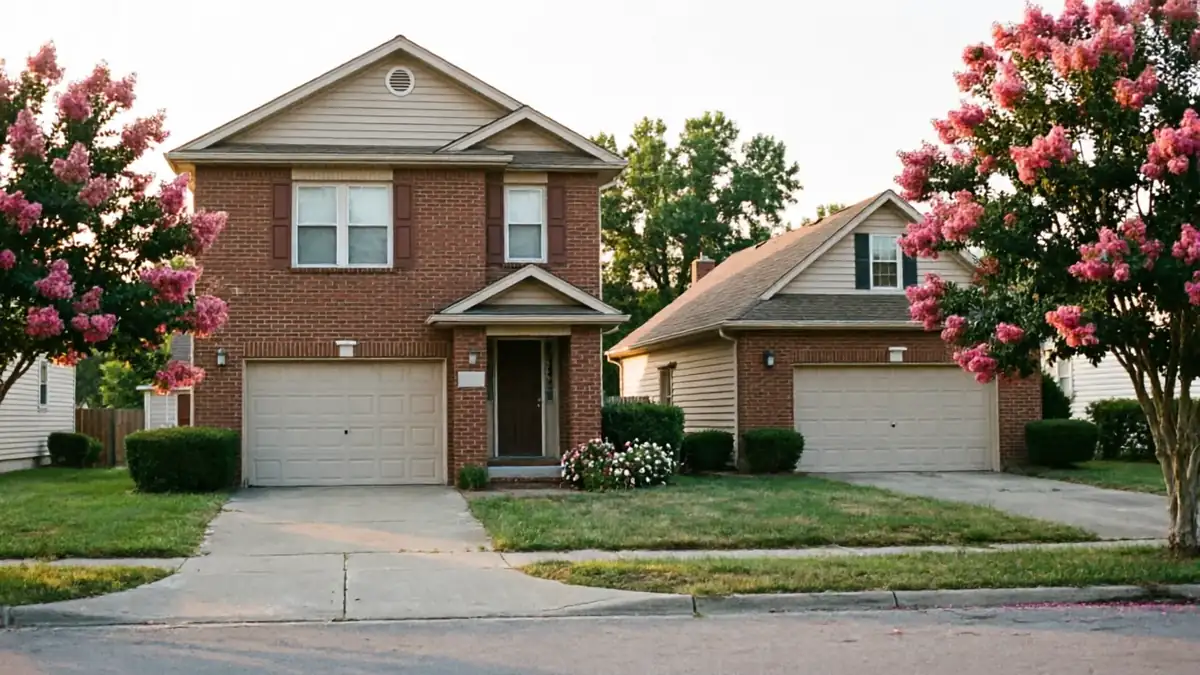
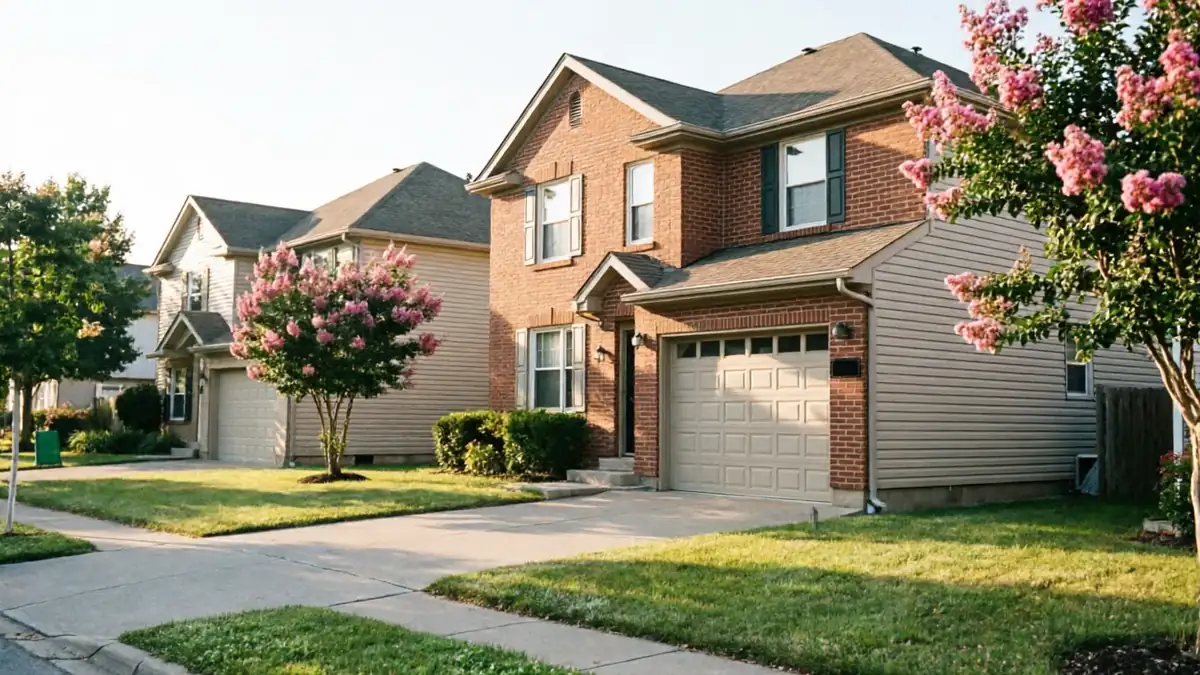
Across the Edmond service area, with 39,401 owner-occupied houses among roughly 70,136 households, the spring failures we see cluster in houses built during the 1959-1999 run, with most of that stock dating to the 1960s and 70s. Springs in doors that age are well past their rated cycle count, so the failure isn't random - it's a part at the end of its life finally letting go.
What Causes It Around Here
Steel fatigues faster through temperature swings than through steady cold or steady heat, and this area sits in a moderate cold climate band where doors see real swings between a winter morning and an afternoon sun on a dark-colored panel. That expansion and contraction cycle is hard on a spring's coils, and it adds up faster on doors that are already decades into their service life.
The housing stock across the service area runs 1959 through 1999, with a median build year of 1973 and most of it concentrated in 1960s and 70s construction spread across roughly twenty named areas. A spring installed with a house built in that window has had fifty-plus years and tens of thousands of open-close cycles to work through - most springs are rated for somewhere well under that, so by the time a homeowner calls, the part is simply worn out, not defective.
Median household income here runs around $60,822, which is part of why we see more repair calls than straight door replacements - a spring swap keeps a serviceable door and opener working instead of starting over on a full unit. That's usually the more sensible call unless the door itself has failed structurally.