Can You Do This Yourself
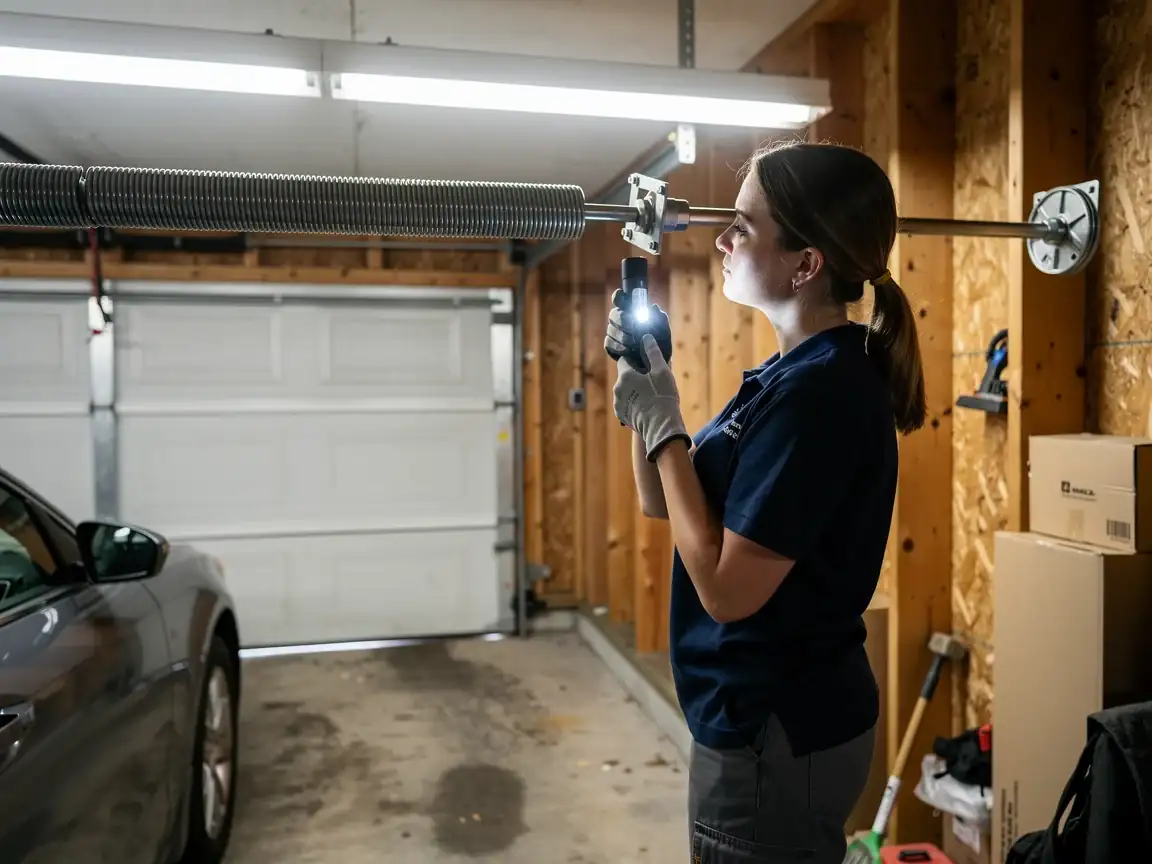
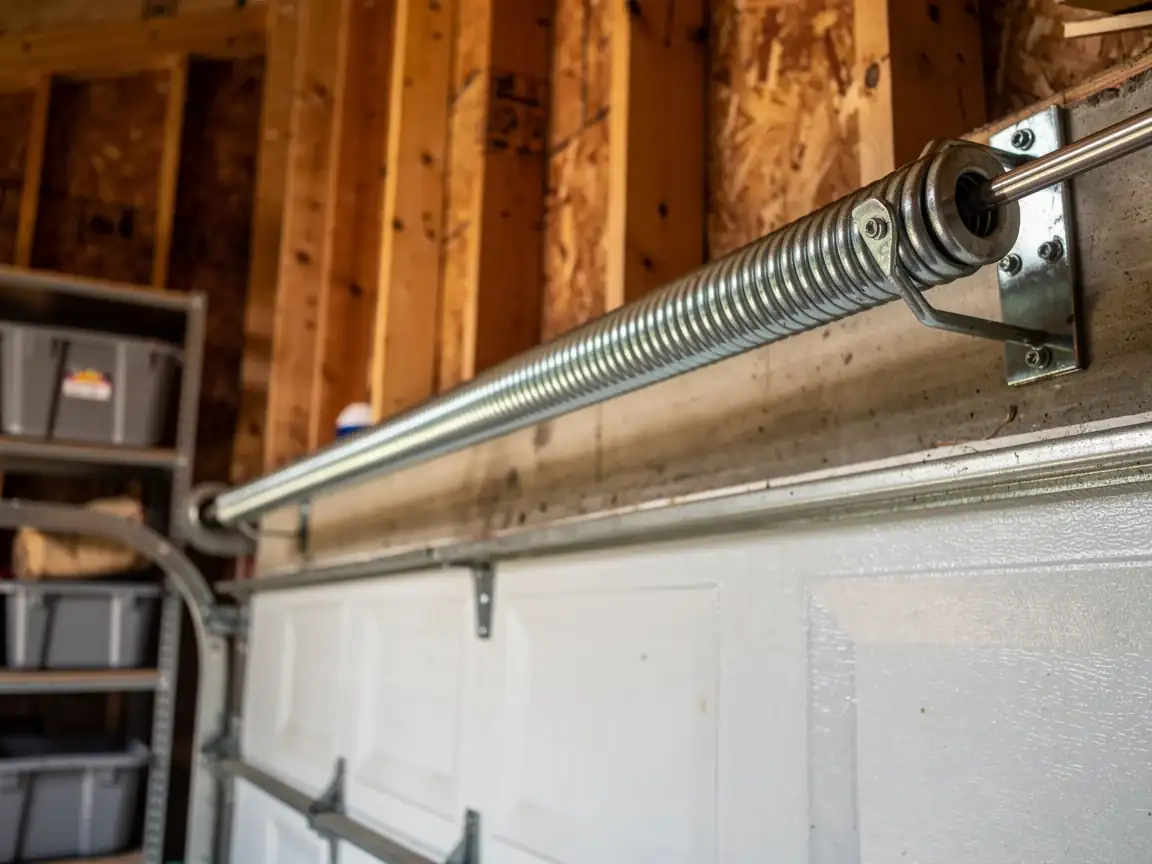
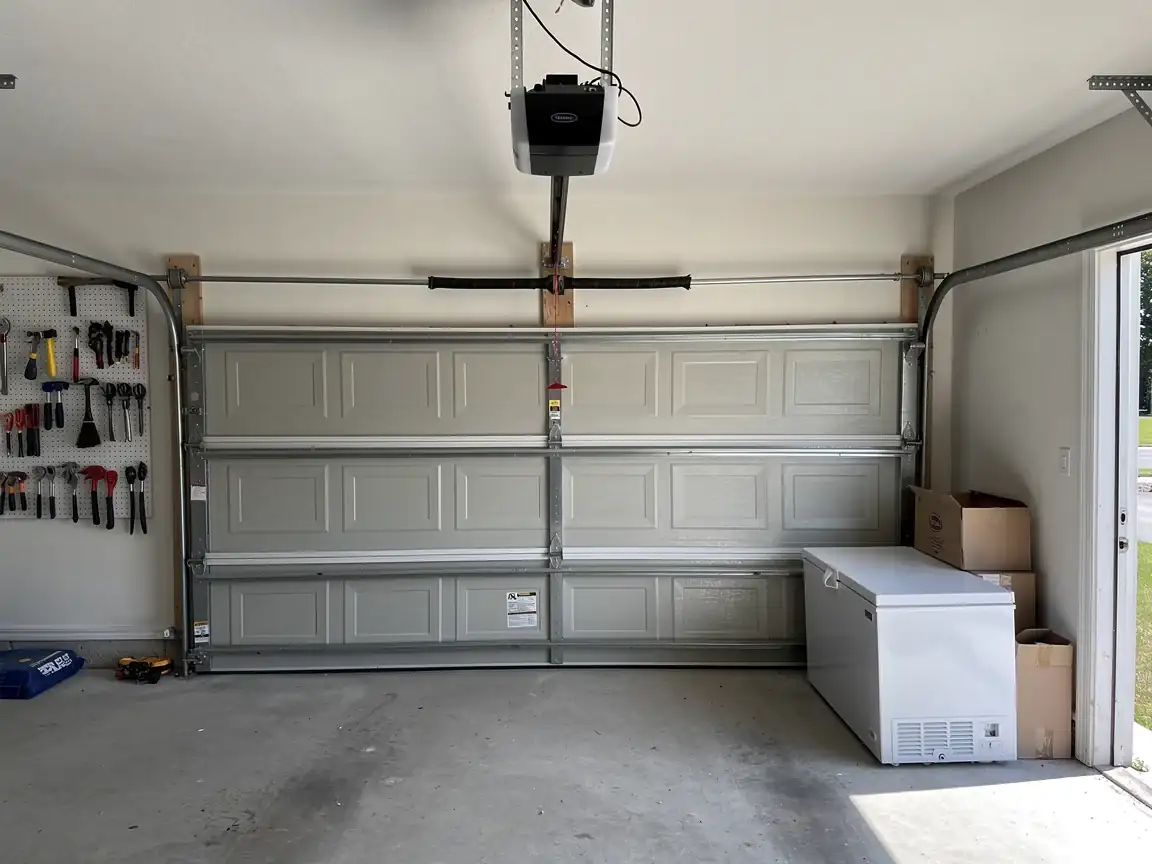
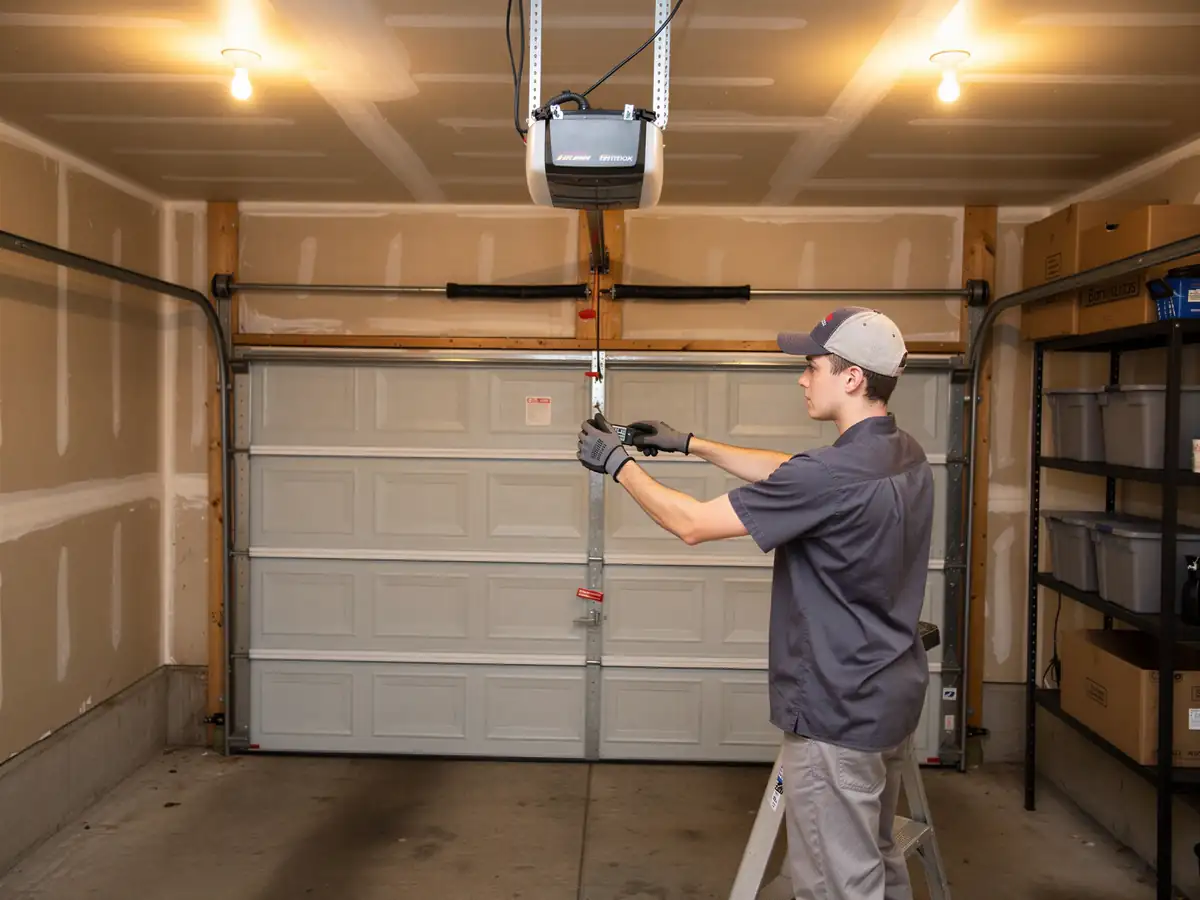
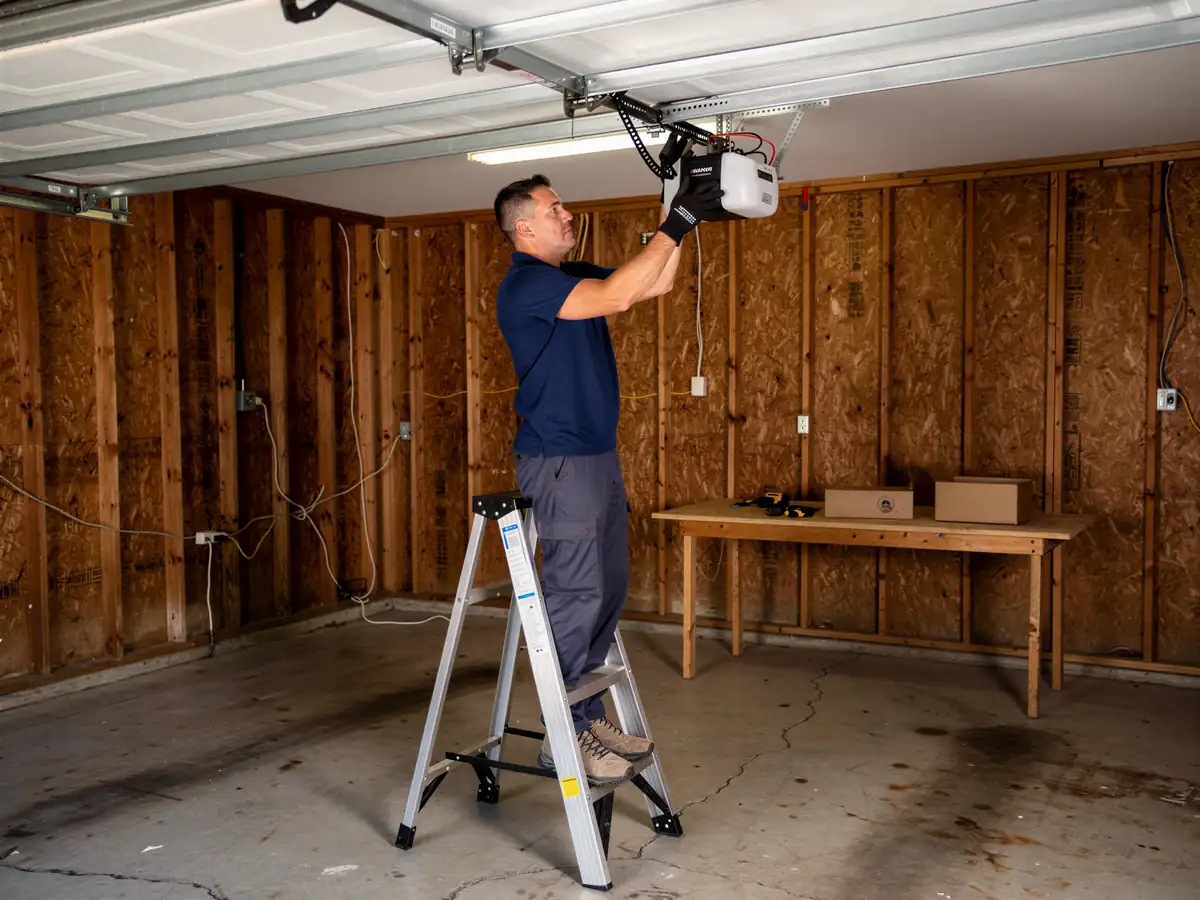
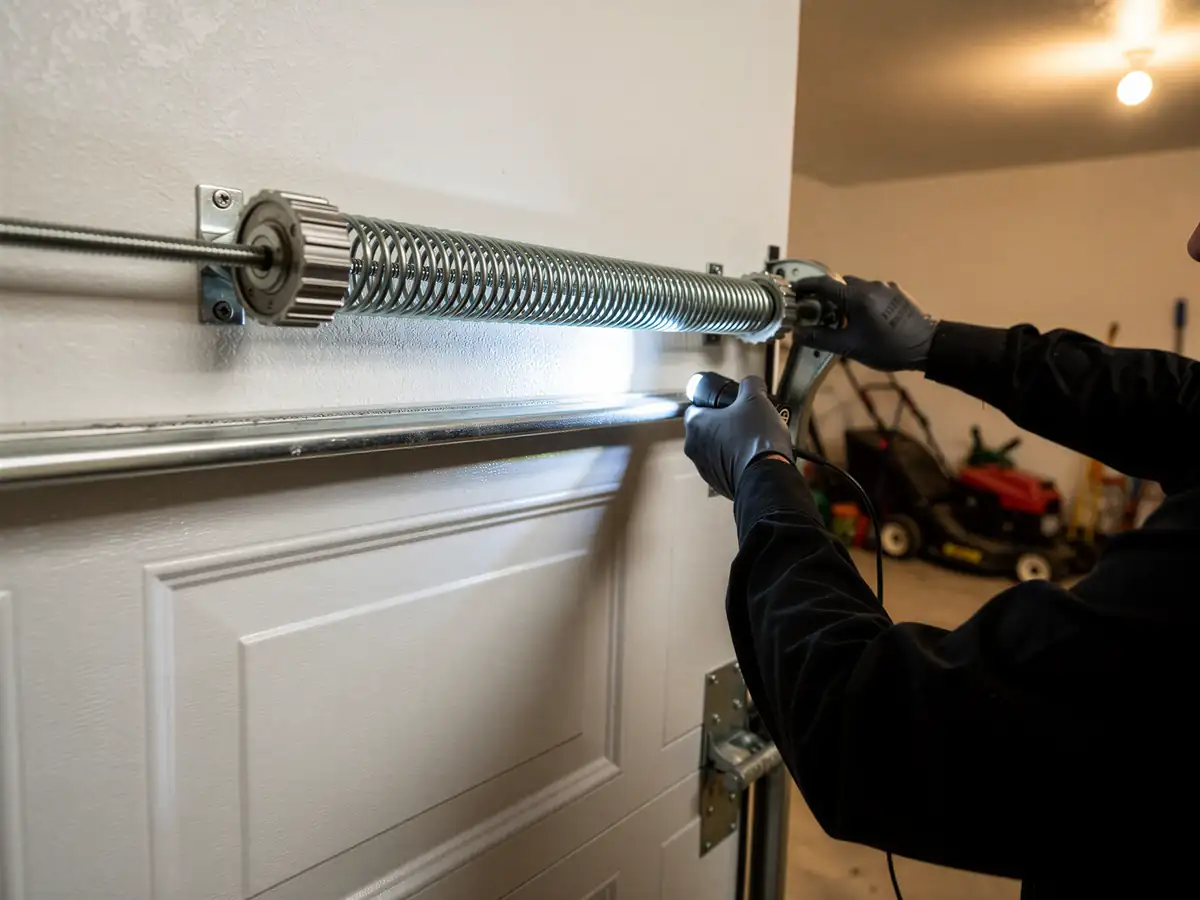
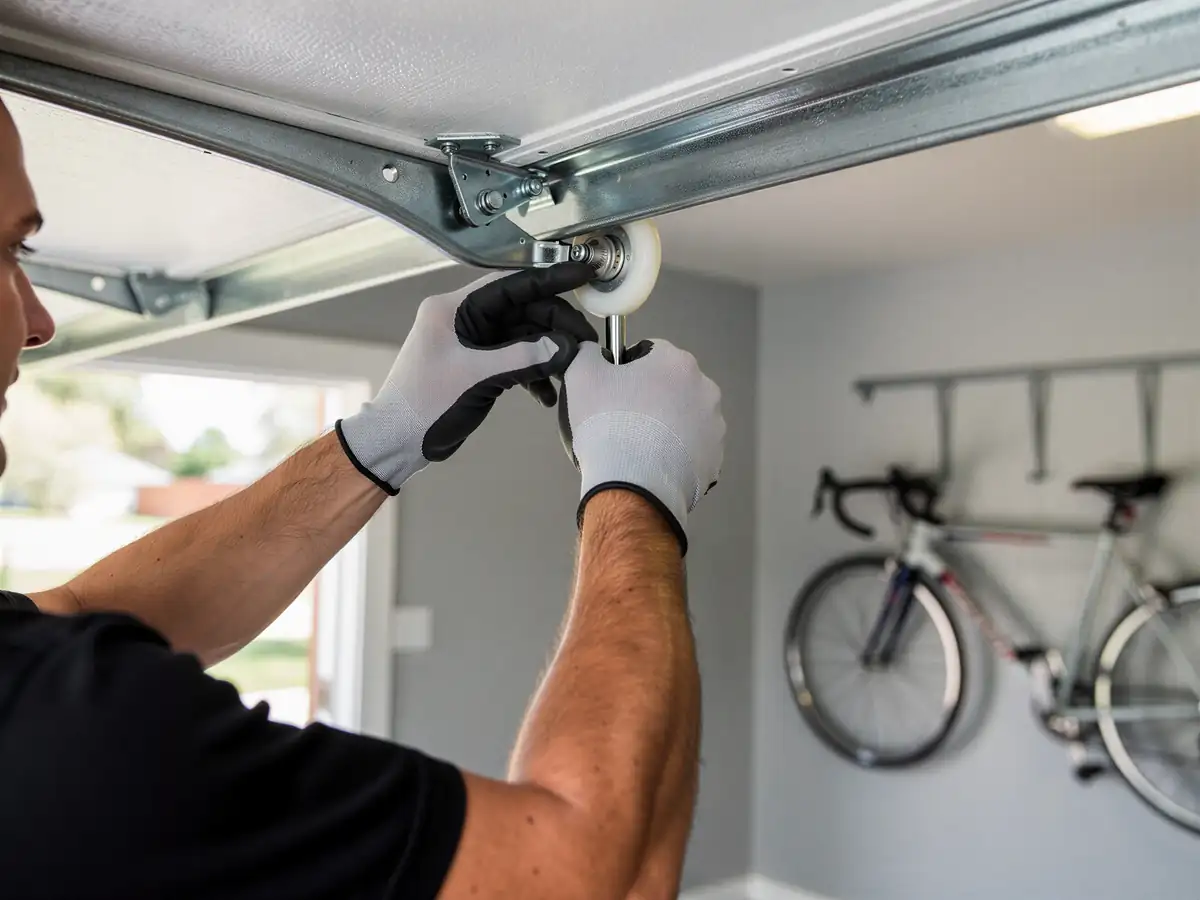
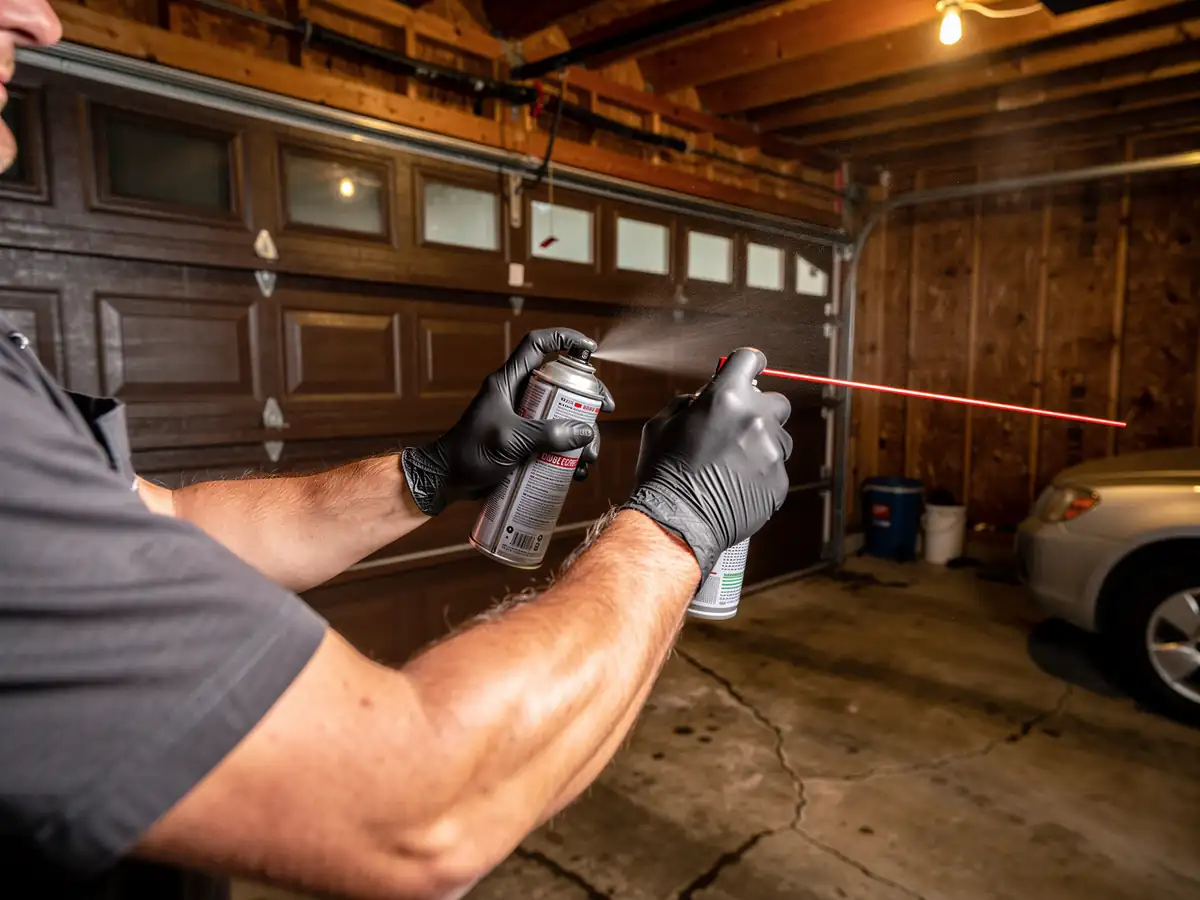
Some of it, yes. Wiping down the tracks, checking that the rollers aren't cracked, and putting a light coat of lithium grease on the hinges is a fifteen-minute job most owners can handle on a Saturday. What you shouldn't touch is the torsion spring or anything under tension - if a house in this area still has its original hardware from the 1960s or 70s, that spring has been cycling for decades and it doesn't give a warning before it lets go. We also don't recommend owners adjust the force or limit settings on an opener themselves; get it wrong and the door either won't seat or it slams down on whatever's underneath it. Our honest limit here: if a spring is original to a house built in that 1959-1999 window, we're not going to tell you to just lubricate it and hope. At that age it gets inspected properly or it gets replaced - there's no middle option we'll stand behind.
What You Are Seeing
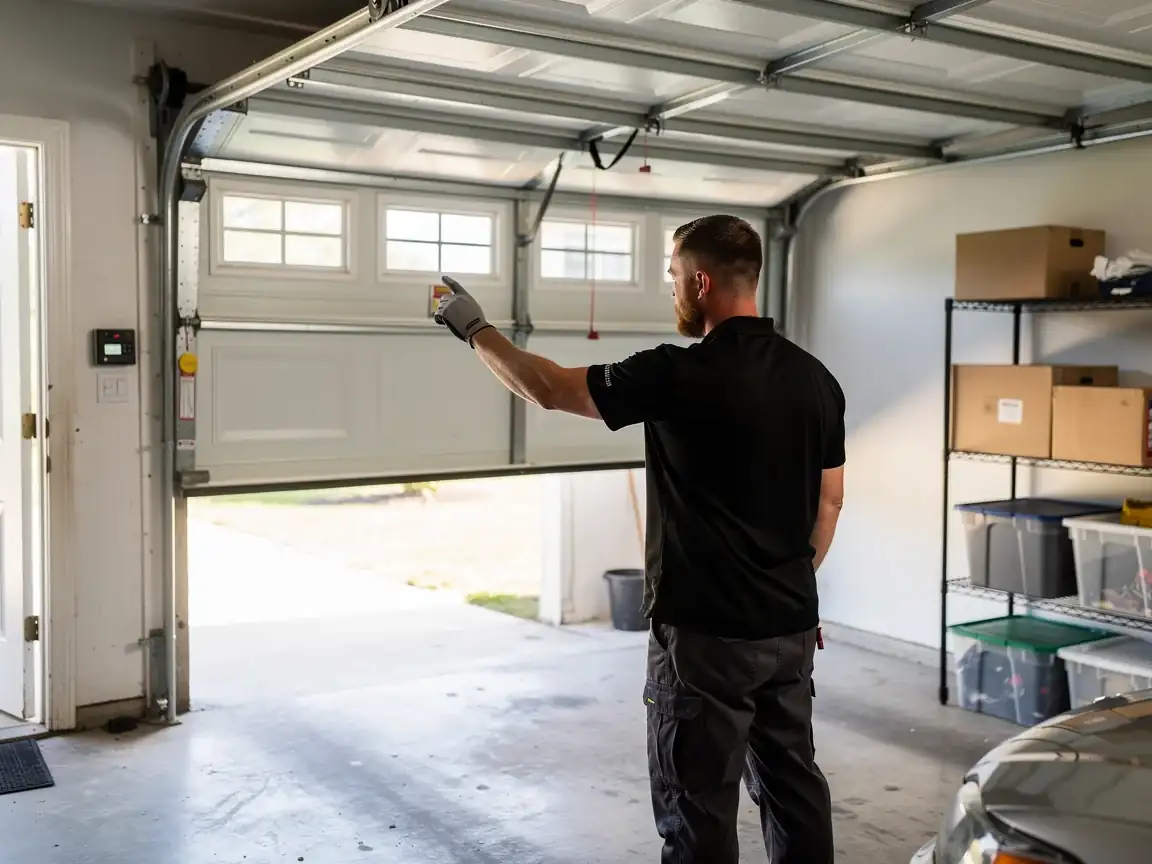
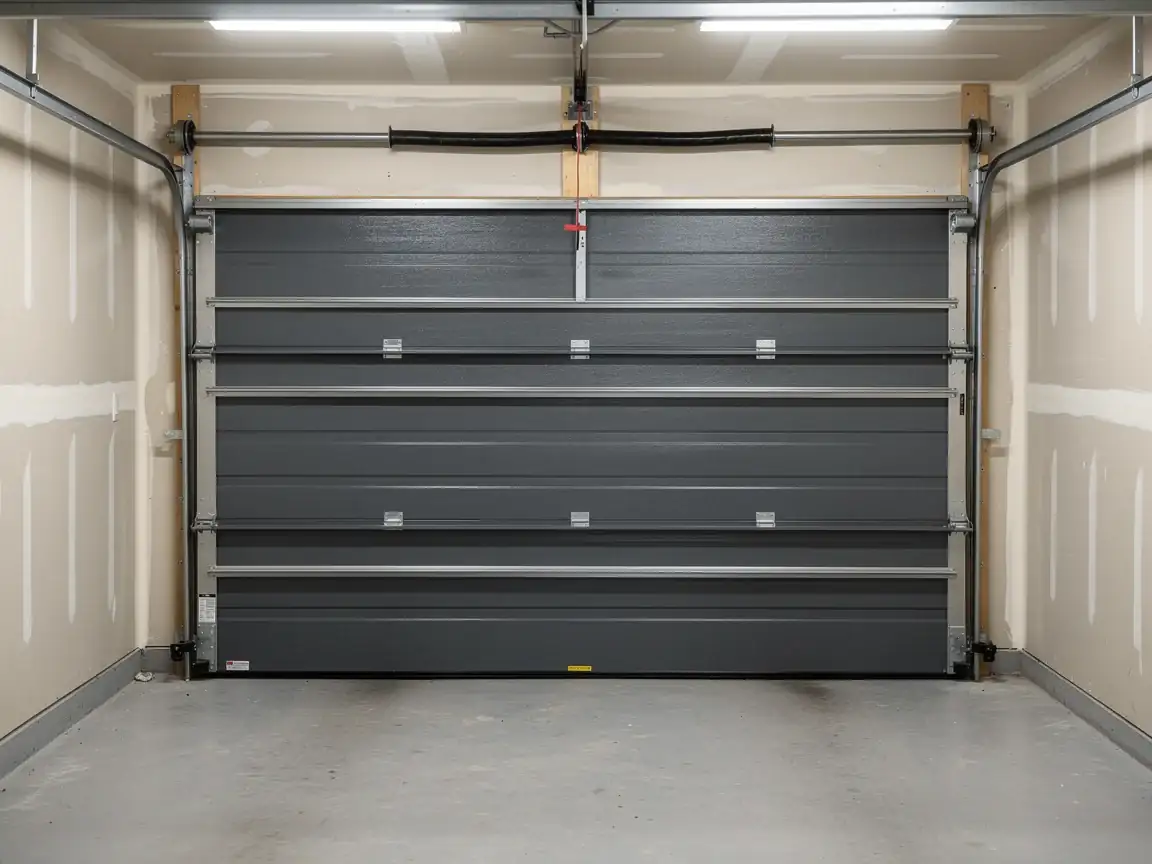
A door that's noticeably heavier to lift by hand than it used to be, even though nothing looks broken, is usually a spring losing tension. A grinding or popping sound from the rollers, especially right as the door starts moving, points to worn or cracked rollers rather than anything electrical. If the opener seems to hesitate or struggle more on cold mornings than it does in summer, that's often grease inside the unit stiffening up, not a failing motor. Sagging at the top panel, or a door that looks slightly crooked in the frame, tends to show up on older sectional doors where the hardware has shifted over years of use. None of these are emergencies on their own, but they're the early signs that get expensive if they're left alone through another winter.
What Causes It Around Here
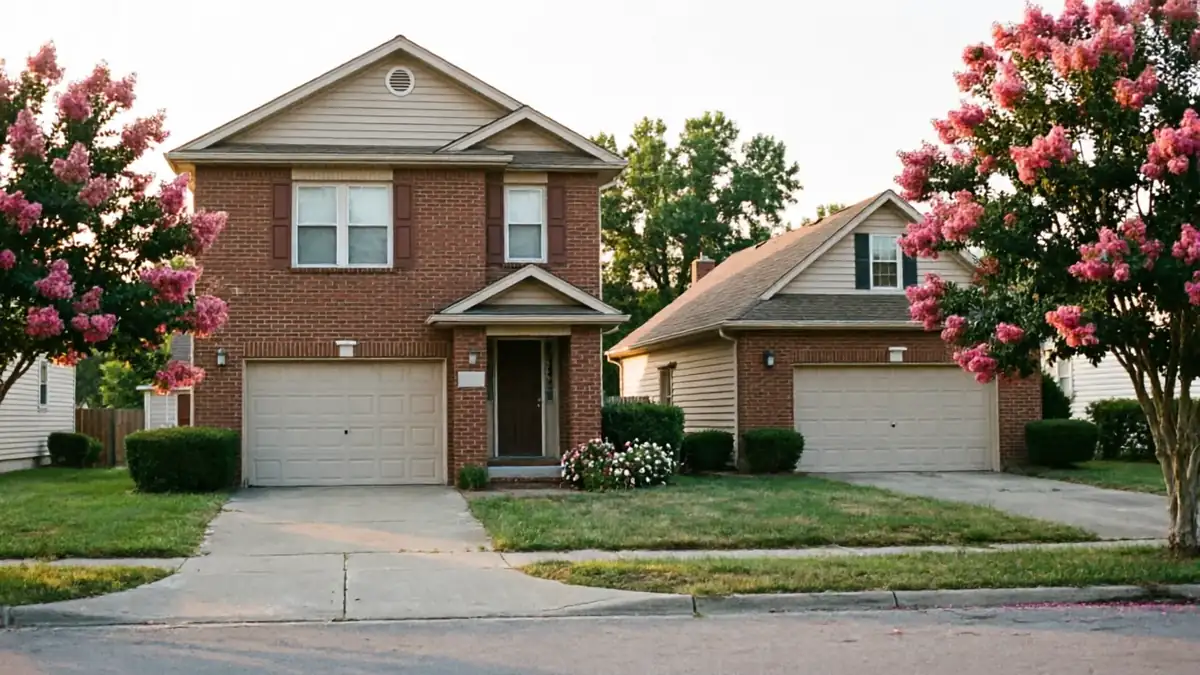
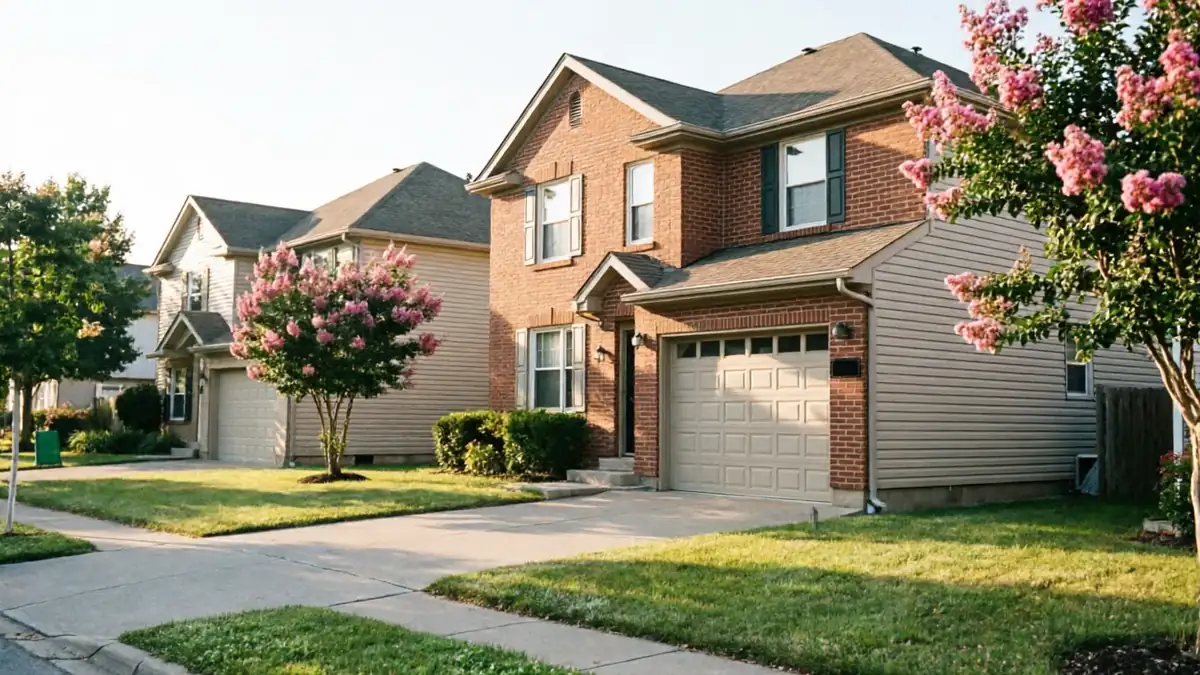
Most houses across the Edmond service area went up between 1959 and 1999, with the typical build year landing around 1973, so a lot of doors and openers still running today are paired with hardware that's older than most of the people using them. That 1960s-70s wave of construction shows up consistently across the twenty-some named areas we work in, not just in one neighborhood. Add to that a cold moderate climate band - real winter cold, not coastal mild - and you get grease that thickens, metal that contracts, and seals that crack faster than they would somewhere milder. With roughly 39,401 owner-occupied houses out of about 70,136 households in the area, and a median household income around $60,822, most owners are weighing a modest maintenance visit against a much bigger repair bill, not ignoring the door until it fails. That math is usually what brings people to call before the spring actually breaks, not after.