Can You Do This Yourself
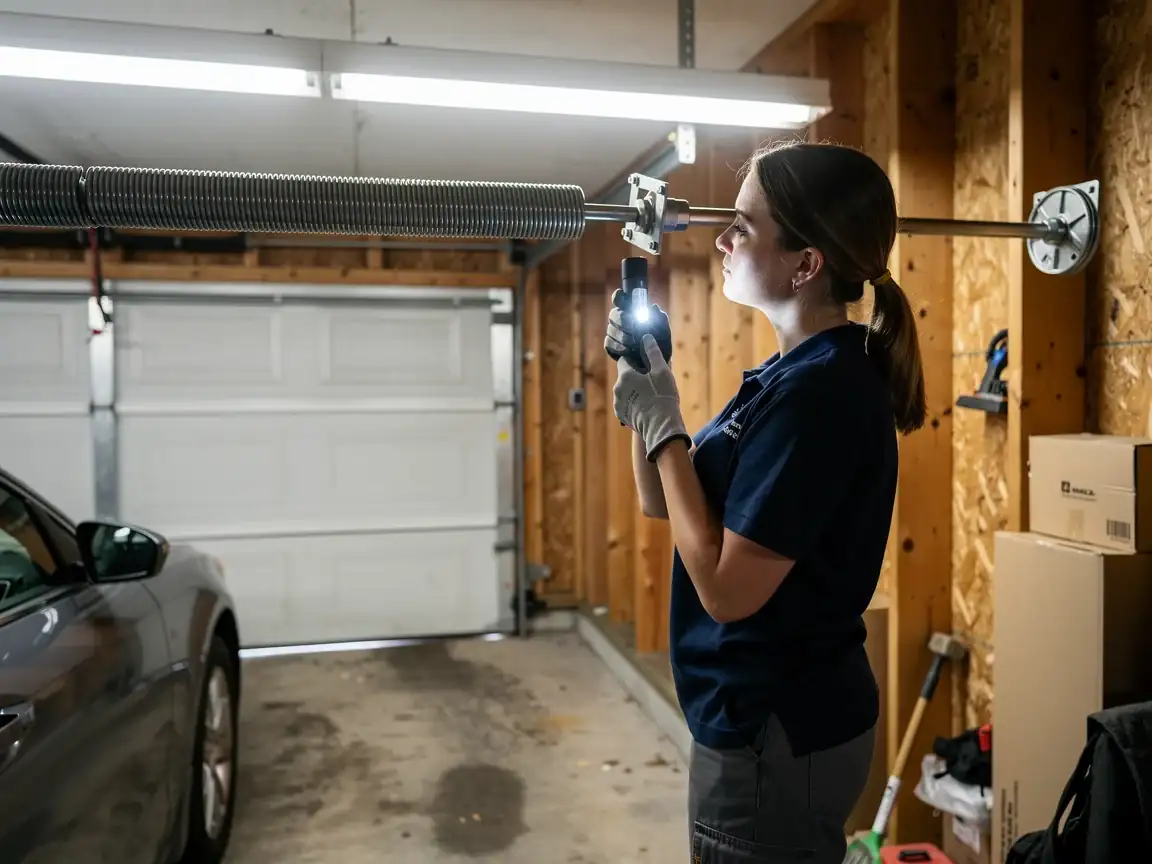
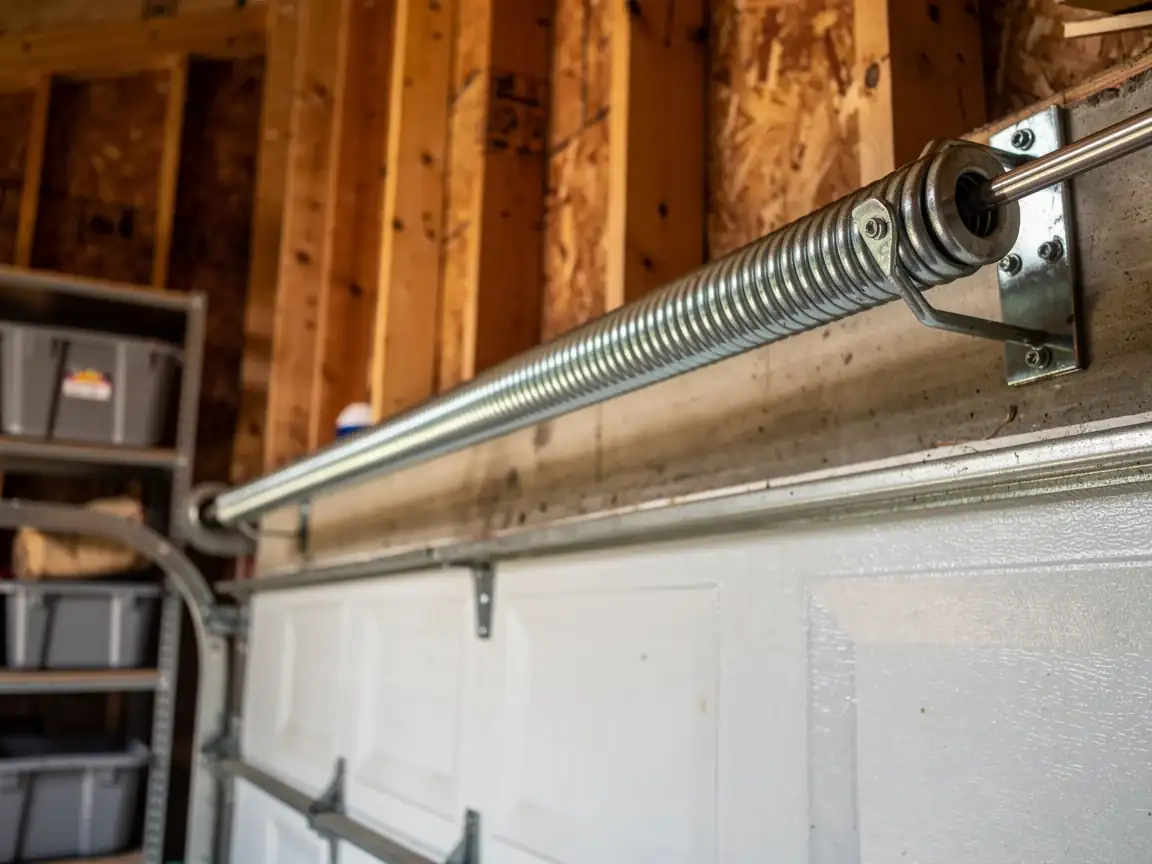
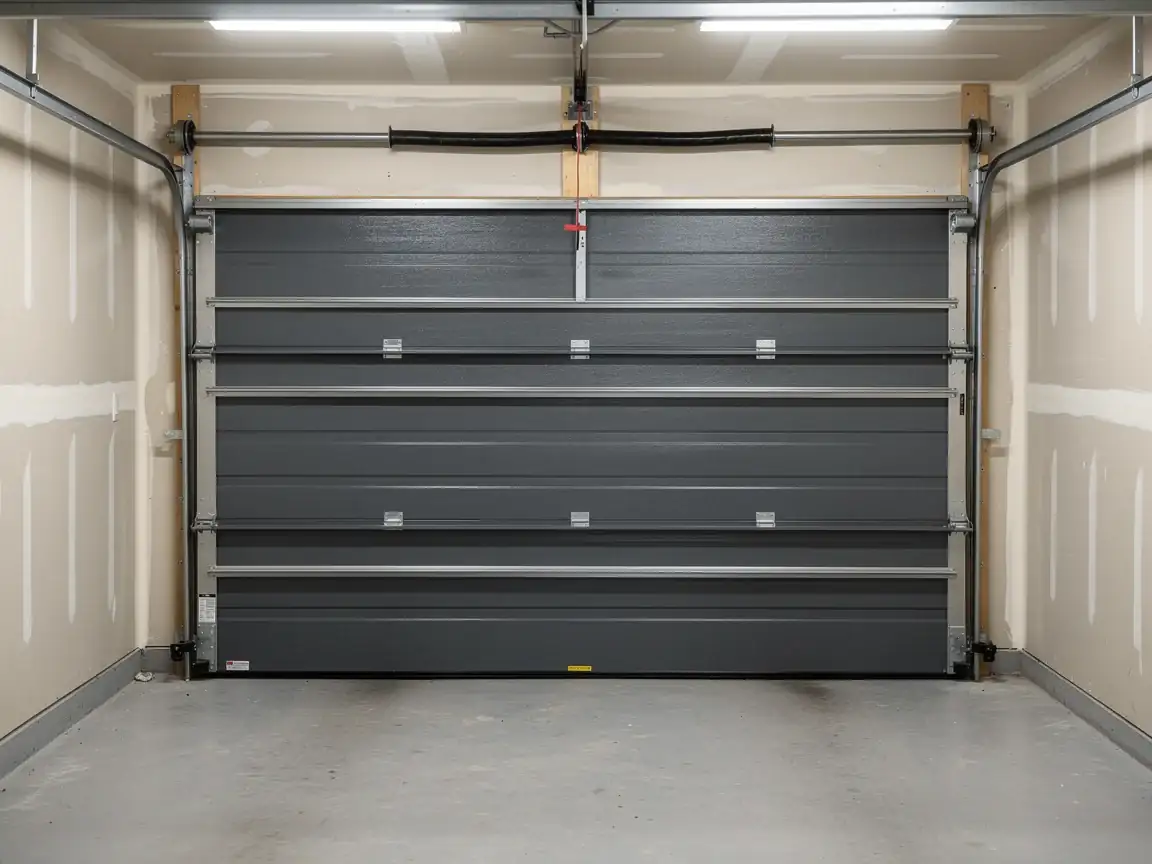
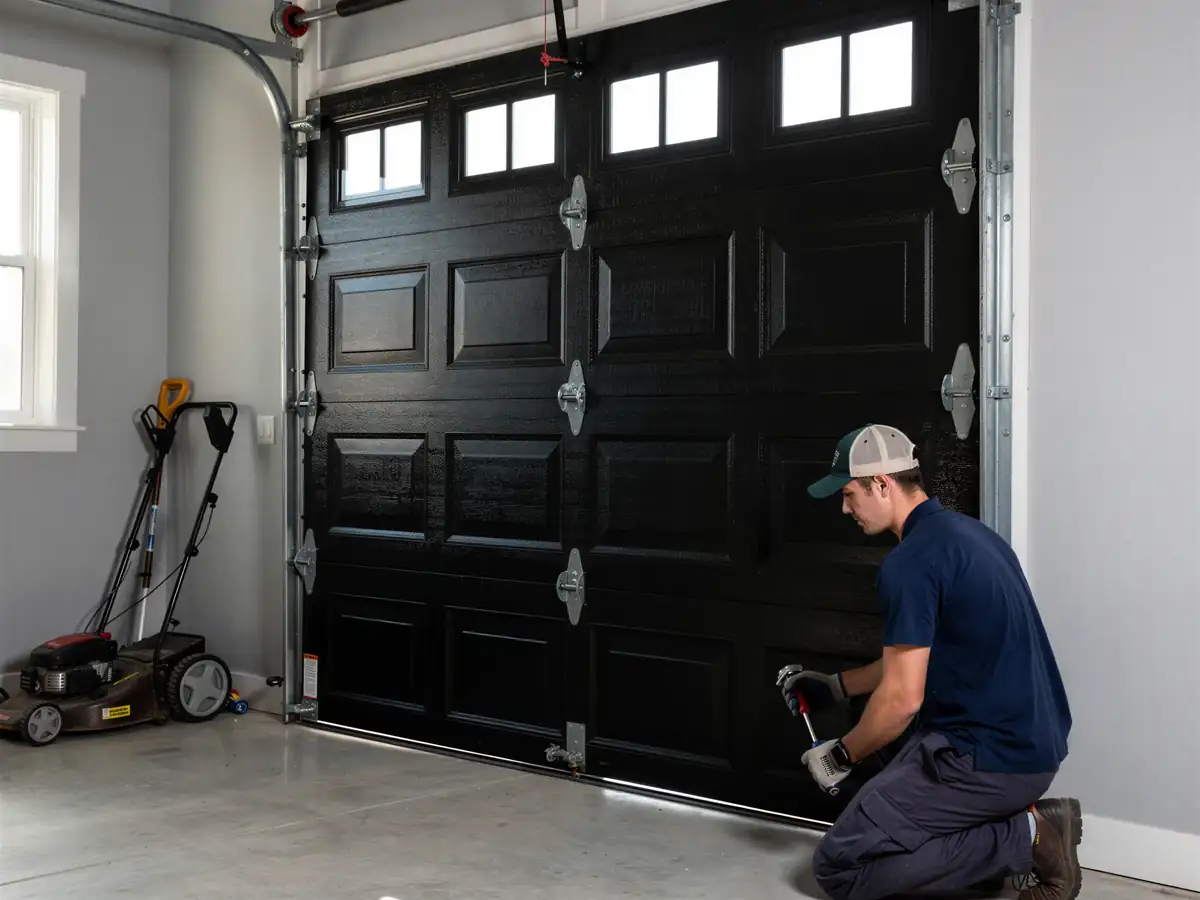
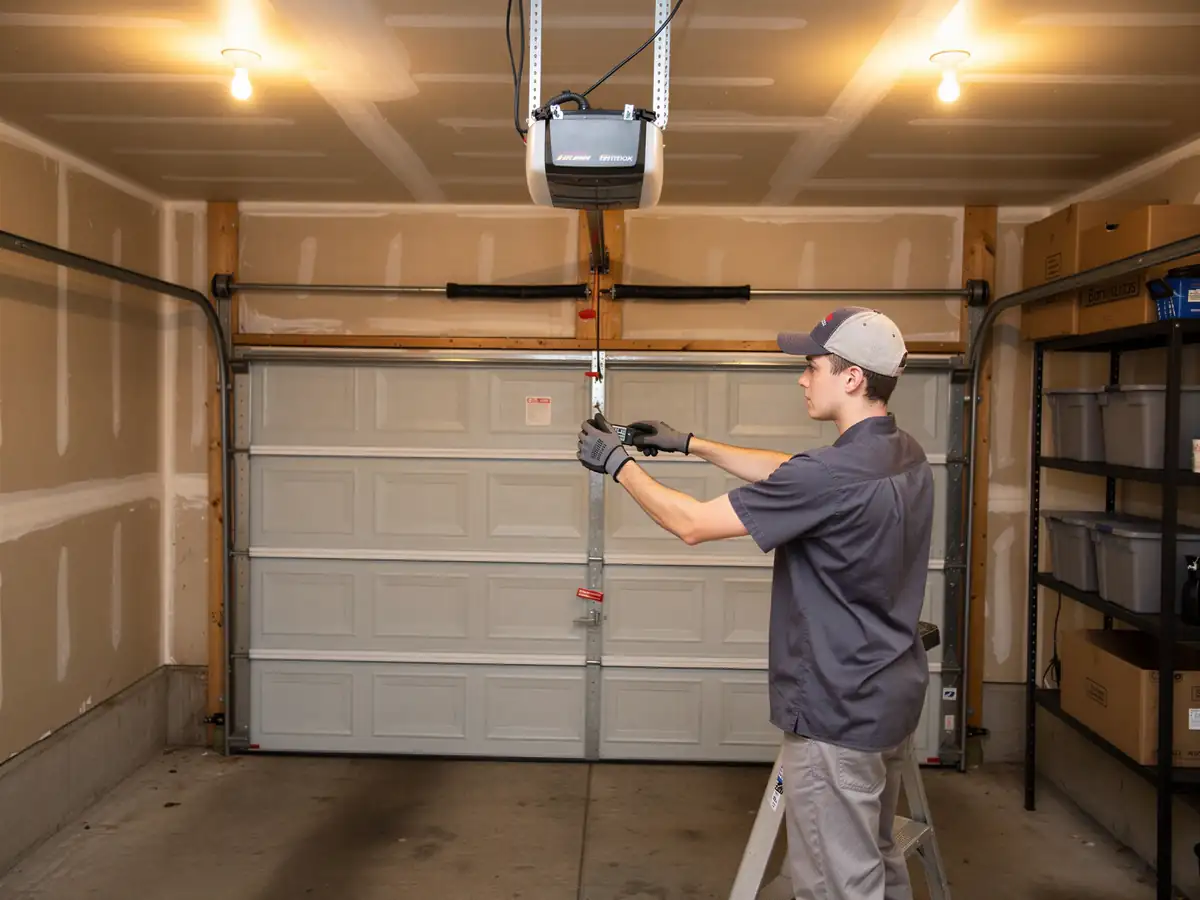
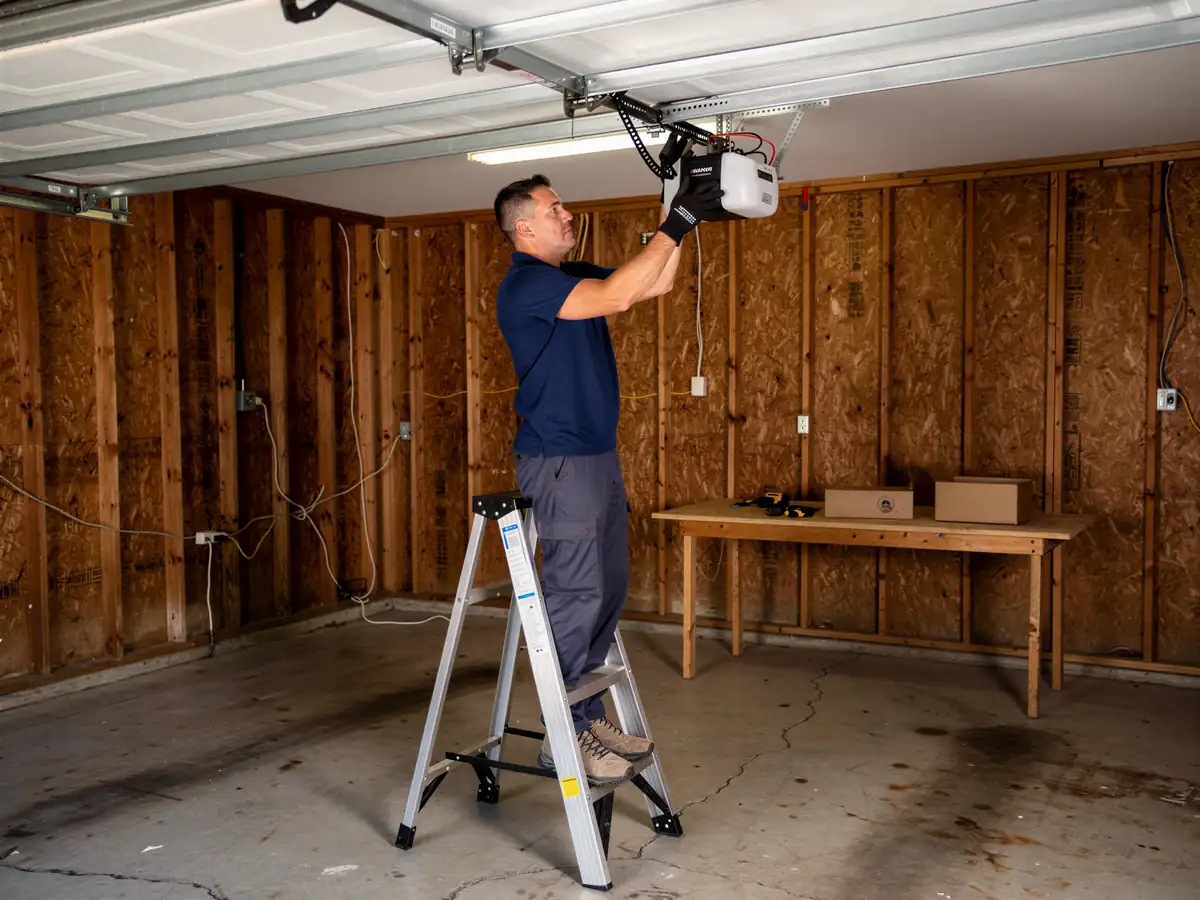
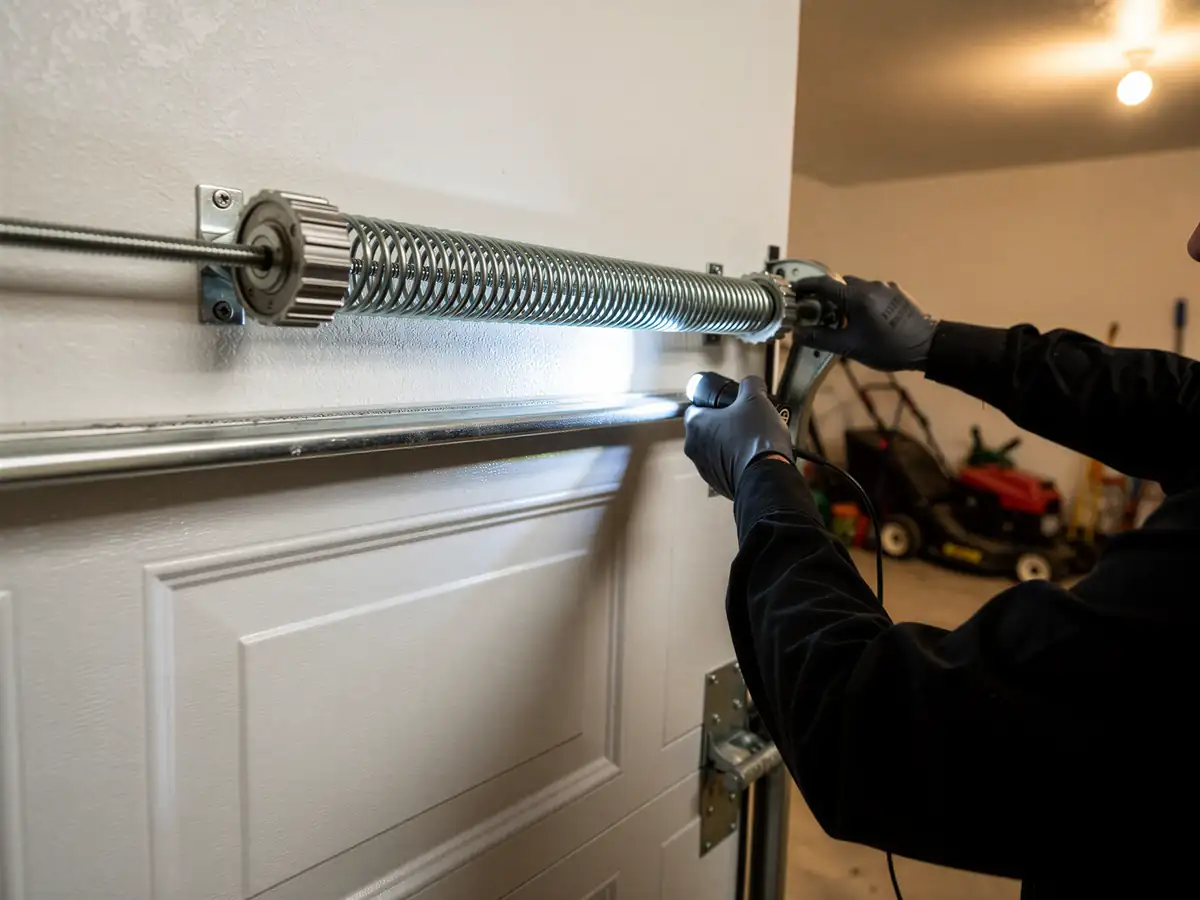
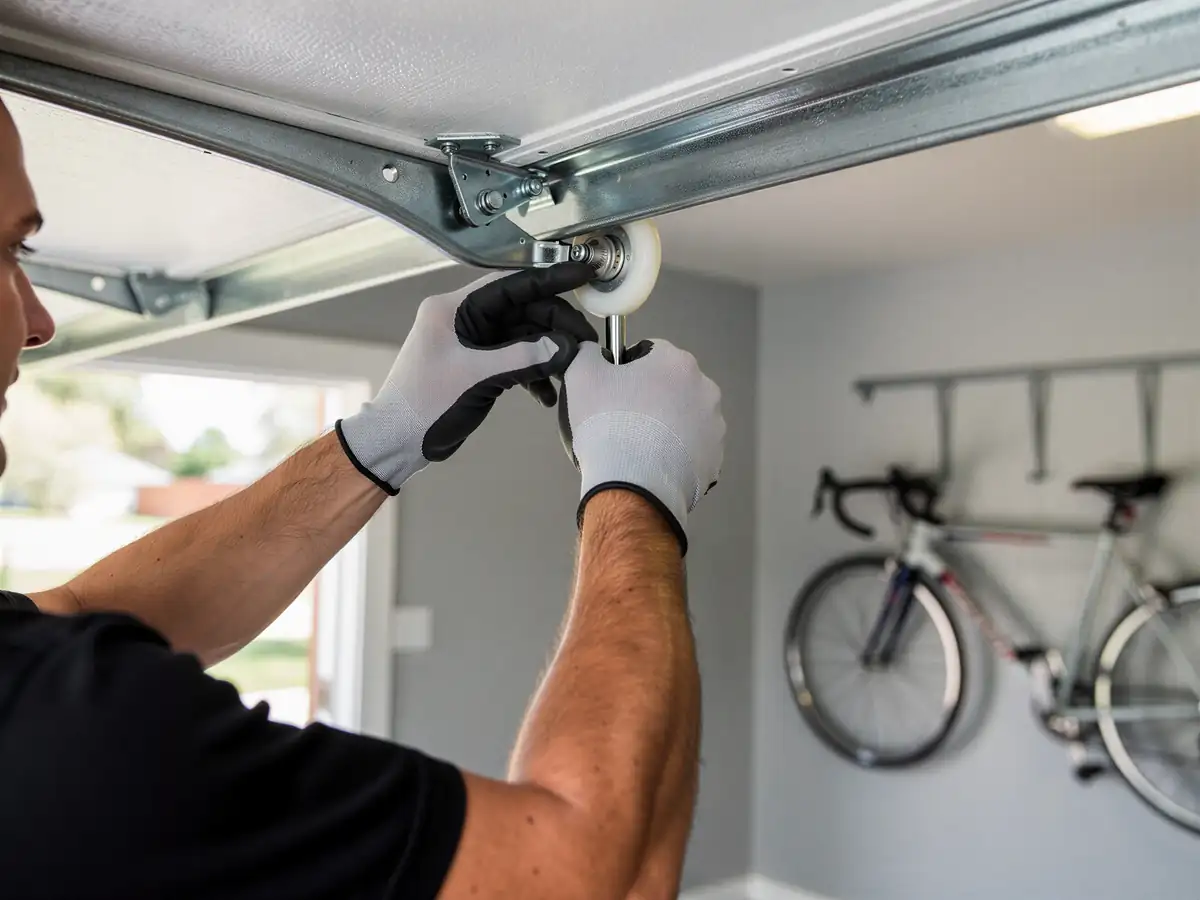
A full door swap isn't a weekend bolt-on job, and in Edmond that's doubly true because so many of the openings date back to 1959-1999 construction, with a lot of it sitting in that 1973 median range. Framing shifted, jambs are rarely square after fifty-plus years, and the old track mounting points may not line up with a modern door's hardware without shimming or re-framing. You can pull the old door and springs yourself if you're comfortable around wound torsion springs under real tension - and that's the part that puts people in the ER, not the panels. Measuring the rough opening, squaring the jambs, and setting a new track plumb on an opening that's settled over four or five decades is where a DIY install usually goes sideways. If you've done cabinetry or framing work before, you can handle the trim and weatherstripping. The spring winding and the track alignment on an older frame are where we'd tell you to call instead of improvise.
What You Are Seeing
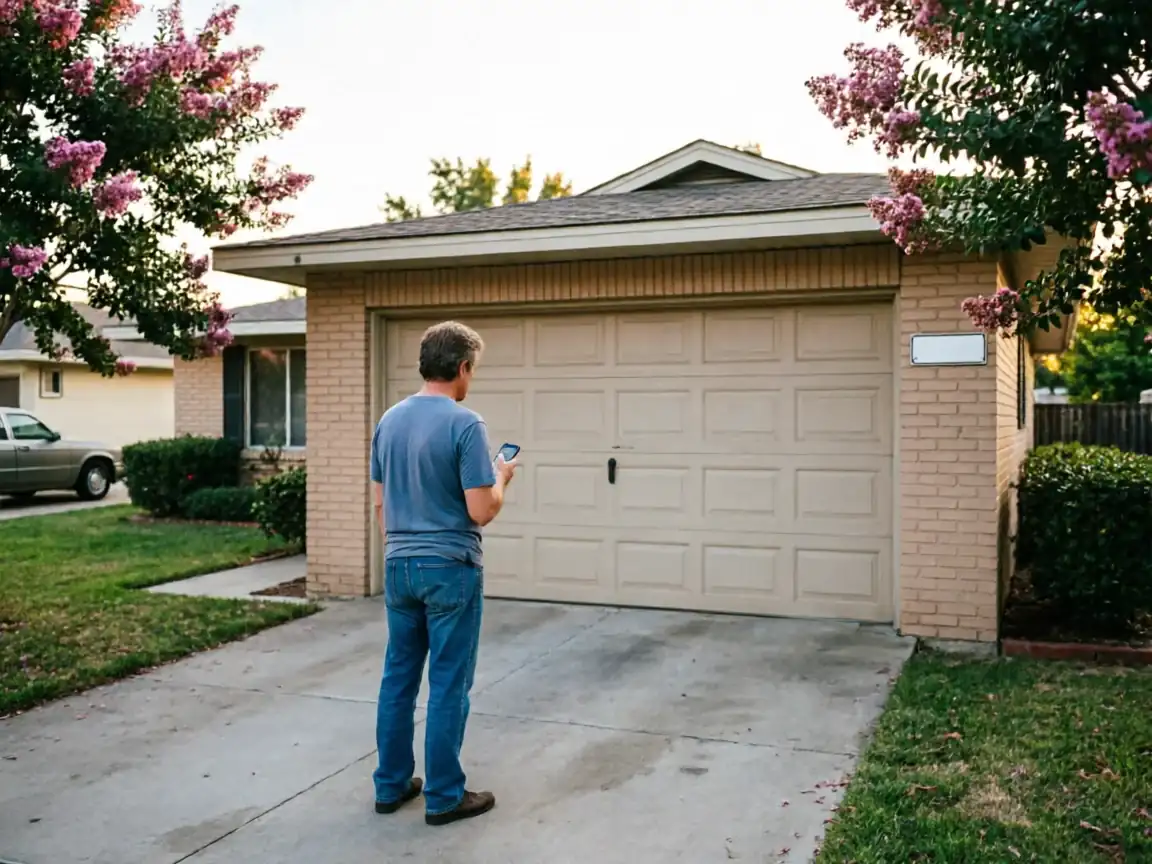
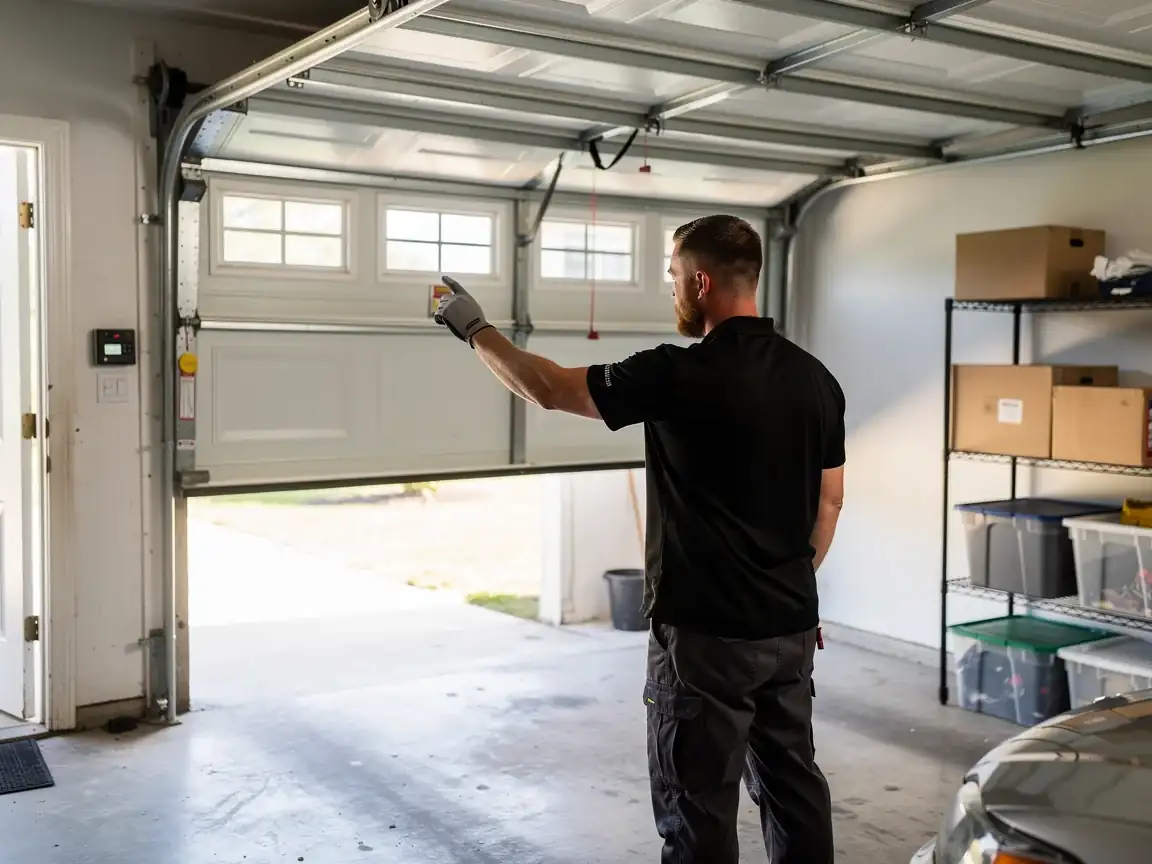
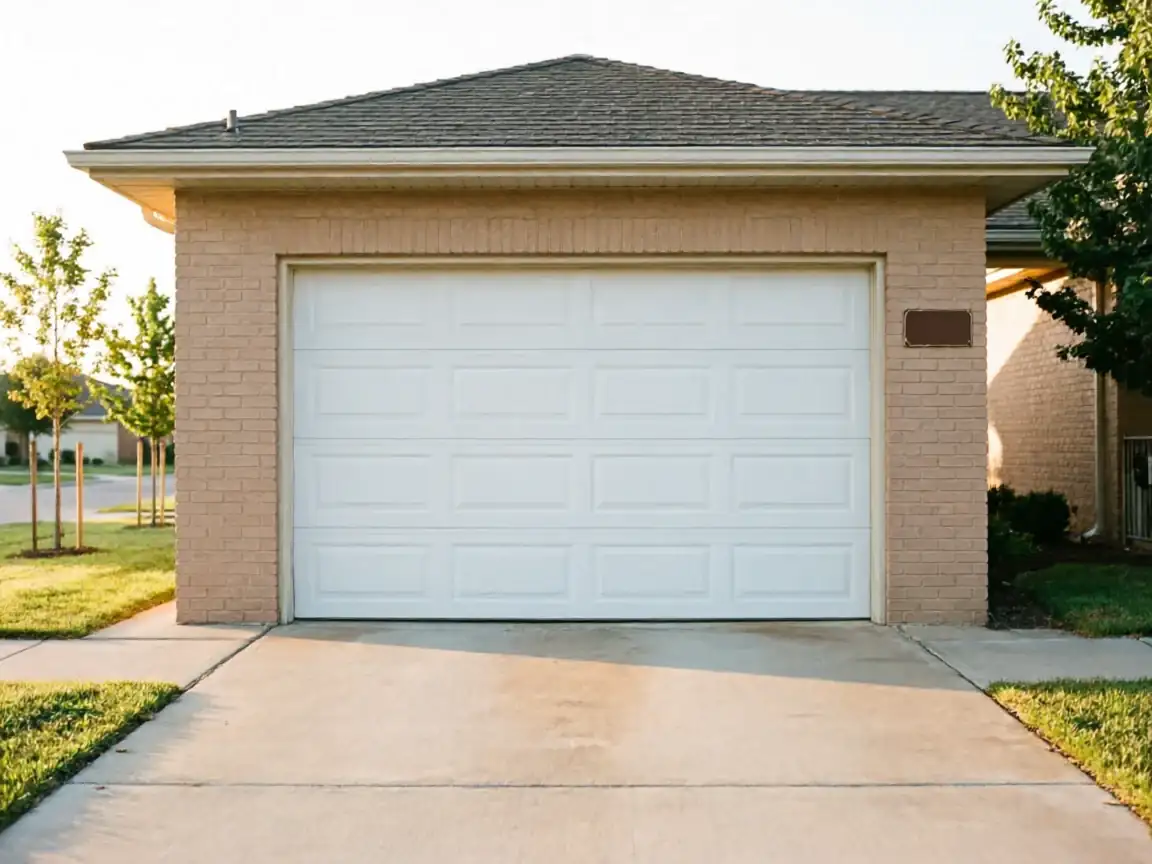
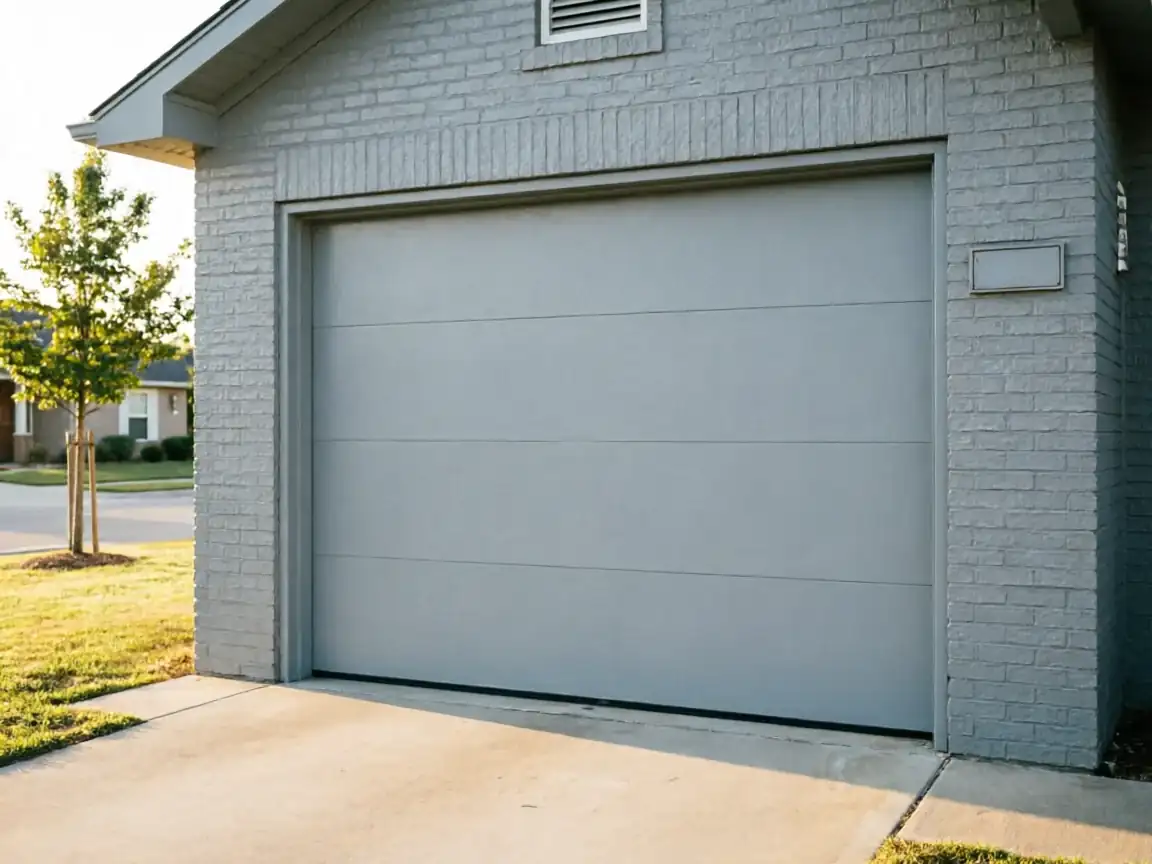
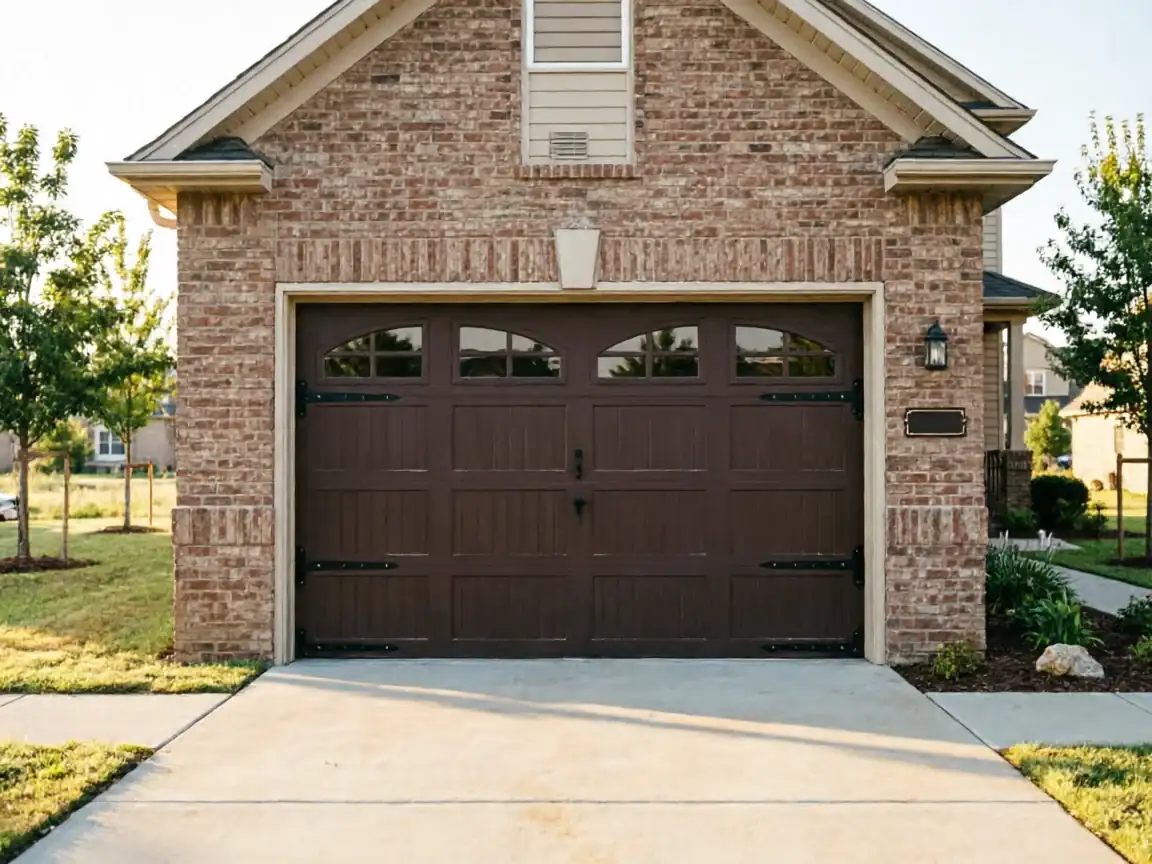
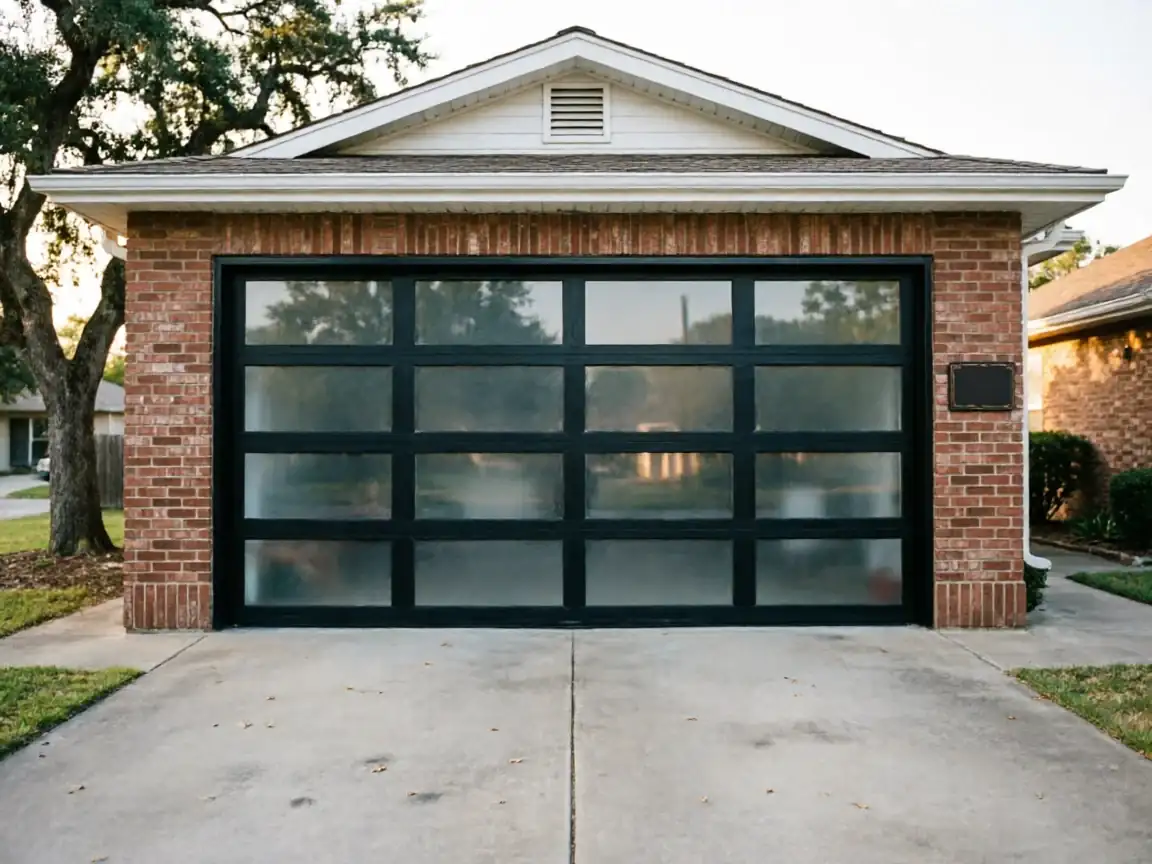
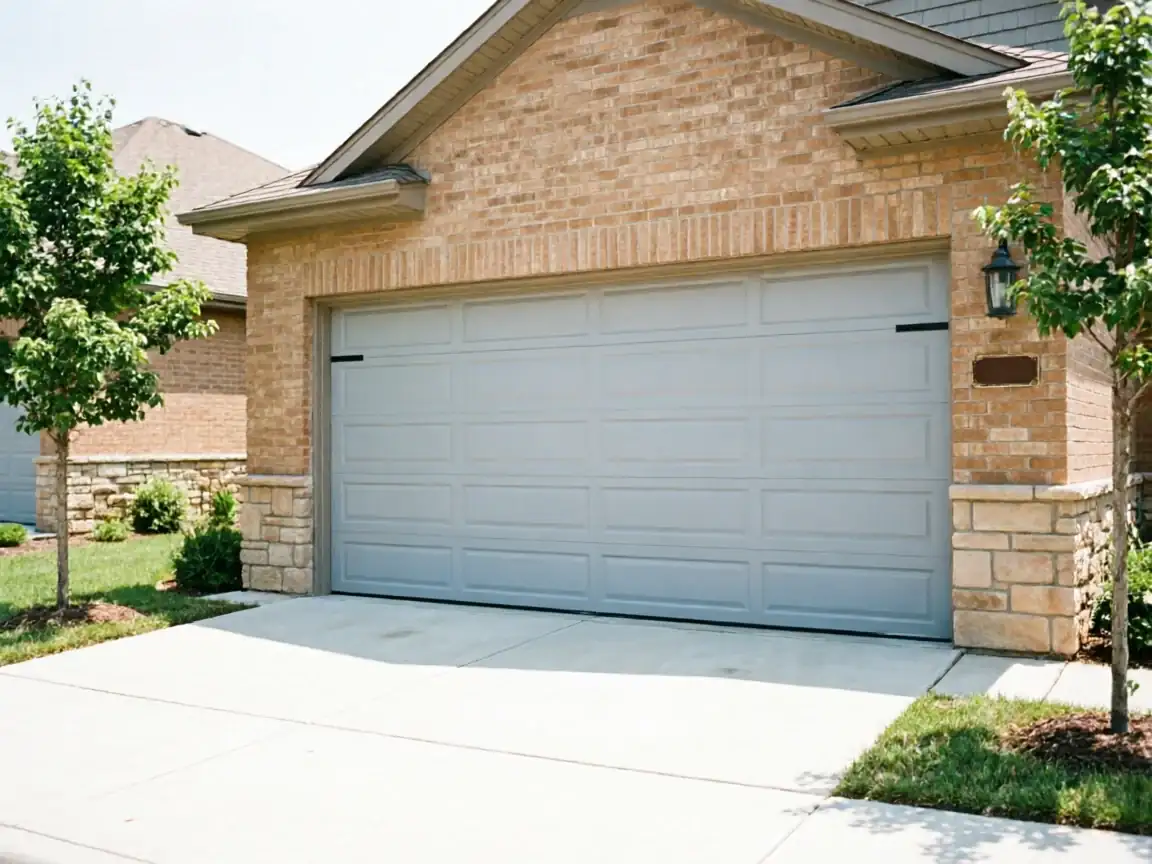
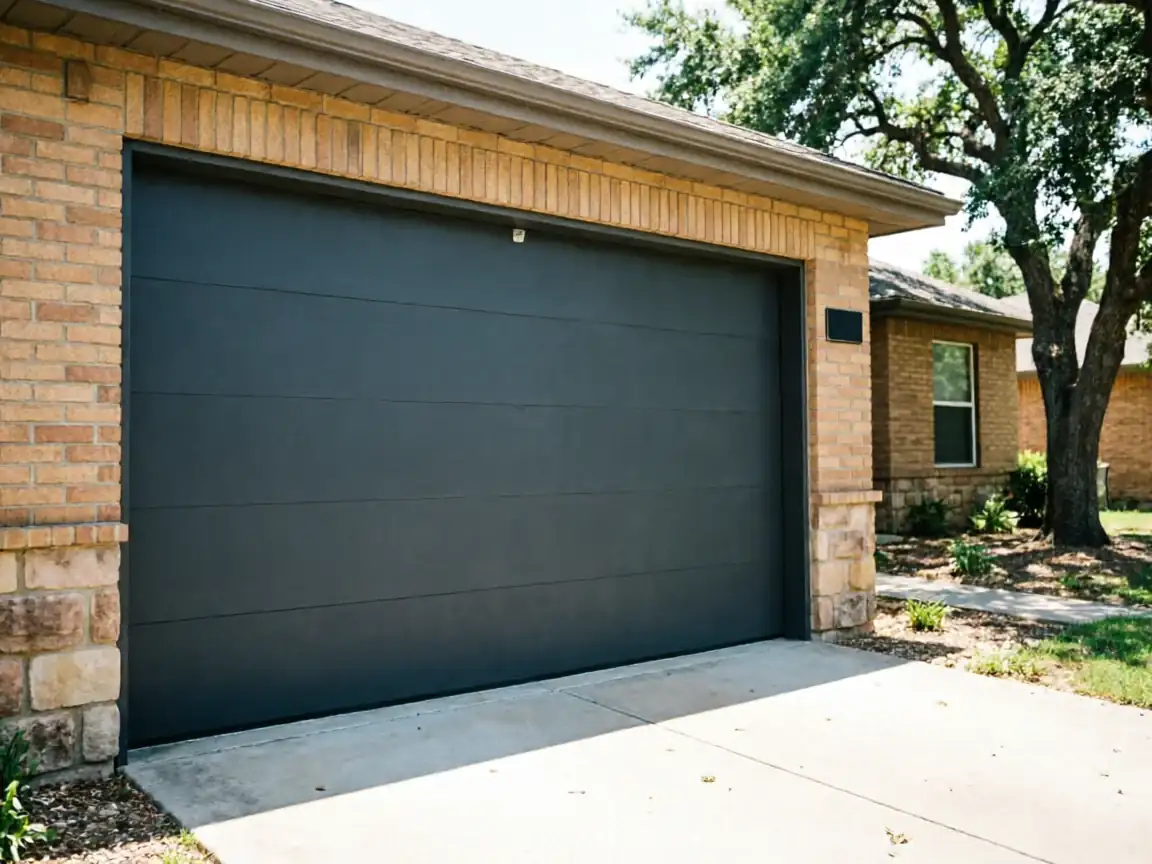
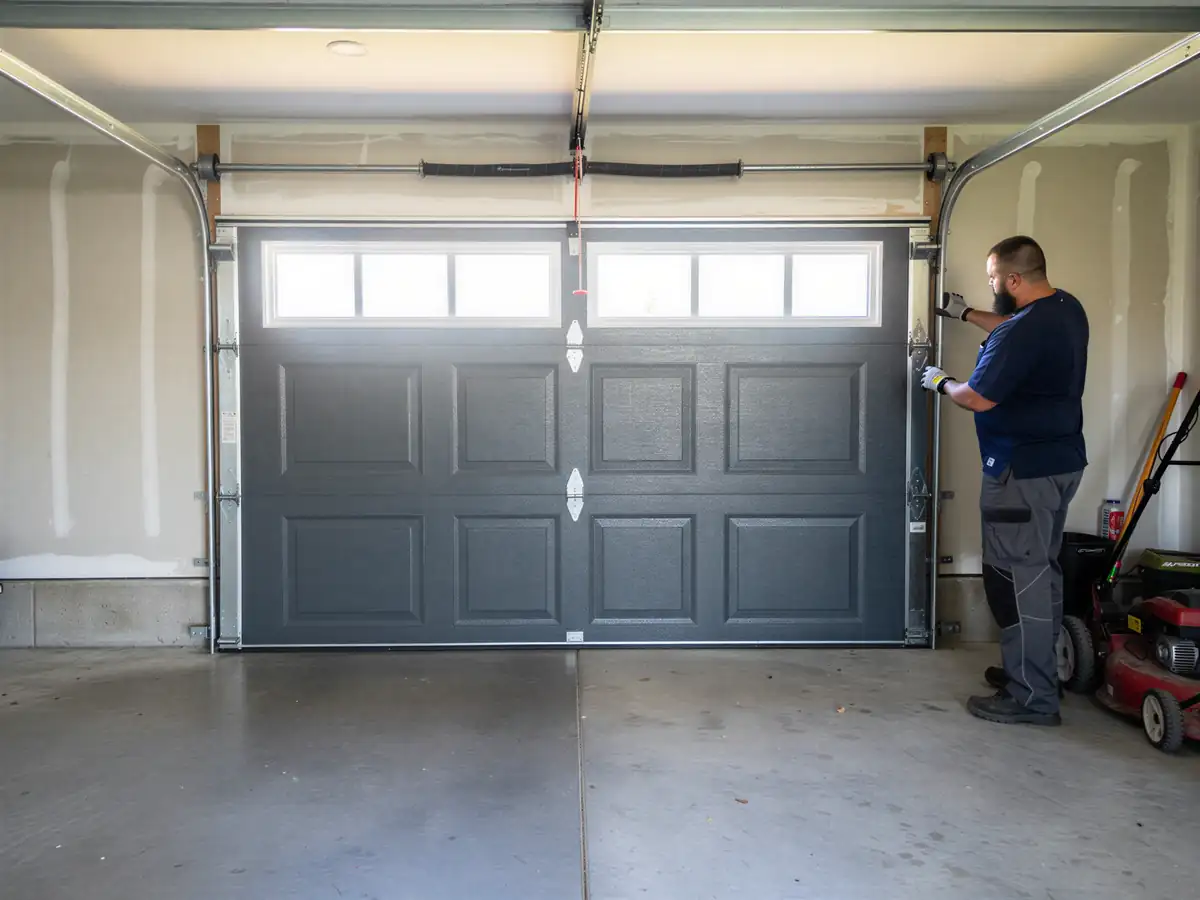
If you're searching for a new install rather than a repair, it's usually one of a few things: the original door from the house's construction era is still on it and finally failed past the point of patching, the panels are dented or delaminating, or you're upgrading insulation because the garage is noticeably colder than the rest of the house in winter. On homes from the 1960s and 70s - which covers a large share of Edmond's 20 named neighborhoods - the original doors were single-layer steel or wood, with no foam core, hung on hardware sized for a lighter door than what's sold today. Owners also come to us when the opener is newer but the door itself is original and out of balance, straining the opener motor every cycle. None of that is an emergency repair; it's a planned replacement, and the symptoms - sagging panels, a door that's heavy to lift by hand, visible rust at the bottom corners - tend to show up gradually rather than all at once.
What Causes It Around Here
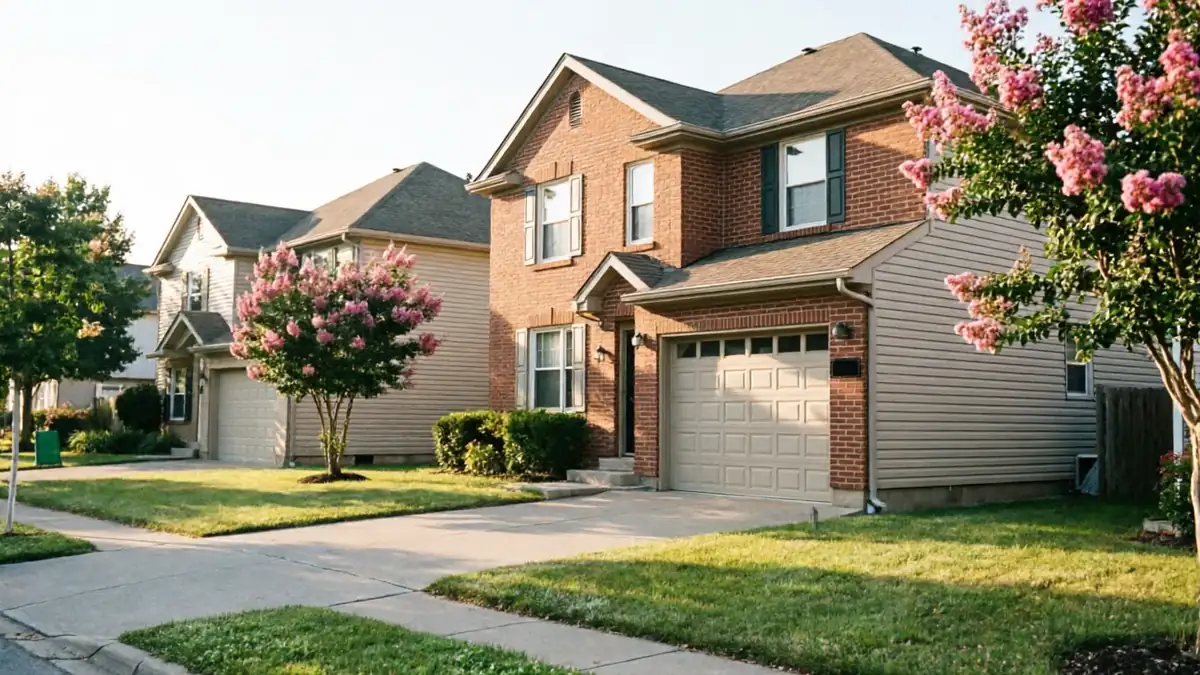
Edmond's housing stock runs mostly 1959 to 1999, with the bulk of it clustered in the 1960s and 70s, and that era of door and track hardware simply wasn't built for the cold-moderate climate swings this area sees - temperature cycling between winter cold snaps and summer heat stresses old steel panels and loosens track fasteners over decades. A lot of these doors were installed once, at construction, and never upgraded, so by the time a homeowner calls us the spring is original-spec for a lighter, thinner panel than anything sold now. With 39,401 owner-occupied houses across the service area and a median household income of $60,822, most of the calls we get are owners replacing a door that's simply reached the end of its service life, not storm damage or an accident. The age of the housing stock is the real driver here, more than any one weather event.