Old Streets and New Ones
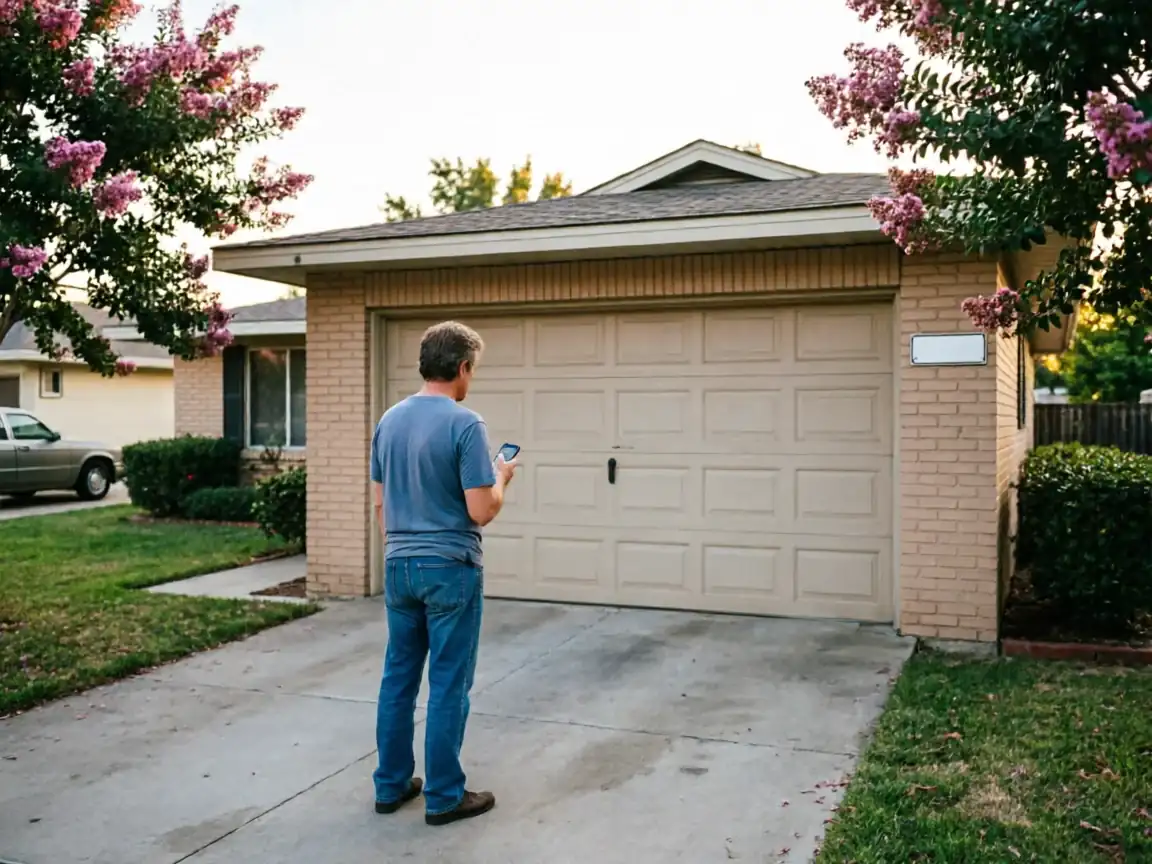
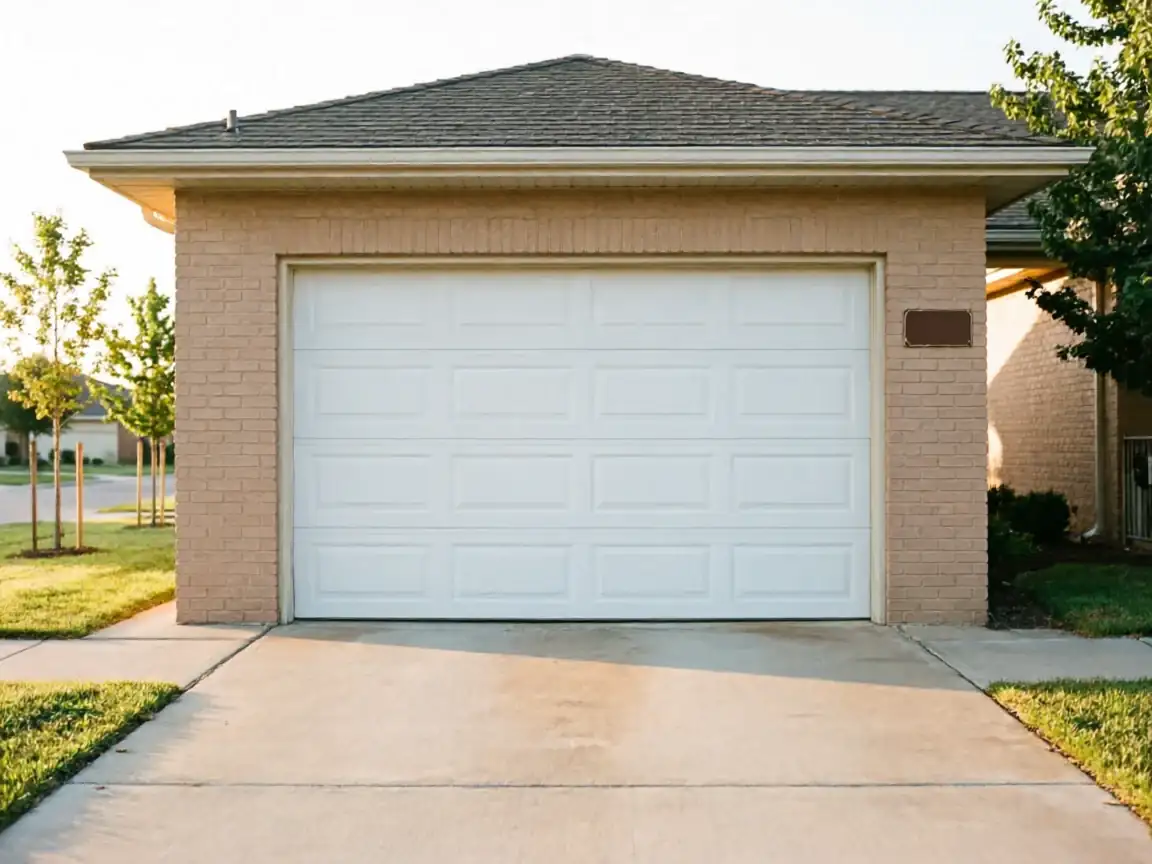
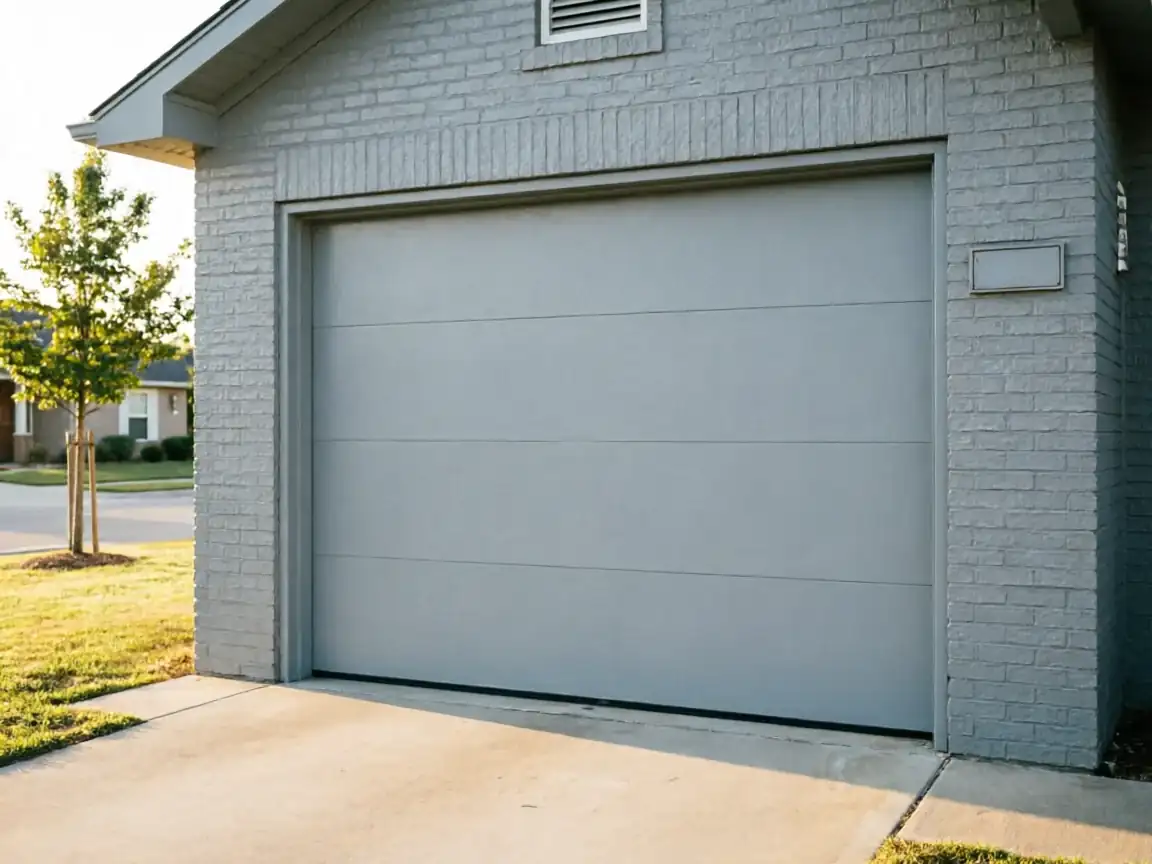
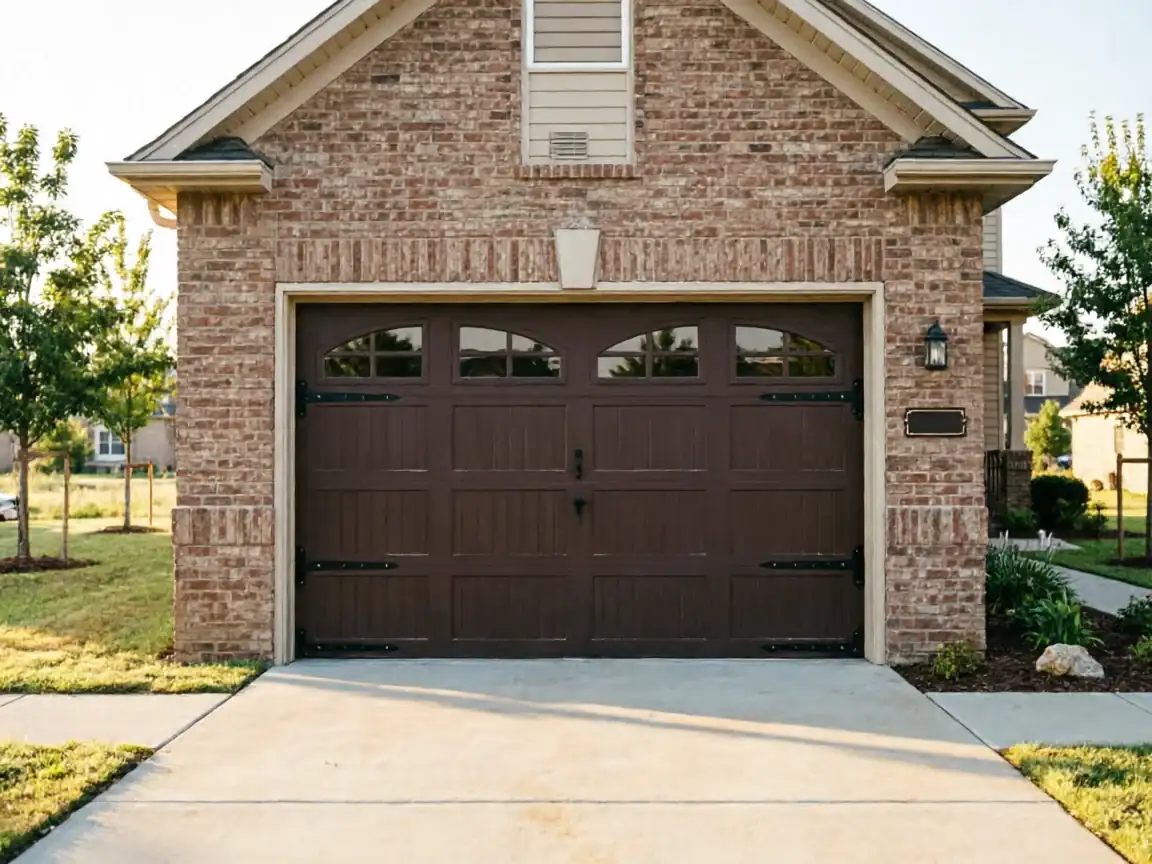
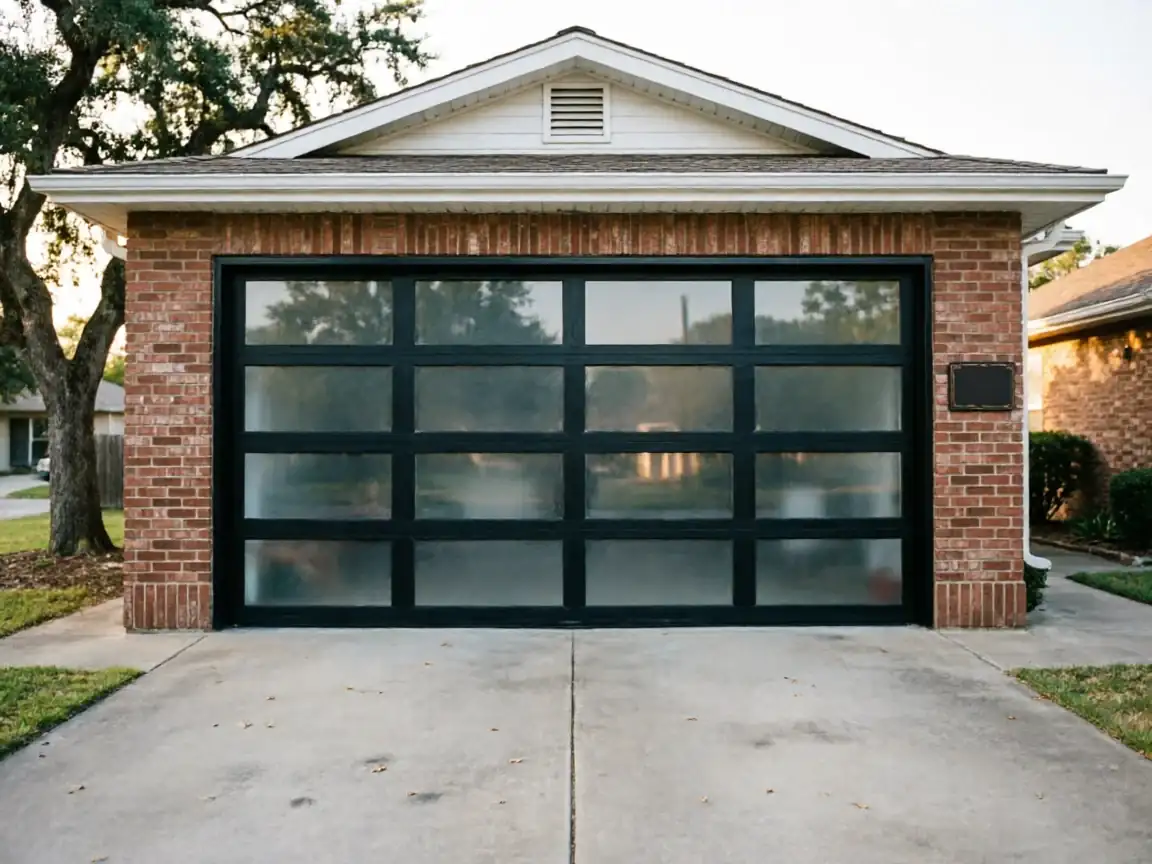
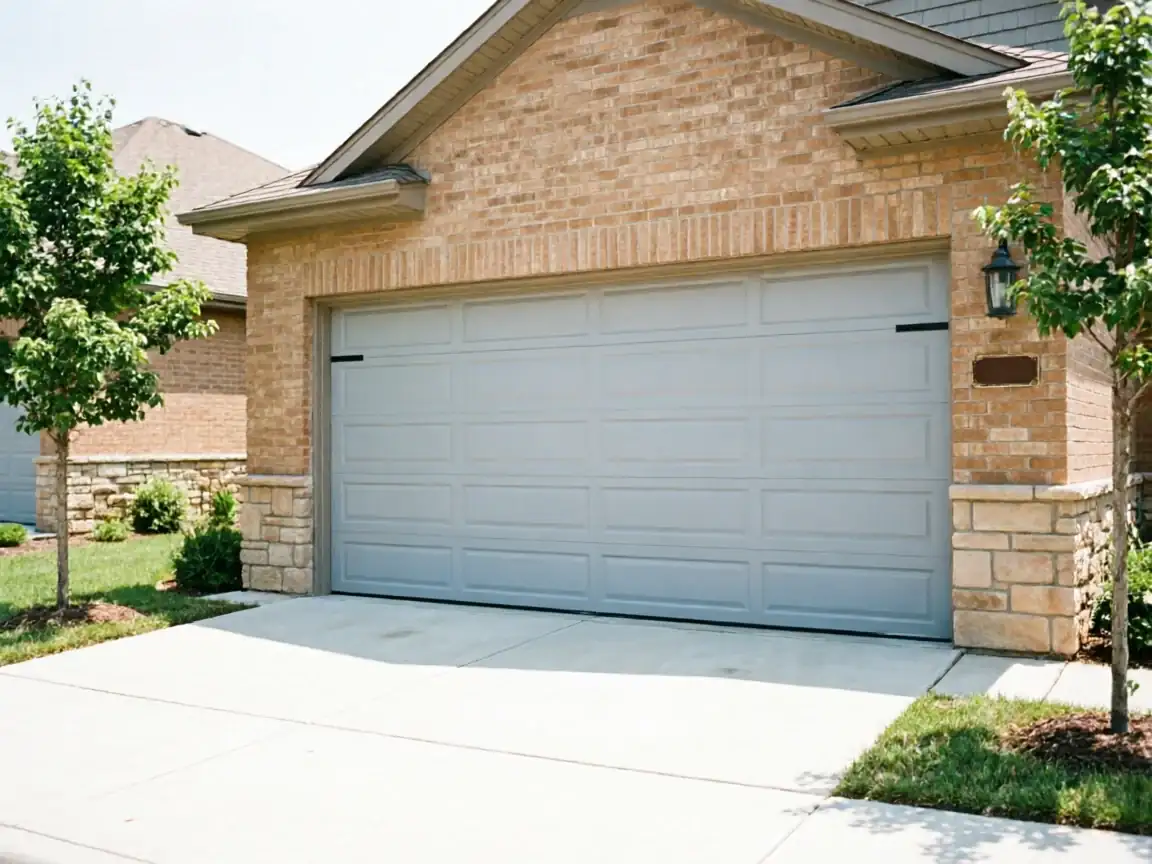
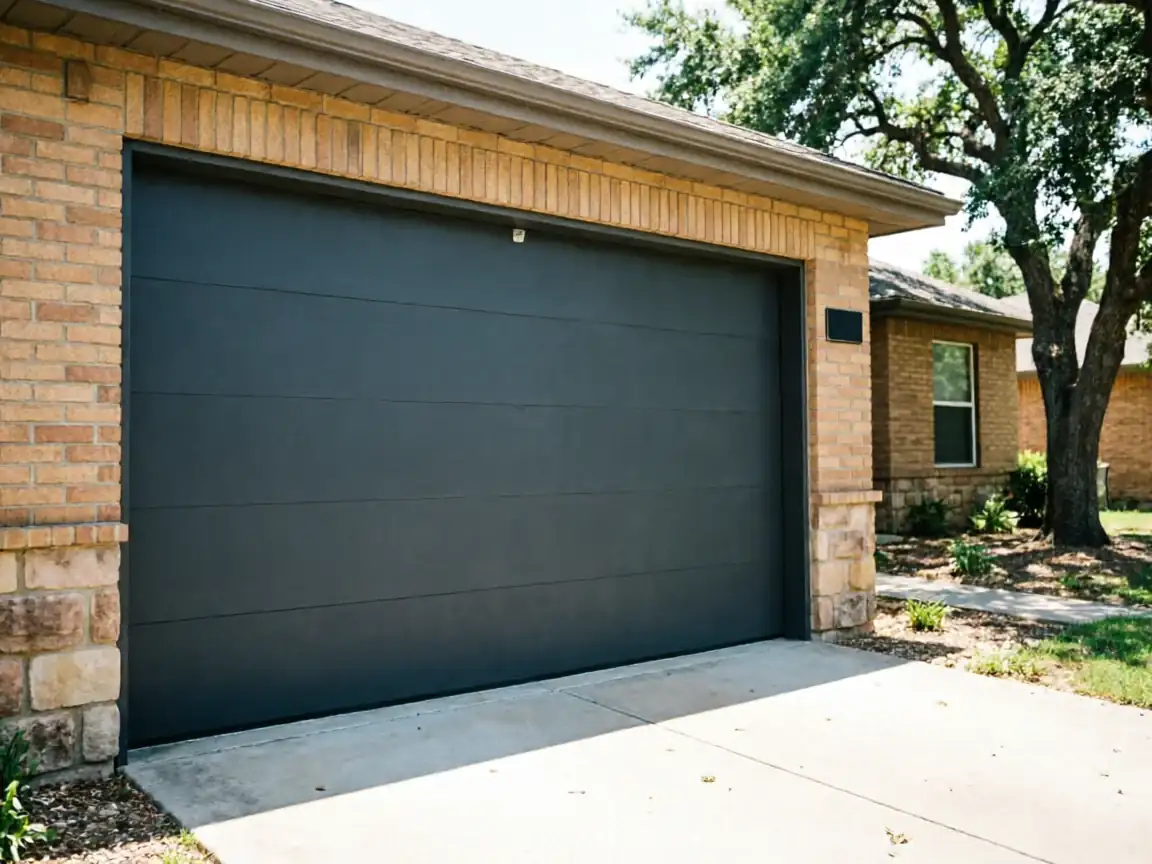
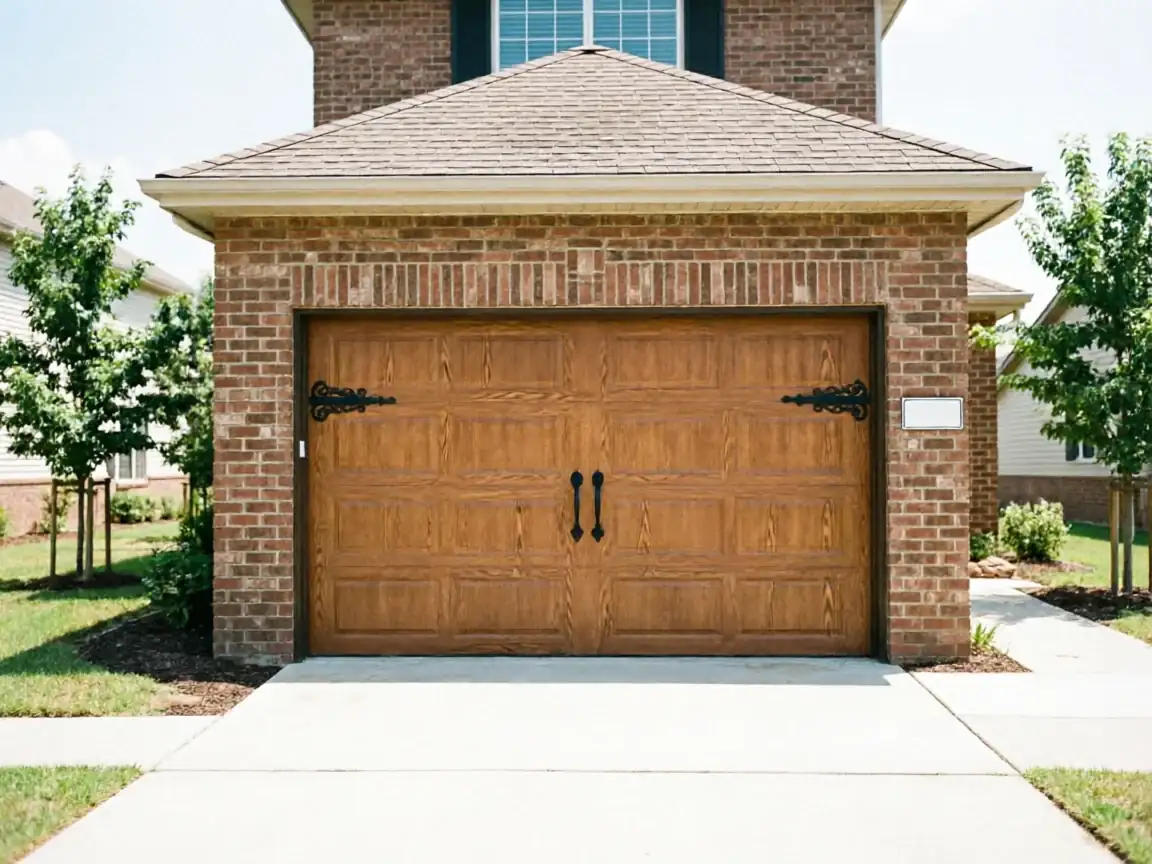
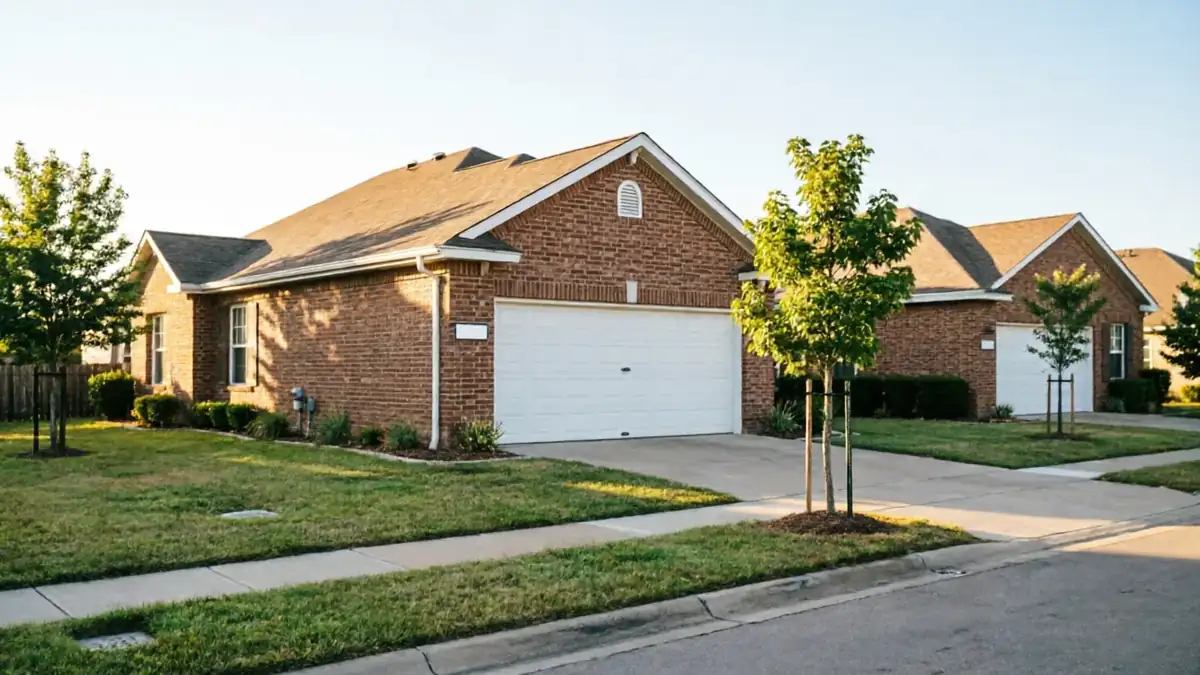
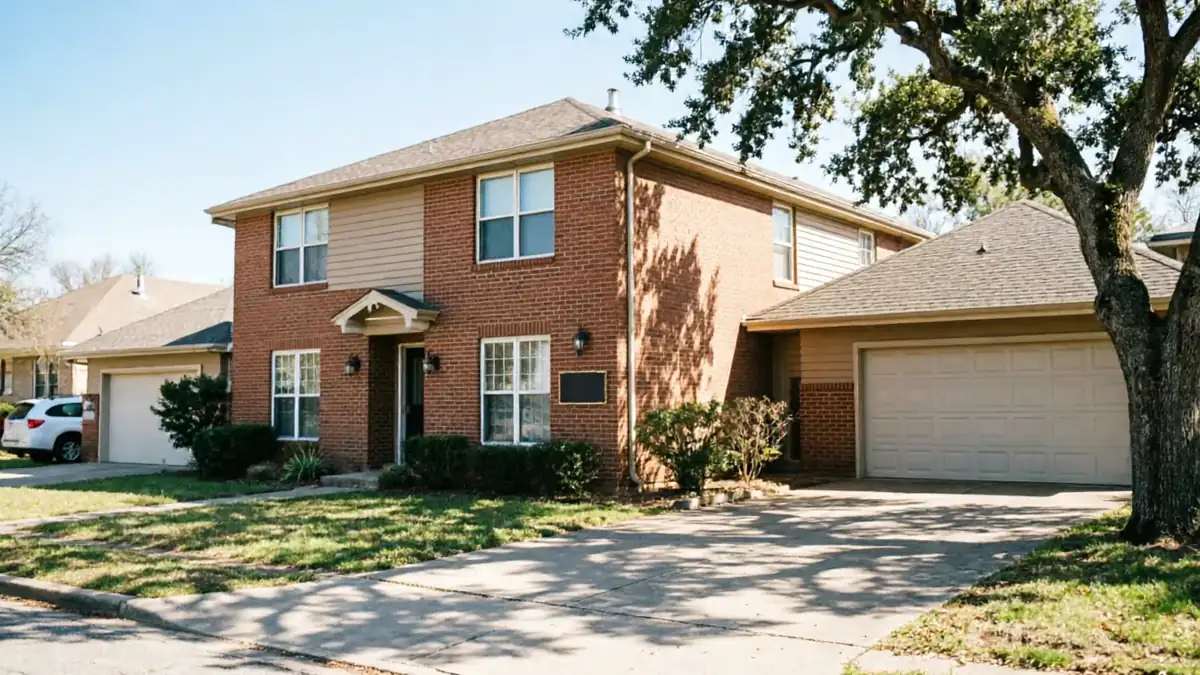
Midwest City sits about 15 miles from our Edmond shop, and the drive out matters less than what's waiting in the garage when we get there. The typical house here was built around 1974, which puts most of the neighborhood squarely in the post-war boom years rather than the newer construction you'd find closer to Edmond's edges. That single fact changes almost everything about the service call: the door, the opener, the track spacing, even the wall switch wiring. We're not walking into a cookie-cutter 2005 subdivision garage. We're walking into whatever got installed, replaced, or jury-rigged over the last fifty years on a house from the Nixon administration.
This isn't a knock on the area. Houses from this era were built solid, and a lot of the original framing and slab work has held up fine. What hasn't held up as well is the garage hardware that came with them, especially anything nobody's touched since the first Clinton term.
The Houses Here
With a median build year of 1974, Midwest City's housing stock lines up with the broader 1960s-70s pattern seen across the Edmond service area
But it leans a little older than the area-wide median of 1973 suggests at the aggregate level. Around 24,599 households call this area home, and median household income runs about $57,739 - a bit under the wider service-area figure of $60,822. That gap shows up in the kind of calls we get: more repair requests, fewer full replacements, and more homeowners asking us to make an old opener last one more winter instead of swapping it out.
- 24,599 households
The climate band here is cold-moderate
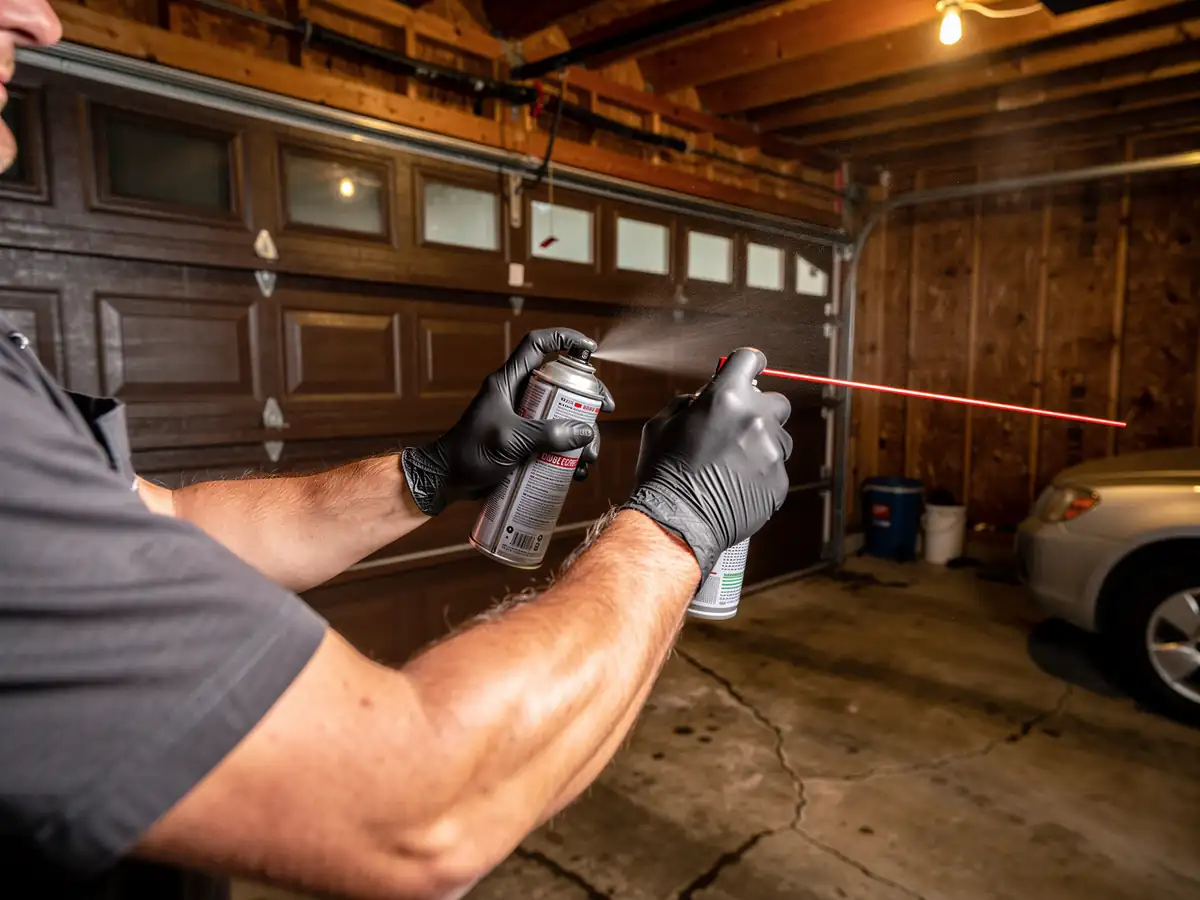
Which means these garages see real temperature swings season to season. Steel doors from the 1970s weren't built with today's insulation standards, and original hardware wasn't speced for the freeze-thaw cycling these openers go through year after year. None of that is unique to one street - it's just what forty-plus years of Oklahoma weather does to a garage door that was installed before anyone thought twice about it.
What the Housing Means for Your Door
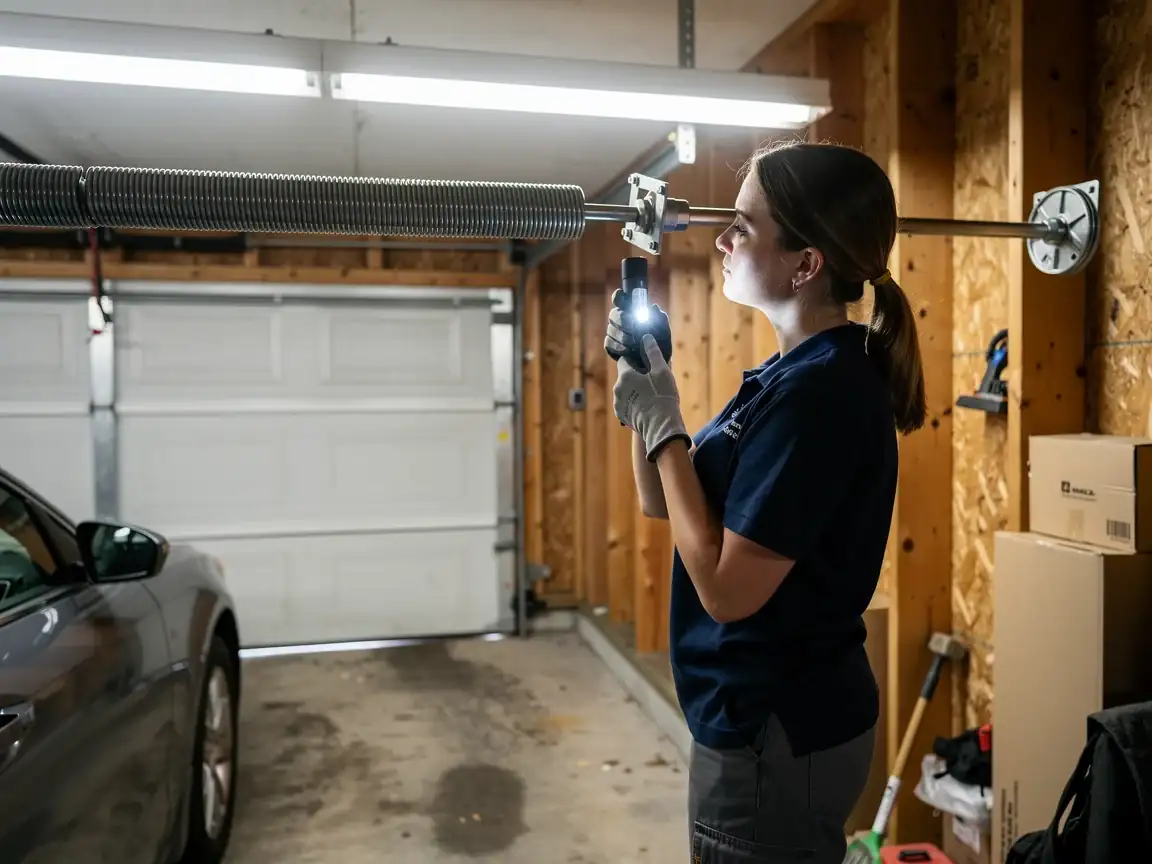
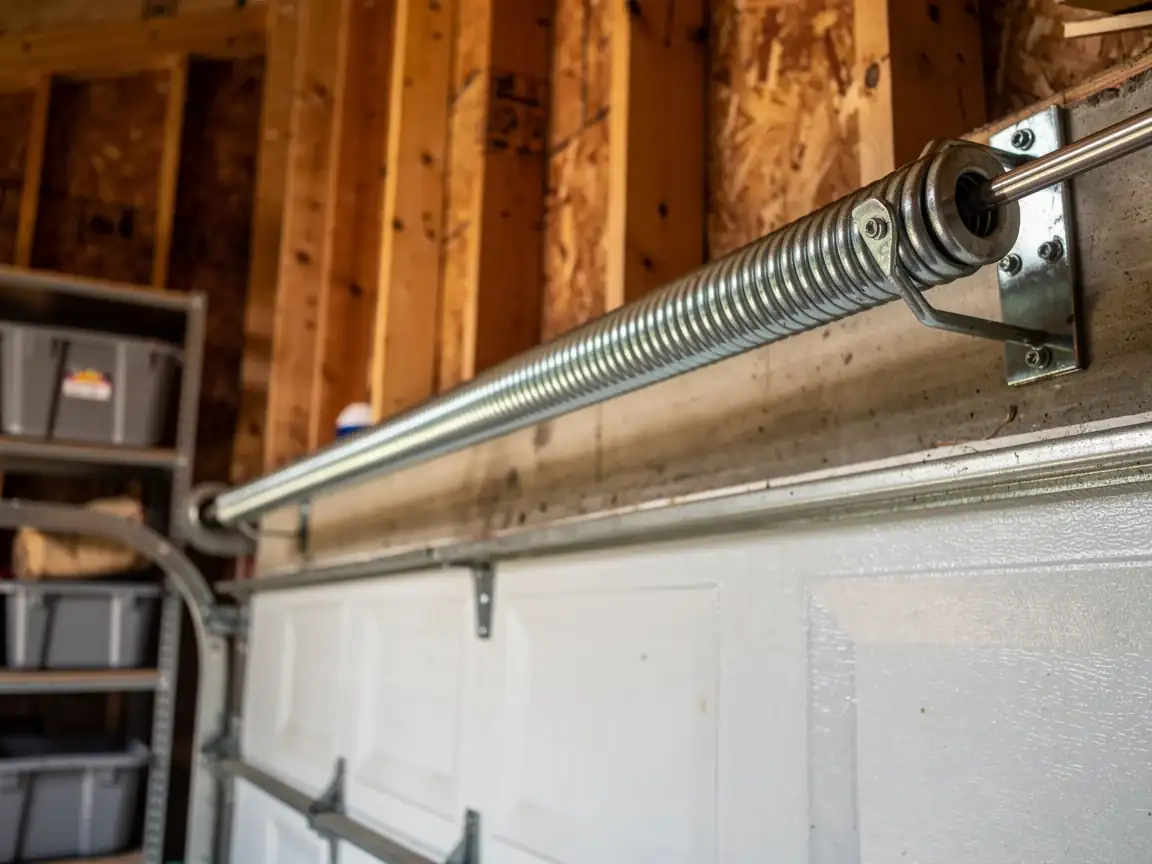
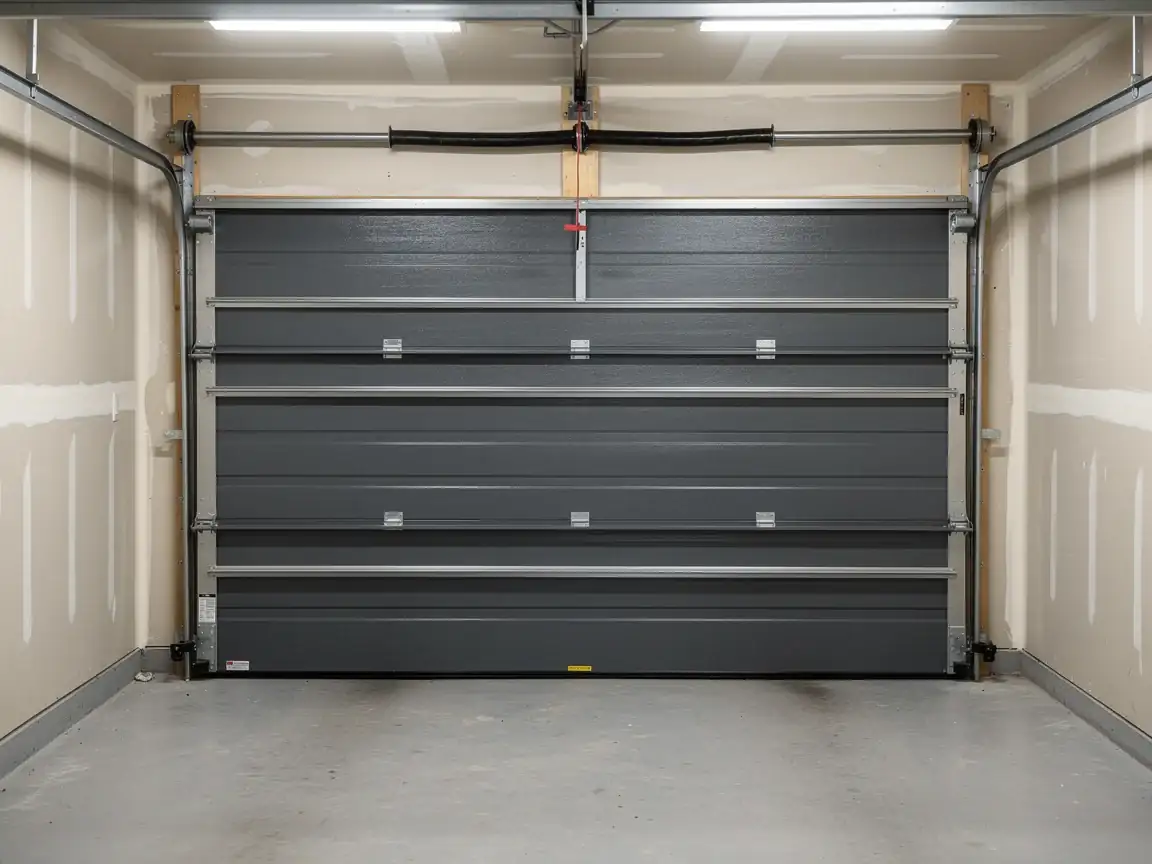
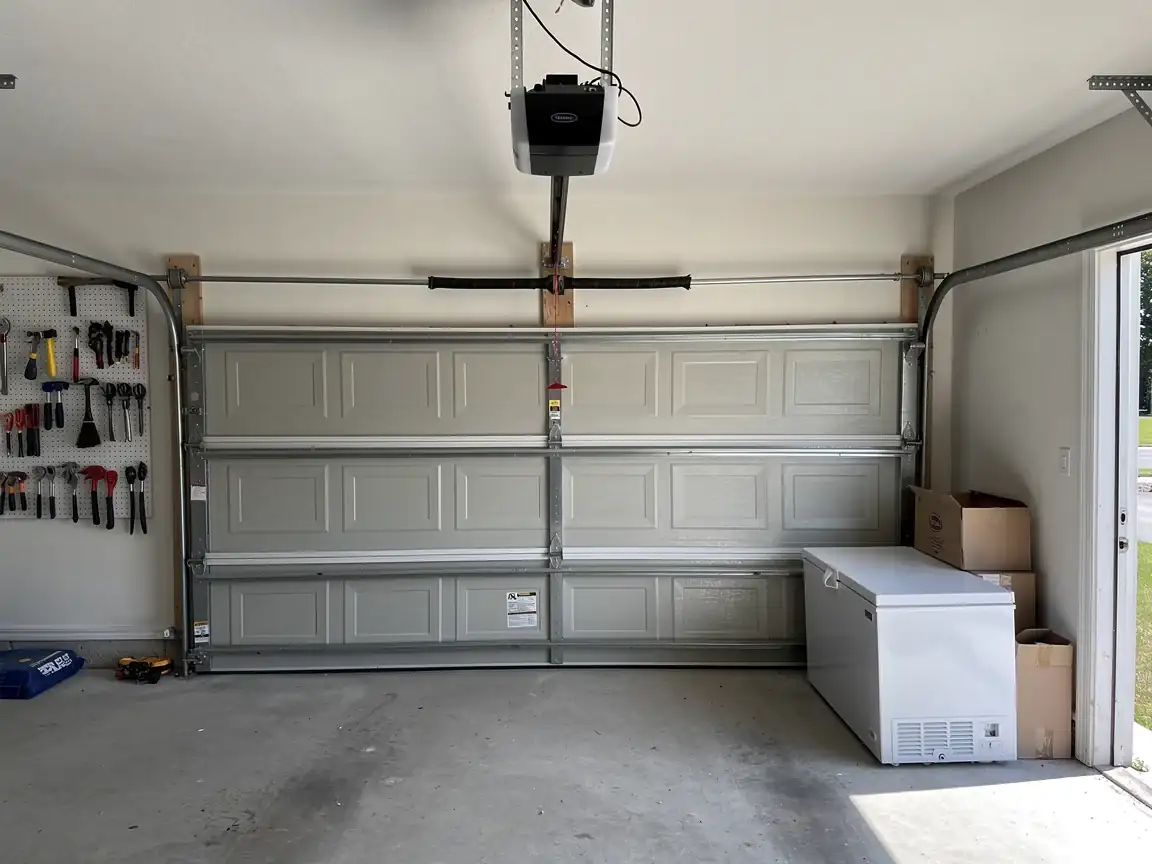
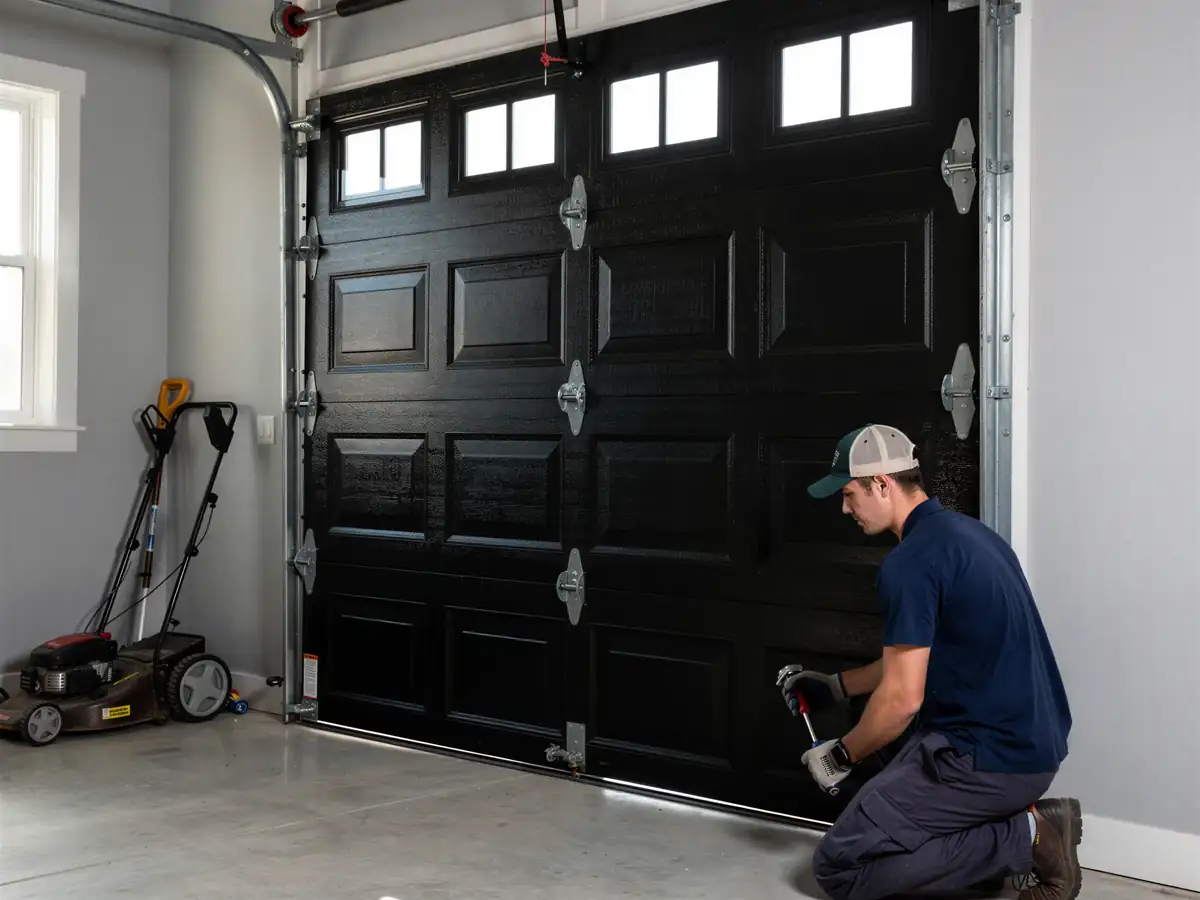
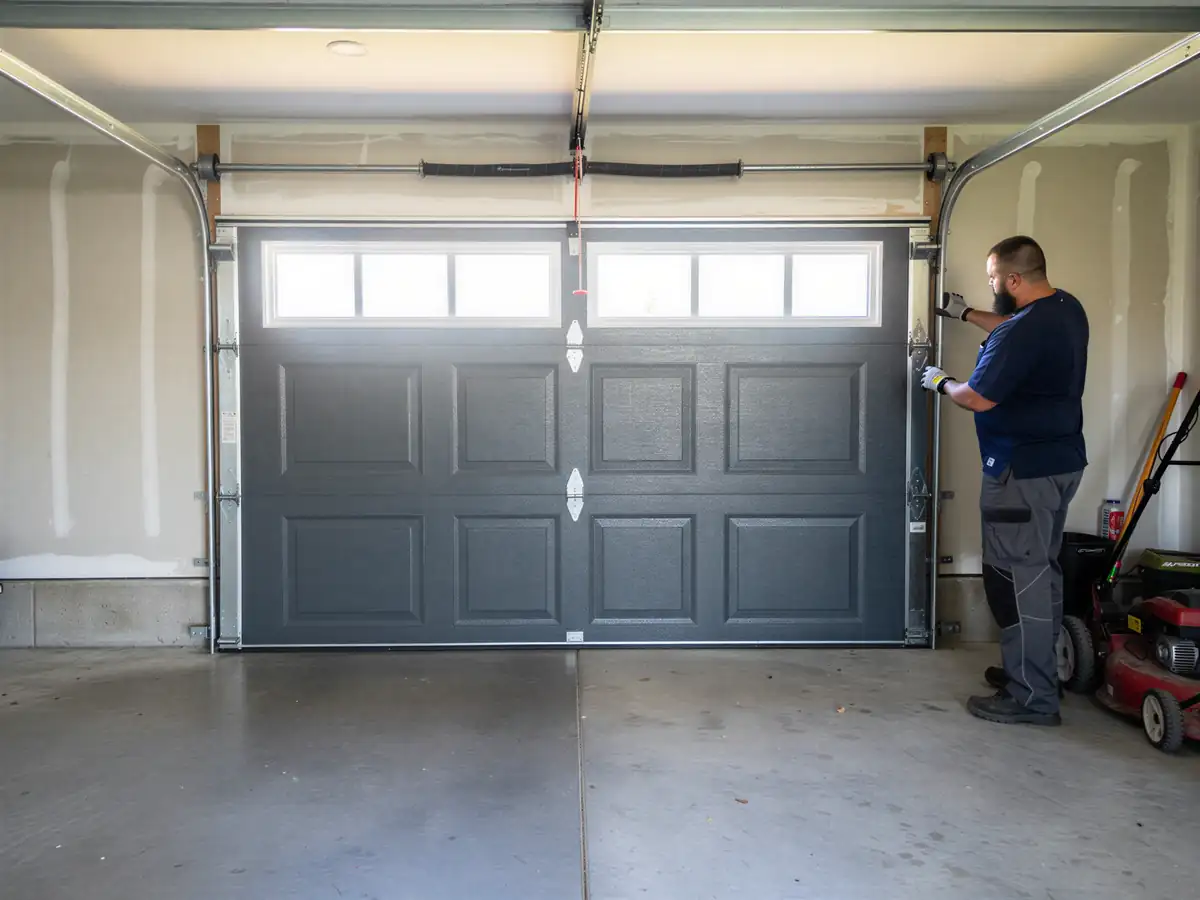
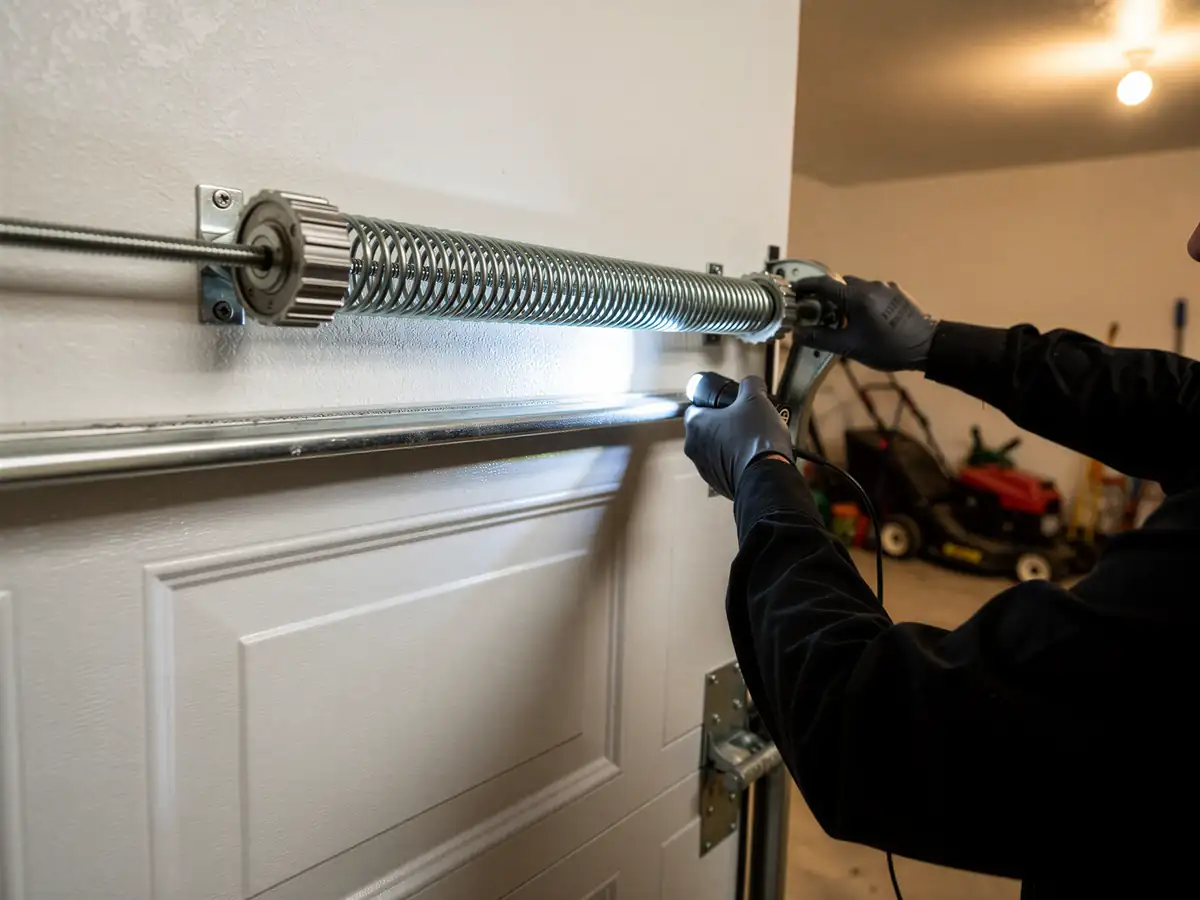
A door installed around 1974 almost always means one of two things when we open the panel: original torsion or extension spring hardware that's long past its rated cycle count, or a replacement door from the 80s or 90s bolted onto tracks that were never upgraded. Either way, the fasteners, drums, and end bearings are usually the first things to go, and they're not always a quick parts-counter fix - older track widths and spring sizing don't always match what's on the shelf today.
We'll be straight with you: if your door and opener both date back to the house's original construction, patching one part often just shifts the failure point to the next weakest link. Sometimes a repair is the right call. Sometimes, with hardware this old, replacing the spring system and leaving a worn-out track in place just means we're back in six months for the next part. We'll tell you which situation you're in before we start, not after.
Common Jobs Here
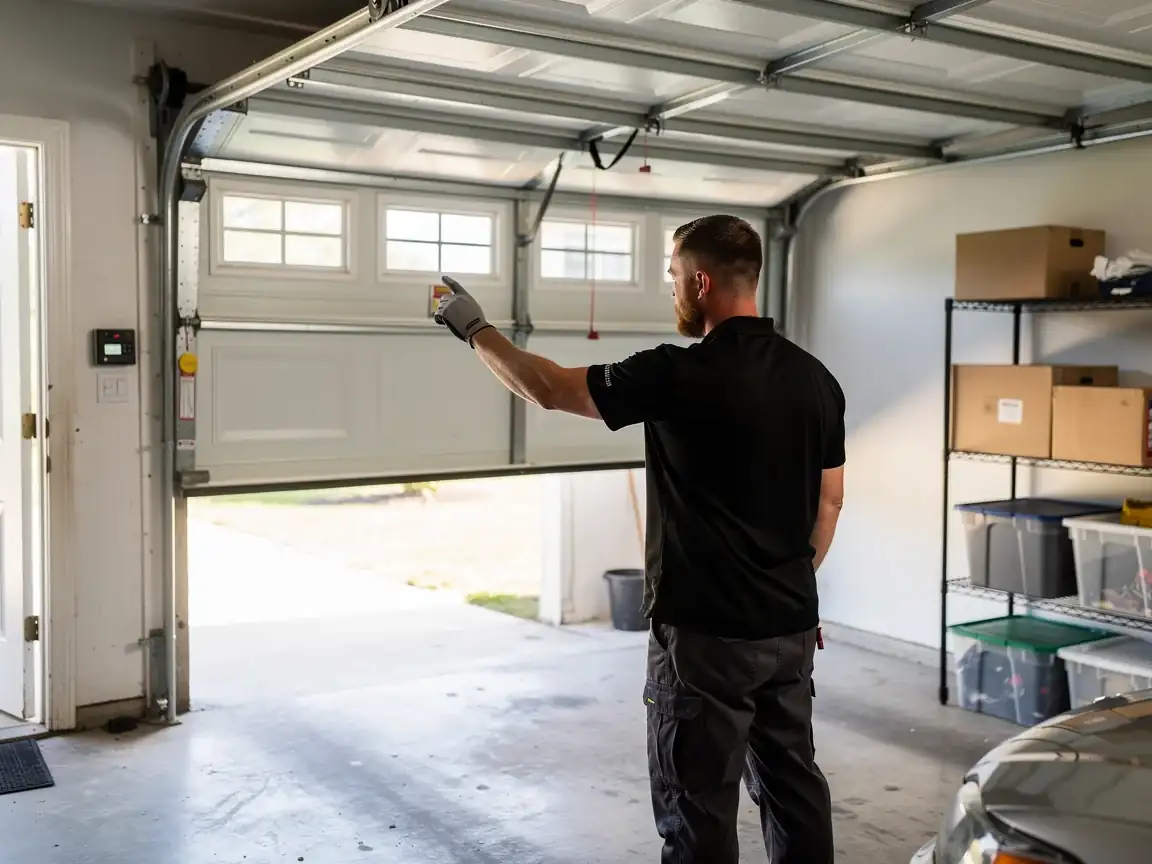
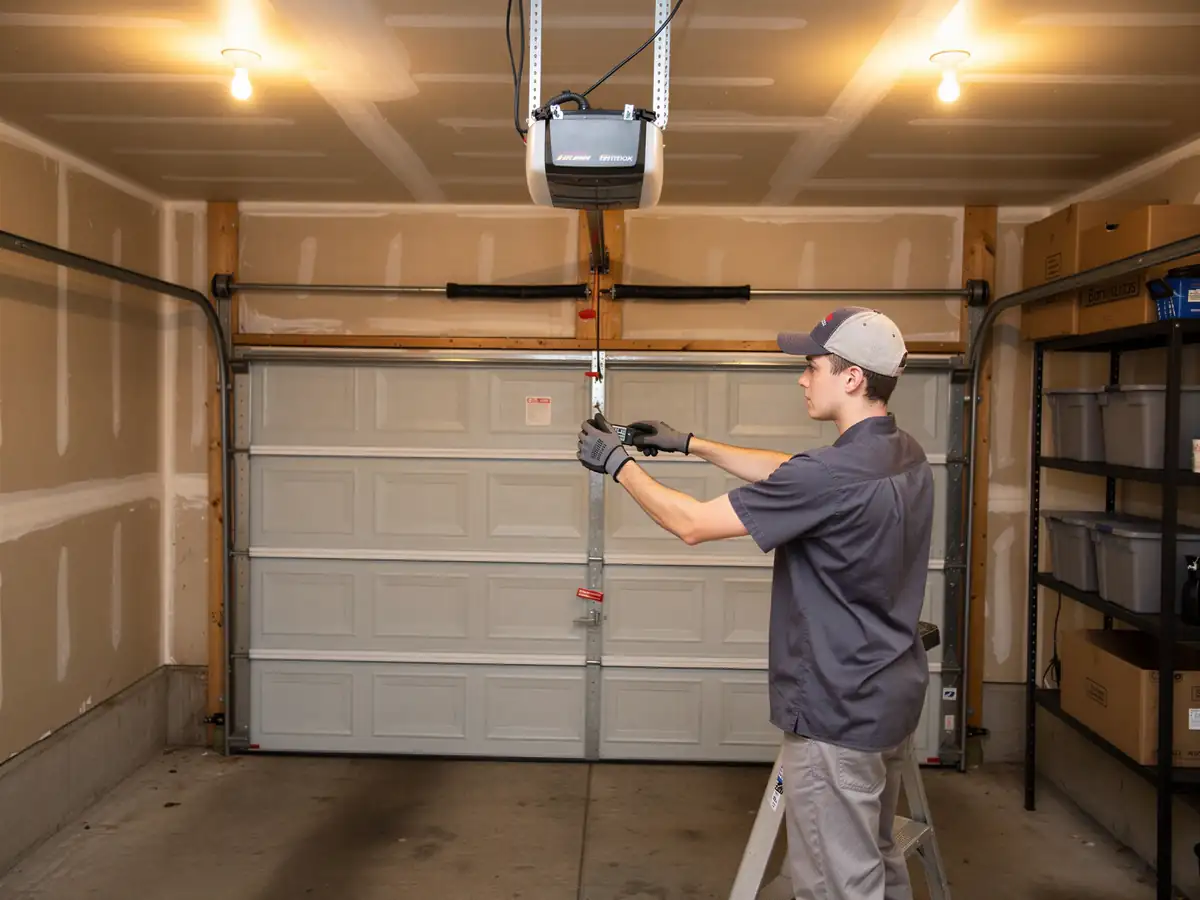
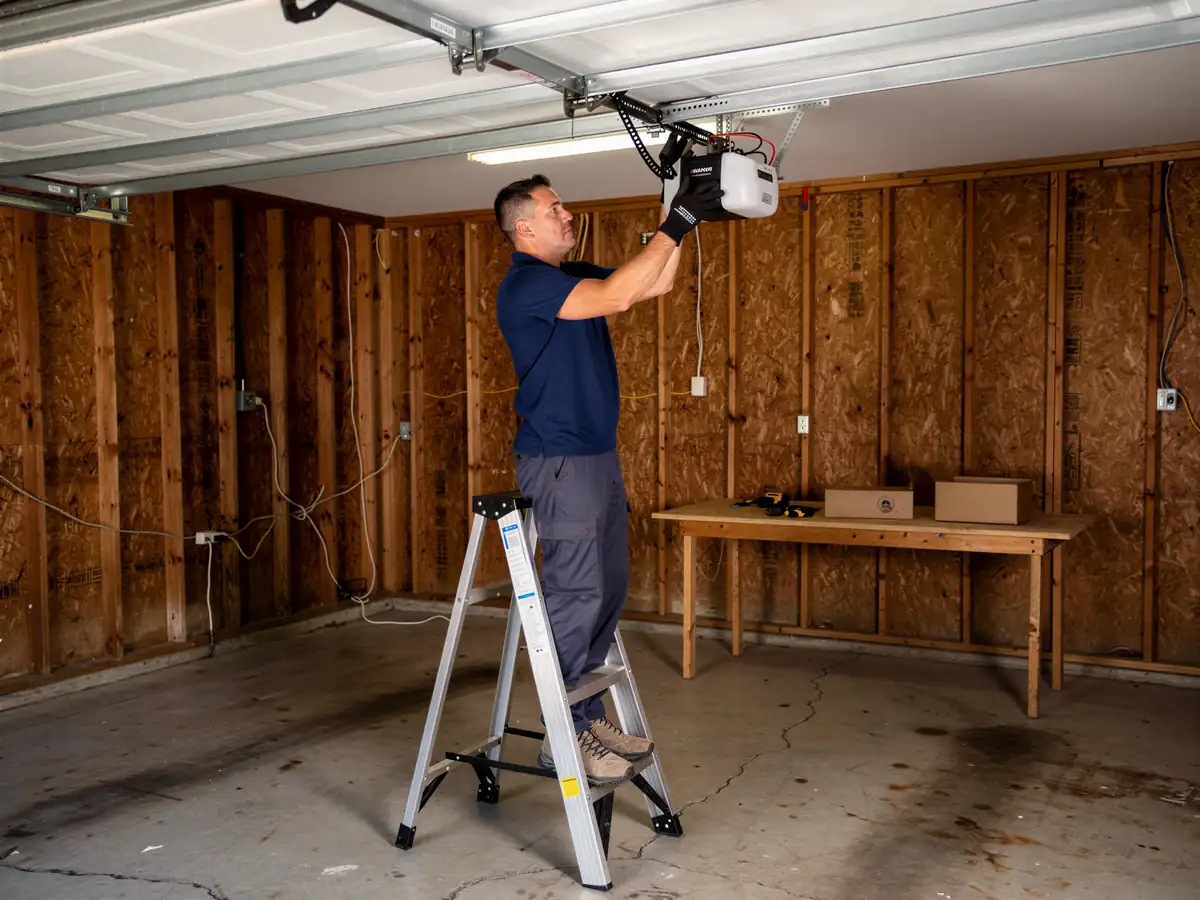
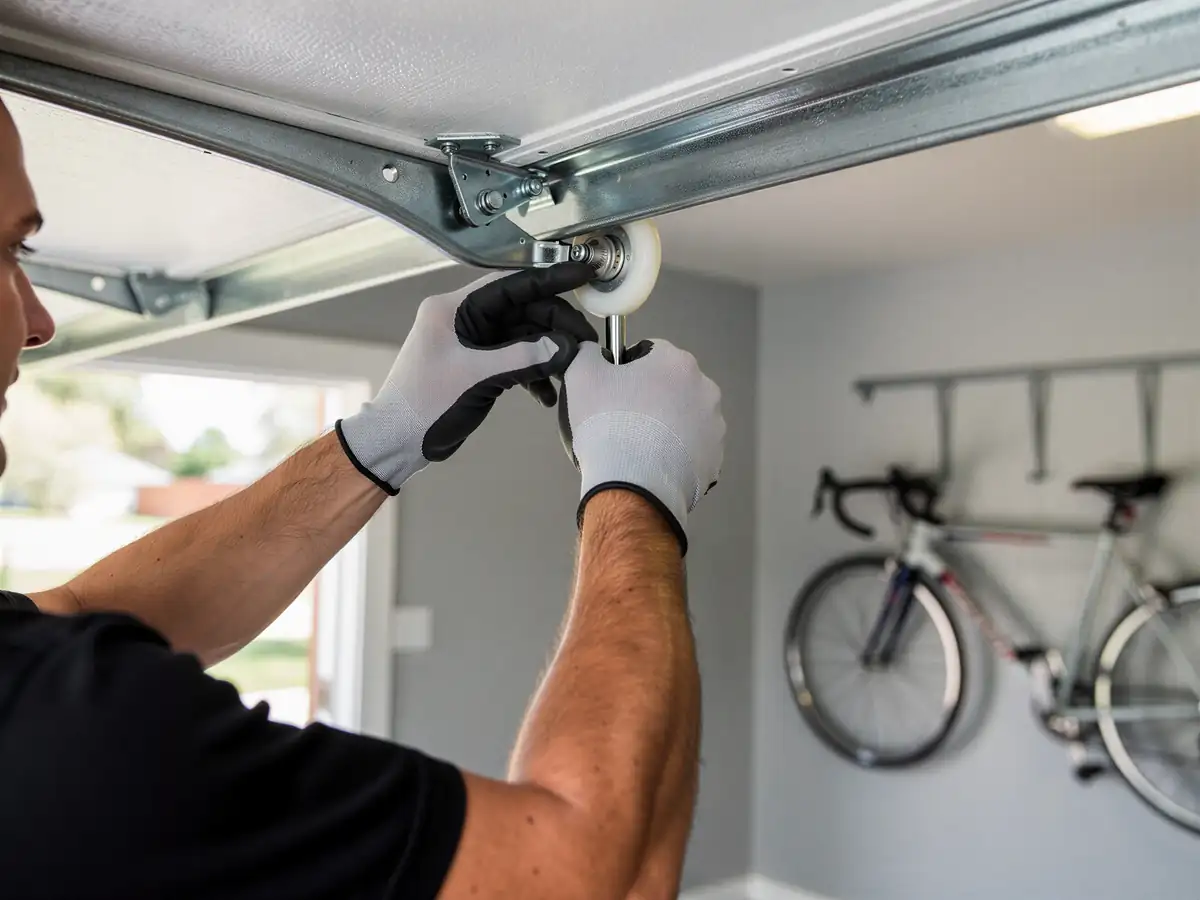
Given the age of the housing stock, the calls we run in Midwest City skew toward spring replacement on original torsion setups, worn rollers on tracks that have never been swapped, and openers that are simply decades past their service life. Cold-moderate winters add cable fraying and bottom bracket wear to that list - metal fatigues faster with repeated temperature swings, and a lot of these doors have never had that hardware replaced once.
We don't stock every obsolete part for a fifty-year-old door on the truck, and sometimes a part has to be ordered rather than installed same-visit. That's the honest tradeoff of working on housing this age - it's not a flaw in the house, it's just math. What we can tell you up front, before any work starts, is whether you're looking at a straightforward repair or a job where replacement saves you money over the next few years.