What You Are Seeing
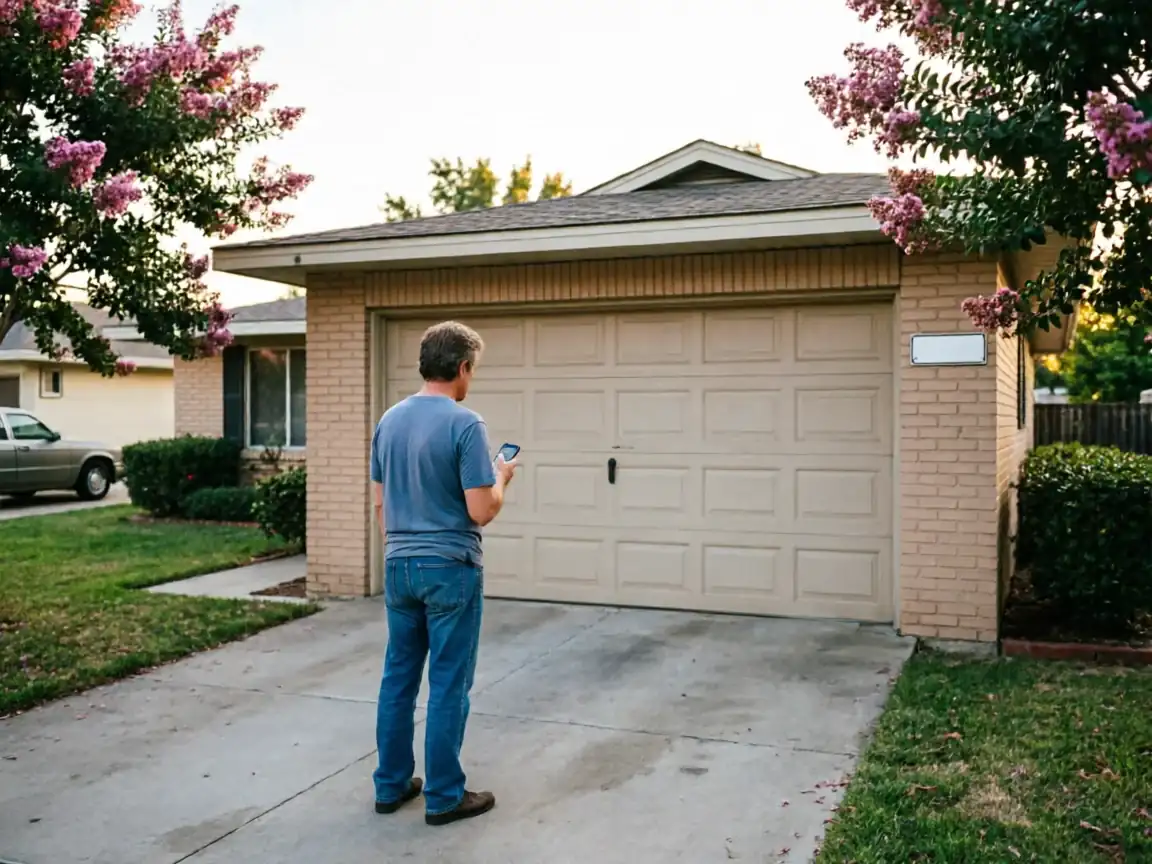
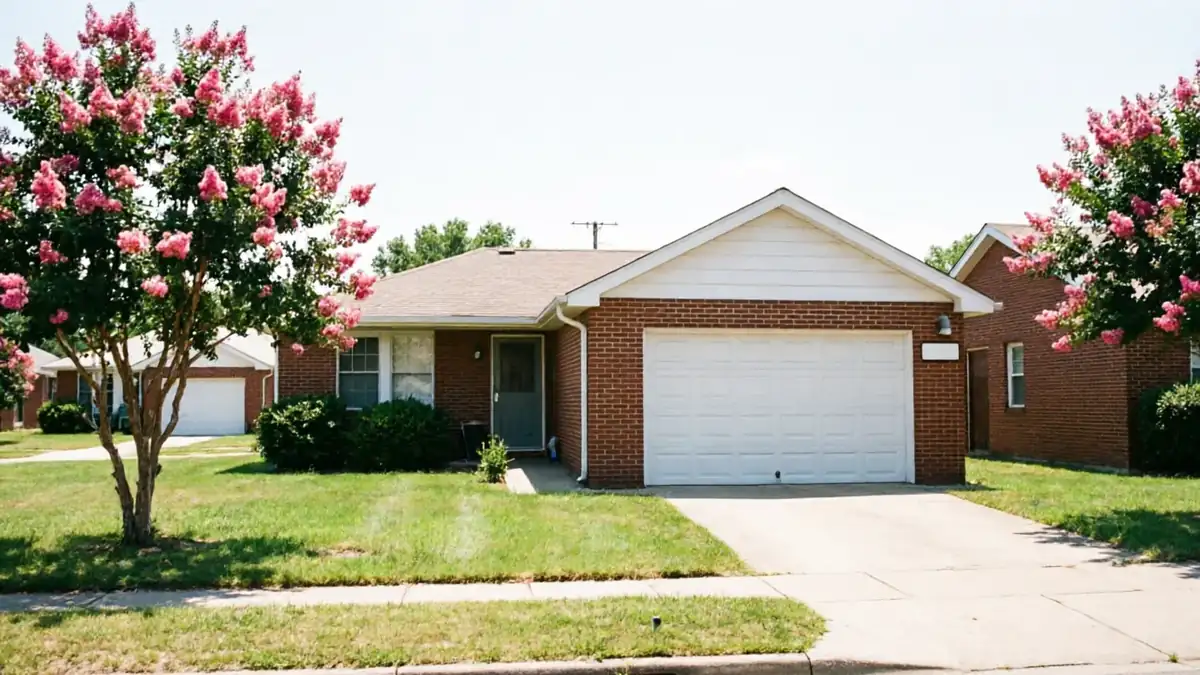
The opener runs but the door doesn't move, or it moves part way and reverses, or the motor hums and nothing happens at all. In Midwest City that symptom usually traces back to the age of the gear set rather than anything exotic - the housing stock here centers on 1974, which means most openers in service are either the original unit's third or fourth replacement, or an older chain-drive model someone installed decades ago and never upgraded.
A house built in 1974 wasn't necessarily sold with a powered opener at all - plenty of these were added later, sometimes with wiring and a rail that don't match current door weight or spring tension. That mismatch is common enough here that it's worth checking before assuming the opener itself is at fault. A door that's heavier than the opener was ever sized for will strip a nylon gear long before its time, and you'll see the same part fail again a year or two after a straight swap.
How Long You Are Without the Door
We're honest about this up front
Edmond Garage Door Pros covers Midwest City from Edmond, about 15 miles out, so this isn't a same-block callout. We don't carry a crew stationed in Midwest City, and we're not going to pretend otherwise. Plan around the drive when you're scheduling, especially if the opener failure has left the door stuck down and you need the garage for a vehicle.
- 15 miles
Most opener repairs themselves don't take long once a tech is on site
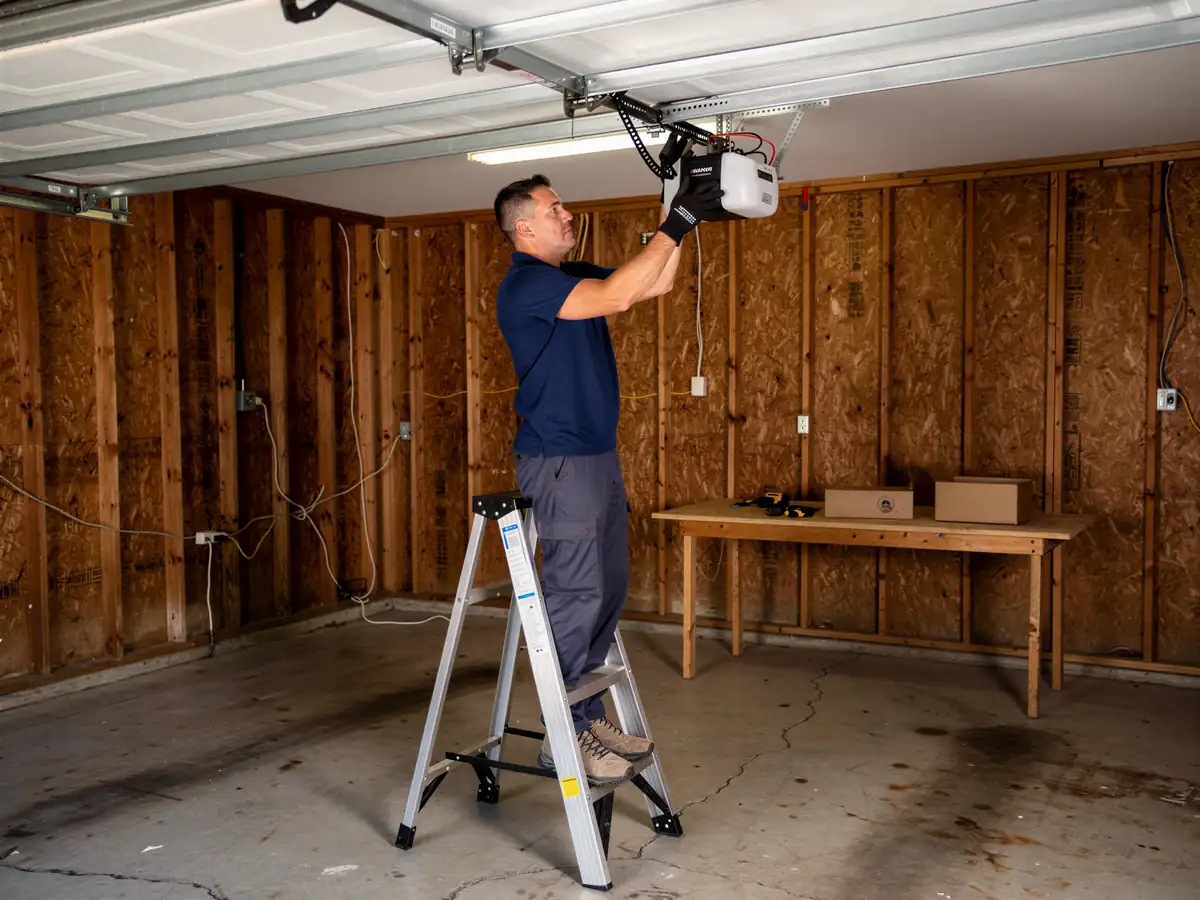
The gear set, circuit board, or sensor swap is usually under an hour of actual work. The variable is parts. If your unit is an older chain-drive model that's been out of production for years, we may need to source a replacement logic board or gear kit rather than pull one off the truck, and that can add a day or two.
The Complications
Midwest City's roughly 24,599 households sit at a median income of $57,739, which shapes a real decision point on these calls: repair the existing opener or replace it outright. On a unit from the 1970s-era wave of homes, parts availability is the complication - some older chain-drive motors used proprietary logic boards that haven't been made in years, and a repair that should cost under $100 in parts turns into a full unit swap because the board simply isn't out there anymore.
Cold is the other factor. The service area sits in a moderate-cold climate band, and openers with worn gear sets or dried-out chain lubrication tend to show their age hardest on the first cold mornings of the season, when grease thickens and a marginal gear finally gives out. If your opener has been slow to close for weeks, a cold snap is often what finishes it off, not what causes it.
What the Fix Involves
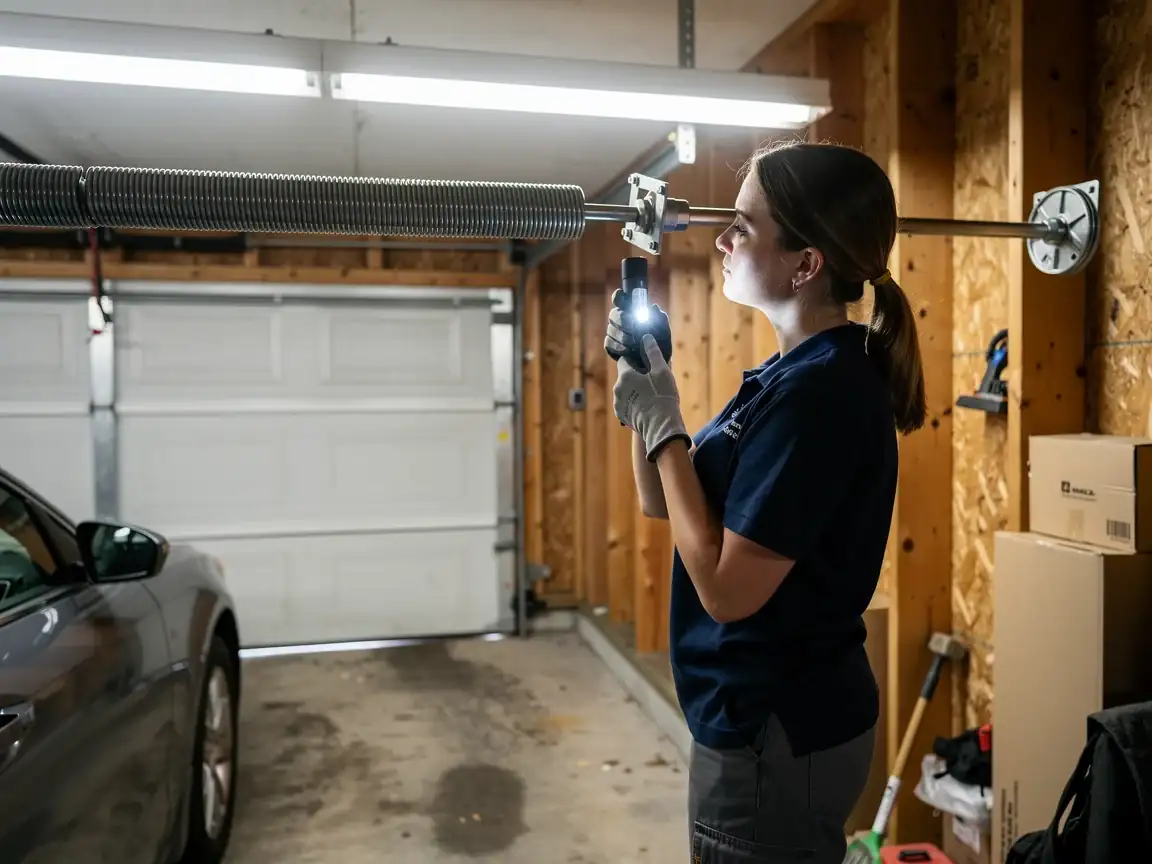
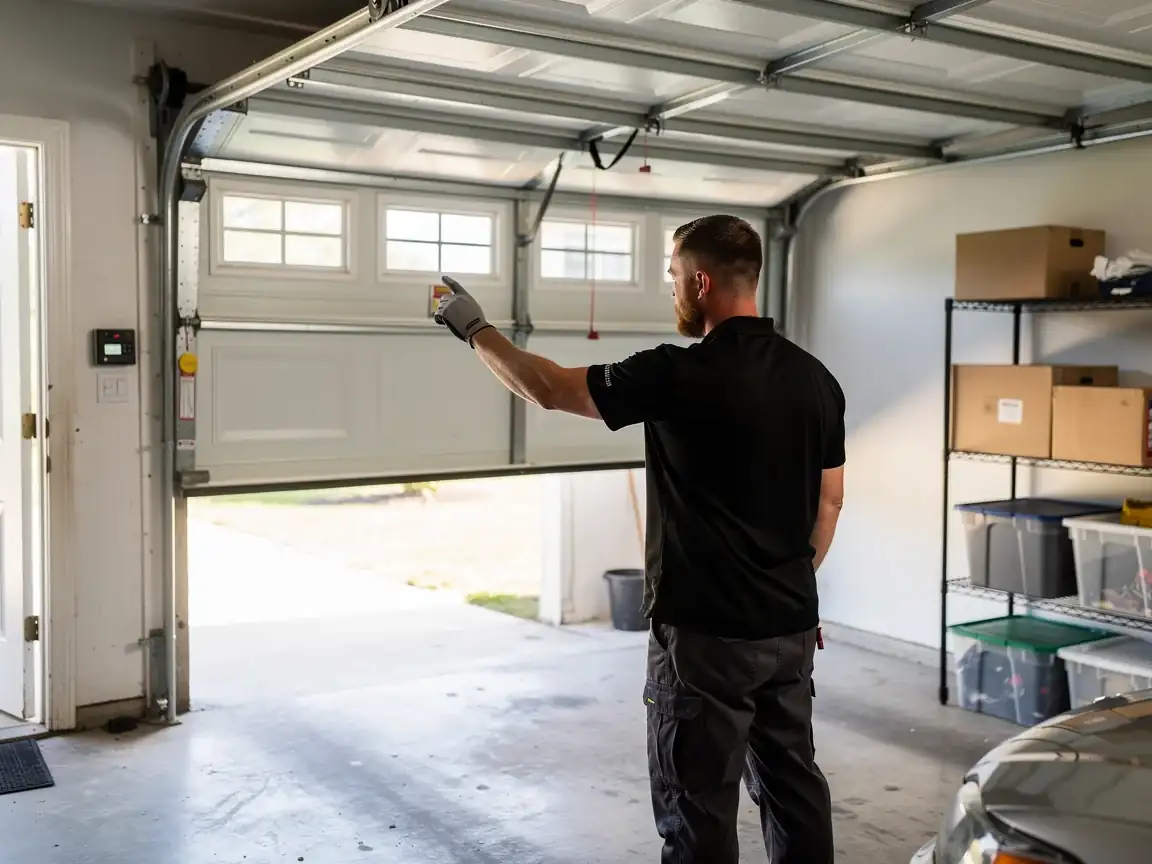
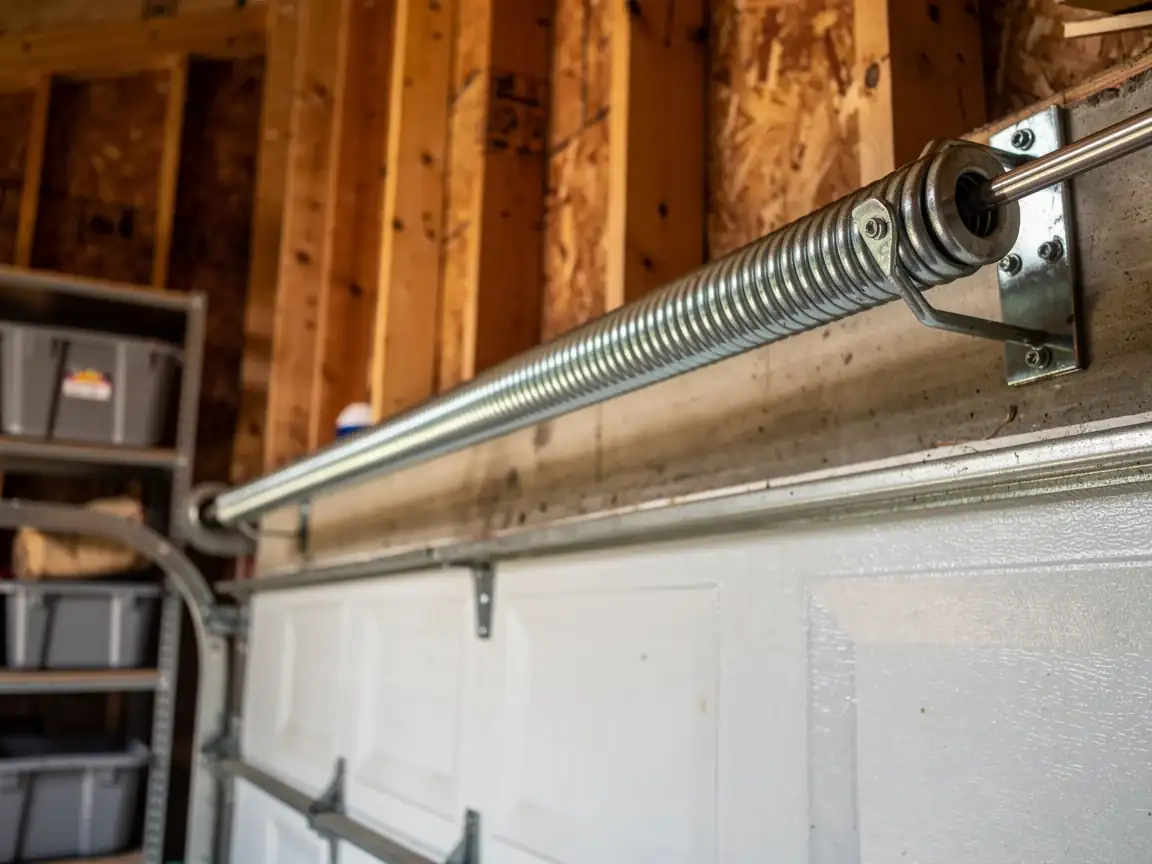
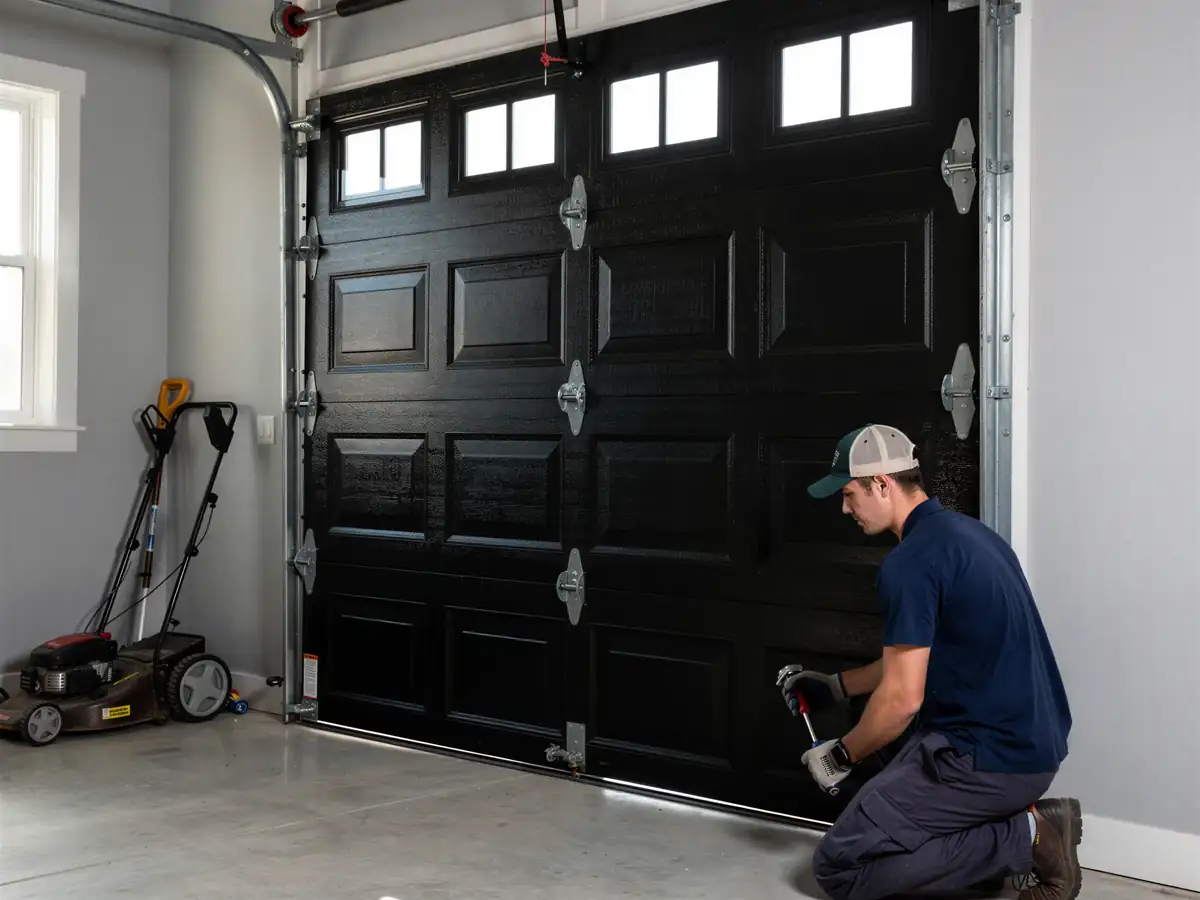
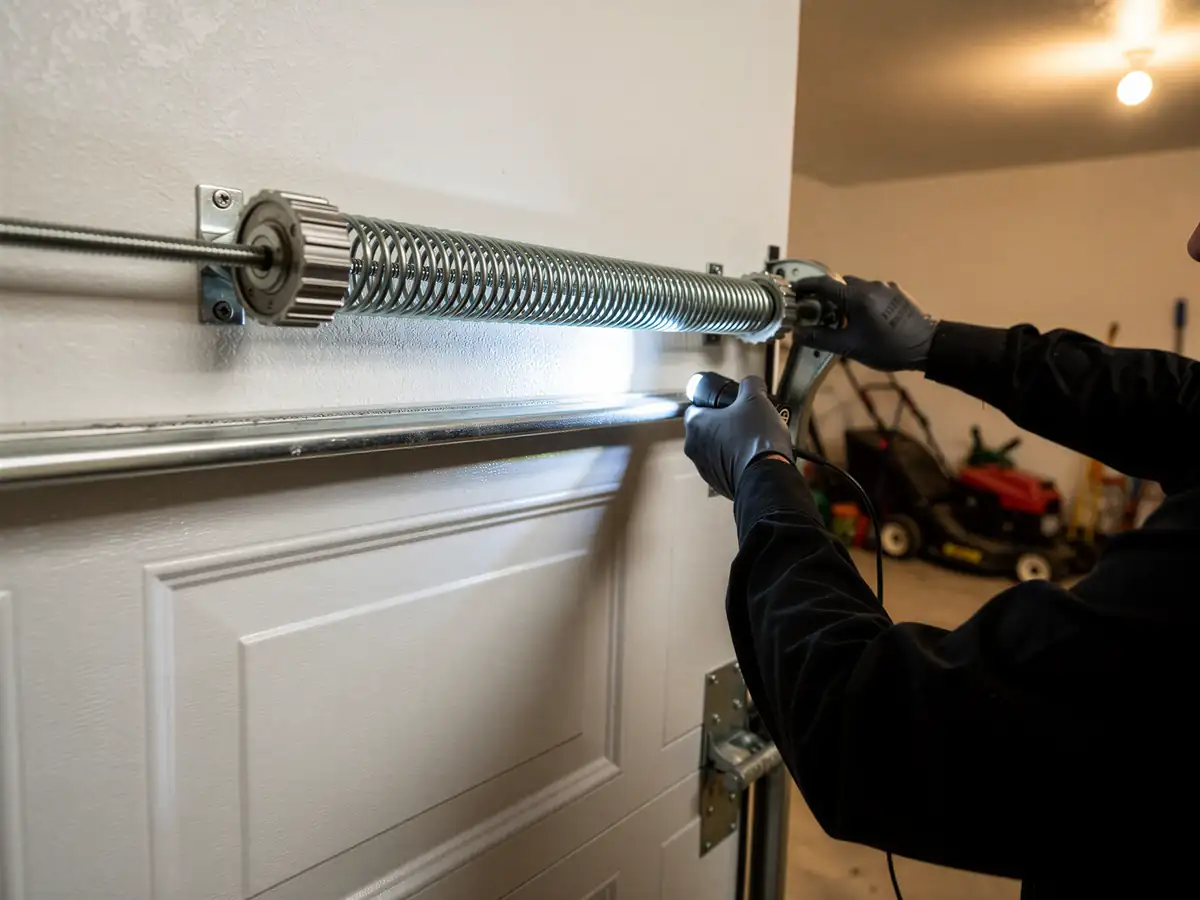
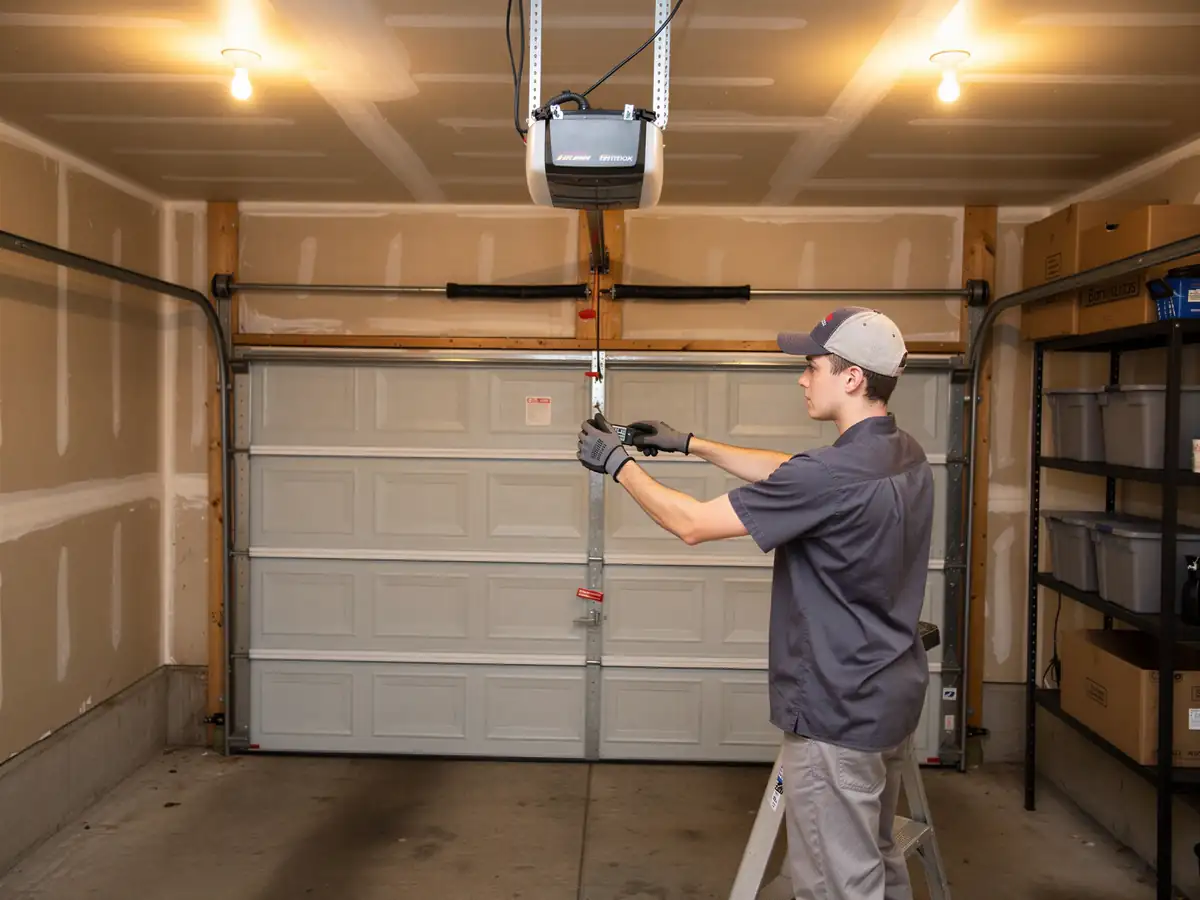
We start by running the door manually to rule out a spring or cable problem - an opener straining against bad springs will burn out a gear set fast, and replacing the gear without fixing the spring just buys you another service call. Once the opener is confirmed as the actual fault, the work is usually one of: a stripped drive gear, a failed capacitor or logic board, worn limit switches, or safety sensors that have drifted out of alignment.
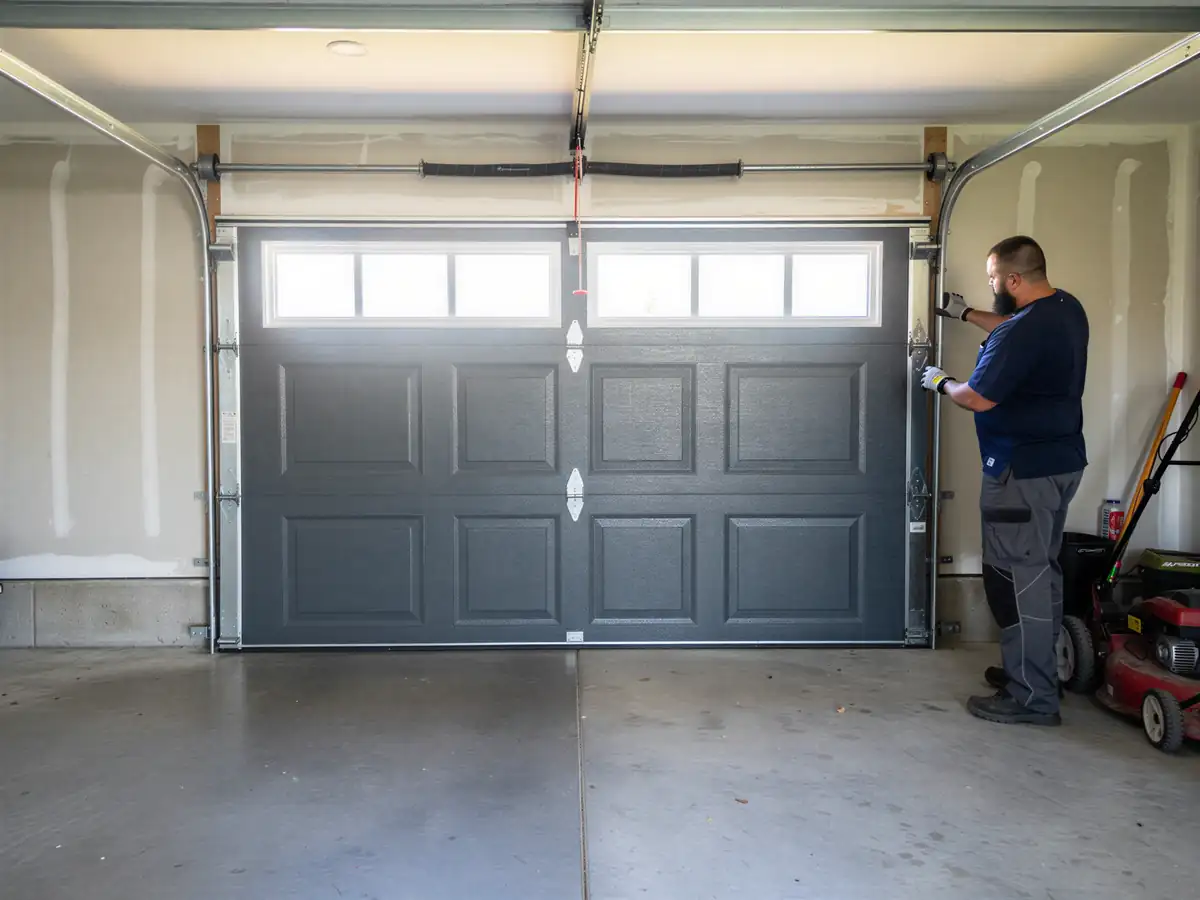
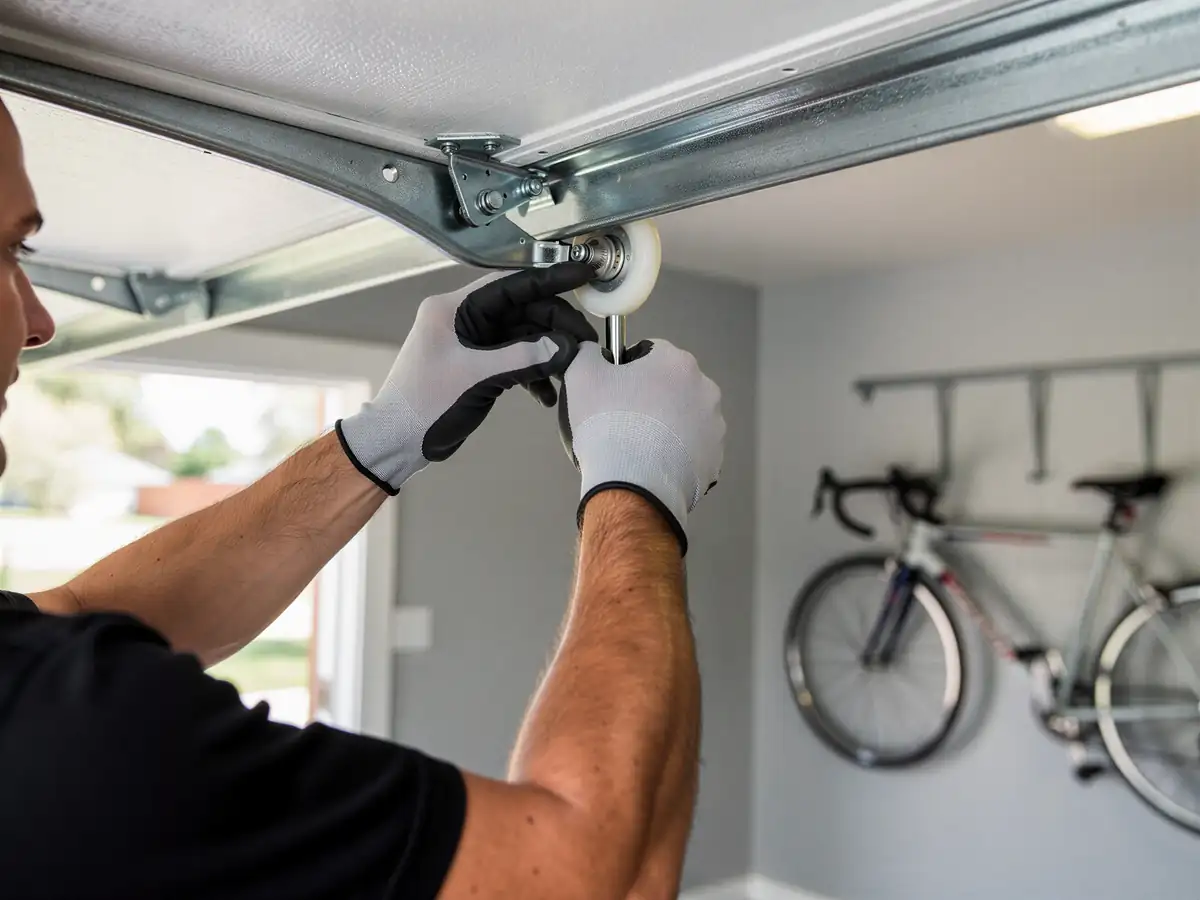
On houses carrying original or early-replacement rail systems from the 1970s building wave, we also check that the rail and trolley are rated for the door's actual weight - a mismatch here is the thing that keeps bringing people back for the same repair. If the opener is beyond economical repair, we'll say so plainly rather than keep billing for parts on a unit that's done.
Can You Do This Yourself
Tightening the chain, replacing the remote battery
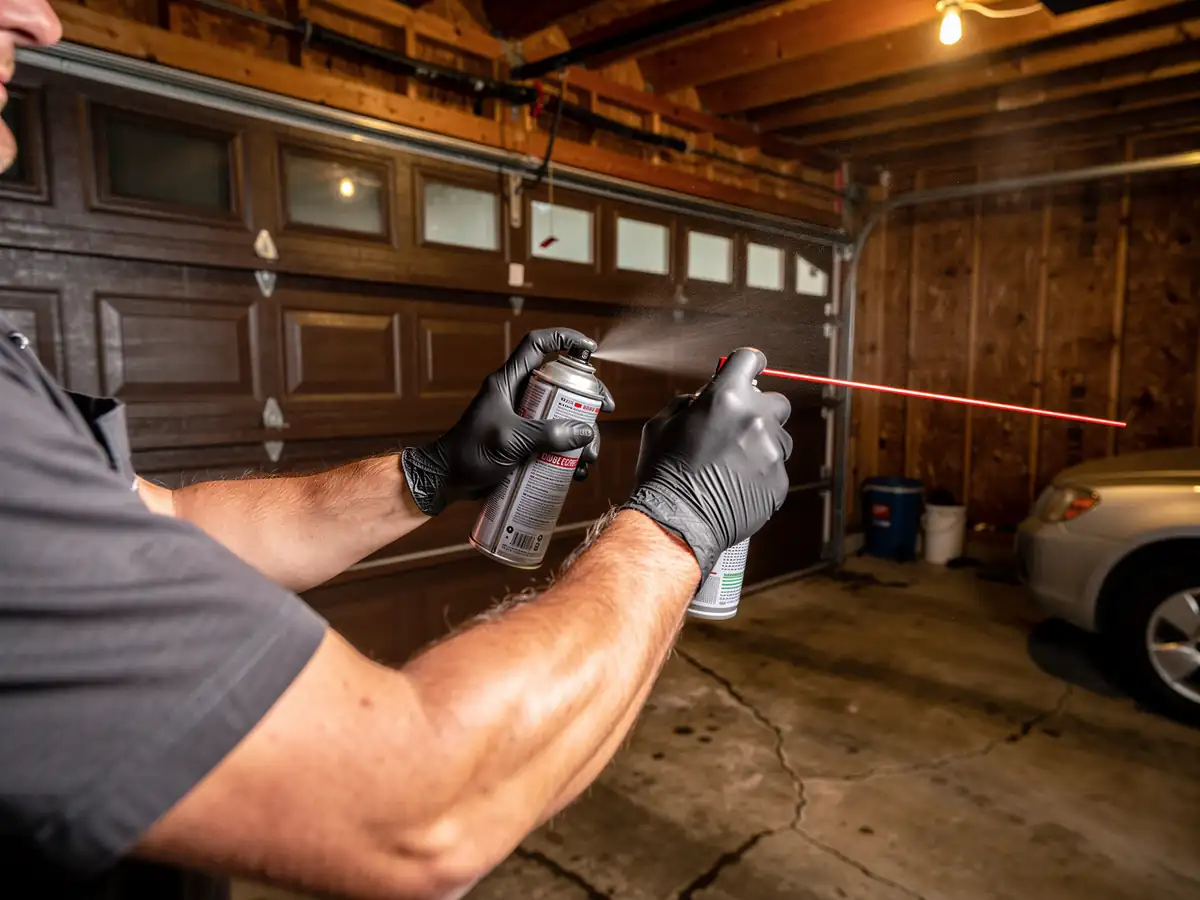
Or re-aiming a safety sensor that's knocked out of alignment are reasonable DIY jobs and we'd tell you to try them before booking a call. Anything involving the logic board, the high-voltage side of the motor, or spring tension is not - those carry real risk of injury and most homeowners don't have the gauge to reset spring tension safely even if they can source the part.
If your opener is original to a 1970s-era install and you're not sure how old it actually is
That uncertainty itself is a reason to have someone look rather than guess. An opener with no manufacture date visible and worn-looking housing is usually older than people think, and parts for it may not be a quick fix regardless of who does the labor.
What Causes It Around Here
The dominant pattern in Midwest City ties back to the 1974 median build year: openers installed as retrofits on original 1970s doors, chain-drive units that have been running two or three decades past their expected service life, and rail systems sized for lighter doors than what's actually hanging on them now. None of that is unique to any one street - it's a function of when this part of the metro was built out.
Cold-weather strain adds to it. In a moderate-cold climate band, grease and chain lubrication thicken in winter, and a gear set that's already marginal from age will often fail on the first truly cold week rather than gradually. If you've noticed your opener groaning or running slower in winter months, that's usually the gear telling you it's near the end, not a one-time fluke.