Can You Do This Yourself
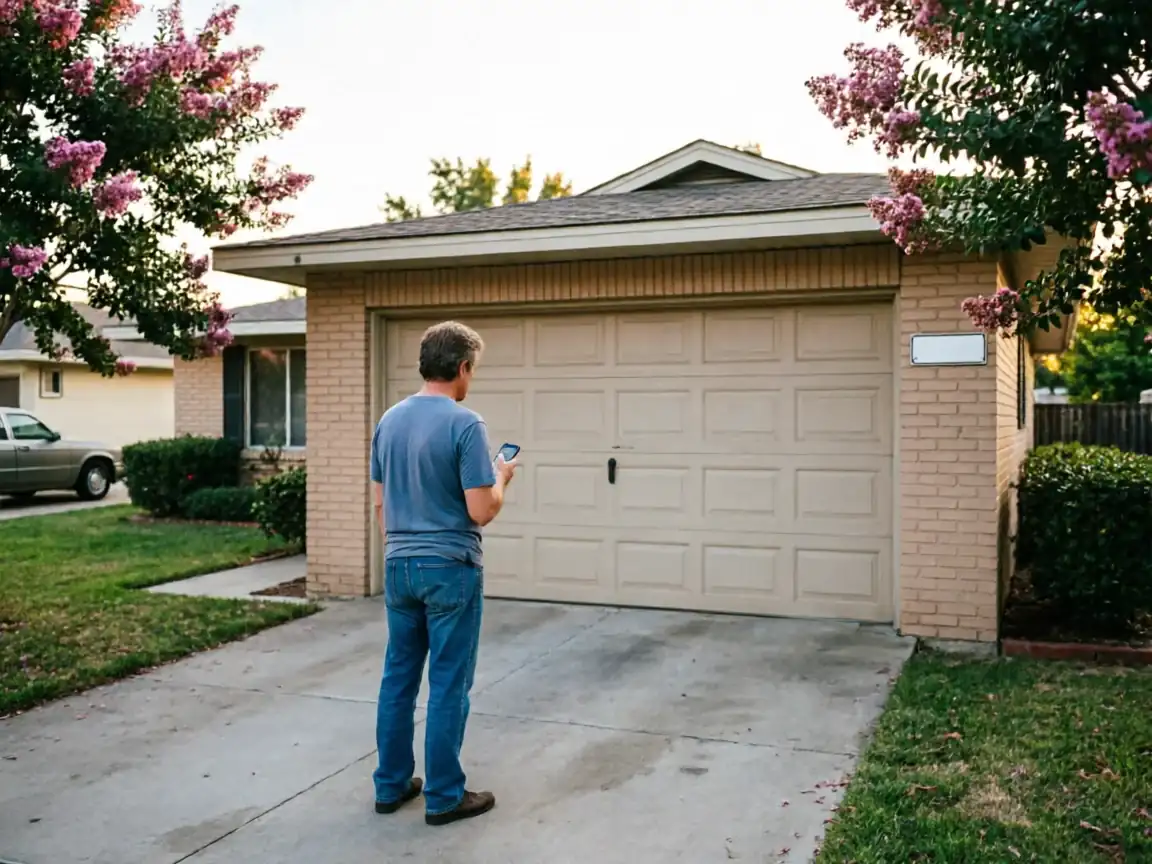
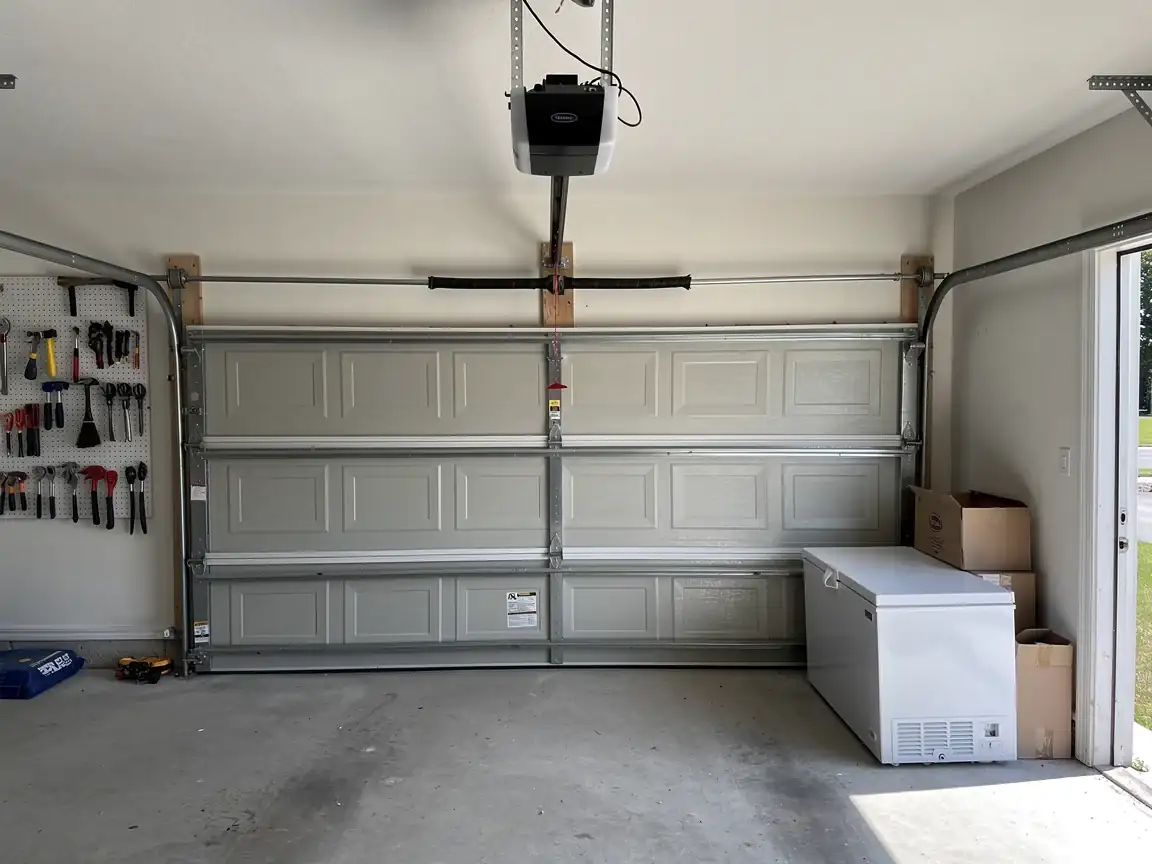
Some opener trouble is a five-minute fix. If the door won't respond to the remote but the wall button works, replace the remote battery and check the antenna isn't wrapped around a bracket. If the opener runs but the door won't move, look at the travel limit switches before you call anyone - they drift out of adjustment on their own over time and resetting them is in the owner's manual.
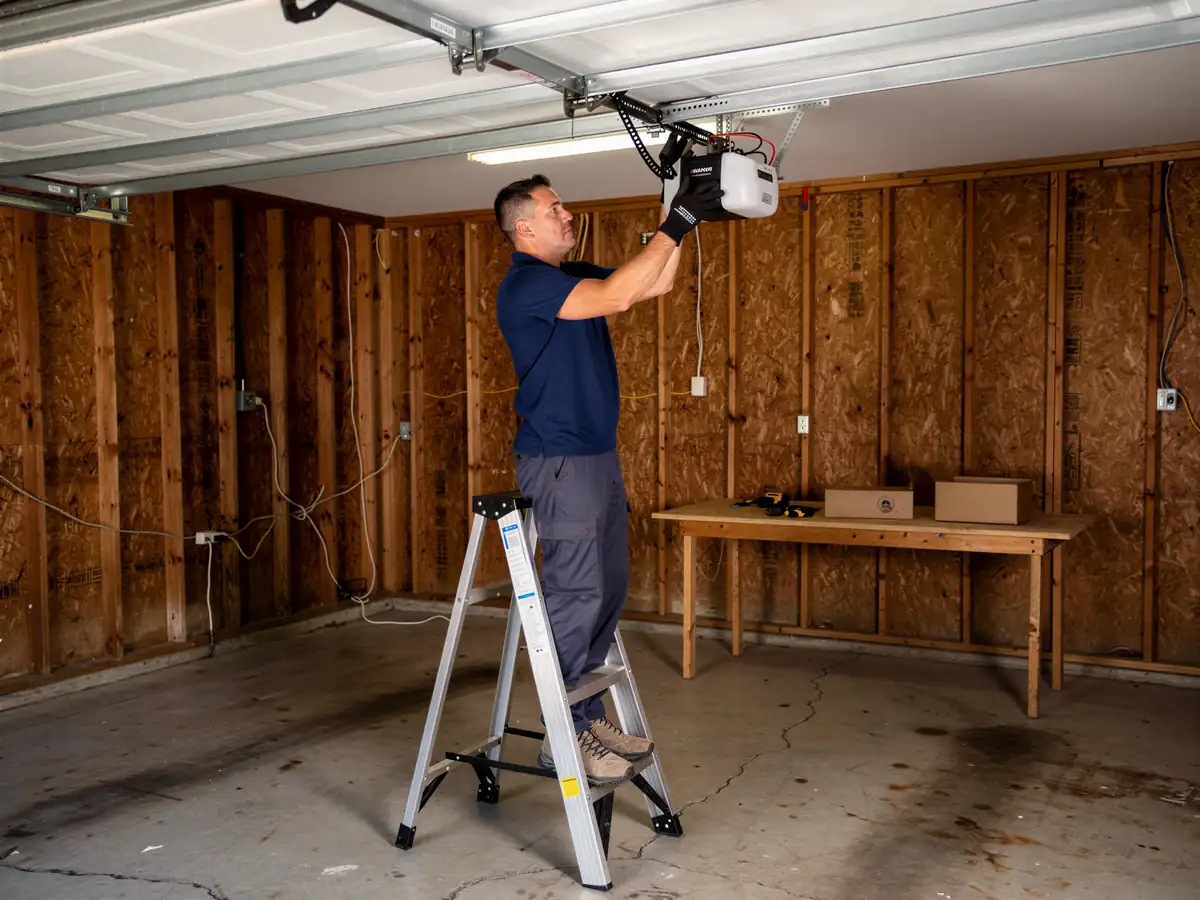
What you shouldn't touch: the drive gear housing, the circuit board, or anything involving the high-voltage side of the unit. Openers in houses built in the 1959-1999 window common across this area often run original or first-replacement units with worn internal gears that look like a simple part swap but aren't - stripped nylon gears mean the motor housing comes apart, and getting the chain or belt tension right afterward takes a jig most owners don't own. If the door reverses for no reason, or the opener hums without moving the door, stop and call. That's a capacitor or a drive assembly problem, not a settings problem.
What the Fix Involves
Most opener calls start with diagnosis, not parts
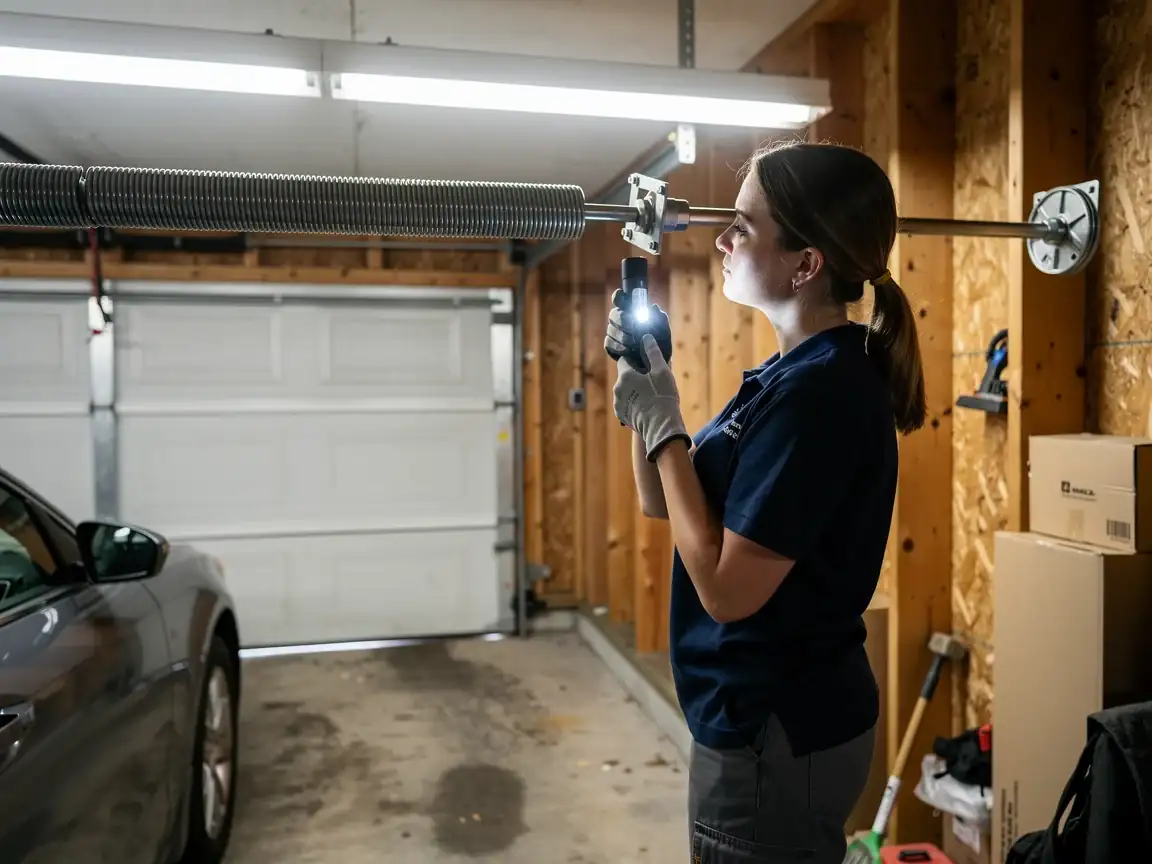
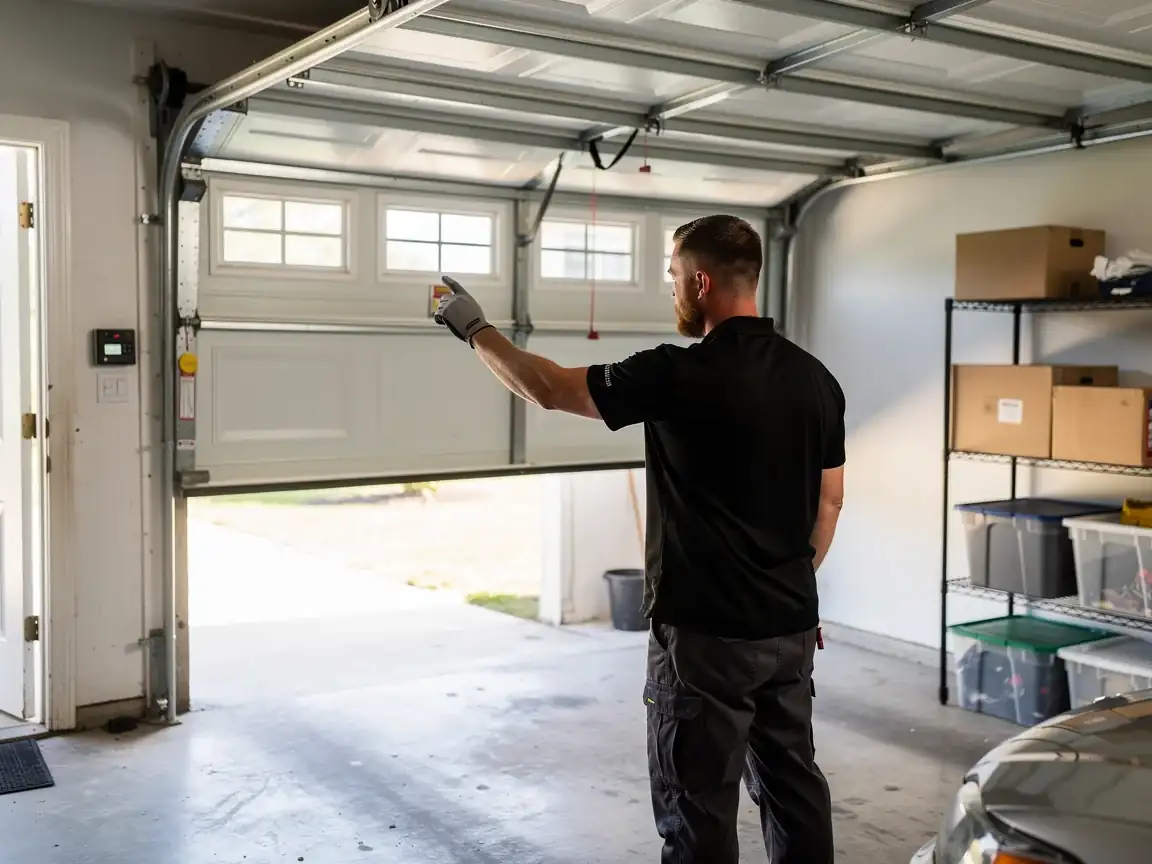
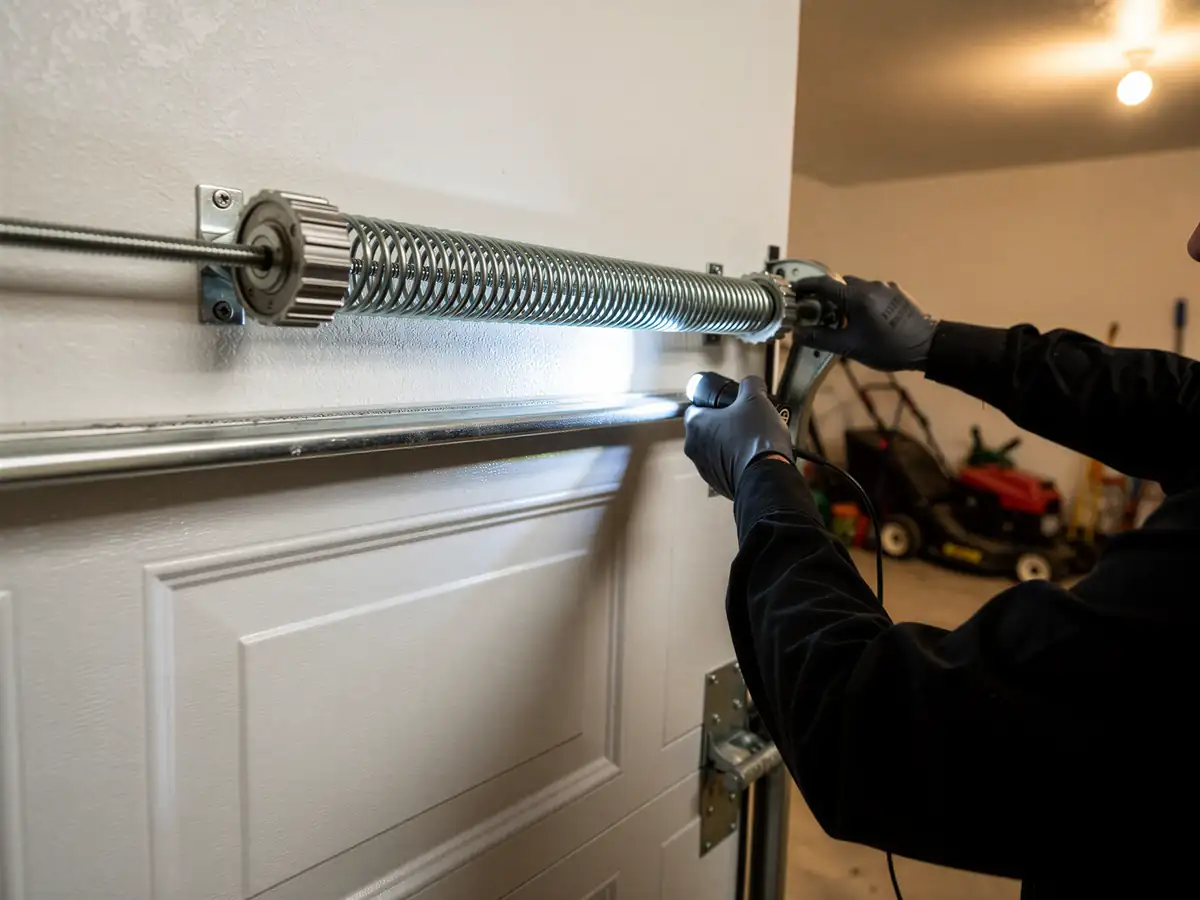
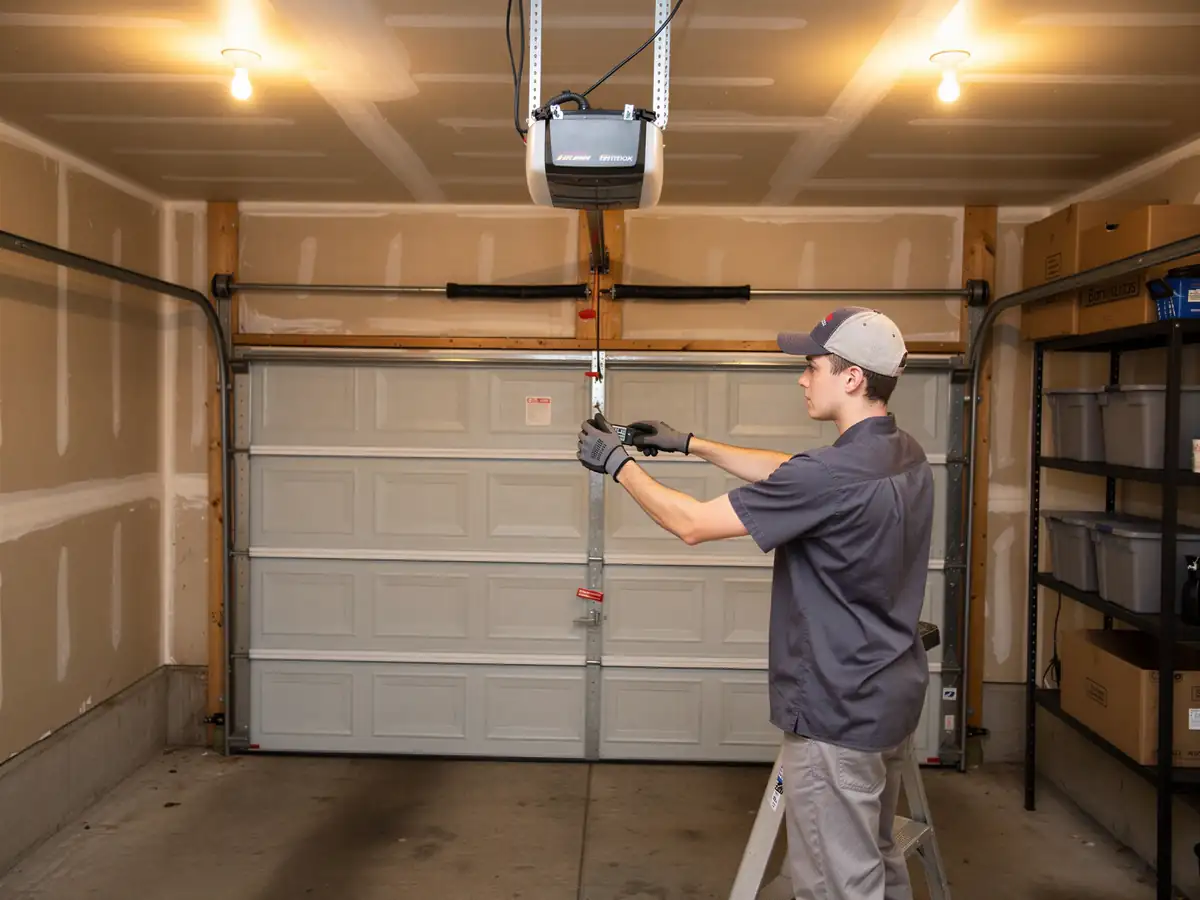
Figuring out whether the fault is in the motor unit, the logic board, the sensors, or the door itself pulling against a bad spring, which can make an opener look broken when it isn't. We check the safety sensors first since misalignment there is the single most common reason a door won't close, then test the circuit board's response to the wall button versus the remote to isolate wiring from electronics.
If the drive gear has stripped
Common on units original to homes built in the 1960s and 70s across this area - that's a motor housing rebuild or a full unit swap, depending on age and parts availability. Circuit board failures usually mean replacement; boards aren't something we rebuild on site. One limitation worth saying plainly: if your opener is old enough that the manufacturer no longer makes the logic board, we'll tell you that up front rather than order a part that won't ship.
What You Are Seeing
The opener runs but the door doesn't move - usually a stripped drive gear. The opener reverses partway through closing - almost always a sensor alignment issue, sometimes a wiring short. The unit makes a grinding or chattering noise - worn gear or a chain that's loose on the rail. Remote works some days and not others - weak board connection or a dying capacitor, not a remote problem.
A less obvious one: the door closes fine in the afternoon but won't close at night. That's a sensor sensitivity issue tied to temperature swings, which shows up more here given the cold winters this area sees - metal brackets contract, alignment shifts by a fraction of an inch, and the safety eye reads it as an obstruction. None of these are urgent safety issues on their own, but a door that reverses randomly with kids or pets in the garage is worth fixing before it becomes a bigger problem.
What Causes It Around Here
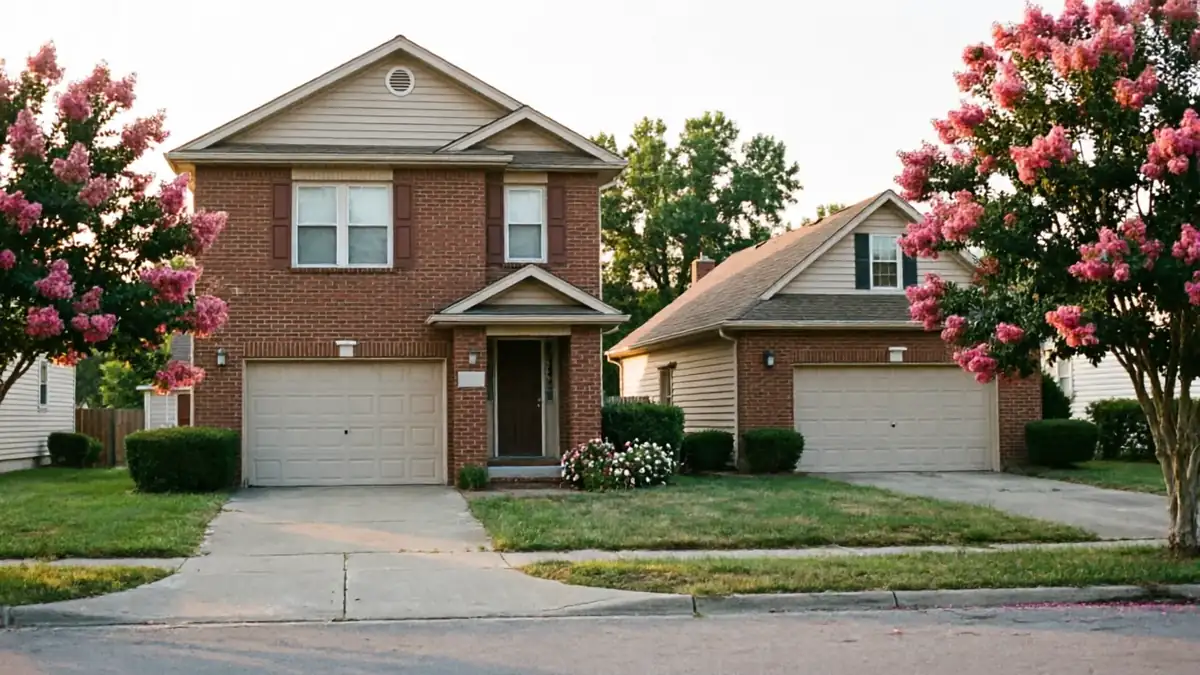
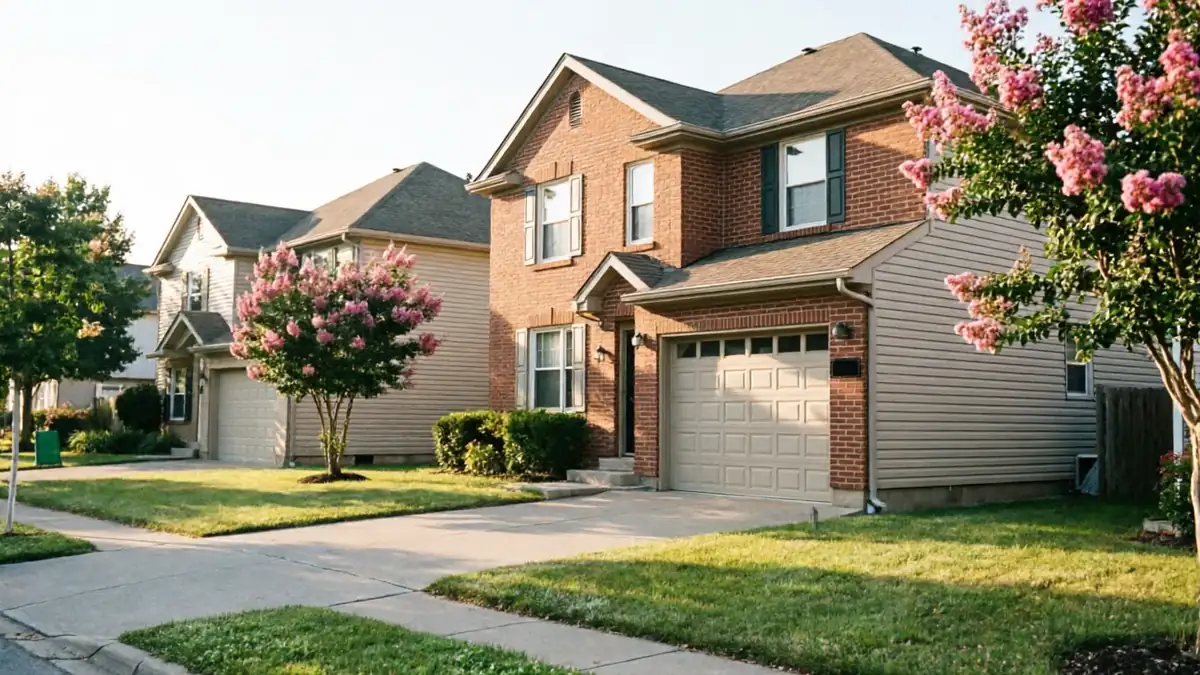
Housing across this service area runs from 1959 to 1999, with the median built around 1973, and that one number explains most of the opener calls we get. A chain-drive opener installed when a house was built in the early 1970s is now pushing fifty years old if it's never been replaced - well past the working life of any drive gear, however well it's been maintained. Across the roughly 20 named areas we cover, the bulk of the stock dates to that same 1960s-70s window, so this isn't one neighborhood's problem, it's the whole service area's.
Cold winters add a second layer: metal expands and contracts, lubricant in the drive gear thickens in the cold, and components that are already marginal from age fail faster in the first real cold snap. We see opener calls spike the same way every year for that reason. Between the age of the installed base and the climate load on moving parts, opener repair here tends to be about replacing worn mechanical parts rather than fixing software or remote-pairing issues, which is more what you'd expect in newer construction.