Serving Edmond, OK & nearby
(405) 337-9834
Edmond, OK

Is Your Edmond Garage Door Worth Fixing, or Done

Edmond homes mostly date to 1959-1999, median 1973. Here's how to tell if your original door and hardware still make sense to repair, or if it's time to replace.

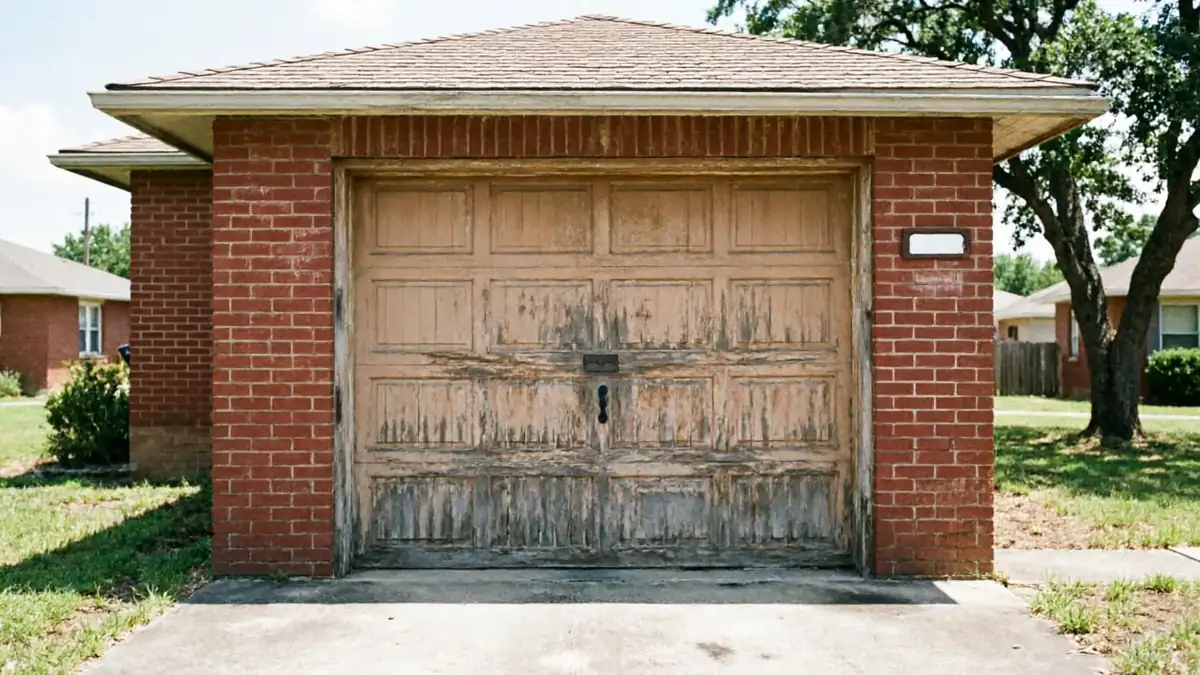
A weathered garage door with peeling paint on a brick garage.

When Waiting Is Fine

Not every noise or sticky spot means a call tonight. A lot of the housing stock around Edmond went up between 1959 and 1999, with the median build year sitting around 1973. If your door is from that era and it's still moving on its original track with no visible rust pitting on the springs, a little roller noise or a slow-closing photo eye usually isn't urgent. You can wait for daylight hours, wait for a weekend, wait until you've got a free afternoon to watch it cycle a few times and see if the problem is consistent or random. Random is often just dirt in the track or a loose bracket, both cheap fixes. Consistent binding at the same spot every time is a different story, but it still doesn't mean the door is finished. Doors from the 1960s and 70s in this area were built with heavier gauge steel than a lot of what gets installed today, and the torsion hardware on them, if it was ever upgraded, can run for decades. The instinct to replace at the first squeak costs people money they didn't need to spend. Give it a look before you give up on it.

The Situation

Edmond's service area covers a wide mix of older subdivisions, and most of them share the same build window. With 39,401 owner-occupied houses across roughly 70,136 households in the area, there's a huge base of doors that are 25 to 60 years old depending on which part of town you're in. Areas built in the 1960s and 70s often still have the original door panel even if the opener's been swapped once or twice. That matters because panel steel, spring wind, and track gauge from that period don't always match what's sold today, so a repair sometimes means sourcing a part rather than grabbing one off a shelf. On a median household income of $60,822 in this area, replacement is a real expense, not an easy yes. That's exactly why the fixing-versus-replacing call needs to be made door by door, not by age alone. A 1973 door in good shape with sound hardware can outlast a newer one that was installed cheap.

What Local Conditions Do

This is a cold-moderate climate band, which means the garage door hardware here goes through real freeze-thaw cycling every winter, not constant heat and not constant cold. That cycling is hard on springs and on the grease inside bearings. Steel contracts in a hard overnight freeze and expands again by afternoon, and it does that dozens of times a season. On an older door, that movement works at any rust that's already started on a spring coil or a hinge pin. It's one of the honest limitations here: a spring that's already showing surface rust on a 1970s-era door is a bad bet to leave alone through another winter, even if it's still working today. Heat matters less here than that daily swing does. If your door is from the original 1959-1999 building wave and it's never had the springs replaced, the freeze-thaw cycling is the reason age alone becomes a real factor, not just a number on a permit.

What to Look At First

Start with the springs, since they take the brunt of the freeze-thaw cycling in this climate band. Rust that's flaking rather than just surface discoloration means the spring is weaker than it looks, and on a door built before 1999 you're also checking whether the wind size even matches what's sold now. Next look at the track mounting brackets, especially on houses from the 1960s and 70s where the original lumber backing behind the bracket may have shifted over fifty-plus years of settling. A bracket that wiggles is a repair, not a replacement trigger, but it needs doing before the track pulls loose. Last, check the bottom panel for separation at the seams, which shows up more on original steel panels from that building wave than on anything made since. If the springs are sound, the brackets are tight, and the panel seams are solid, you're looking at a door that's earned another decade. If two of the three are gone, put the repair money toward a new door instead. We don't recommend throwing parts at a door that's failing in multiple places at once.
How it works

From “it’s stuck” to “it’s fixed”

A man stands in a driveway looking at his phone in front of a garage door.

Tell us what’s wrong

Describe the symptom - won’t open, loud bang, opener runs but the door won’t move.

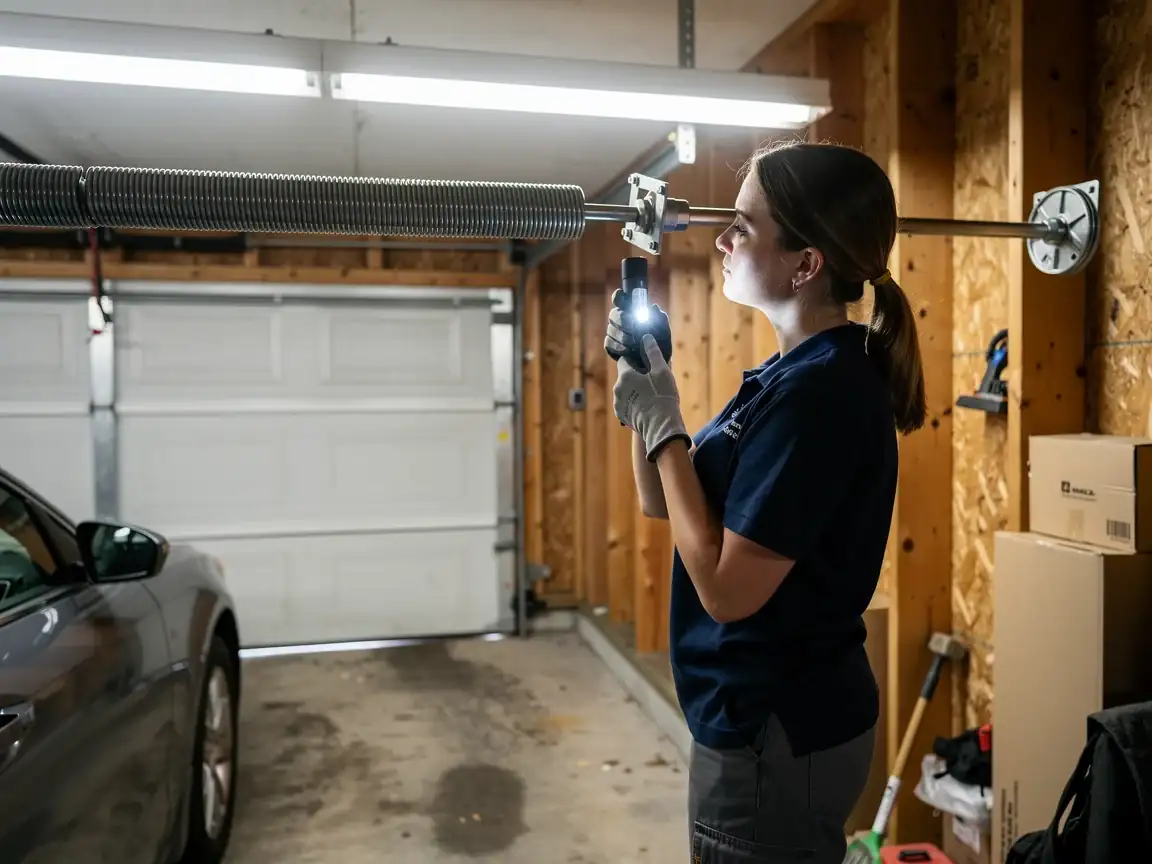
A technician shines a flashlight on a garage door torsion spring.

On-site diagnosis

A technician tests the door under power and by hand and finds what actually failed.

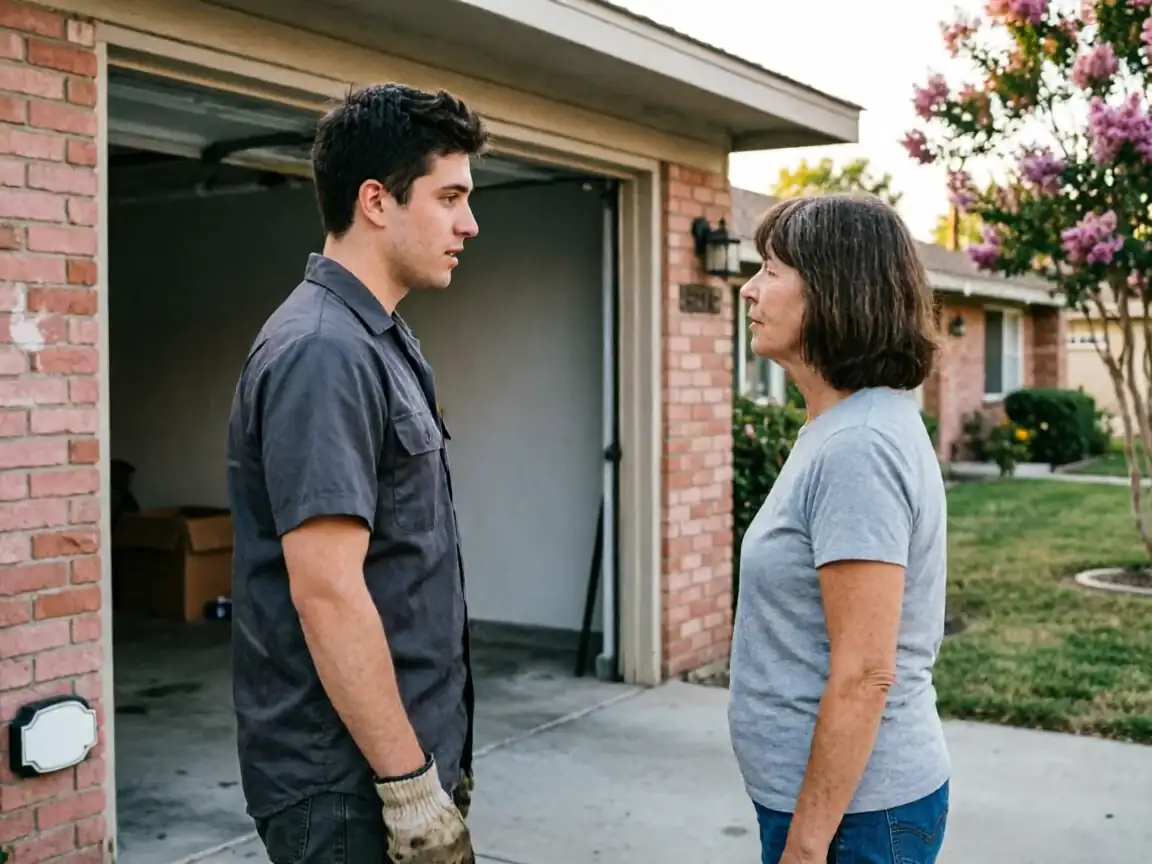
A technician talks to a woman in front of a brick house with an open garage.

Clear, up-front plan

You get the fix that’s needed and what drives the cost - before any work starts.

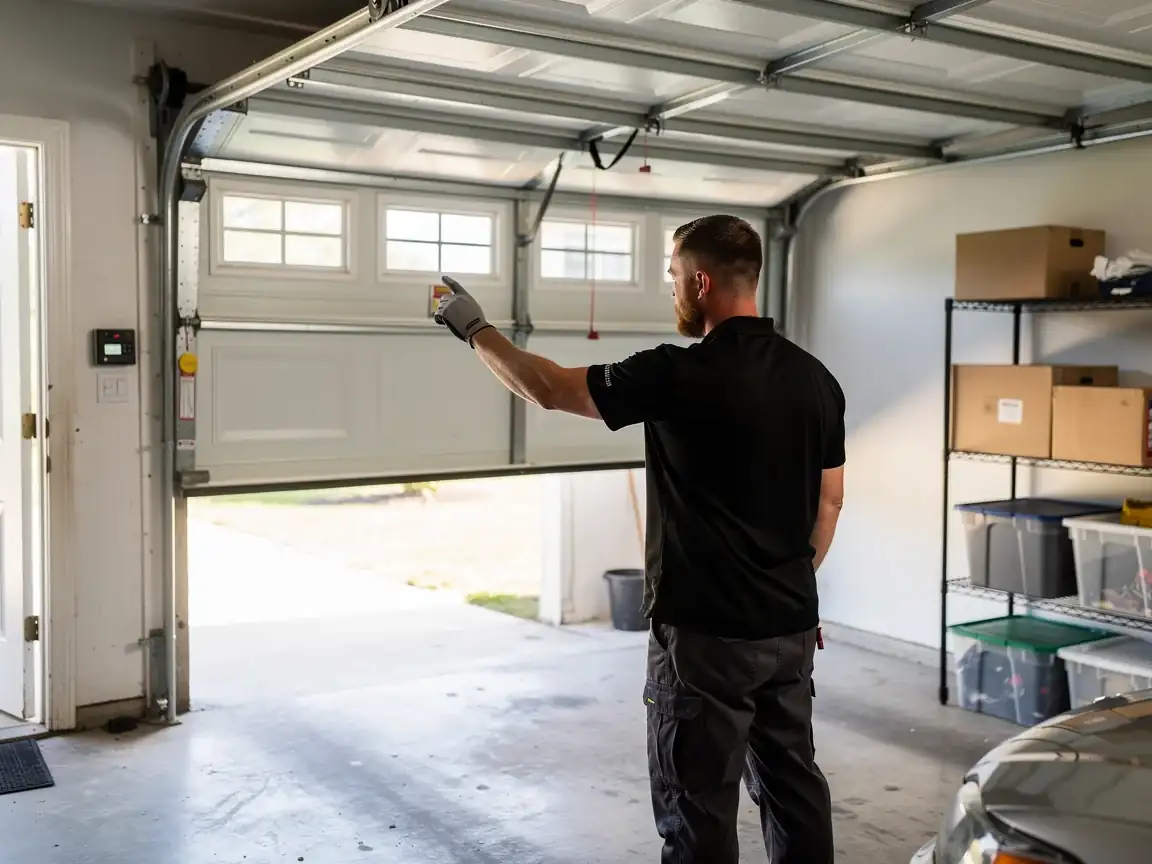
A technician points at an open white garage door with windows from inside a garage.

Repaired & tested

The repair is done, the door is set true and tested, and the work area left clean.

Not sure which repair your door needs in Edmond, OK? Describe what it’s doing - every job starts with a diagnosis.

How we work

What to expect

Diagnosis firstEvery visit starts by finding what actually failed - not a pre-written parts list.
The right part for the doorSprings and openers matched to the door’s weight and age, so the fix holds up.
Straight answersWhen a repair makes more sense than a replacement - or the reverse - you hear it plainly.
Clean, careful workTension released safely, hardware set true, the door tested under power before we leave.
What we do

Garage Door Services

Repair and installation work for Edmond homes and businesses.

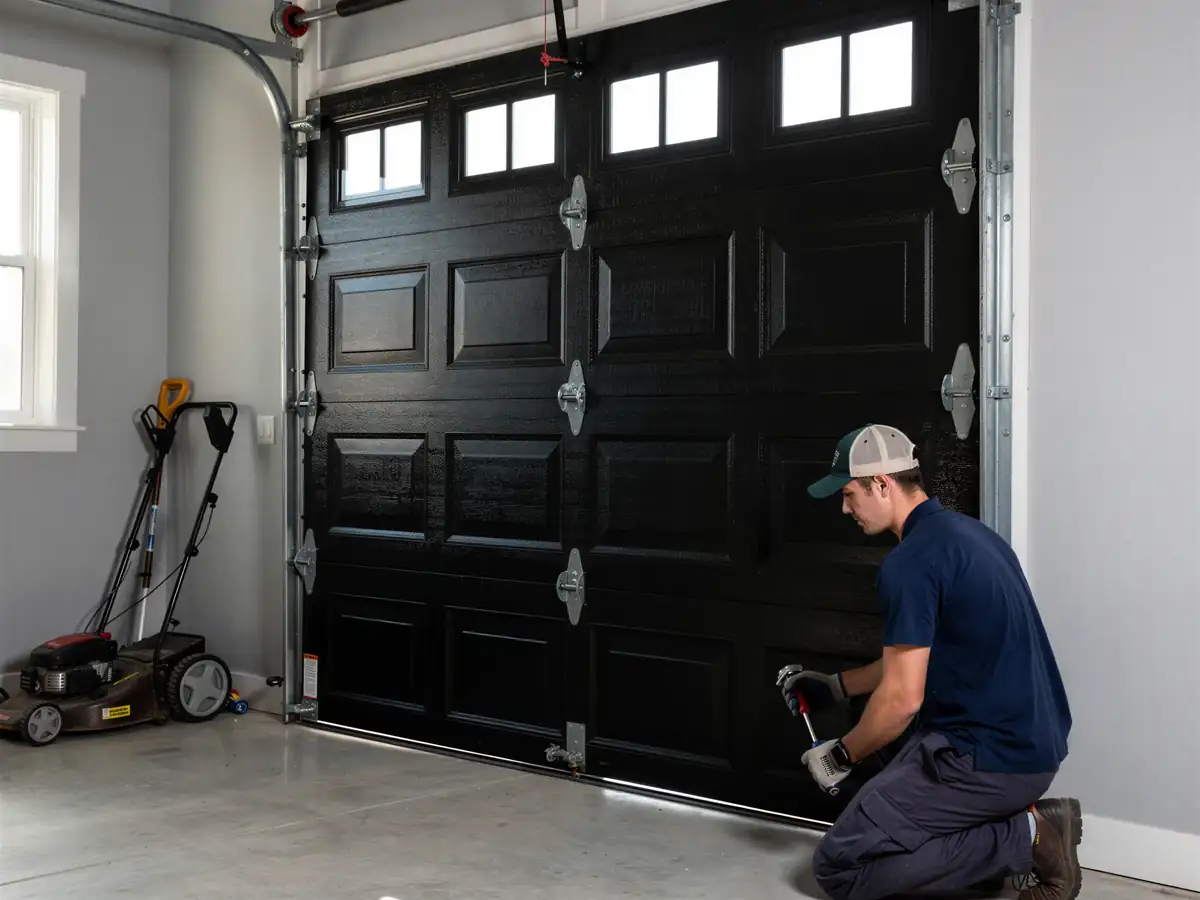
A technician kneels to work on the bottom panel of a black garage door.

Garage Door Repair

Edmond homes built between 1959 and 1999 often run original torsion hardware that struggles through cold winters. Edmond Garage Door Pros repairs it right.

Learn more
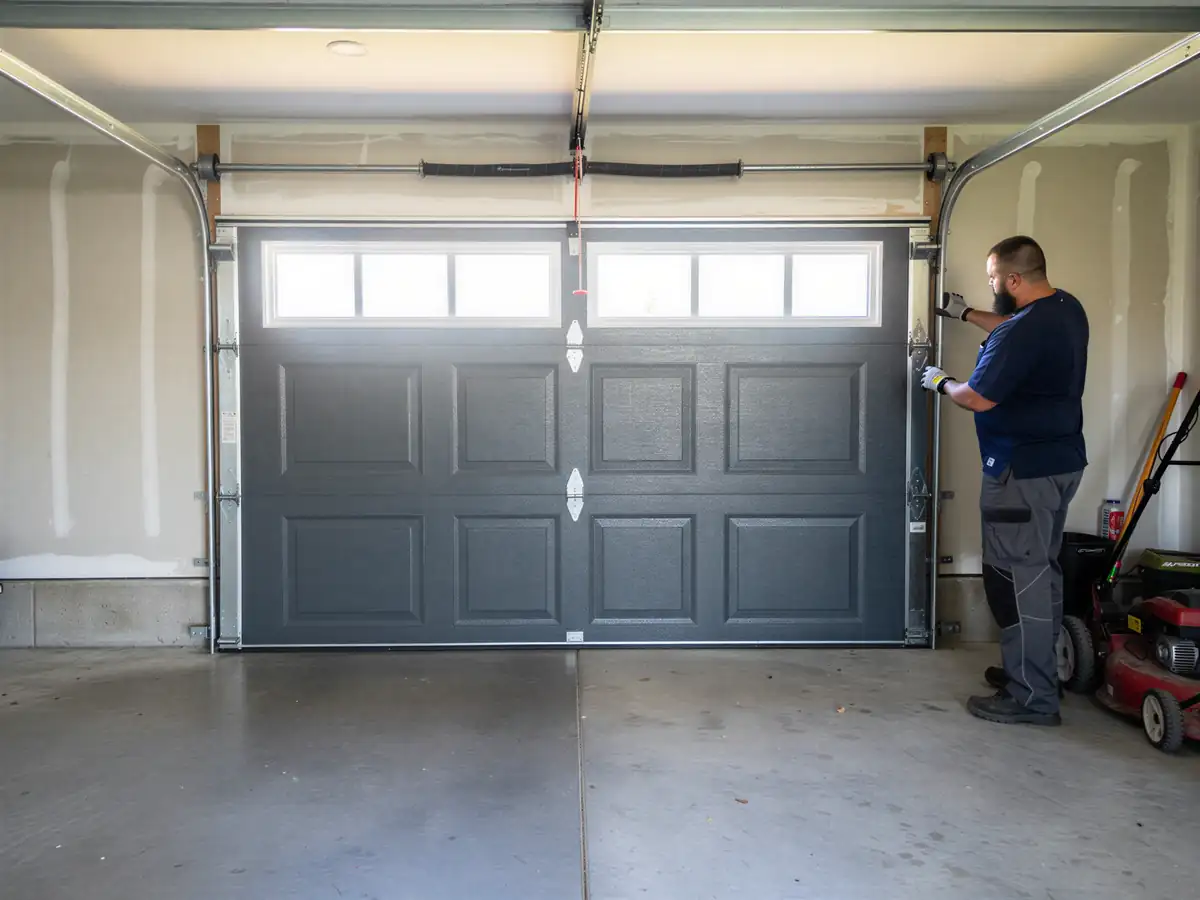
A technician adjusts a closed gray garage door with windows in a garage.

Garage Door Installation

New garage door installation for Edmond homes built 1959-1999, sized for original openings and framed for cold-climate wind load. Call for a measured quote.

Learn more
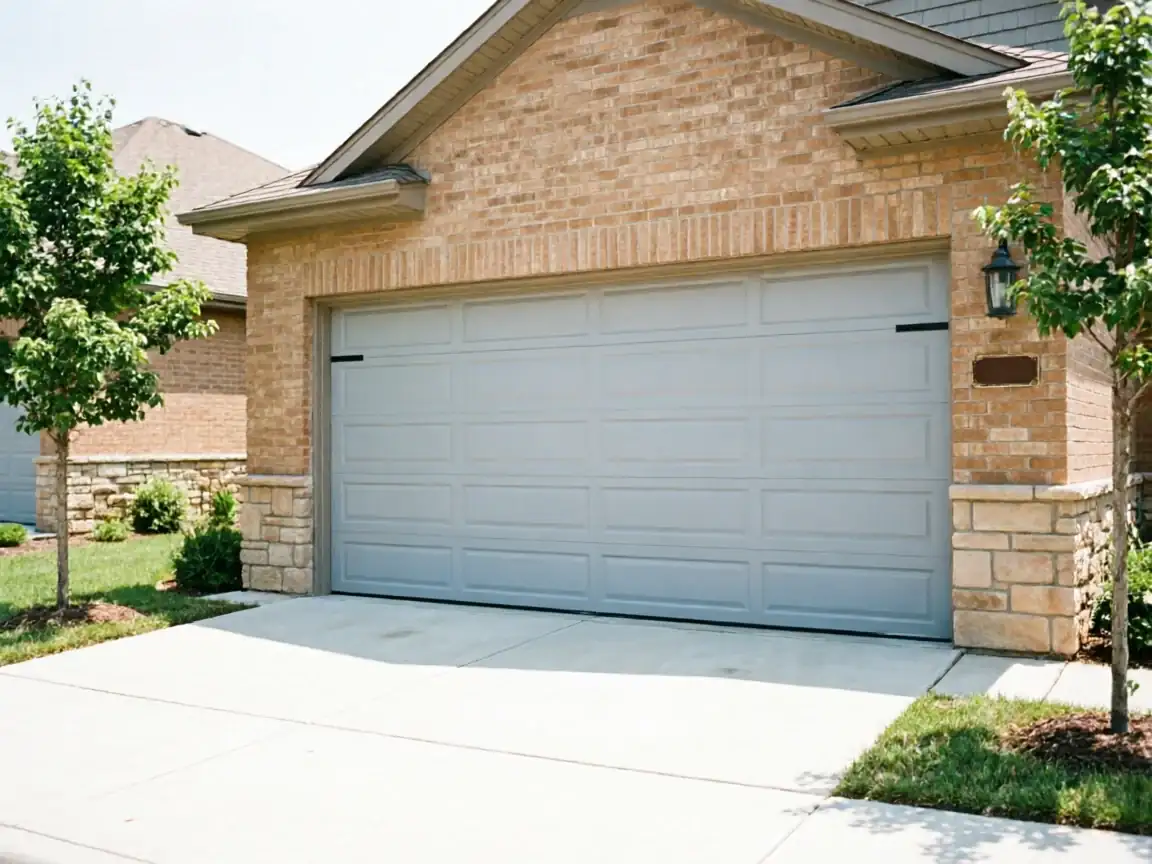
A light gray garage door is on a brick house with stone accents.

Garage Door Service

Garage door repair and tune-up service for Edmond homes built mostly in the 1960s-70s, where original torsion springs and openers are now past their working life.

Learn more
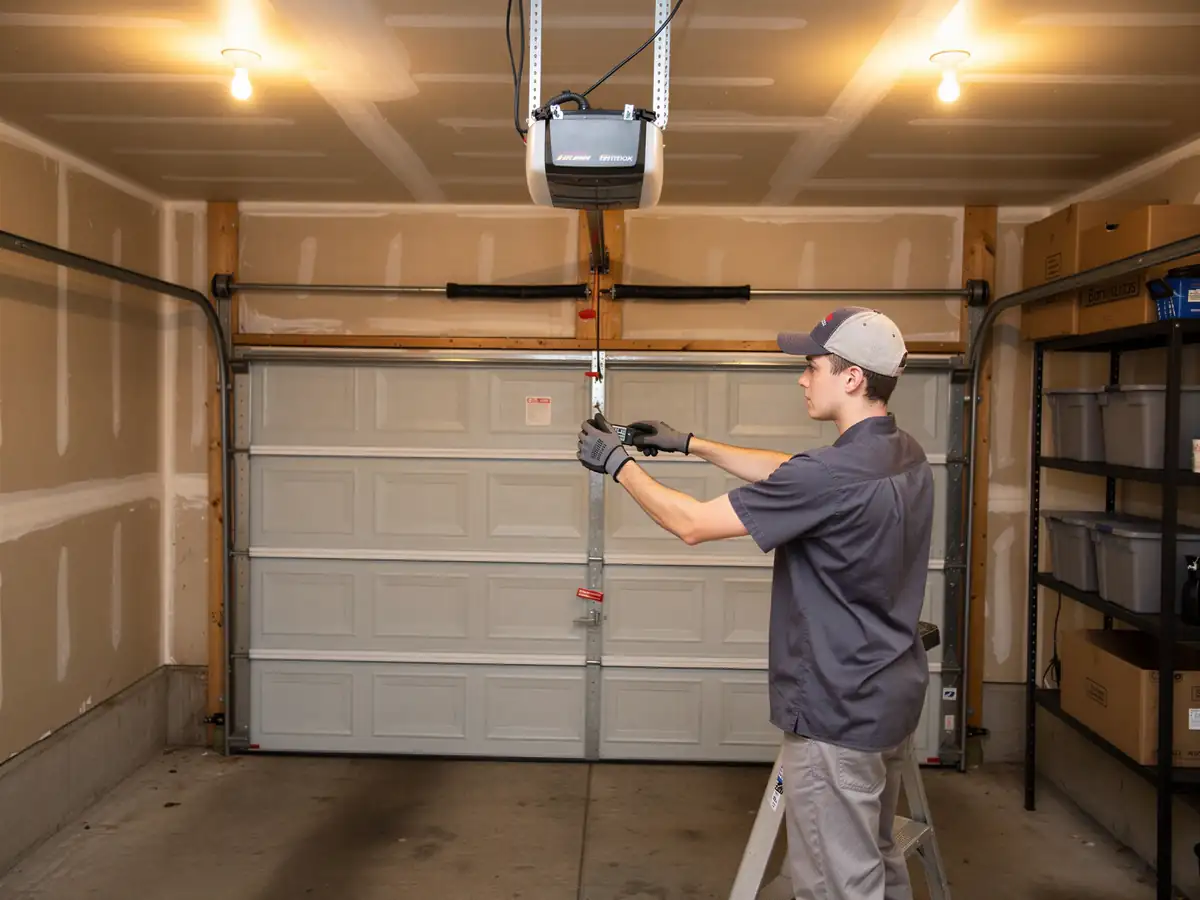
A technician on a ladder adjusts a garage door opener's safety sensor.

Opener Repair

Opener repair for Edmond-area homes built mostly in the 1960s-70s, where original hardware and cold winters wear out drive gears and circuit boards together.

Learn more
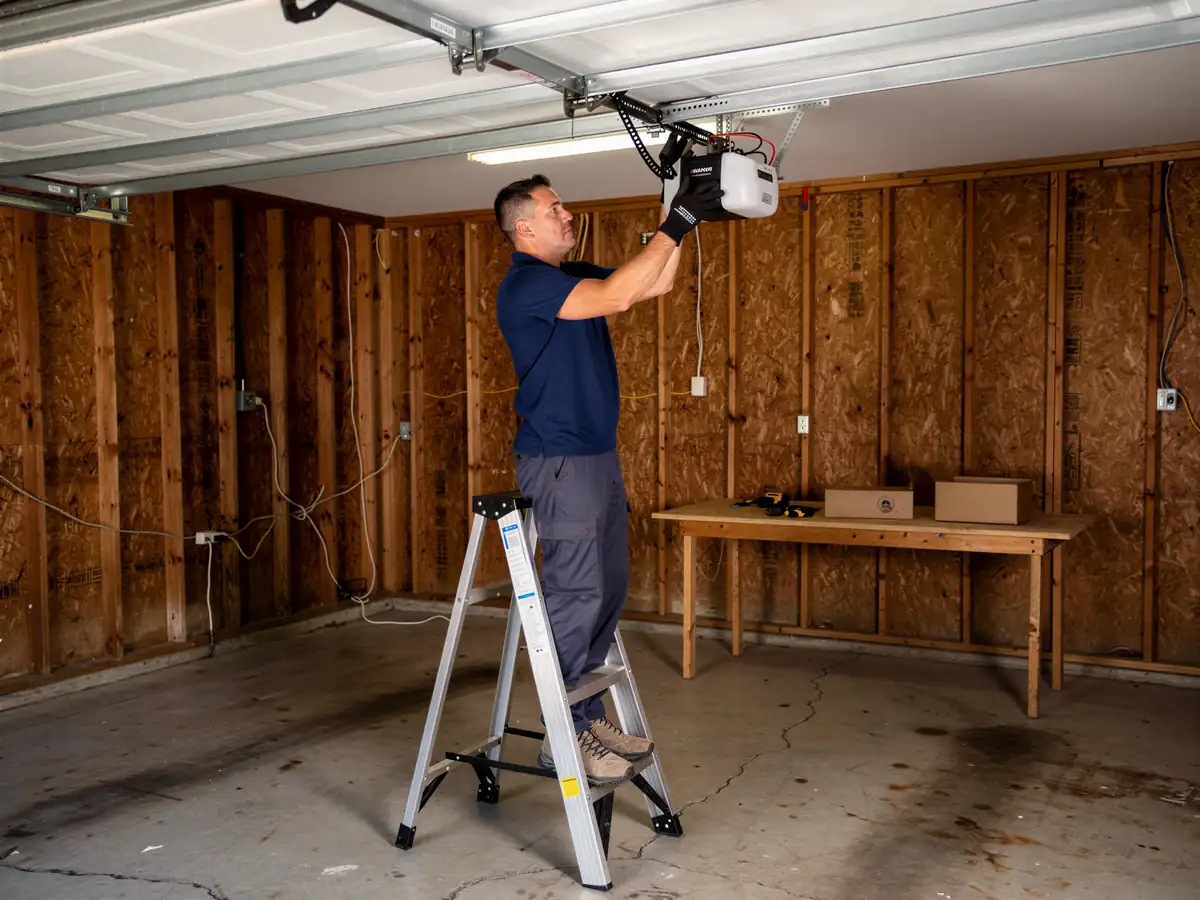
A technician on a ladder installs a garage door opener in a garage.

Opener Installation

Opener installation for Edmond's 1960s-90s housing stock and cold-moderate winters. Belt, chain, and screw-drive units matched to your door's age and track.

Learn more
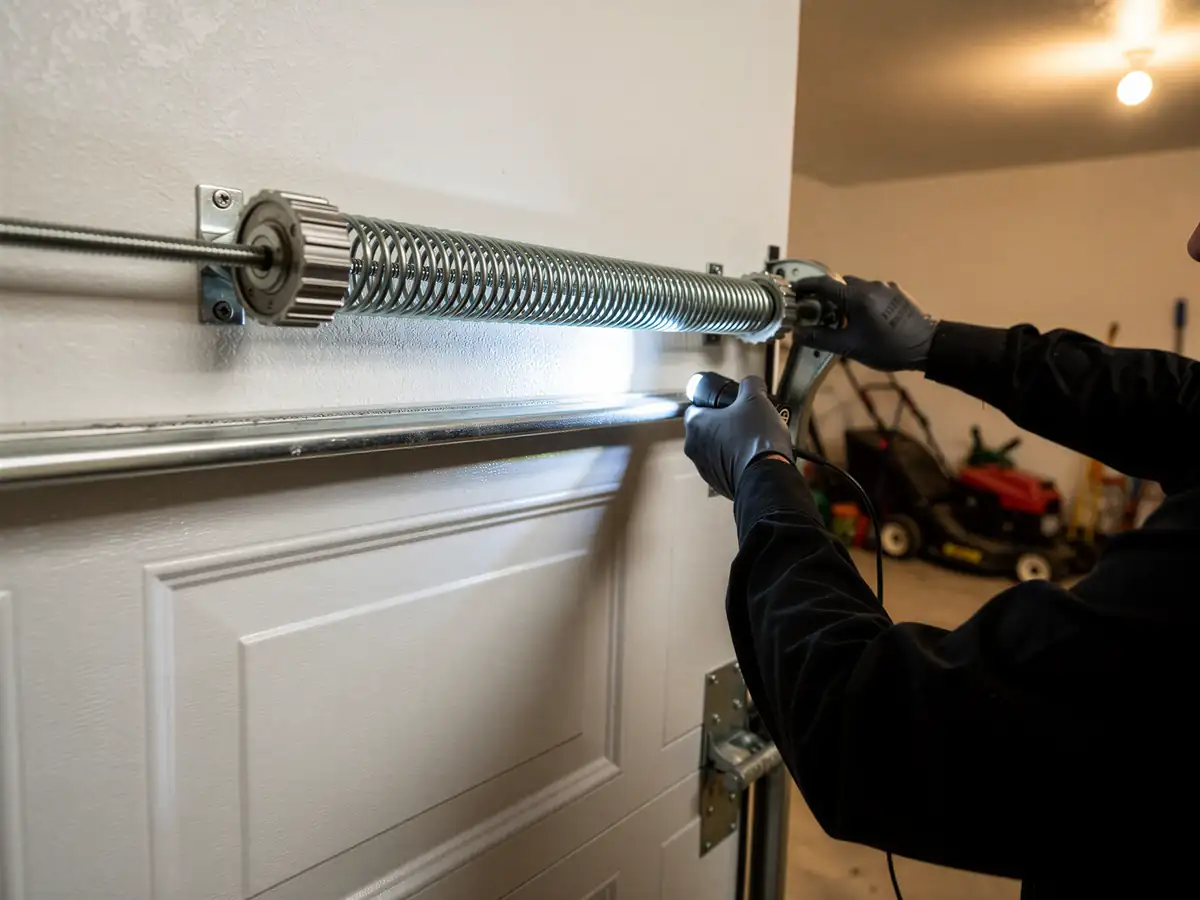
A technician in black gloves works on a garage door torsion spring.

Spring Repair

Broken torsion or extension spring on an Edmond, OK garage door? We explain what's involved, what to watch for, and why this area's housing stock sees it so often.

Learn more
A technician in gloves adjusts a garage door roller on its track.

Roller Replacement

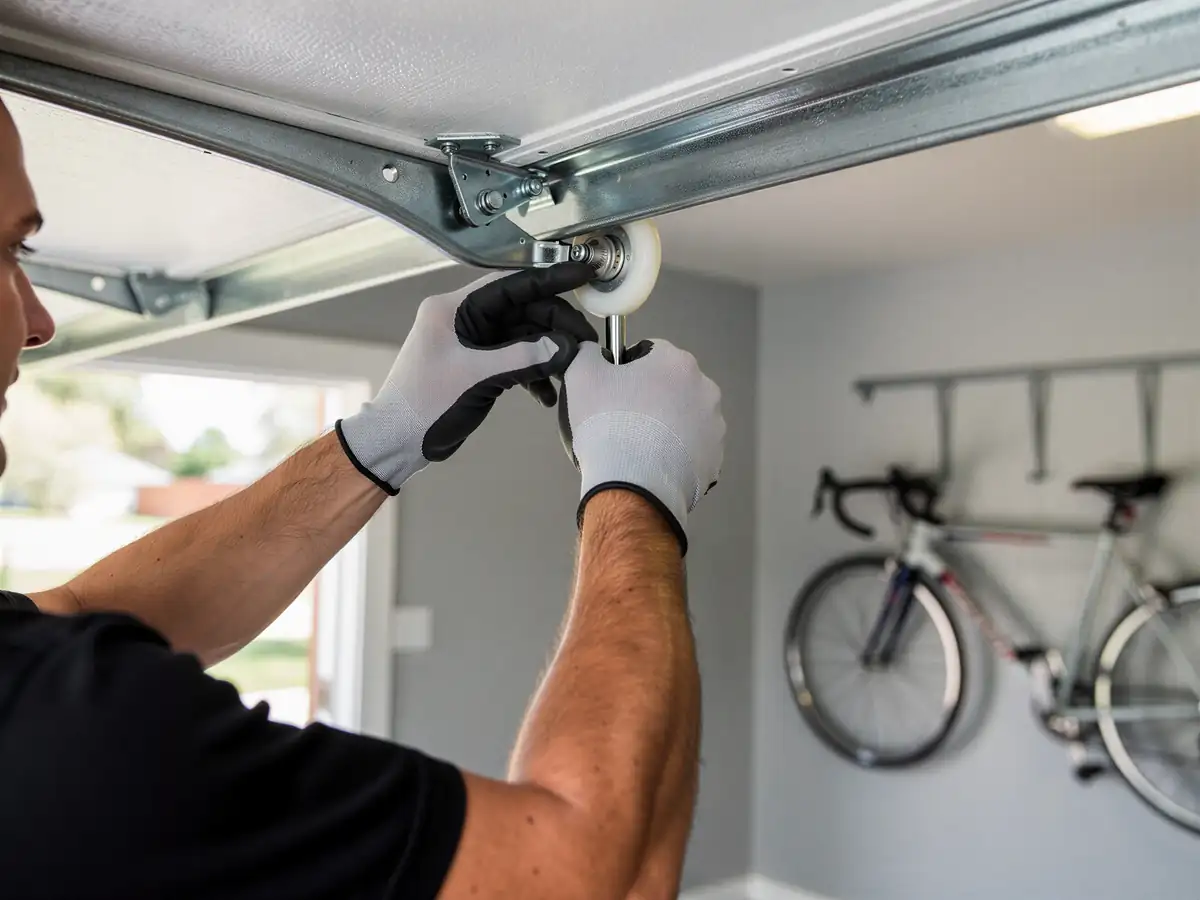
Steel rollers on 1960s-70s Edmond homes wear out and bind. We replace them with nylon rollers built for cold-moderate swings. Service across the Edmond area.

Learn more
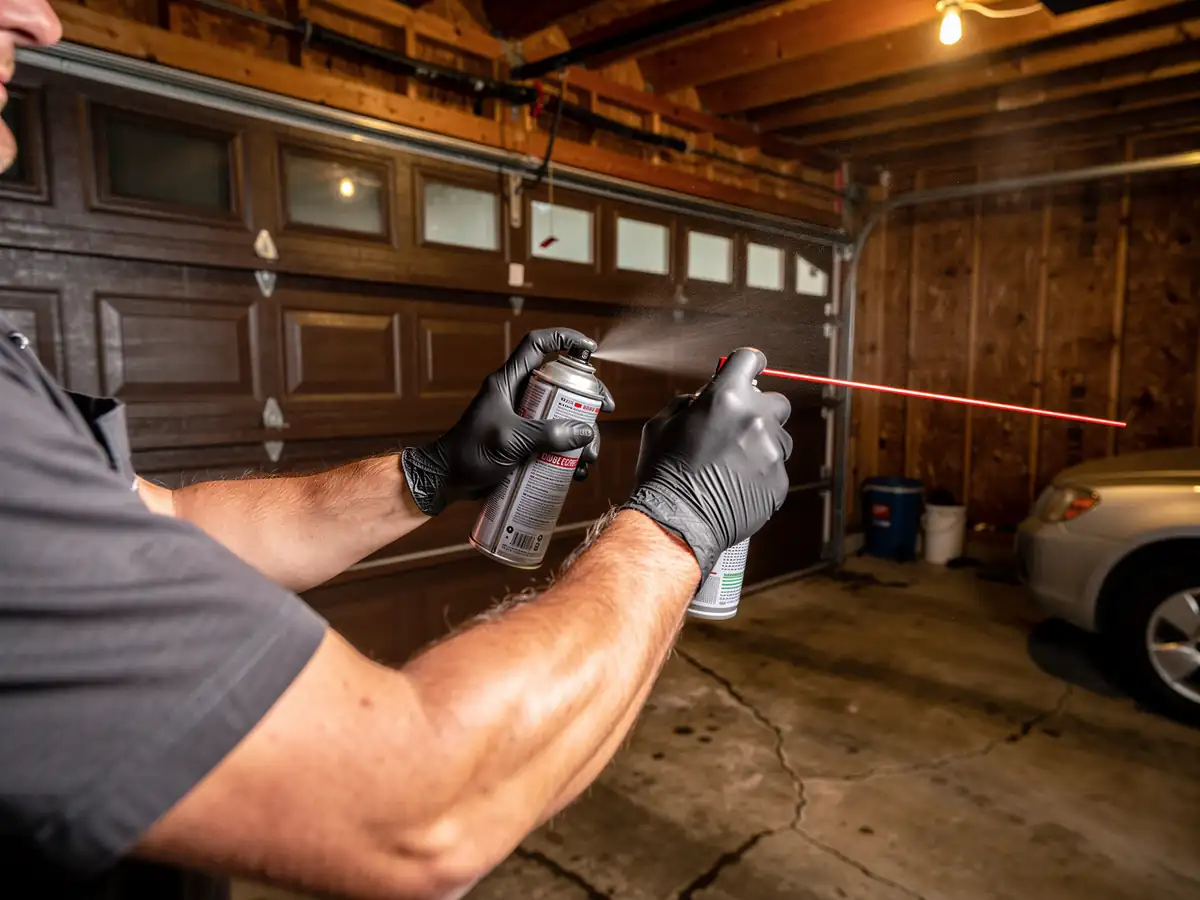
A technician sprays lubricant from two cans in a garage with a brown door.

Maintenance

Garage door maintenance for Edmond, OK homes built mostly 1959-1999 in a cold climate band - what a real tune-up covers, what fails first, and when it's a repair call instead.

Learn more
Questions

Frequently asked

Straight answers about garage door repair in Edmond. Still unsure? Ask us directly.

How do I know if my garage door is original to the house?

If your Edmond home was built between 1959 and 1999, check the panel for a manufacturer stamp or look at the spring mount style. Side-mounted torsion hardware and heavier panel seams are common on the earlier end of that range. If nobody's mentioned replacing it, there's a decent chance it's original.

Does the Edmond climate actually wear out garage door parts faster?

The cold-moderate climate here means regular freeze-thaw cycling through the winter, which is harder on spring coils and bearing grease than steady cold or steady heat would be. It's a slower wear pattern than extreme weather causes, but it adds up over decades on an older door.

Is it worth replacing just the spring on a 1970s door?

Often yes, if the track and panel are still sound. A spring replacement is far cheaper than a full door, and a well-maintained 1970s-era panel with solid steel can keep working for years after. The spring is a wear part; the panel usually isn't the thing that fails first.

When does it stop making sense to repair an old door?

When you're looking at rust on the springs, loose brackets, and separating panel seams all at once. One of those is a repair. All three together usually costs more to fix piecemeal than to replace, especially on a door built before parts were standardized to what's sold today.

Ready to get your garage door sorted?

Tell us what it’s doing and where you are in Edmond - we’ll take it from there.

Request a QuoteCall