Can You Do This Yourself
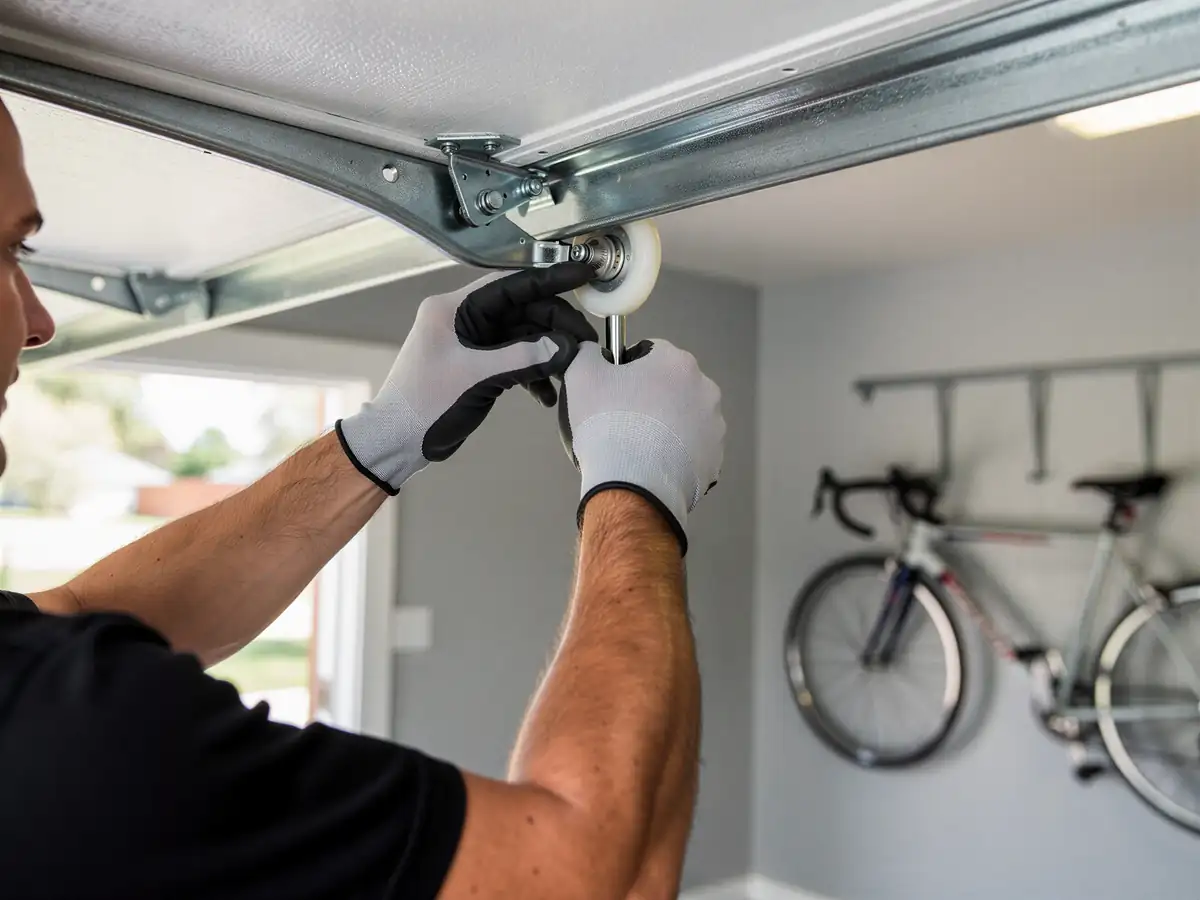
Swapping a roller or two is within reach if you've got the right clamps, a socket set, and patience with spring tension. The track bolts are usually rusted or painted over on houses from this era, so plan on extra time just breaking them loose. Where it gets risky is the bottom rollers nearest the cables - if you don't know how to release tension safely first, you can pull a cable off its drum or worse. We've been called out plenty of times after a homeowner got three rollers done and then hit a stripped bracket or a bent track they didn't expect. If it's one roller on a door that still tracks straight, go for it. If the door is binding, slamming, or the track is visibly warped where the roller rides, that's past a weekend fix - call it in before you turn a $20 part into a bent track replacement.
One honest limit here: we don't stock every roller size on the truck for every door brand built in this area's older subdivisions. Some of the original steel-stem rollers from 1970s-era doors use a stem length nobody makes anymore, and that means a short wait on parts rather than a same-visit fix.
What the Fix Involves
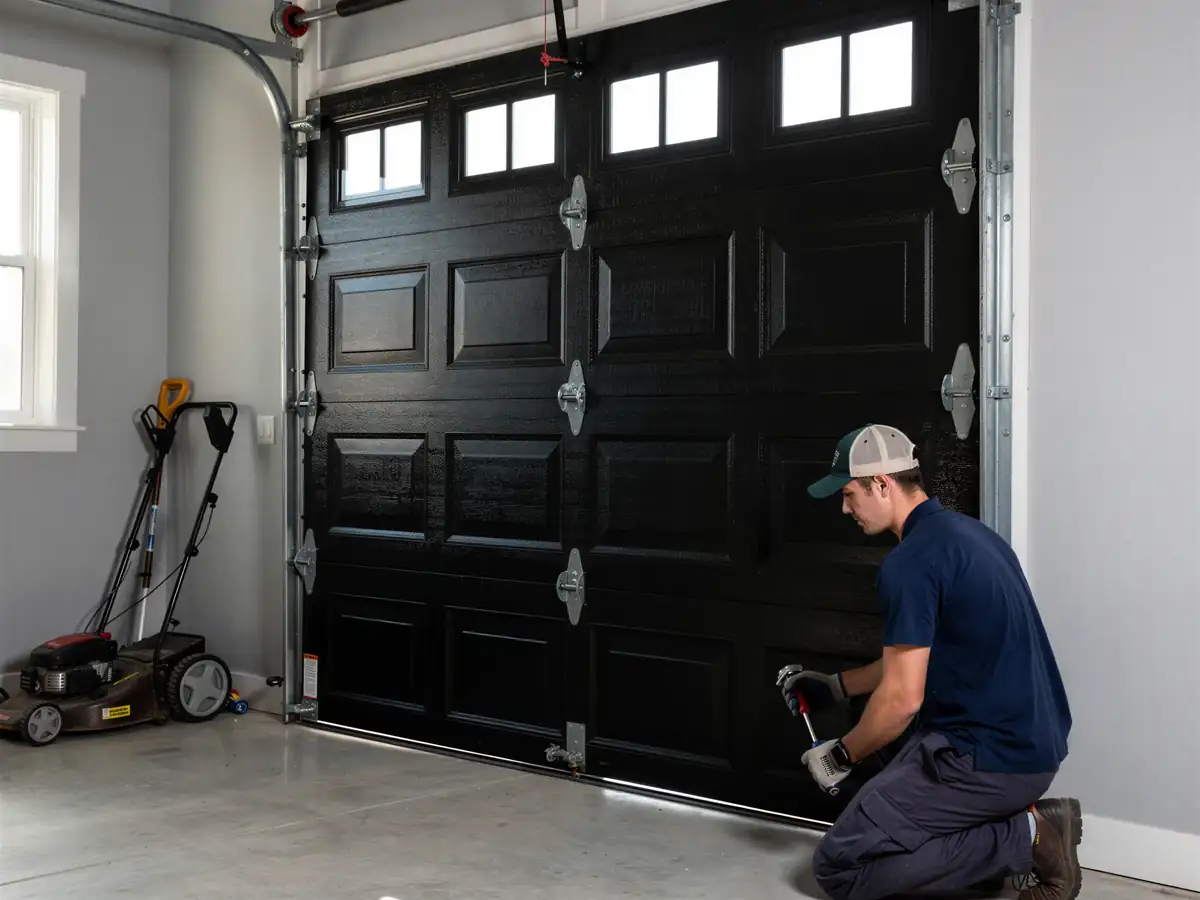
We pull the door, release spring tension, and work one roller at a time so the door never comes fully off the track
Steel rollers get swapped for sealed nylon rollers with ball bearings - quieter, and they don't need the periodic oiling steel stems do. On older tracks, worn rollers have usually chewed a groove into the track rail itself, so part of the job is checking whether the track needs straightening or replacing alongside the rollers, not just dropping new ones in.
We also check the hinges and brackets the rollers sit in
On houses from the 1960s and 70s stock common across this area, those brackets are often the original stamped steel, and after decades of a roller grinding sideways in a bent track, the bracket holes elongate. A new roller in an elongated bracket hole just goes back to binding in a few months, so that gets fixed at the same time or the repair doesn't hold.
What You Are Seeing
A grinding or scraping noise right as the door passes a certain point in the track is usually a flat spot worn into a steel roller. If the door jerks or hesitates at the same spot every time, that's a roller that's stopped turning and is now just dragging. Rust streaks on the track, or a roller that looks oval instead of round, both point the same direction.
Sometimes it's not noise but drift - the door closes slightly crooked, or one side reaches the floor before the other. That's often a roller near the bottom bracket that's worn down unevenly, changing how that corner of the door rides. None of these are emergencies the way a snapped spring is, but they don't fix themselves, and a roller that keeps grinding against a track eventually wears the track too.
What Causes It Around Here
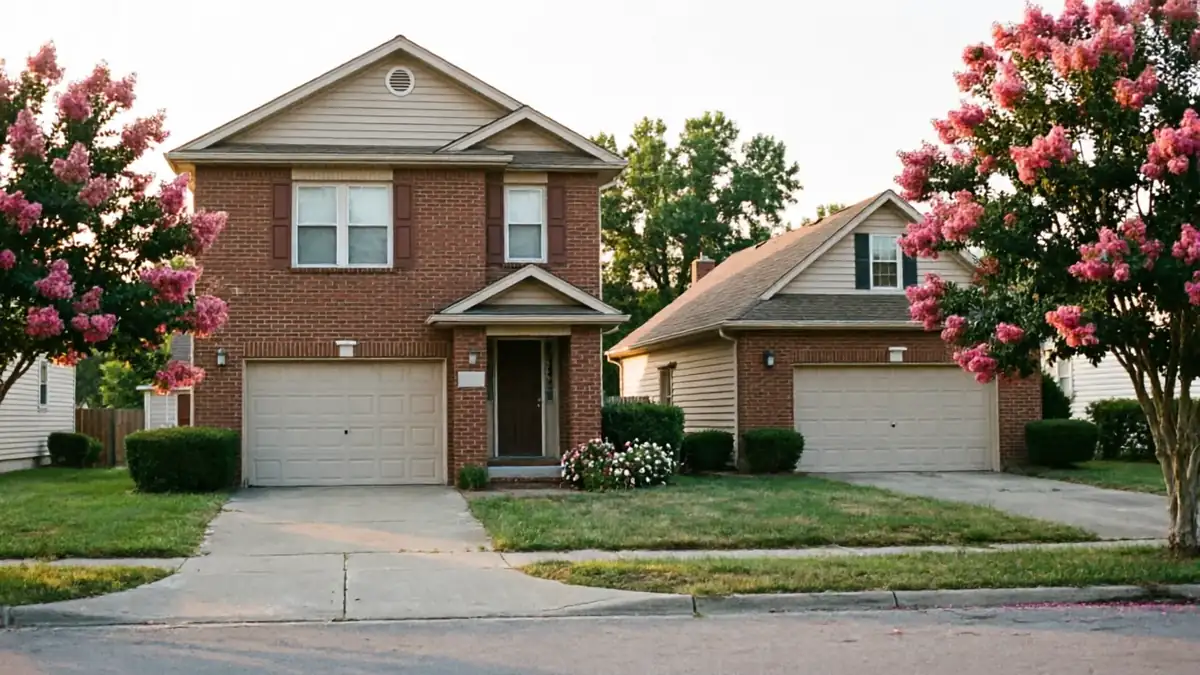
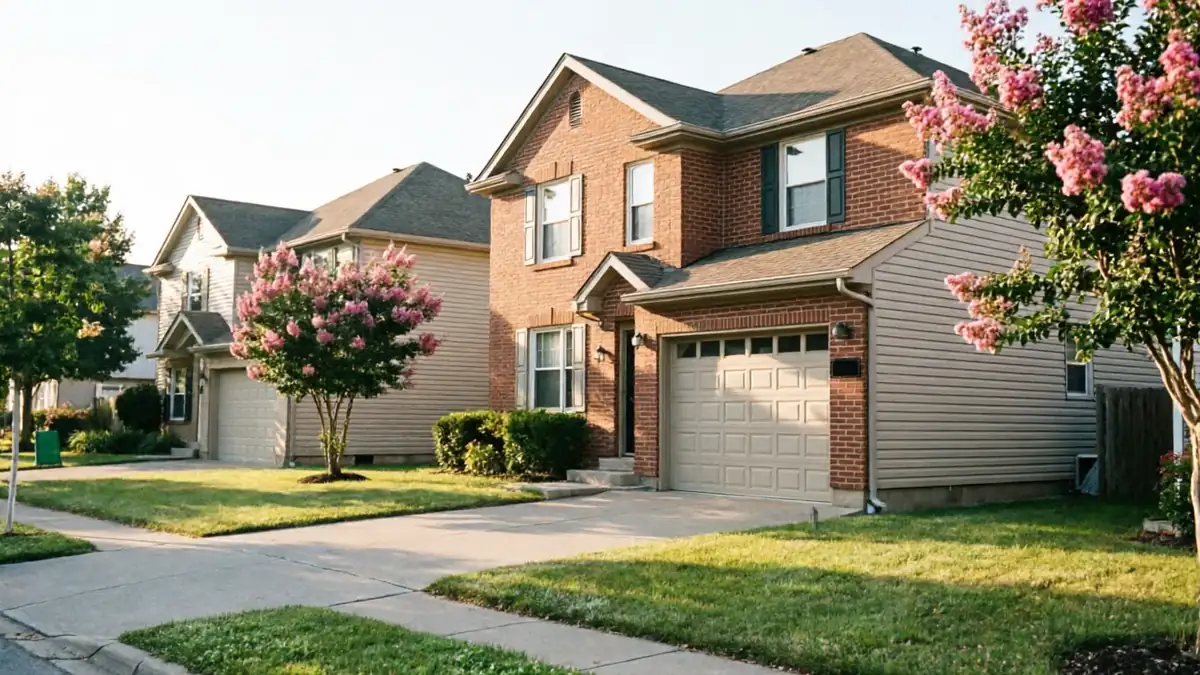
Housing across this service area mostly went up between 1959 and 1999, with the typical house dating to 1973, and that build era matters for this specific part. Doors from that period came with steel rollers on steel stems, a design that was standard for decades before sealed nylon rollers took over. Those steel rollers depend on grease staying put in the stem, and grease breaks down with time and temperature regardless of how well the door was installed.
Edmond sits in a cold-moderate climate band, which means rollers go through a real seasonal cycle - stiffening up in cold snaps, then running hotter and drier in summer, each swing working the grease out a little faster than a mild, steady climate would. On a door original to a house built in the early 1970s, that's fifty-some years of seasonal cycling on parts that were never meant to be sealed or maintenance-free. It's one of the most common calls we get precisely because so much of the local stock sits in that same build window.