Can You Do This Yourself
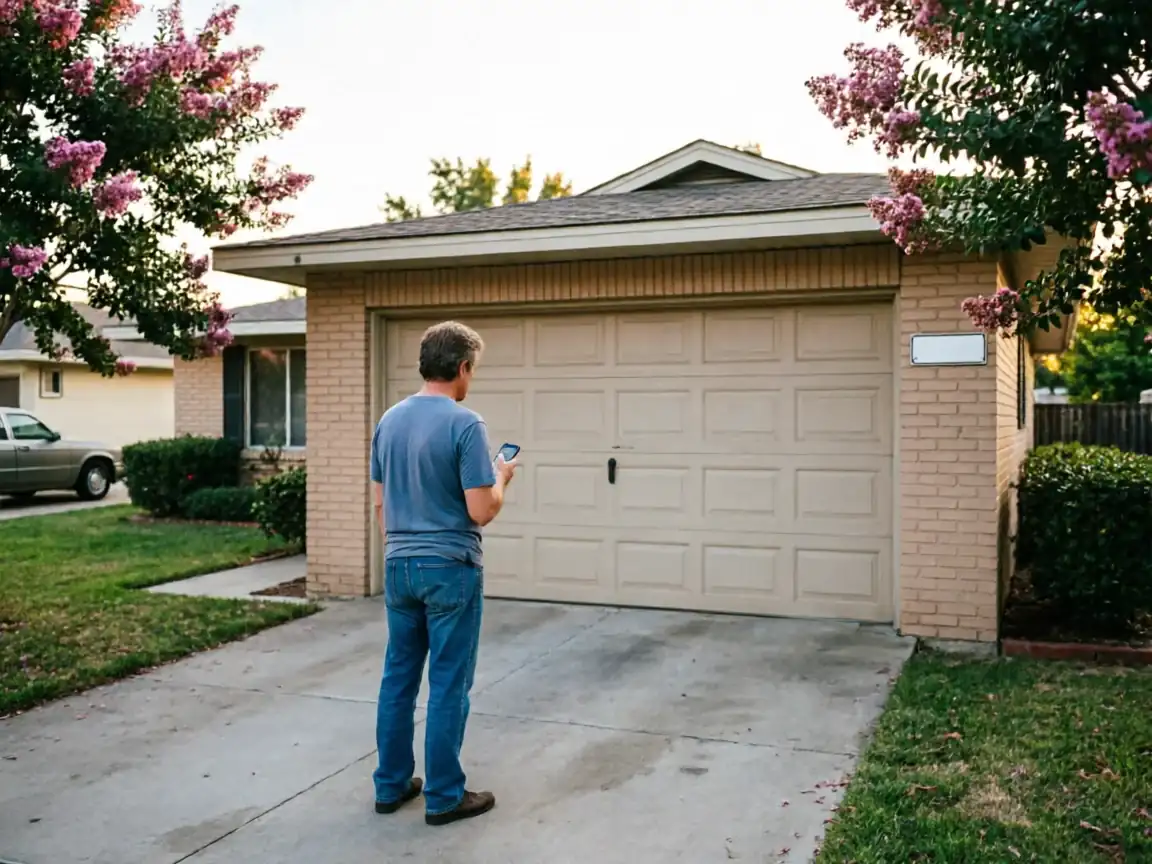
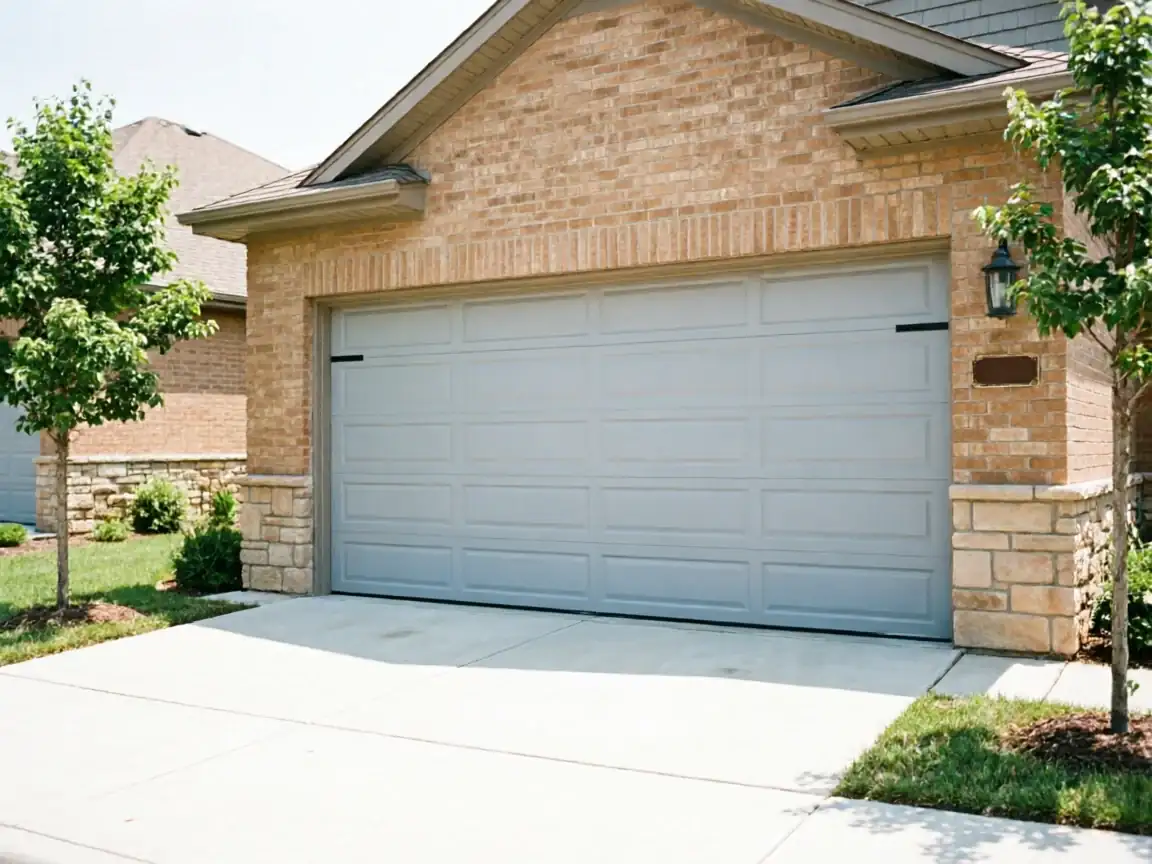
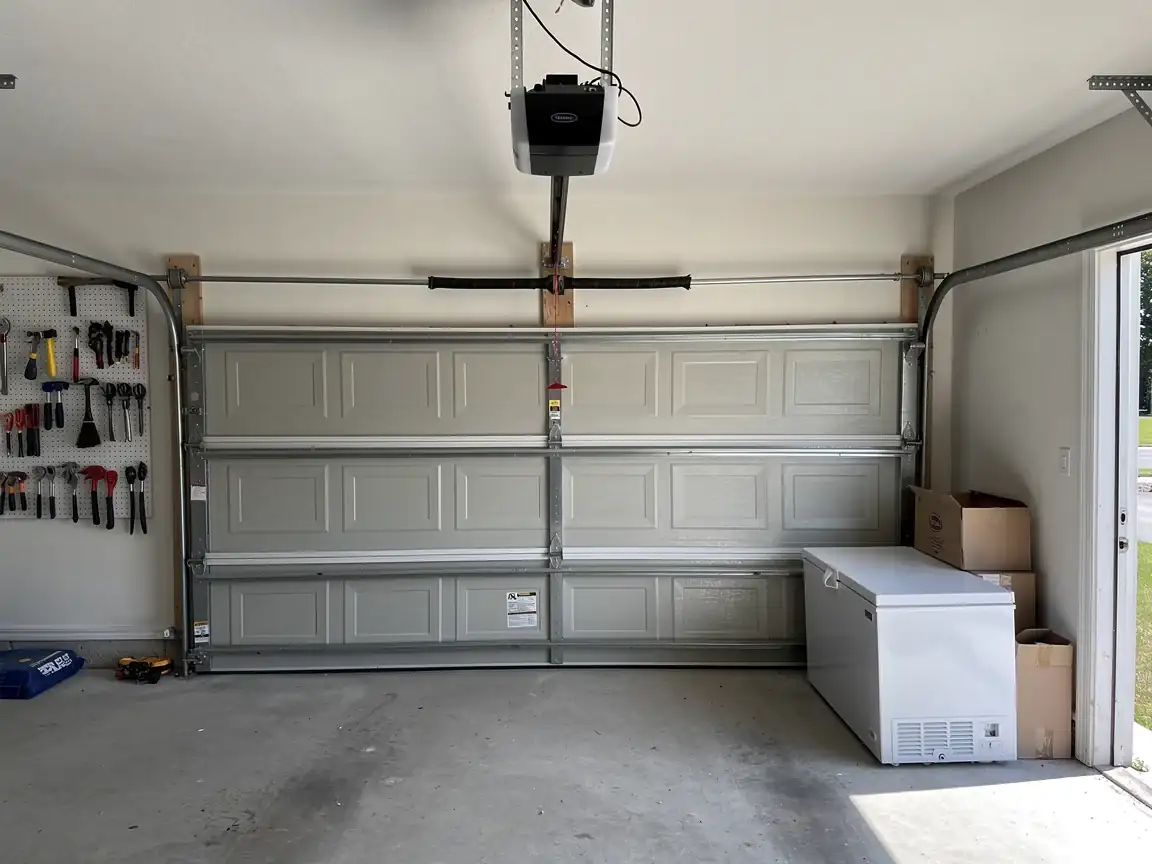
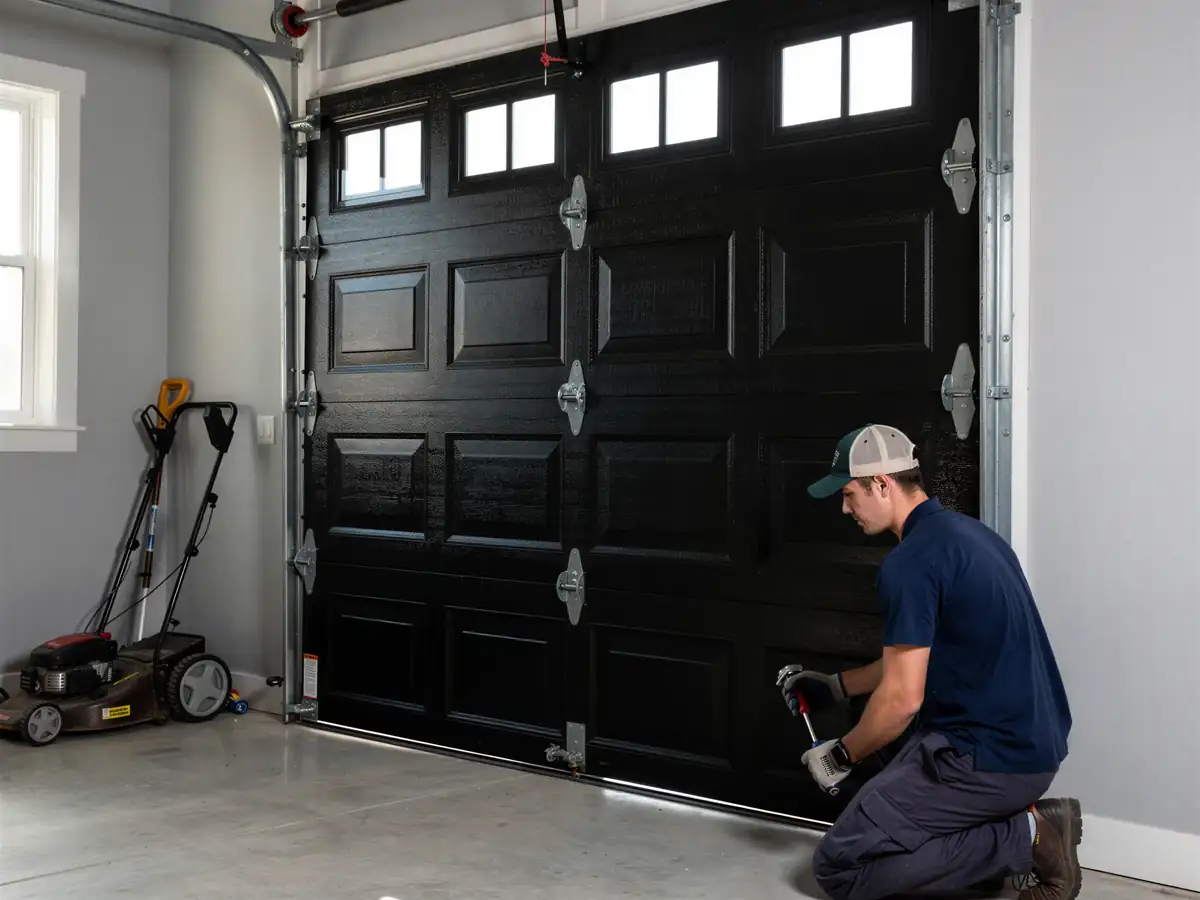
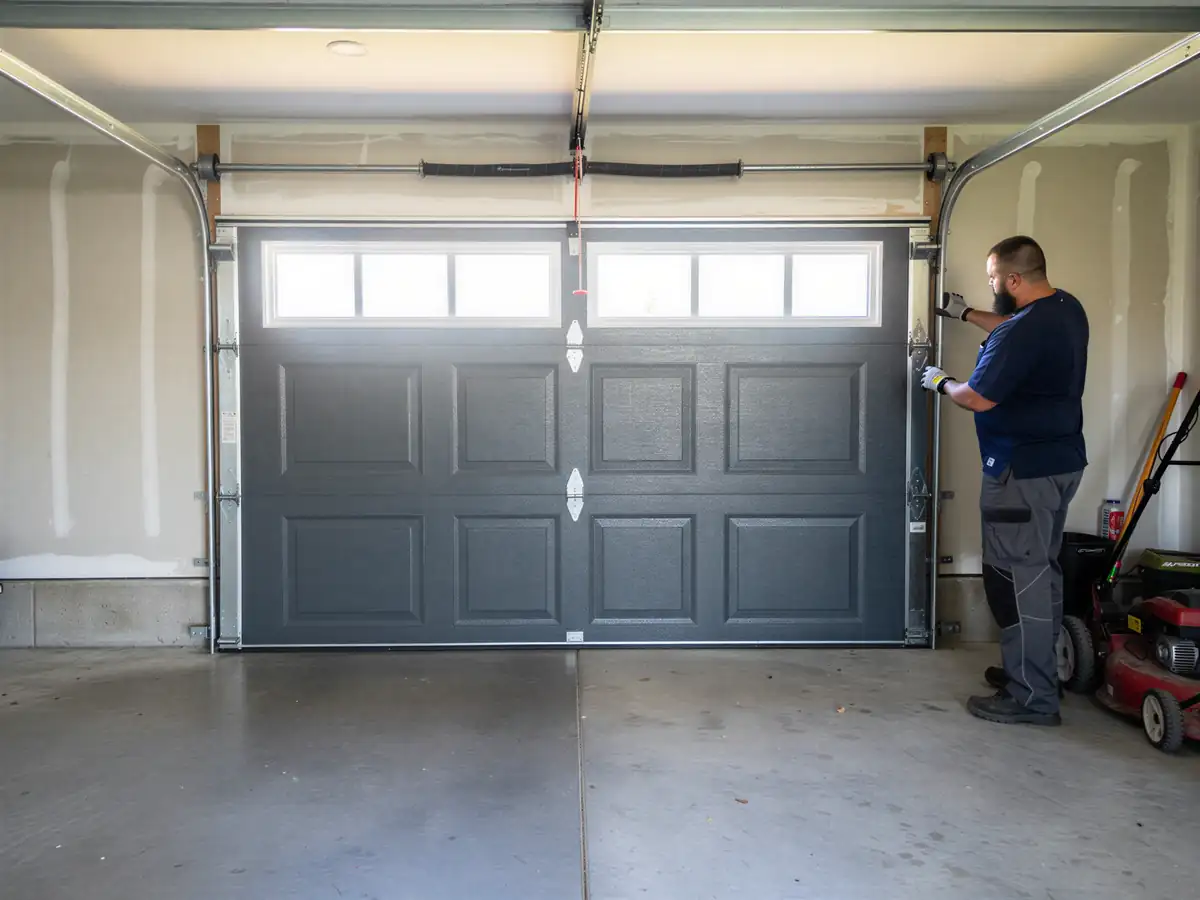
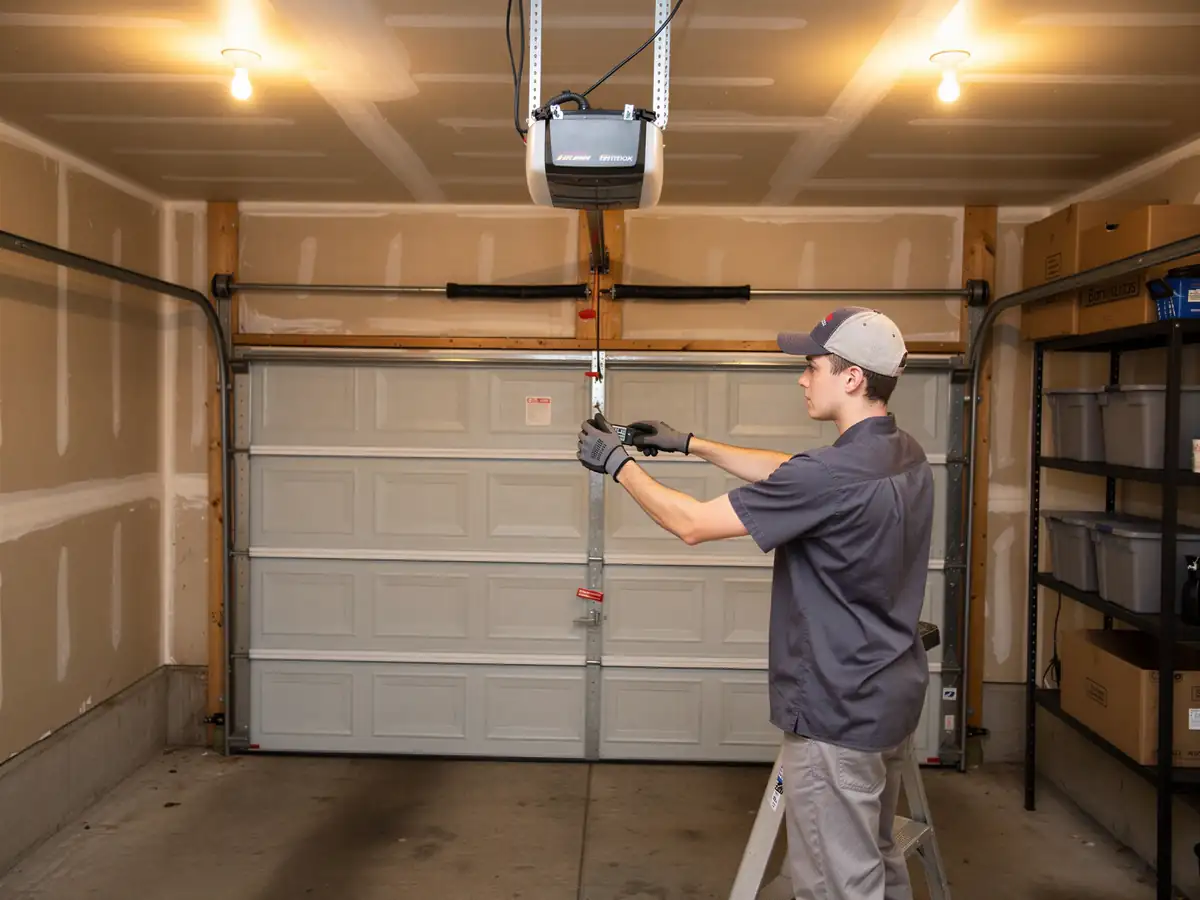
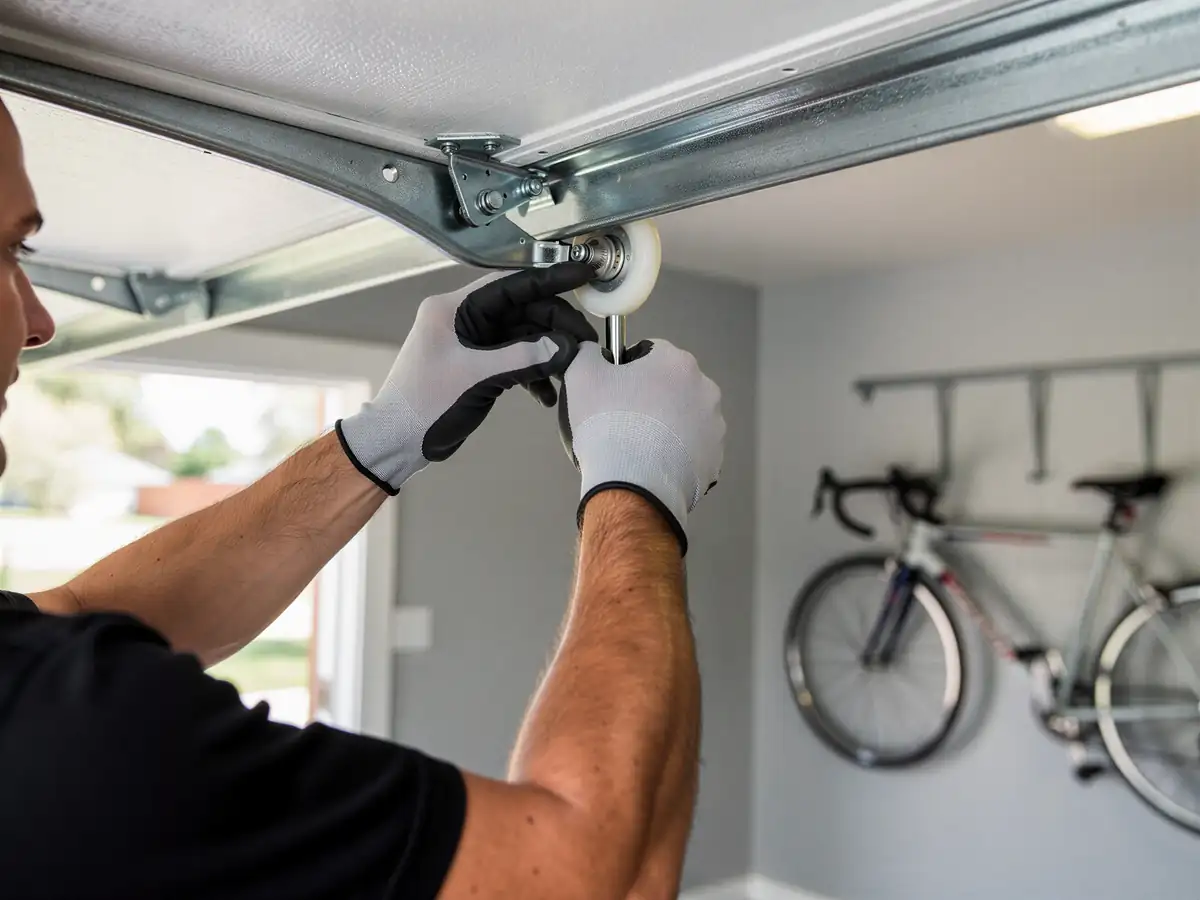
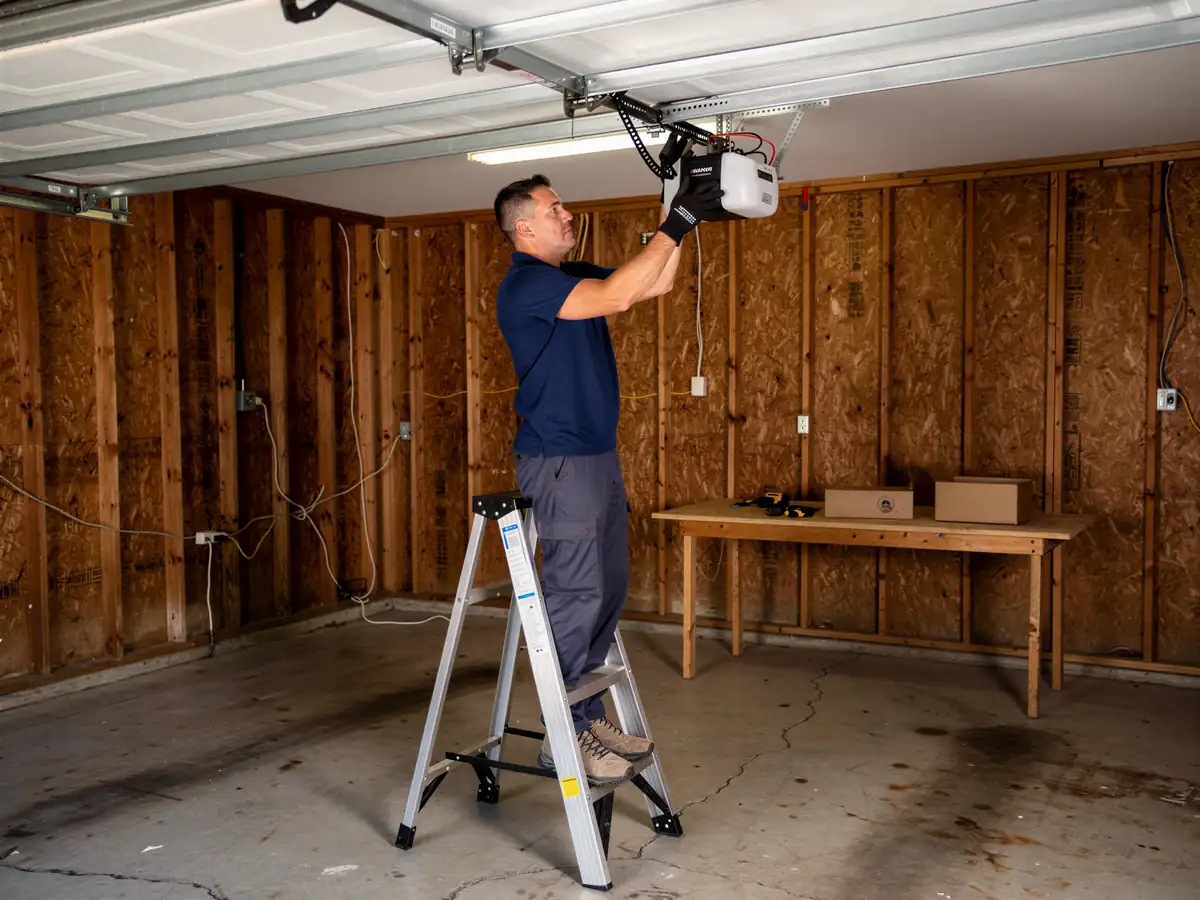
Mounting an opener bracket and plugging in a new unit looks like a weekend job, and for some homeowners it is. Where it stops being a DIY job is the safety reversal setup, the travel limits on a door with a header built before openers were standard, and matching the opener's lift capacity to a door that's heavier than the box says because of age or a replacement panel swap somewhere along the way. Across the service area, a lot of houses went up between 1959 and 1999 (median year 1973), and that range covers several generations of door hardware, track spacing, and header framing. An opener sized for a modern insulated steel door can strain against an older wood door that's picked up decades of paint and moisture weight. If your door is original to a house from that era, we'd rather walk through what's actually hanging on those tracks before you buy a unit online. The honest limitation: we don't install customer-supplied big-box openers on doors we haven't inspected first, because a mismatched unit fails fast and the comeback call costs everyone more than the install would have.
What You Are Seeing
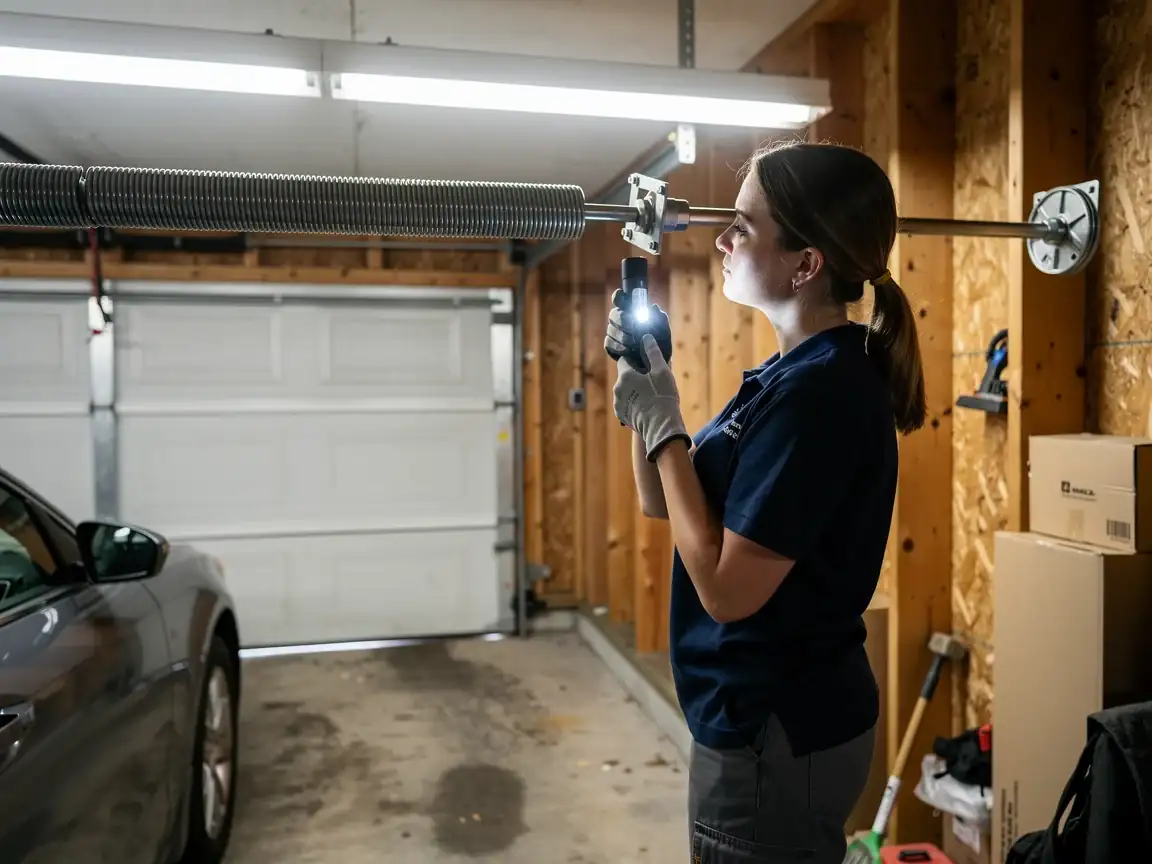
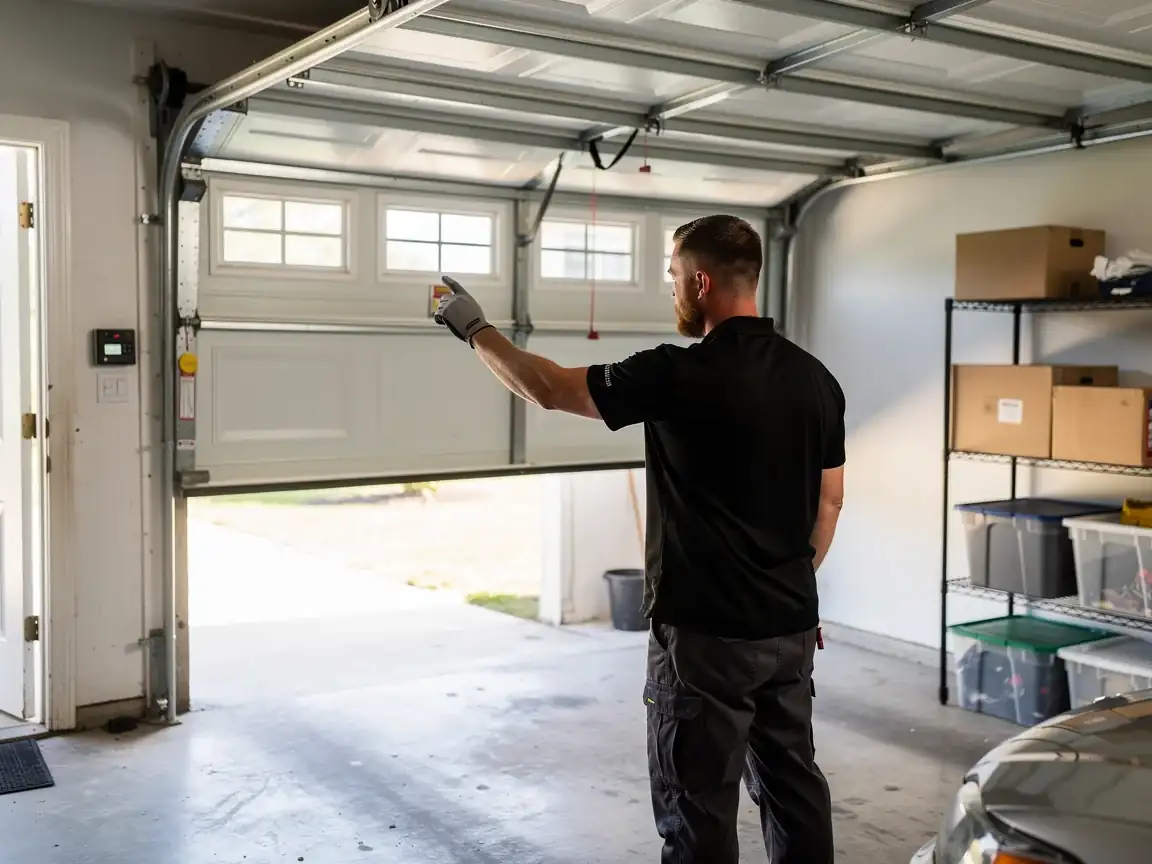
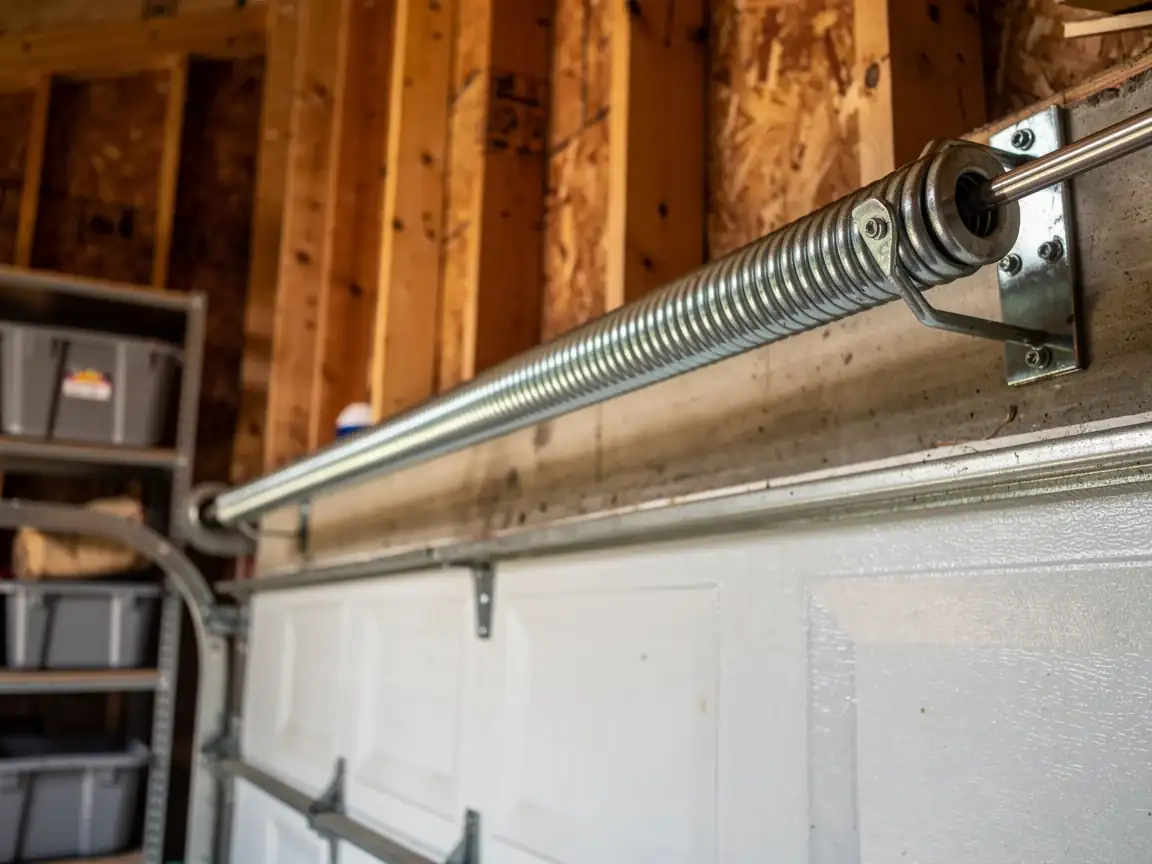
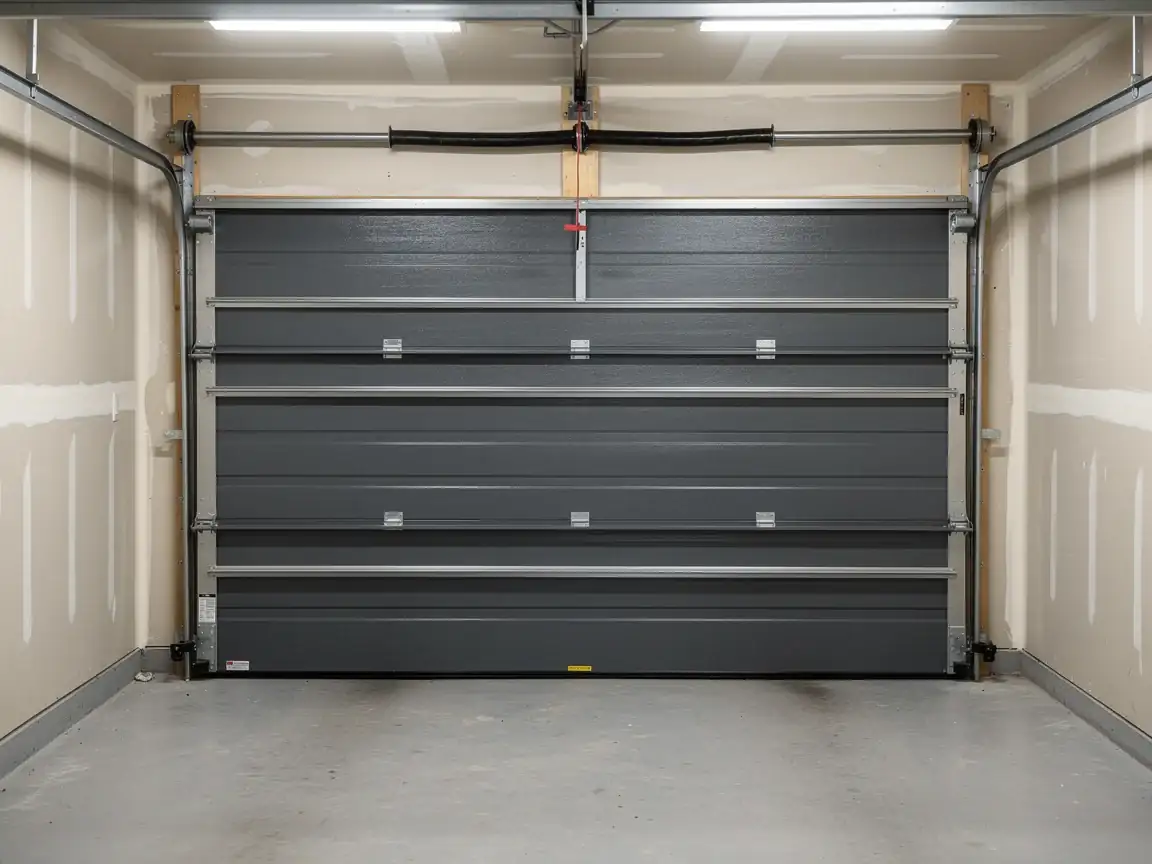
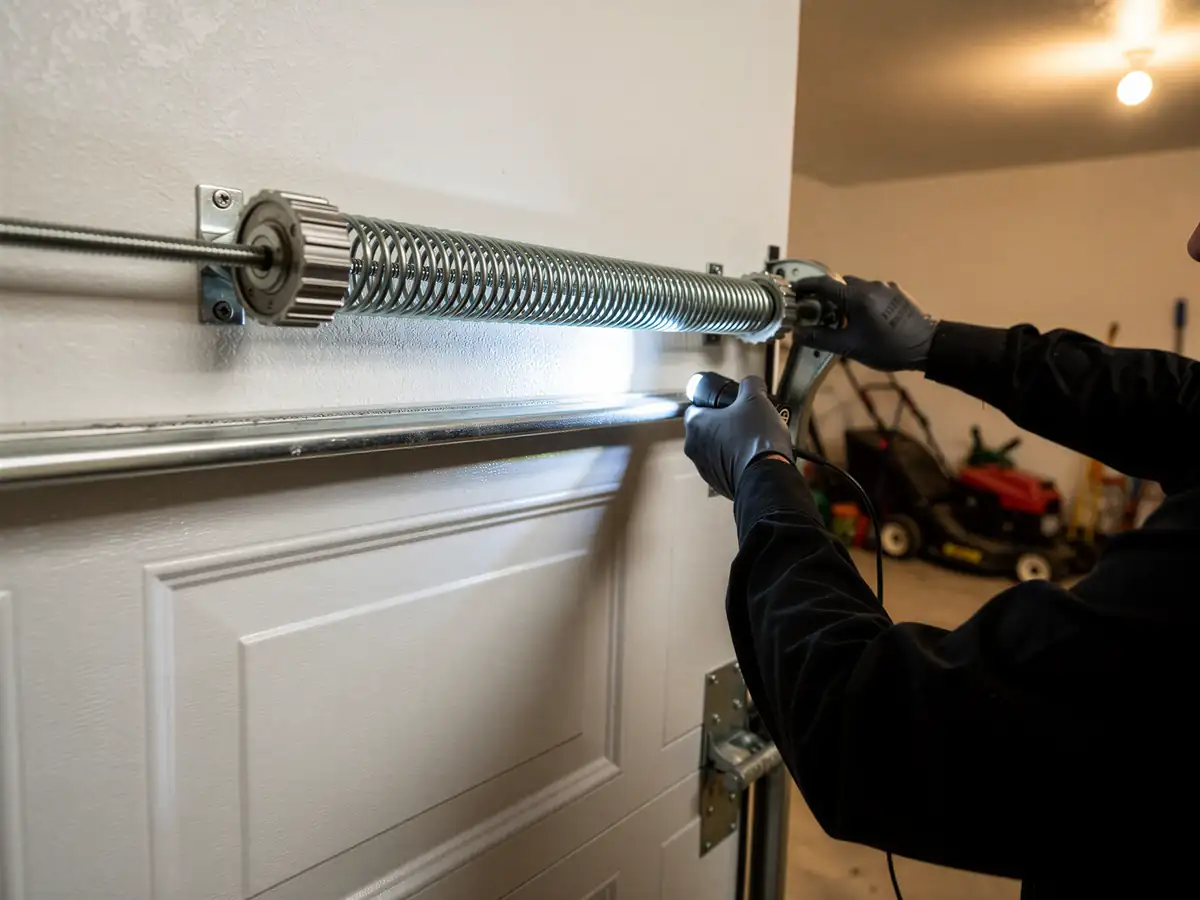
Most calls start the same way: the door hesitates, reverses partway up, or the opener motor runs but the door barely moves. Some owners hear a grinding or clicking from the unit itself, which usually means a stripped gear trying to lift more door than it was built for. Others get a door that opens fine but won't close without multiple remote presses, a sign the safety sensors have drifted out of alignment or the force settings are fighting a door that's no longer balanced. On older installs, the opener itself may still work but the chain or belt has stretched enough that the door's travel distance has crept off, so it stops short or slams at the end of its run. None of these are opener problems in isolation; they're usually the opener compensating for something else on the door that's changed over the years it's been holding up a few hundred pounds of steel or wood on a spring system nobody's touched since install.
What Causes It Around Here
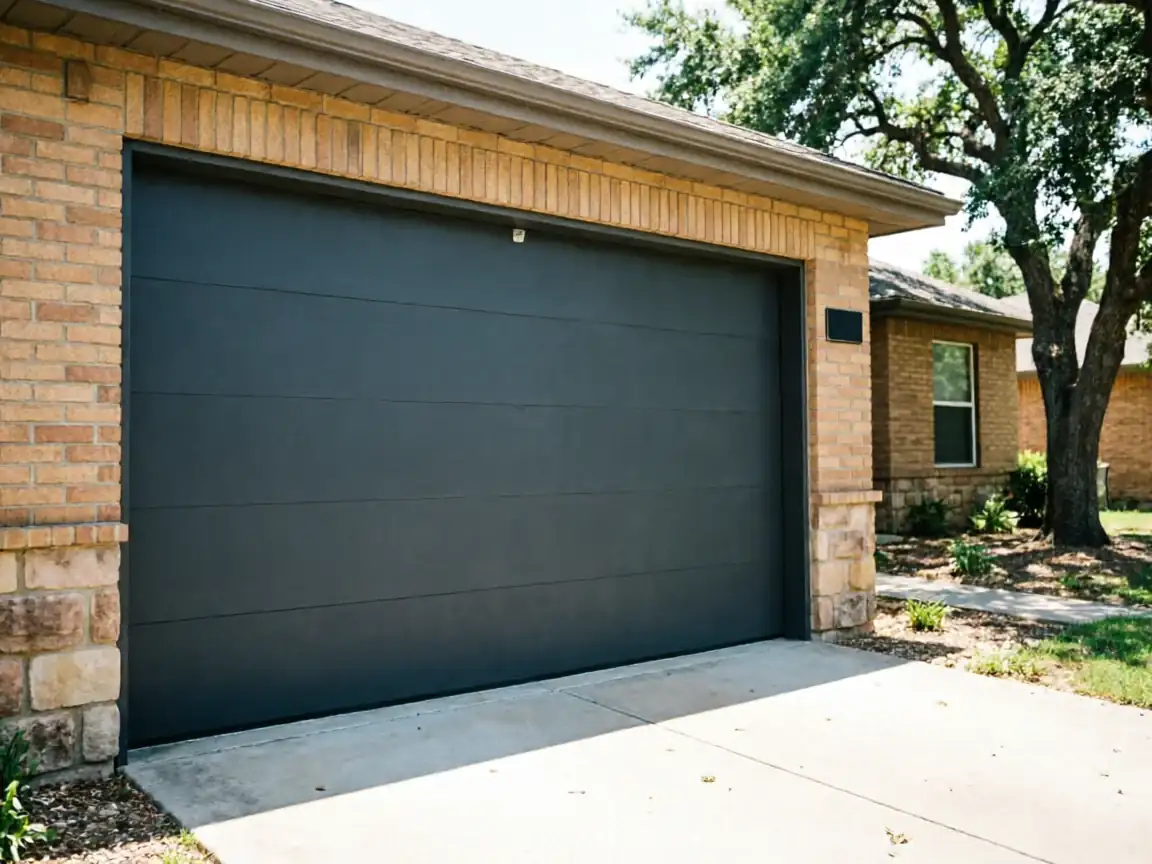
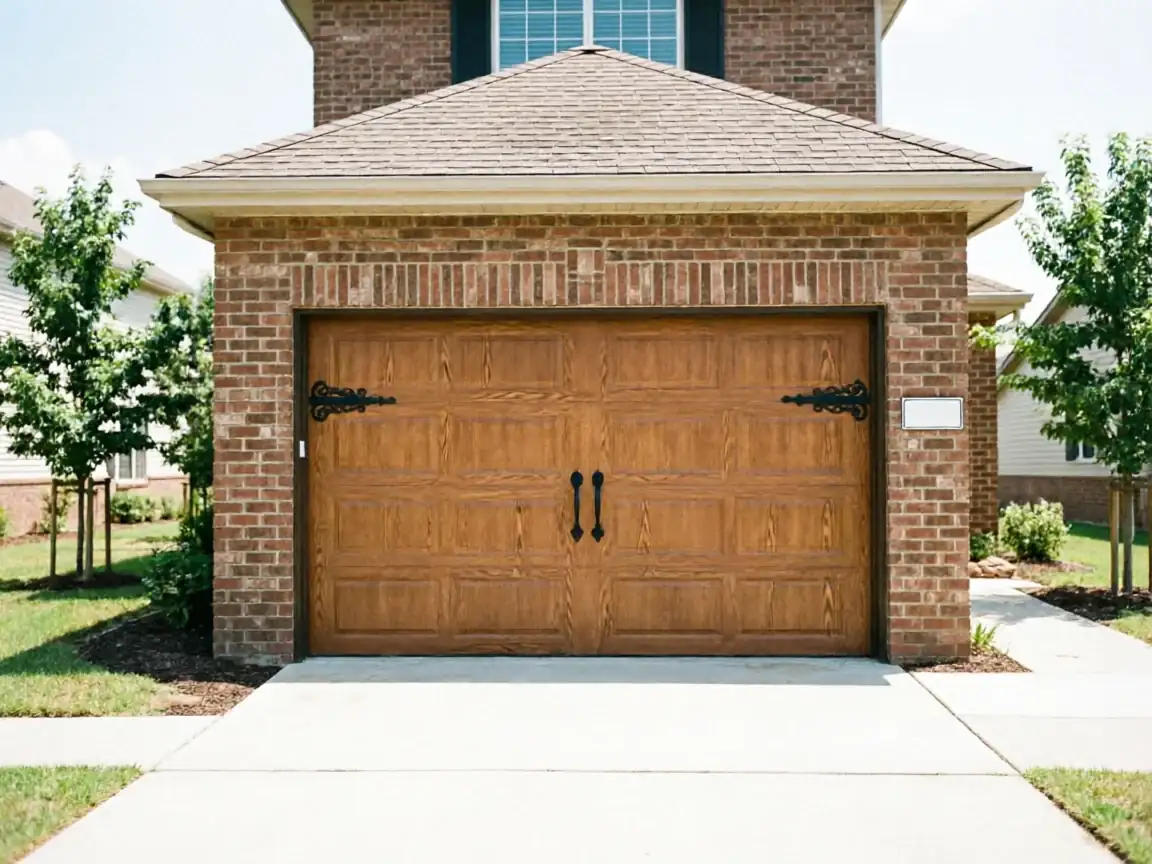
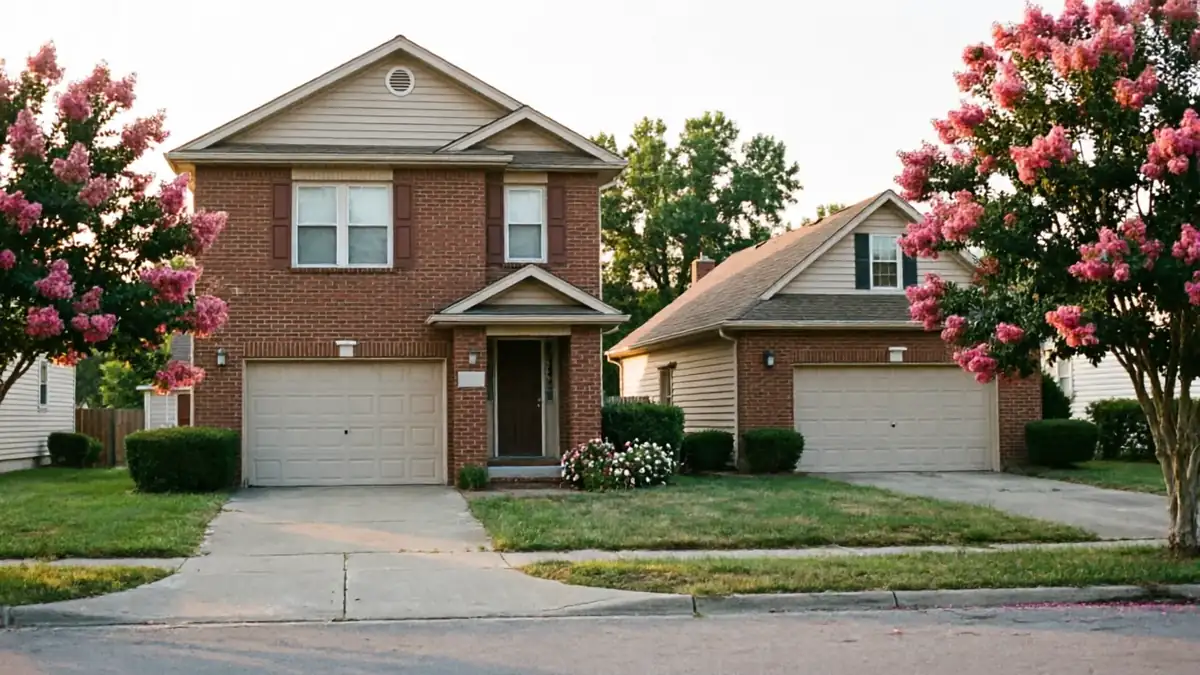
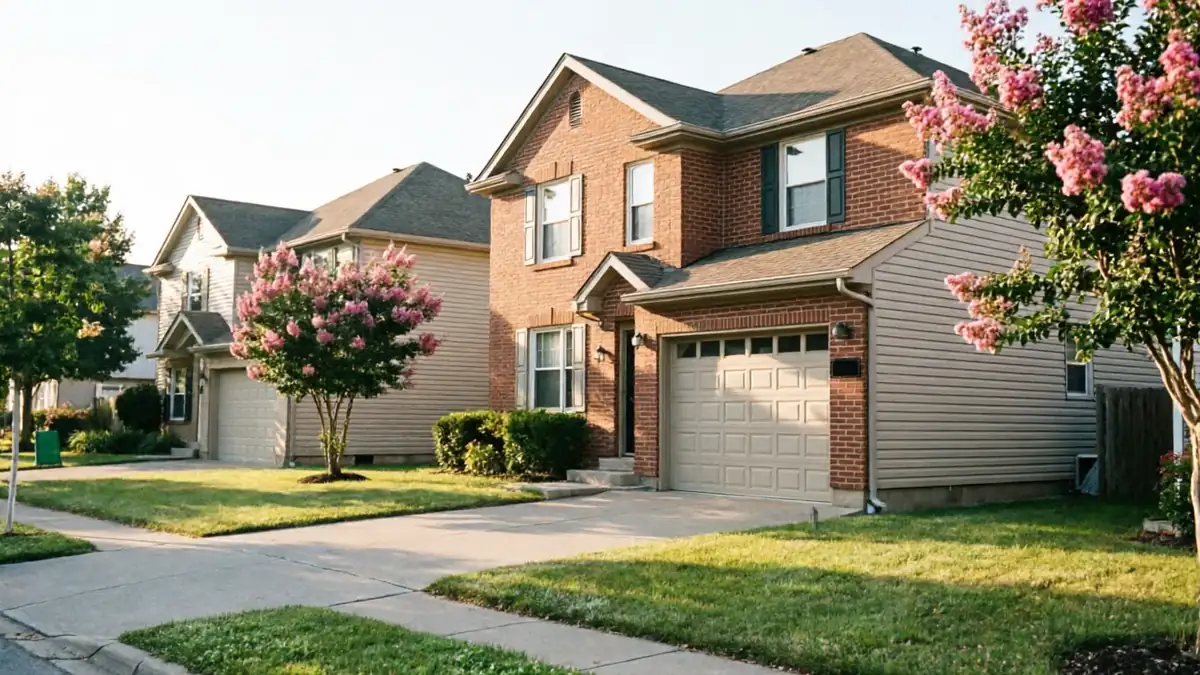
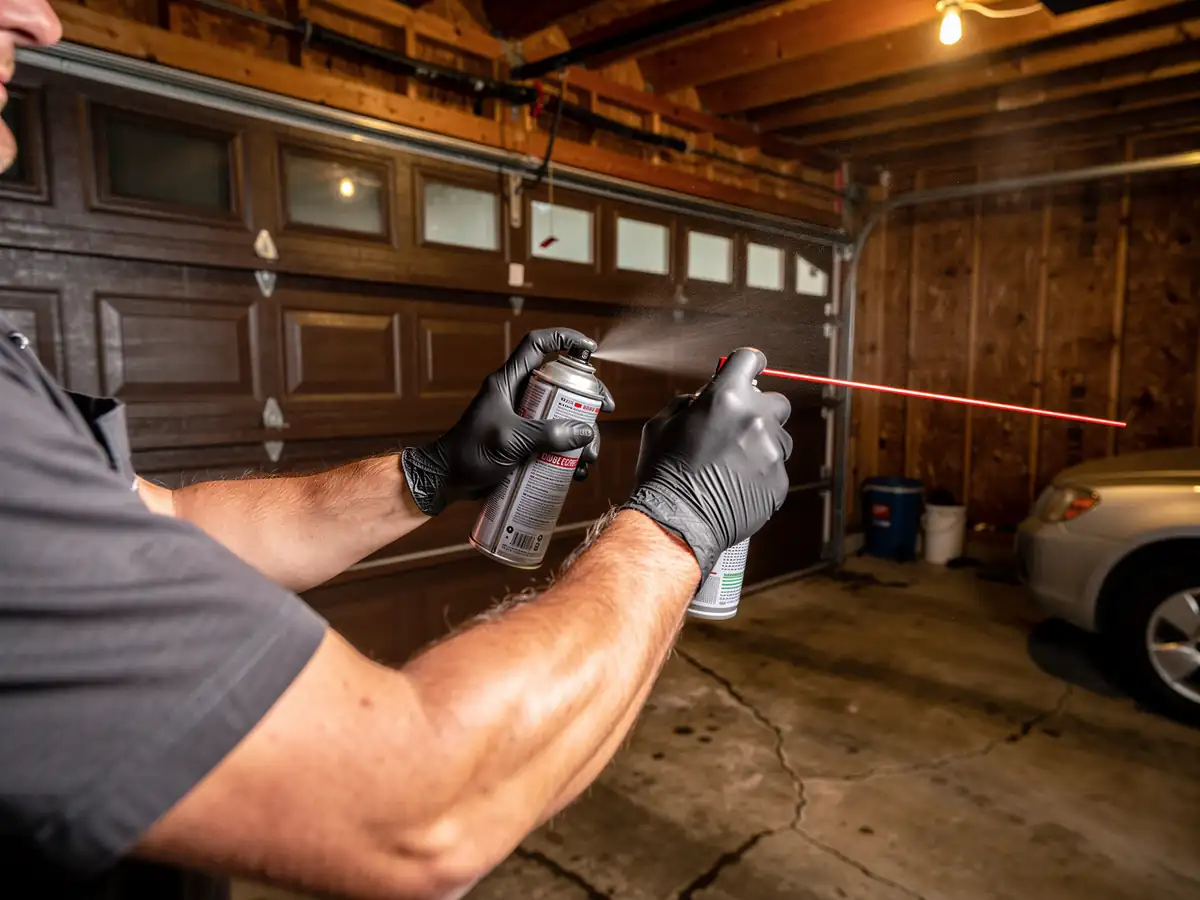
The service area's housing stock clusters in the 1960s and 70s, with construction running from 1959 through 1999 across the roughly 20 named areas we work in. That means a lot of garages still have the header framing and track spacing from the original build, even where the door panel or opener has been swapped once or twice since. In a cold-moderate climate band, steel springs and chain drives see real seasonal swing: cold mornings stiffen lubricant and tighten steel tolerances, then summer heat swells wood jambs and loosens bolted connections that were torqued down in a different season. That cycle, repeated for fifty-plus years on a lot of these houses, is what wears opener gears and gear-and-sprocket assemblies faster than the same unit would wear in a milder, flatter climate. It's also why a straight opener swap without checking the door's balance and track condition first is the most common reason an install doesn't last.