Serving Edmond, OK & nearby
(405) 337-9834
Edmond, OK

What That Noise in Your Garage Door Actually Means

Edmond homes built mostly 1960s-90s carry original hardware that ages in specific ways. Here's how to tell a noise that waits from one that doesn't.

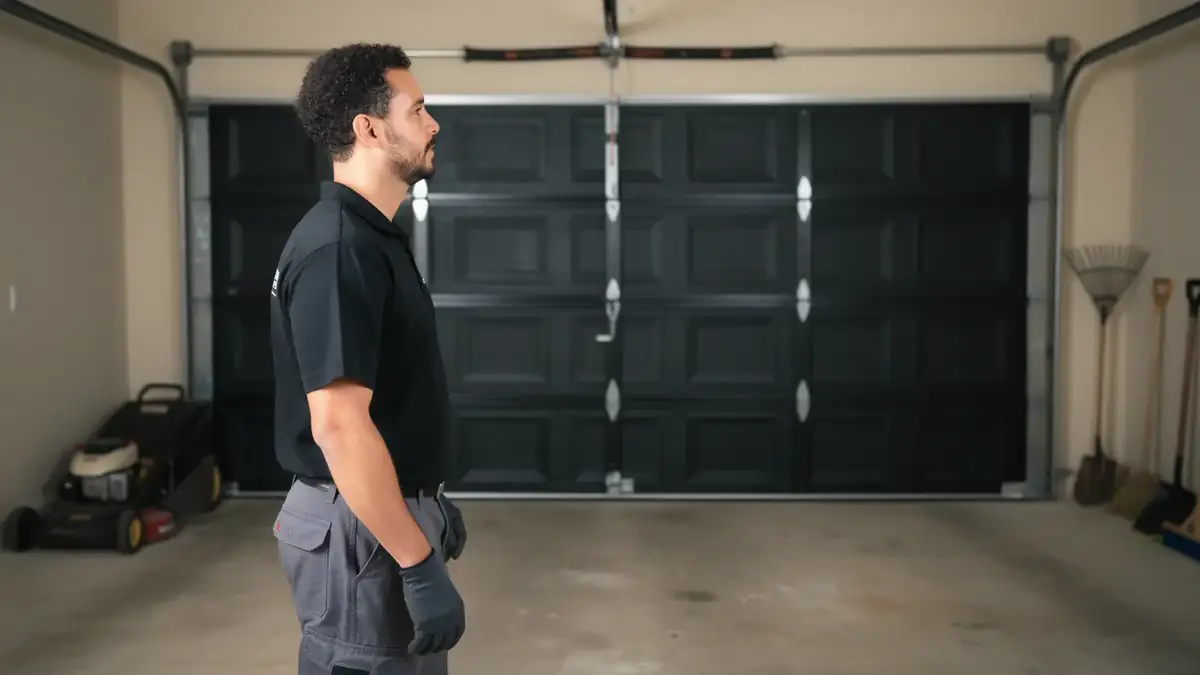
A technician stands in a garage with a closed black garage door behind him.

When Waiting Is Fine

Not every sound means a truck needs to come out today. A single pop when the door first moves, especially on a cold morning, is usually just steel contracting - Edmond sits in a moderate-cold climate band, and a door that sat overnight in the low temps will tick and settle as the springs and track take load. If the sound happens once per cycle and the door still opens flat and quiet after that, you're fine to wait. Same with a light rattle on an older panel door where the hardware has some age on it - plenty of houses here were built in the 1960s and 70s, and a stretched spring on a hinge bolt will buzz a little without being an emergency. Write down when it happens - first open of the day, every open, only in cold weather - because that detail is what separates a noise you can ignore from one you can't. If the door closes all the way, latches, and doesn't drop or jerk, you have time. Most of what people call in about falls into this category, and a lot of it resolves itself once the door has cycled a few times and everything's seated.

The Situation

The housing stock around Edmond runs mostly 1959 to 1999, with a median build year around 1973, and that matters more than people think. A door and opener installed, or even replaced once, on a house from that era is often running on hardware that was standard for its decade - lighter-gauge track, older roller styles, torsion springs sized to specs that have since changed. None of that is wrong, but it ages differently than a 2015 install, and it makes different noises when it's wearing out. A grinding or scraping sound on a door that's original to a 1970s build is a different problem than the same sound on a door installed five years ago. The first is likely roller or track wear accumulated over decades; the second is more likely a bent track or a bad roller from a single incident. Across the area - whether you're closer in toward Arcadia or out past Spencer - this age spread means two identical-sounding complaints can have completely different causes depending on when the house, and the door, actually went in.

What Local Conditions Do

Edmond's climate is cold-moderate, not extreme, but it still puts a yearly stress cycle on garage door hardware that a mild climate wouldn't. Steel springs and tracks contract in winter cold and expand back in summer heat, and on a door that's been doing that for twenty or thirty years - which describes a lot of the stock here given the 1973 median build year - the metal fatigues at predictable points: spring coils, the bend where track meets the horizontal run, and hinge bolts on sectional panels. A squeal that only shows up in cold weather is usually lubrication that's gone stiff, not a failing part. A grinding sound that happens regardless of temperature is wear, and temperature won't explain it away. The honest limitation here: I can't tell you which one you have without seeing the door. Noise diagnosis over the phone is a guess dressed up as an answer, and that's not worth much to either of us.

What to Look At First

Before you call anyone, do two things. First, watch the door through a full cycle and note where in the motion the noise happens - at the start, the middle, or right at the top or bottom. That alone narrows it down more than a verbal description ever will. Second, look at the springs themselves if you can safely see them - on a lot of the older stock around Edmond, especially houses from the 1960s and 70s, the torsion spring is original or close to it, and visible gaps between coils or rust streaking down from the spring are worth a photo, not a shrug. Don't touch or try to adjust the spring yourself; it's under enough tension to cause real injury. If the noise is a clunk right as the door starts moving, that's often the spring taking the load - and on a 50-year-old spring, that's a sign worth acting on soon rather than later.
How it works

From “it’s stuck” to “it’s fixed”

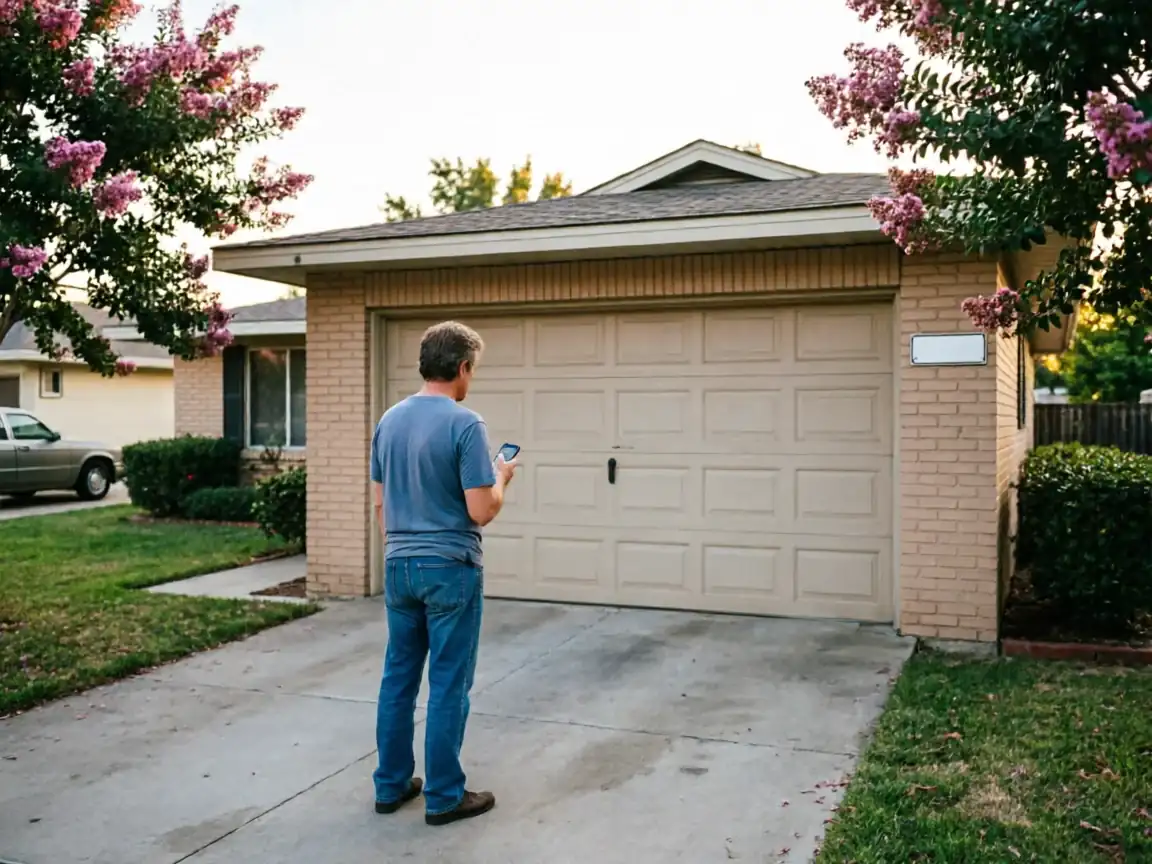
A man stands in a driveway looking at his phone in front of a garage door.

Tell us what’s wrong

Describe the symptom - won’t open, loud bang, opener runs but the door won’t move.

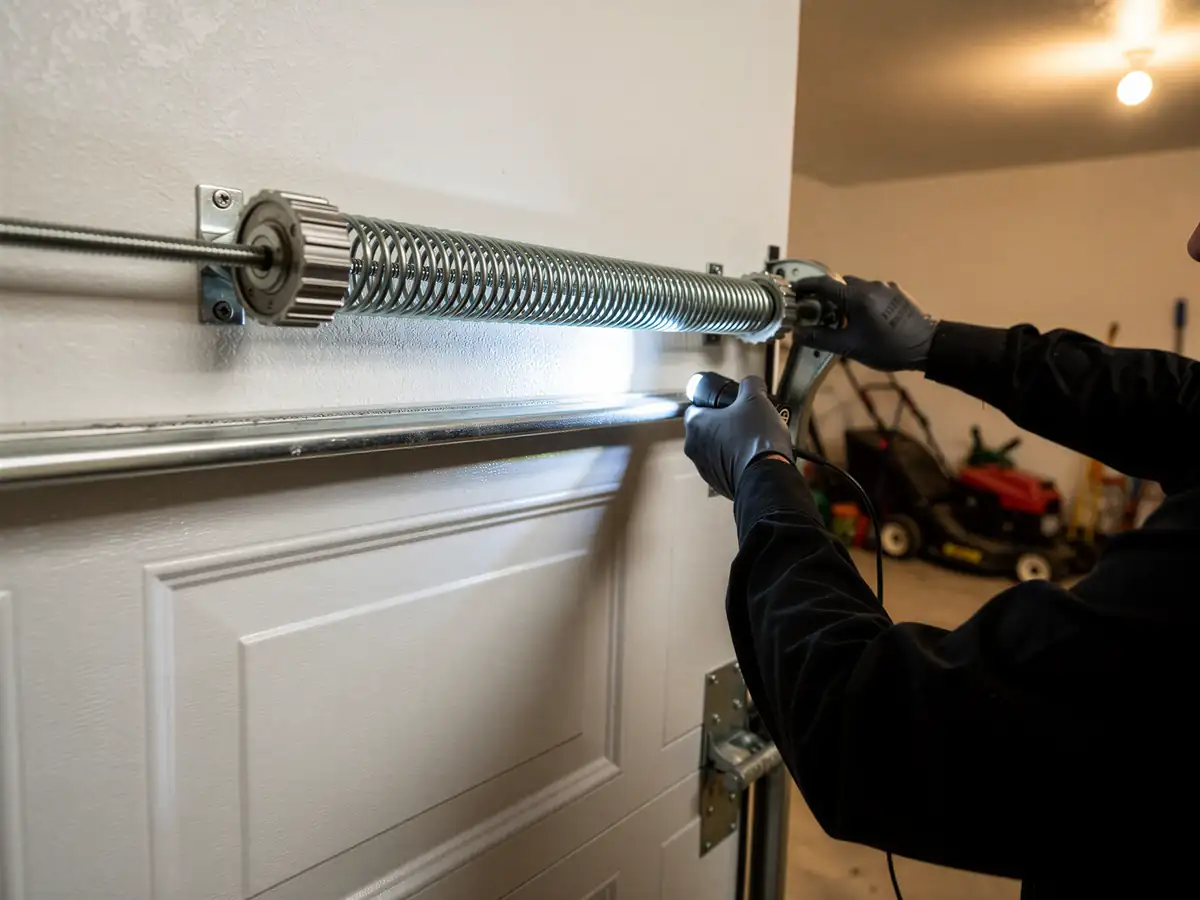
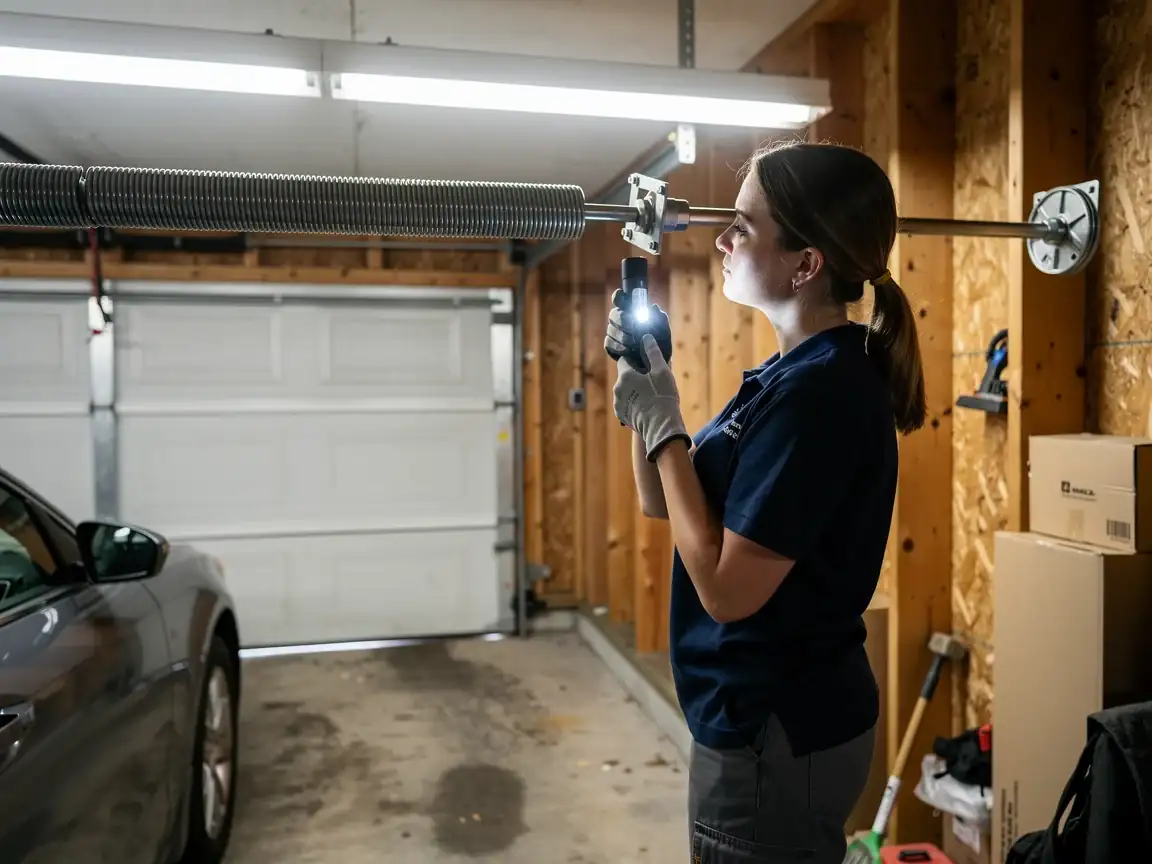
A technician shines a flashlight on a garage door torsion spring.

On-site diagnosis

A technician tests the door under power and by hand and finds what actually failed.

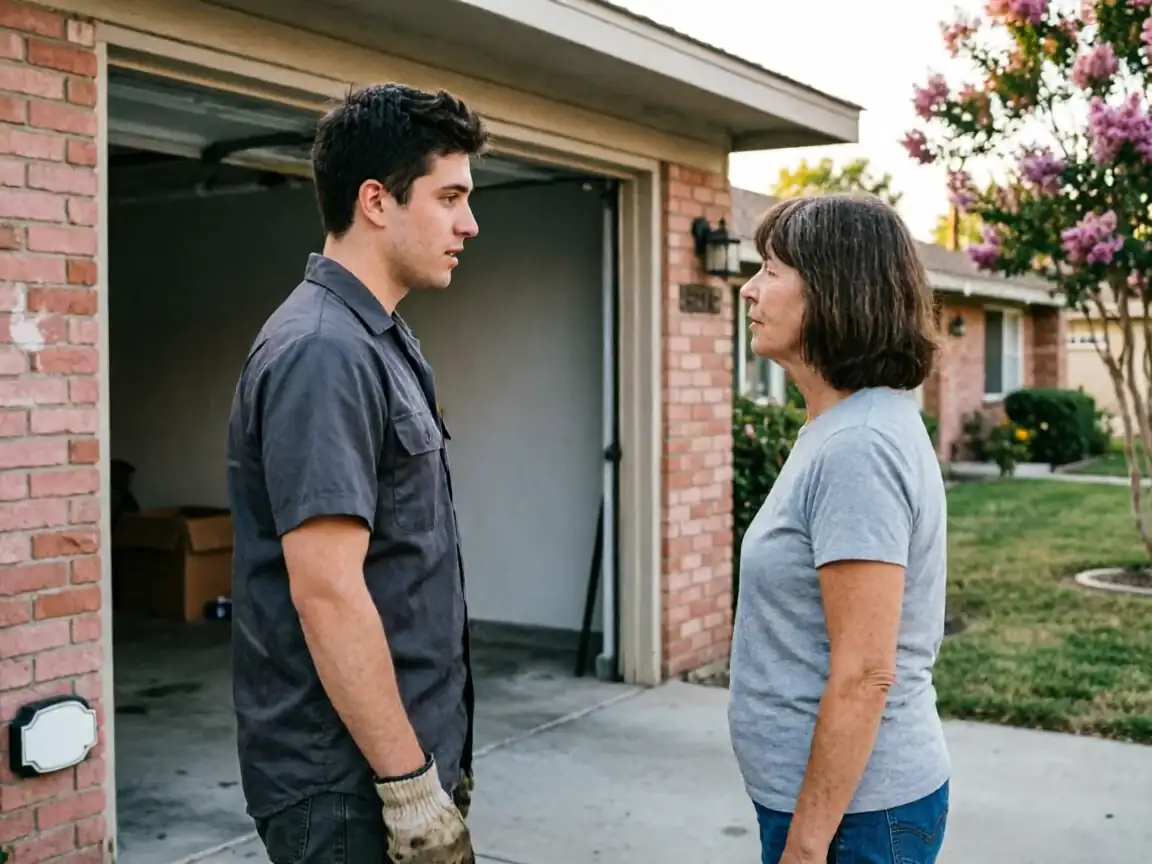
A technician talks to a woman in front of a brick house with an open garage.

Clear, up-front plan

You get the fix that’s needed and what drives the cost - before any work starts.

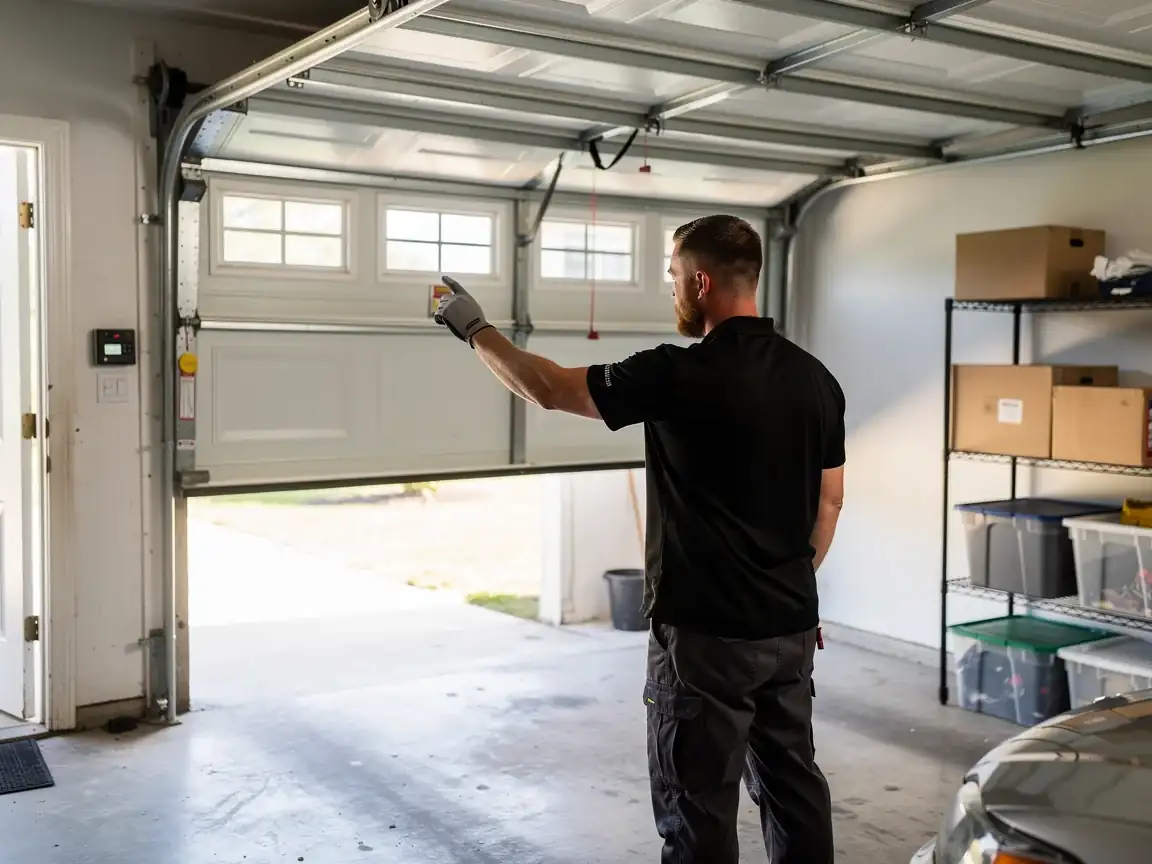
A technician points at an open white garage door with windows from inside a garage.

Repaired & tested

The repair is done, the door is set true and tested, and the work area left clean.

Not sure which repair your door needs in Edmond, OK? Describe what it’s doing - every job starts with a diagnosis.

How we work

What to expect

Diagnosis firstEvery visit starts by finding what actually failed - not a pre-written parts list.
The right part for the doorSprings and openers matched to the door’s weight and age, so the fix holds up.
Straight answersWhen a repair makes more sense than a replacement - or the reverse - you hear it plainly.
Clean, careful workTension released safely, hardware set true, the door tested under power before we leave.
What we do

Garage Door Services

Repair and installation work for Edmond homes and businesses.

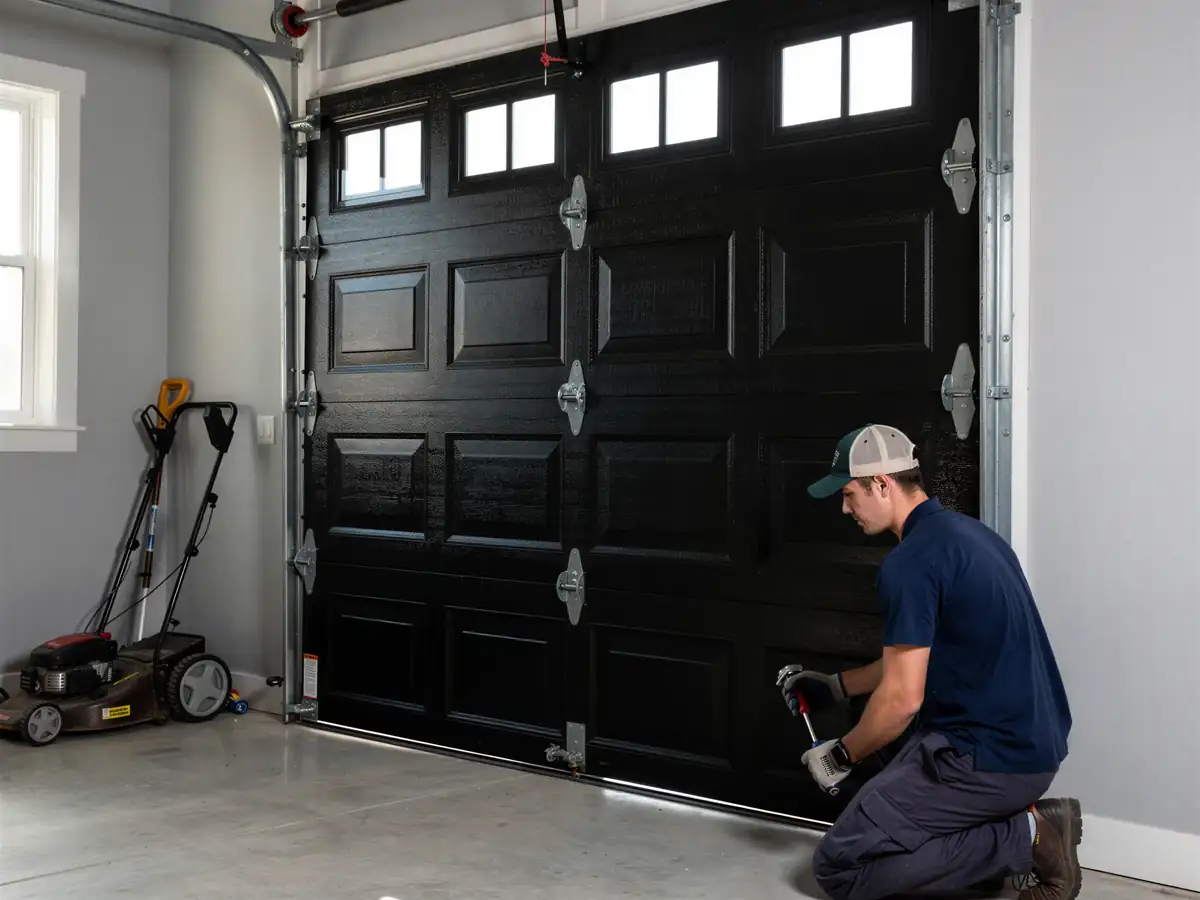
A technician kneels to work on the bottom panel of a black garage door.

Garage Door Repair

Edmond homes built between 1959 and 1999 often run original torsion hardware that struggles through cold winters. Edmond Garage Door Pros repairs it right.

Learn more
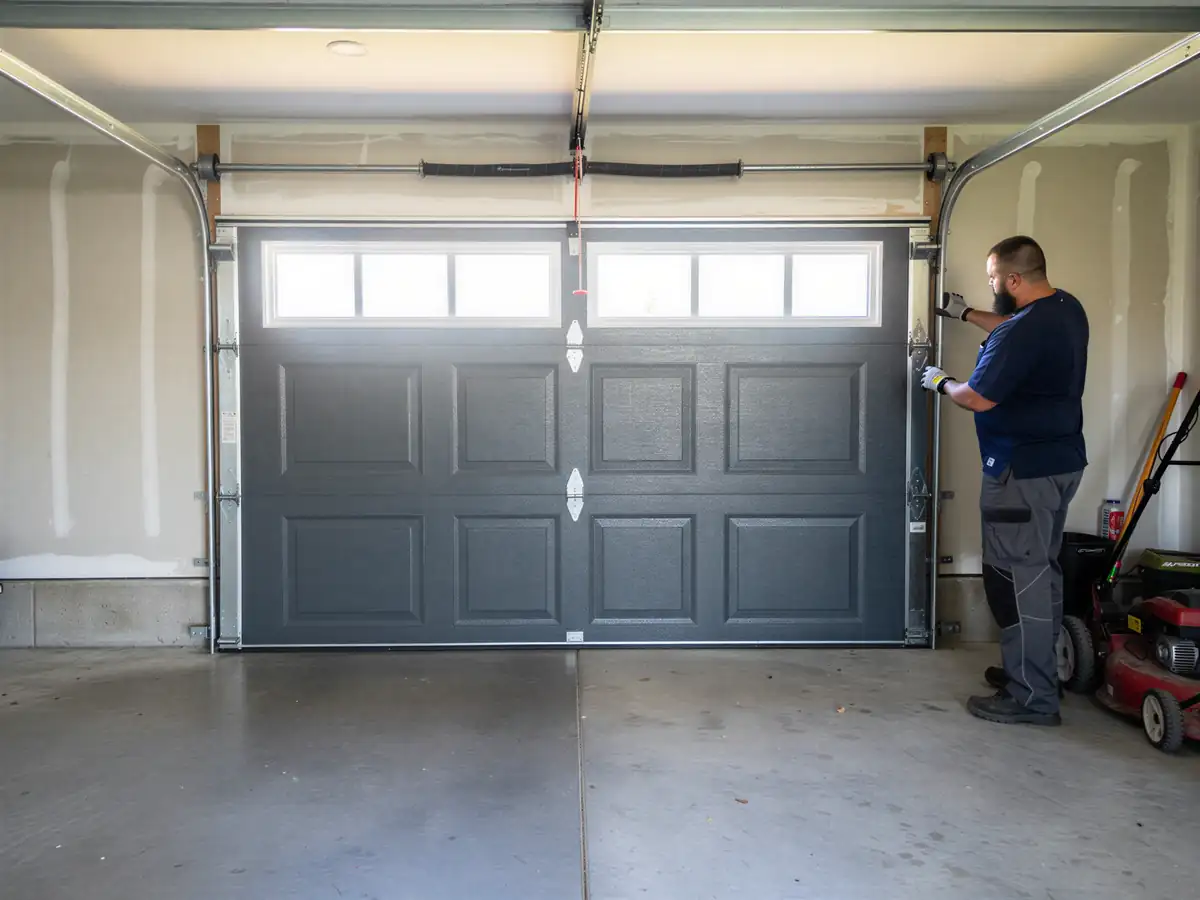
A technician adjusts a closed gray garage door with windows in a garage.

Garage Door Installation

New garage door installation for Edmond homes built 1959-1999, sized for original openings and framed for cold-climate wind load. Call for a measured quote.

Learn more
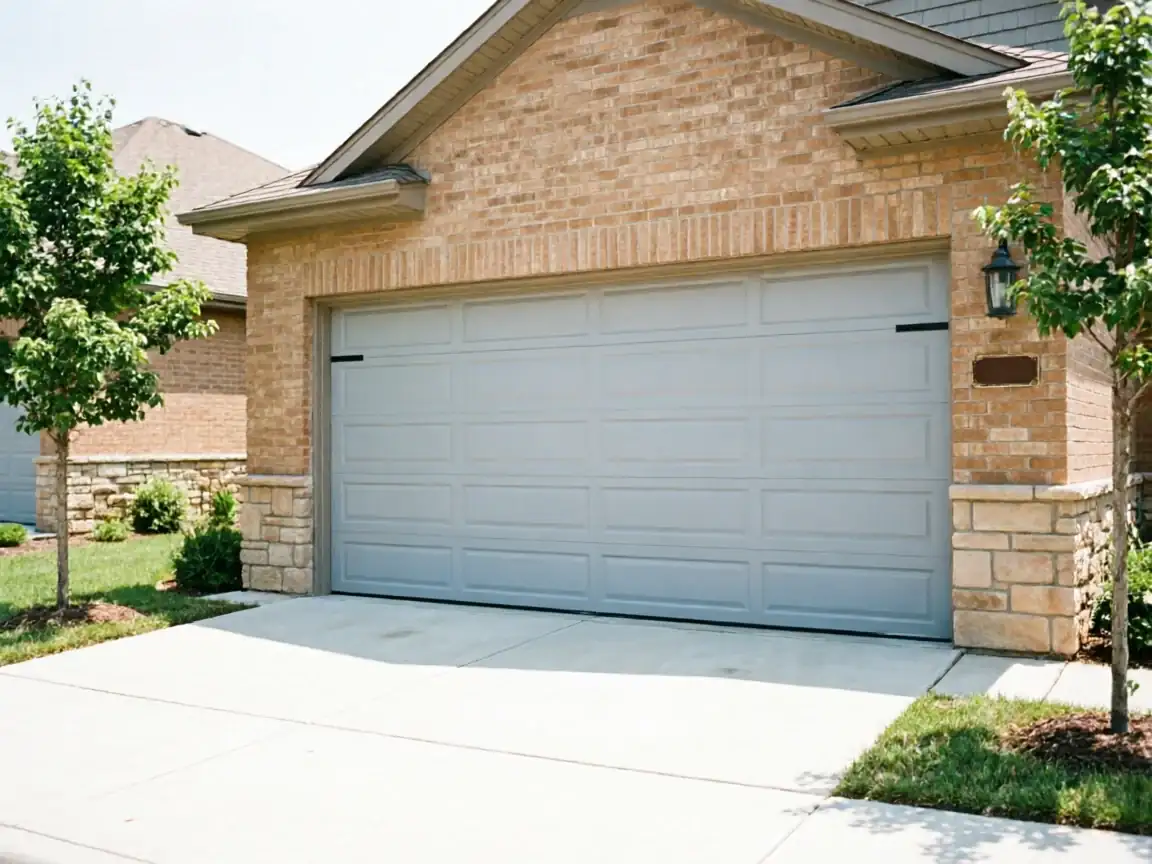
A light gray garage door is on a brick house with stone accents.

Garage Door Service

Garage door repair and tune-up service for Edmond homes built mostly in the 1960s-70s, where original torsion springs and openers are now past their working life.

Learn more
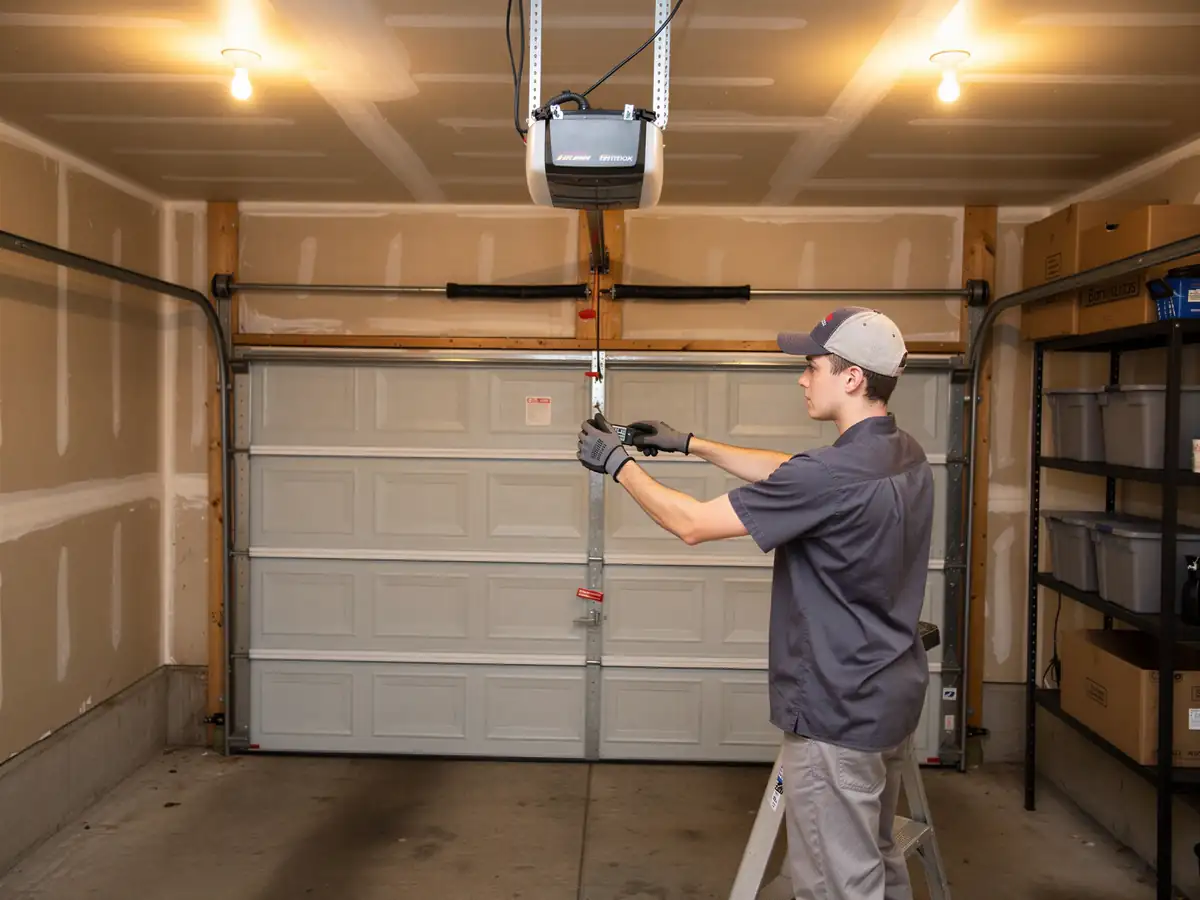
A technician on a ladder adjusts a garage door opener's safety sensor.

Opener Repair

Opener repair for Edmond-area homes built mostly in the 1960s-70s, where original hardware and cold winters wear out drive gears and circuit boards together.

Learn more
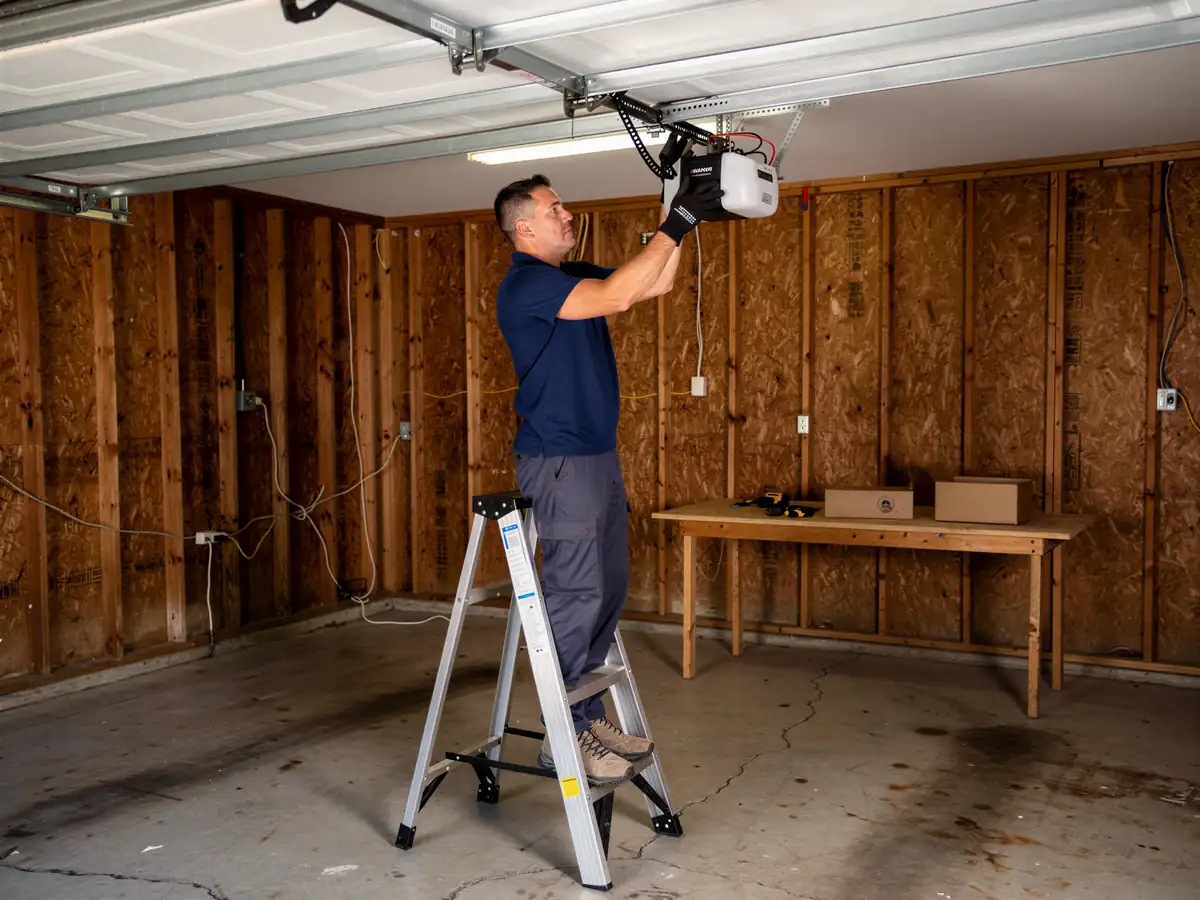
A technician on a ladder installs a garage door opener in a garage.

Opener Installation

Opener installation for Edmond's 1960s-90s housing stock and cold-moderate winters. Belt, chain, and screw-drive units matched to your door's age and track.

Learn more
A technician in black gloves works on a garage door torsion spring.

Spring Repair

Broken torsion or extension spring on an Edmond, OK garage door? We explain what's involved, what to watch for, and why this area's housing stock sees it so often.

Learn more
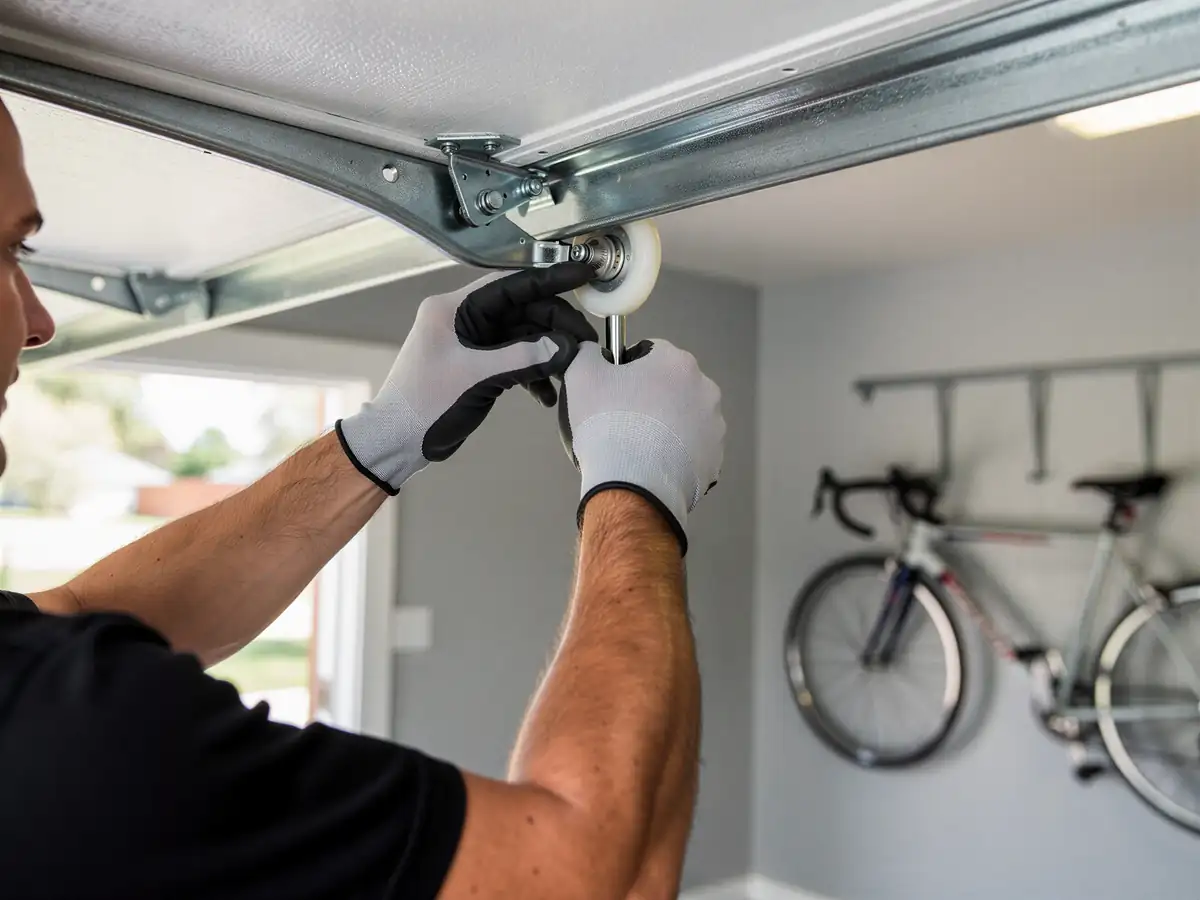
A technician in gloves adjusts a garage door roller on its track.

Roller Replacement

Steel rollers on 1960s-70s Edmond homes wear out and bind. We replace them with nylon rollers built for cold-moderate swings. Service across the Edmond area.

Learn more
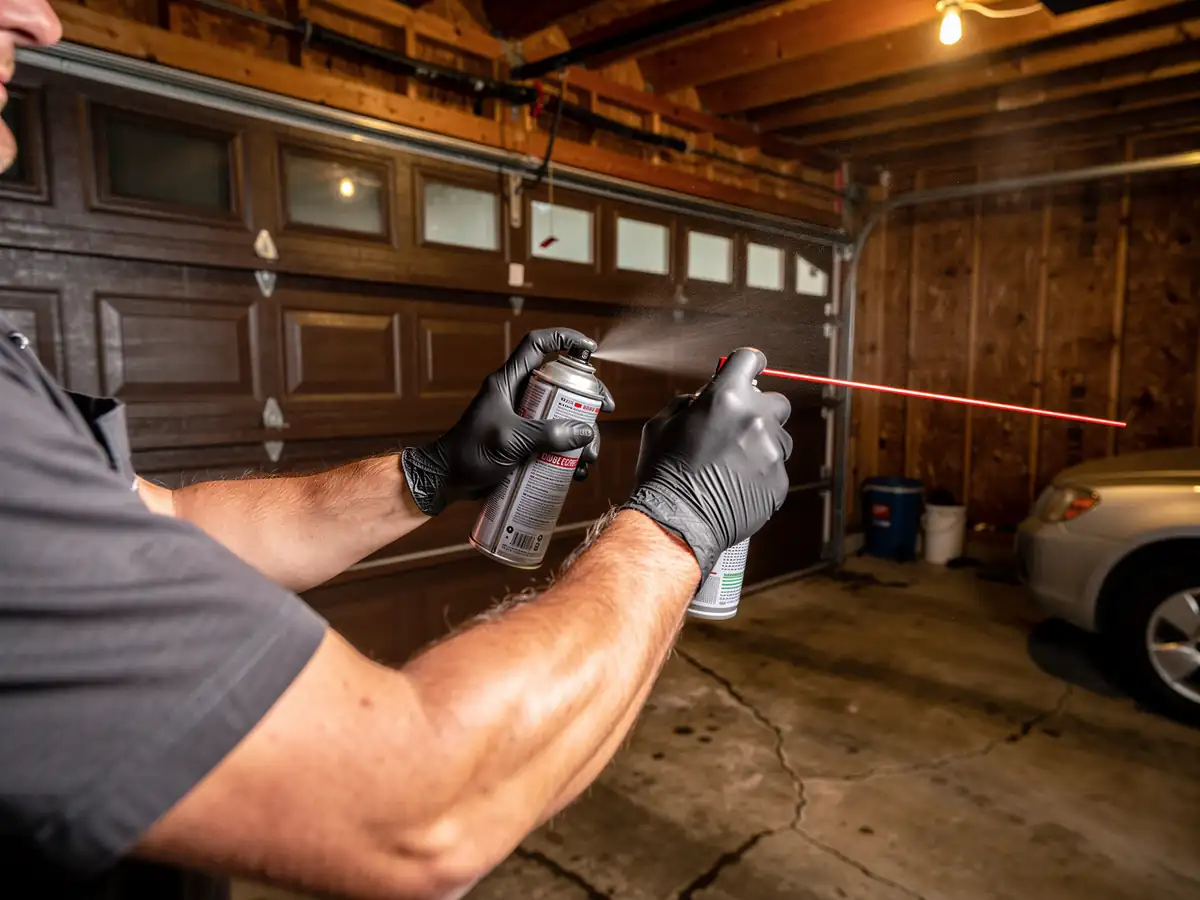
A technician sprays lubricant from two cans in a garage with a brown door.

Maintenance

Garage door maintenance for Edmond, OK homes built mostly 1959-1999 in a cold climate band - what a real tune-up covers, what fails first, and when it's a repair call instead.

Learn more
Questions

Frequently asked

Straight answers about garage door repair in Edmond. Still unsure? Ask us directly.

My door makes a loud bang once and then opens fine. Is that normal?

Often yes, especially on colder mornings. It's usually the steel in the track or spring contracting and releasing tension as the door starts moving. If it happens every single cycle and nothing else changes, it's less urgent. If the bang starts happening more often or gets louder, that's worth a look.

Why does my door only squeal in winter?

Cold stiffens grease and lubricant on rollers and hinges, and Edmond's winters are cold enough to cause that. If the squeal goes away once the door's been run a few times or once it warms up, it's a lubrication issue, not a mechanical failure.

How do I know if the noise means my spring is about to go?

A clunk or jolt right when the door starts moving, especially paired with visible gaps or rust on the spring coils, is the pattern to watch. Springs on older homes here have often been in place since the original build, and age alone raises the odds of failure.

Ready to get your garage door sorted?

Tell us what it’s doing and where you are in Edmond - we’ll take it from there.

Request a QuoteCall