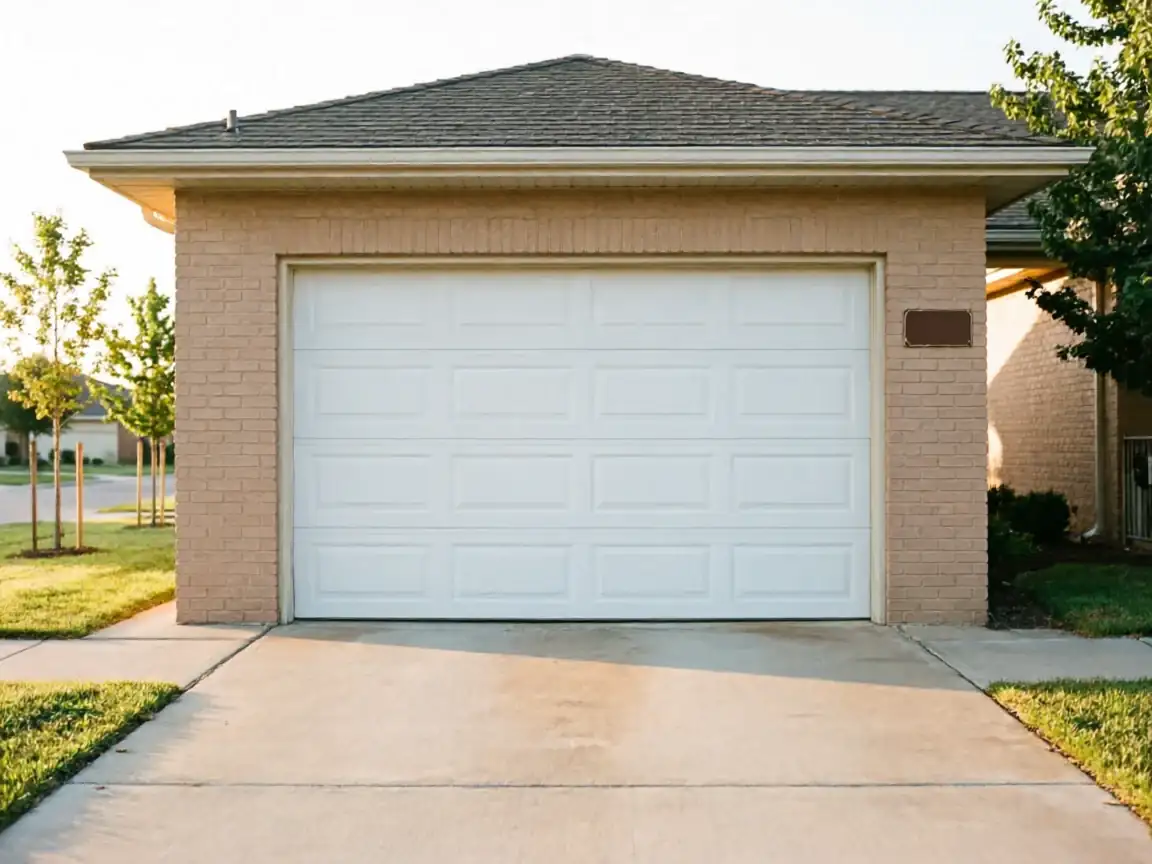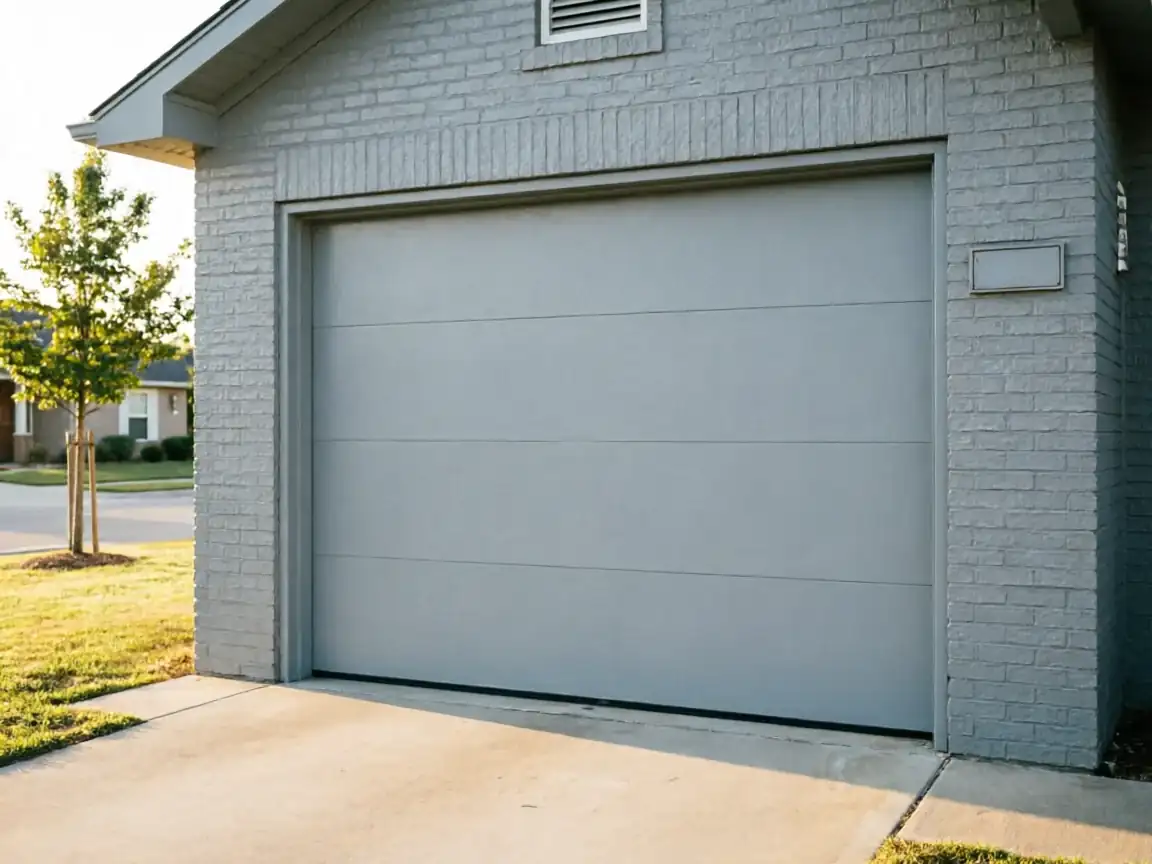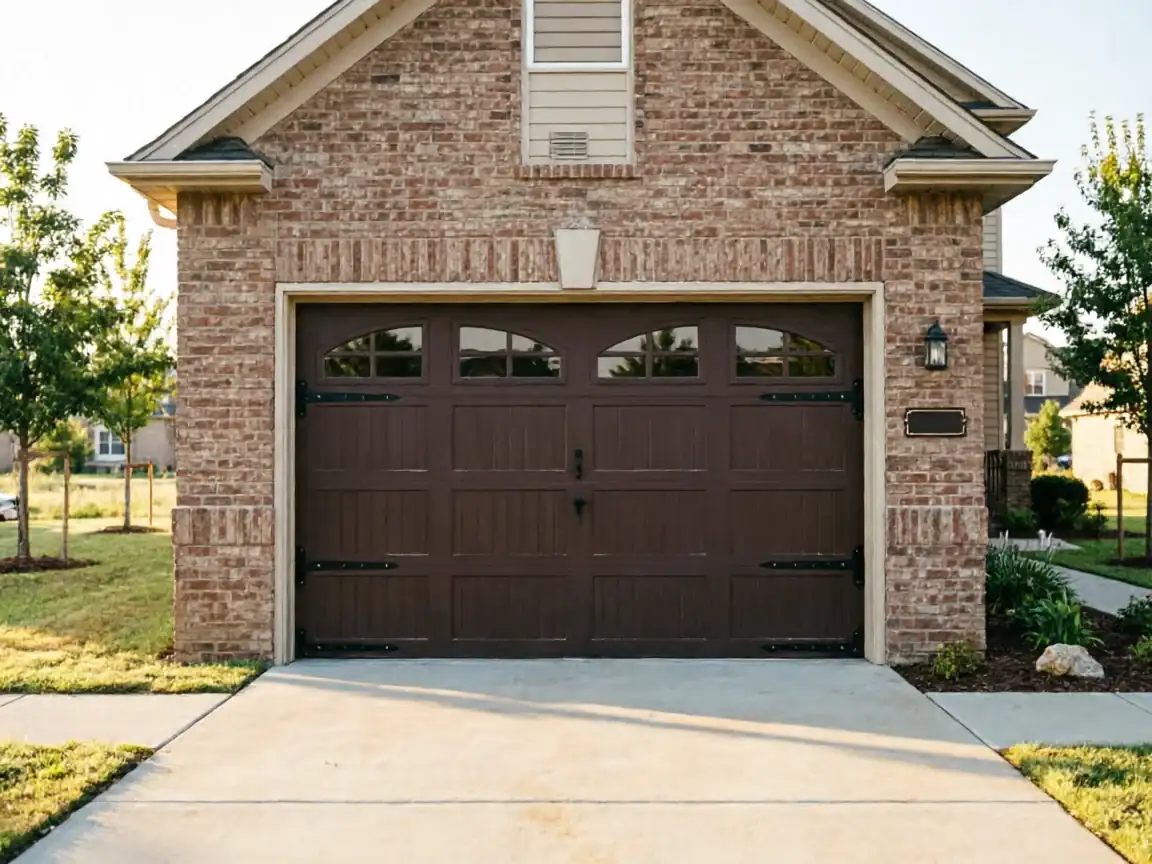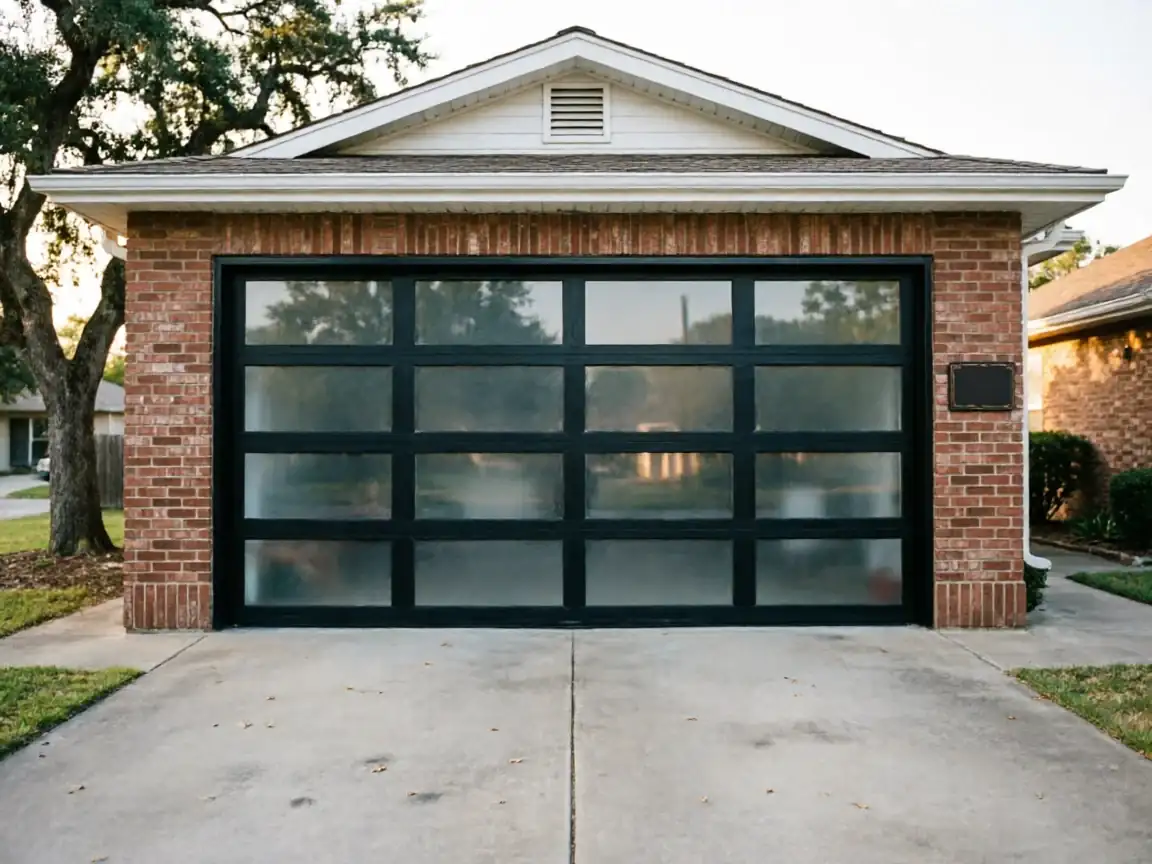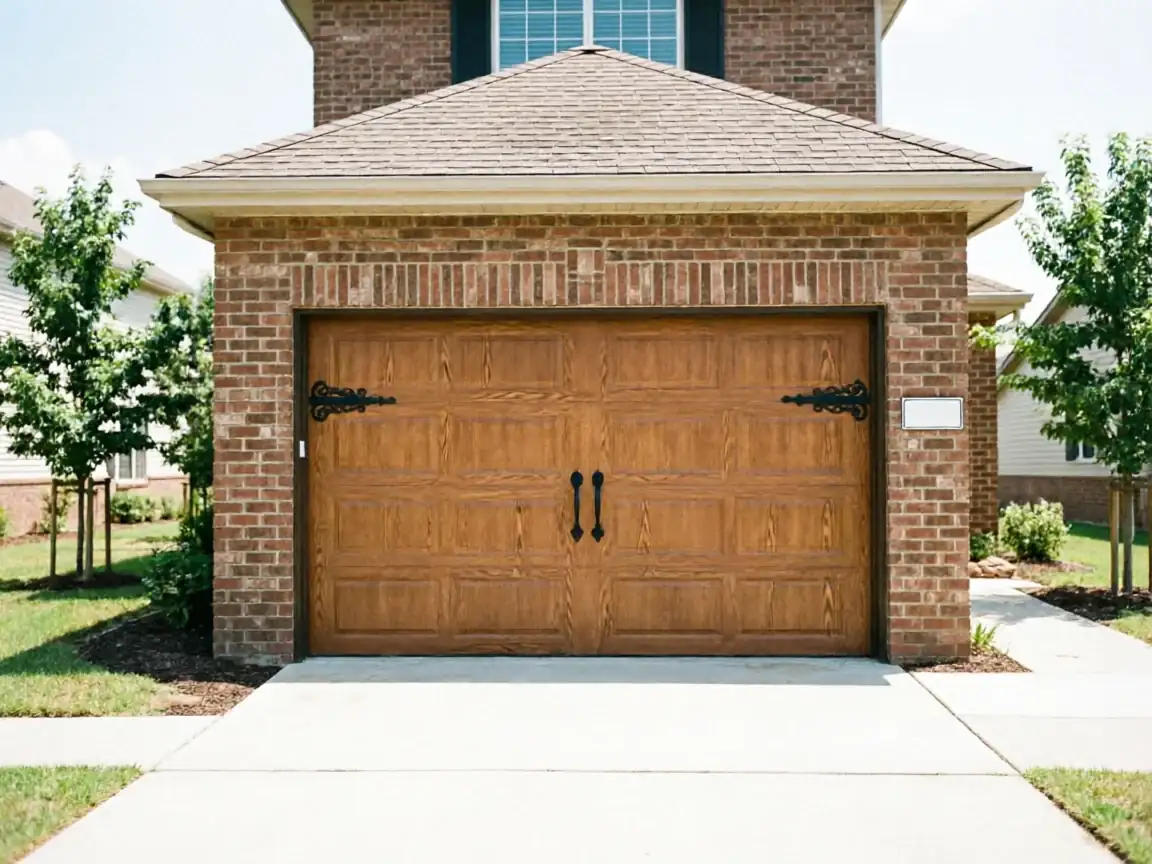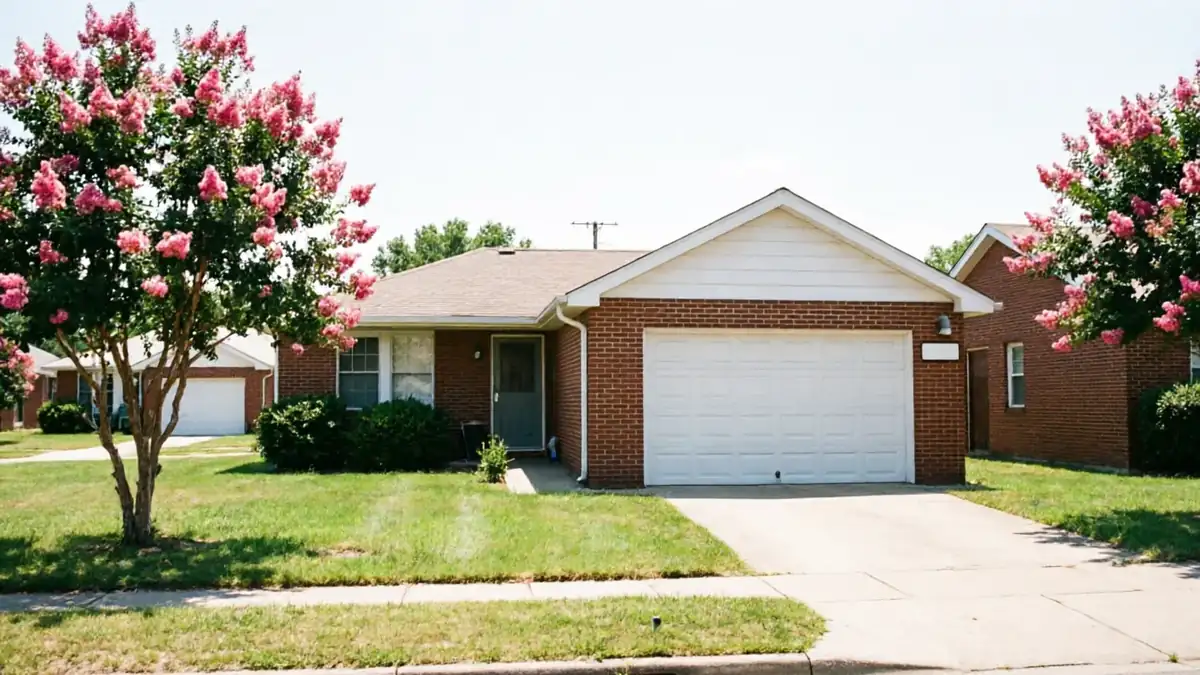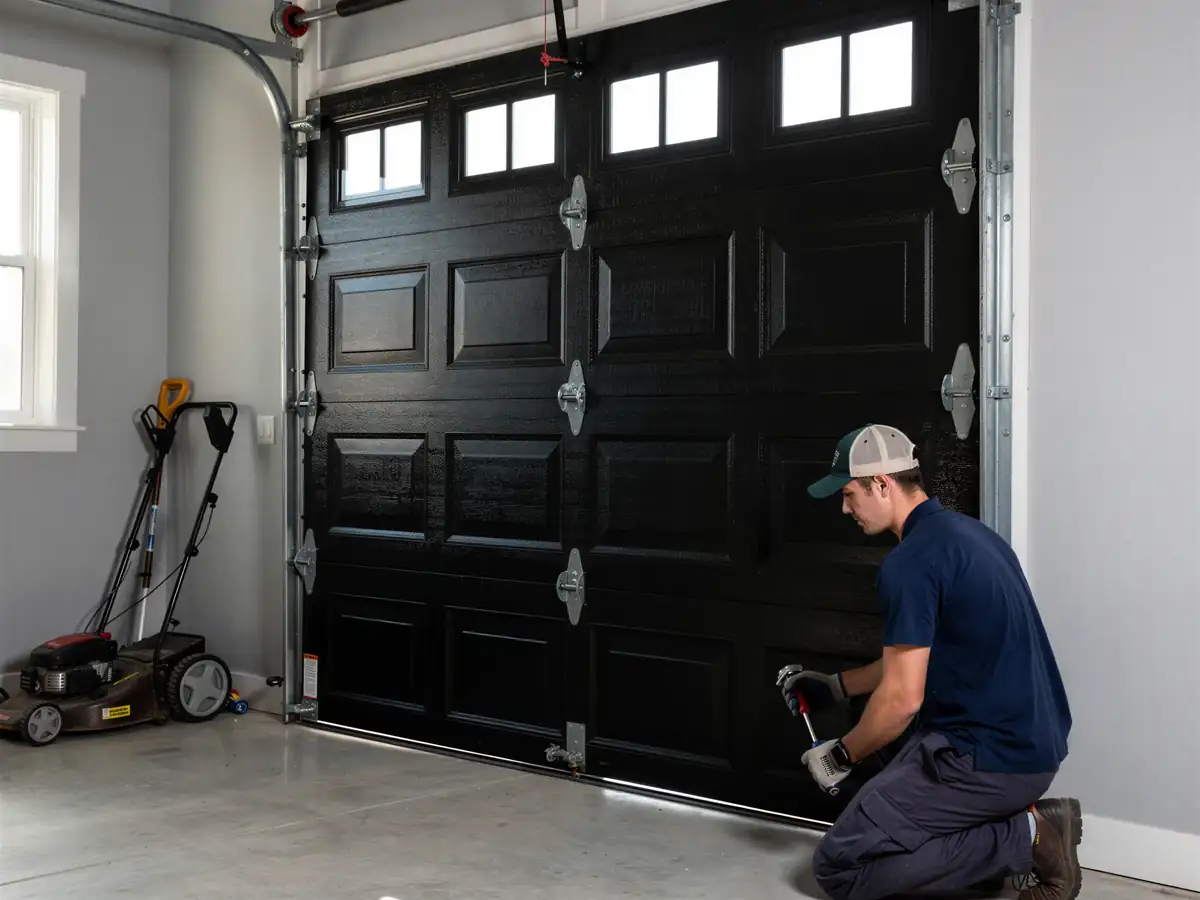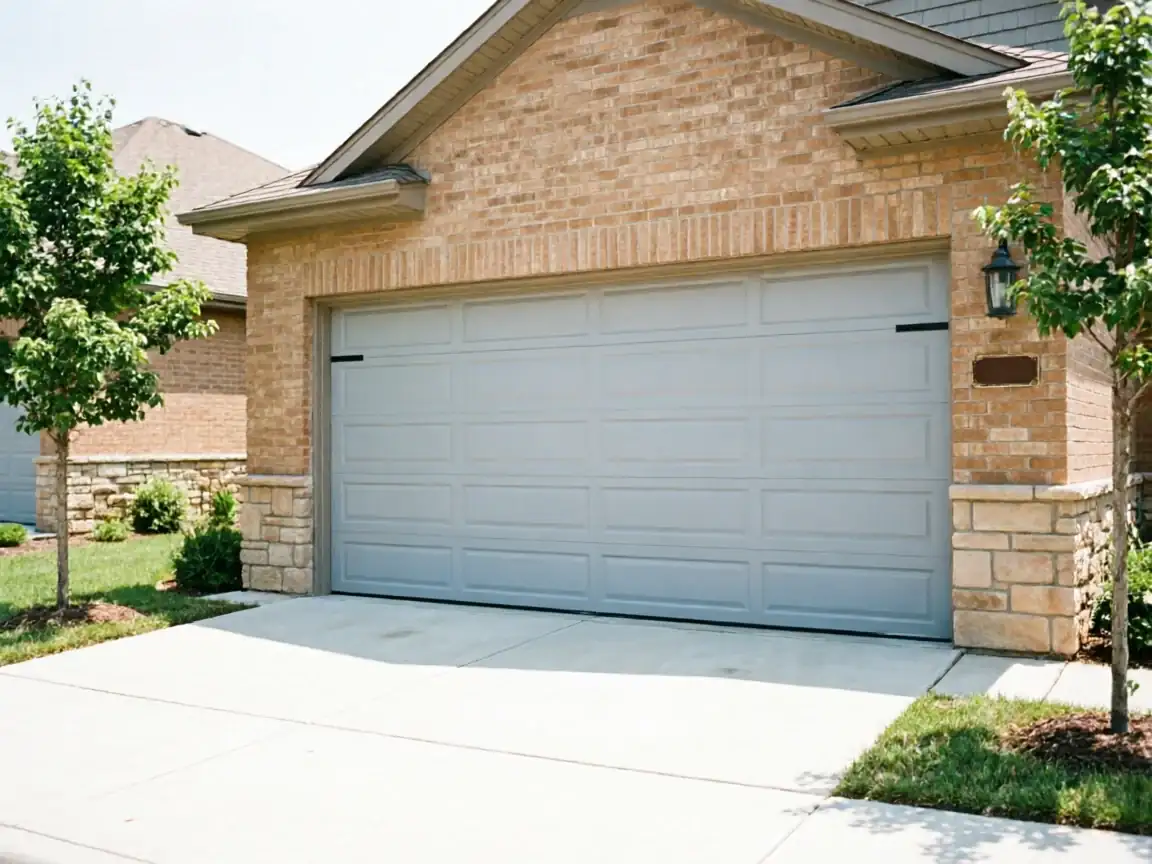
What You Are Seeing
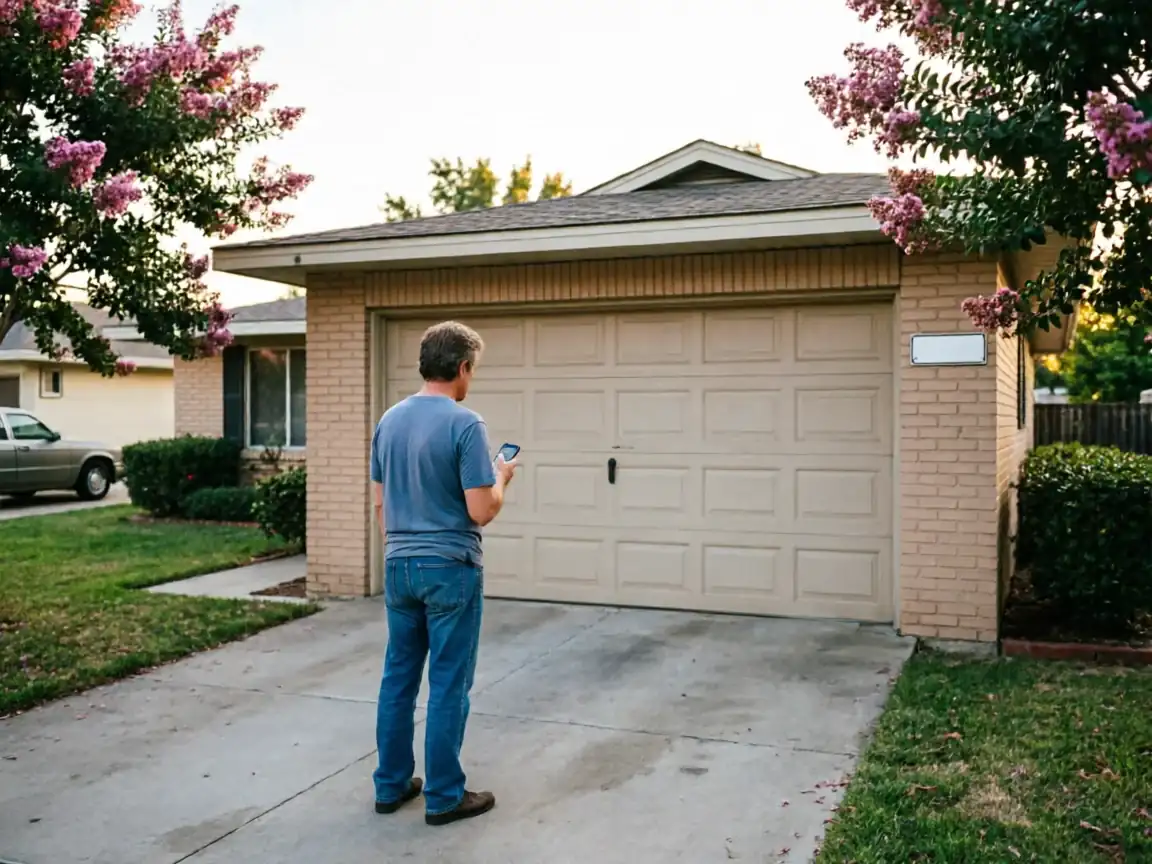
Midwest City is a town of about 24,599 households, and that scale matters more than it sounds like it should. It means a lot of garage doors went up in the same handful of years, aged the same way, and are starting to fail in the same handful of ways at the same time. Most of these houses date to around 1974, which puts the original door and opener well past any reasonable service life even if nobody ever touched them.
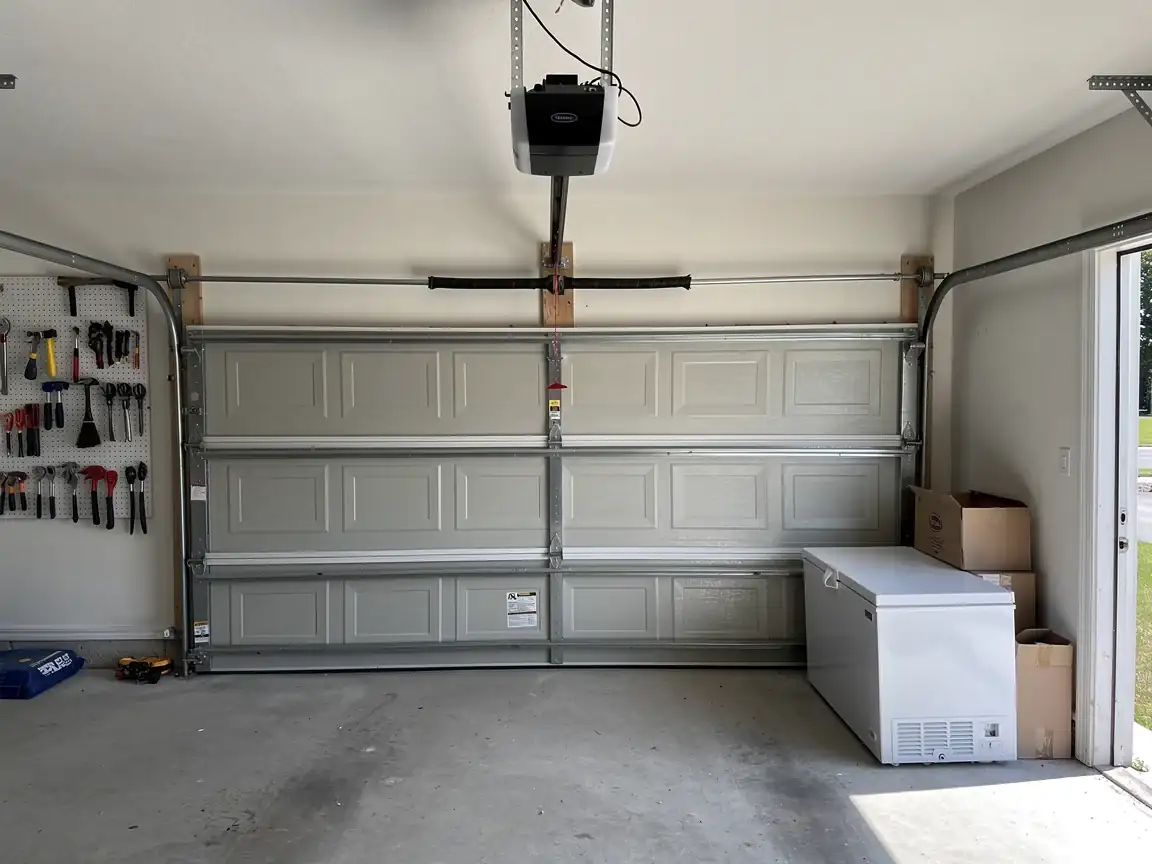
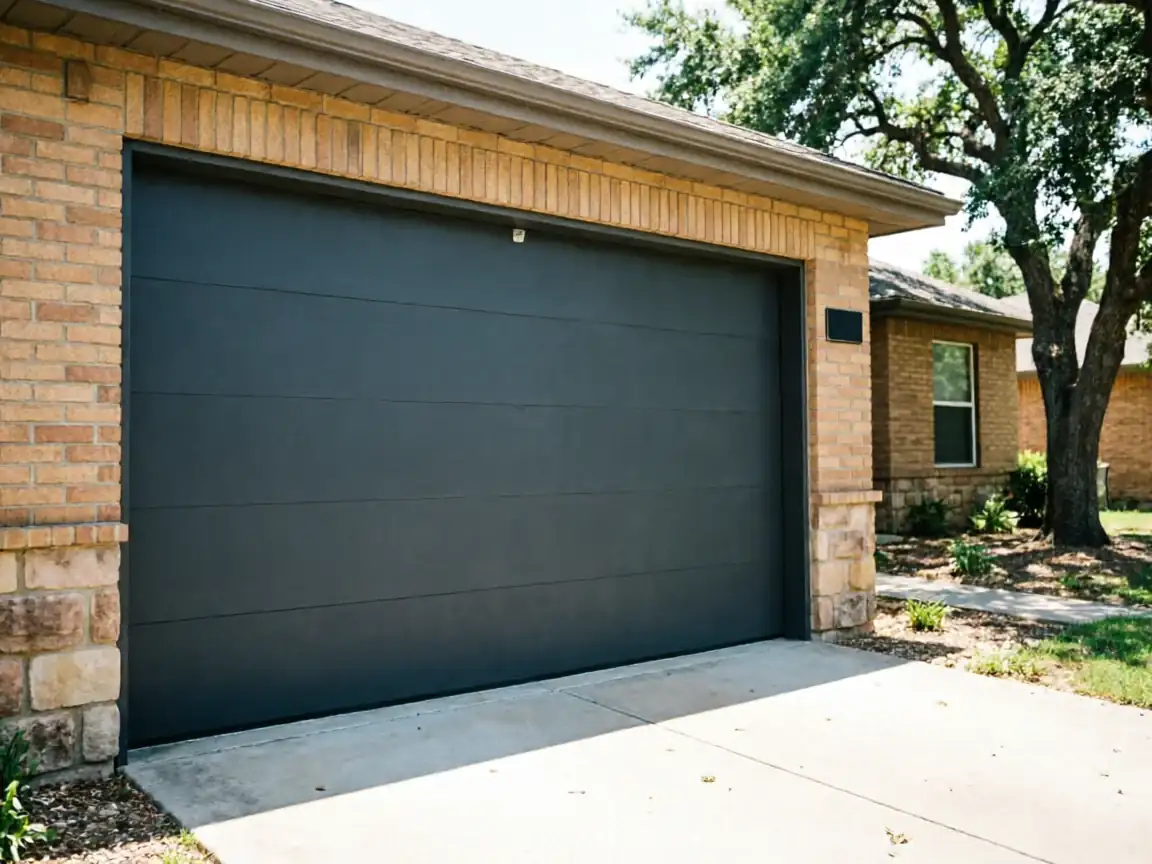
What you're seeing is usually one of two things: a steel door that's delaminated or rusted through at the bottom panel, or a track and spring setup that was fine for a lighter, older-style door but groans under anything newer you bolt onto it. Across the wider service area, housing runs from 1959 into the late 1990s, but Midwest City's own stock centers tighter around 1974, so the fixes cluster tighter too. That's a different installation job than you'd plan for a street full of 1990s builds, and it's worth knowing before you order a door off a shelf.
The area's median household income sits at $57,739, a bit under the wider service area's $60,822, which tends to shape what gets asked for: solid, correctly-sized doors over upgrades nobody needs.
How Long You Are Without the Door
We're not based in Midwest City
We come out of Edmond, roughly 15 miles away, so your install day starts with a drive, not a walk down the street. That doesn't change what the install itself takes, but it does mean scheduling the day matters more than it would for a job five minutes from the shop.
- 15 miles
We won't quote you a window we can't back with a fact we have on hand
So we're not going to tell you how many hours your specific install runs here - that depends on the door, the opener, and what the existing track and jamb look like once we're in front of it. What we can tell you is that a straight swap on an existing opening moves faster than a job where the framing or header needs correcting, which turns up more often on houses built the way most of Midwest City was, in the early-to-mid 1970s, than it does on newer construction.
The Complications
The complication that shows up most in a town built around 1974 is a mismatch between the old opening and a new door's hardware. Doors from that era were often lighter gauge, hung on tracks sized for them, with hardware that newer doors simply won't fit without adjustment. Swap in a modern insulated door without checking the jamb and track width first, and you end up redoing part of the job twice.
The other complication is the cold. The area sits in a moderate-cold climate band, which means winter matters for an install - cold concrete, cold metal, cold hands all slow the work down and change how sealant and weatherstripping behave on install day. We plan around that rather than pretend it isn't a factor.
We'll also tell you straight: if your opening is out of square or the header's been compromised by water over the decades, that's carpentry work, not garage door work, and we'll say so rather than force a door into an opening that won't hold it right.
What the Fix Involves
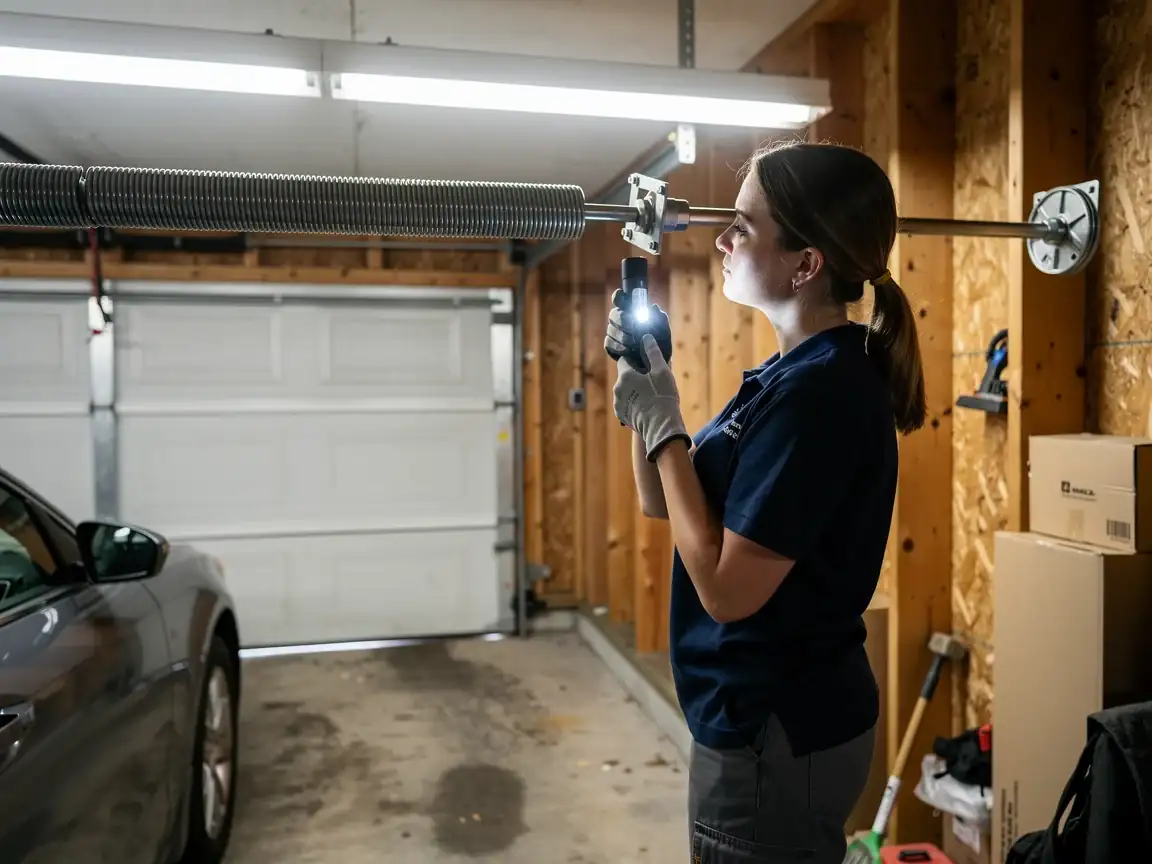
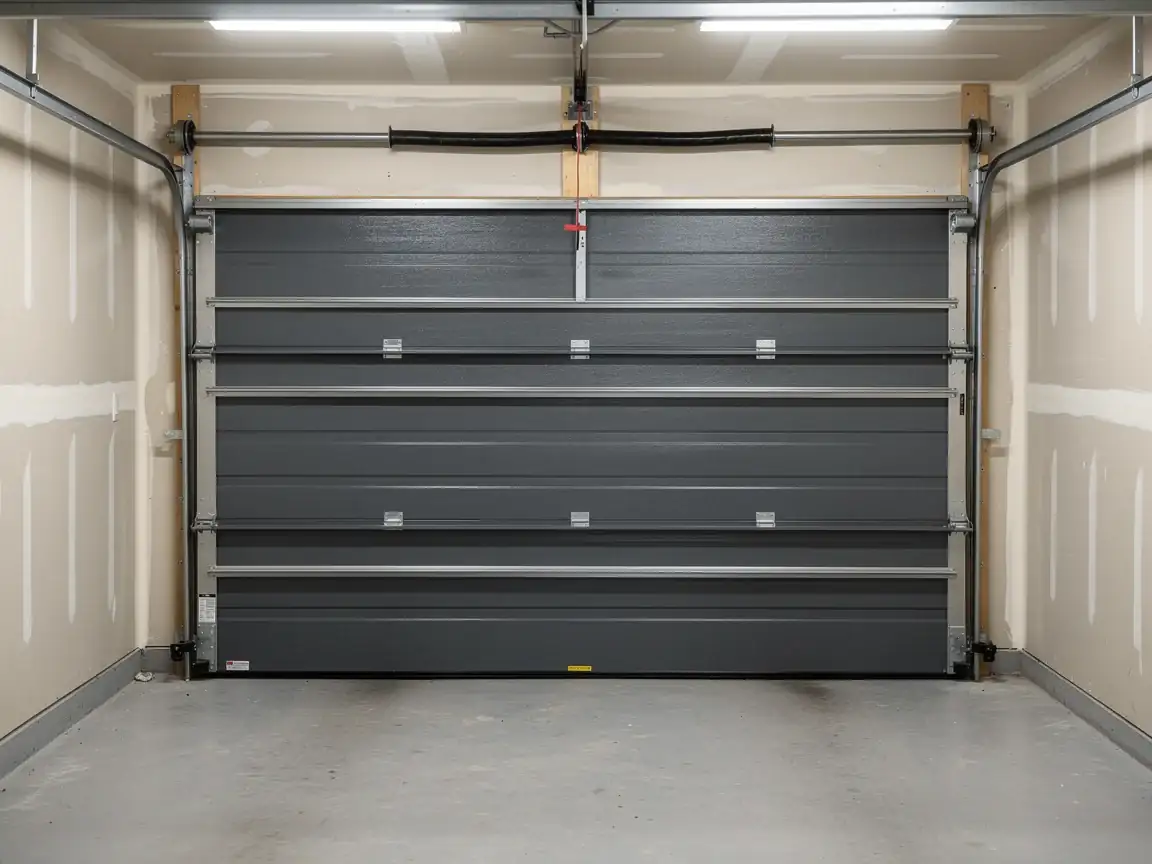
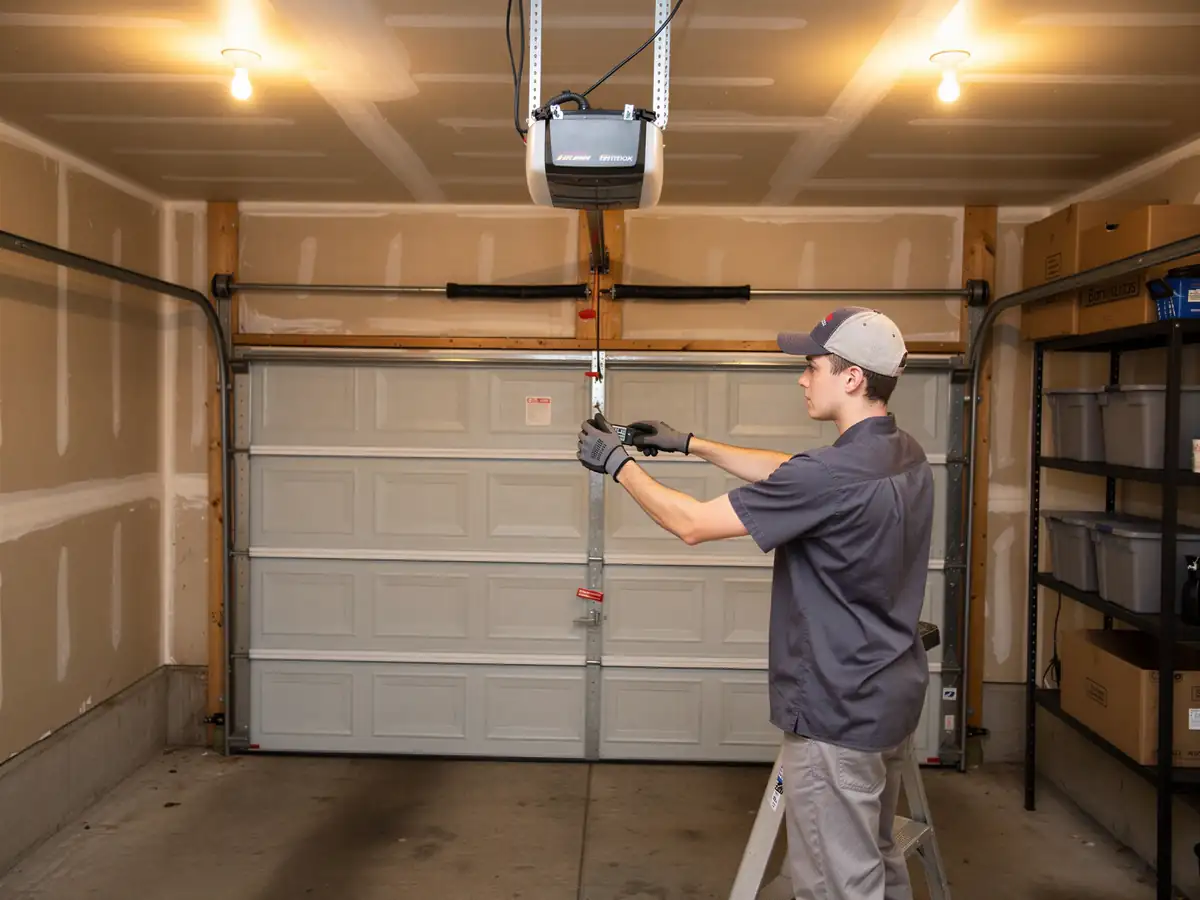
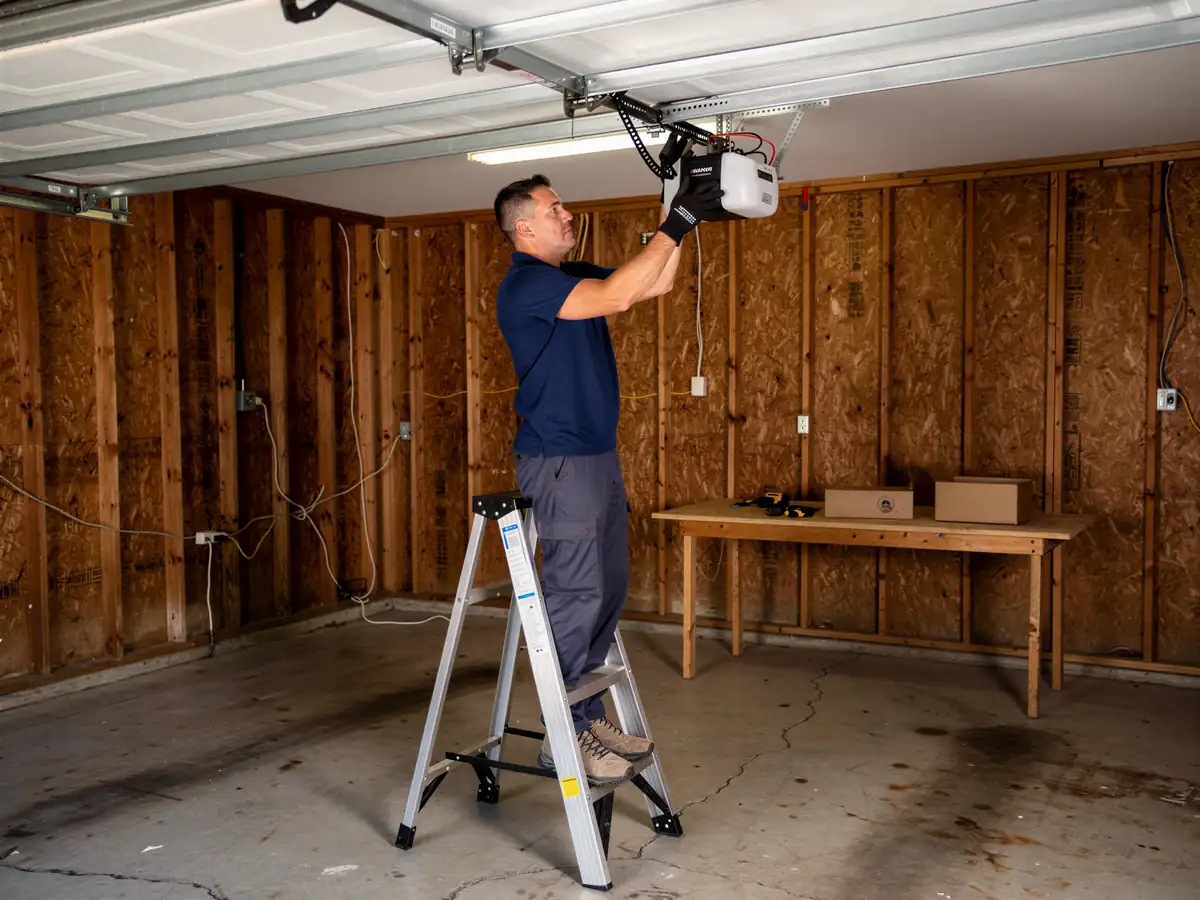
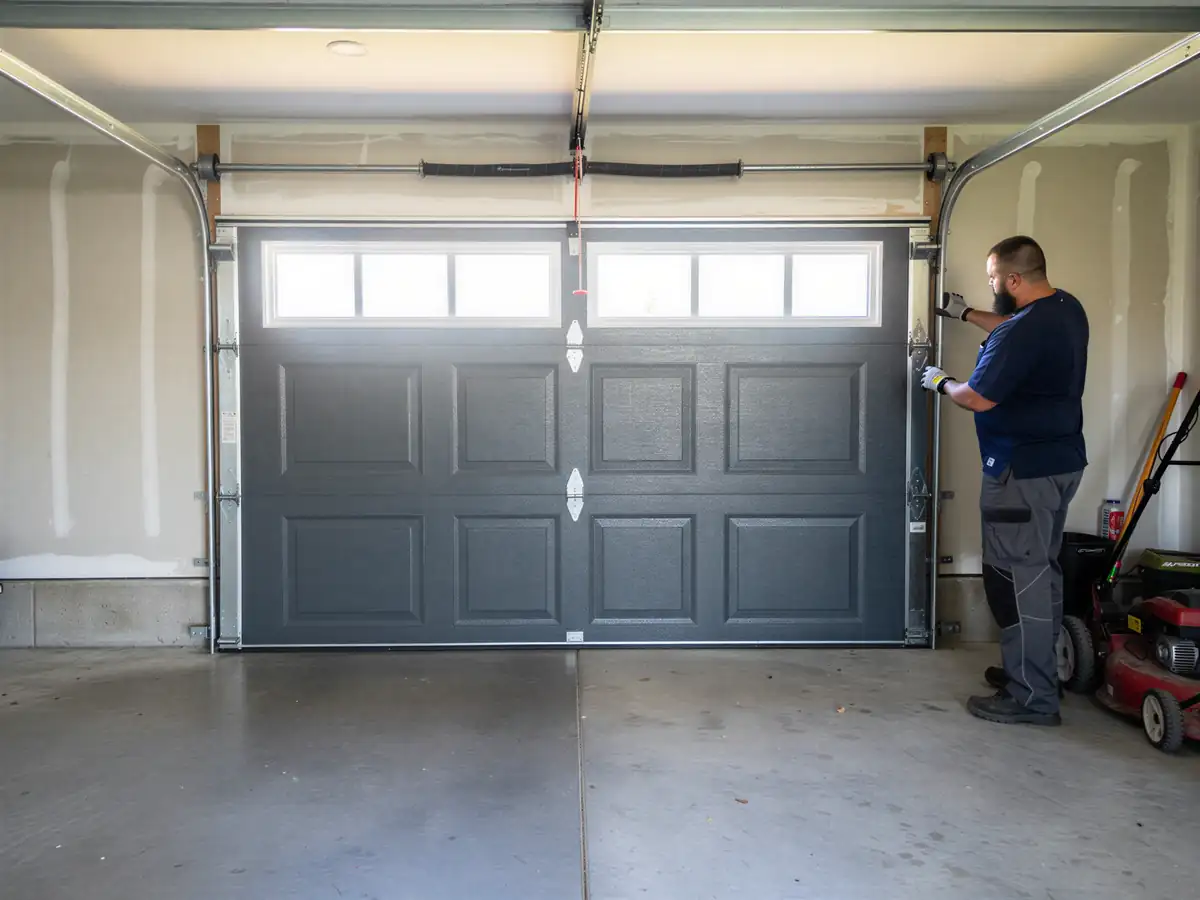
A proper new install starts with measuring the actual opening, not trusting the old door's dimensions, since 1970s-era framing can have settled or shifted. From there it's removing the old door and track, checking the jamb for rot or movement, setting new track to the new door's spec, and balancing the spring to the door's actual weight - not a generic setting.
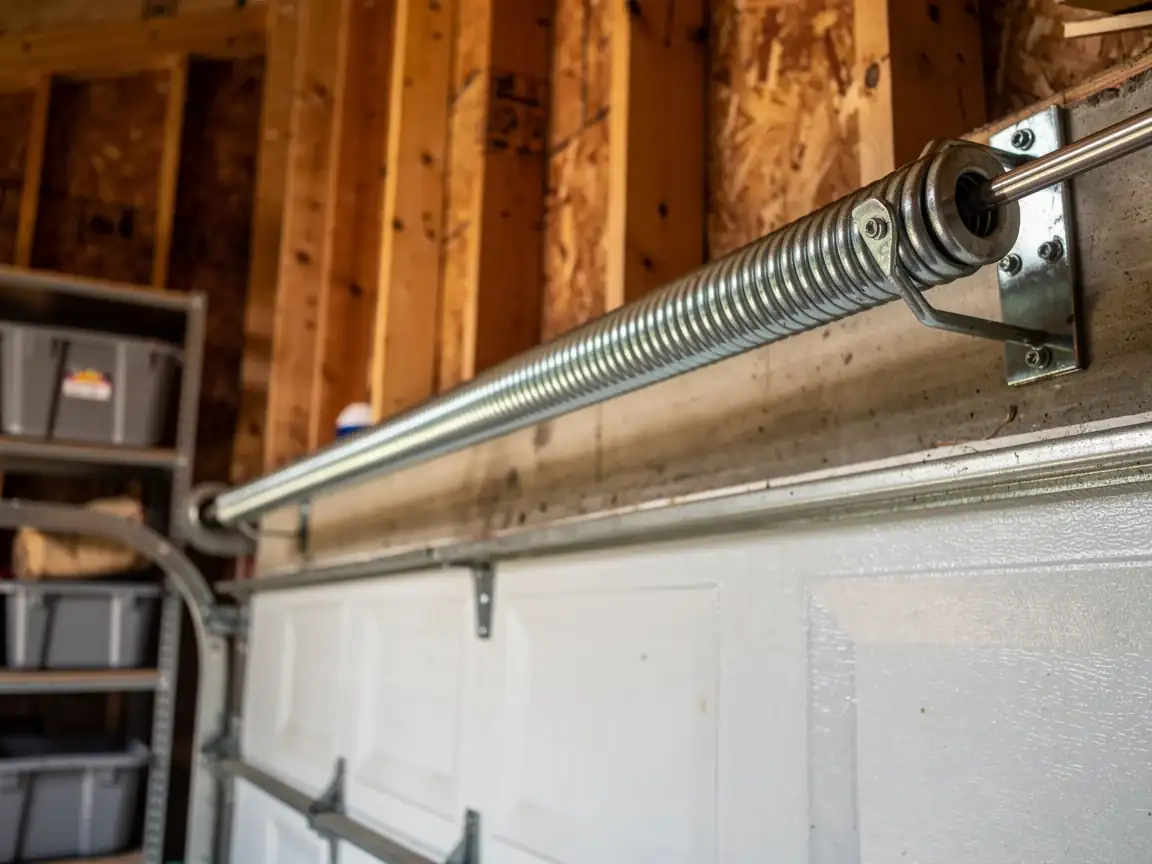
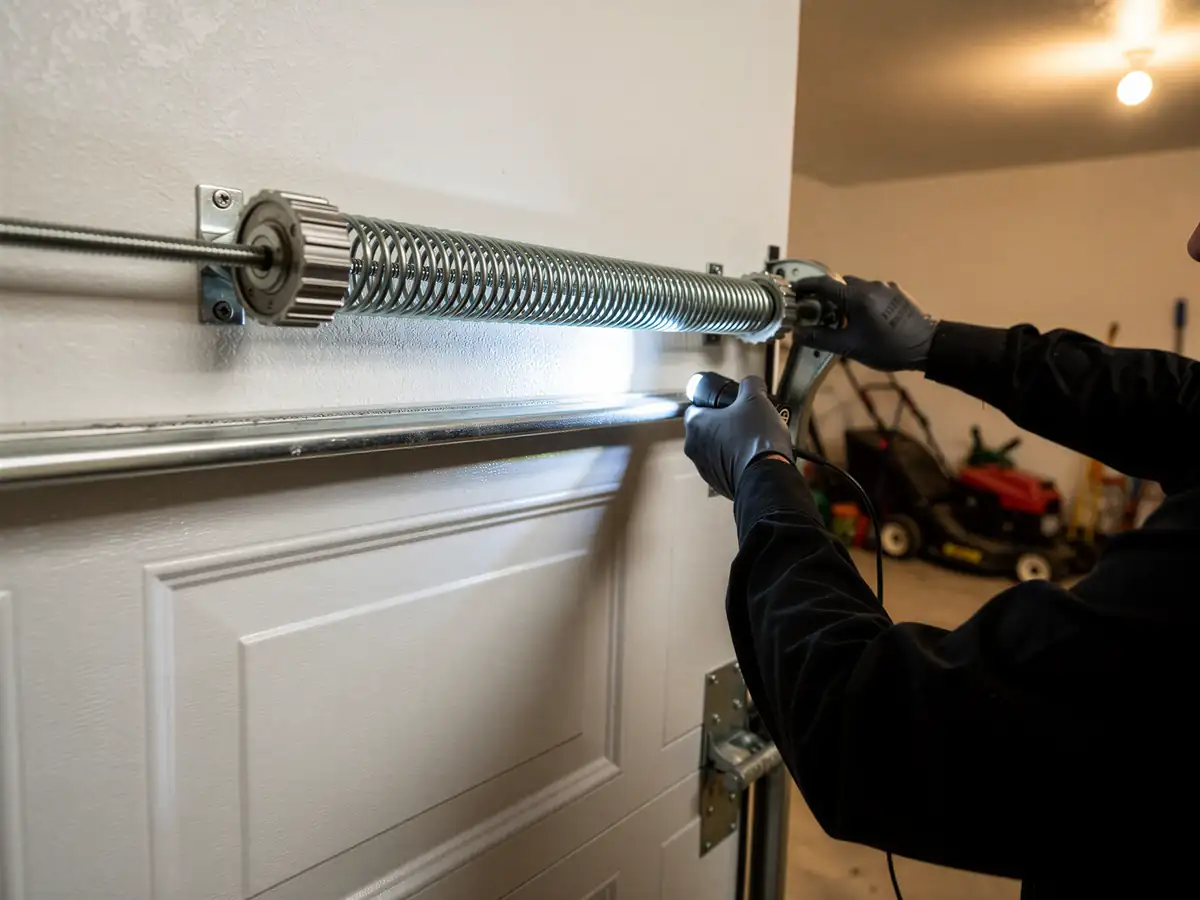
On a house from around 1974, that spring step matters more than usual. Older torsion setups were often sized for a lighter door, and if you hang a heavier insulated door on old spring hardware, it won't lift right and it'll wear out fast. We size the spring to the door going in, not the one coming out.
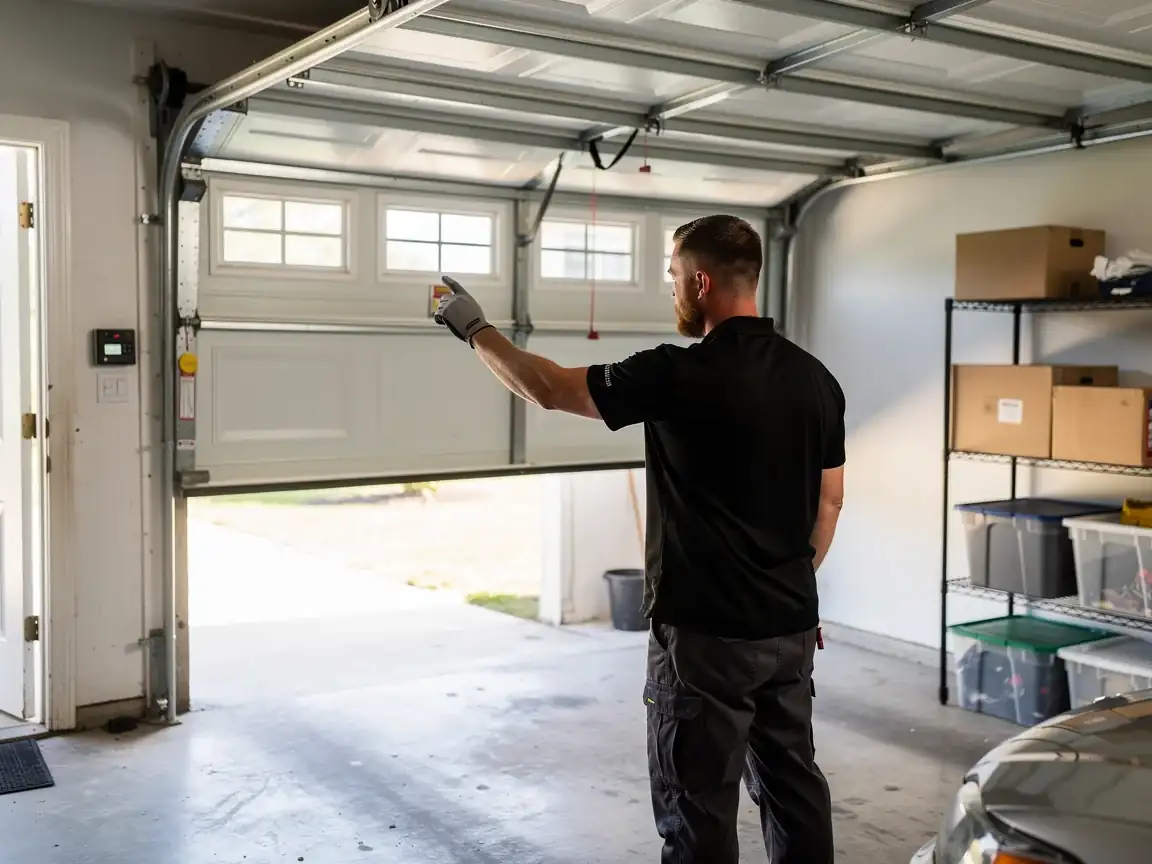
Last is the opener and safety sensors - testing travel limits, auto-reverse, and sealing the bottom panel against the slab, which matters more here given the moderate-cold winters than it would somewhere milder.
Can You Do This Yourself
Some of this is within reach for a handy homeowner
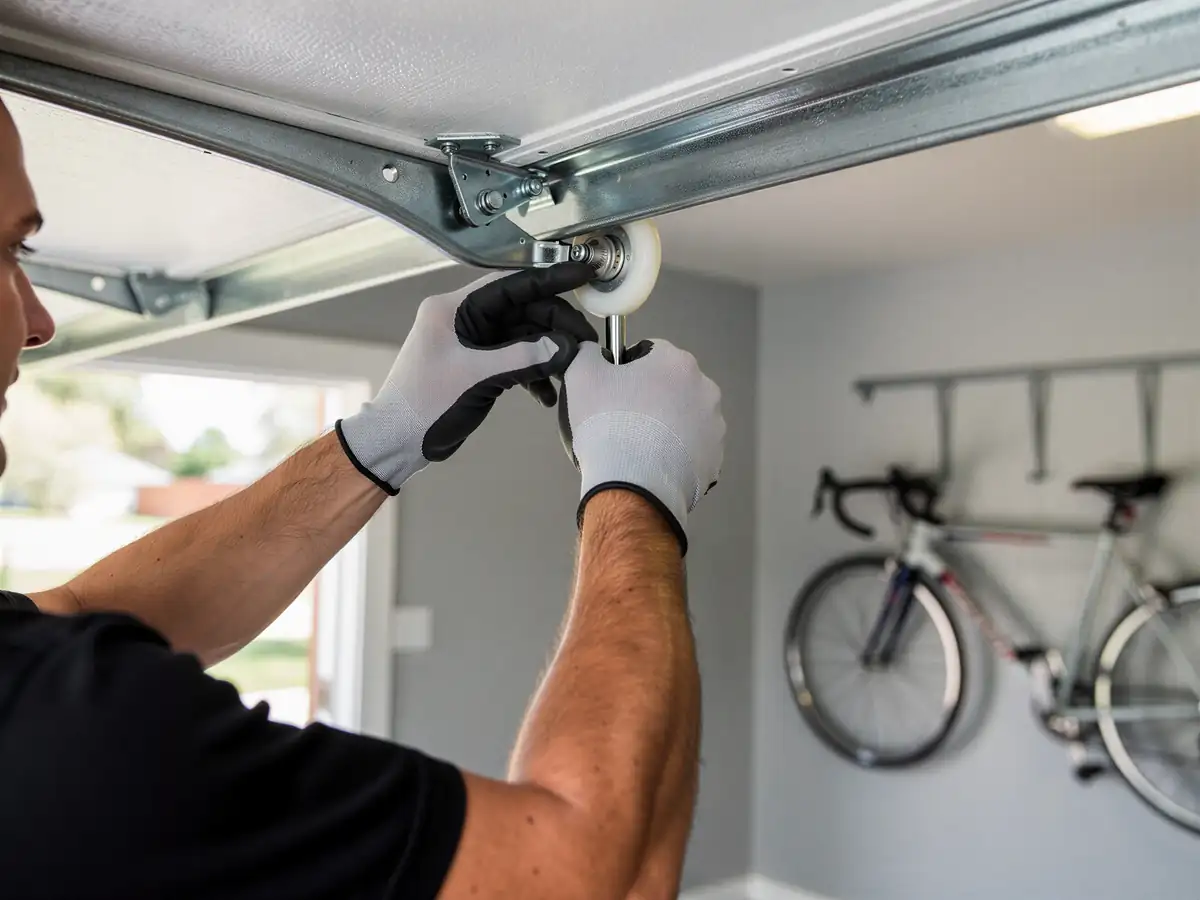
Swapping weatherstripping, replacing rollers, even hanging a lighter door solo if you've done it before. New installation with a torsion spring is a different category. A torsion spring under tension can cause real injury, and getting the spring size wrong on a heavier replacement door is the single most common DIY mistake we see called in to fix.
If your house is one of the many in Midwest City built around 1974 and you're upgrading from the original door to a heavier insulated one
The hardware underneath almost never carries over cleanly. That's not a scare tactic, it's just how the math on spring tension works. If you want to do the trim and cosmetic work yourself and have us handle the door, track, and spring, that split is reasonable and we're fine with it.
What Causes It Around Here
The root cause in Midwest City isn't dramatic weather or unusual soil - it's age doing what age does. A town with a median build year around 1974 has a lot of doors, tracks, and openers reaching the end of their working life in the same stretch of years, which is why installation calls here tend to come in waves rather than trickle steadily.
The moderate-cold climate band adds wear at the margins - seals harden, metal contracts, and a door that was marginal in October fails outright in a January cold snap. None of that is unique to this one street or that one house; it's what happens across a suburb this size, with 24,599 households and housing stock concentrated in one era, when none of it was built to last forever in the first place.