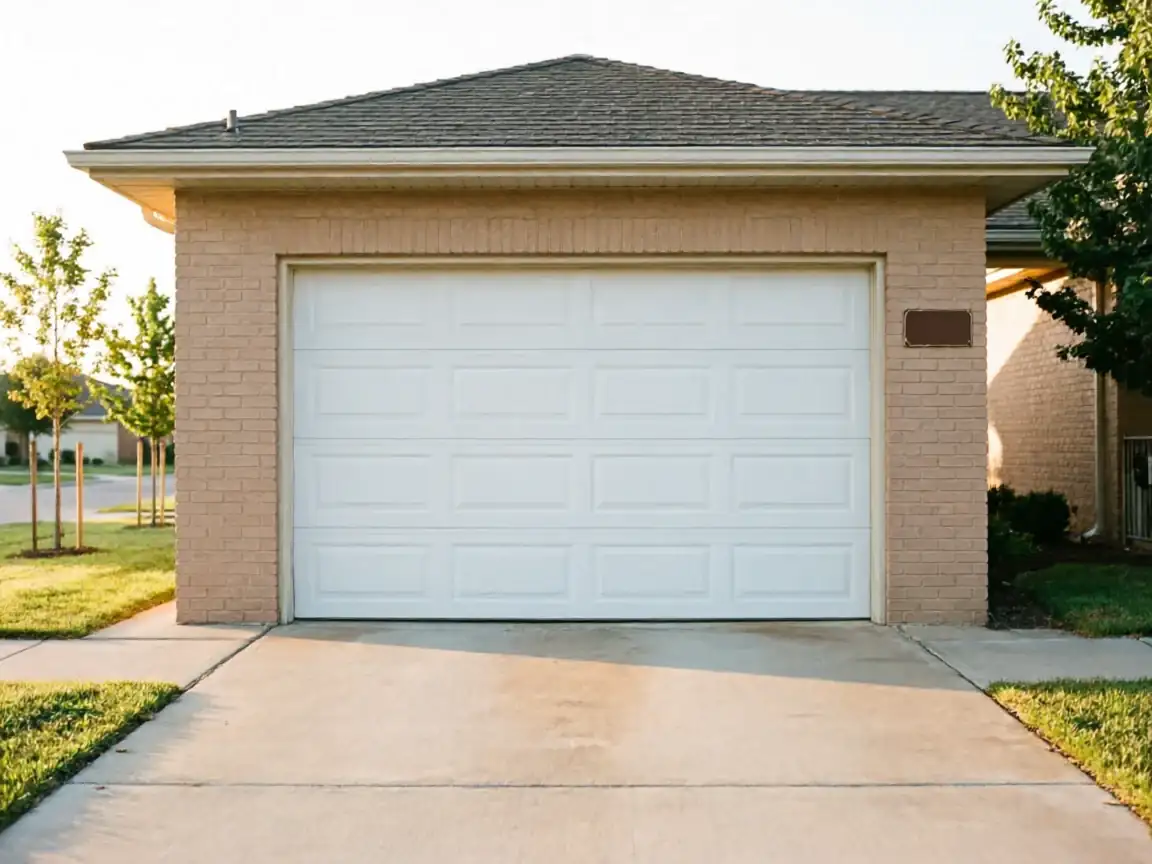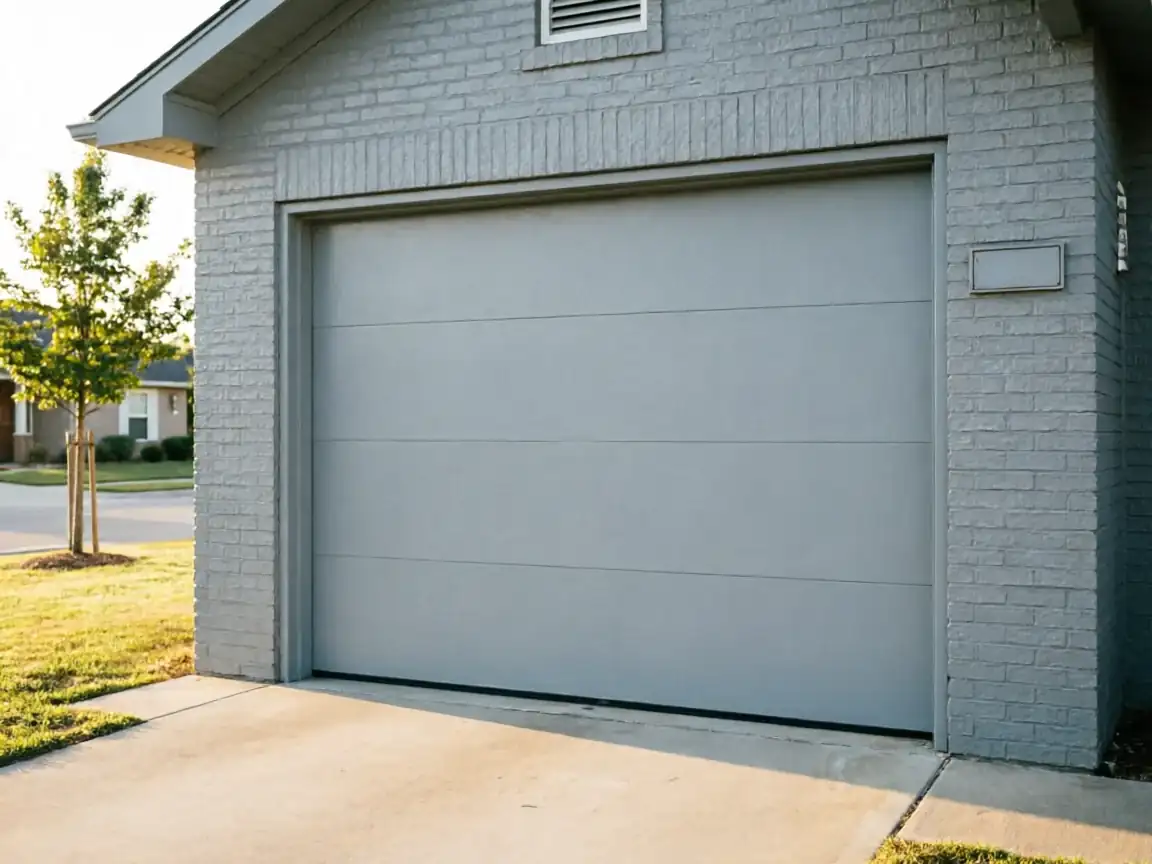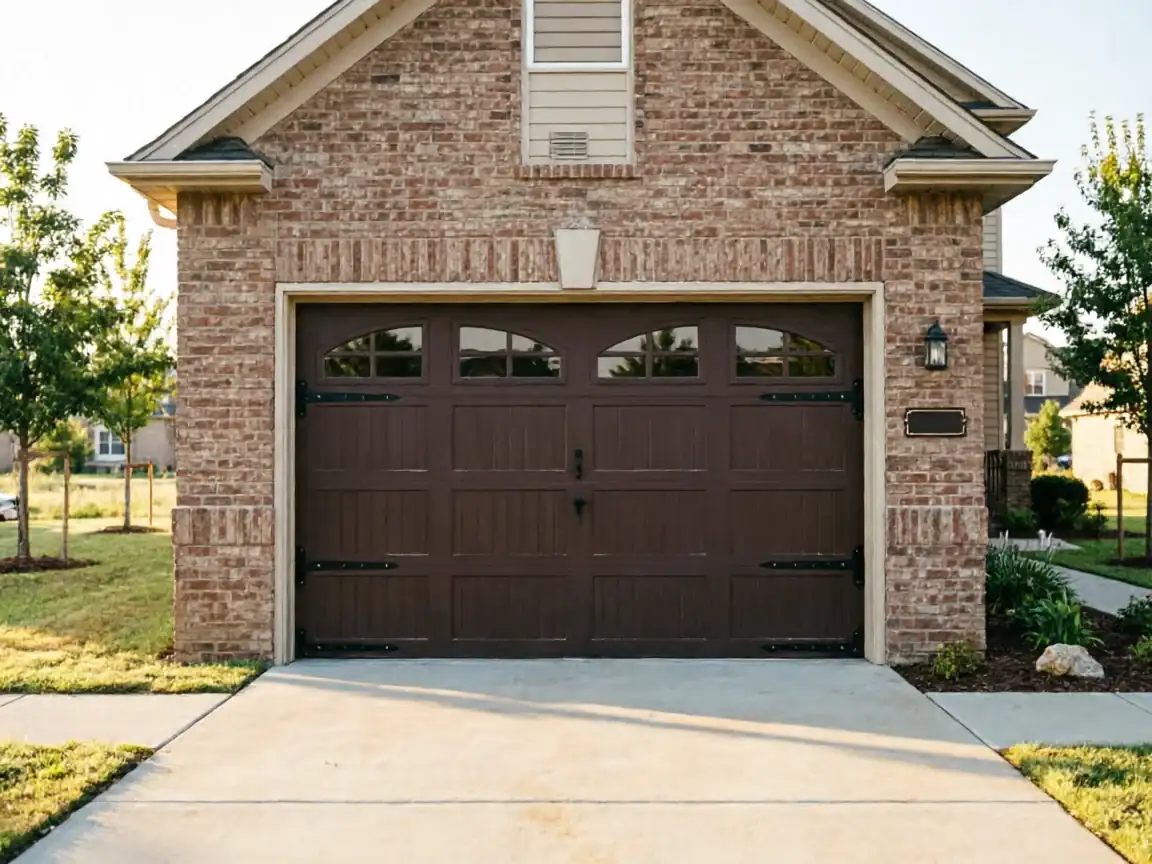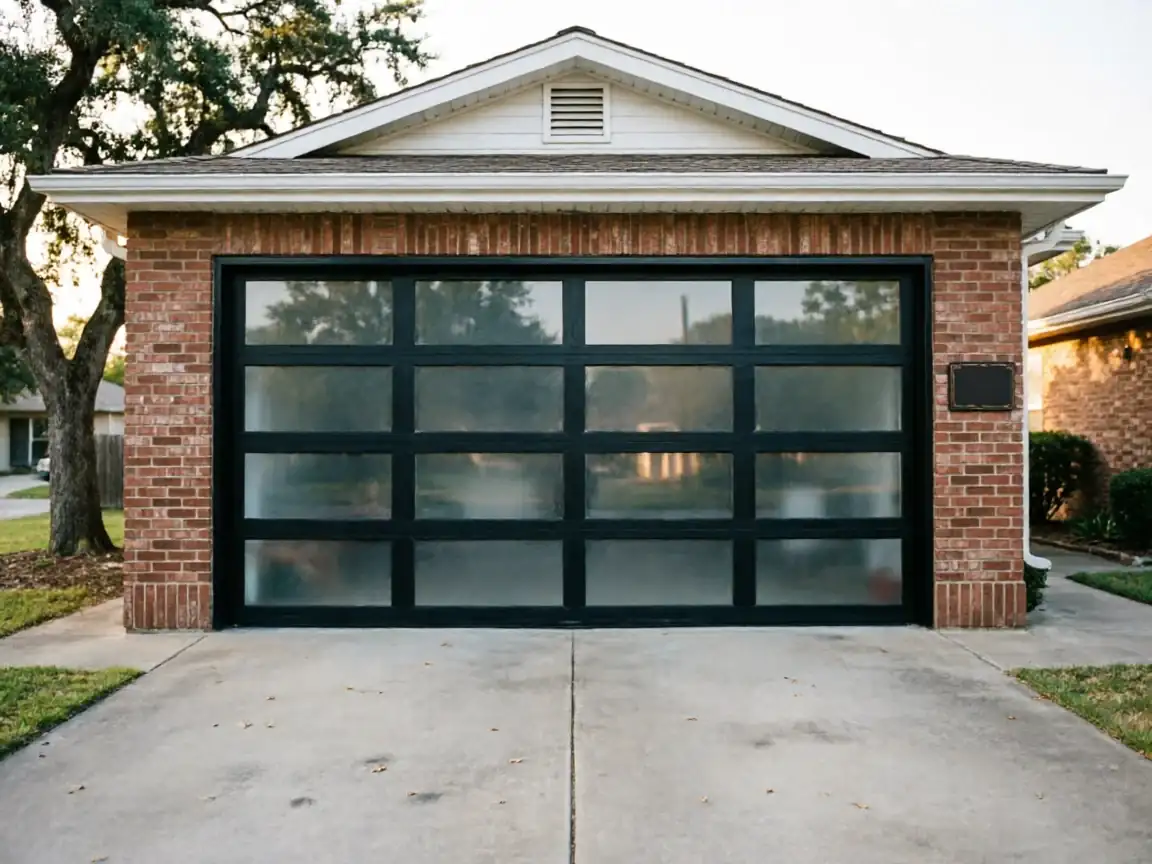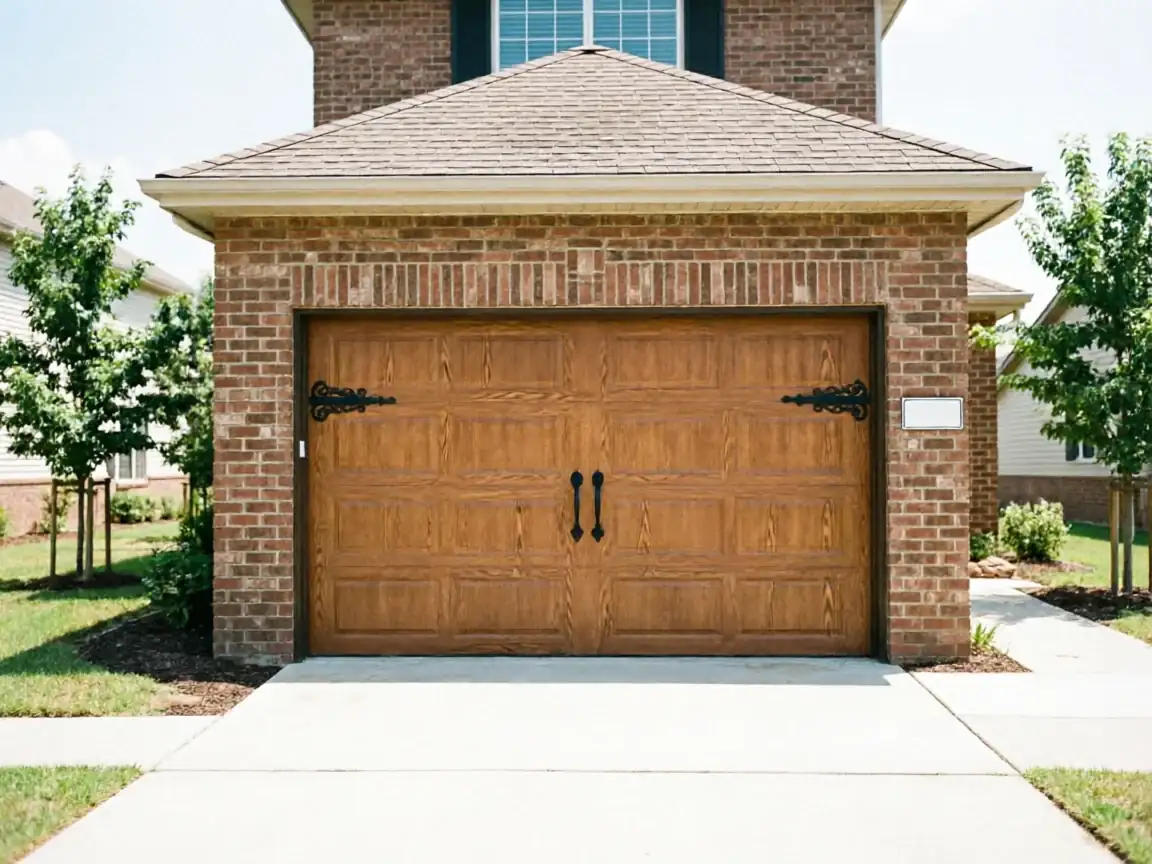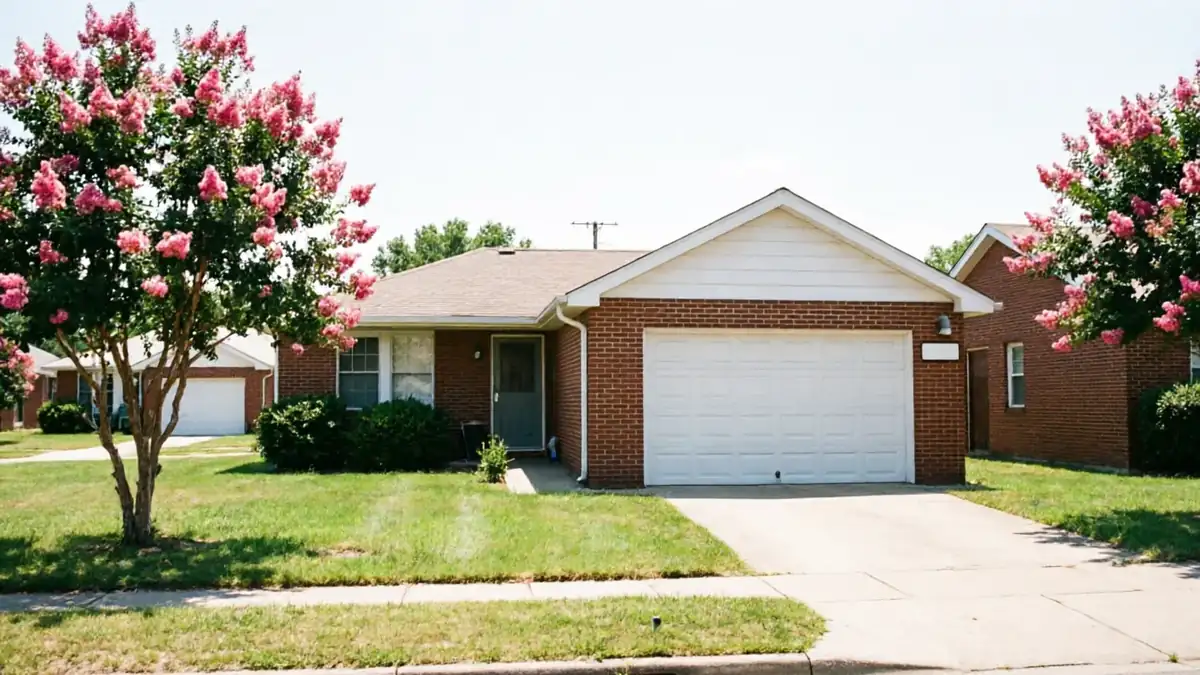
What You Are Seeing
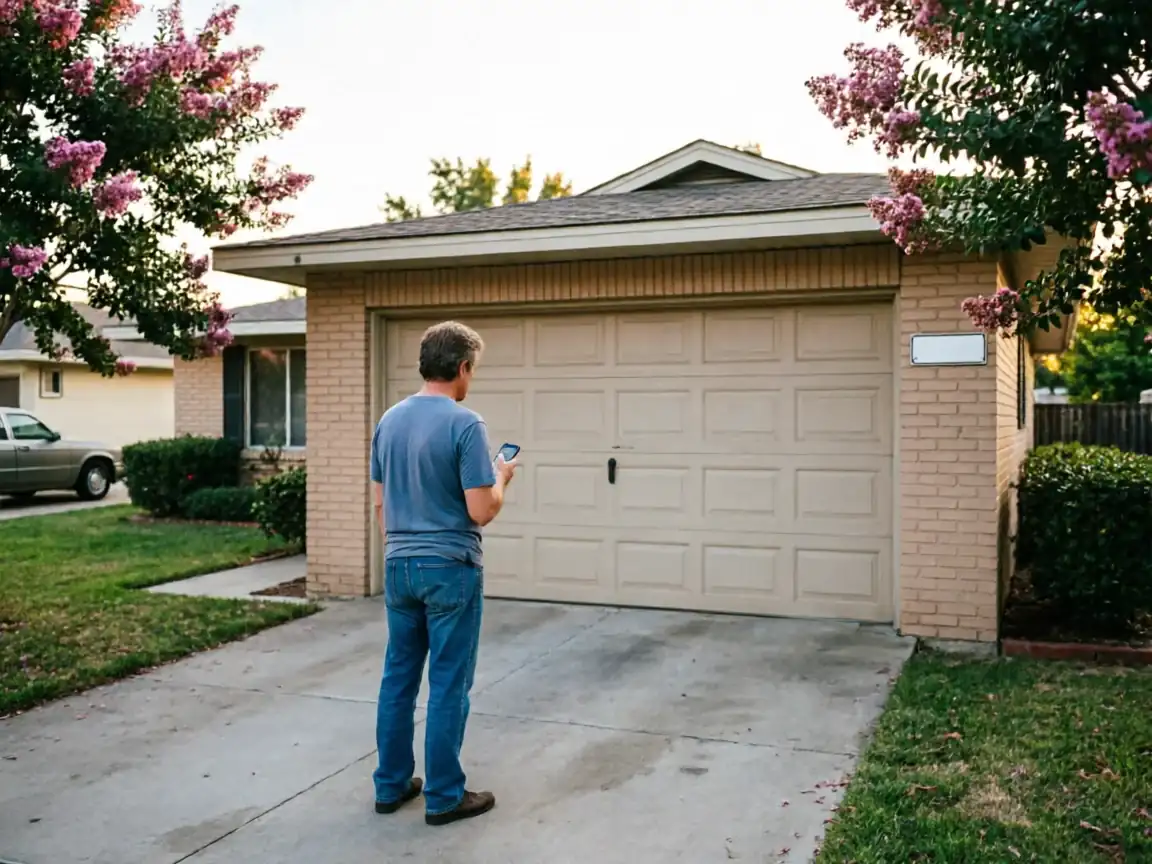
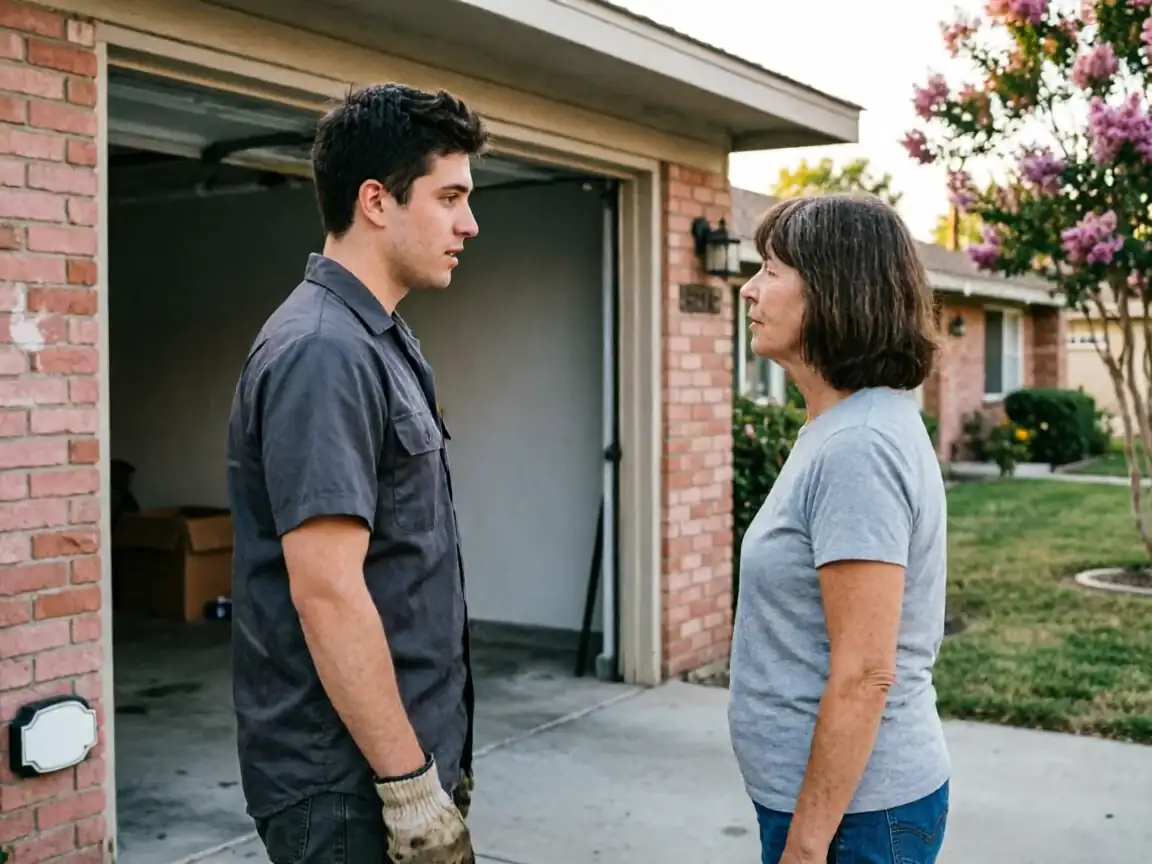
Midwest City sits about 15 miles from our Edmond shop, which means a call here isn't a quick hop across town - it's a planned drive, and it changes how we handle the job. We don't stock a second truck's worth of parts at a depot out here, so when you call, we ask more questions up front: what the door is doing, what year the house is, whether the spring let go or the opener just hums. That lets us load the right torsion spring, the right roller size, the right opener gear before we ever get on the road, instead of guessing and making two trips. Most of Midwest City's housing went up in the 1960s and 70s, with the broader area's stock spanning 1959 to 1999 and a median build year of 1974 - a narrow enough window that we can usually bring the right hardware the first time. The drive is real, but it's one we plan around, not one we pretend doesn't exist. If a job turns out to need a part we didn't bring - an odd-length track section, say - we'll tell you straight that it's a second trip, not a same-visit fix.
The Complications
A house built in the early-to-mid 1970s - the median year for homes in this part of the metro - usually still has its original door track and jamb hardware even if the door panel itself has been swapped once. That mismatch is the complication we run into most: a newer door hung on 50-year-old framing, or a newer opener bolted to a bracket that was never rated for it. Cold-weather swings matter too. This region sits in a moderate cold climate band, and steel springs and nylon rollers both stiffen and fail more often right after a hard temperature drop. We see it as a cluster - several calls in the same week after the first real cold snap, all from houses of the same era, because the same hardware is aging out at the same time across the neighborhood. None of that is unique to any one street; it's the housing stock talking.
What the Fix Involves
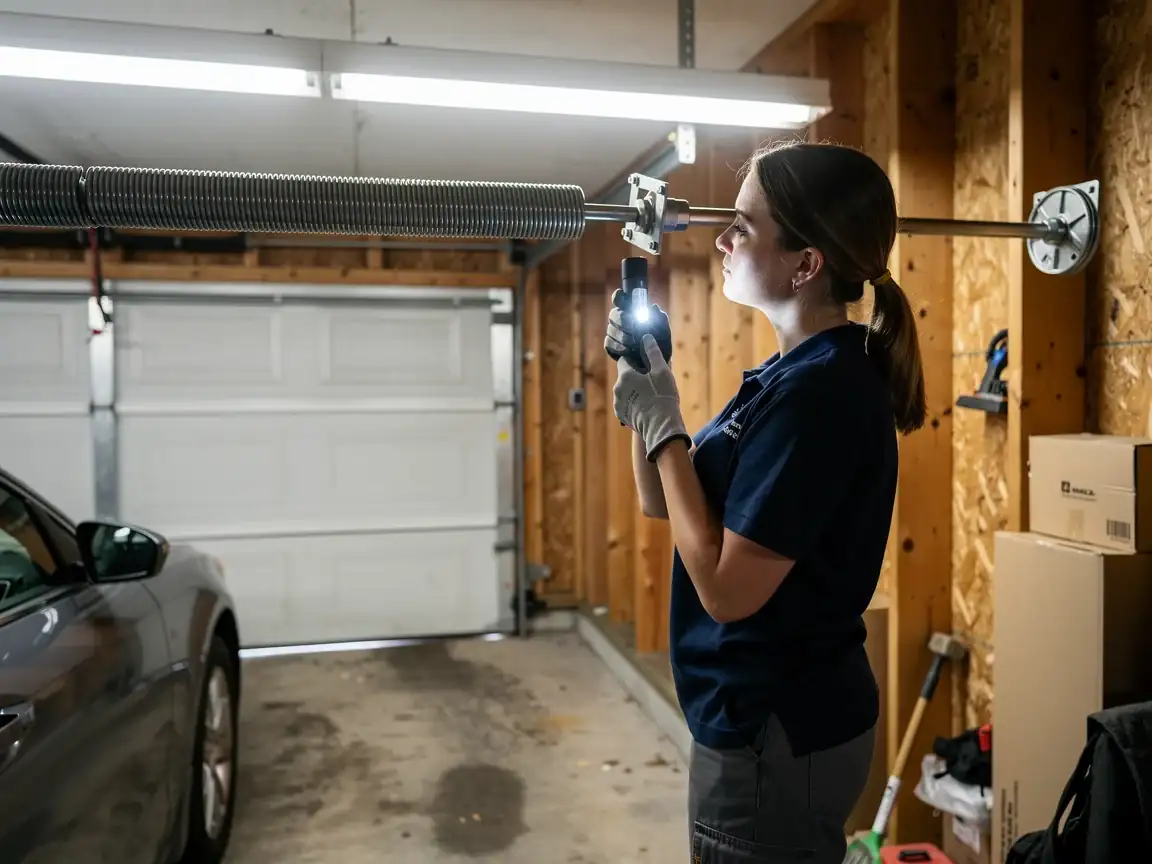
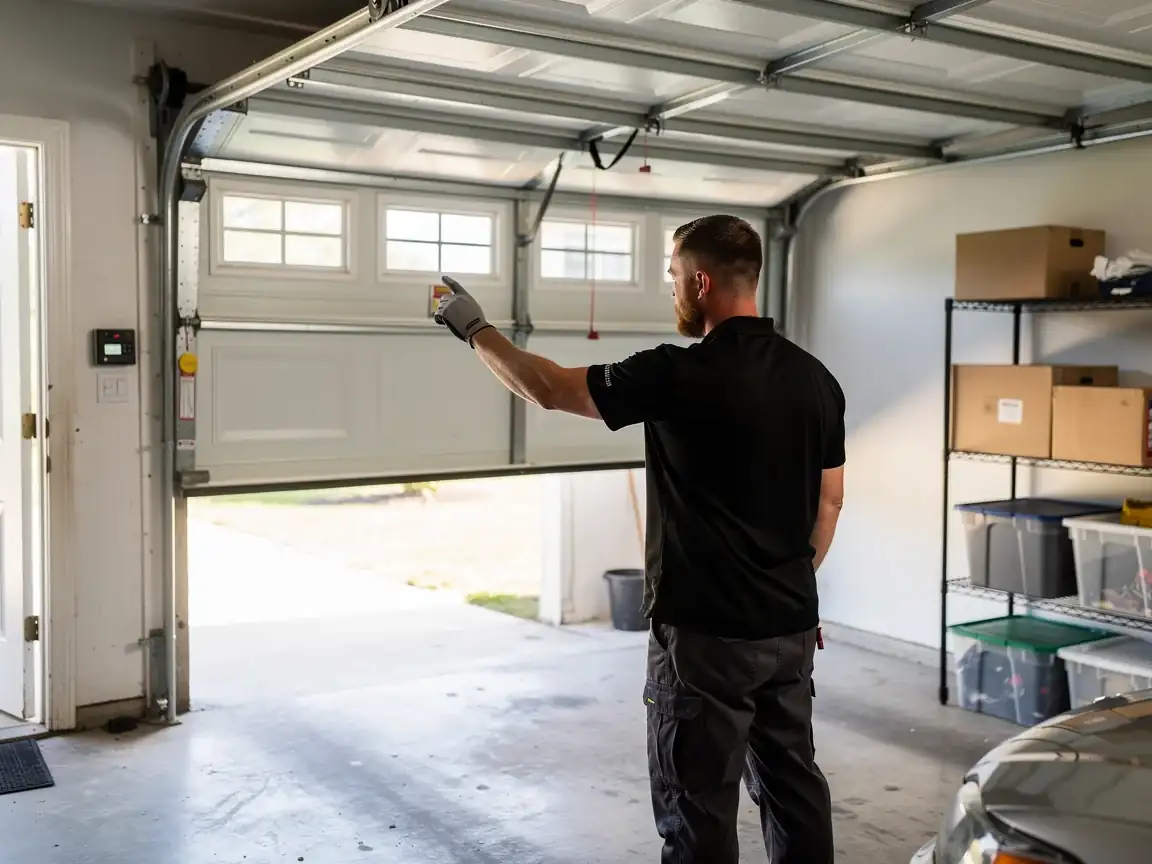
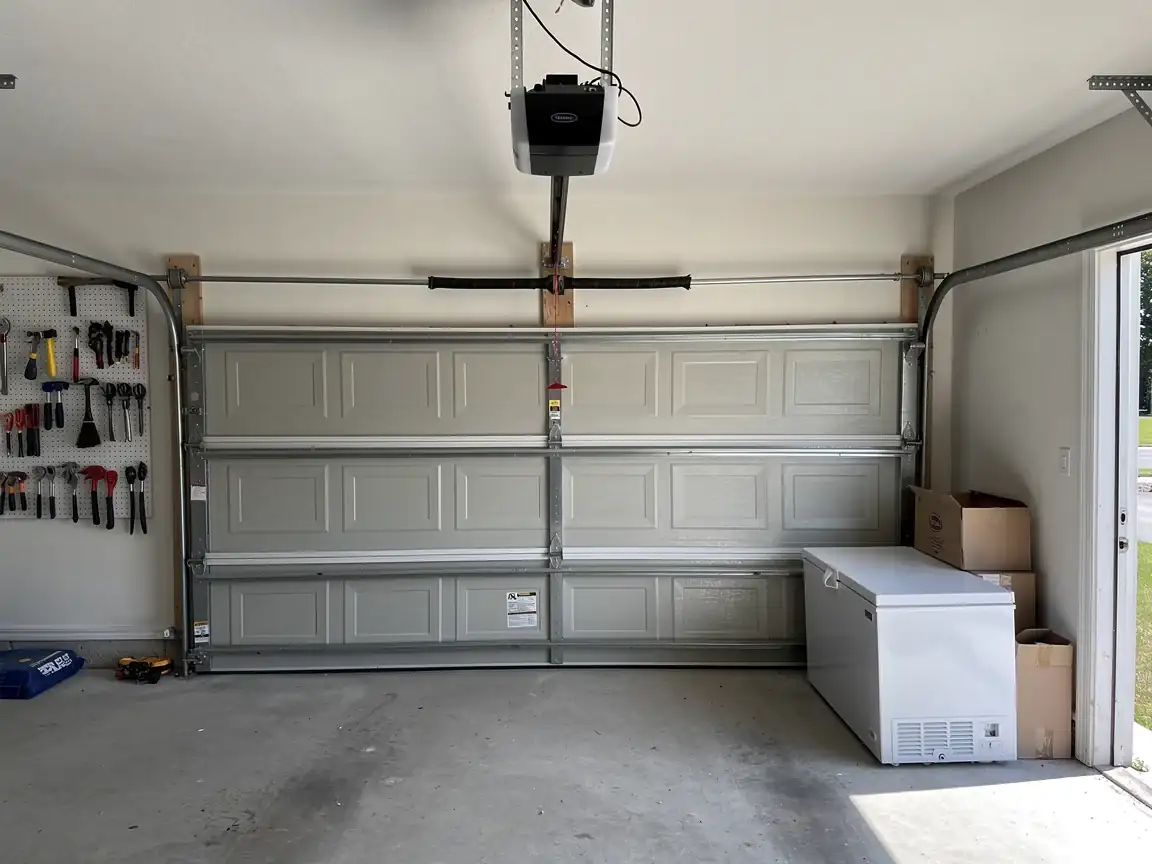
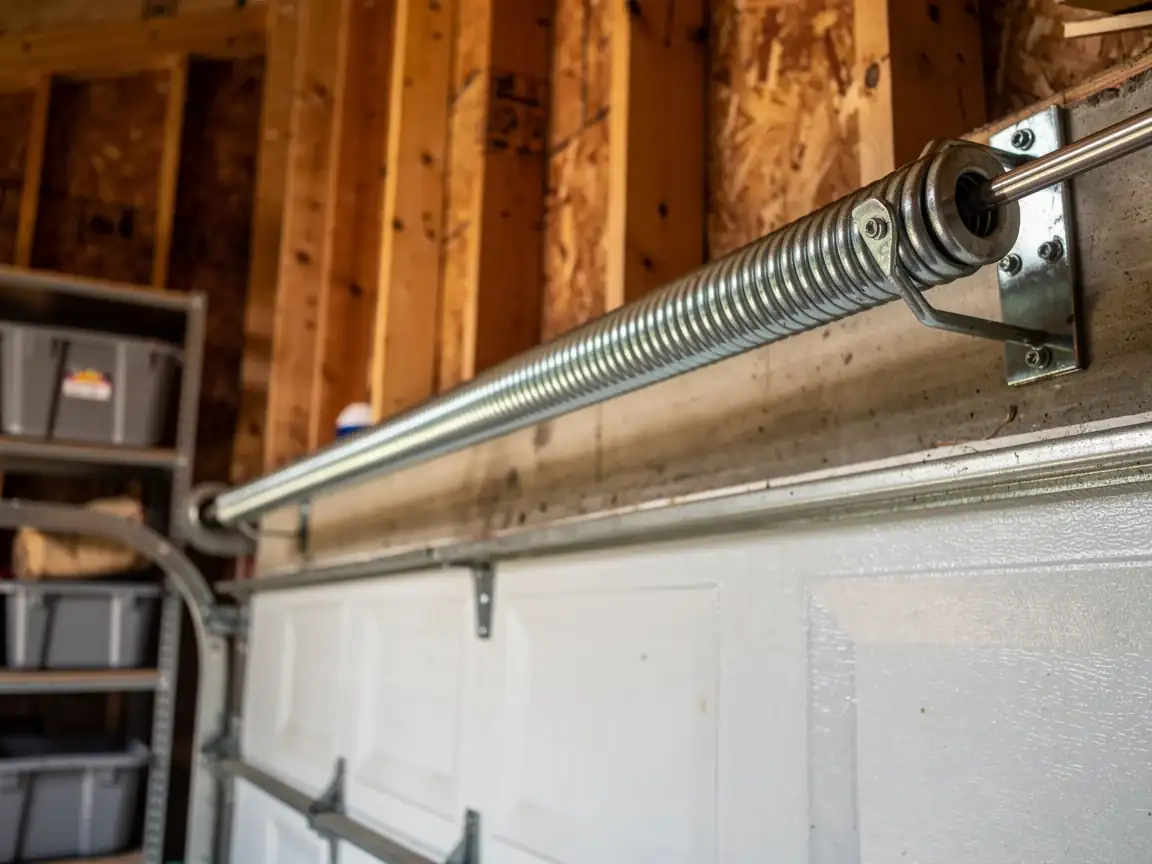
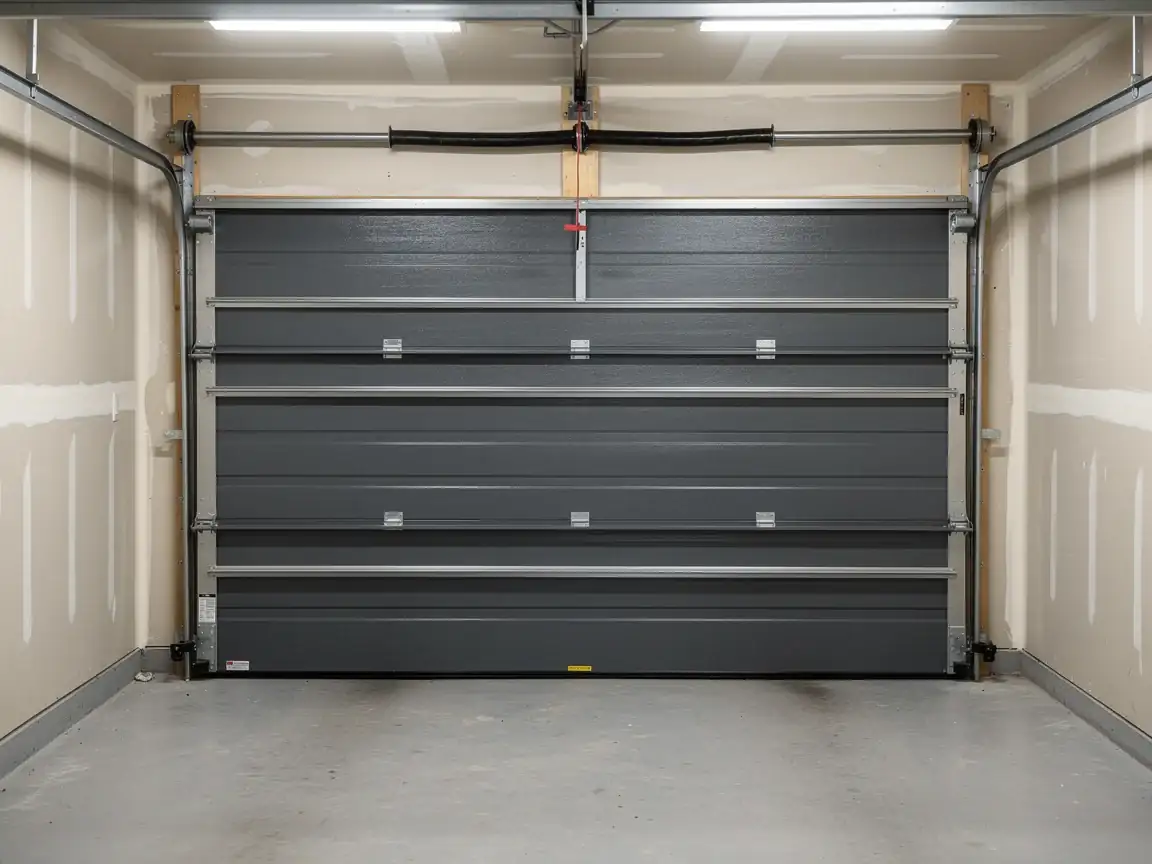
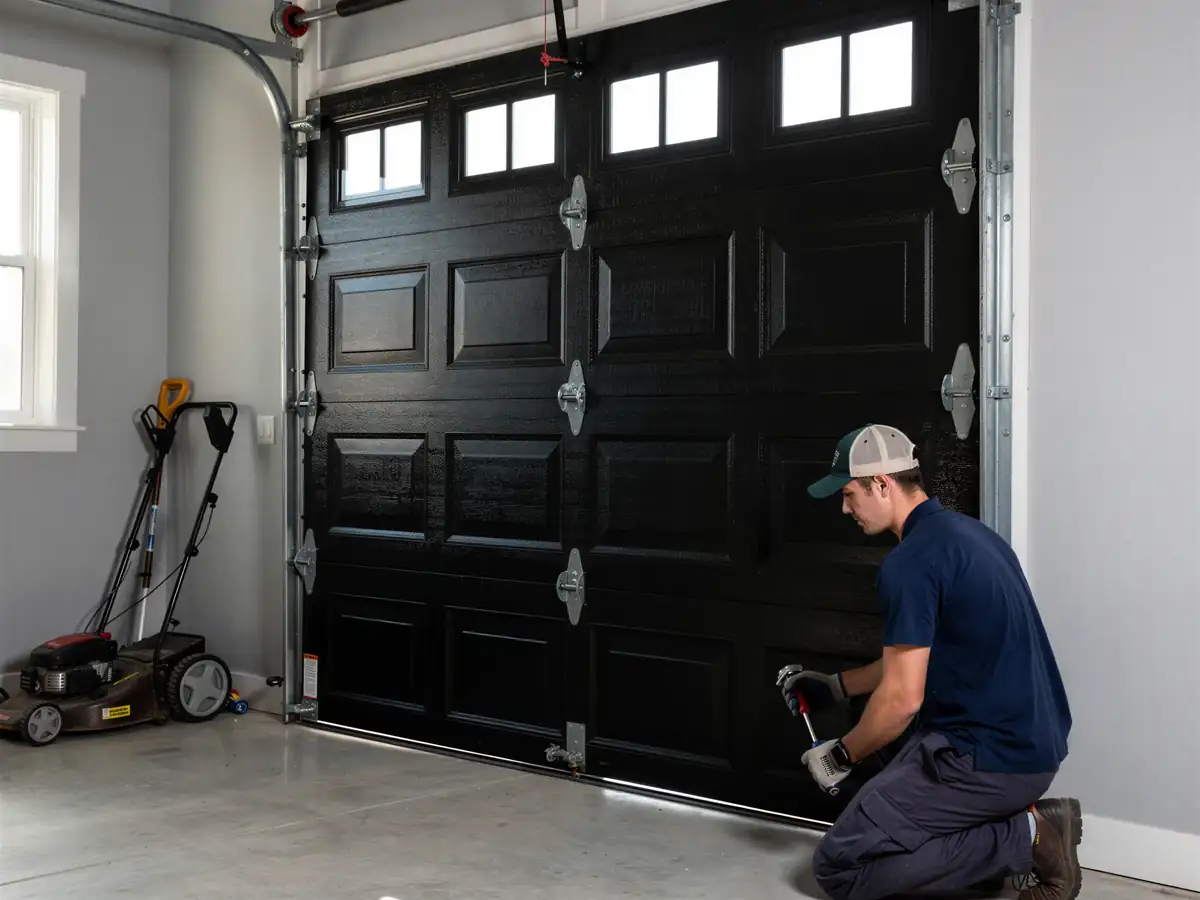
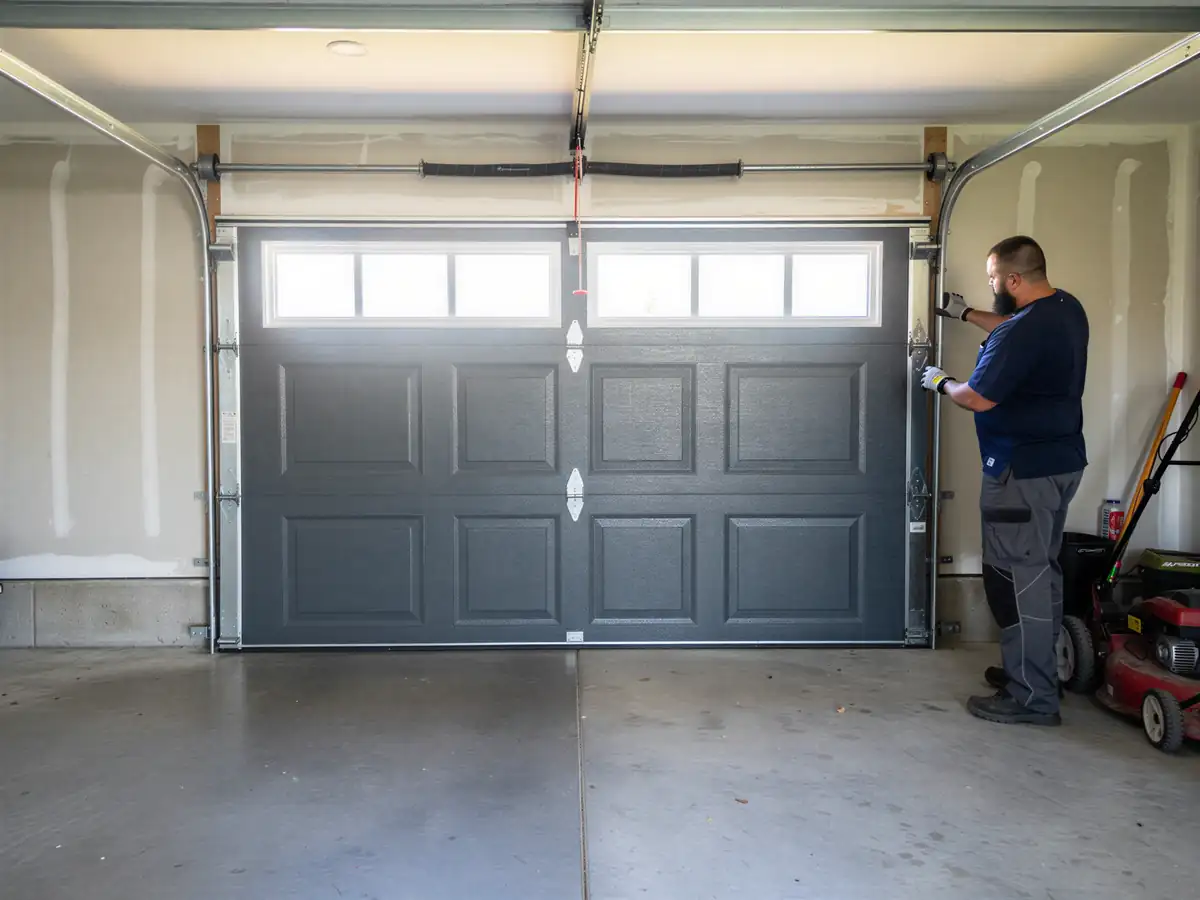
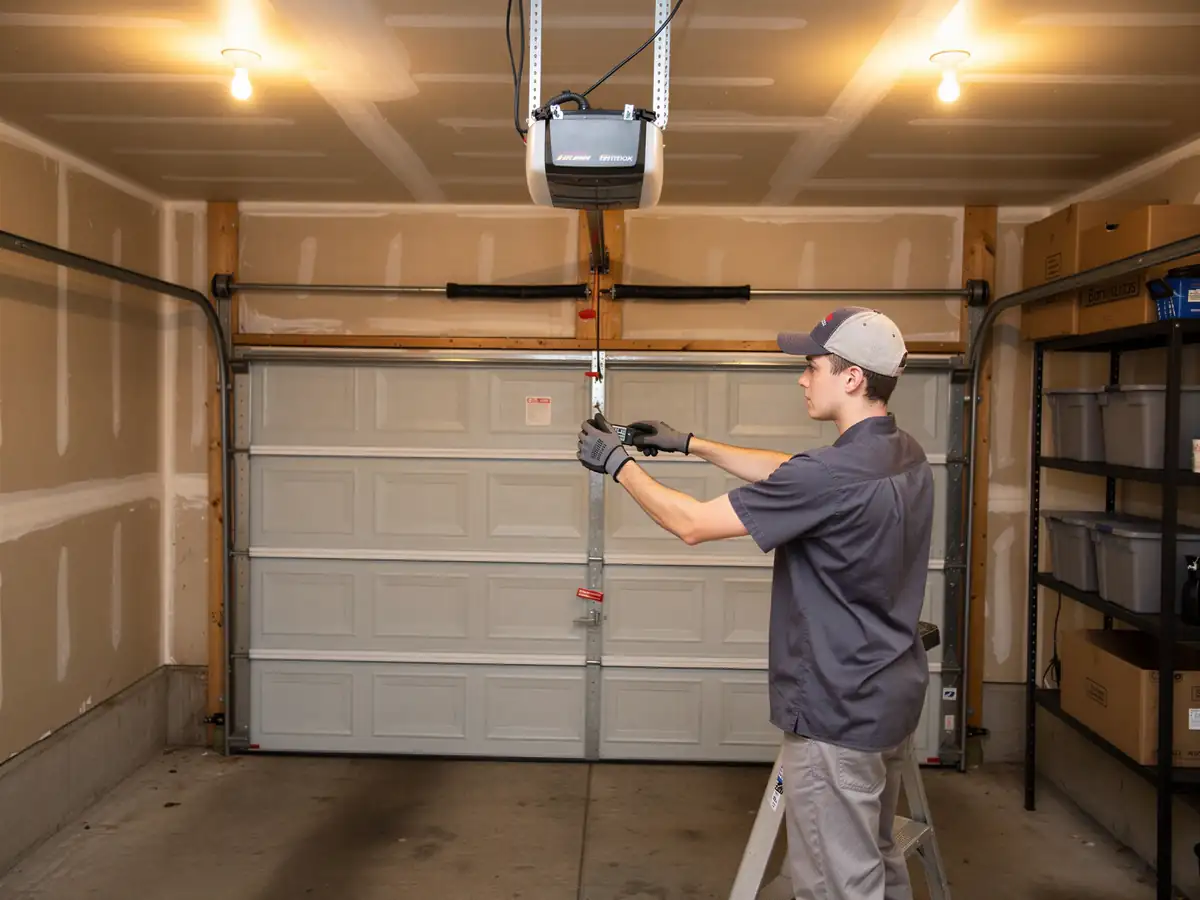
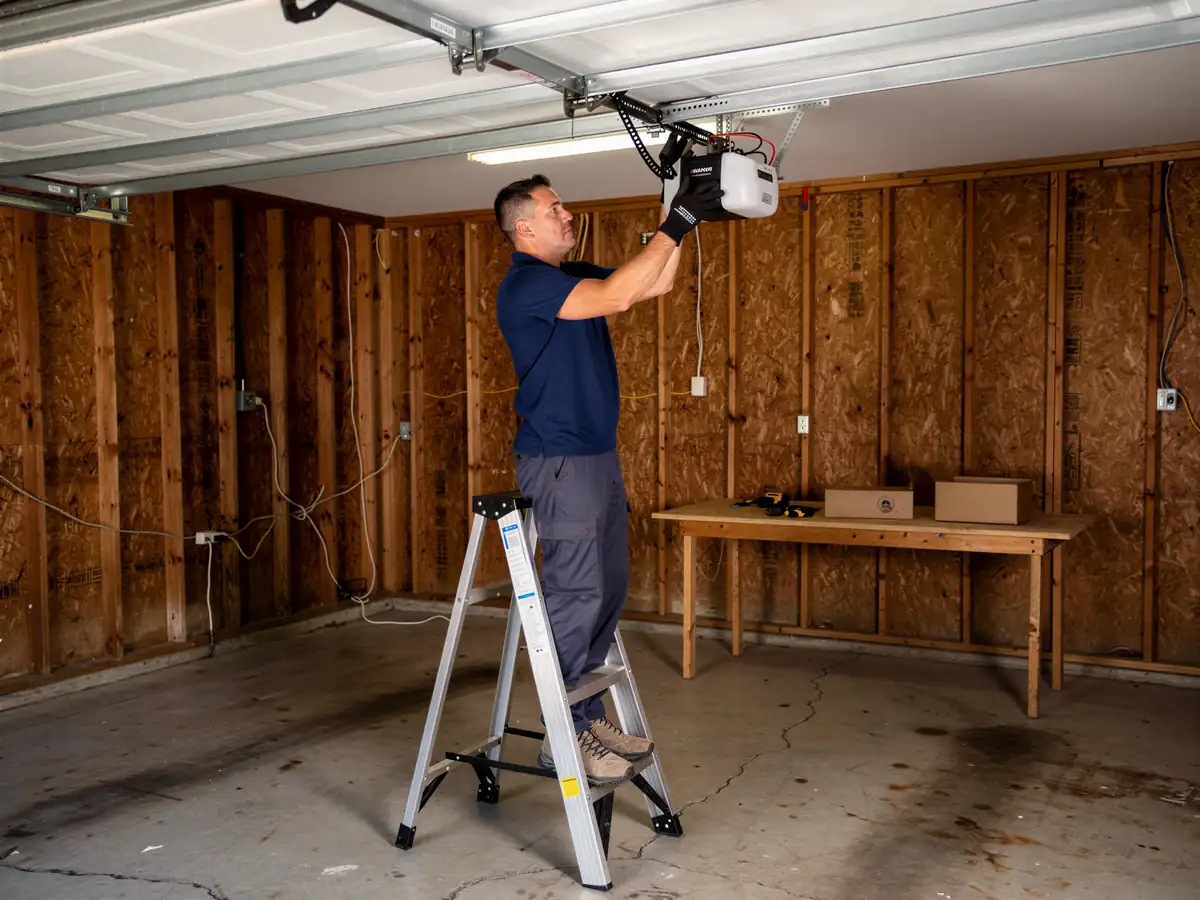
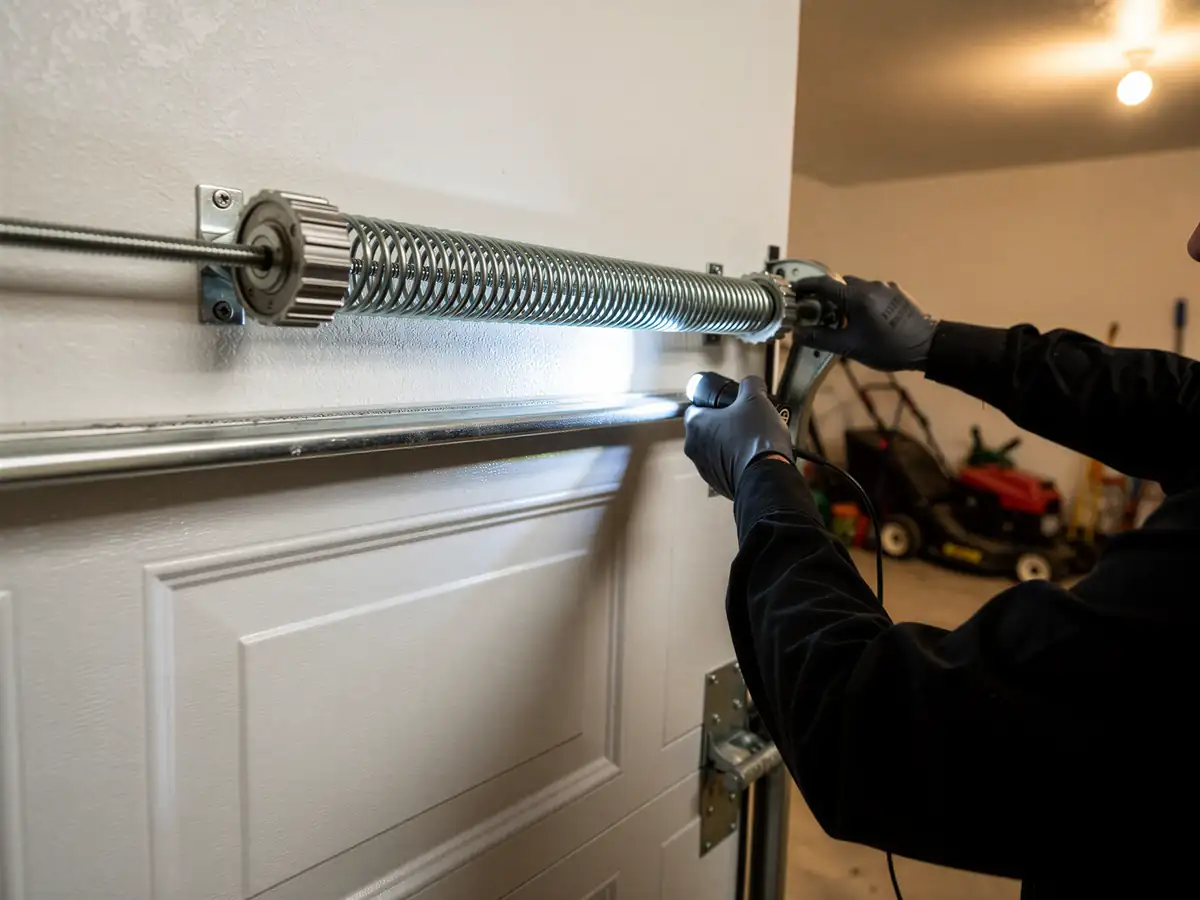
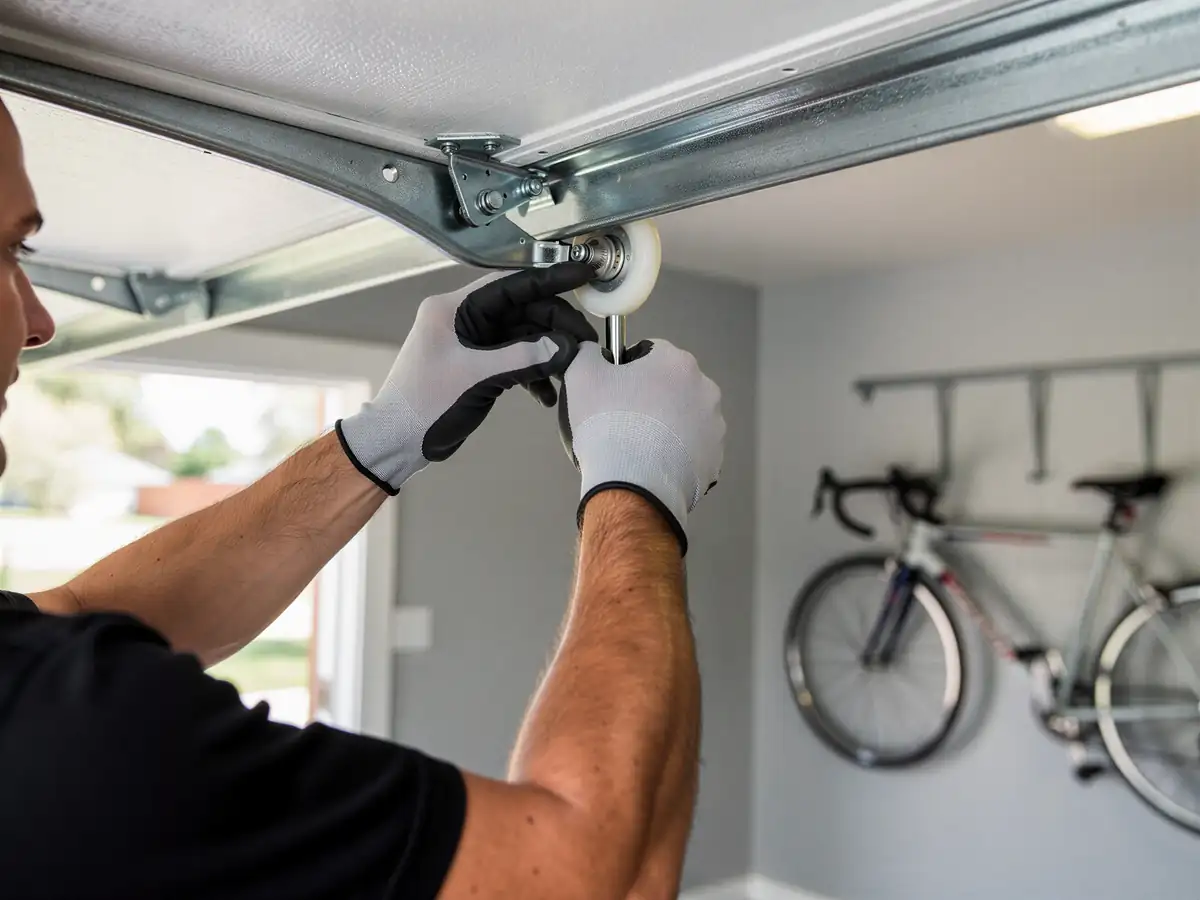
For a torsion spring on a door from this era, the fix is pulling the old spring, matching wire size and wind to the original rather than guessing off a chart, and checking the drums and cables while the door's unwound anyway - on a house this age, if one part of the system is original, the rest usually is too. For an opener, we check the bracket and header first, since a lot of 1970s-built garages used lighter framing than current code calls for, and a heavier modern opener needs backing it wasn't built with. Panel and roller work is more straightforward: match the track width, set the roller gauge, and make sure the door travels square before we leave. We don't upsell a full door replacement when a repair holds - but if the bottom panel is rusted through or the track is bent past straightening, we'll say so, because patching that kind of damage just means a return call.