Serving Edmond, OK & nearby
(405) 337-9834
Edmond, OK

Garage Door Repair for Midwest City's 1970s Housing Stock

Midwest City homes mostly went up in the early-to-mid 1970s, which means specific spring and track hardware. We cover the repair call from our Edmond shop, 15 miles out.

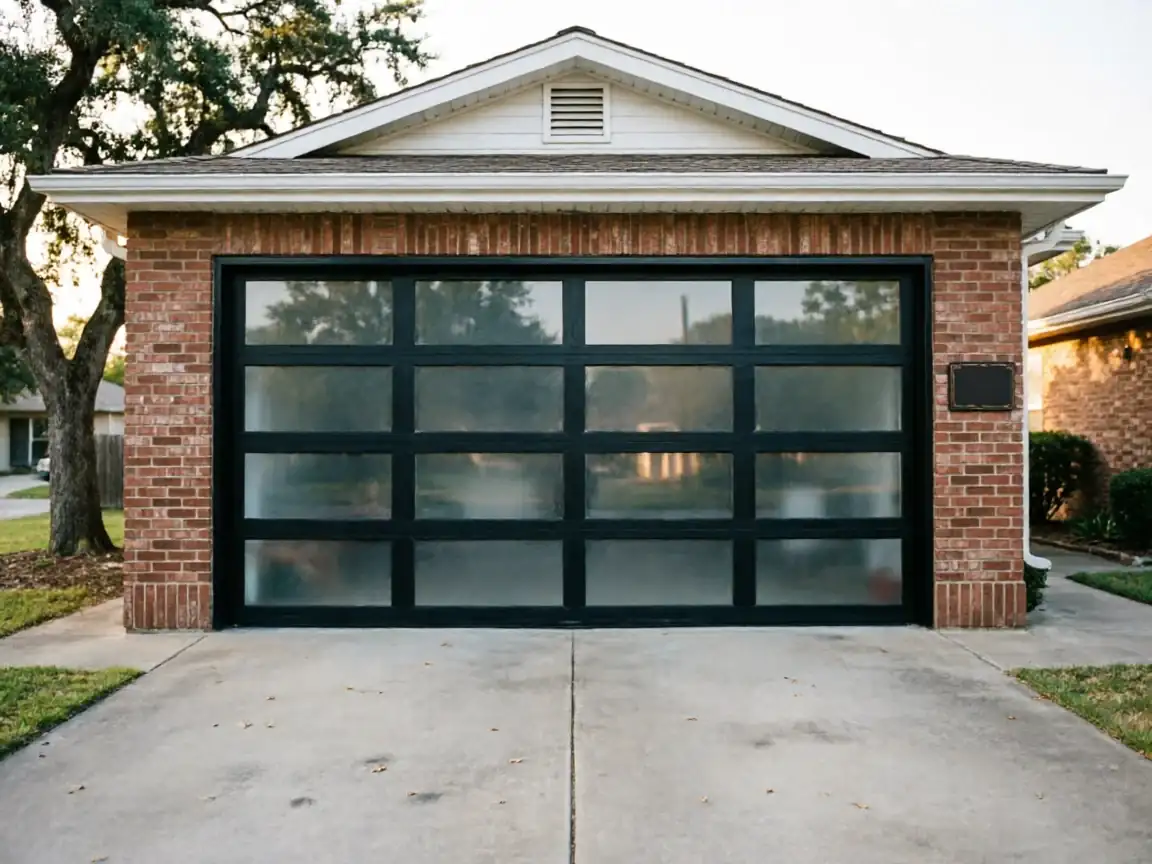
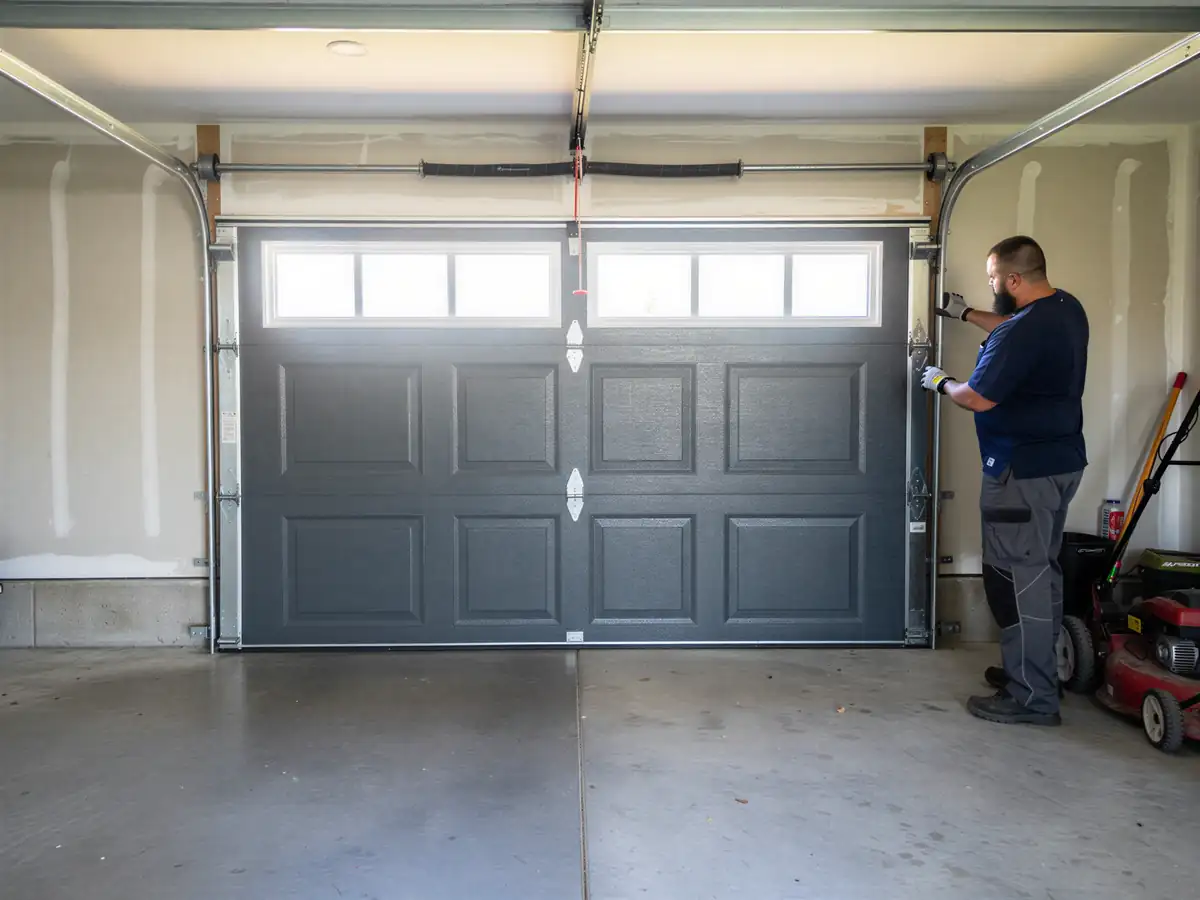
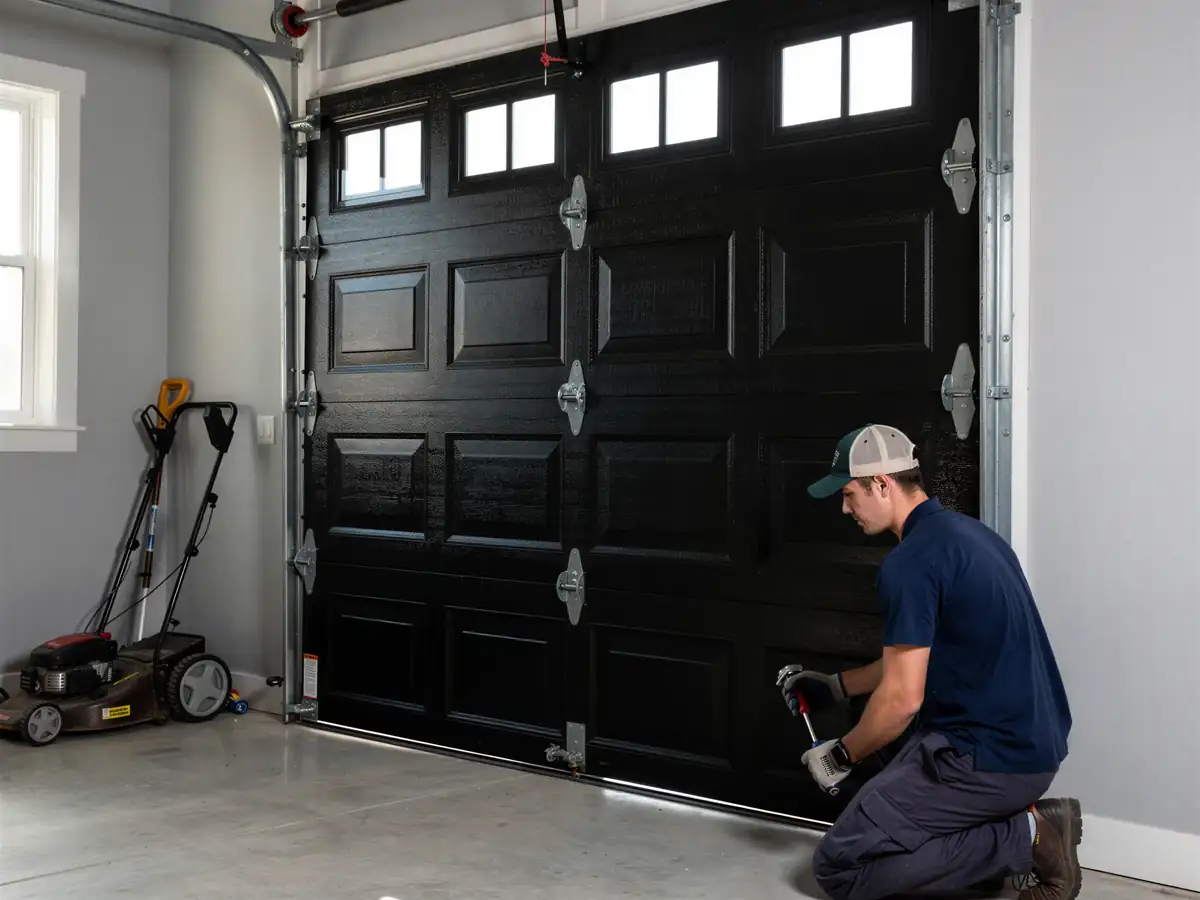
A technician kneels to work on the bottom panel of a black garage door.
Edmond, OK
8 services
6 service areas
Diagnosis first, then the fix

What You Are Seeing

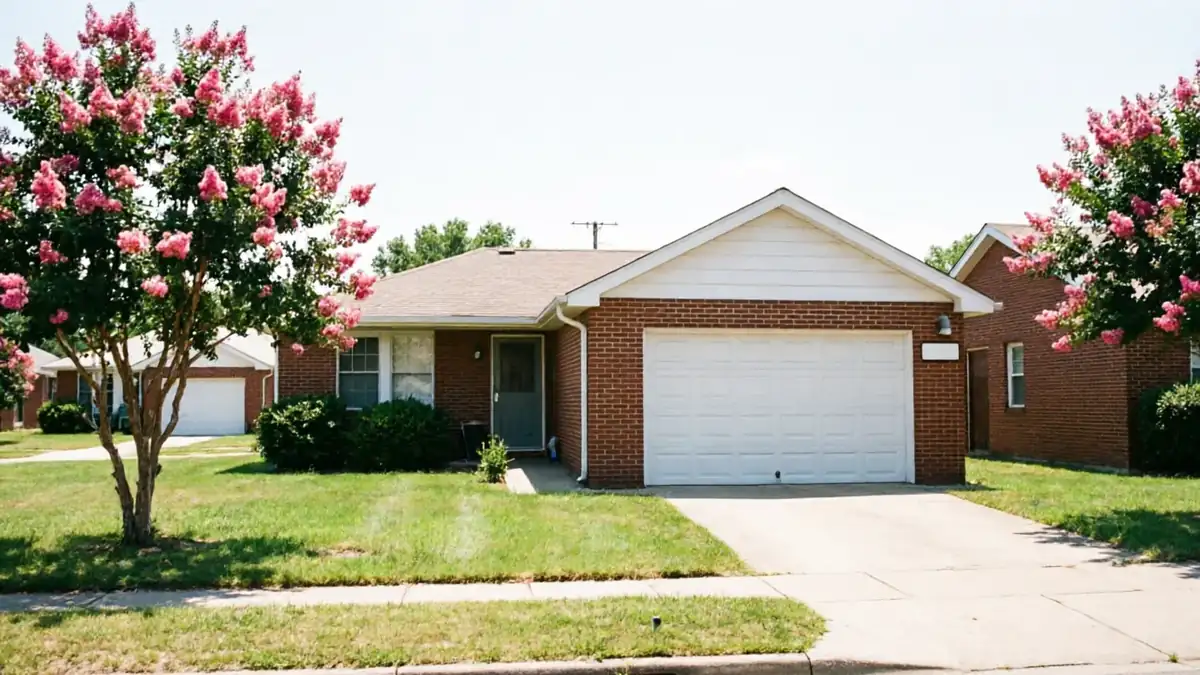
Most houses in Midwest City went up around 1974, which puts this suburb squarely in the second wave of post-war Oklahoma building - a little later than some of the 1960s pockets elsewhere in the area, but still well before torsion springs with galvanized coating and sealed ball-bearing rollers became standard. A door from that era is usually running on a single torsion spring sized for a heavier wood-panel door, even if the door itself has since been swapped for a lighter steel one. That mismatch is why you'll see springs that look fine but are actually the wrong size for the door they're lifting, and it's why a cable can fray years before you'd expect on a newer installation. If your opener is original to the house, it's likely a chain-drive unit with a mechanical limit switch instead of the digital force sensors you'd find on anything installed in the last fifteen years - which changes how it fails and how it gets fixed.

How Long You Are Without the Door

We run out of Edmond, about 15 miles from Midwest City, so we're not parked around the corner the way a shop based in-town would be. That's worth saying plainly: we don't claim a same-hour window here, and we won't pretend otherwise. What we can tell you is that the drive itself isn't the bottleneck on most jobs - the bottleneck is almost always parts, especially if your door is original to a house built in the early 1970s and uses hardware sizes that newer doors don't carry. A broken spring or a bent track section on a standard-width door is usually a same-trip fix once we're there. A dead opener board or a track bent from a car backing into it before anyone noticed can mean a second trip if the part has to come from a supplier rather than off the truck.

The Complications

Oklahoma's cold-moderate climate band means Midwest City gets real temperature swings across a year - not the deep freezes you'd get further north, but enough cold-to-warm cycling that steel hardware expands and contracts on a schedule. On a door pushing fifty years old, that cycling is what finally cracks a weld on an end bearing plate or works a hinge pin loose that's been marginal for a decade. The other complication is more about money than metal: median household income here runs around $57,739, a bit under the roughly $60,822 median across the wider service area. That doesn't change what a repair costs, but it does mean we try to be straight about whether a $400 spring-and-cable job beats replacing a door that's going to need the next three things fixed within a year anyway.

What the Fix Involves

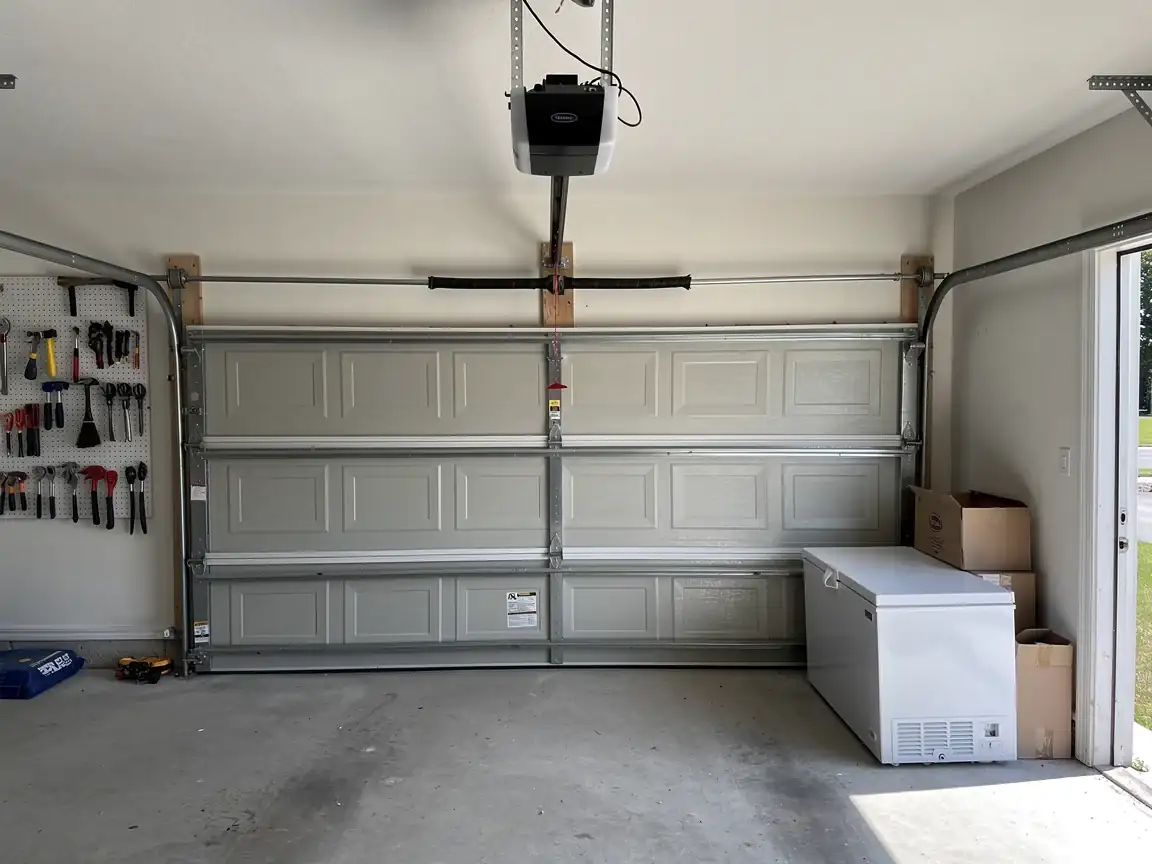
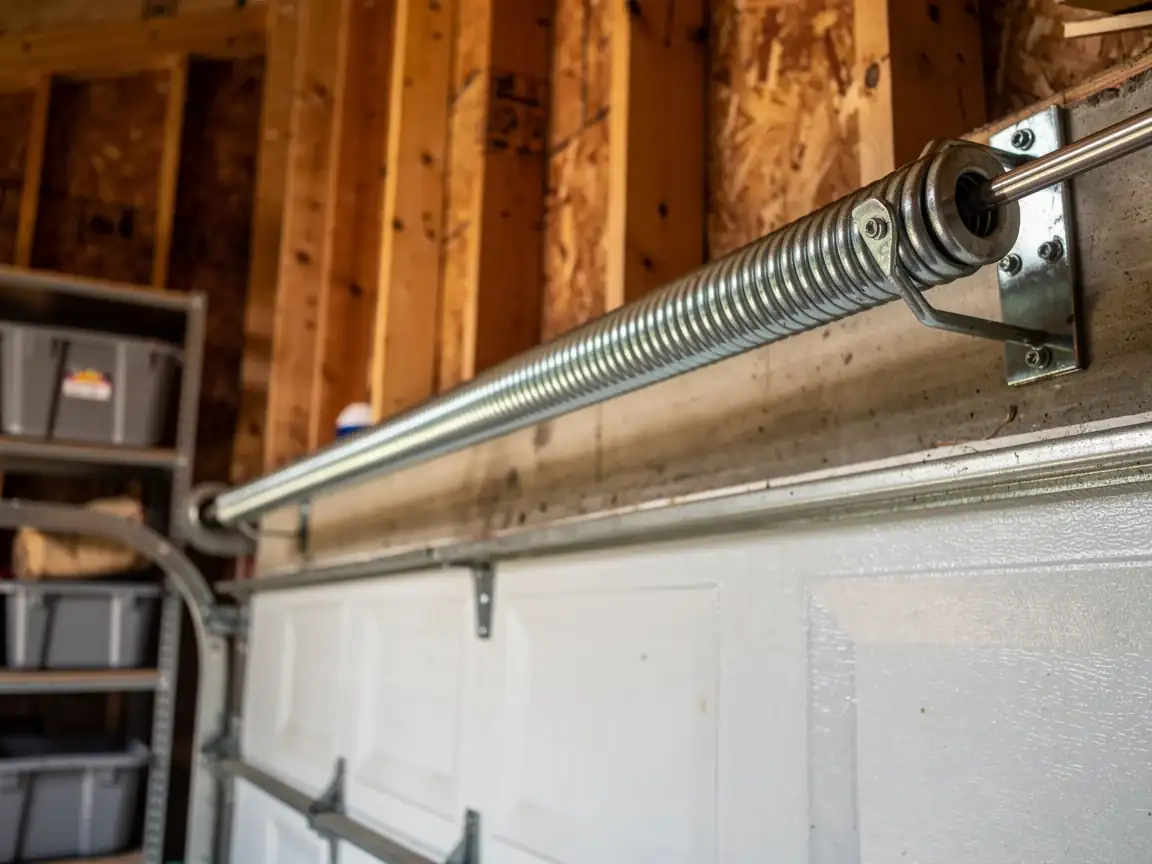
On a 1970s-era door, the job usually starts with figuring out whether the track and drum hardware are original gauge or already a mismatched replacement from an earlier repair - that history matters because it tells us whether the current spring is even sized right for the door. Torsion spring replacement means unloading the old spring safely, matching wire diameter and wind direction to the door's actual weight (not just the size printed on a box), and checking the center bearing plate while it's exposed, since that's the part that's hardest to get to again once the door's buttoned back up. If the opener is original chain-drive, we'll check the limit switch and the drive gear before assuming the motor itself is the problem, since the gear is the far cheaper and more common failure on units this old.

Can You Do This Yourself

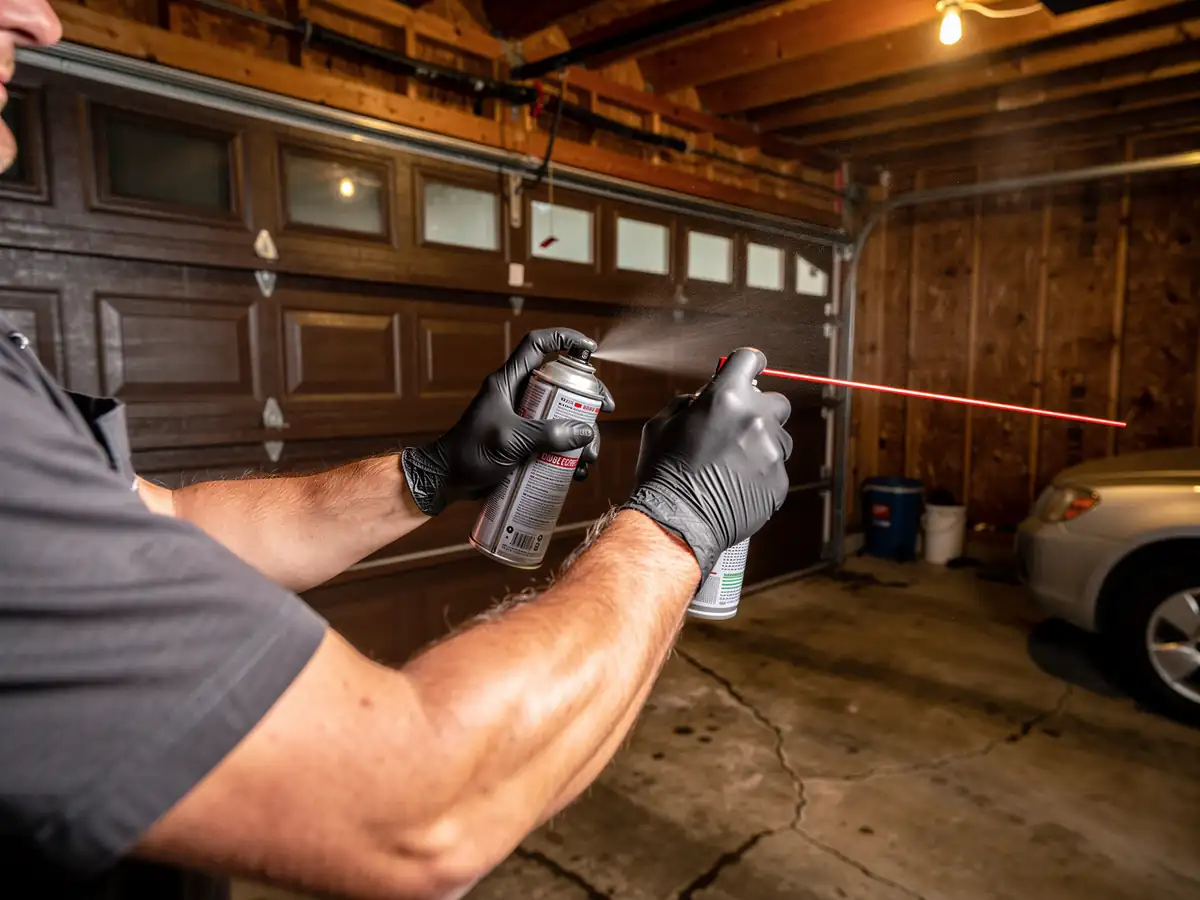
Lubricating hinges, tightening loose track brackets you can reach from a stepladder, and replacing worn weatherstripping along the bottom are all reasonable DIY jobs, and none of them require touching a spring. A torsion spring under load is a different matter - it stores enough force to break a bone or worse if the winding bars slip, and that's true whether the spring is three years old or thirty. If your door is original to a house built around 1974, there's also a decent chance the spring size or drum isn't something a hardware store stocks, so even a motivated DIYer ends up needing a supplier that sells to the trade, not to the public. Our honest limit: we don't do cosmetic panel repainting or cladding work, just the mechanical side.

What Causes It Around Here

The single biggest driver of calls we get from this part of the area is age-matched to the build year - doors and openers installed when the house was new, in or around 1974, simply reaching the end of a normal service life for torsion springs and chain-drive openers alike. Add the cold-moderate temperature cycling the region gets, and you get metal fatigue showing up a few years earlier than it would in a milder, flatter climate. Across the roughly 39,401 owner-occupied houses in the wider service area, a large share were built in that same 1960s-70s window, so this isn't a one-house problem - it's a neighborhood-wide pattern of hardware reaching retirement age around the same time.
How it works

From “it’s stuck” to “it’s fixed”

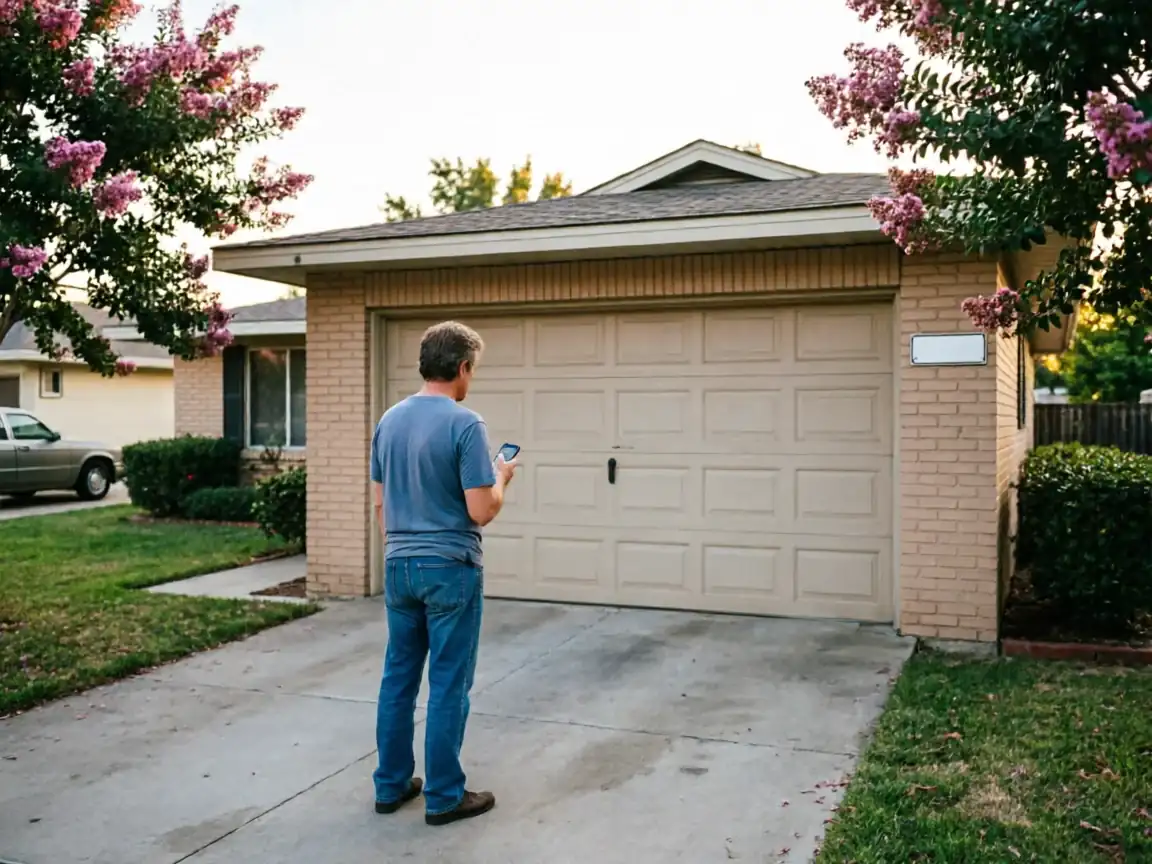
A man stands in a driveway looking at his phone in front of a garage door.

Tell us what’s wrong

Describe the symptom - won’t open, loud bang, opener runs but the door won’t move.

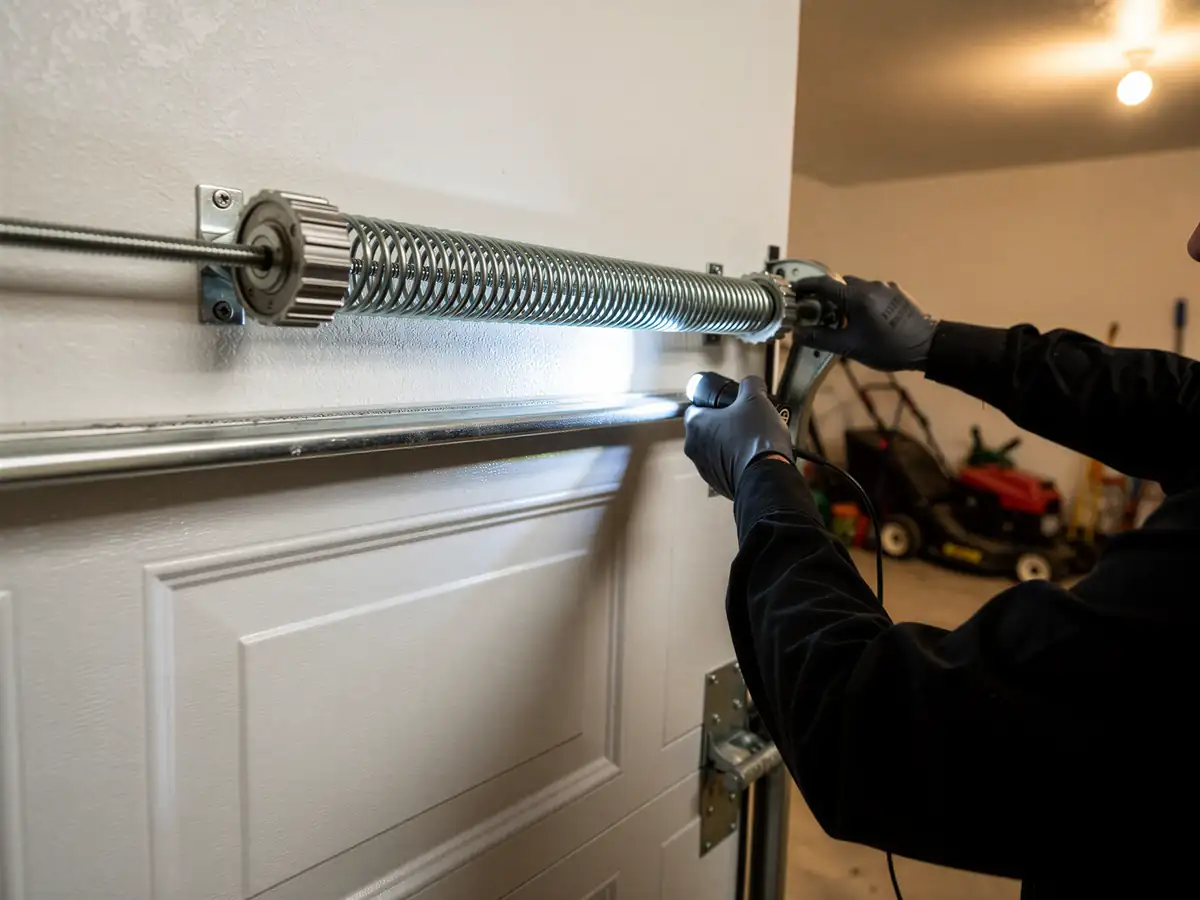
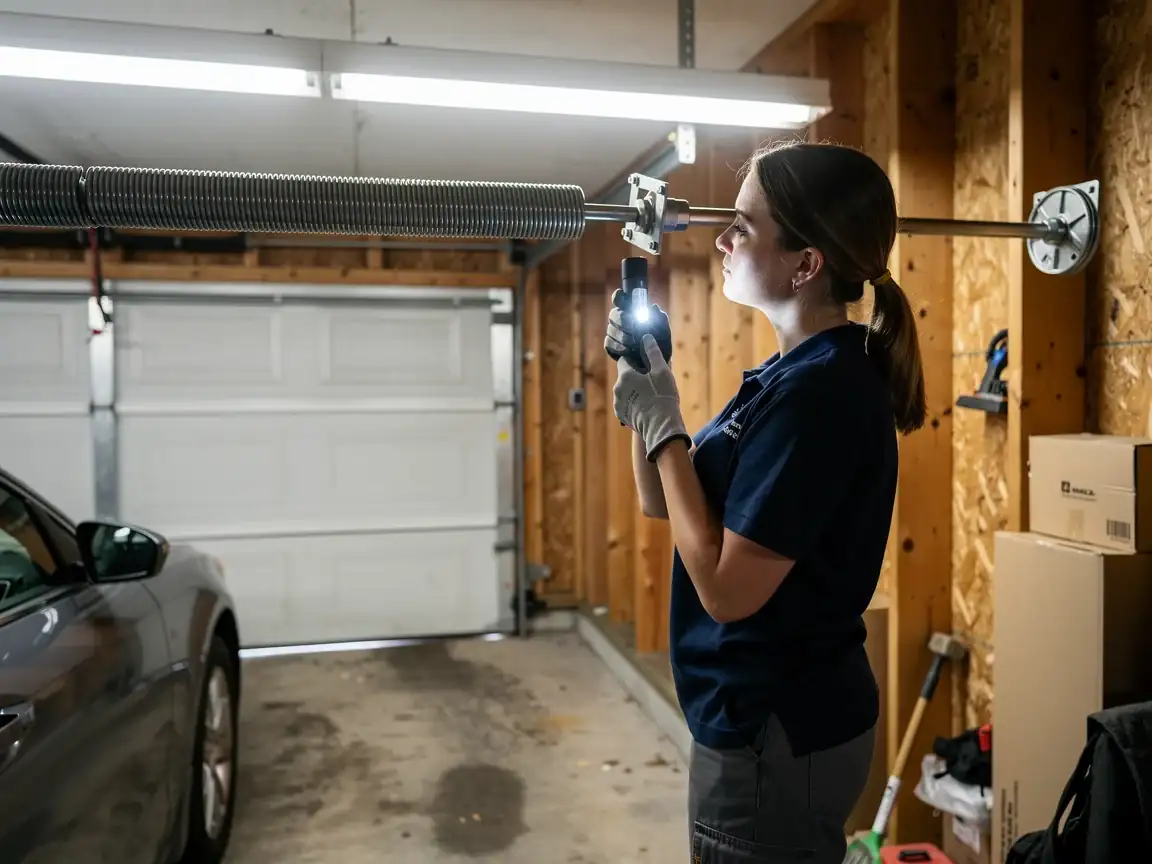
A technician shines a flashlight on a garage door torsion spring.

On-site diagnosis

A technician tests the door under power and by hand and finds what actually failed.

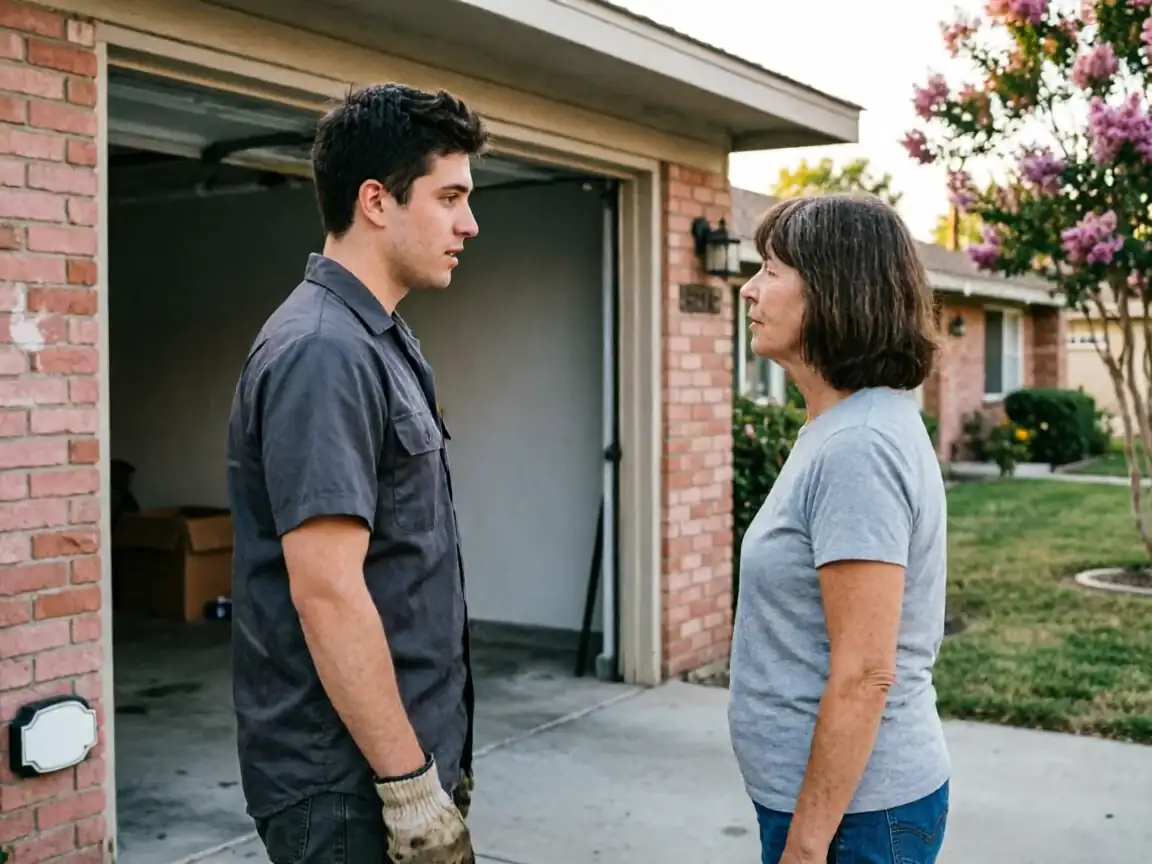
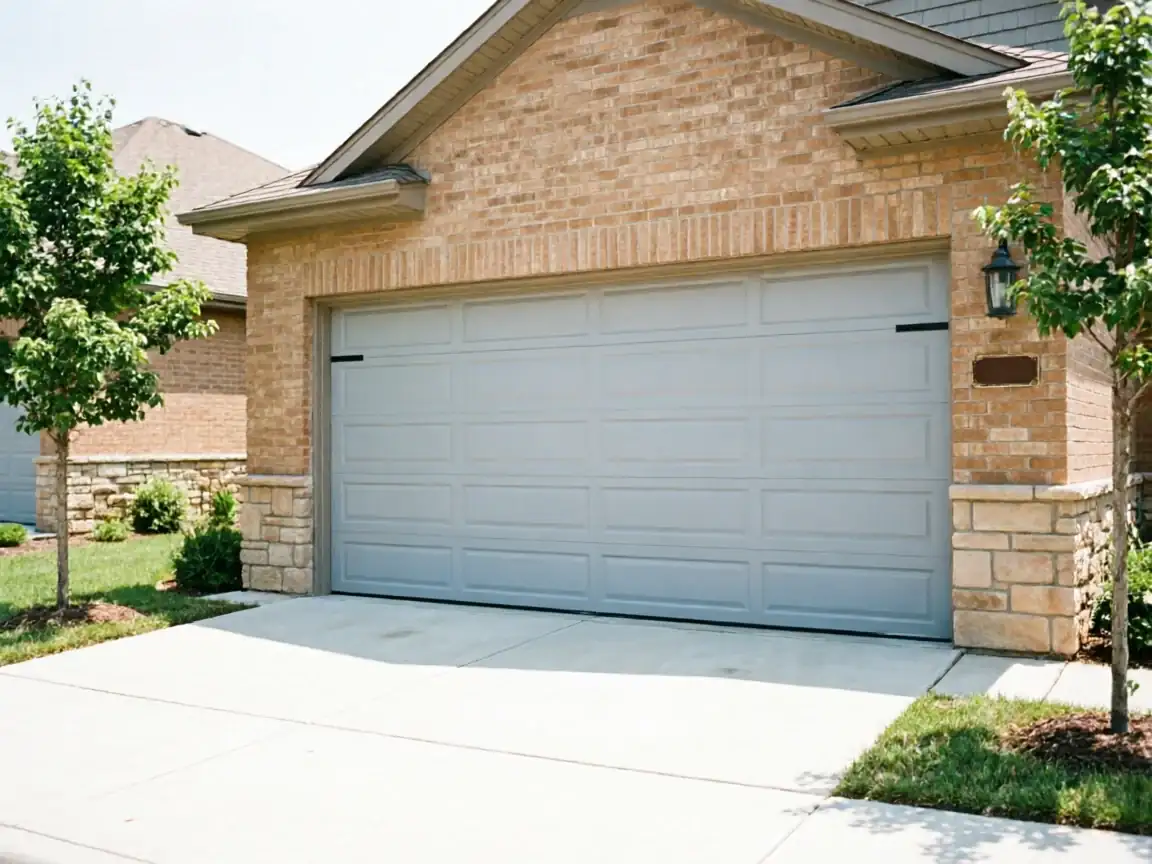
A technician talks to a woman in front of a brick house with an open garage.

Clear, up-front plan

You get the fix that’s needed and what drives the cost - before any work starts.

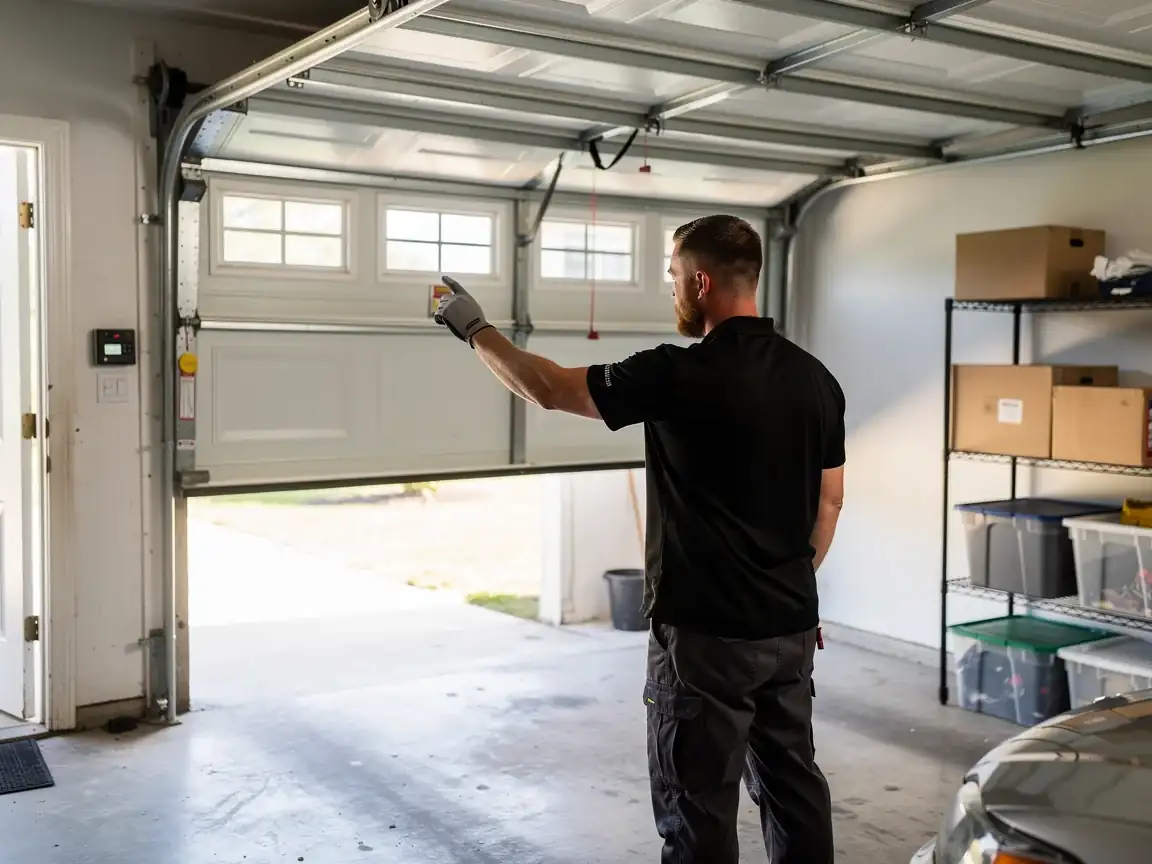
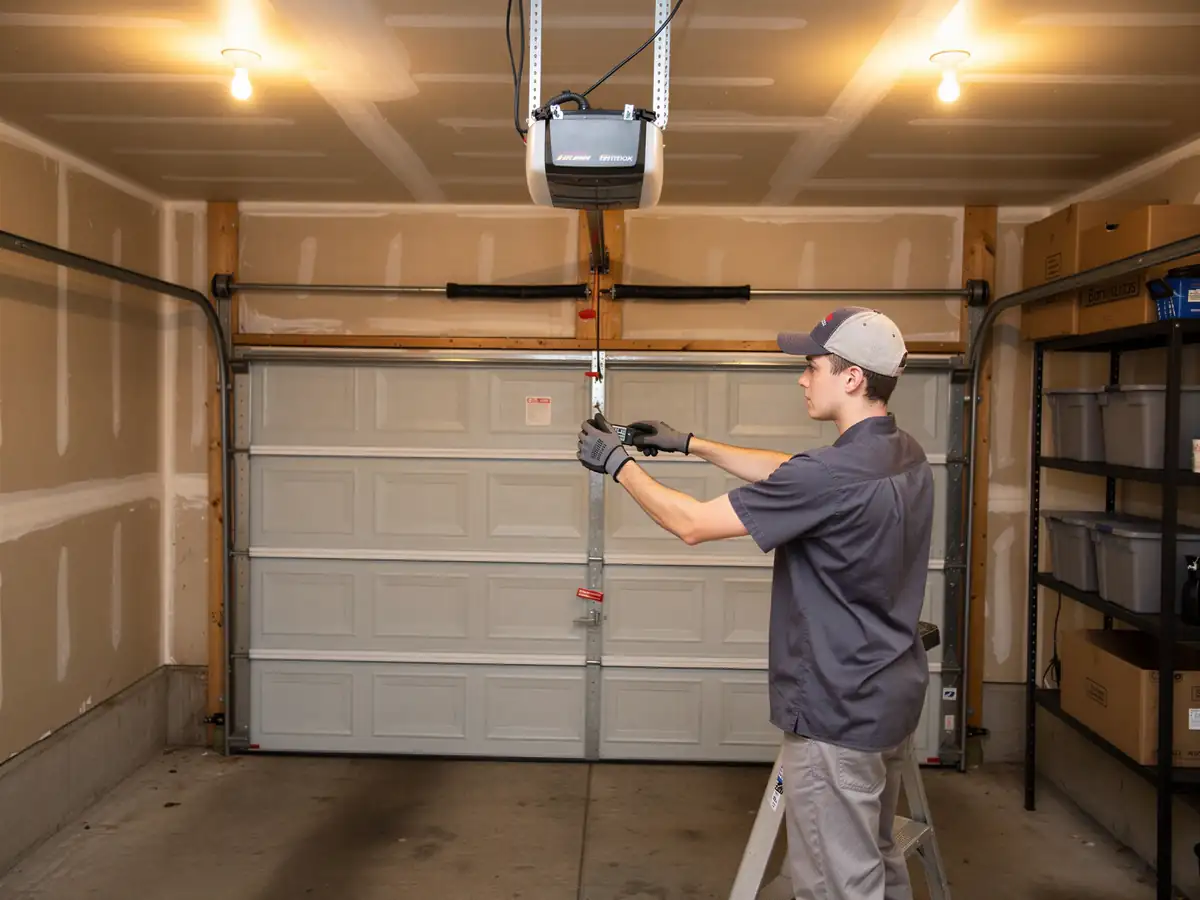
A technician points at an open white garage door with windows from inside a garage.

Repaired & tested

The repair is done, the door is set true and tested, and the work area left clean.

Not sure which repair your door needs in Edmond, OK? Describe what it’s doing - every job starts with a diagnosis.

How we work

What to expect

Diagnosis firstEvery visit starts by finding what actually failed - not a pre-written parts list.
The right part for the doorSprings and openers matched to the door’s weight and age, so the fix holds up.
Straight answersWhen a repair makes more sense than a replacement - or the reverse - you hear it plainly.
Clean, careful workTension released safely, hardware set true, the door tested under power before we leave.
90,092
Residents in Edmond
8Garage door services
6Neighborhoods & suburbs
OKServing Edmond, OK
Questions

Frequently asked

Straight answers about garage door repair in Edmond. Still unsure? Ask us directly.

Do you have a crew based in Midwest City?

No. We run out of Edmond, about 15 miles away, and cover Midwest City from there. We're upfront about that distance rather than implying a local depot we don't have.

Is my door's spring size still available if my house was built in the early 1970s?

Usually, yes, though it may not be a size a hardware store stocks. Torsion springs from that era are often matched to heavier wood doors, so we measure the actual door weight rather than assuming the original spring size is still correct.

Why did my opener suddenly stop responding to the wall switch?

On a chain-drive opener this old, that's commonly a worn limit switch or a stripped drive gear rather than the motor itself. Both are cheaper to replace than a new unit, which is worth checking before you assume the whole opener needs swapping.

Is it worth fixing a door this old or should I just replace it?

Depends on what's failing. A spring and cable job on sound track and panels is almost always worth fixing. If the track is bent, the panels are rusted through, and the opener's dying too, replacement usually costs less over the next five years than three separate repair trips.

Ready to get your garage door sorted?

Tell us what it’s doing and where you are in Edmond - we’ll take it from there.

Request a QuoteCall