What You Are Seeing
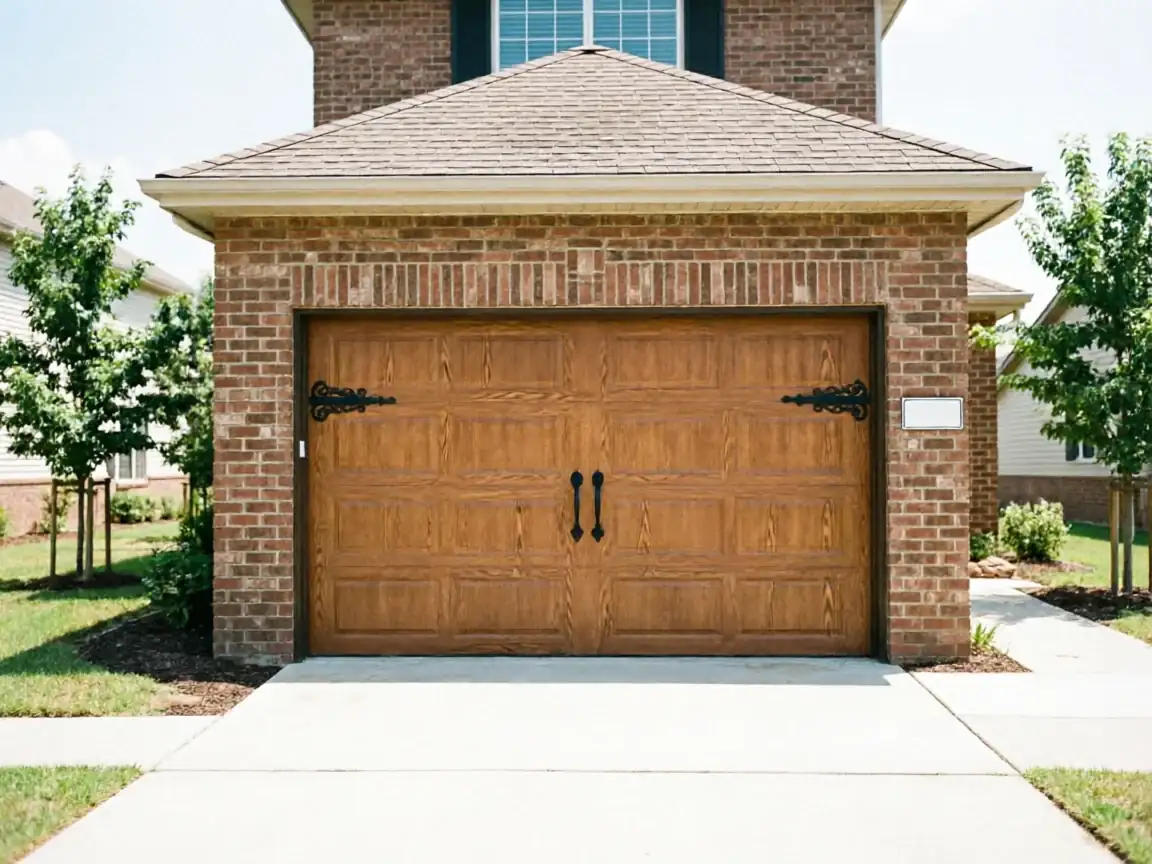
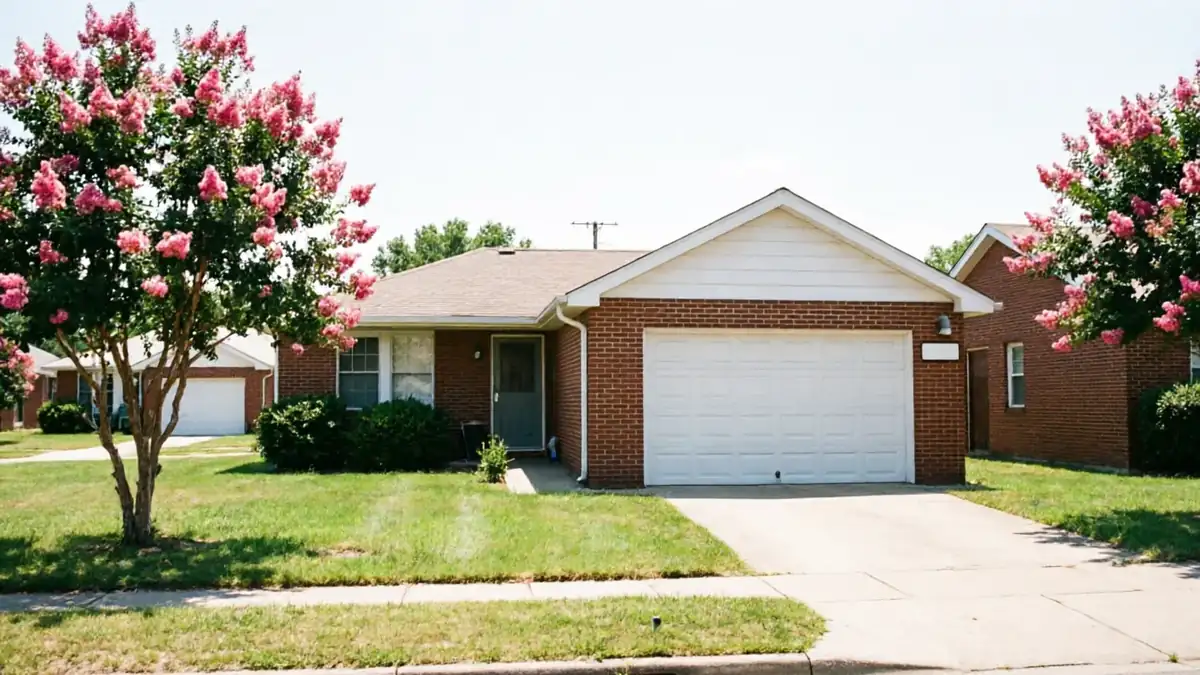
Midwest City's houses median out at 1974 built, a touch newer than the 1973 median across the whole service area. That one-year gap doesn't sound like much, but it lines up with a wave of tract construction that used lighter steel doors and, in a lot of cases, shipped without a powered opener at all. Openers in these houses are frequently retrofits added years after the house went up - a chain-drive unit bolted to whatever header framing was there, with rail cut to fit rather than sized to the door. If your opener struggles halfway through the travel or the rail sags in the middle, that's usually the retrofit talking, not a bad motor.
Midwest City carries 24,599 of the roughly 70,136 households across the whole service area, and the opener problems we see here track the housing stock, not anything unique to one street. Original low-horsepower units from that era were built for lighter wood doors than what's often hanging now after a door replacement - the opener strains because the door changed and the opener didn't.
How Long You Are Without the Door
We run this job out of Edmond, and Midwest City sits about 15 miles east on that drive
There's no branch or depot here - every truck that shows up for an opener install has come the full distance, so the job gets scheduled, not walked into same-hour. Once we're on site, a straight opener swap on an existing, correctly-sized rail is a half-day job. Add a retrofit mismatch - short rail, no dedicated outlet, header that needs reinforcement - and it runs longer because we're correcting the install before we can finish it.
- 15 miles
The honest trade-off
Bundling Midwest City jobs with other stops in that direction keeps the trip worth making, but it also means we're not the crew to call if you need someone in an hour. Plan the appointment a day or two out and the job itself still goes fast.
The Complications
Houses from 1974 often ran on two-prong, ungrounded outlets in the garage, or no outlet near the door opening at all. A new opener needs a grounded circuit and, on current units, a dedicated one is the better setup. We'll install the opener and wire to the outlet that's there, but if the circuit itself needs new wiring or a breaker added, that's electrical work outside what we do, and we'll say so rather than rig around it.
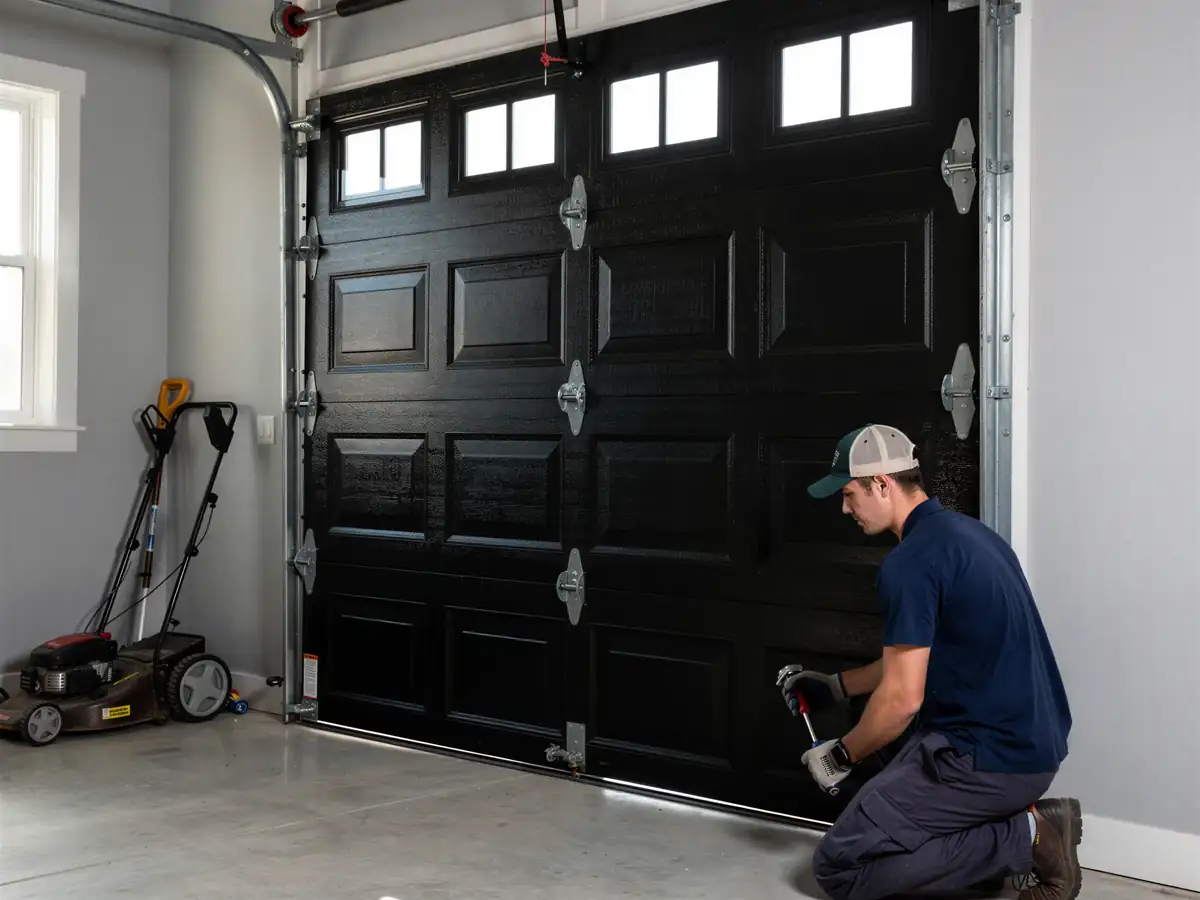
The other complication is structural: some of these houses have a header that was framed for a lighter original door and never reinforced when a heavier door went in later. An opener bolted to an unreinforced header will eventually pull loose, slowly, as the bracket works the wood. We check this before we mount anything, because an opener that's perfectly installed on a bad header still fails - and that failure looks like a bad opener when it's really a framing problem.
What the Fix Involves
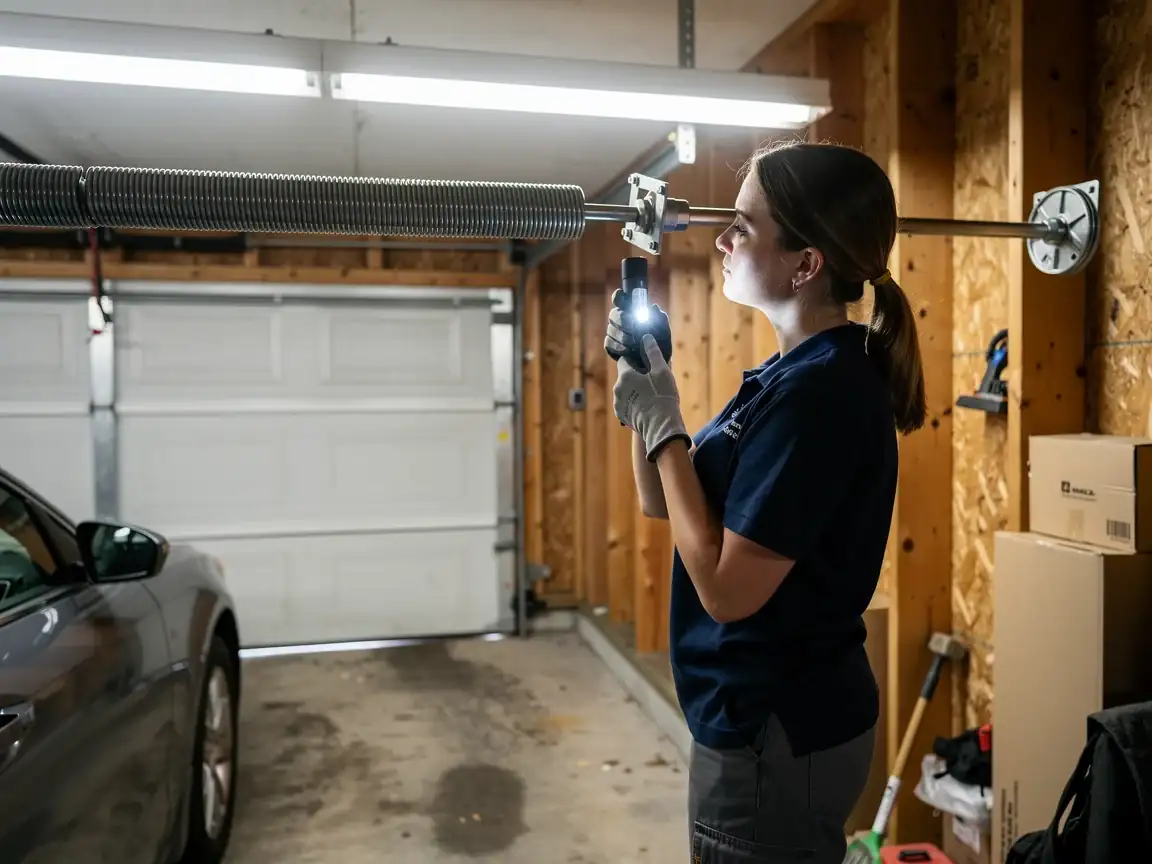
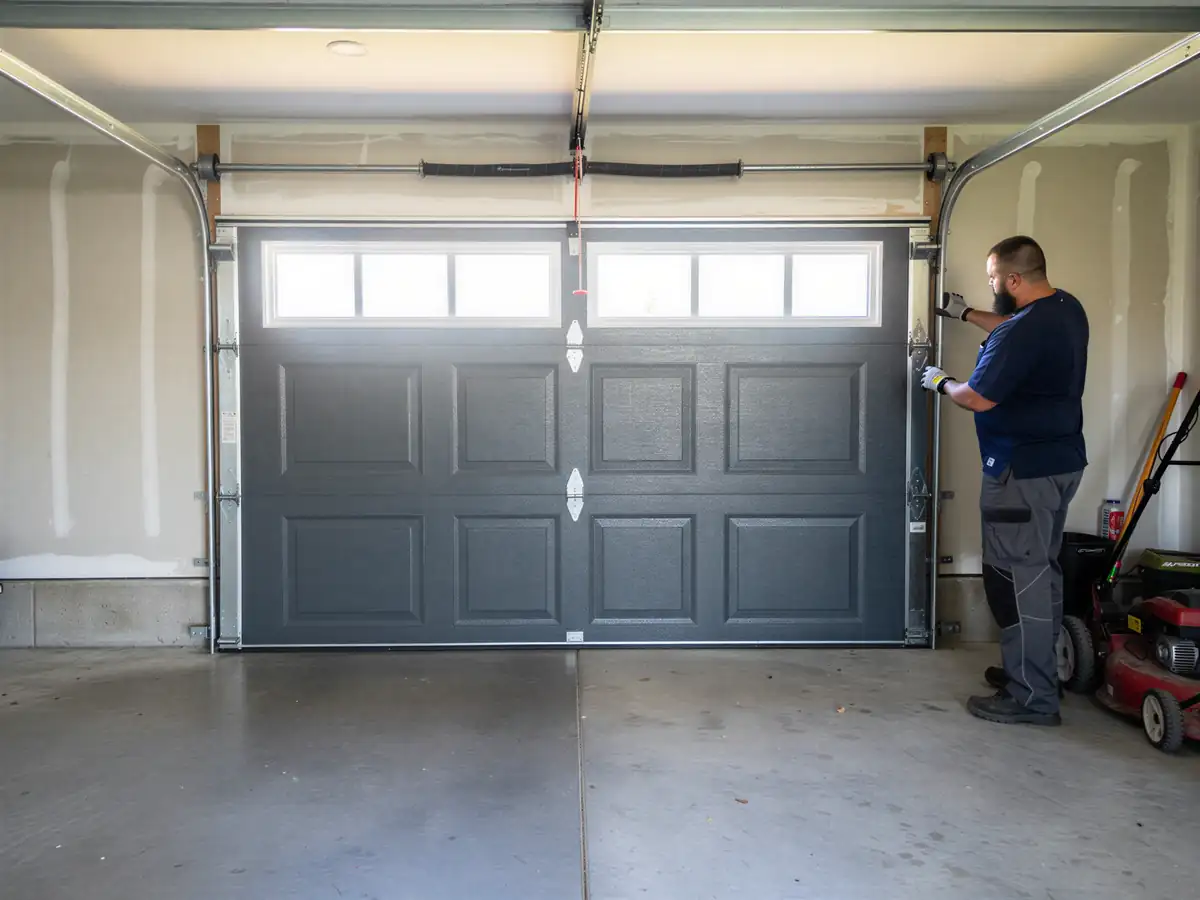
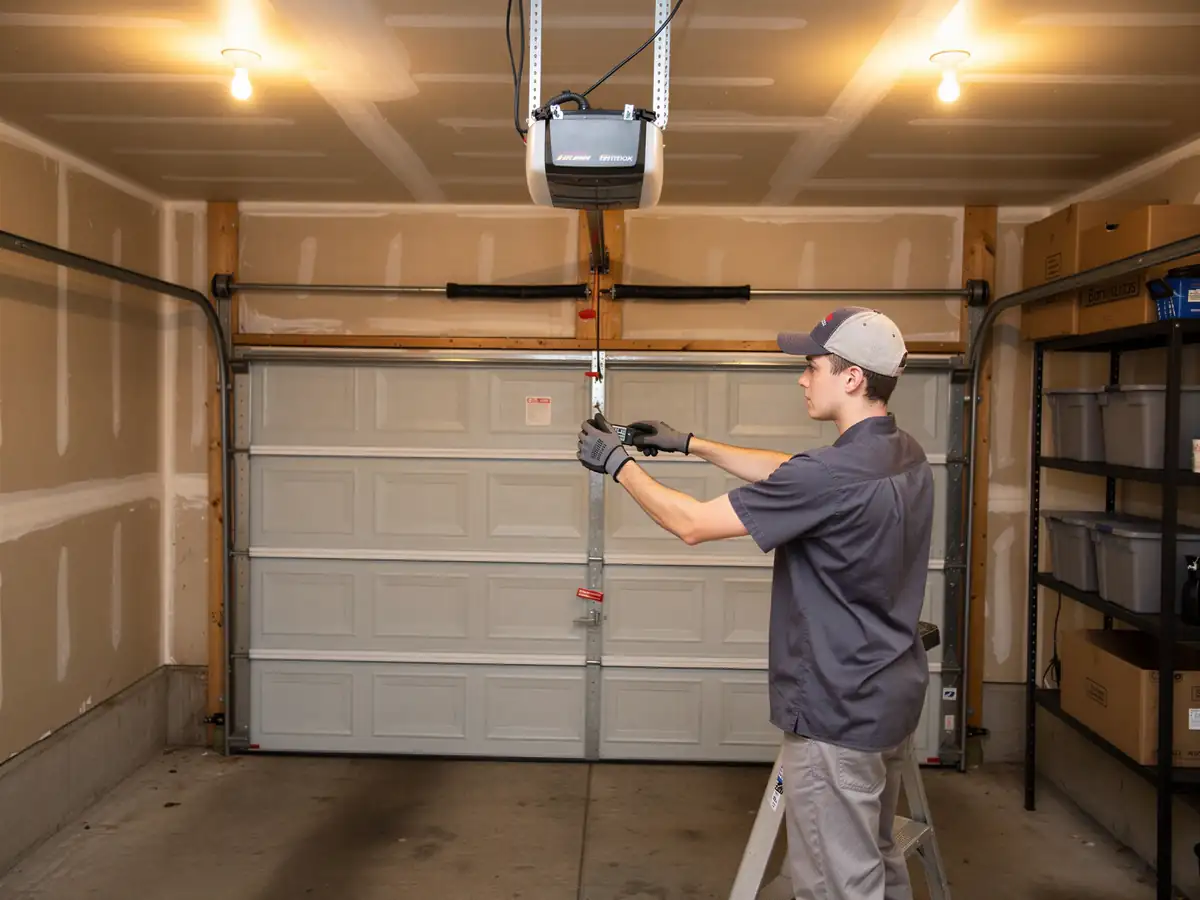
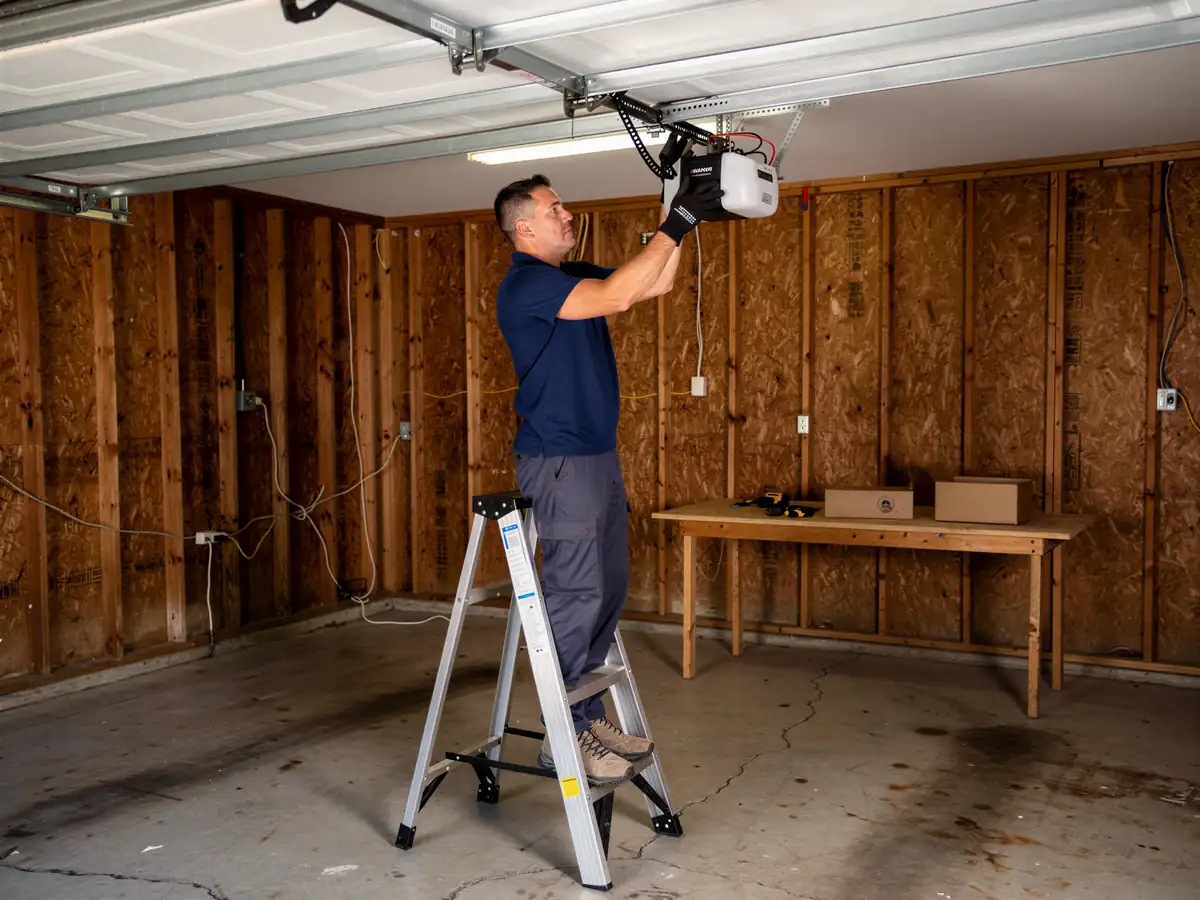
A proper install starts with the header, not the motor: we confirm it'll hold the bracket load before anything goes up. From there it's the rail, sized to the actual door travel rather than whatever length happens to be in the truck, the motor head, the safety sensors at the base of the track, and the wall control. We test the force settings against the door's actual weight - a steel door from a later replacement can weigh more than the opener's factory defaults assume, and skipping that step is how you end up with a door that doesn't reverse properly on an obstruction.
On houses with the shorter original rail runs, we're often replacing more of the track than just the opener itself, because the old rail wasn't built for the travel distance a newer door needs. We'll tell you up front if that's the case rather than mount a mismatched system and let you find out later.
Can You Do This Yourself
Mounting an opener bracket and running rail is within reach for someone comfortable on a ladder with basic tools
Setting the travel limits and force settings correctly, on a header you haven't checked, is where most DIY installs go sideways - either the door doesn't reverse when it should, or the opener strains against a door heavier than it was built for and burns out early.
If your garage already has a grounded outlet near the door, a header you know is sound
And a door of a normal residential weight, a DIY install is reasonable. If you're not sure about any of those three, that uncertainty is exactly what costs people a second service call. We'd rather you ask before buying the unit than call us after it's already bolted up wrong.
What Causes It Around Here
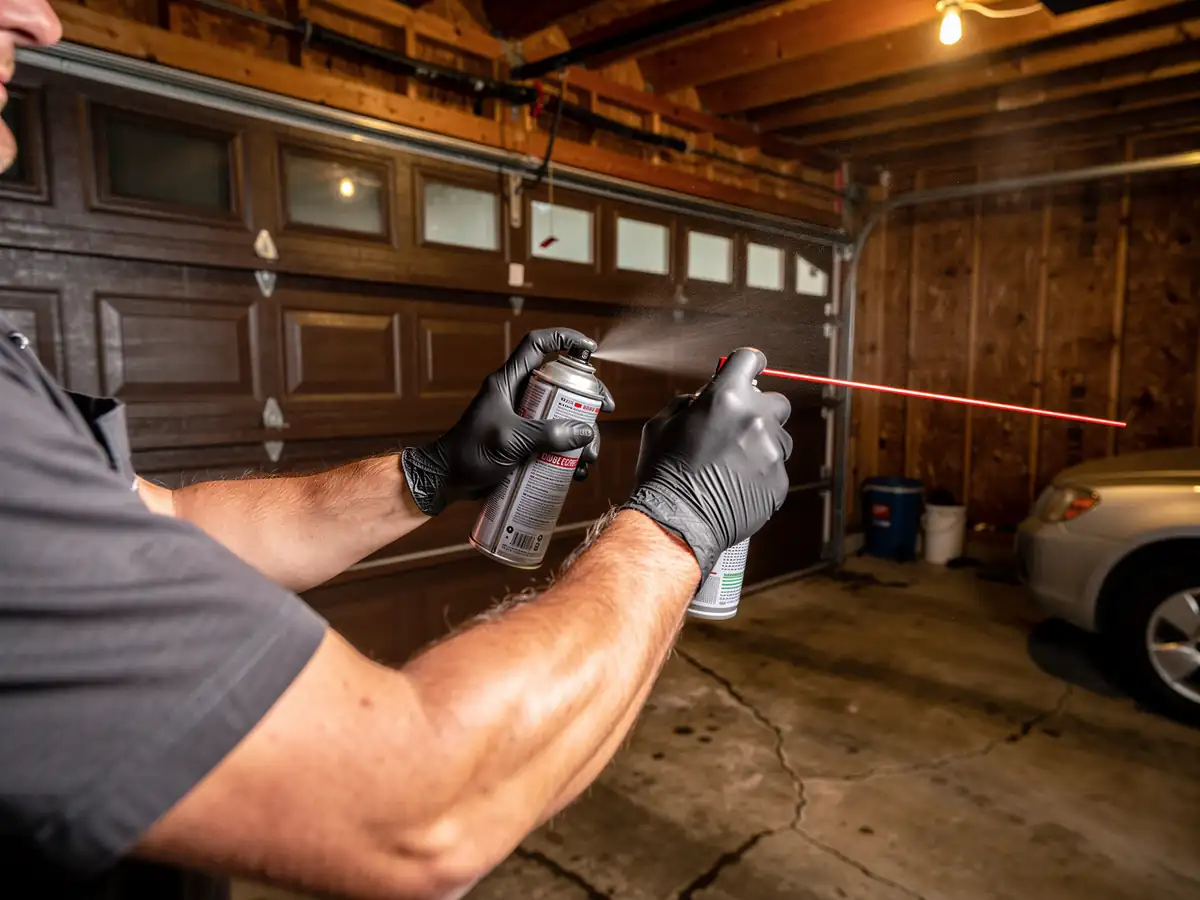
The climate here runs cold-moderate, which means winter mornings stiffen the grease in an opener's gearbox and chain, and a motor already working against a heavy door has less margin on a cold start. That's a seasonal stress on top of the age-related wear most of these 1974-era setups already carry.
Income here runs a little under the wider service area - Midwest City's median household income is $57,739 against $60,822 across the full service area - and that shows up in which repairs get deferred. We see openers nursed along well past the point a straightforward fix is worth it, because a bigger structural problem got put off first. By the time the opener gets attention, the header or rail issue behind it has usually been sitting there for years.