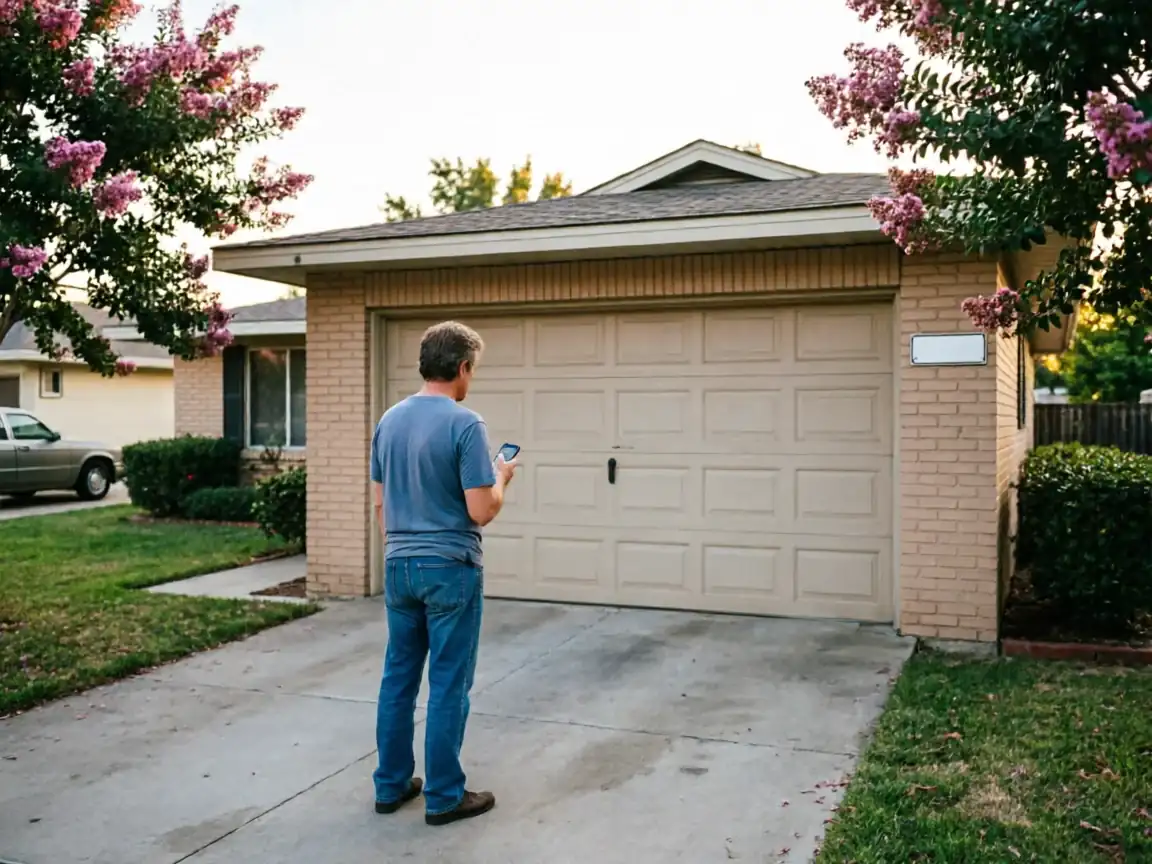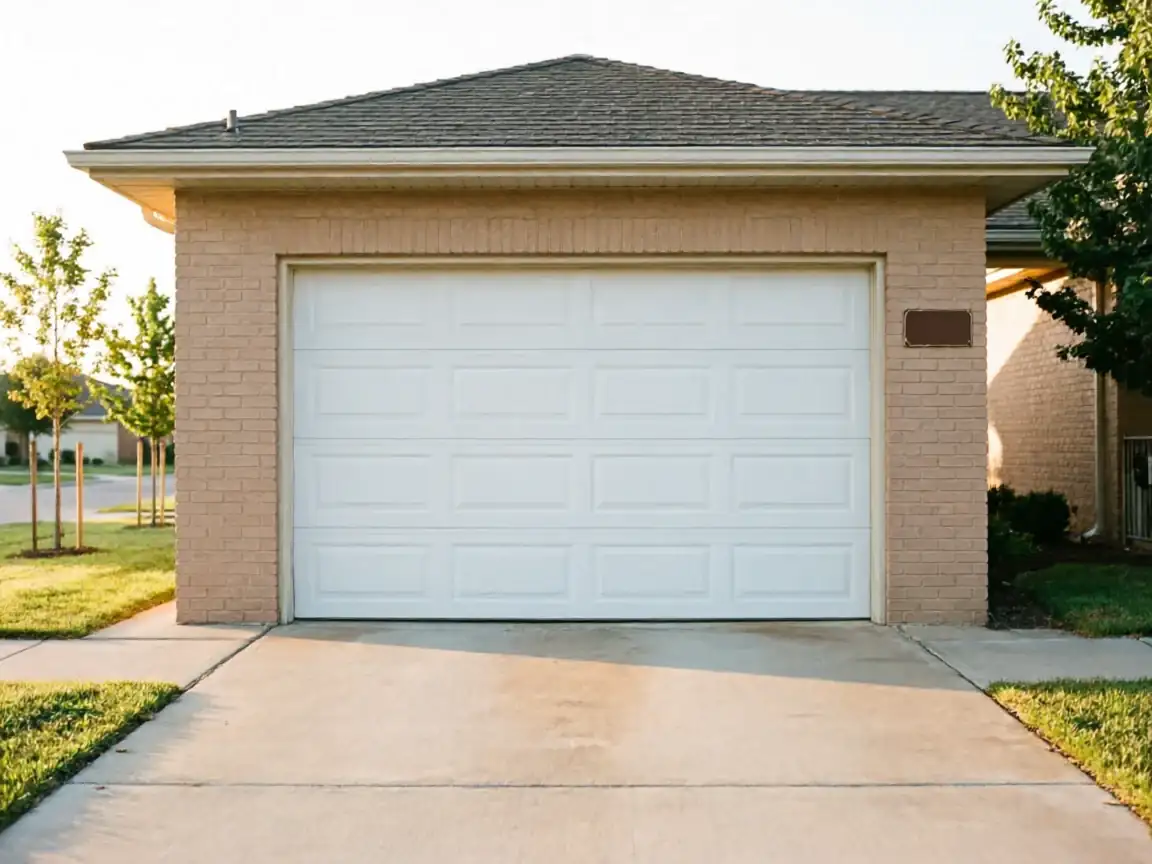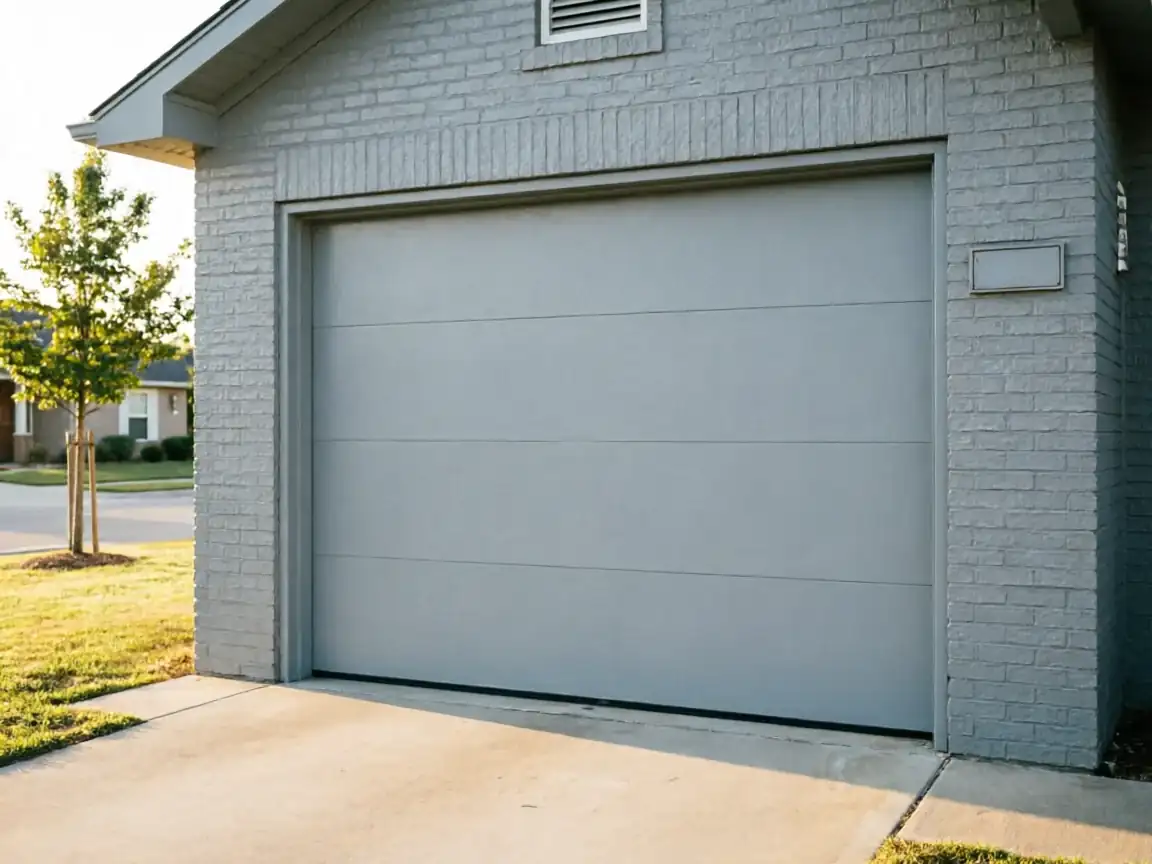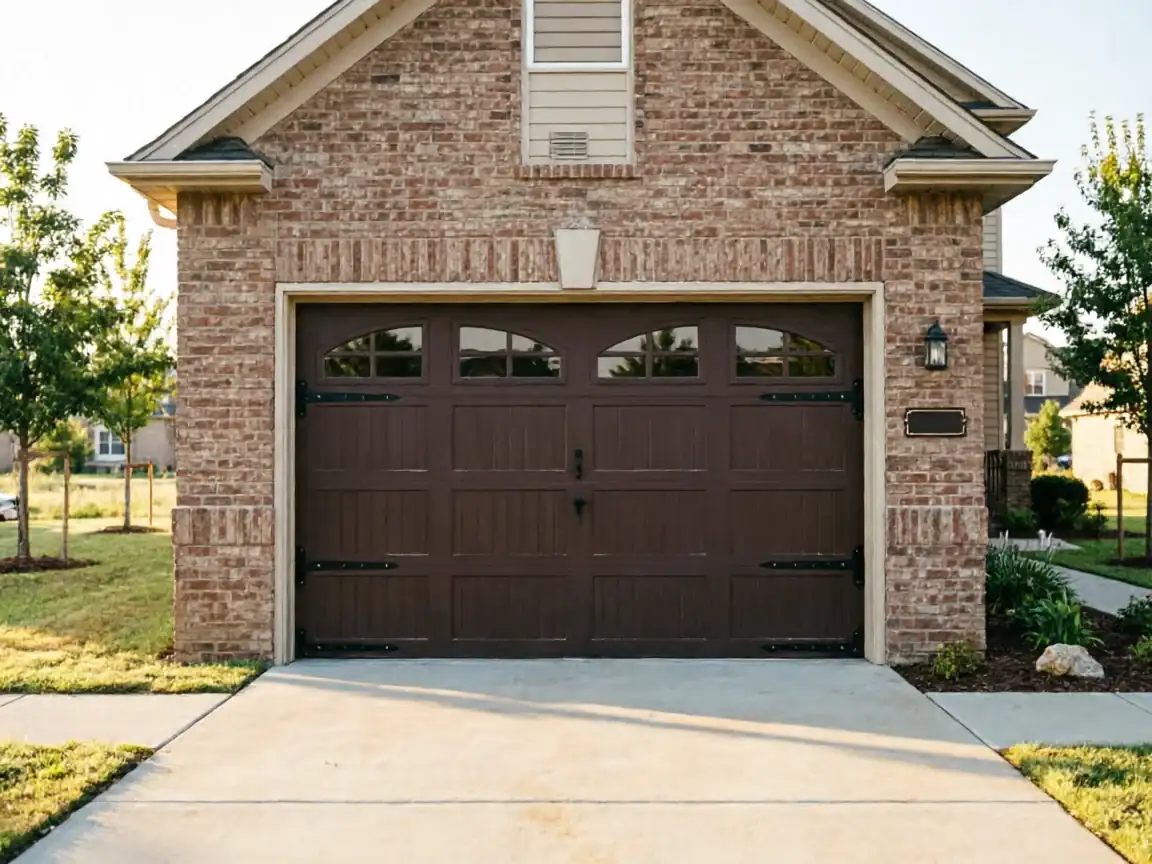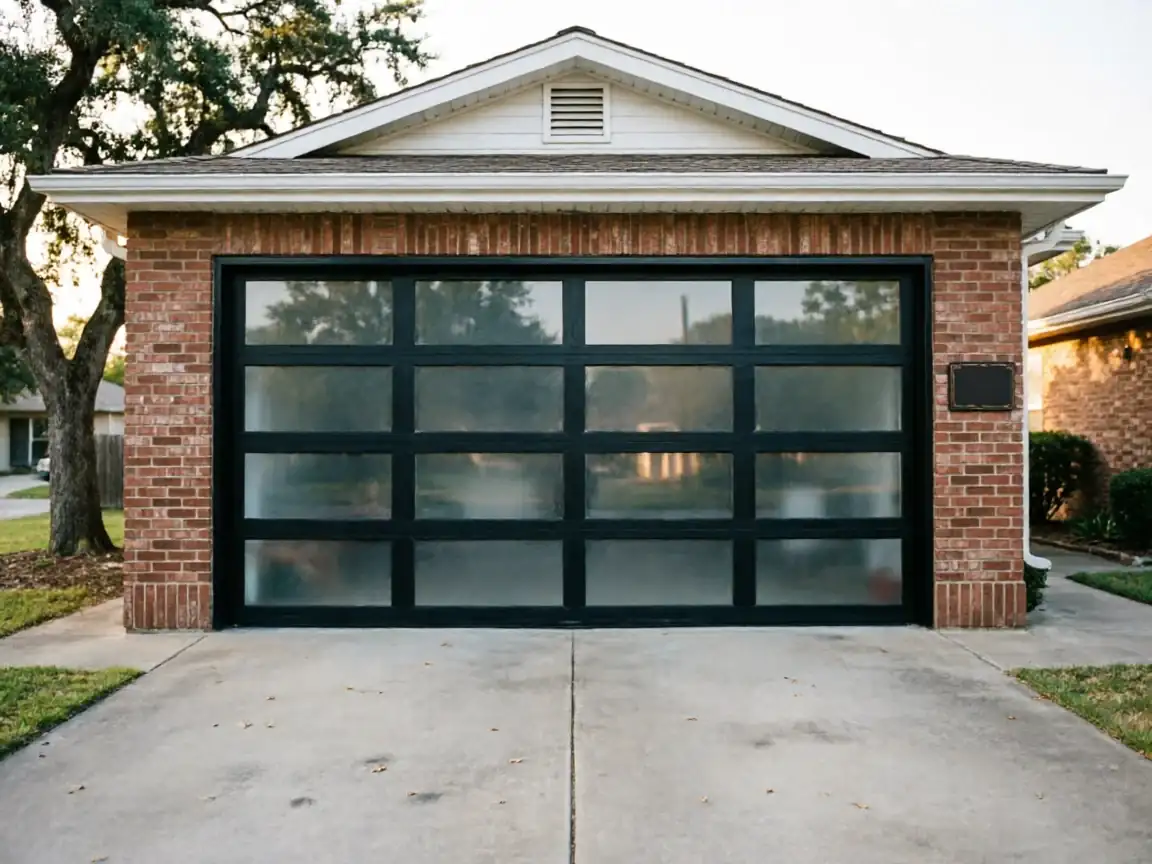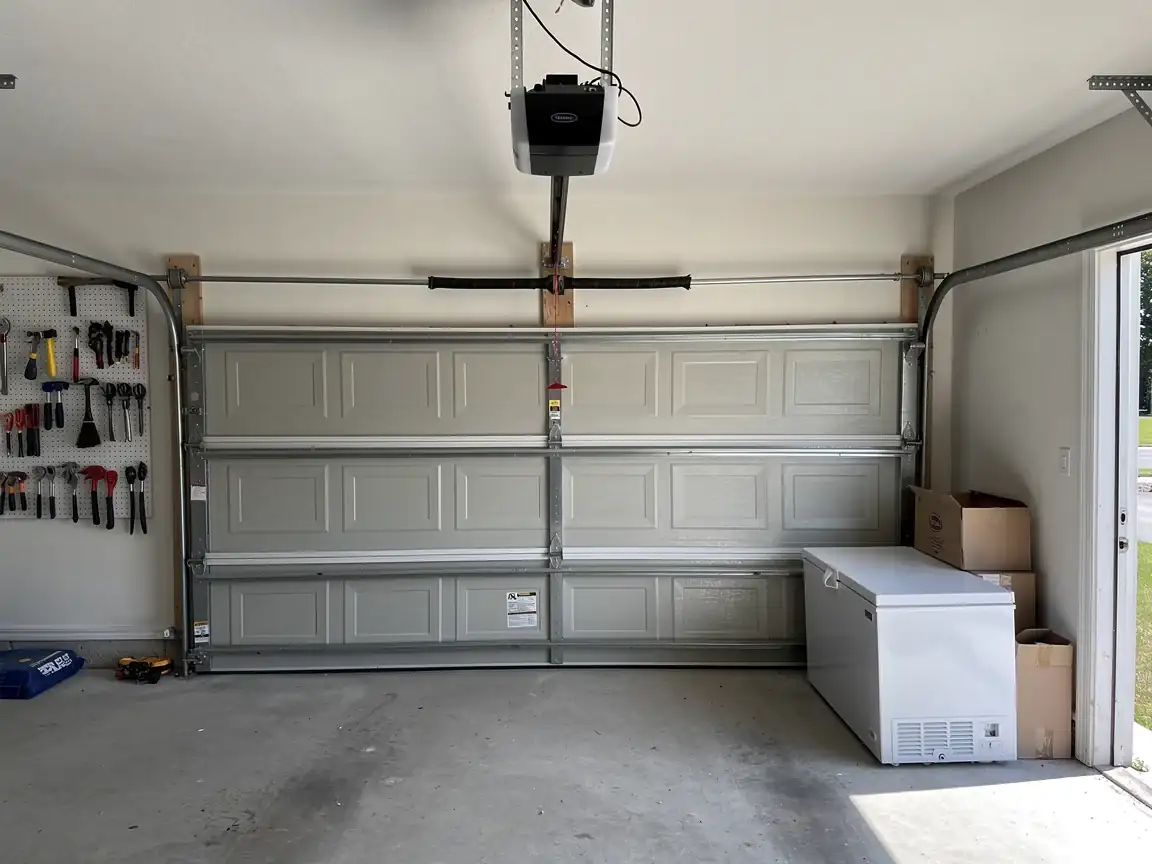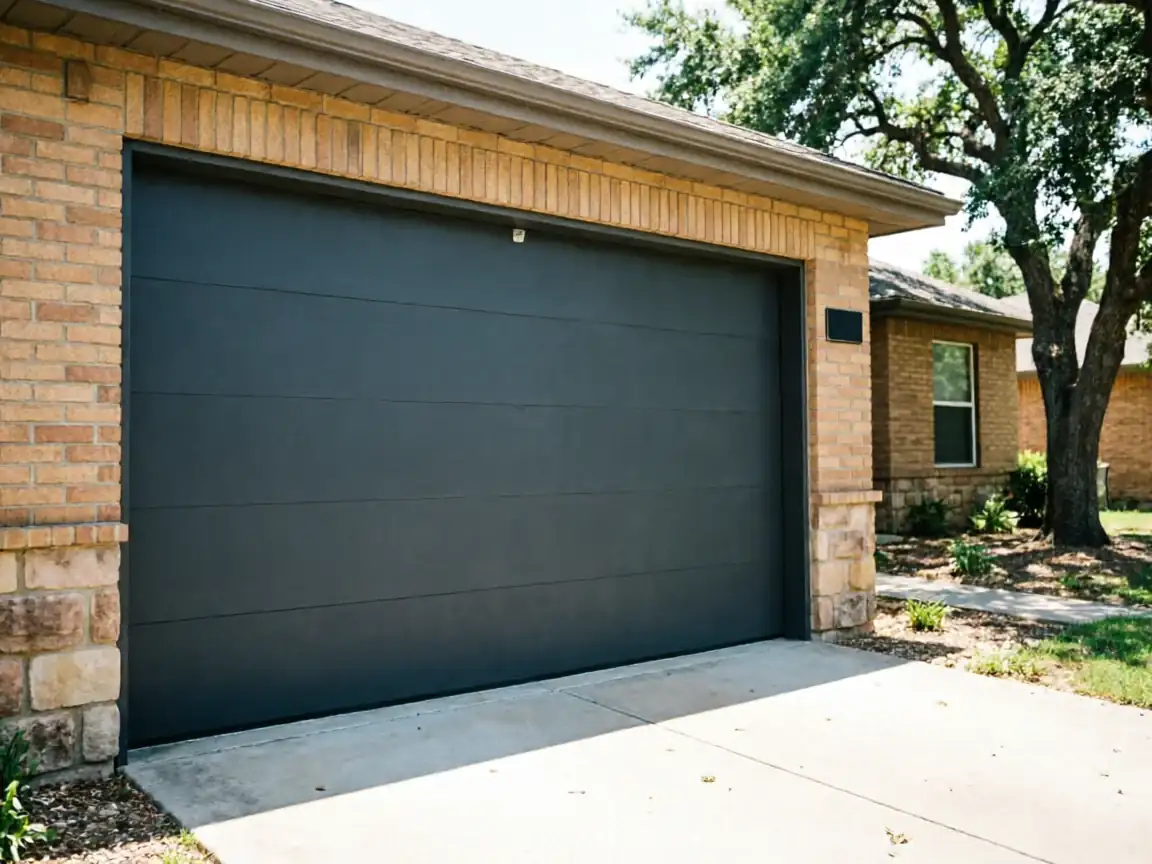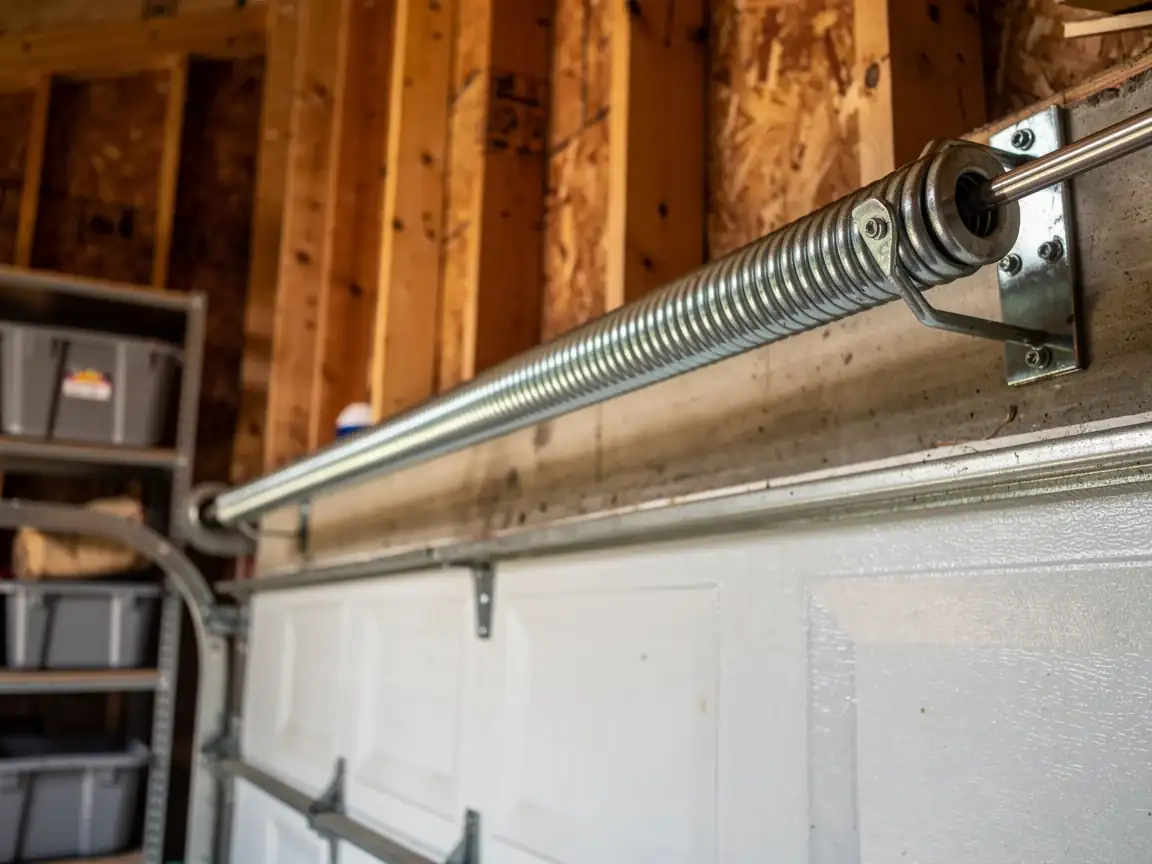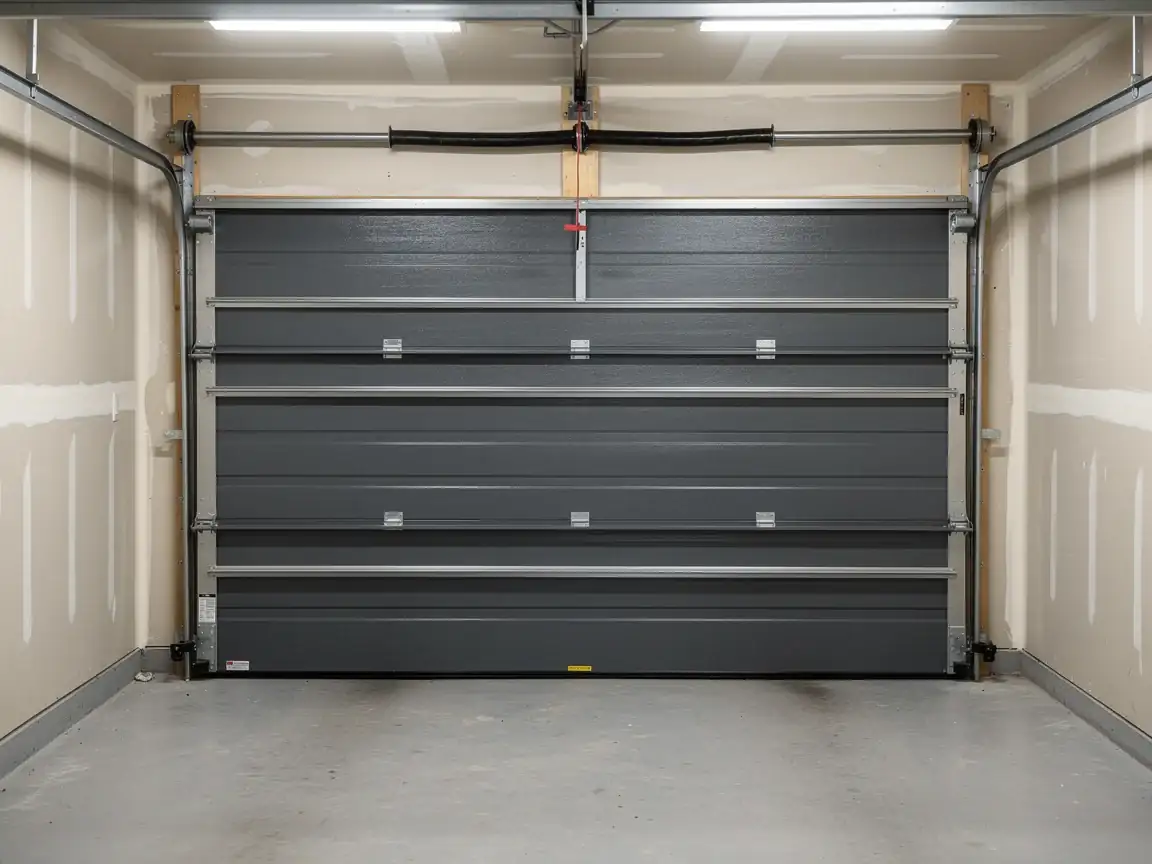
The Complications
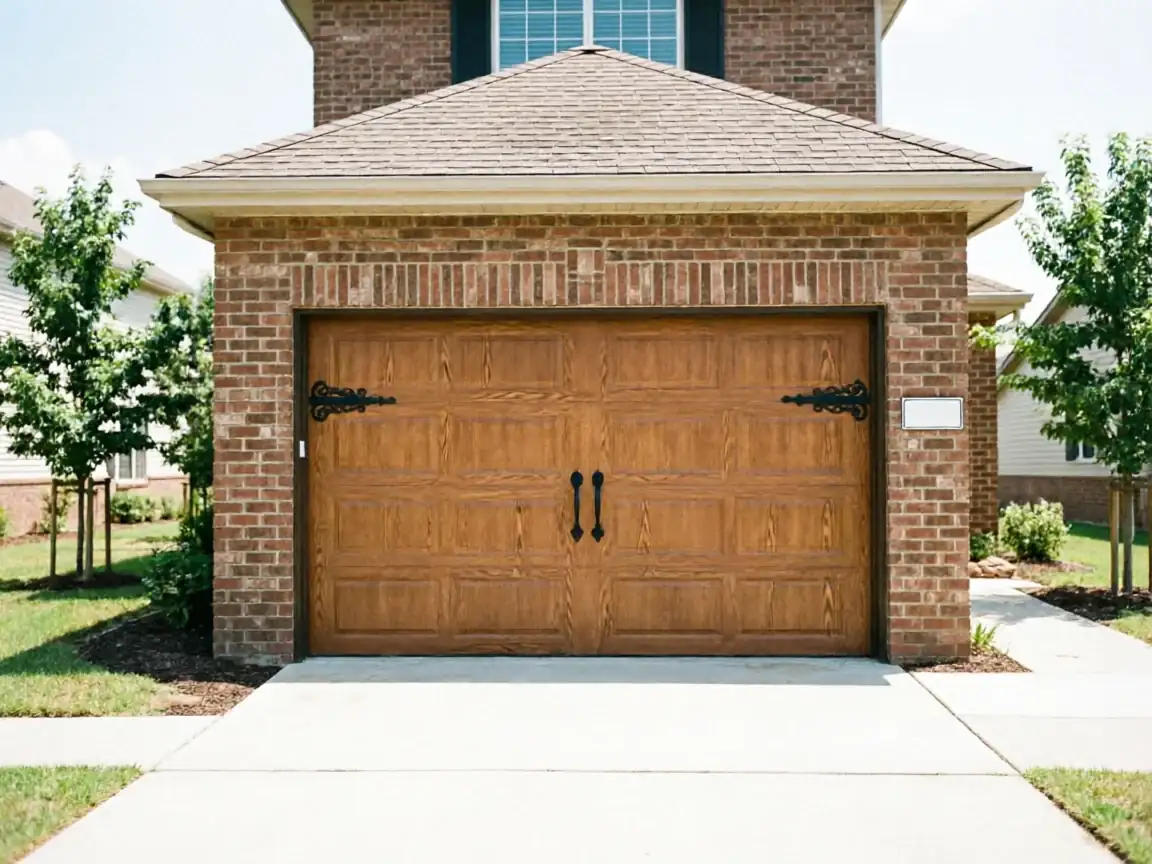
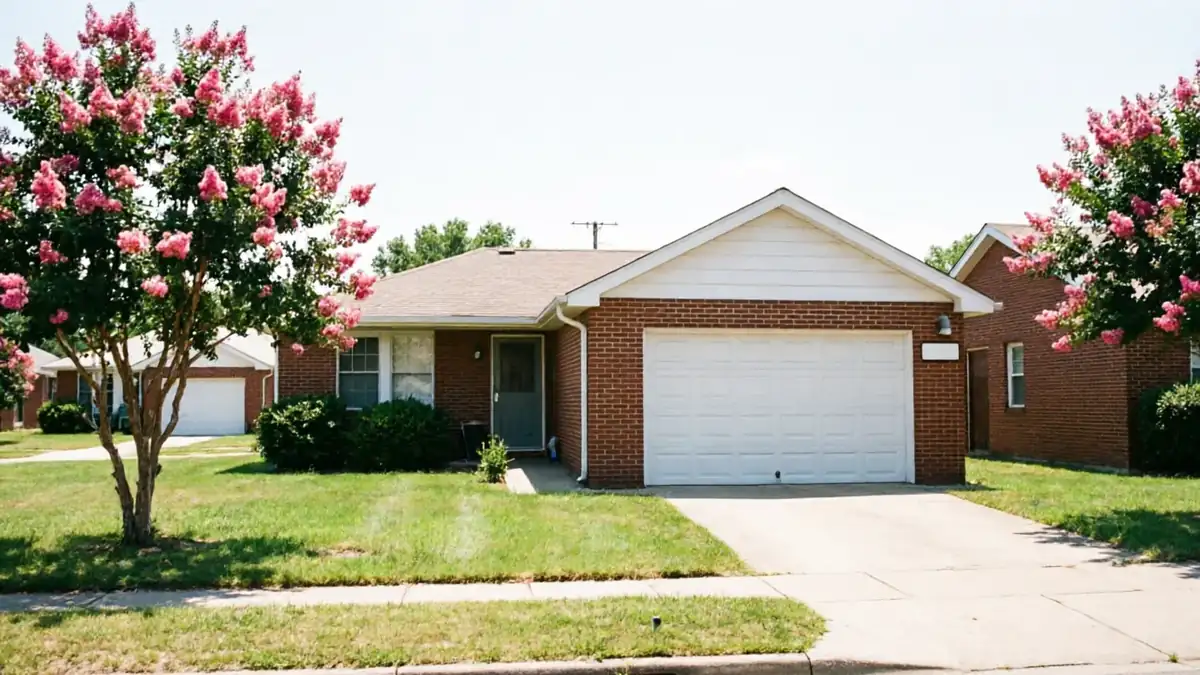
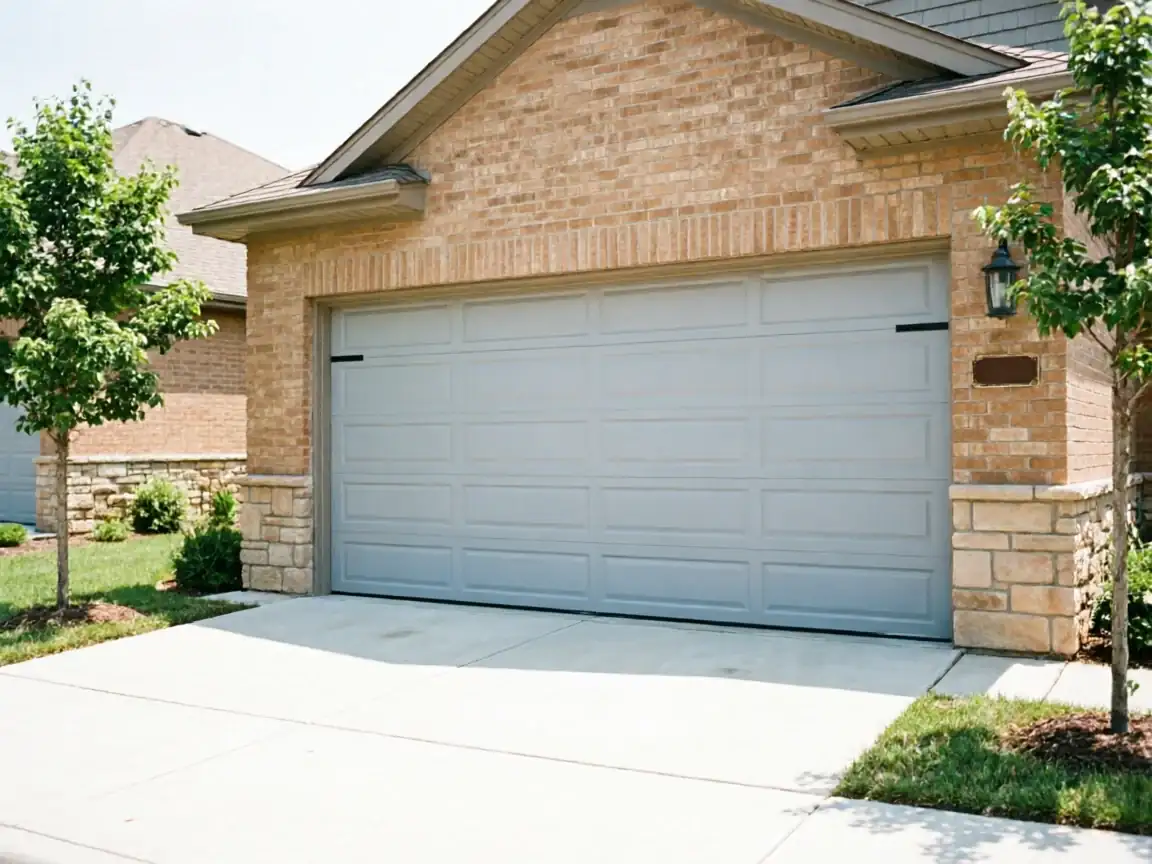
Piedmont is a small market by the numbers - about 2,959 households, compared to the roughly 70,136 spread across the whole service area. That size matters for maintenance work because a smaller town means less density of the same housing type, and Piedmont's type is distinct: the median year built here is 1999, a full generation newer than the 1973 median across the broader area. Fewer houses, newer houses, and a tighter range of ages than you'd find in the older 1960s-70s pockets closer to Edmond.
The practical complication is that a lot of Piedmont doors are approaching 20-25 years old at the same time. Original torsion springs rated for roughly 10,000 cycles start giving out in that window, and original openers - chain-drive units sold as builder-grade in the late 90s - are at the far end of their service life. When one goes, it's common for a neighbor's to follow within a season or two, because the houses went up in the same stretch of years.
We also make the drive from Edmond, 19 miles out, which is one of the longer hauls in the service area. That's not a complication for the door itself, but it's worth knowing going in: maintenance here isn't a walk-on job, it's a scheduled one.
What Is on the Truck
For a town built mostly around the same era
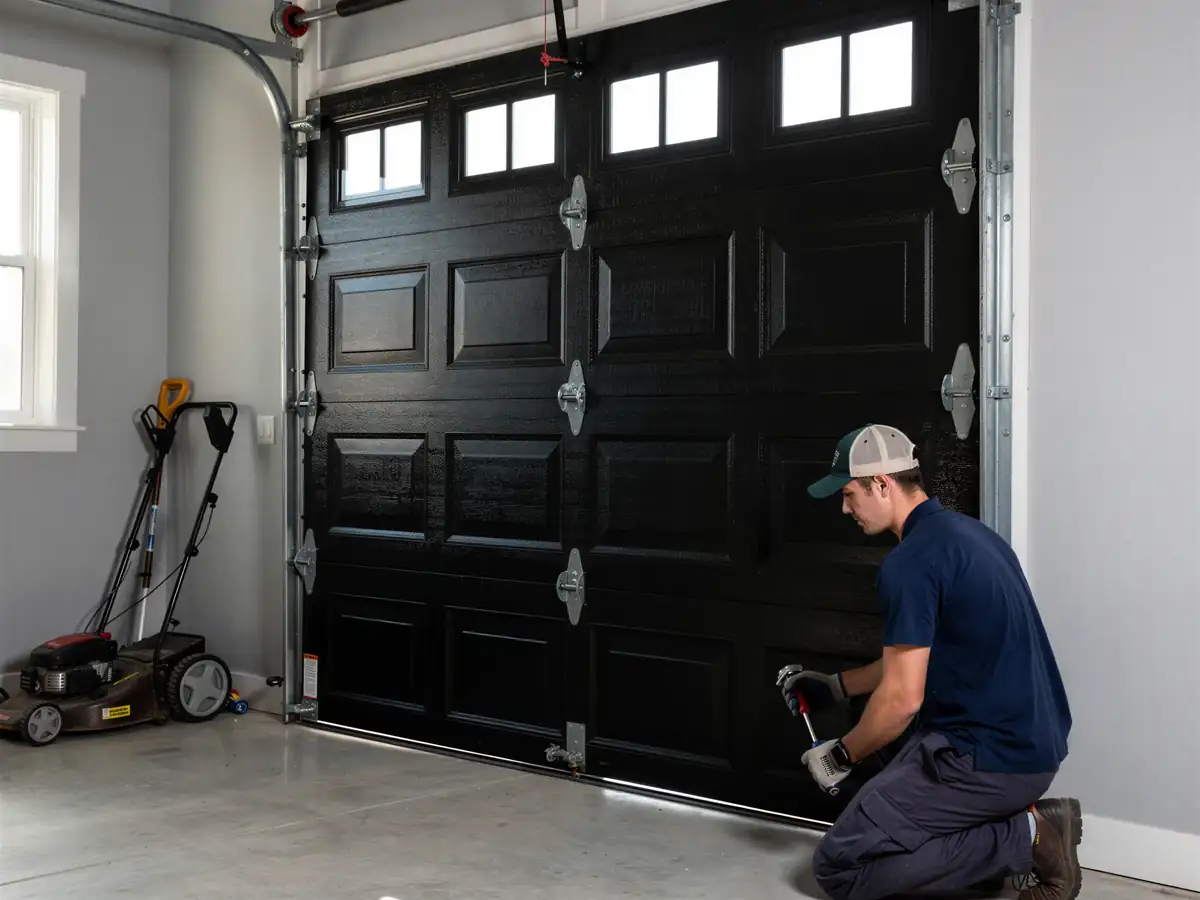
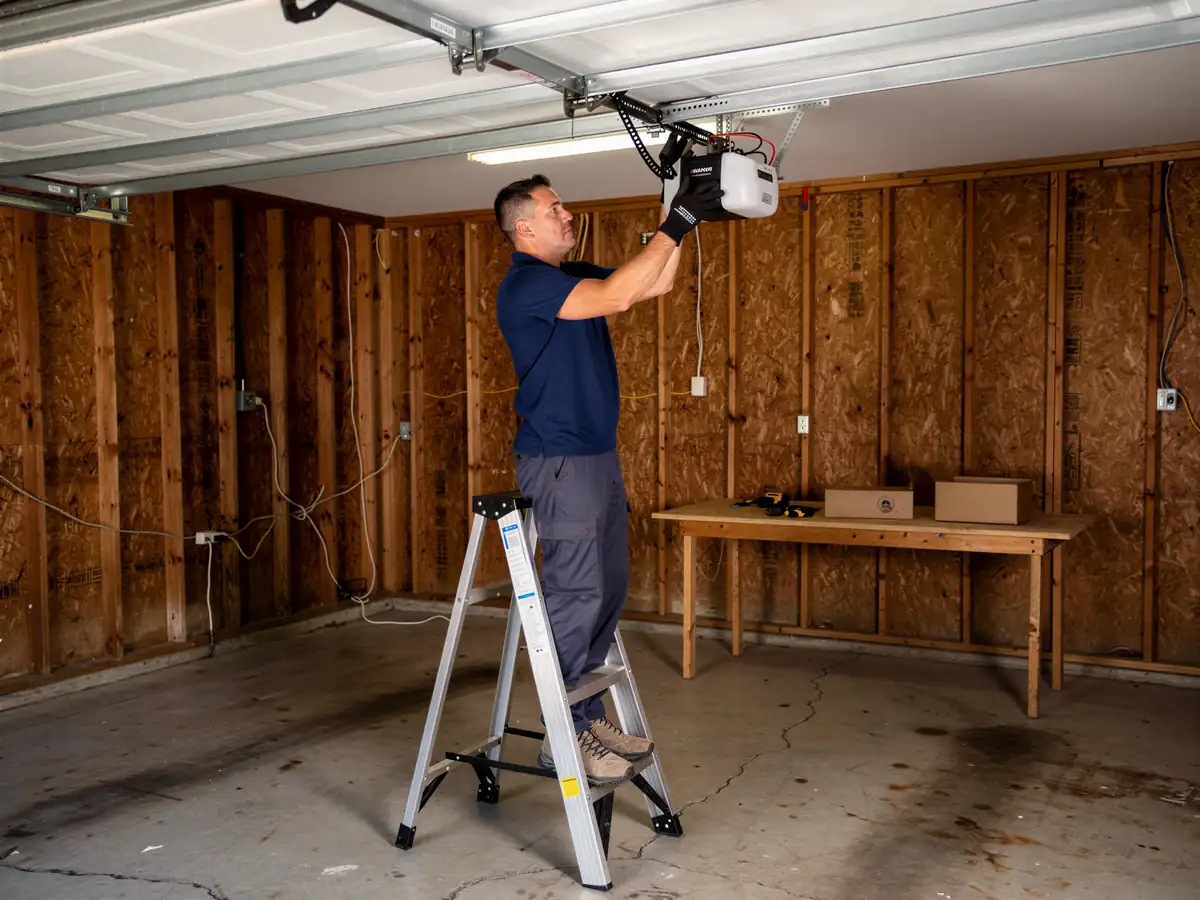
The parts that matter are the ones that match a 1990s sectional steel door and its original hardware: torsion springs in common residential wind sizes, standard-drum cables, nylon and steel rollers, and the hinges and center bearing plates that wear out first on a door that's run 15,000+ open-close cycles without a spring swap. We also carry opener parts that fit chain-drive units from that build era - drive gears, sprockets, and safety sensor kits - since a lot of original openers out this way are still the first one the house ever had.
We don't carry every part for every door on the truck
If a Piedmont job turns up a less common panel size or an opener model that's been out of production a while, that part gets ordered, and we're upfront about that before we start rather than after.
What the Fix Involves
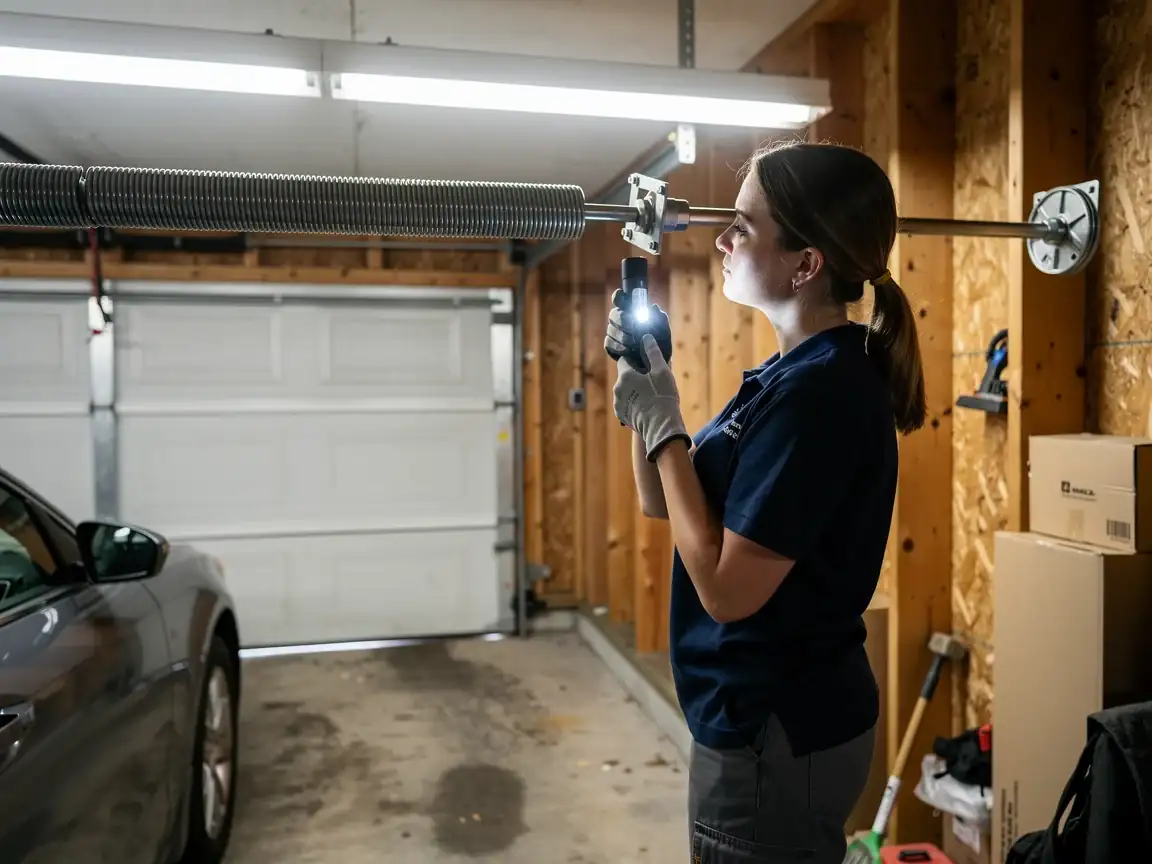
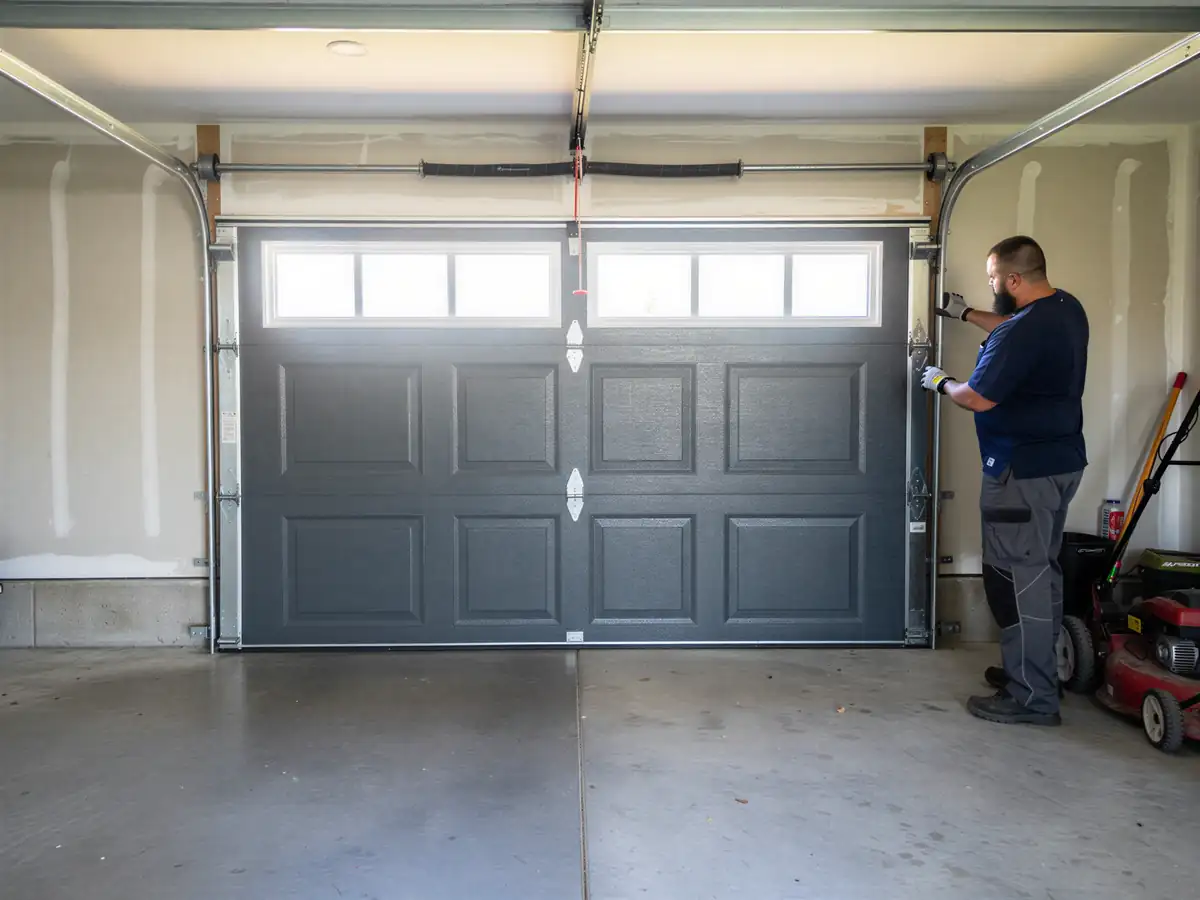
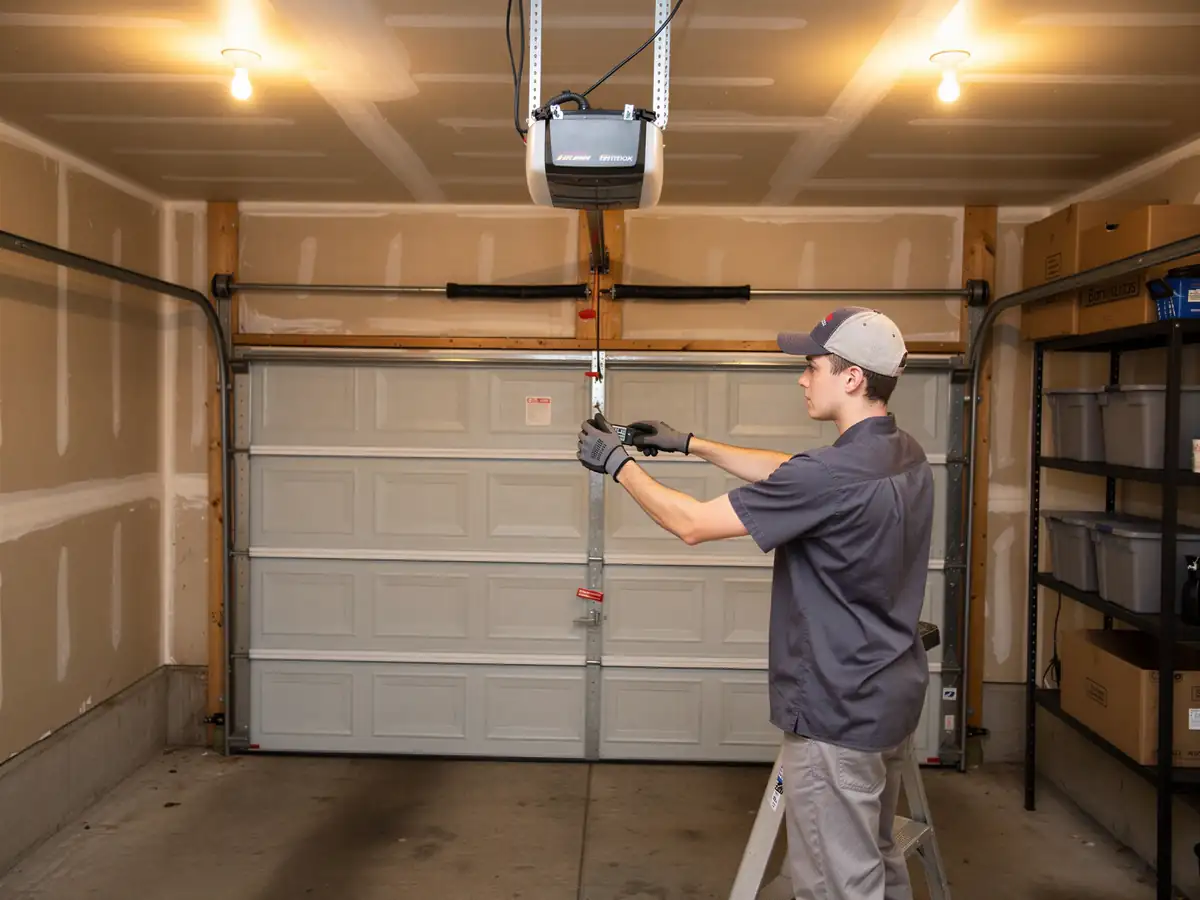
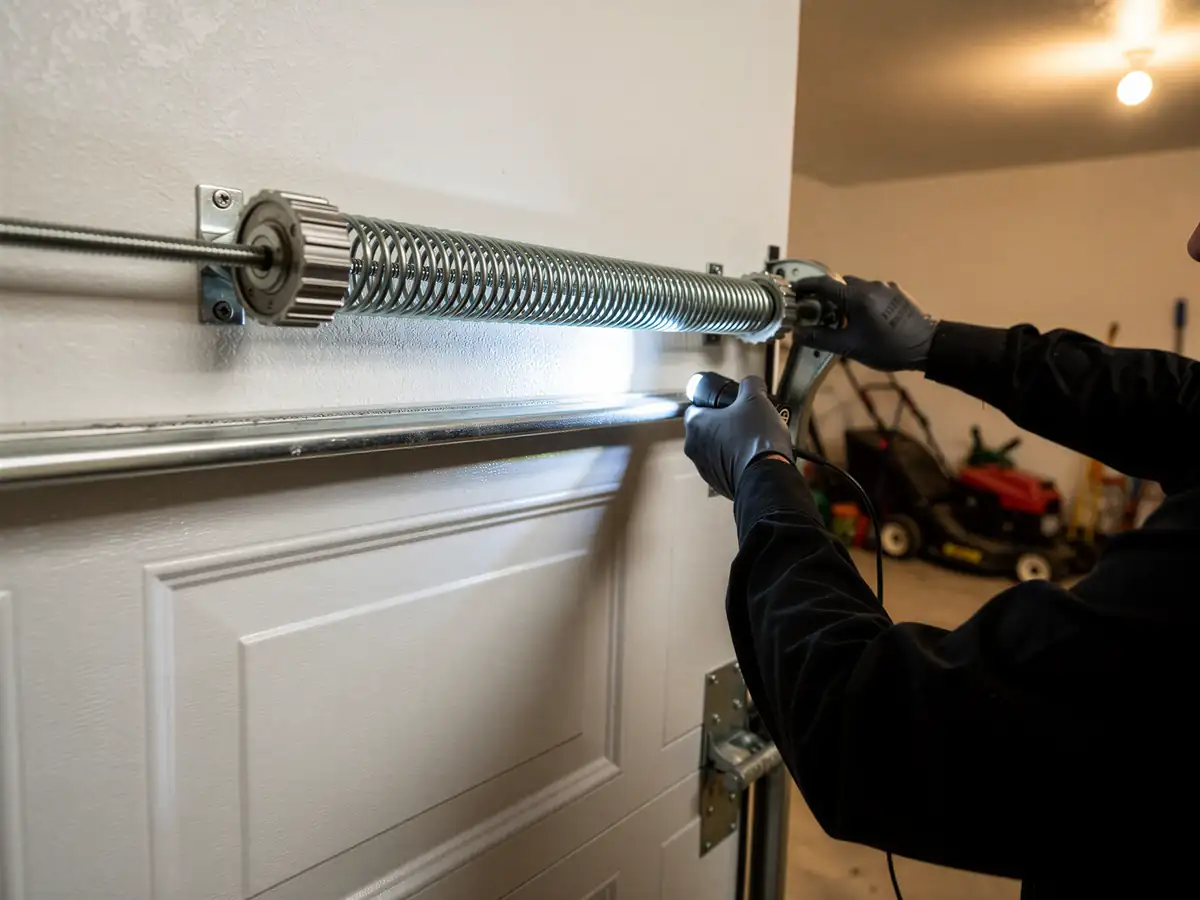
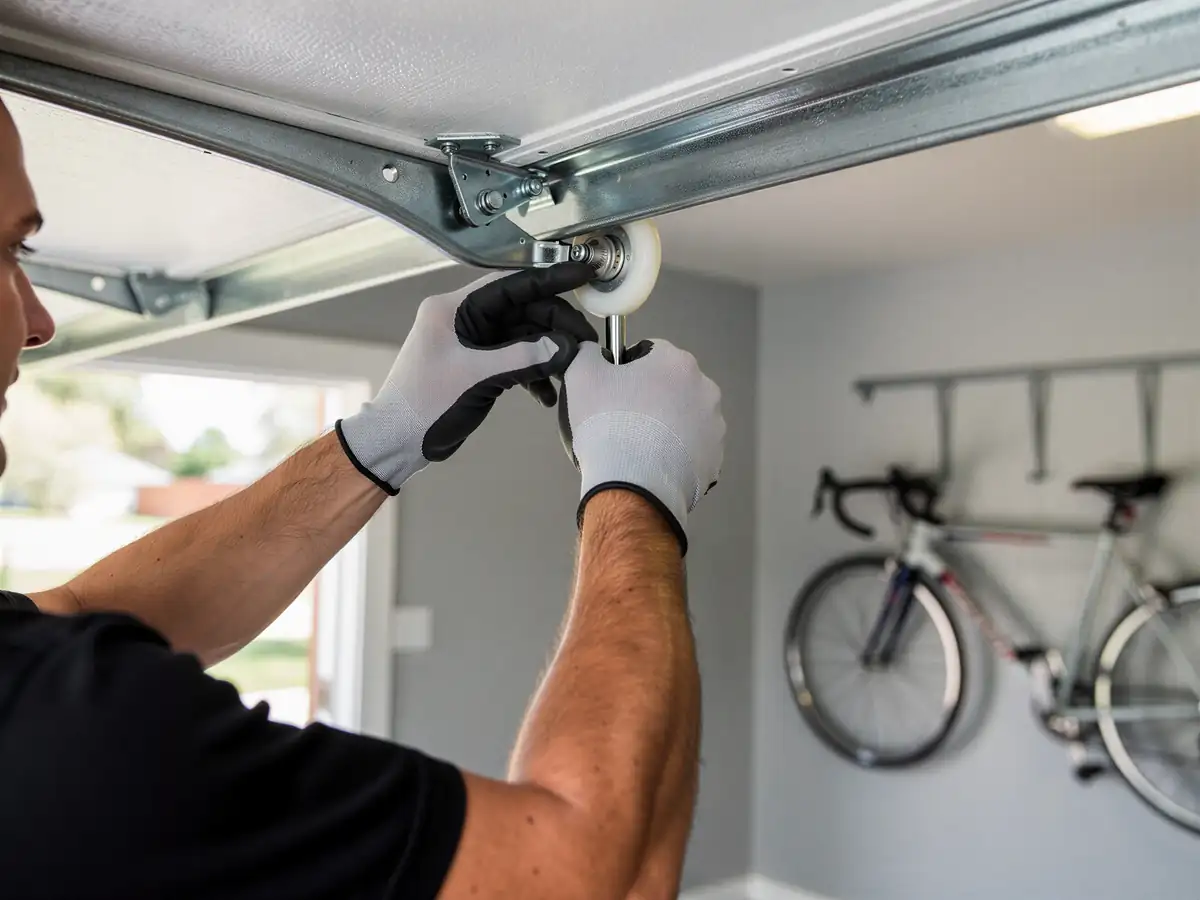
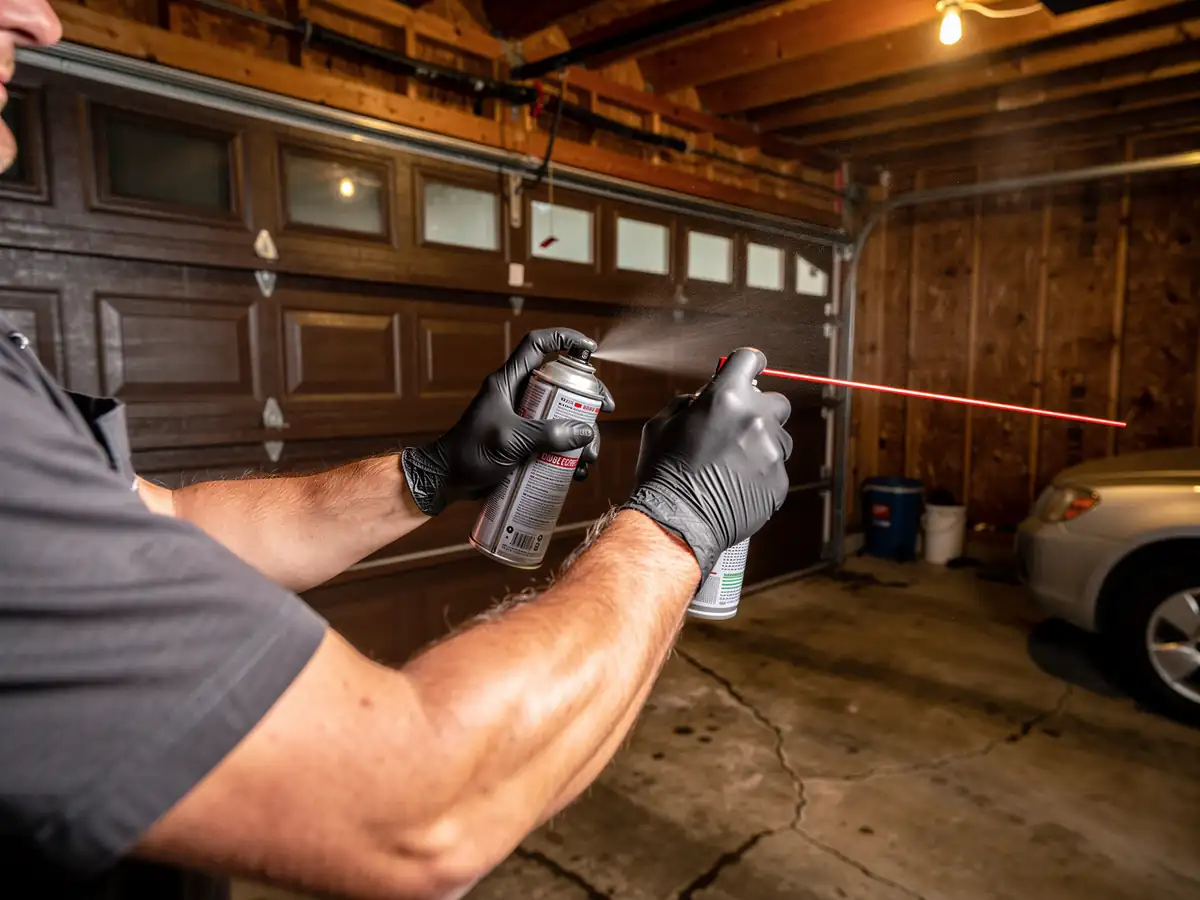
A standard maintenance visit on a Piedmont door built in that late-90s window covers the same mechanical checklist as anywhere, but what we find tends to cluster: springs within a few years of each other, rollers worn at a similar rate, lift cables starting to fray near the drum. We check torsion spring wind and cycle wear, inspect cable condition at the drum and bottom bracket, test balance by disconnecting the opener and hand-lifting the door, lubricate hinges and rollers, and check the opener's force settings and safety reversal.
Because the houses here are newer than the area average, we're less often dealing with original wood jamb warping or decades-old hardware mismatches that show up on 1960s stock closer in. More often it's a door that's simply due - first spring replacement, first full roller set, opener due for a gear kit before it strips.
What You Pay
We don't have a flat maintenance price to quote here, and we're not going to invent one. What we can tell you is that the job scope in Piedmont tends to be narrower than in older parts of the service area - fewer surprise repairs tied to decades-old hardware, since most doors are still within their first or second full maintenance cycle. Median household income in Piedmont runs $94,882, well above the $60,822 area-wide figure, which doesn't change what parts cost but does shape what gets fixed versus replaced: more owners here opt to replace a tired opener outright rather than keep nursing an original unit.
How Long You Are Without the Door
A standard maintenance visit
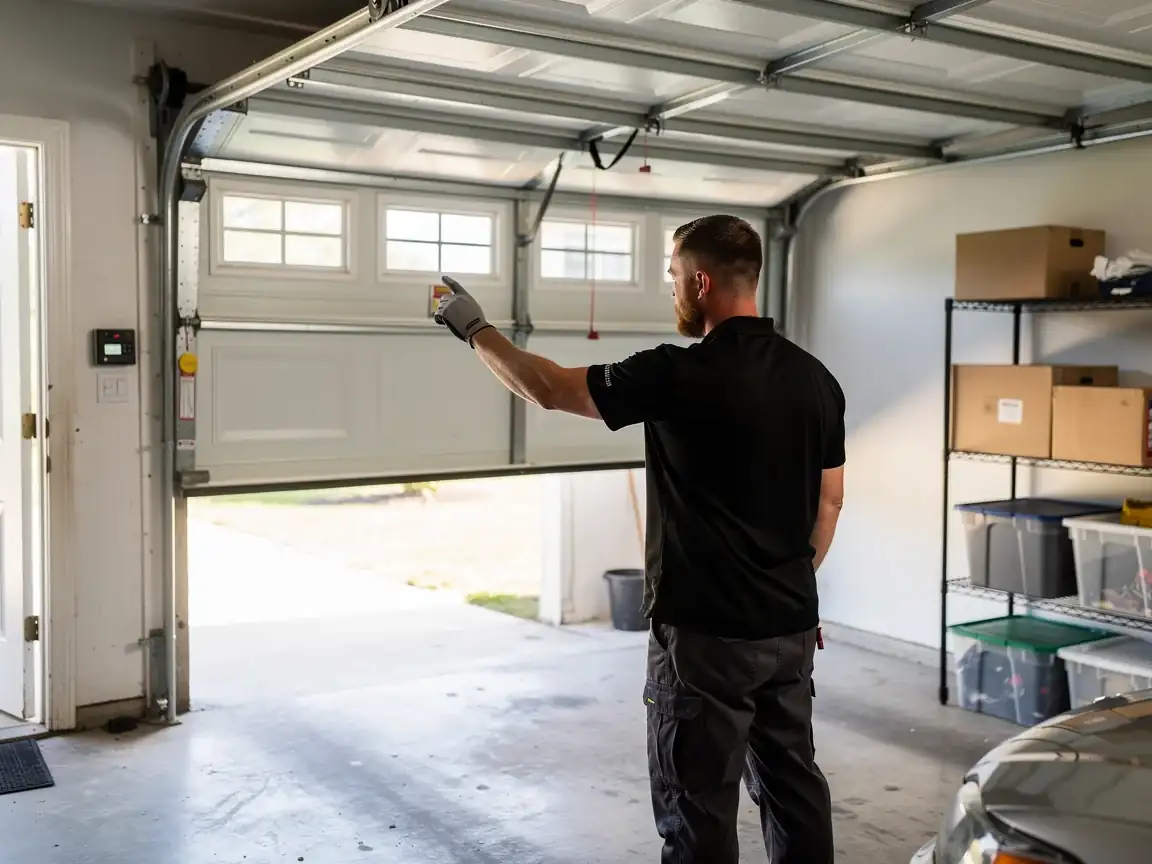
Spring check, lube, balance, opener test - doesn't put the door out of service; you're using it again the same visit. If a spring needs replacing or a cable's frayed, that's typically handled the same trip since those parts are stocked. The door goes out of commission only for the time it takes to do the repair, usually well under a couple hours for common torsion spring or cable work.
Where the 19-mile drive from Edmond matters is scheduling, not the repair itself
Plan the appointment rather than expecting a same-day walk-up fix, since the truck's routing covers the full area out to towns like Wellston and Guthrie on the same loop.
What You Are Seeing
If your house in Piedmont was built anywhere close to that 1999 median, watch for a door that's slower to open than it used to be, a spring that looks stretched or has a visible gap in the coil, or an opener that strains and reverses on a door that isn't that heavy. These are first-cycle wear signs, not defects - springs rated for a set number of cycles simply reach the end of that count, often somewhere between 15 and 25 years in, depending on how many times a day the door runs.
Cold-weather stiffening is also part of the picture this far north; the area sits in a moderate cold climate band, and grease that's thickened up over a winter can make a door feel heavier than it is, masking or mimicking a real spring problem. If the door's noticeably harder to lift by hand in January than it was in July, that's worth a look before you assume the opener's failing.