The Complications
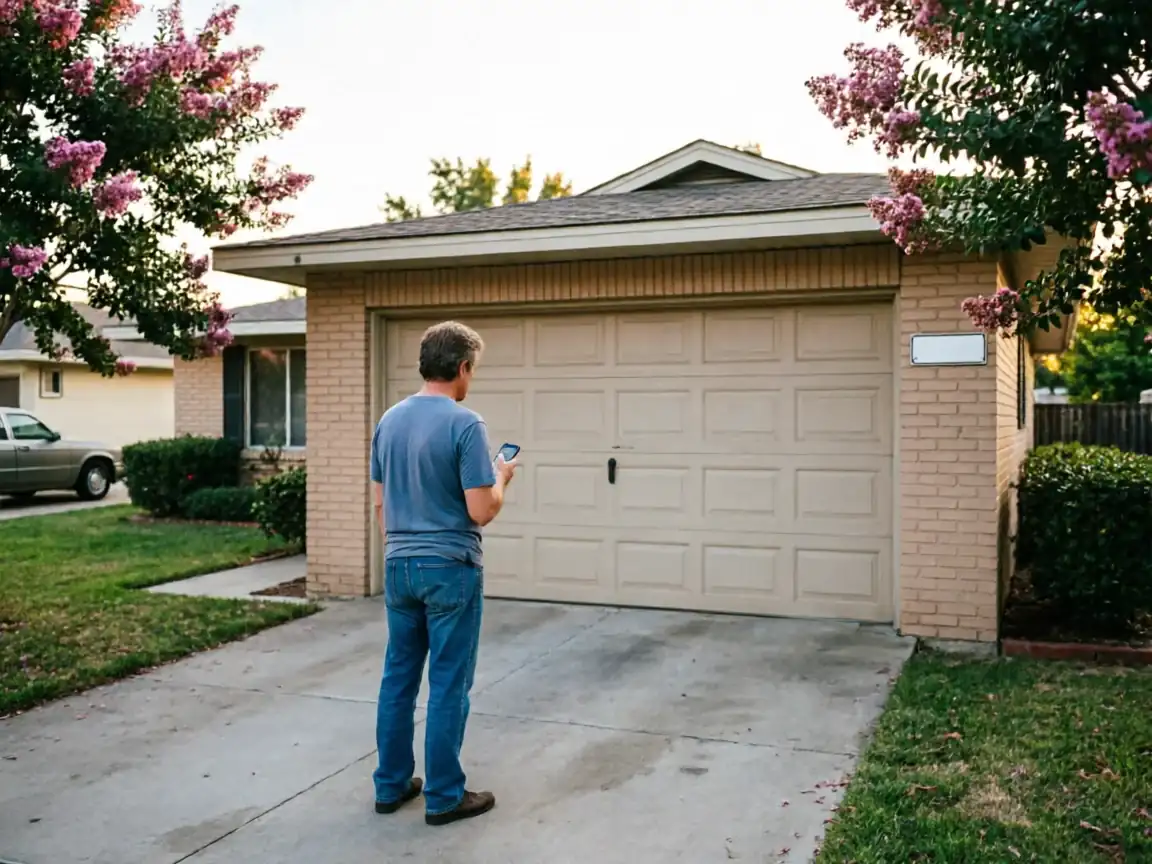
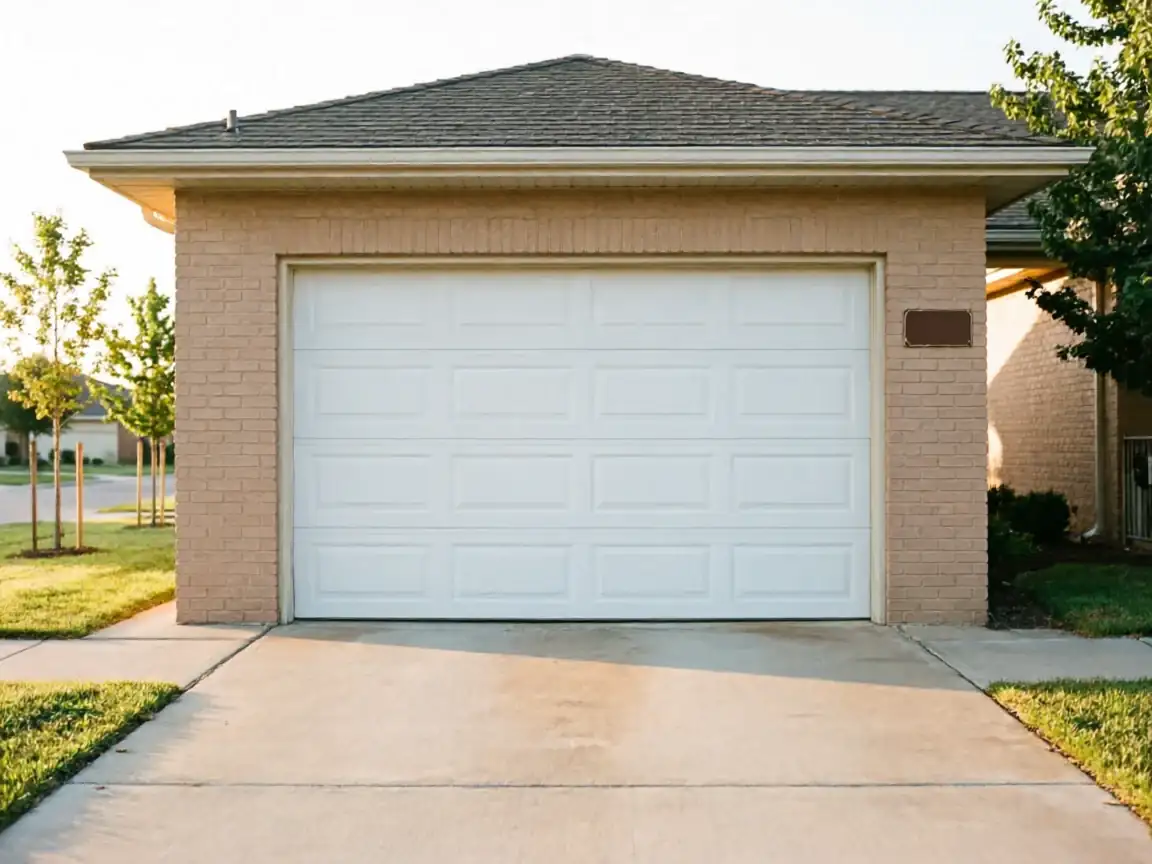
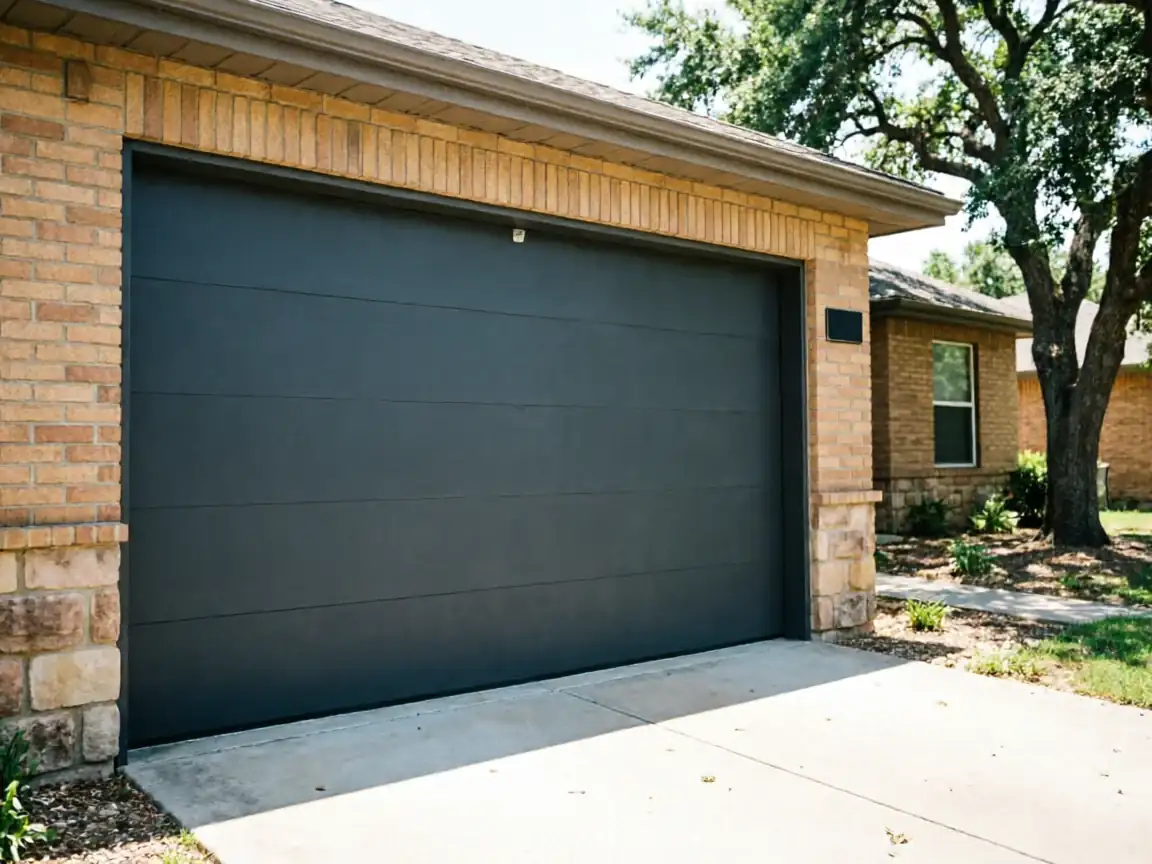
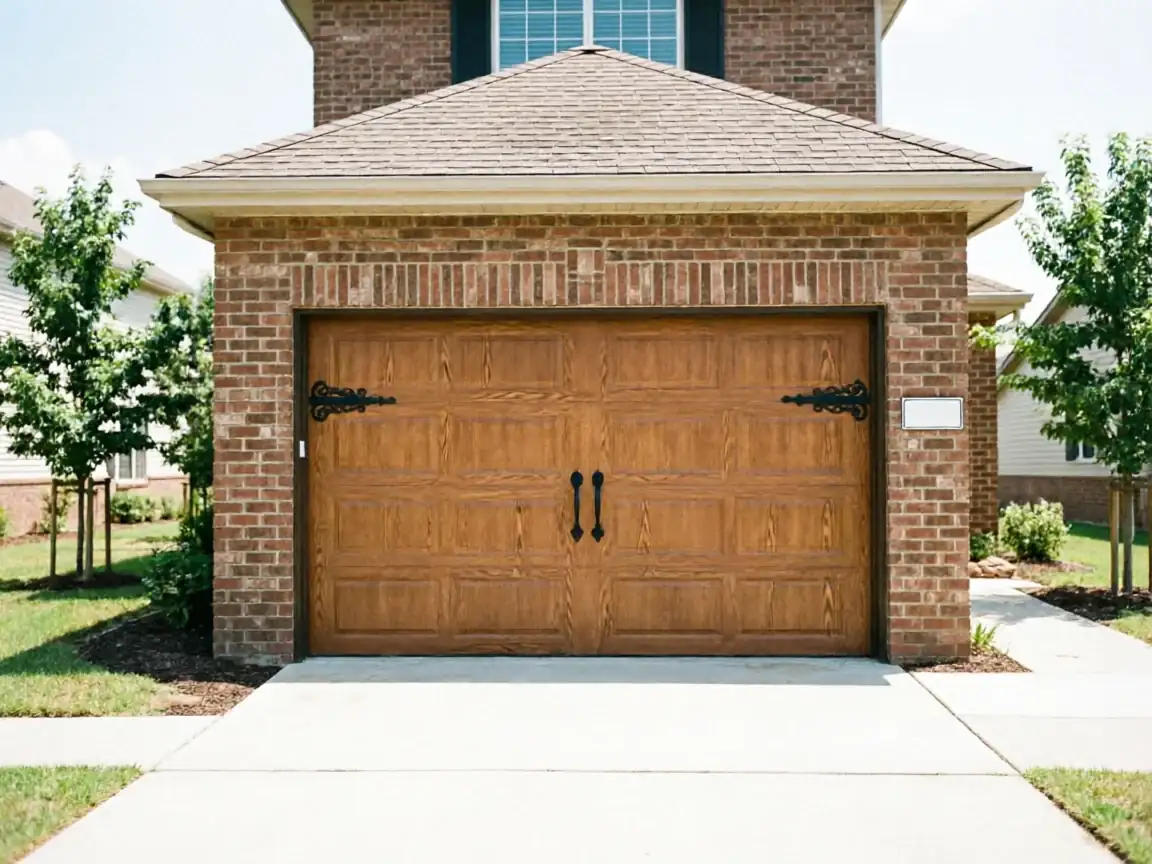
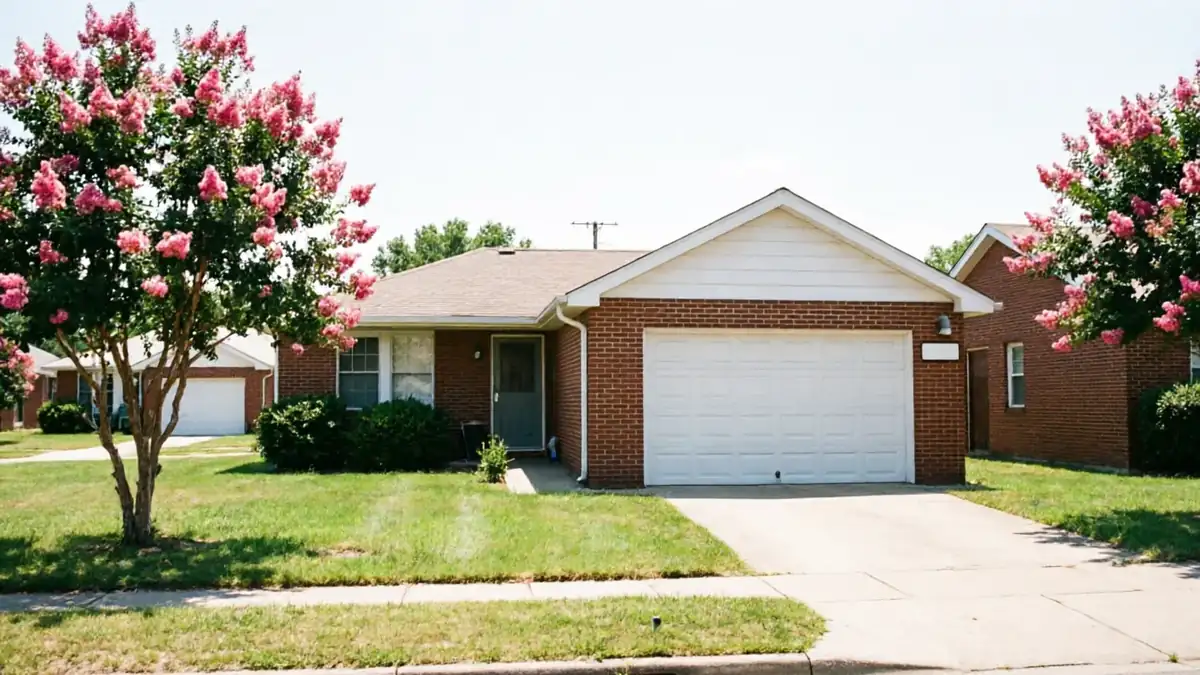
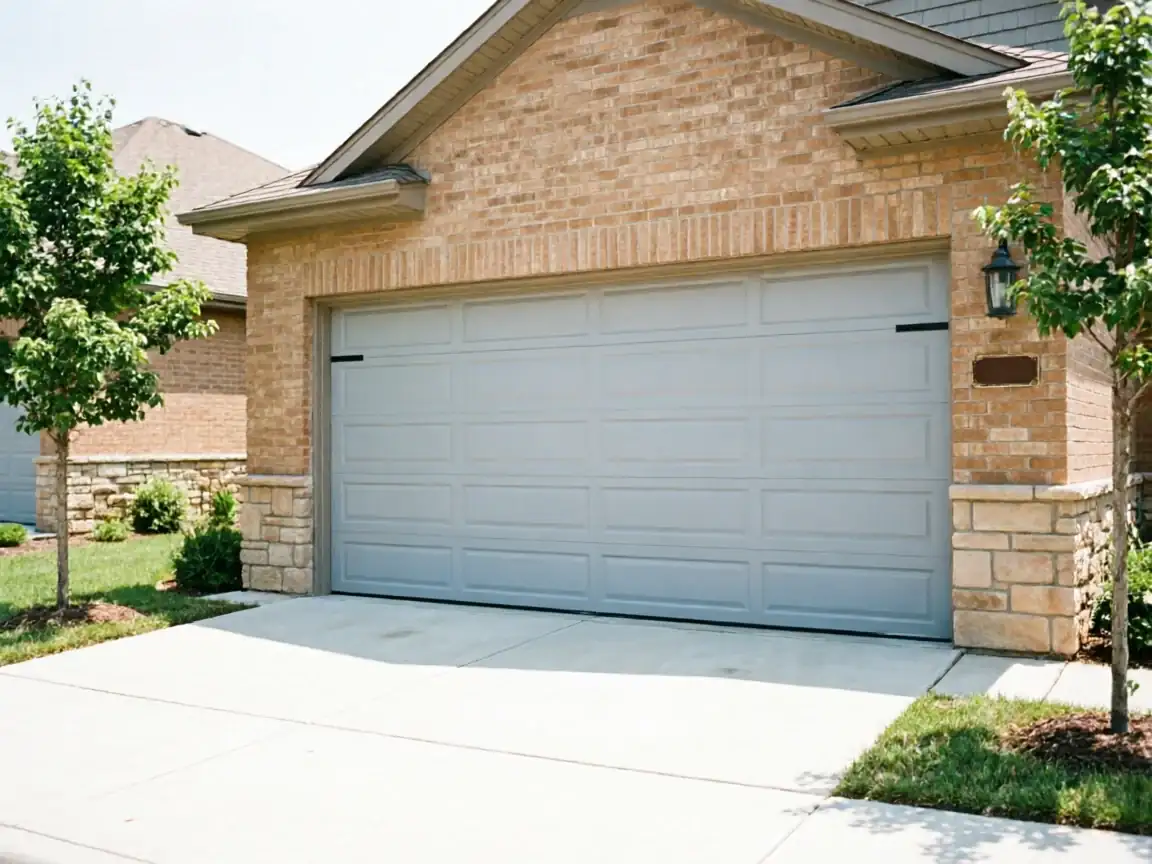
Piedmont's housing is newer than most of the territory we cover out of Edmond. Across the wider service area the typical house went up in 1973, but Piedmont's median build year sits around 1999 - a full generation later. That matters for spring repair because the hardware that shipped on a late-1990s door is a different animal than what you'd find on a house from the 60s or 70s. You're more likely looking at a factory torsion spring still doing its original job, not a replacement somebody bolted on decades ago. The complication isn't age of the house so much as finding out whether that spring was ever serviced at all, since many of these doors have never needed a call before now. When one finally lets go, it's often the first failure the homeowner has seen on that door, which means no history to work from - no note on the jamb, no old invoice in a drawer.
What the Fix Involves
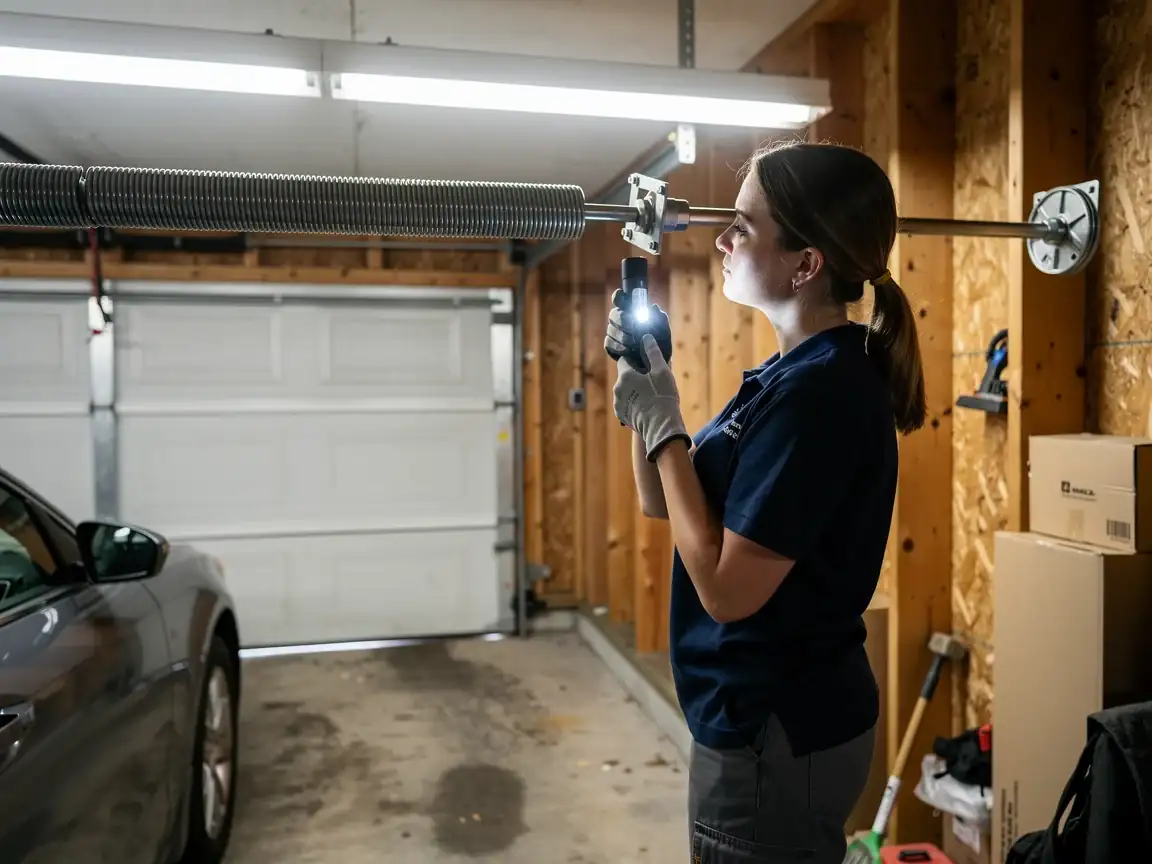
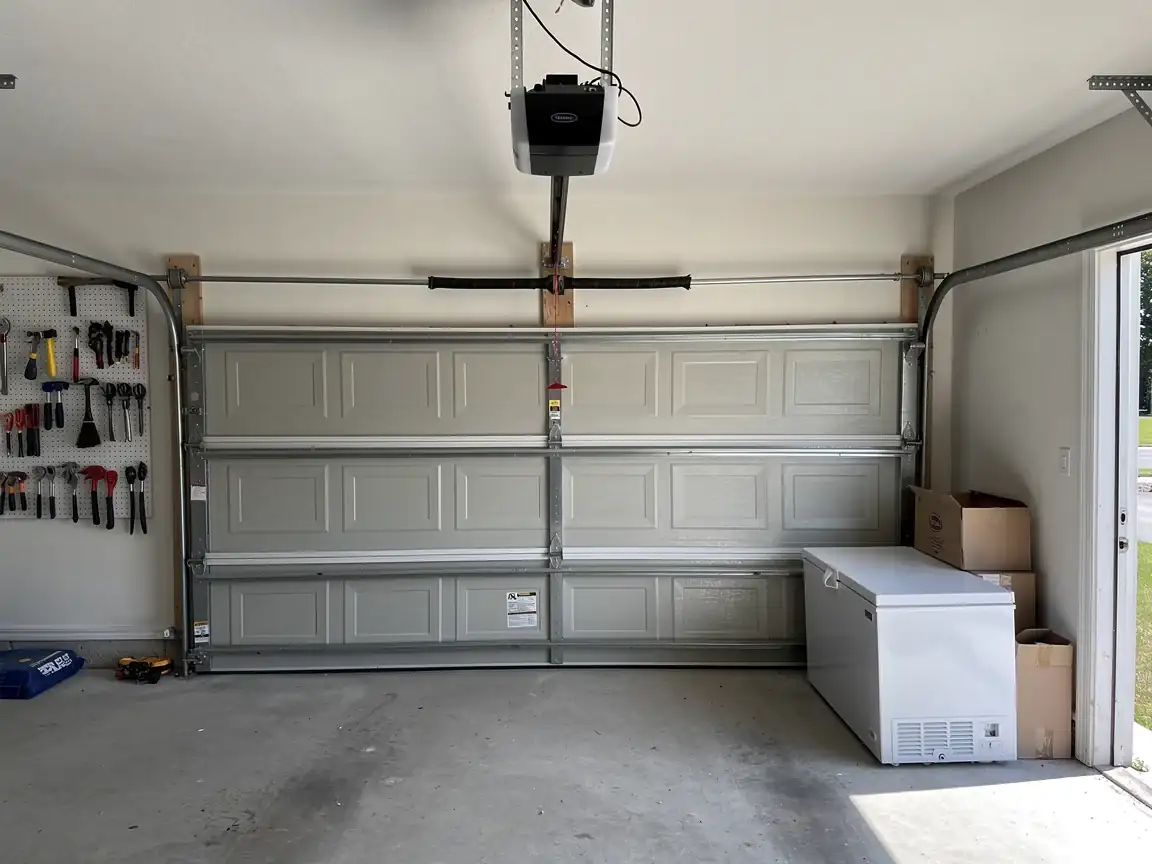
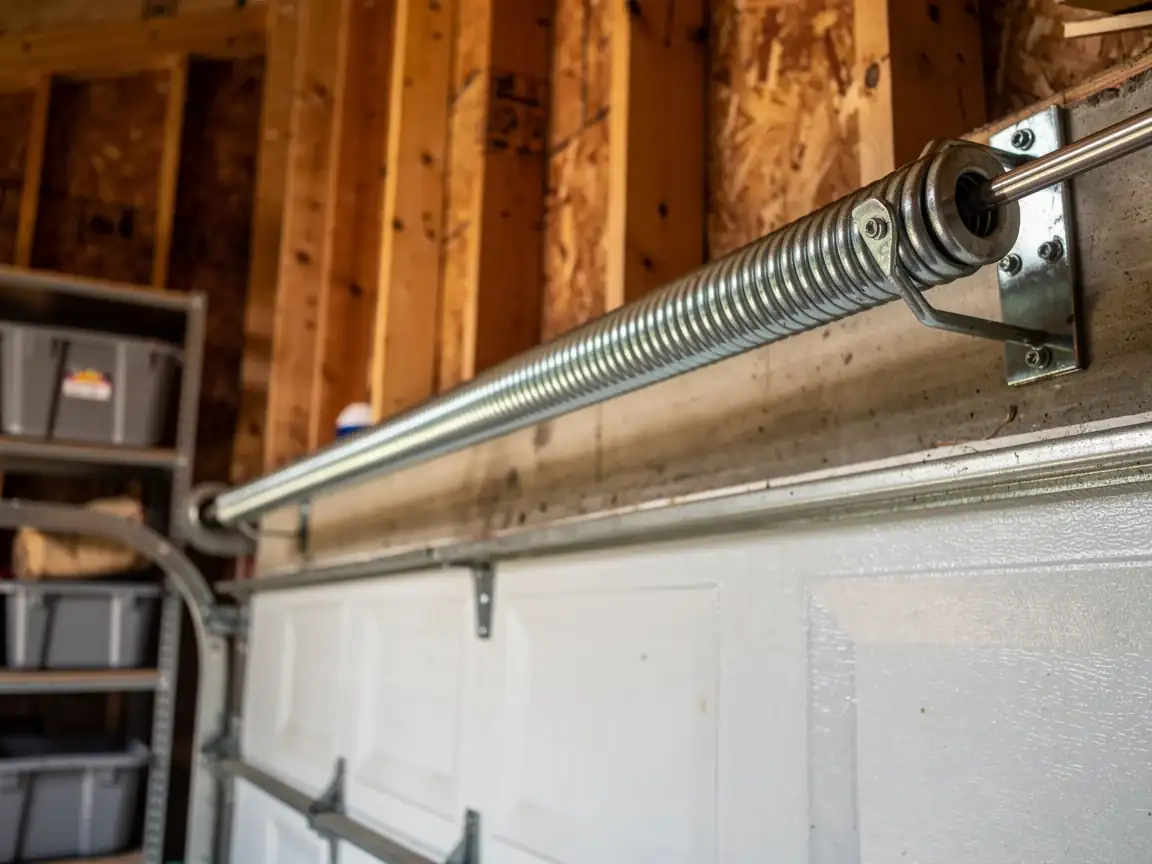
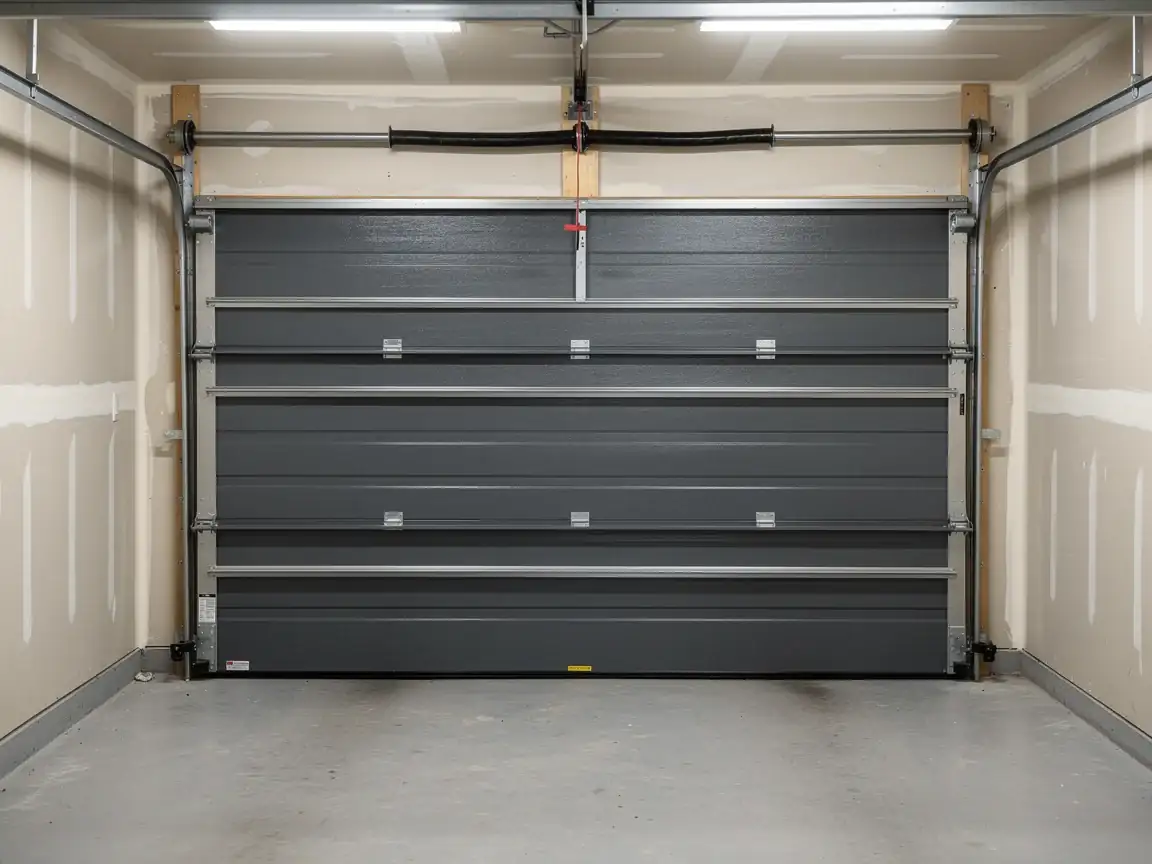
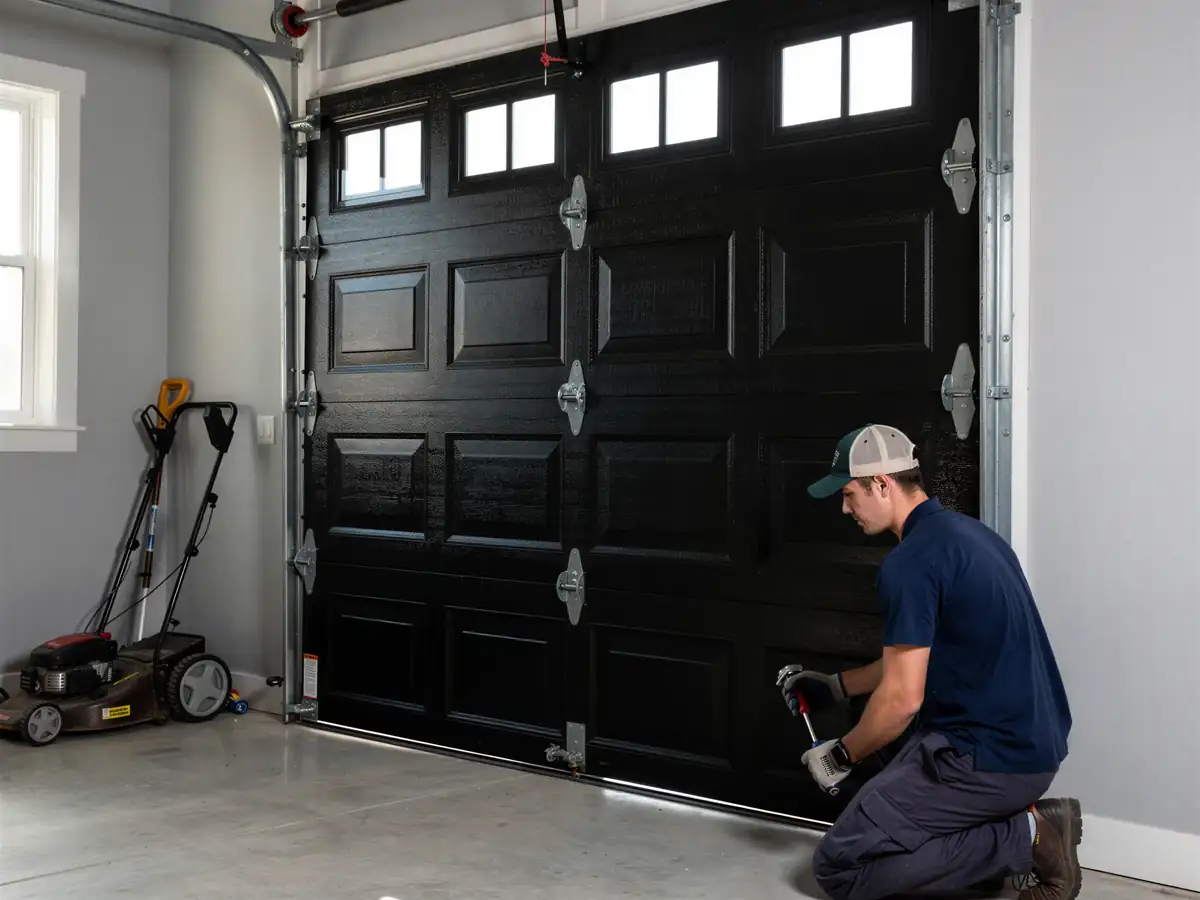
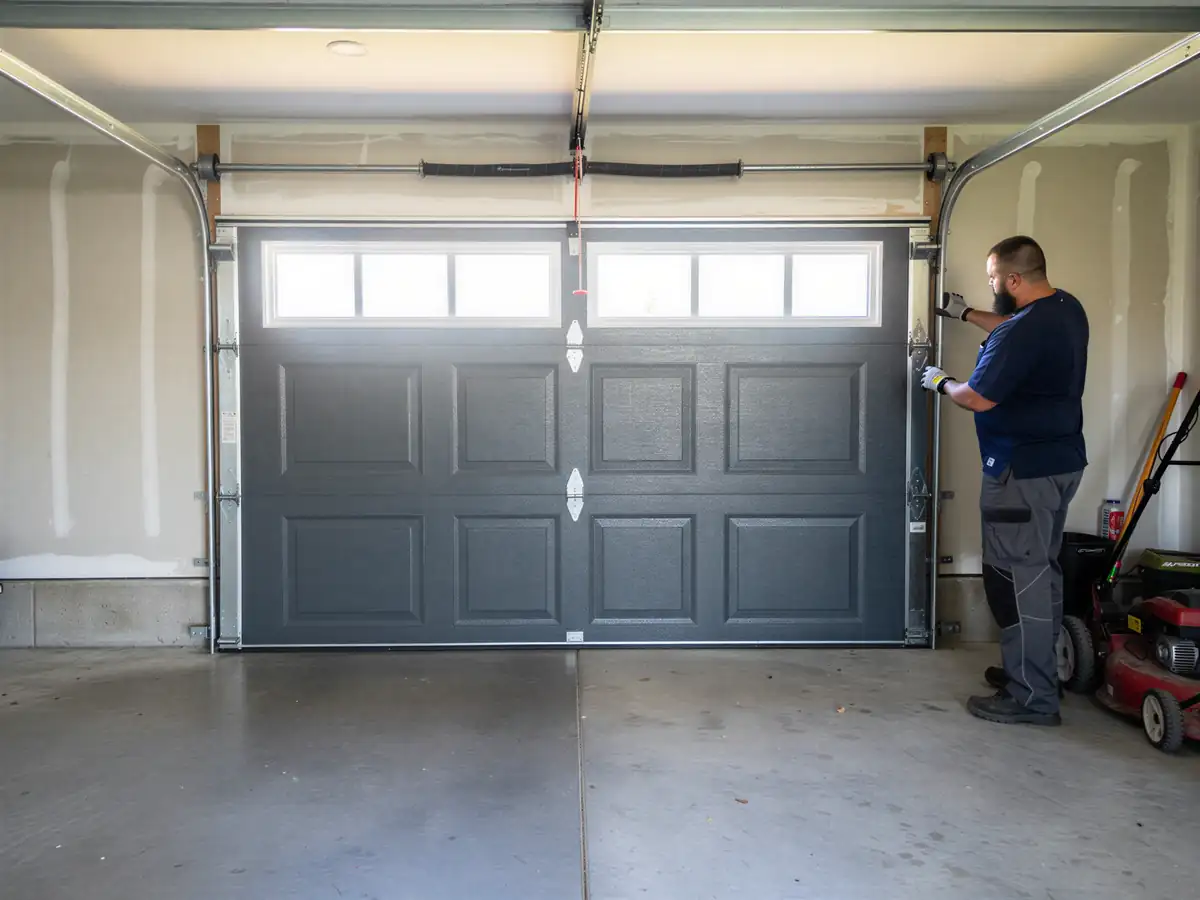
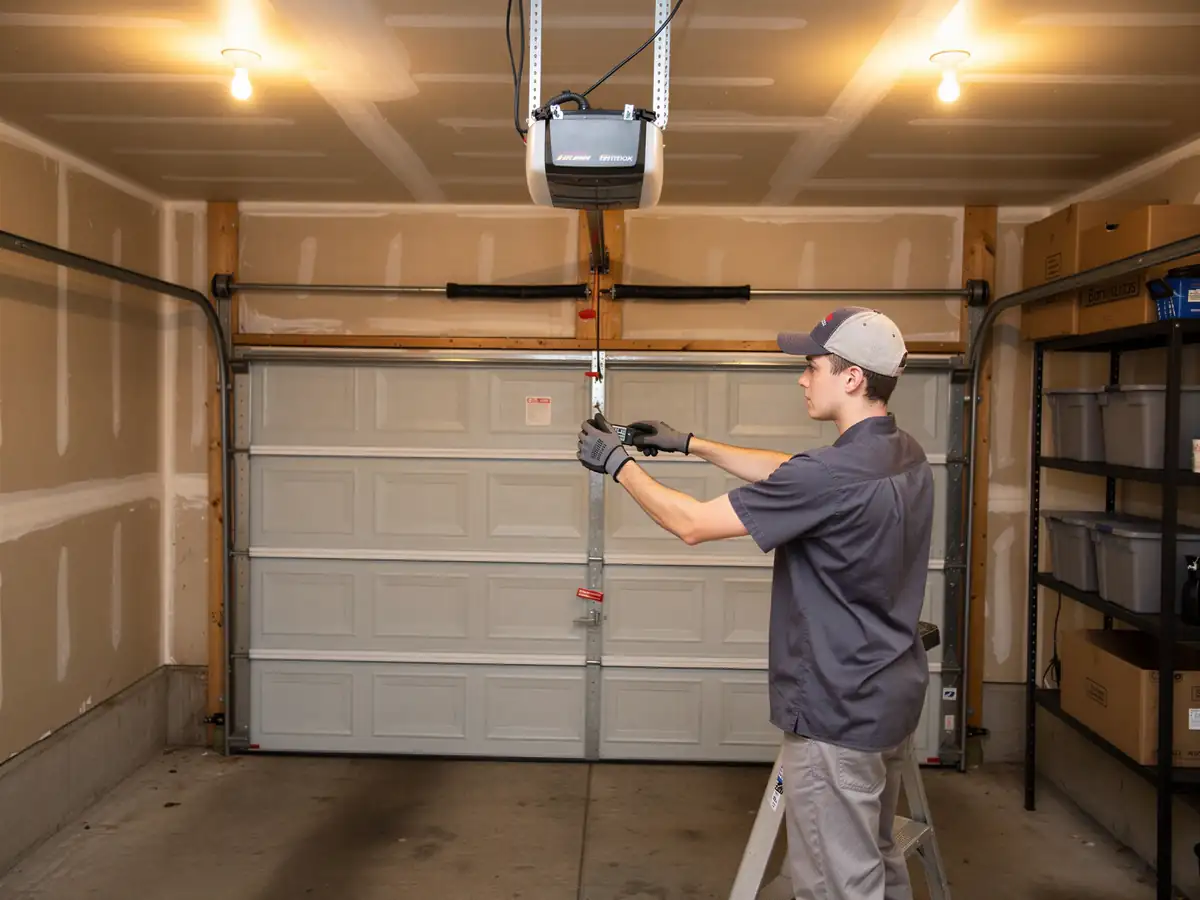
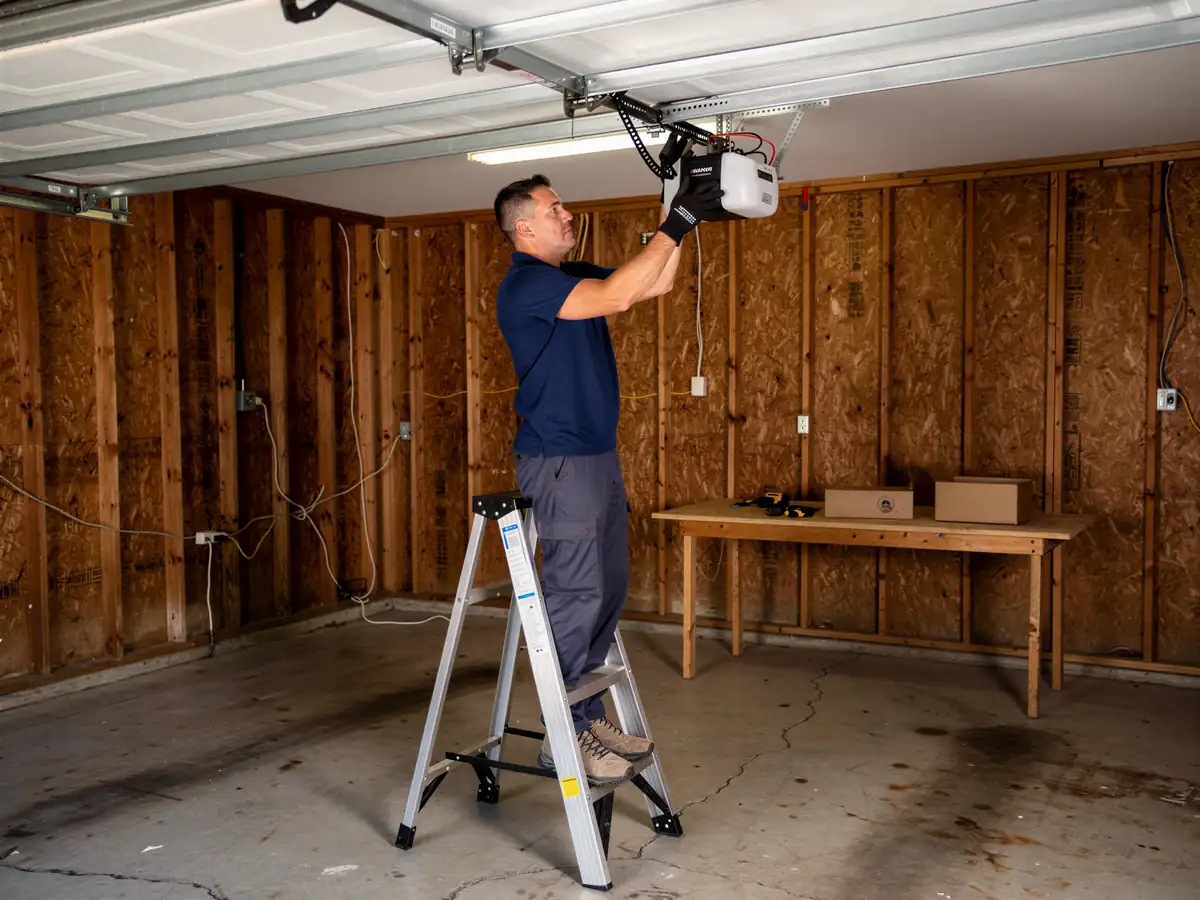
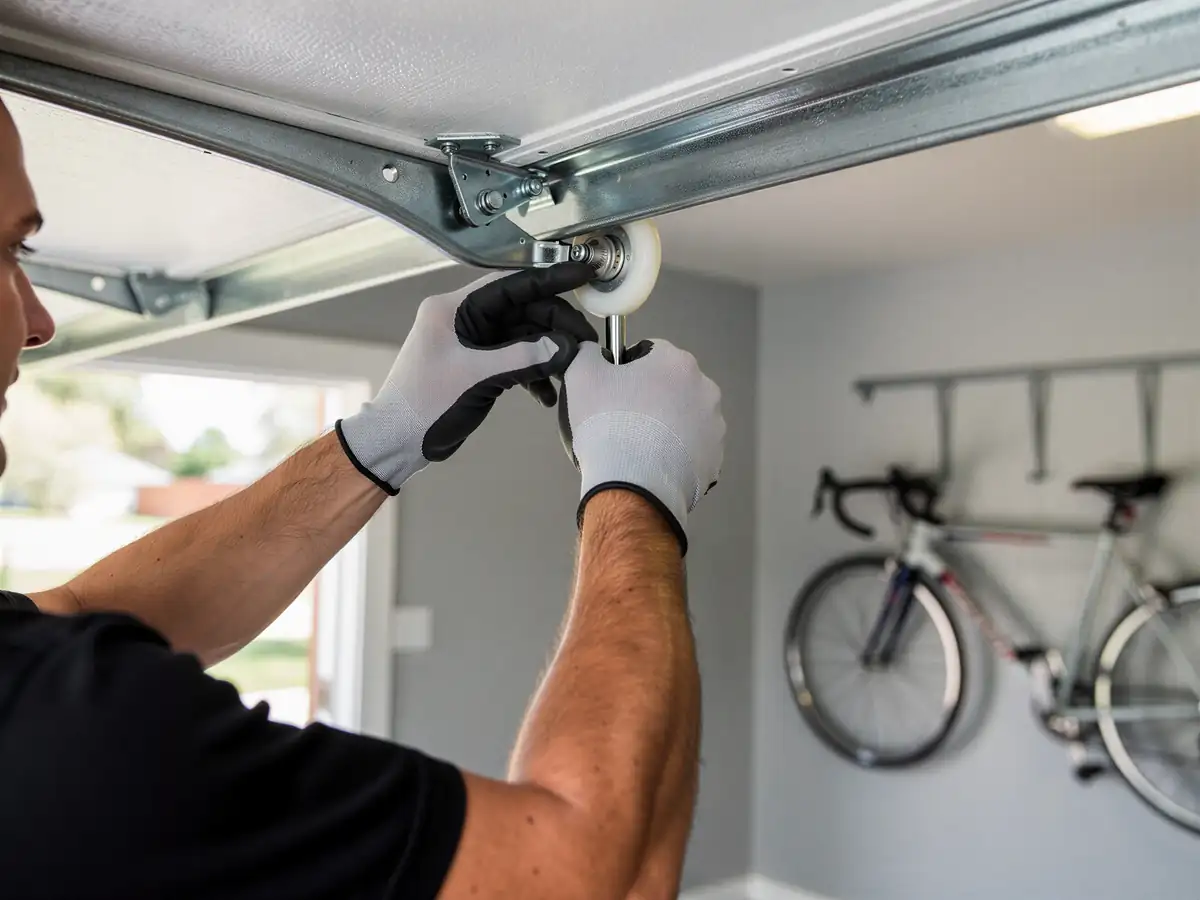
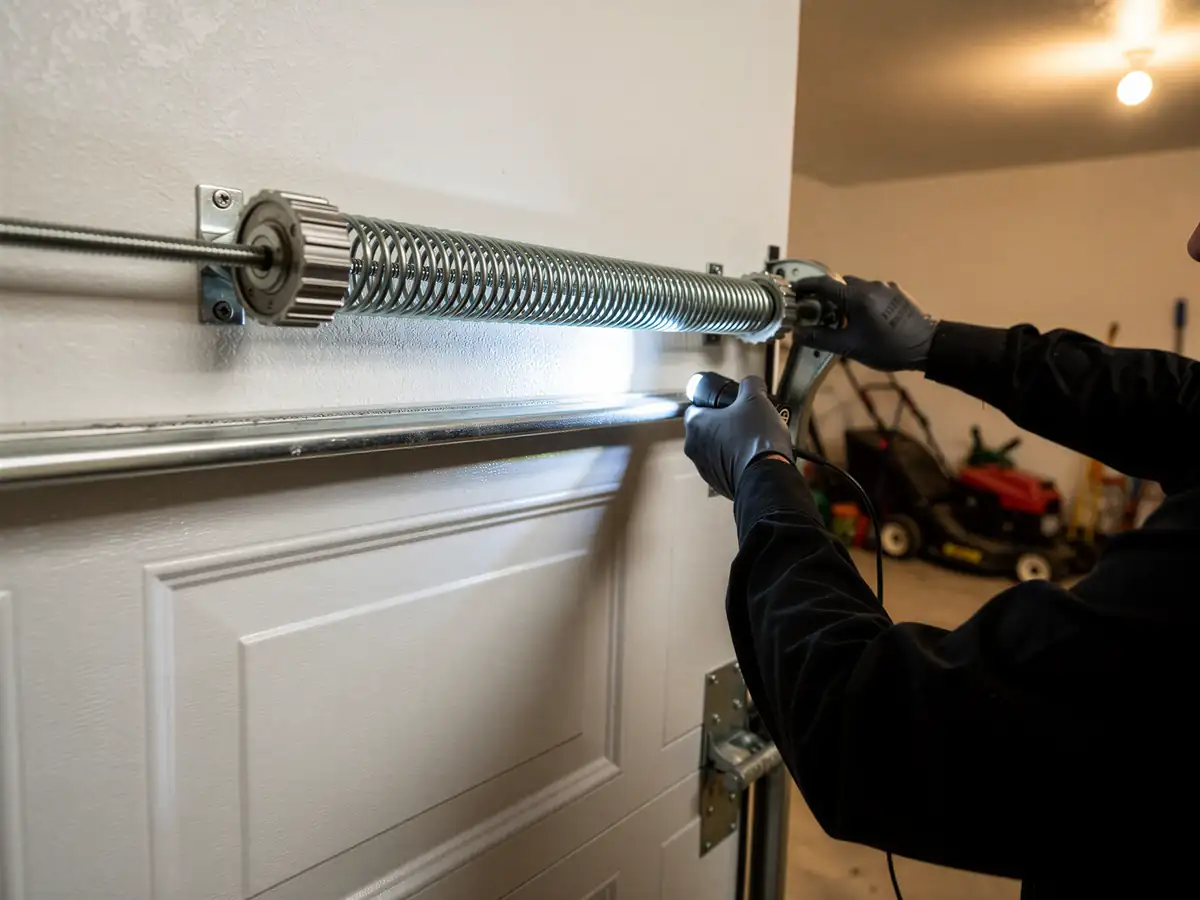
On a torsion system this age, the job is usually straightforward: release tension, pull the old spring off the shaft, slide the new one on, set the drums, and wind to the door's weight. Because so much of Piedmont's housing is original-build, the bearing plates and center bracket are often original too, and those get a look even when they're not the reason you called - a spring failure on a door this age is sometimes the first sign that a bearing is also near the end of its life. We check cable condition on both sides, since a frayed cable on one side under new spring tension is how a second call gets made a week later. If the opener has been doing extra work to compensate for the dead spring, we check it's not straining now that the balance is restored.
What You Pay
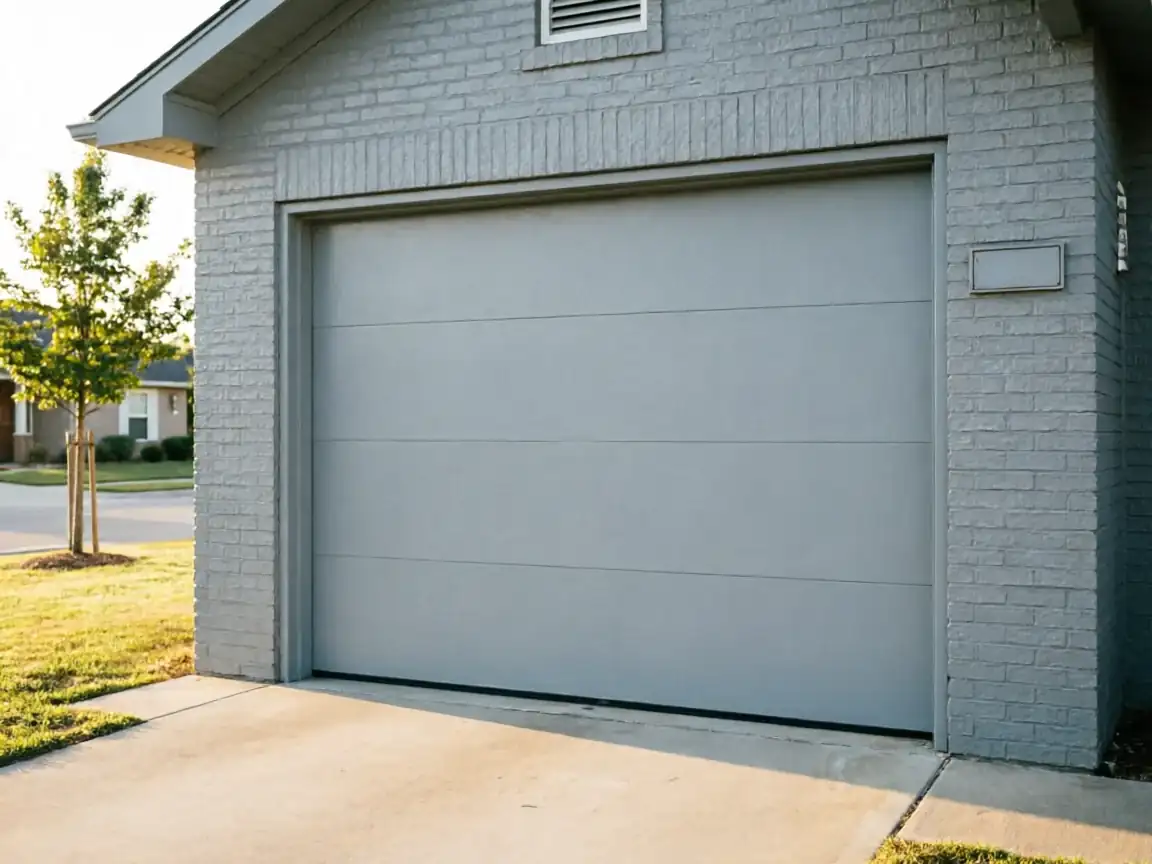
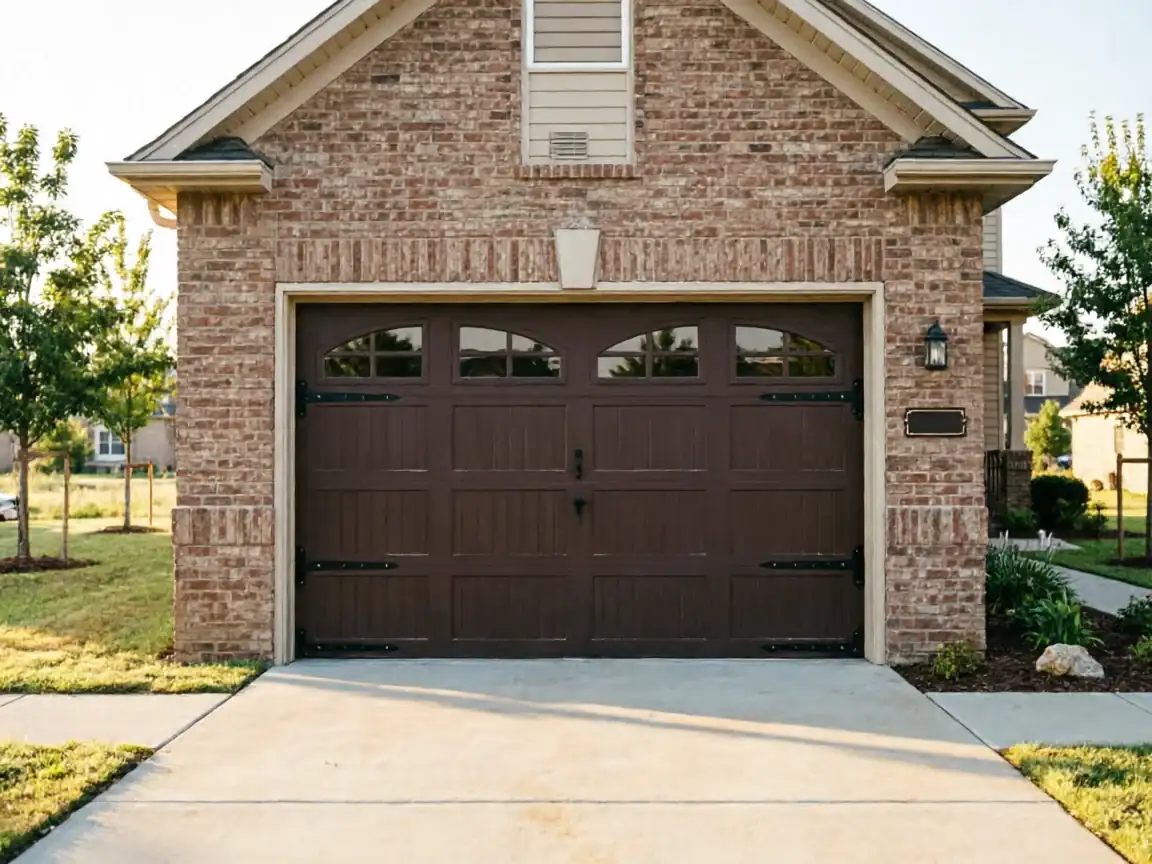
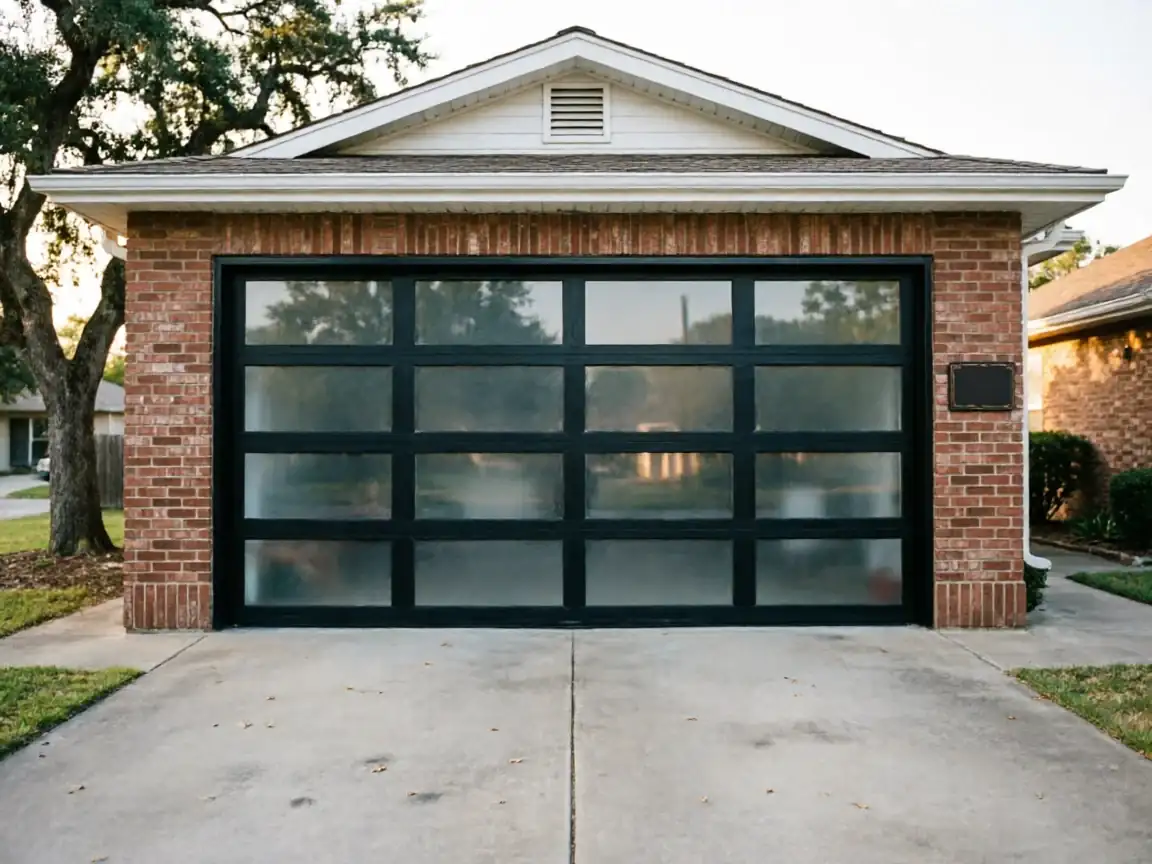
We don't post a flat number here because spring count, spring size, and whether a second spring or the cables need replacing at the same time all move the price. What we can say: a single-spring torsion repair on a standard double door is a different job, and a different cost, than a two-spring system on a heavier insulated door - and newer Piedmont doors run more often toward the heavier, insulated style than the lighter original doors common in the older sections of the territory. We'll give you the number before we start, not after.
What You Are Seeing
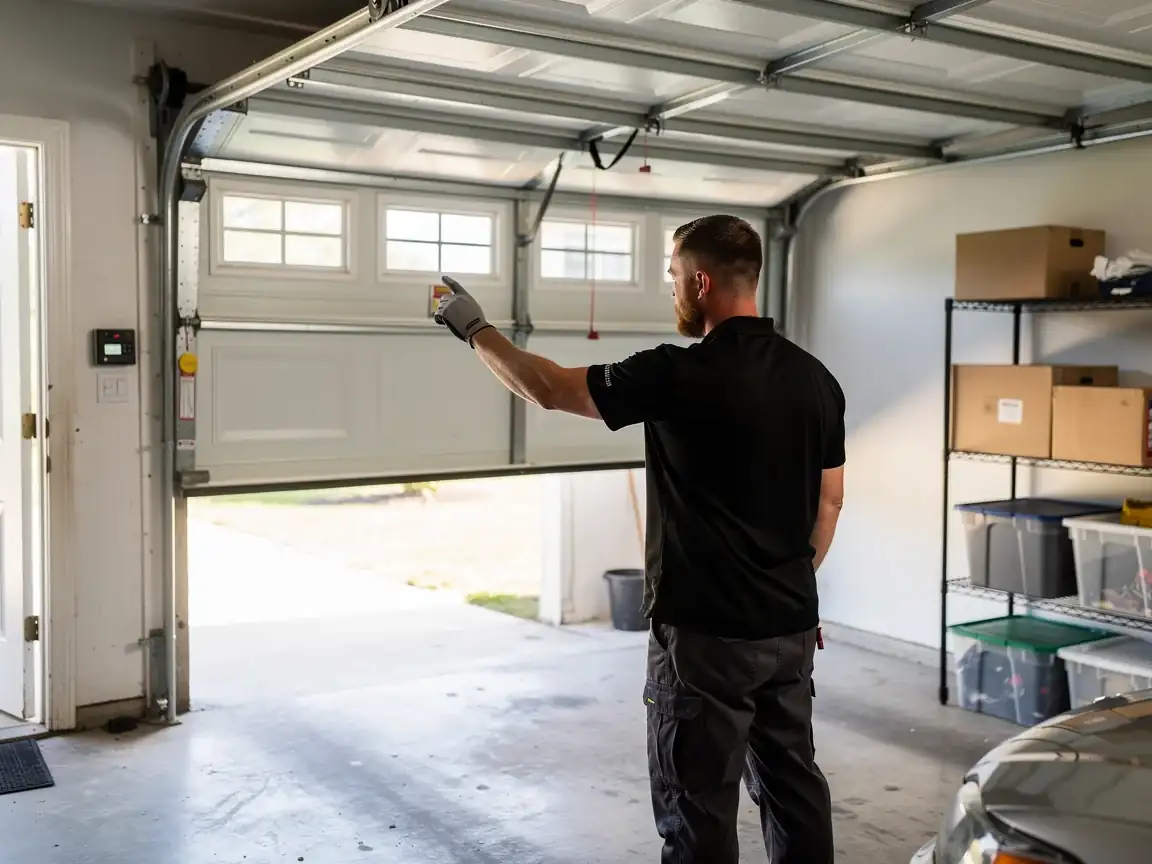
A door that won't stay up on its own, or drops the last foot instead of settling, is the classic sign on a door this age - the torsion spring has lost tension and the opener is doing a job it isn't built for. A loud bang from the garage, usually when nobody's touched the door, is a spring letting go outright; on a late-90s build that's often the original spring finally reaching its cycle limit rather than a defect. You might also notice the opener straining or reversing partway up. None of these are safe to force past - a door under uneven spring tension can come down fast, and that's the one repair here that isn't a DIY call.