The Complications
Most of the houses we see calls from across this service area were built between 1959 and 1999, with the median landing around 1973. Piedmont sits at the other end of that range - its housing stock centers on 1999, a full generation newer than the area average. That difference matters more for openers than it does for the doors themselves.
A house built in 1973 usually got a chain-drive opener with a simple relay board, if it's even had one replaced since. A house built in 1999 was far more likely to come with an opener that already had a circuit board, infrared safety sensors, and a keypad or early remote-learning code - the first generation of "smart-ish" openers before anyone used that word for garage doors. When one of those boards fails 25 years on, the failure looks different: it's not a burnt relay, it's a board that won't hold a program, or sensors that have drifted out of alignment after a quarter century of settling.
We're coming from Edmond, 19 miles out, so we try to diagnose as much as we can over the phone before we load the truck - knowing the likely opener generation for a 1999-era Piedmont build helps narrow that down before we ever turn onto your street.
What Is on the Truck
For opener calls in a housing stock this age
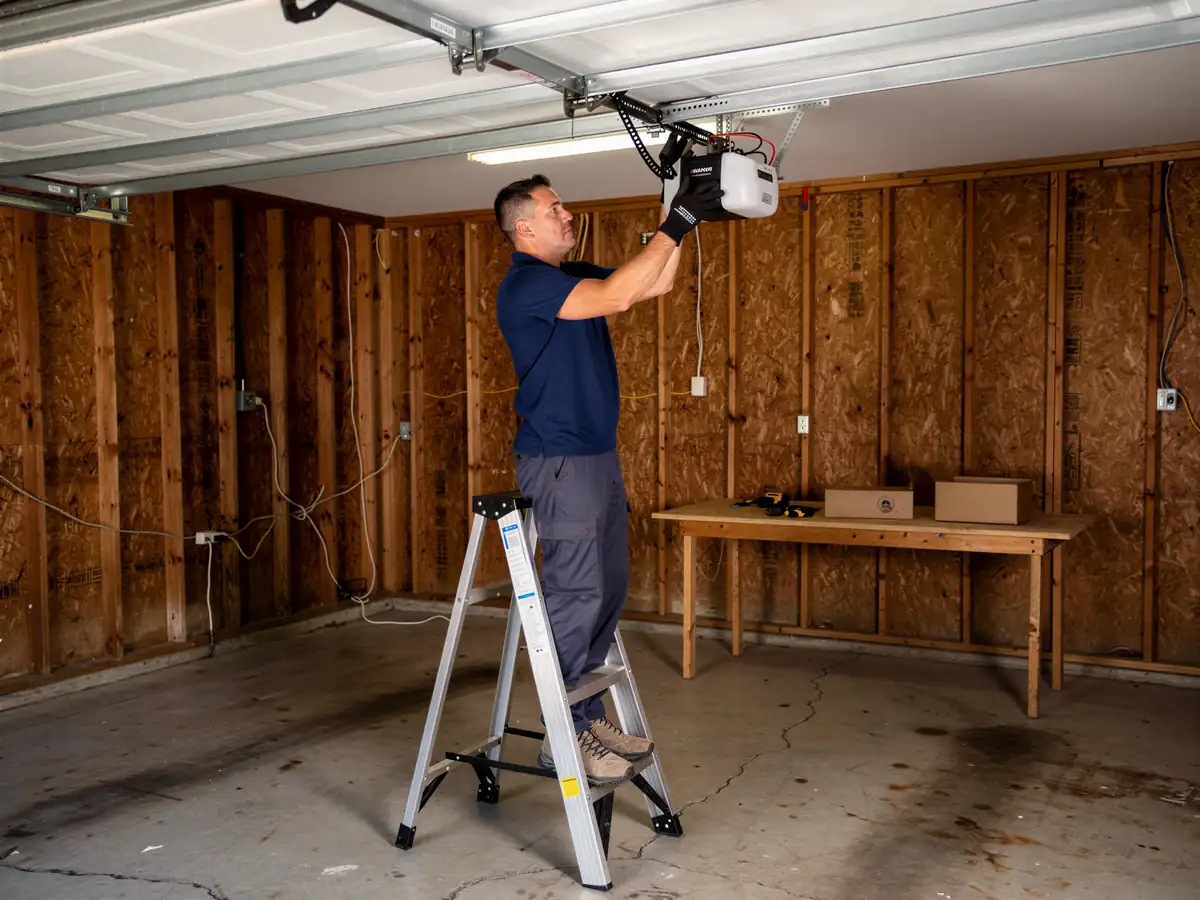
We carry logic boards and safety sensor pairs sized for late-1990s and early-2000s chain and belt-drive units, along with capacitors, drive gears, sprockets, and the springs and belts that wear out inside the opener itself rather than on the door. We stock universal remotes and keypads that will pair with most boards from that era.
What we don't carry is every proprietary logic board ever made
If your opener is a less common brand or a model that was already a few years old when your house was built in 1999, the exact board can be a special order - we'll tell you that on the call, not after we've already driven the 19 miles from Edmond.
- 19 miles
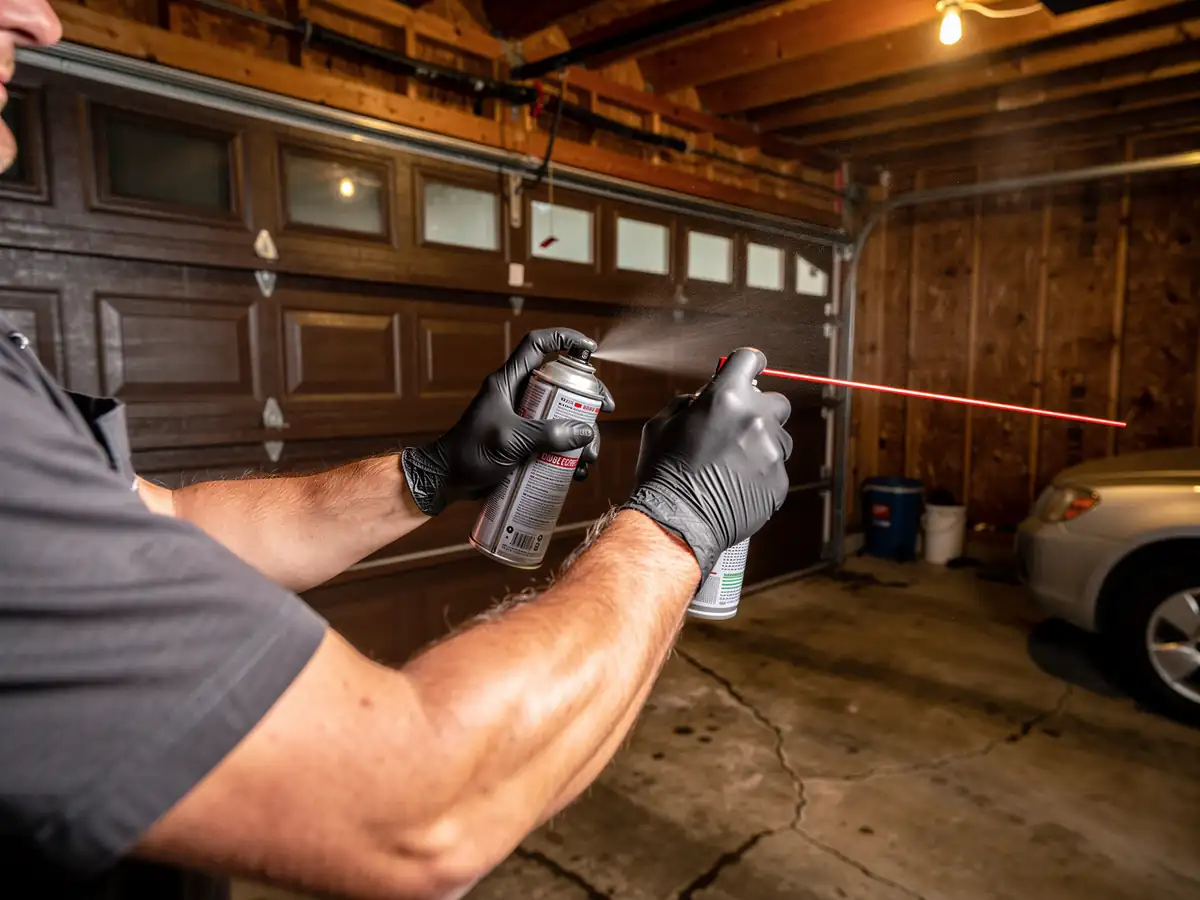
We also carry basic lubricant and alignment tools for the safety sensor brackets
Since those two eyes facing each other across the bottom of the track are the single most common reason a newer opener refuses to close, especially once the bracket has loosened or rusted slightly over 25 years.
- 25 years
What the Fix Involves
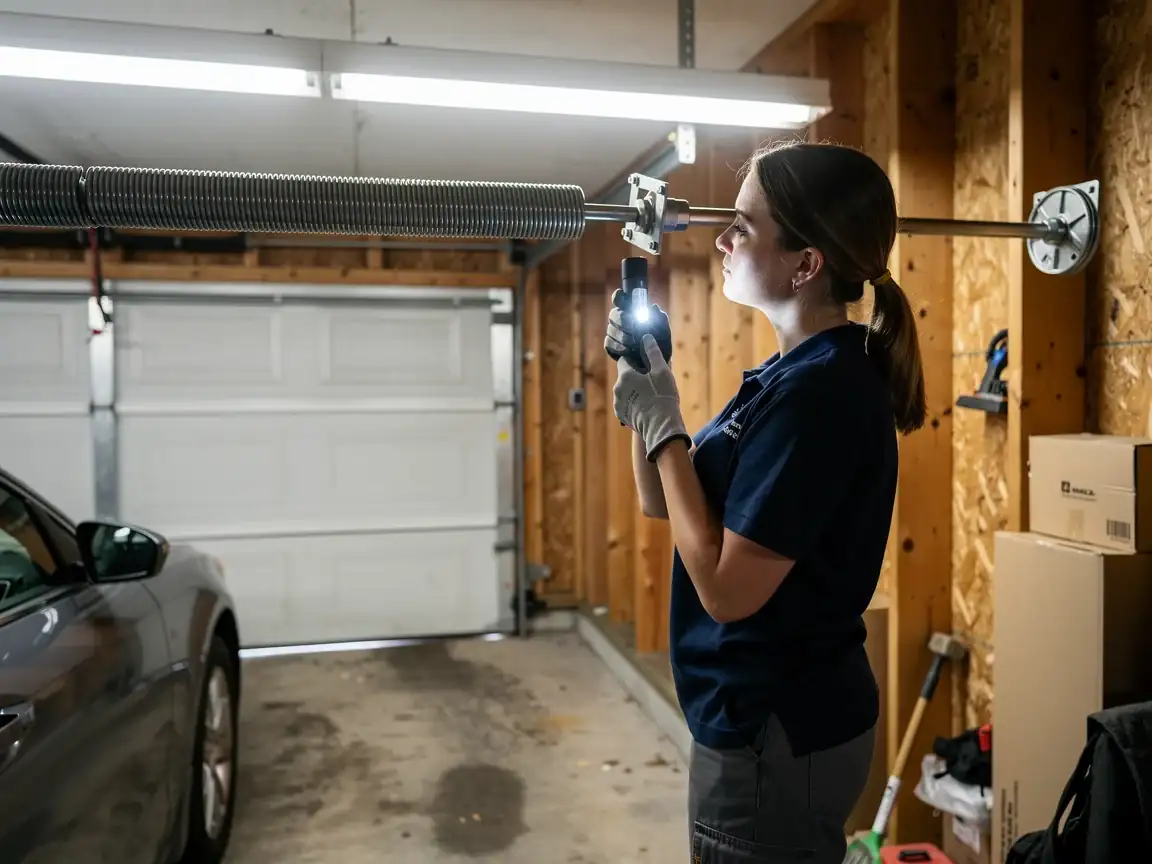
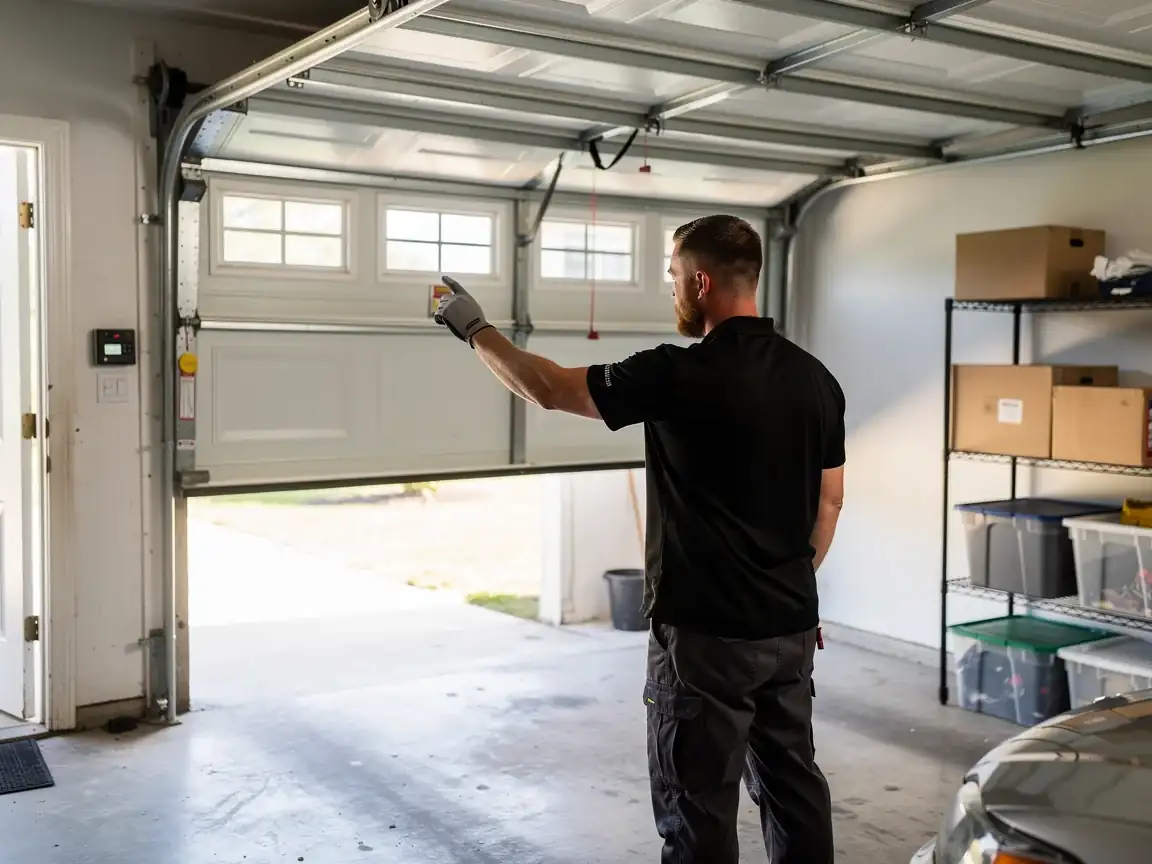
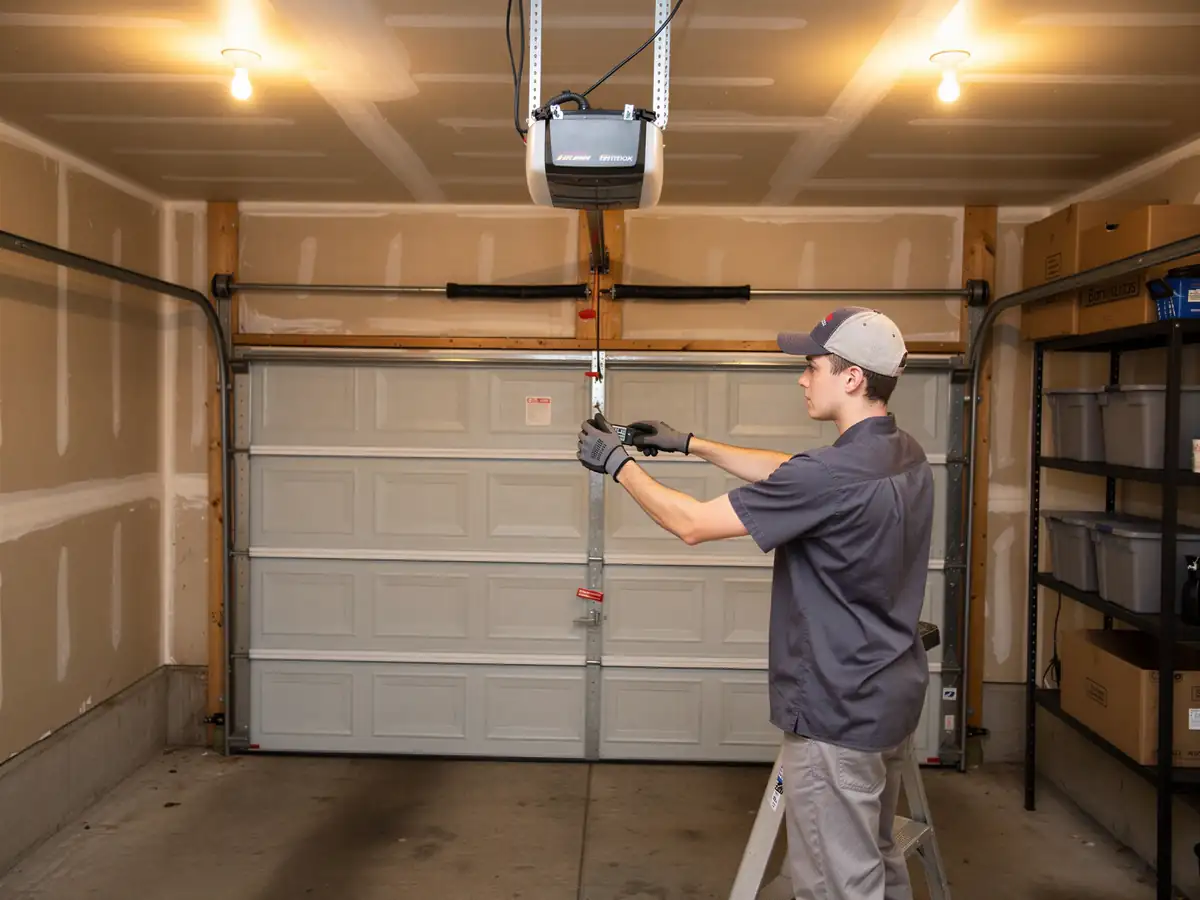
Most opener calls start the same way regardless of what's wrong: we check the wall switch, the safety sensors, and the logic board's response to a signal before we touch the motor housing. In a Piedmont-era opener, the two most likely culprits are a drifted safety sensor - the door reverses or won't close at all - or a logic board that's lost its memory for remotes and keypad codes.
If it's sensors, that's usually a 20-30 minute realignment and a bracket tighten. If it's the board, we test whether it's a full board failure or just a blown capacitor on the board, since the capacitor is a cheaper and faster fix when it's the actual problem.
We also check the drive gear and sprocket inside the opener housing - on chain and belt units from this build era, that plastic gear is a known wear part, and a stripped gear looks exactly like a dead motor until you open the housing. We won't replace a whole opener if the fix is a $20 gear; we also won't chase a dying board for an hour if the unit is clearly at the end of its life and replacement makes more sense.
What You Pay
We don't have a flat rate to quote here - what you pay on an opener call depends on whether it's a sensor realignment, a capacitor, a full board, or a drive gear, and those parts cost different amounts. What we can tell you is that Piedmont's median household income, at $94,882, runs well above the $60,822 median across the rest of the service area, which doesn't change our pricing but does mean we see fewer calls here where someone's trying to stretch a 30-year-old opener one more season.
We quote the job after diagnosis, not before, because an opener that looks dead from a blown capacitor costs a fraction of one that needs a full board replacement, and we're not going to guess on your driveway. If a part has to be special-ordered because your unit is an uncommon model, we'll tell you that lead time before we ask you to decide anything.
How Long You Are Without the Door
Edmond Garage Door Pros doesn't keep a branch in Piedmont
Every call here is a 19-mile drive out from Edmond, longer than the run to closer suburbs like Arcadia at 5 miles or Jones at 10. That's not a response-time promise; it's just the honest geography of the job, and it's worth knowing before you call.
- 5 miles
Once we're on site, most sensor and capacitor fixes are done the same visit
A board replacement takes longer if we're carrying the right one on the truck, and considerably longer if it has to be ordered for a less common opener model. We'll tell you which situation you're in before we start, not after.
What You Are Seeing
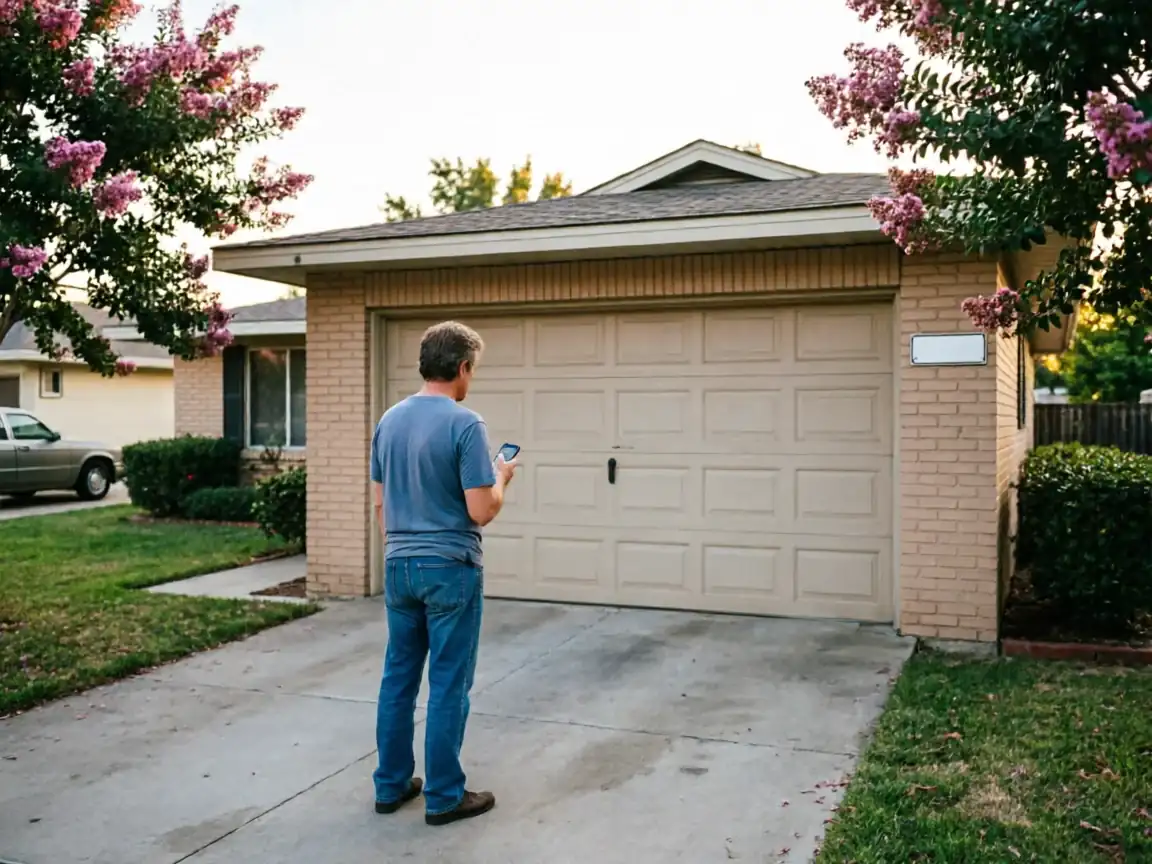
The door reverses before it touches the floor, or it won't close at all and the light on the opener motor just blinks. The remote works from inside the garage but not from the driveway. The opener hums for a second and then quits, which usually points to the capacitor rather than the motor itself. Or the keypad has stopped accepting its code even though you haven't changed the batteries.
In a house built around 1999, these symptoms usually trace back to the opener's original board or its safety sensors reaching the end of a long run, not to anything wrong with the door panels or track. If your door moves fine on manual release but won't respond to the wall switch or remote, that's a strong sign the problem is in the opener's electronics rather than in the door's hardware - worth mentioning when you call so we bring the right parts.