Getting It Booked In
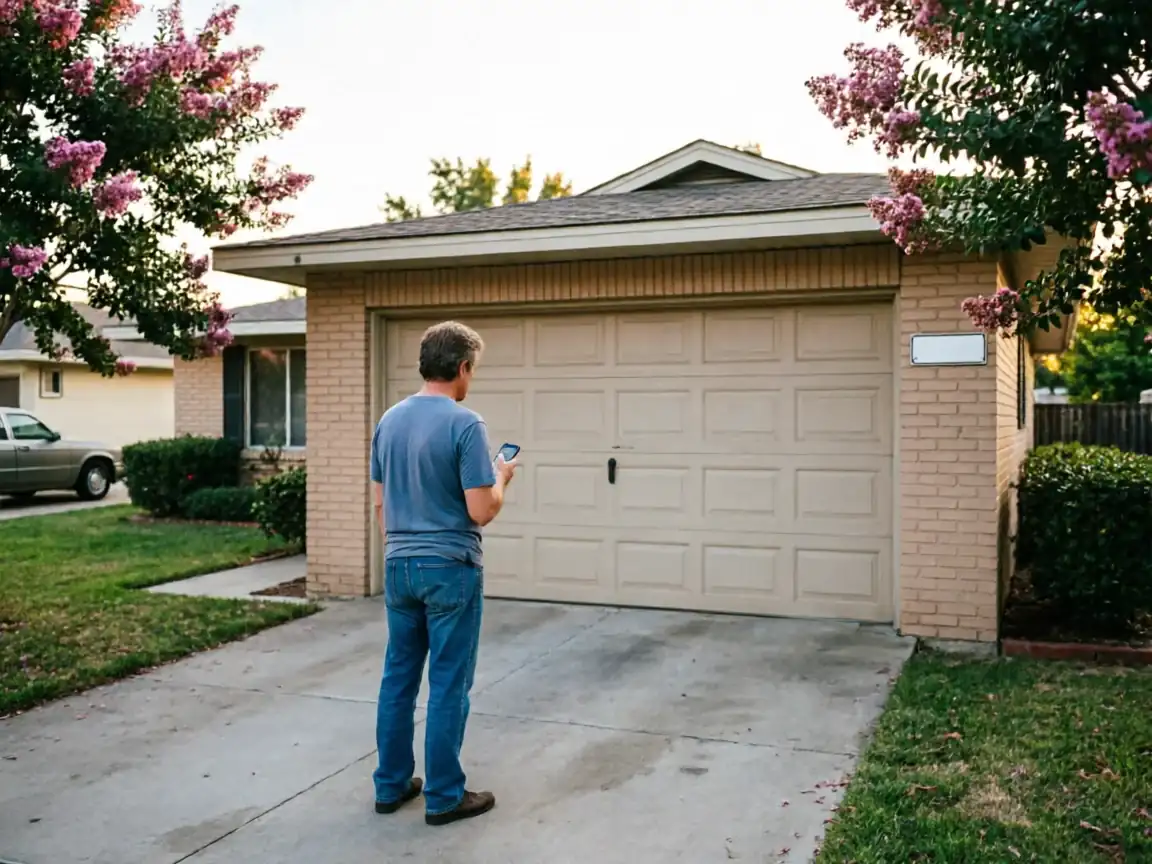
Del City sits 16 miles from our Edmond base, which is farther than most of the territory we run day to day. That doesn't change what we do on a maintenance visit, but it does mean we build the trip around a full appointment rather than squeezing in a drive-by. When you call, we're scheduling a tech to come from Edmond, not from a branch in town, so we ask a few more questions up front - what the door sounds like, whether it's sticking on one side, how old the opener is - so the truck rolls with the right parts and we're not making a second trip for a part we didn't know we'd need. That planning matters more here than it does on closer jobs, simply because of the drive.
How Long You Are Without the Door
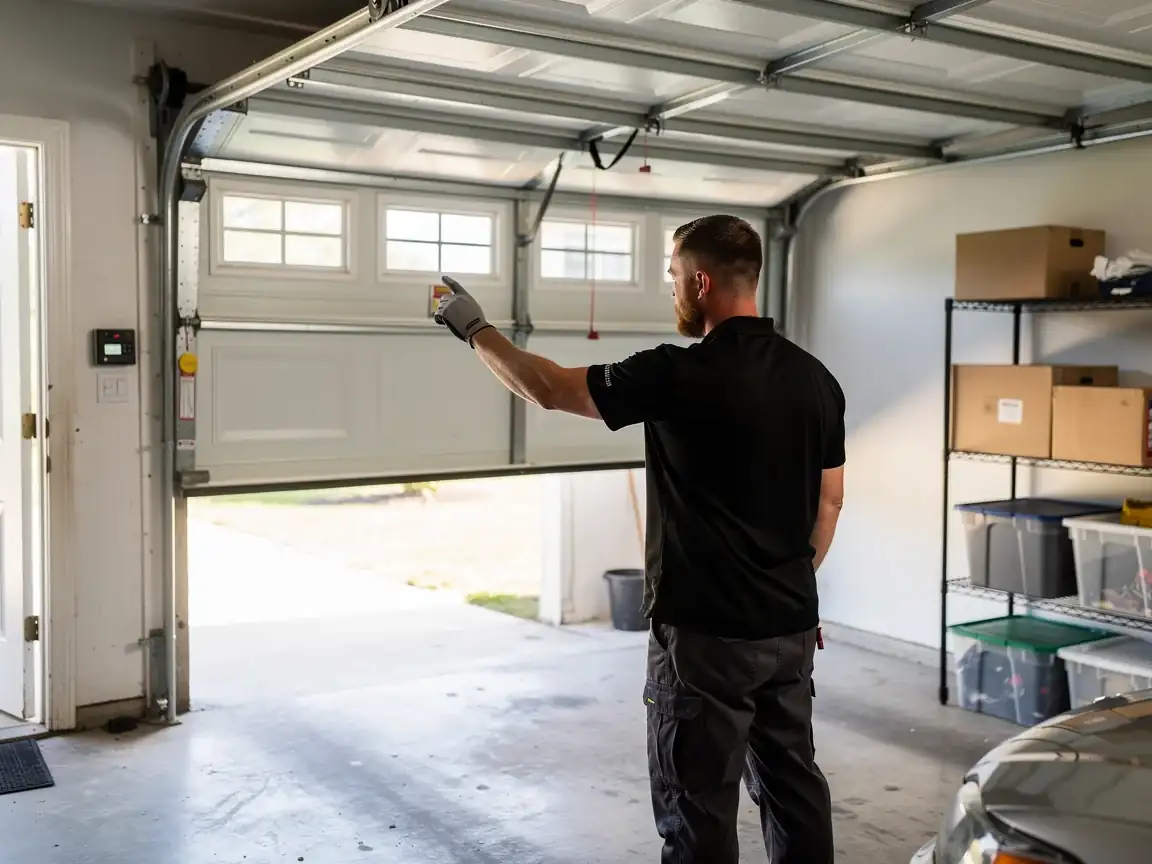
A routine maintenance visit doesn't take the door out of service for long - most of the work is balance checks, lubrication, hardware tightening, and a visual inspection of cables and rollers while the door stays operational between tests. Where it runs longer is if we find something that needs a part we don't carry on the truck for an older bracket or a discontinued roller size, which does come up more often on 1960s-era doors than on newer builds. We'll tell you on the spot if that's the case rather than guess, and we won't start pulling hardware apart on a maintenance call if the fix turns out to be bigger than what you asked for.
What You Pay
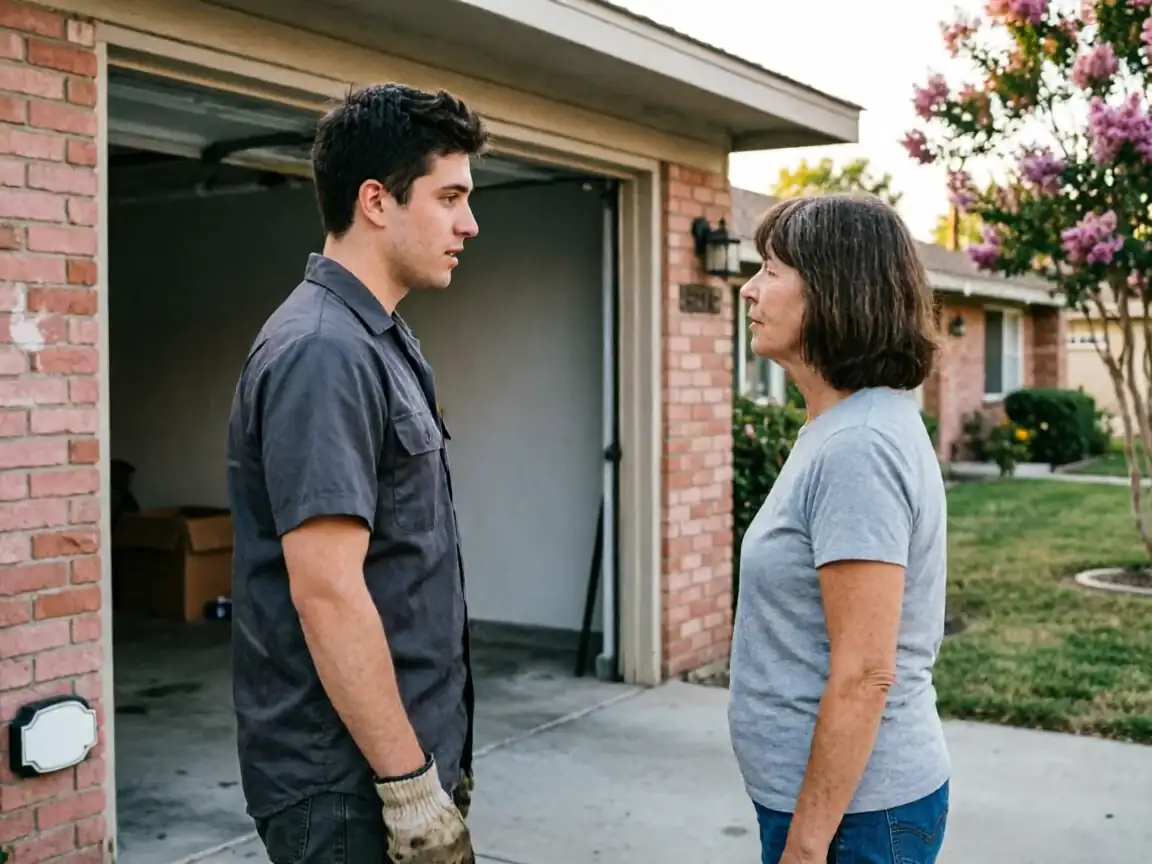
We don't have a published rate card specific to Del City to quote here, and we're not going to invent one. What we can tell you is that median household income across this stretch is lower than in the newer parts of our territory - around $48,895 here versus roughly $60,822 across the wider service area - and that's part of why we talk through scope before we start work, not after. If a maintenance visit turns up a problem that's cheaper to replace than keep patching, we say so plainly instead of running up a repair bill on a door that's past the point of it being worth it.
What the Fix Involves
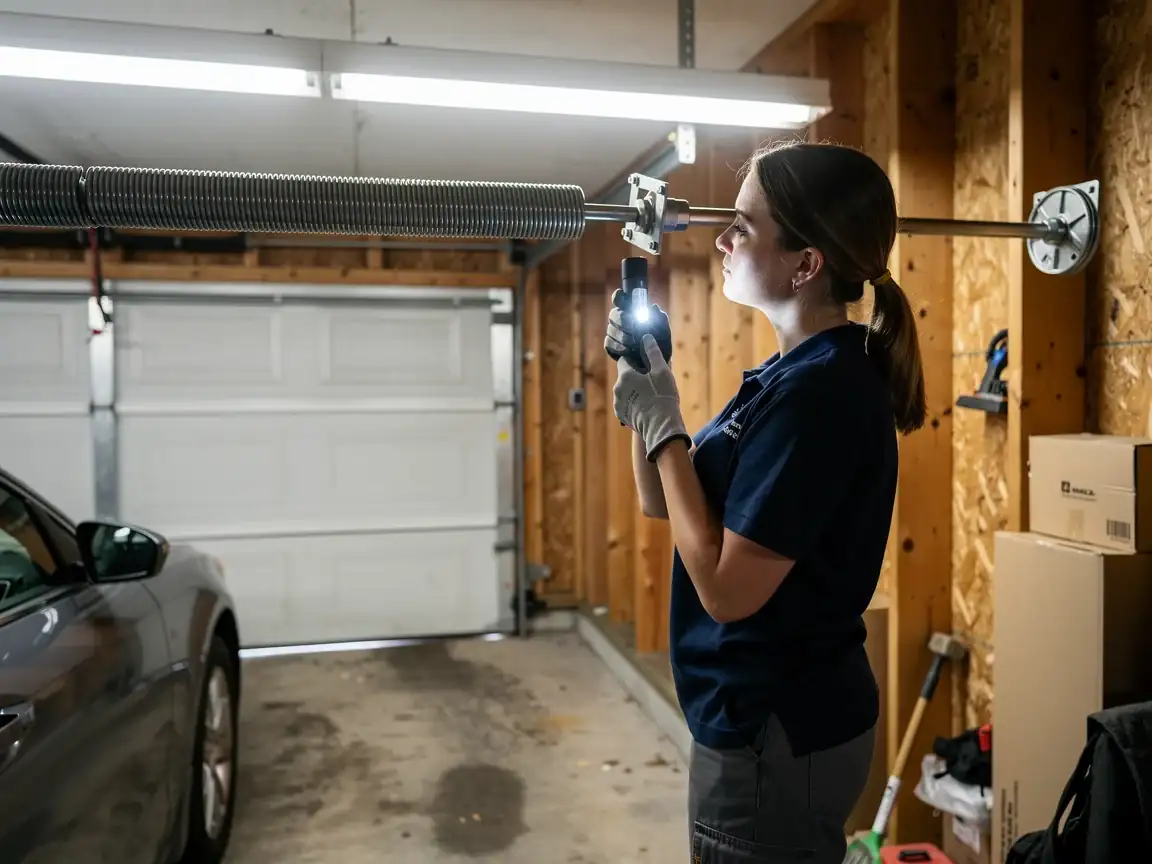
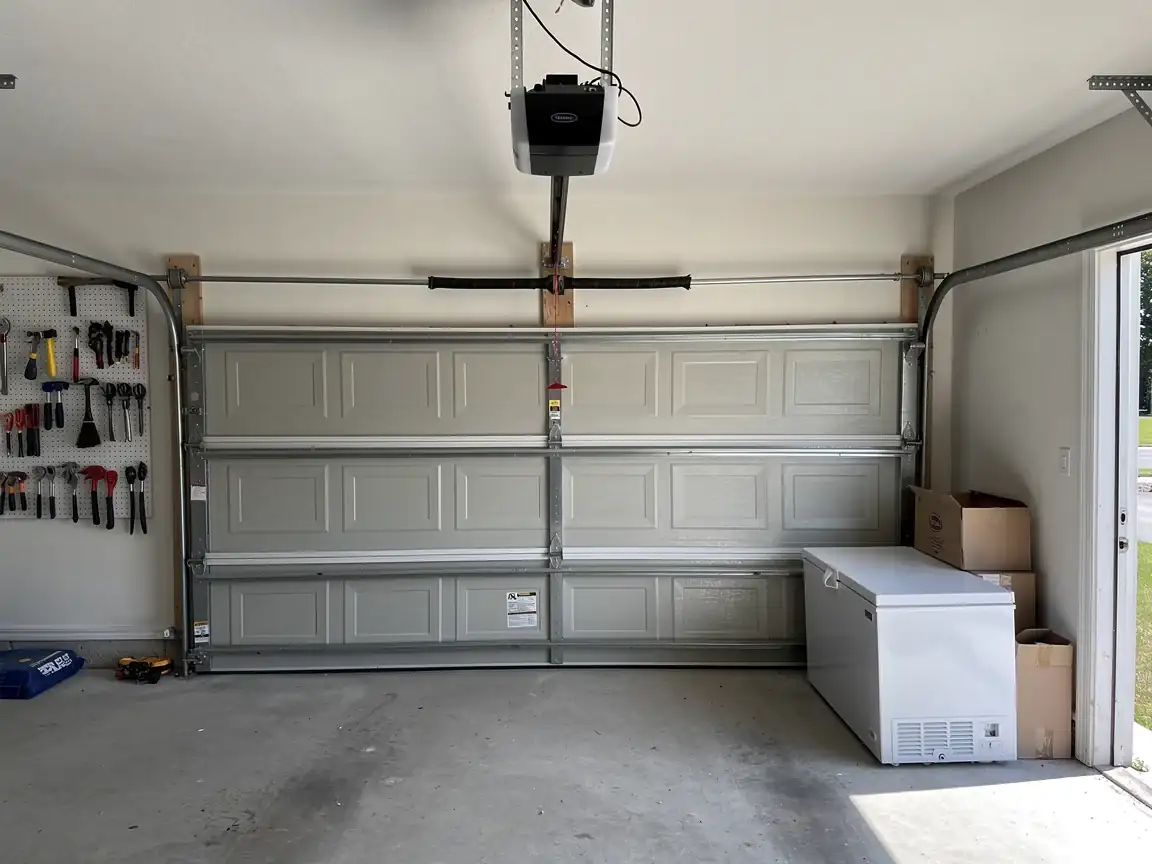
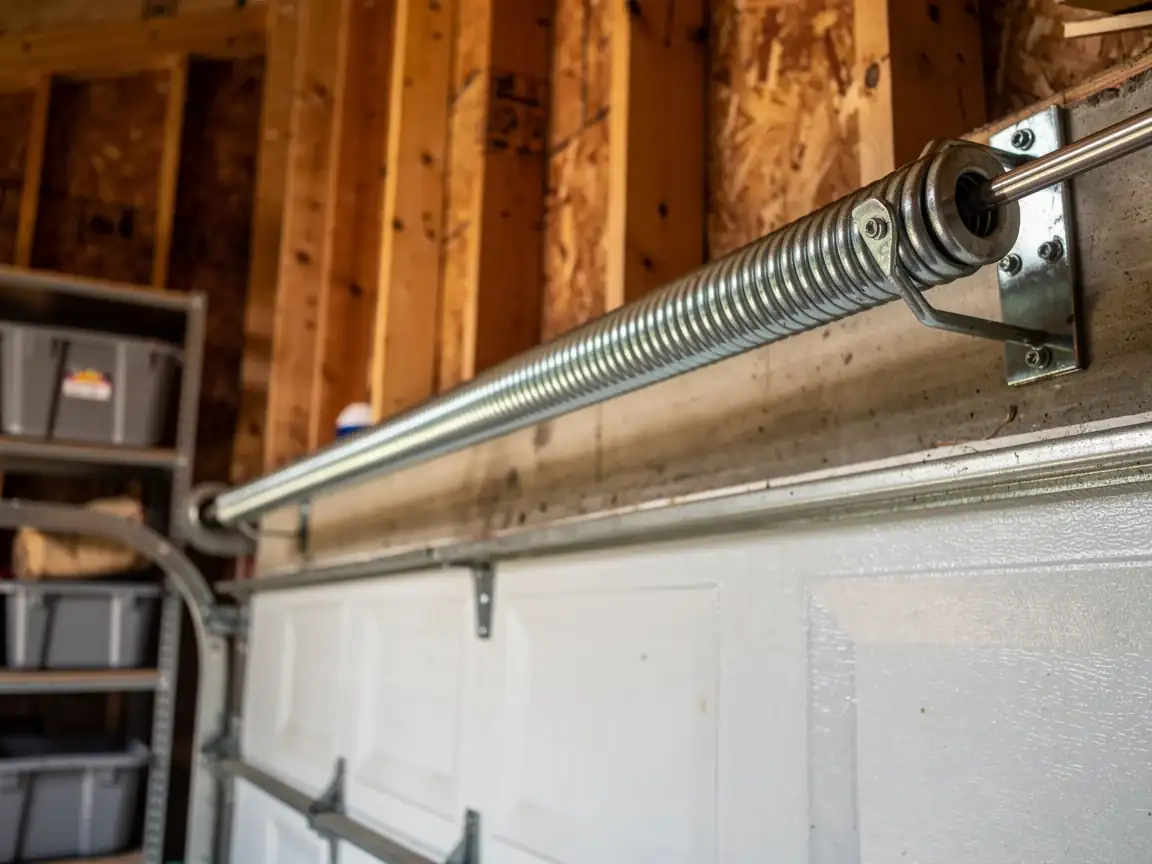
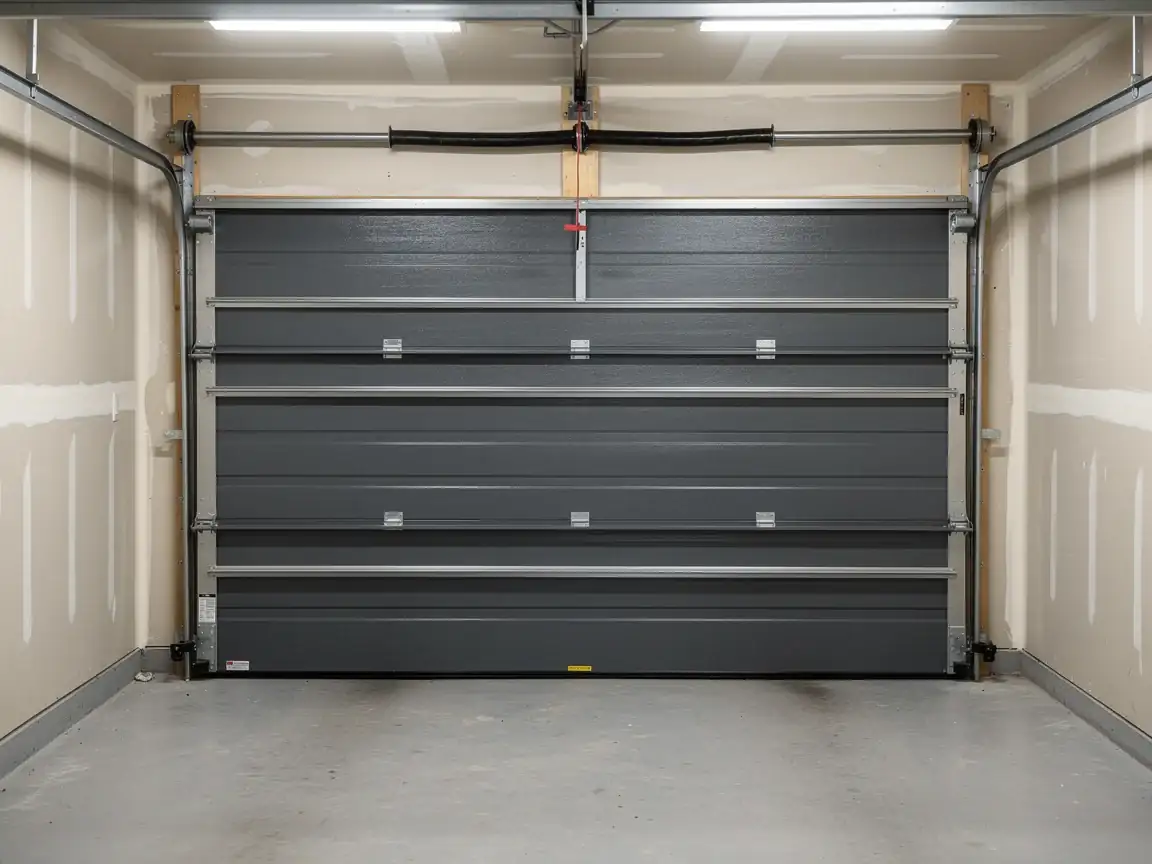
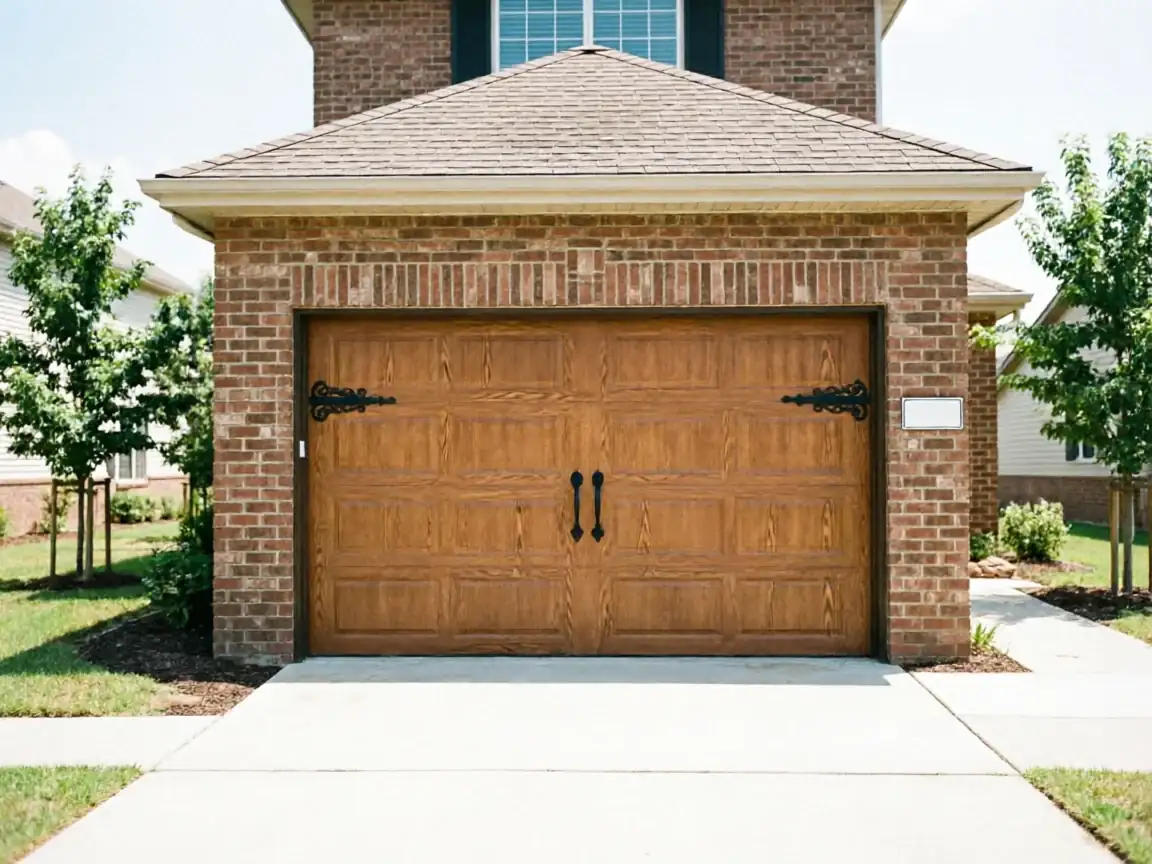
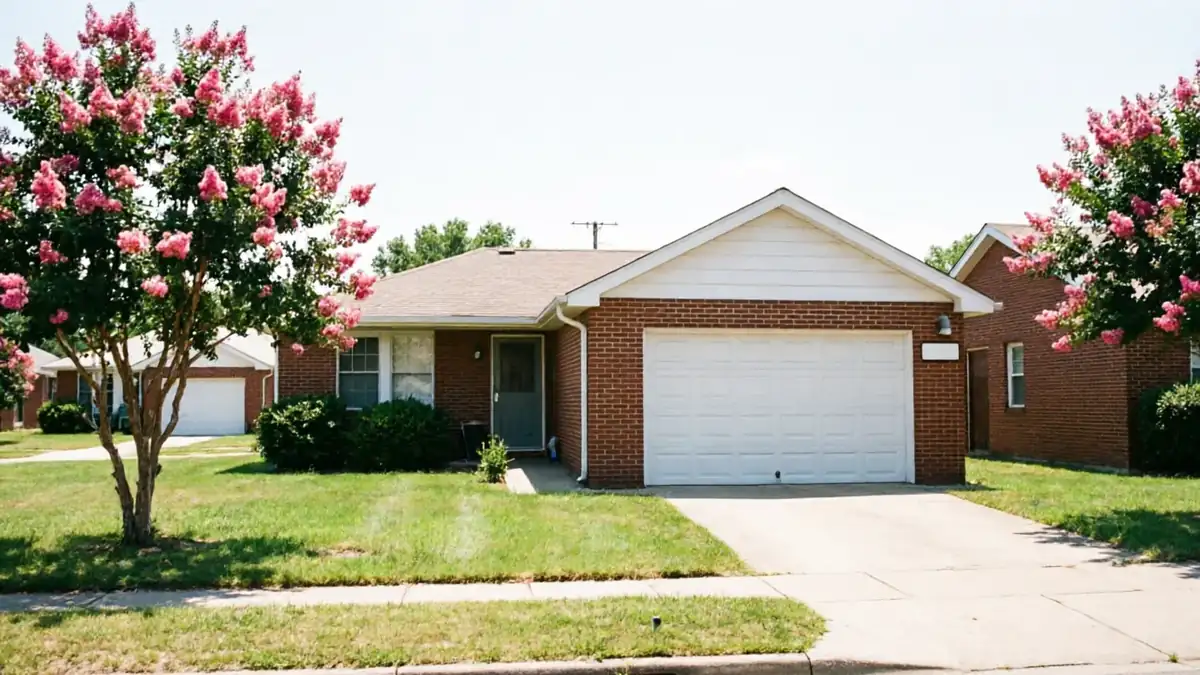
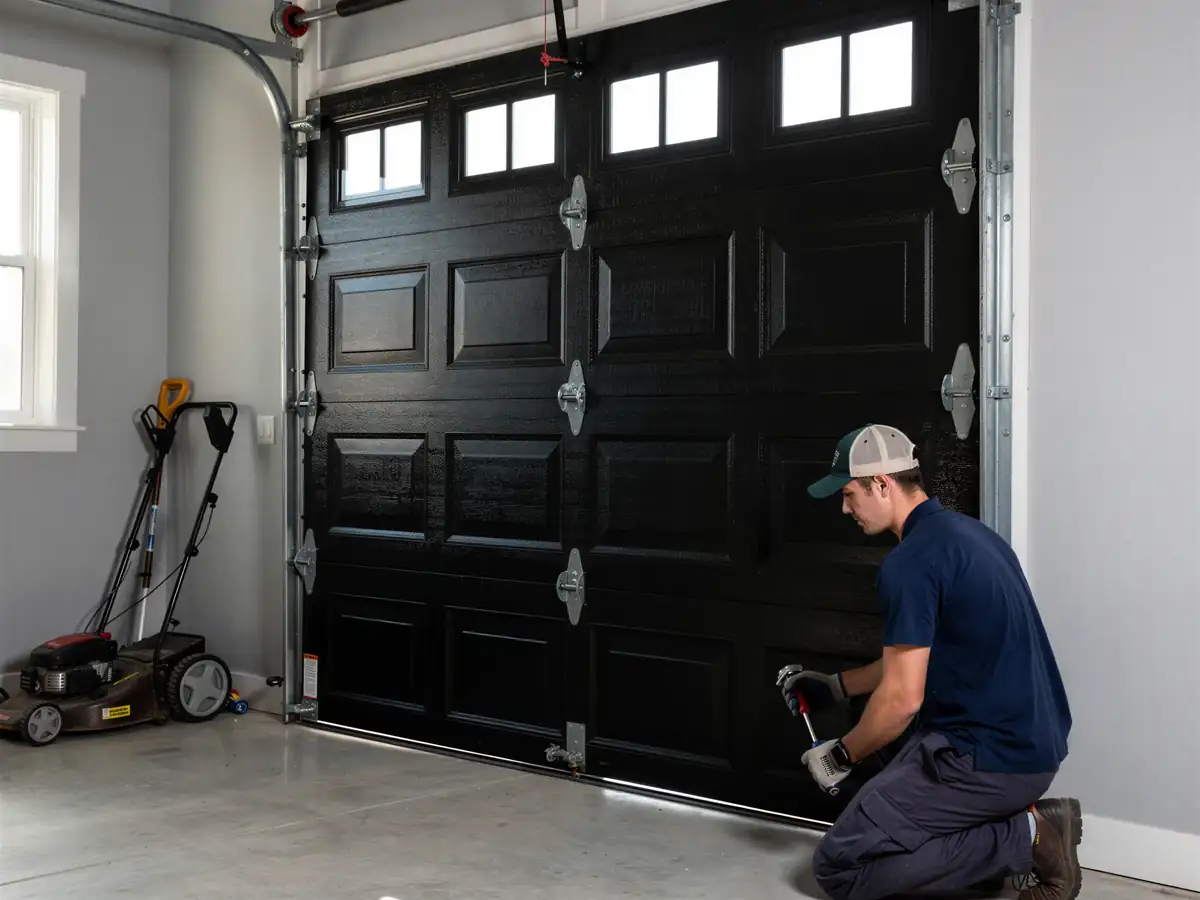
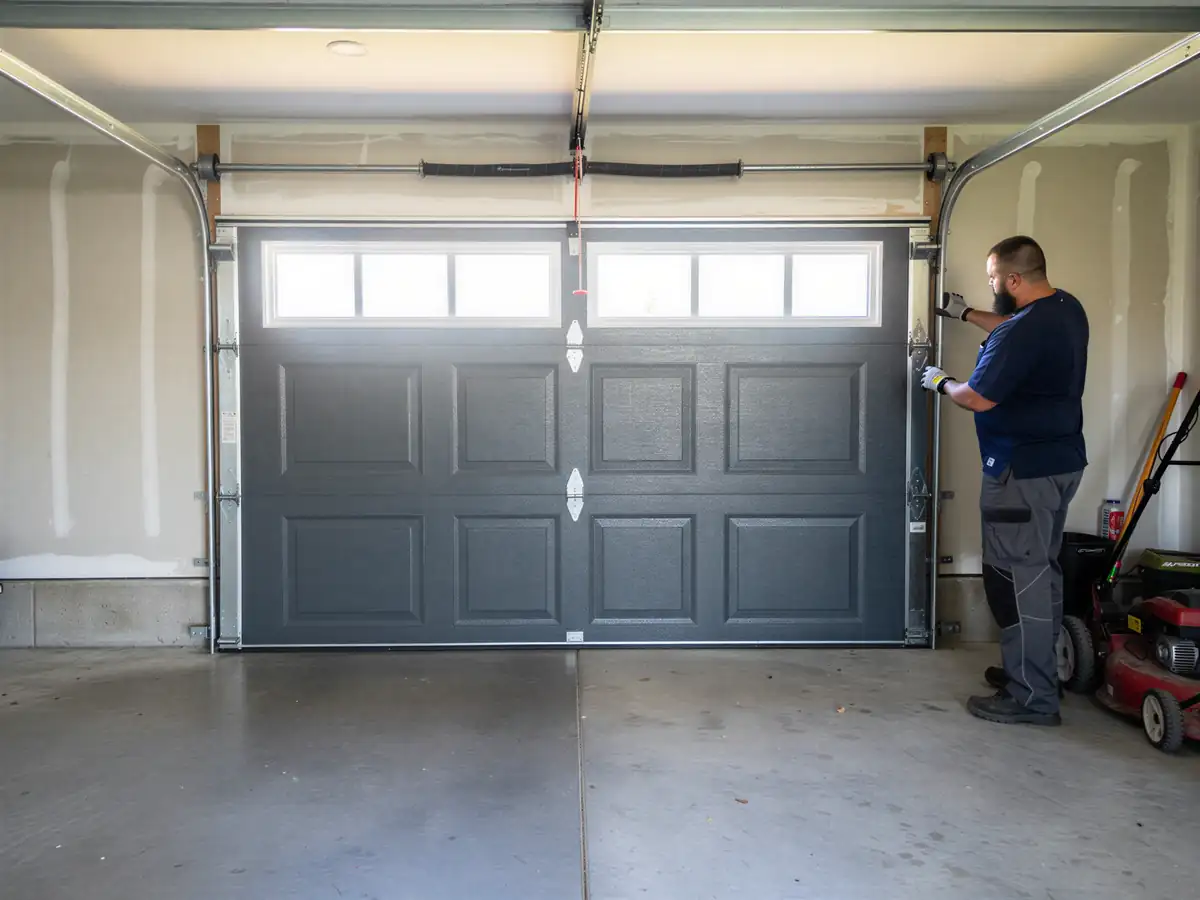
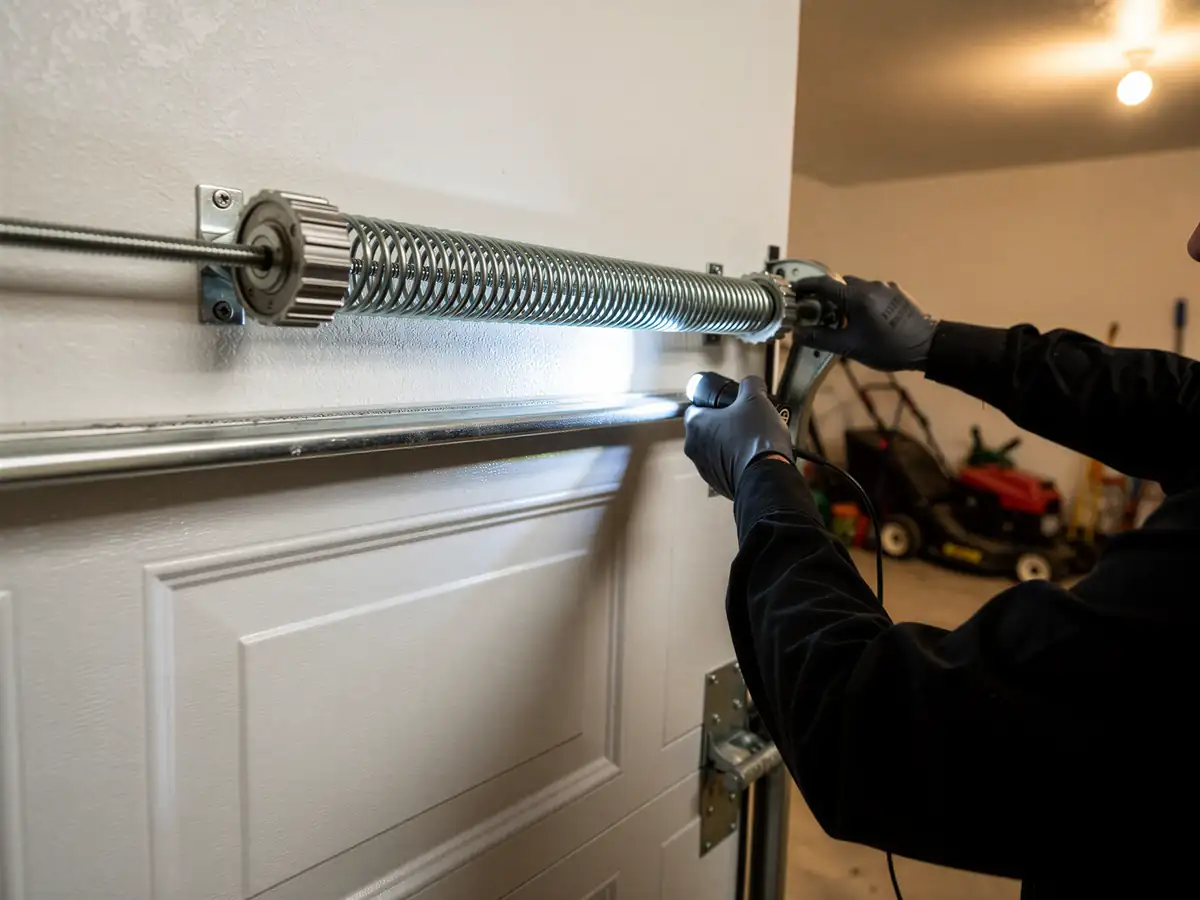
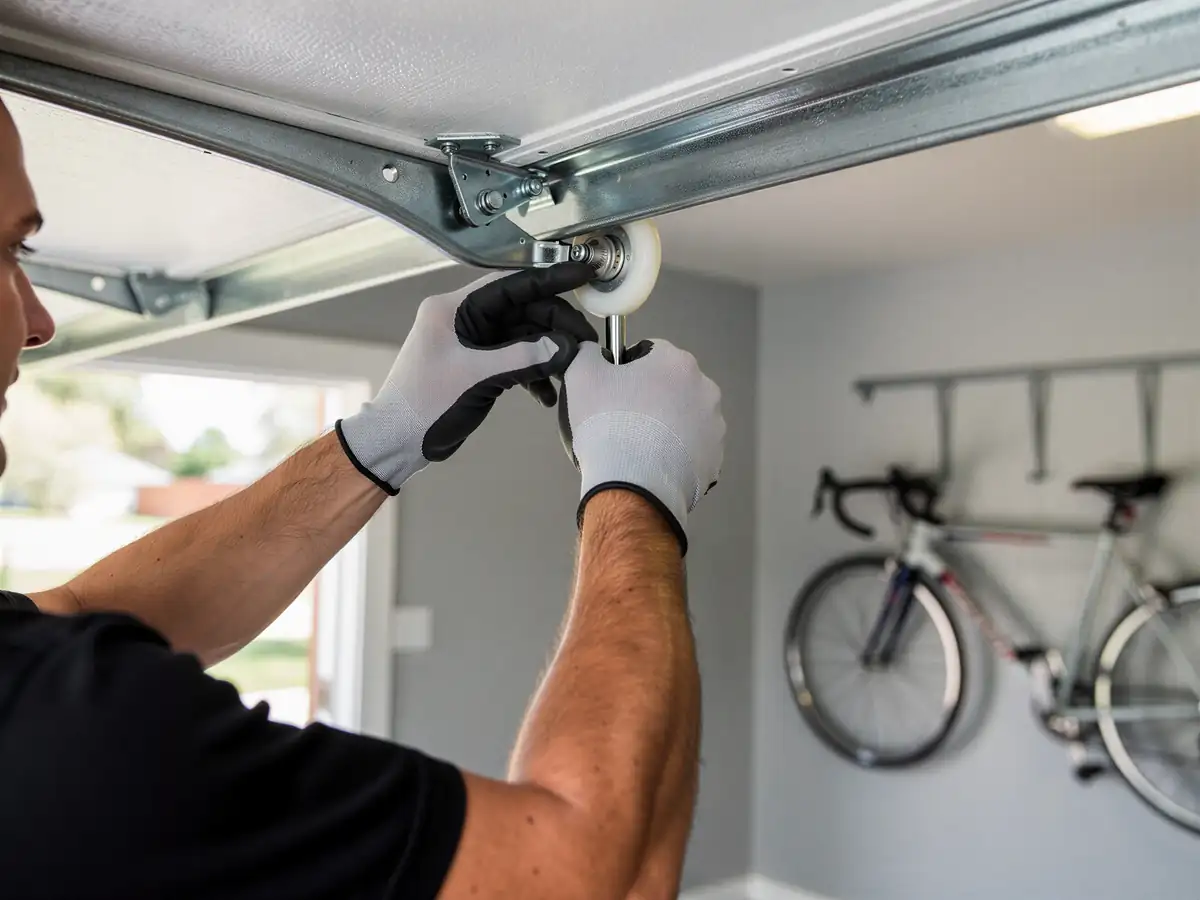
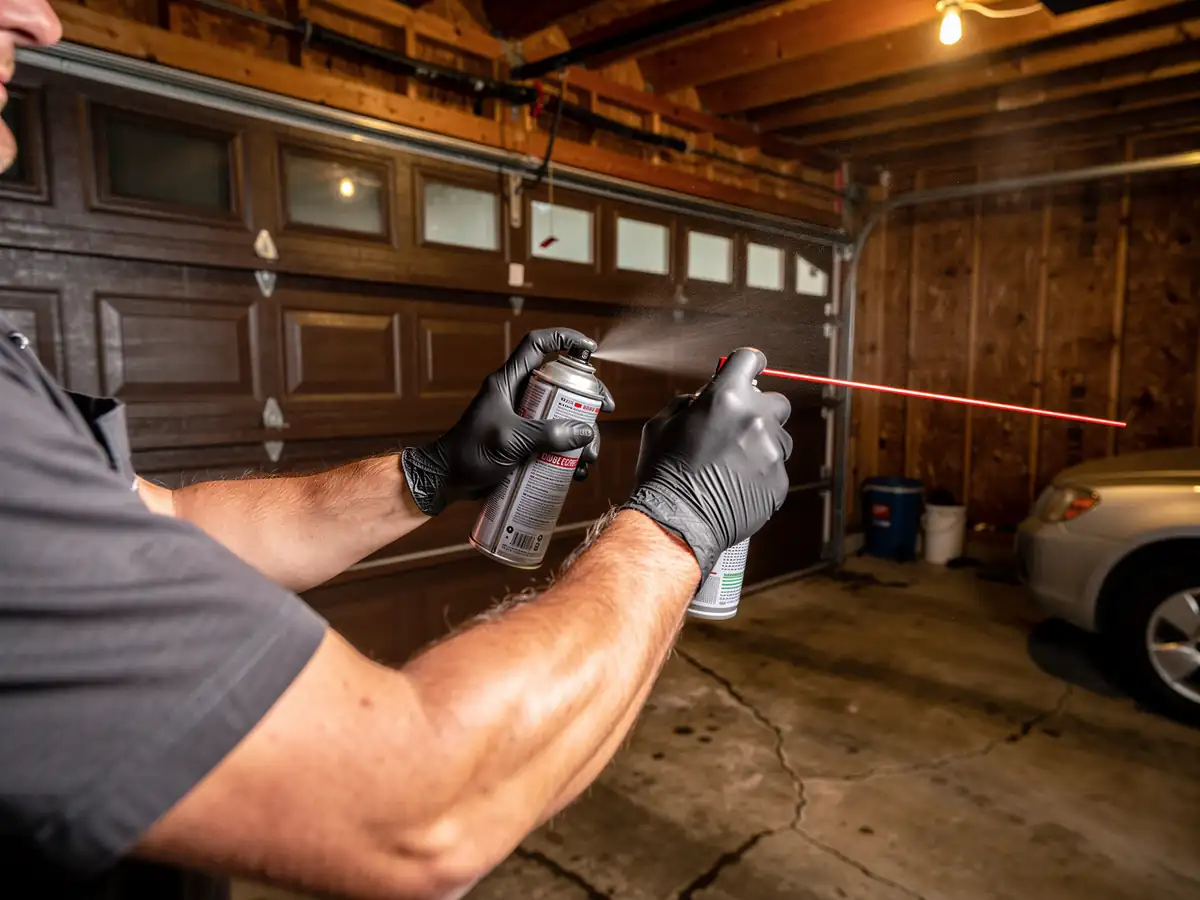
For a house built around 1964, a thorough maintenance visit means checking the spring for wear consistent with its age rather than assuming it matches whatever's typical for a newer door, inspecting track alignment against the kind of settling that shows up in houses this old, and checking whether the opener - if it's been replaced at some point, which is common on a house this age - is actually matched to the door's weight. We lubricate hinges, rollers, and springs, tighten loose hardware, and test balance by hand. What we won't do on a maintenance call is force a fix on hardware that's too far gone to safely adjust; at that point we'll tell you replacement is the honest option, even though it's not the answer that fills a maintenance appointment.