What Causes It Around Here
Choctaw is one of the smaller towns we cover from Edmond, with roughly 4,333 households spread across it, so the install work here tends to be clustered by decade rather than scattered across a century of building styles. The median home went up around 1983, about ten years later than the 1973 median for the wider service area, which means the garage stock leans toward early steel sectional doors on torsion hardware that was still fairly new tech when it went in.
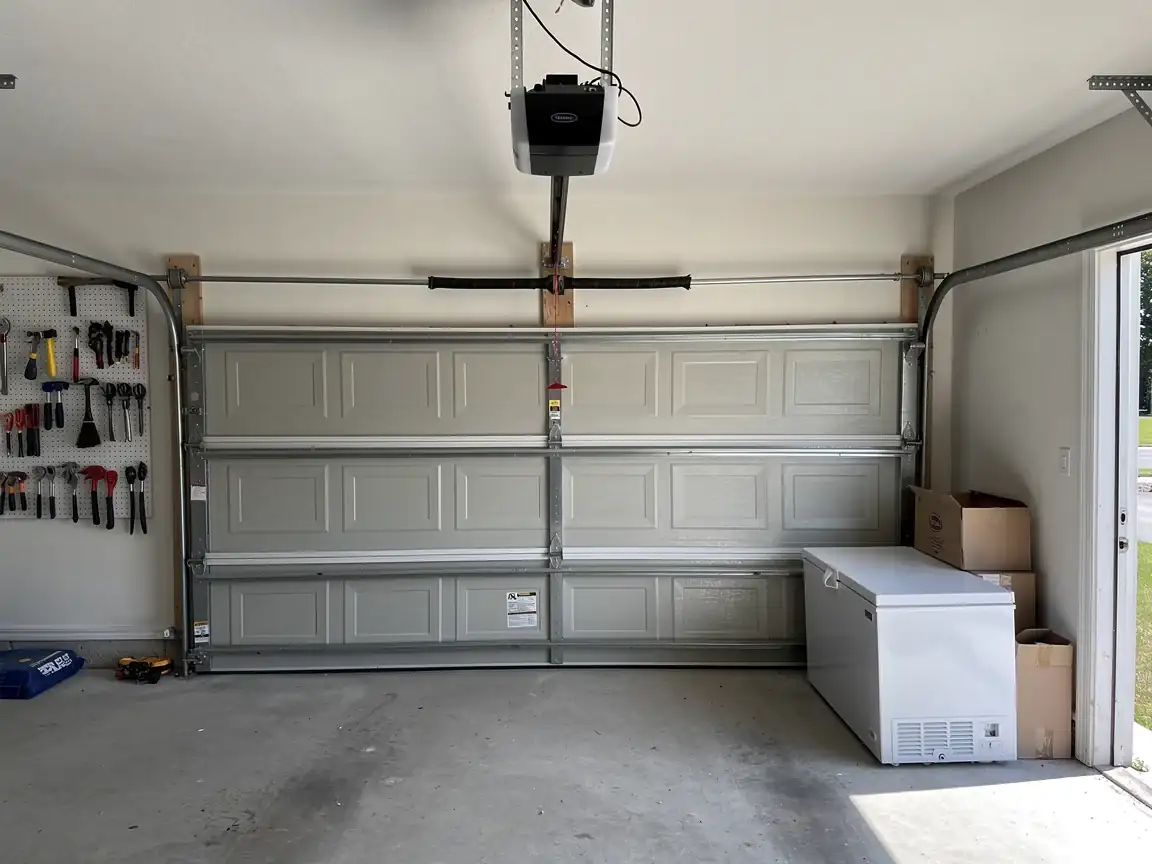
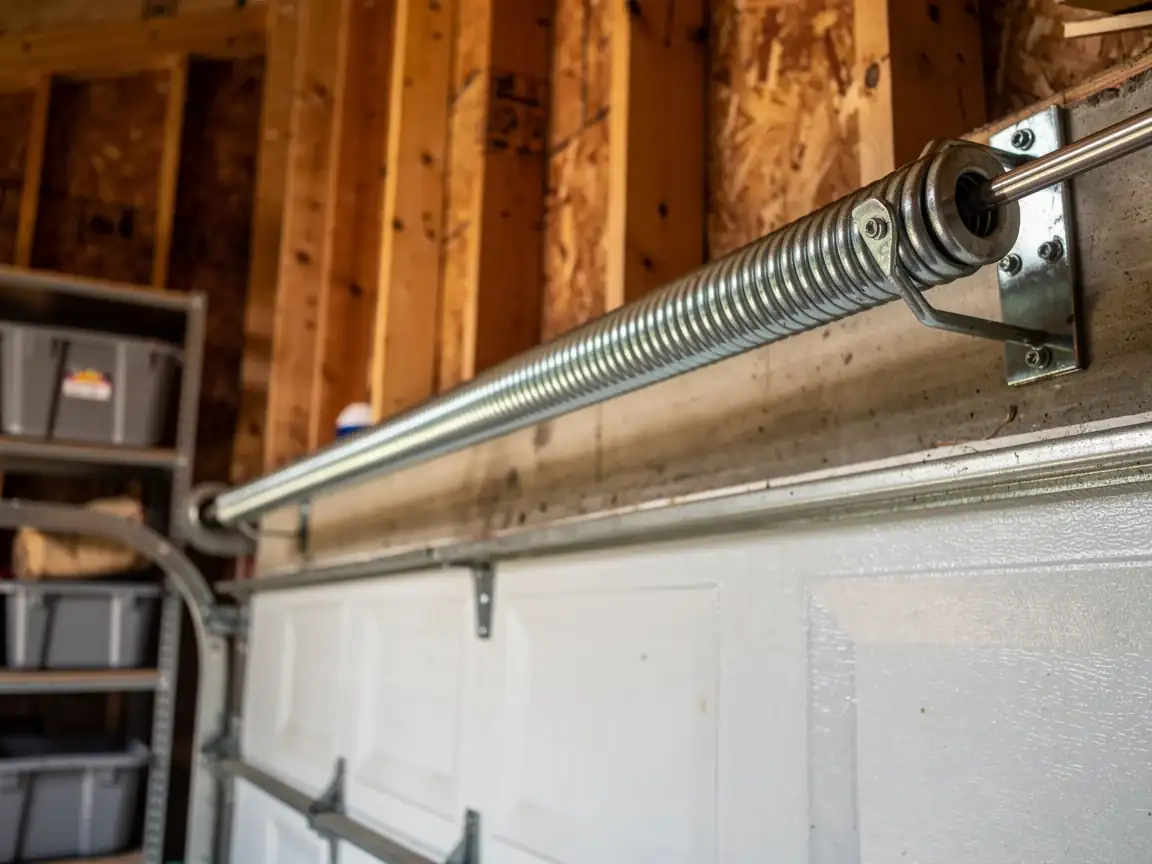
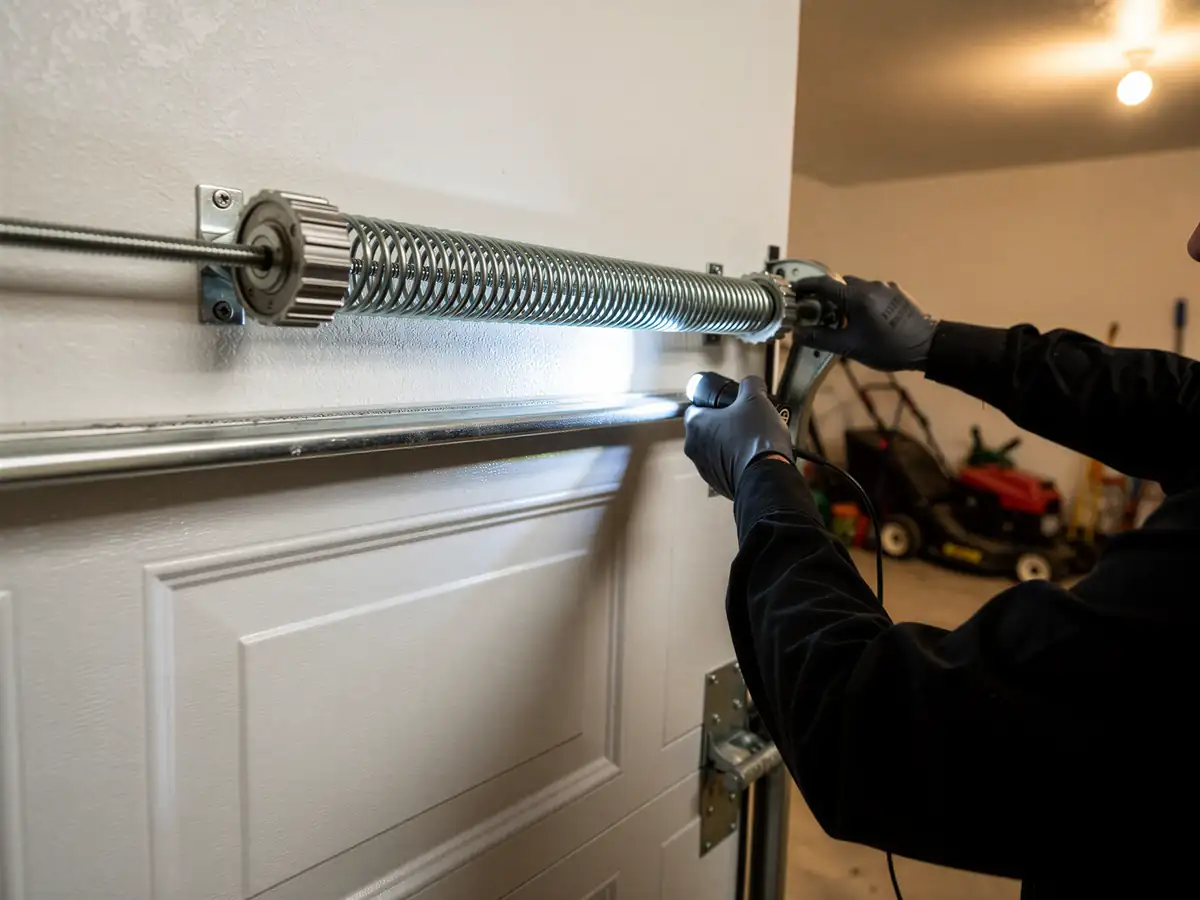
That hardware is now pushing 40 years old in a lot of cases. Springs lose tension gradually, tracks warp from decades of Oklahoma temperature swings, and the original doors were rarely insulated to today's standard. We're in a cold-moderate climate band here, so a single-layer steel door from the early '80s loses more heat than most owners realize once they start pricing a replacement against their utility bills. None of that means every door in Choctaw needs replacing tomorrow - plenty of '80s doors still run fine with a tune-up. It means that when a new install does get asked for, it's usually because the panel is bowed, the opener has outlived two springs, or the owner wants insulation the original builder never put in.
What You Pay
We don't post a flat price here
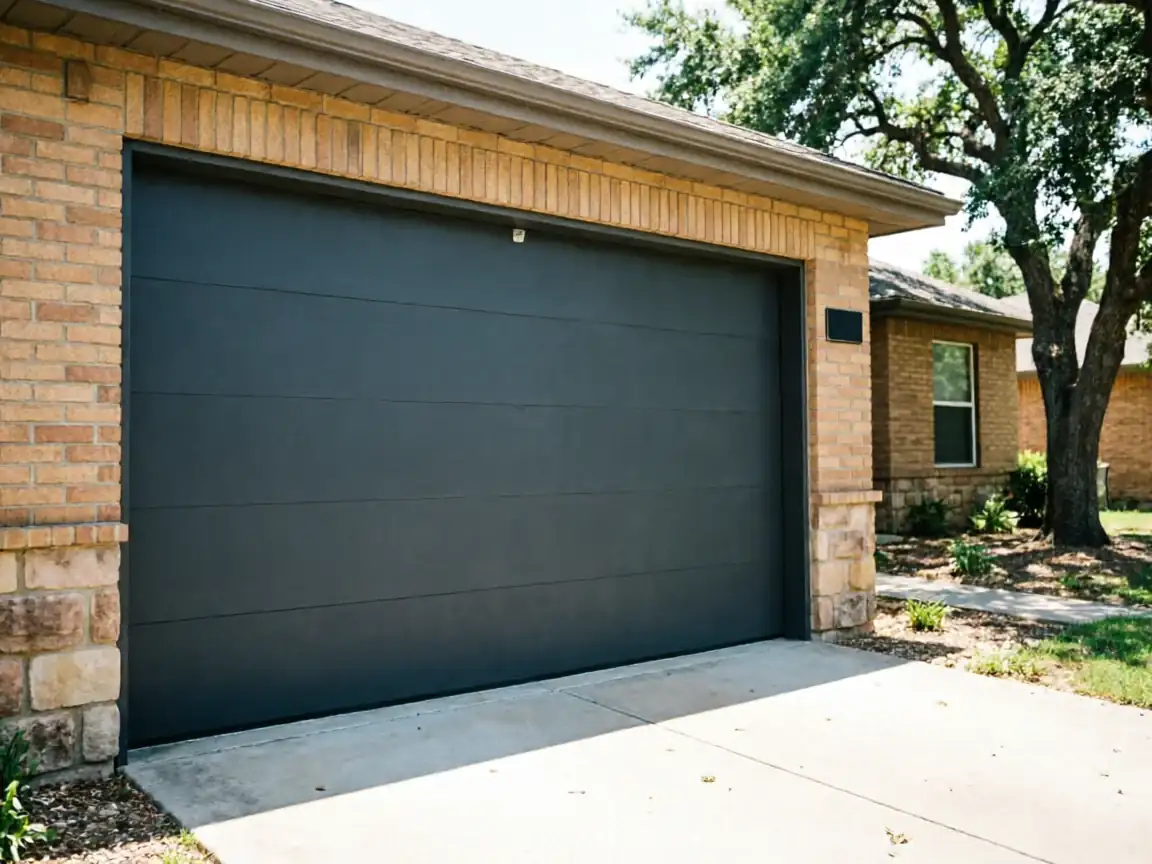
Because the cost of a new install depends on door size, insulation level, and whether the opener and track get replaced along with the panel - and we're not going to guess a number for your driveway sight unseen. What we can tell you is what tends to drive the quote in this particular town: Choctaw's median household income, at $96,446, runs well above the $60,822 median for the service area as a whole, and in practice that shows up as more requests for higher-R-value insulated doors and heavier-gauge steel rather than the builder-grade option.
That's a local pattern, not a sales pitch
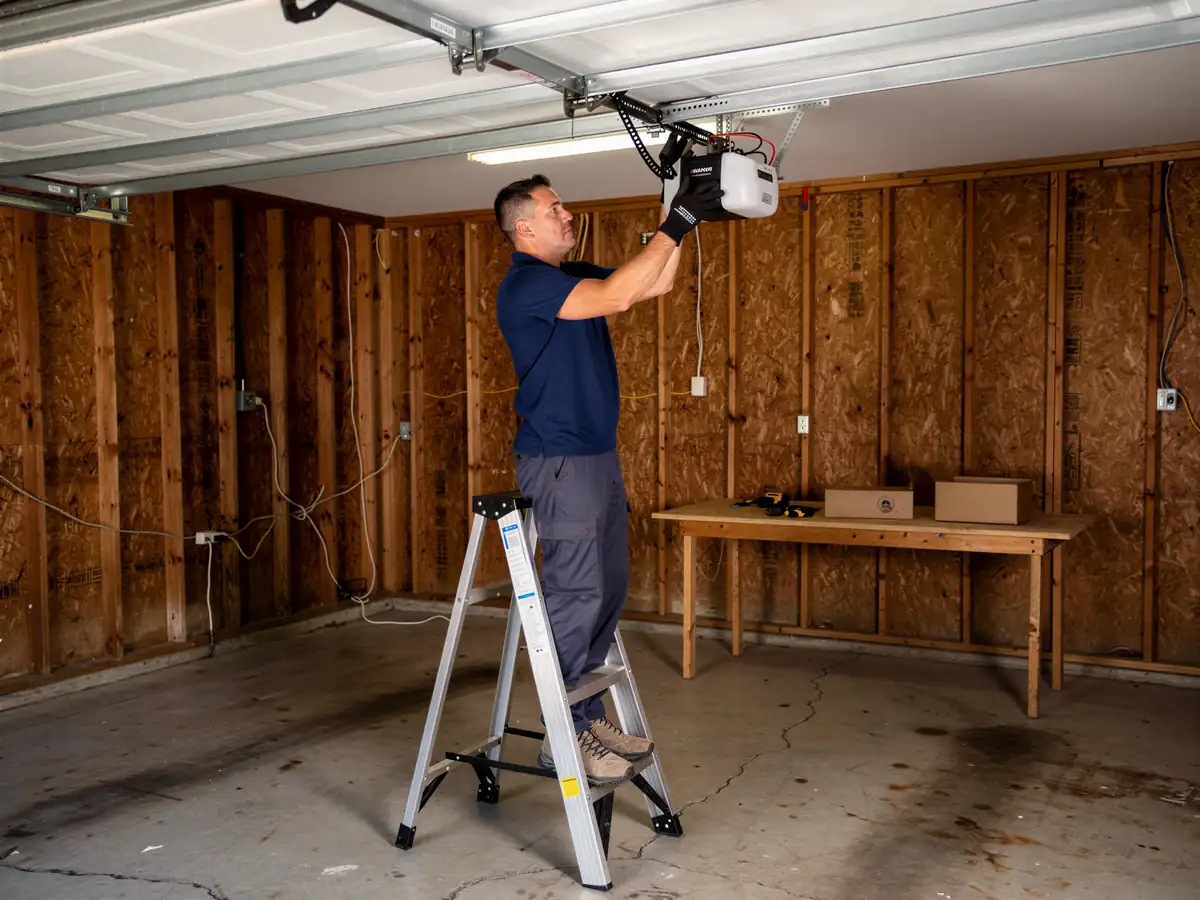
Owners here more often choose to spend up front on a door that holds heat through a Oklahoma winter instead of replacing a cheaper one again in ten years. If your opener still works and the track is square, we'll say so rather than bundle it into the job. A new door doesn't require a new opener, and we won't tell you it does.
What Is on the Truck
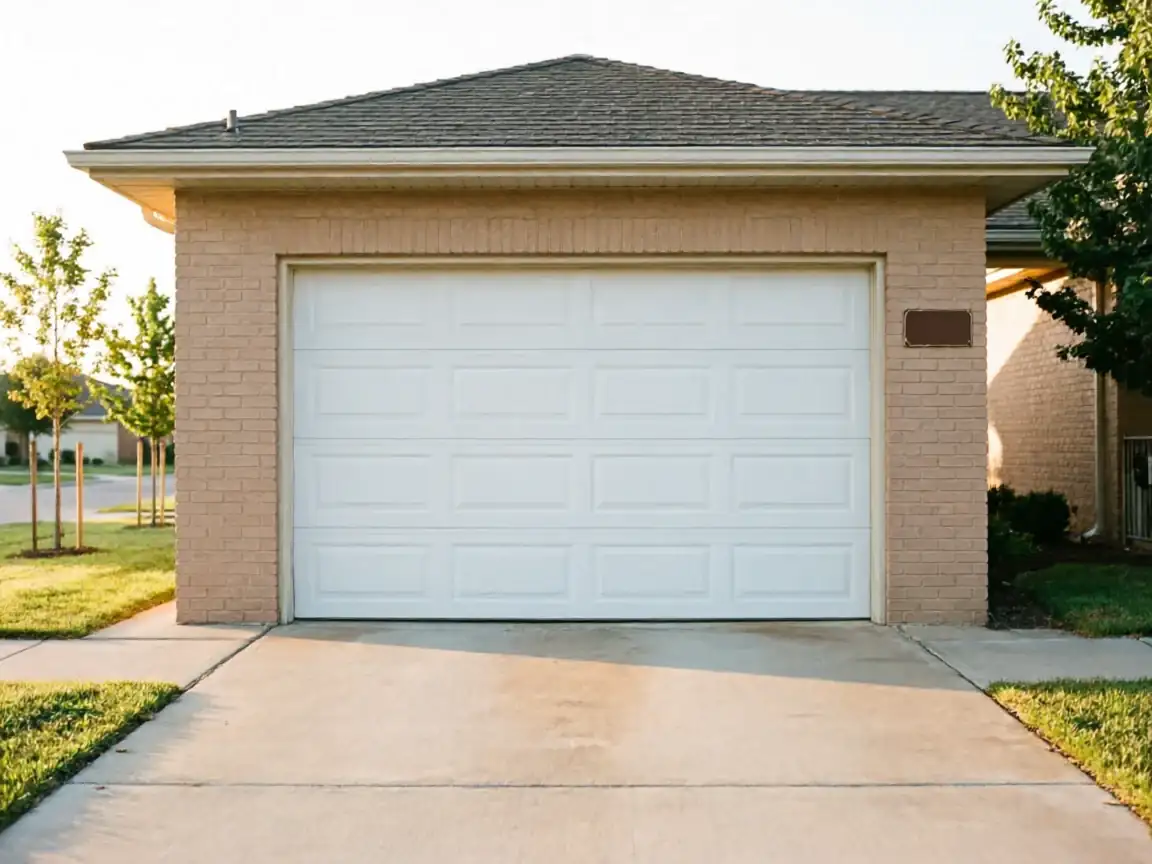
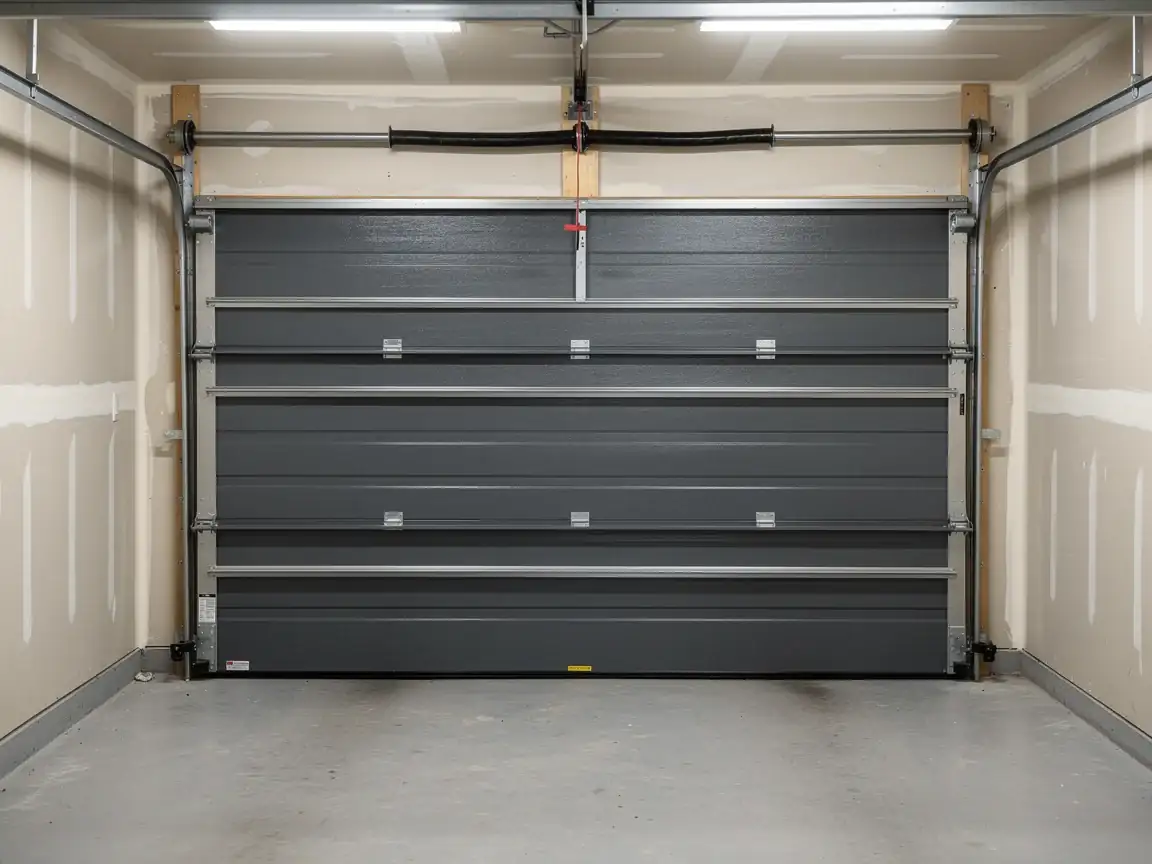
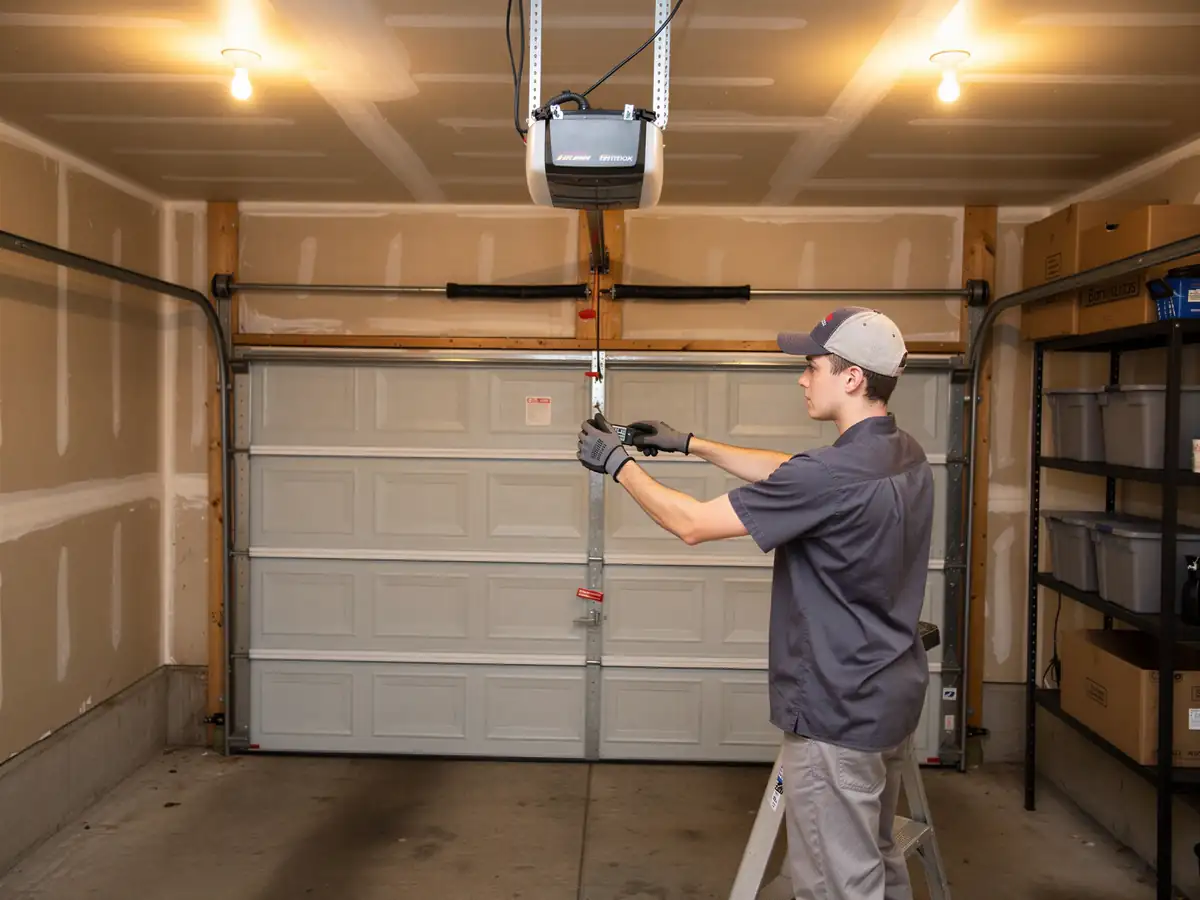
For a 1983-era Choctaw garage, the openings are almost always the standard two-car and single-car widths framed into builder-grade construction from that period - no custom or oversized bays to plan around in most cases. We carry steel sectional doors in the widths that match that era's framing, along with torsion springs sized for the heavier insulated panels that weren't common when these houses were built.
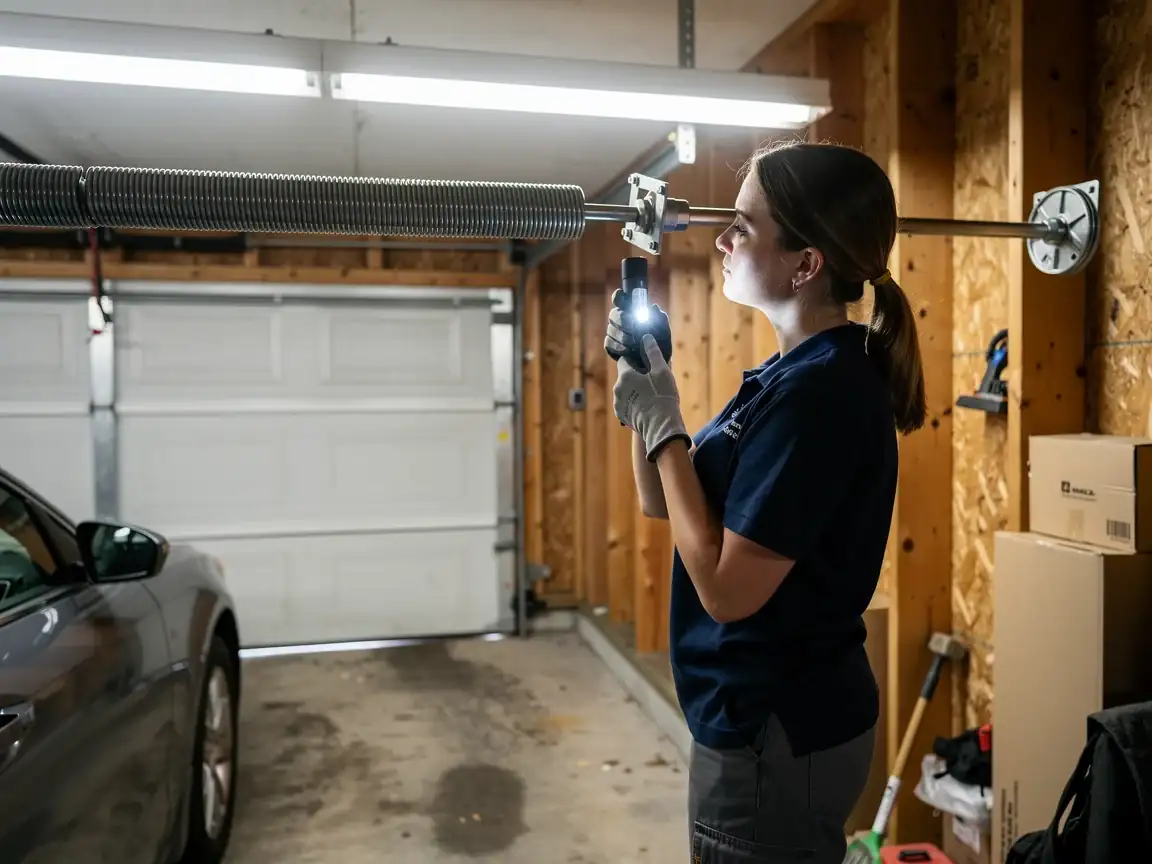
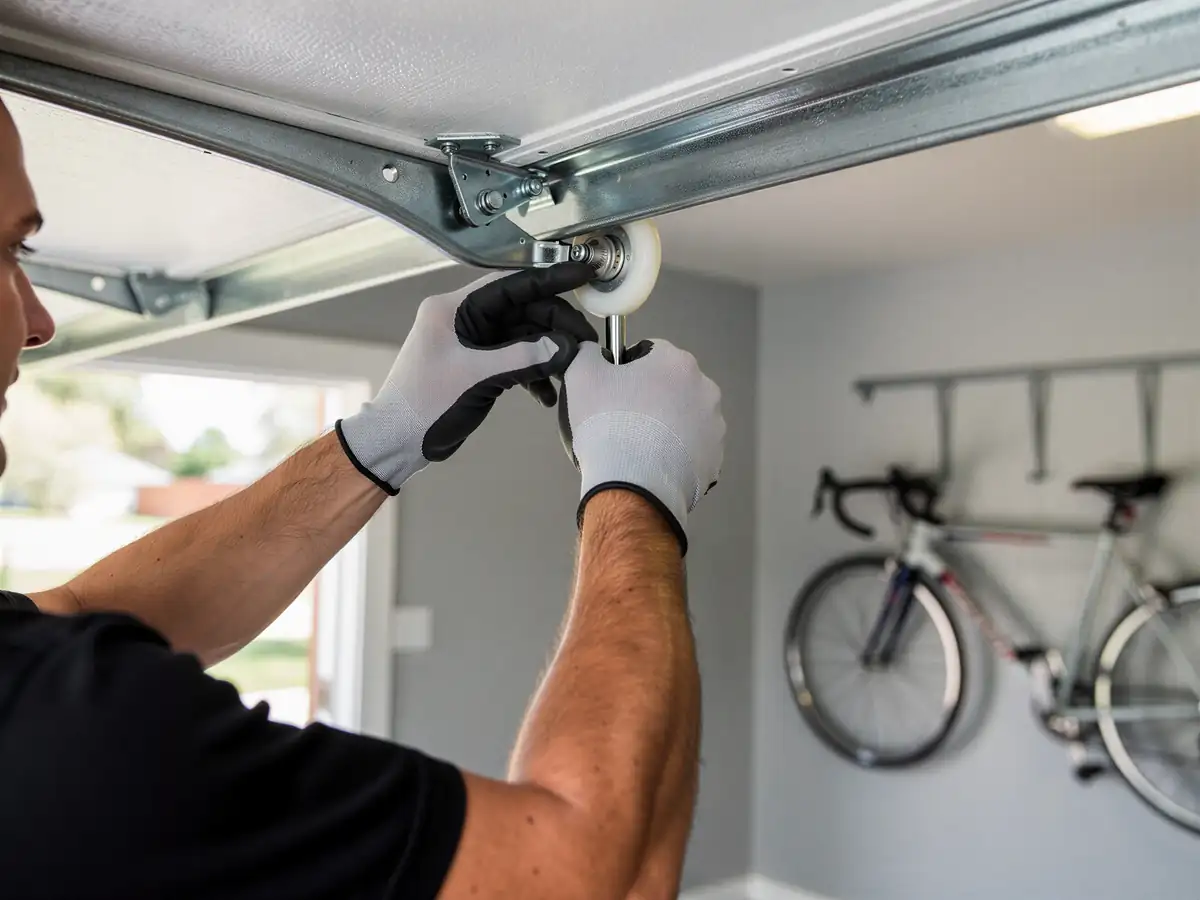
We also bring the hardware that doesn't always get swapped out during an install but should be checked: rollers, end bearing plates, and the cables that carry the spring's load. A door that's 40 years old usually has a track that's slightly out of plumb from age, and we'd rather true that up during the install than leave an old track under a new door. One limit worth naming: if the opening itself needs reframing - not just a new door - that's carpentry work outside what we handle on an install day, and we'll tell you that up front rather than make it part of the quote.
Getting It Booked In
Choctaw sits about 15 miles from our shop in Edmond, so an install here gets scheduled as a single planned trip rather than a same-day stop. We measure the opening, confirm the door and hardware before we load the truck, and come out once with everything needed to finish the job in one visit rather than making a return trip for a part we didn't bring.
Because we're not based in Choctaw, we don't offer a walk-in response time for this town the way a local shop might, and we won't pretend otherwise. What we can do is give you a real install date once we've confirmed the door you want is in stock, and stick to it.
What You Are Seeing
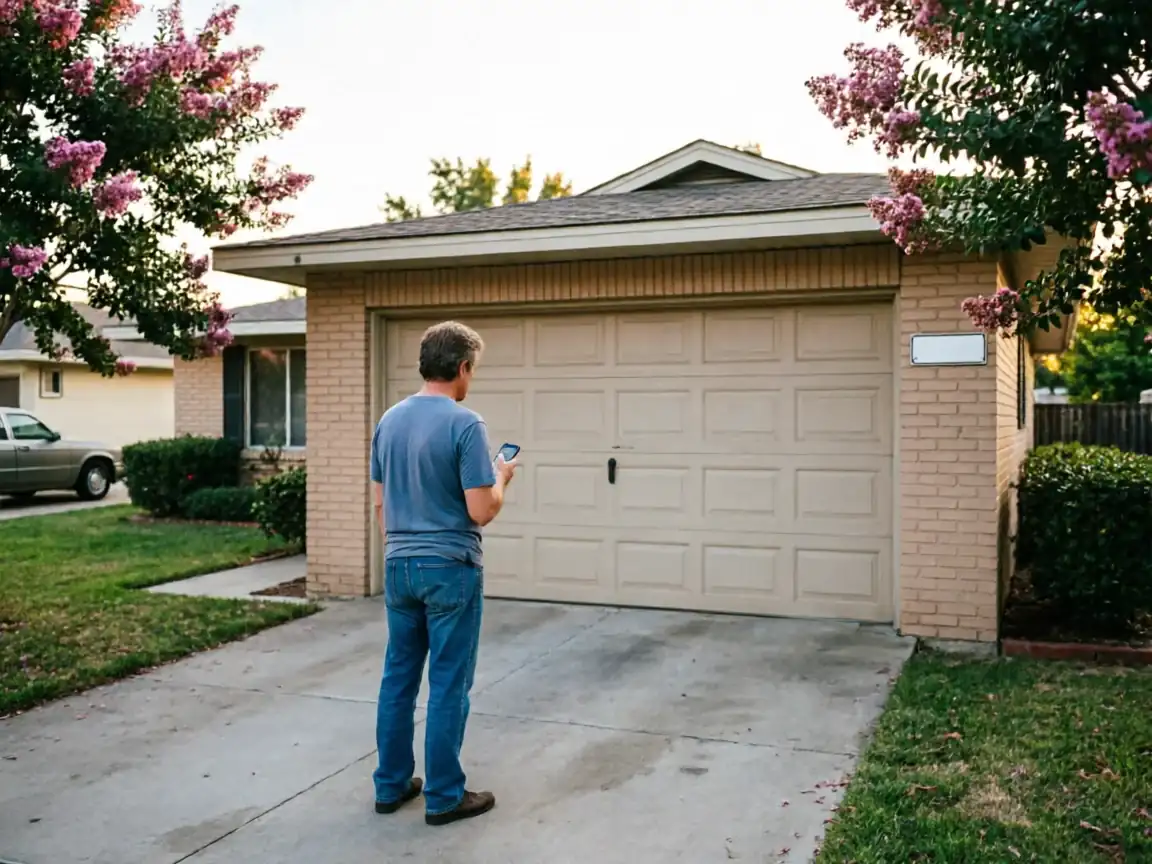
If your garage door in Choctaw is original to a house built in the early 1980s
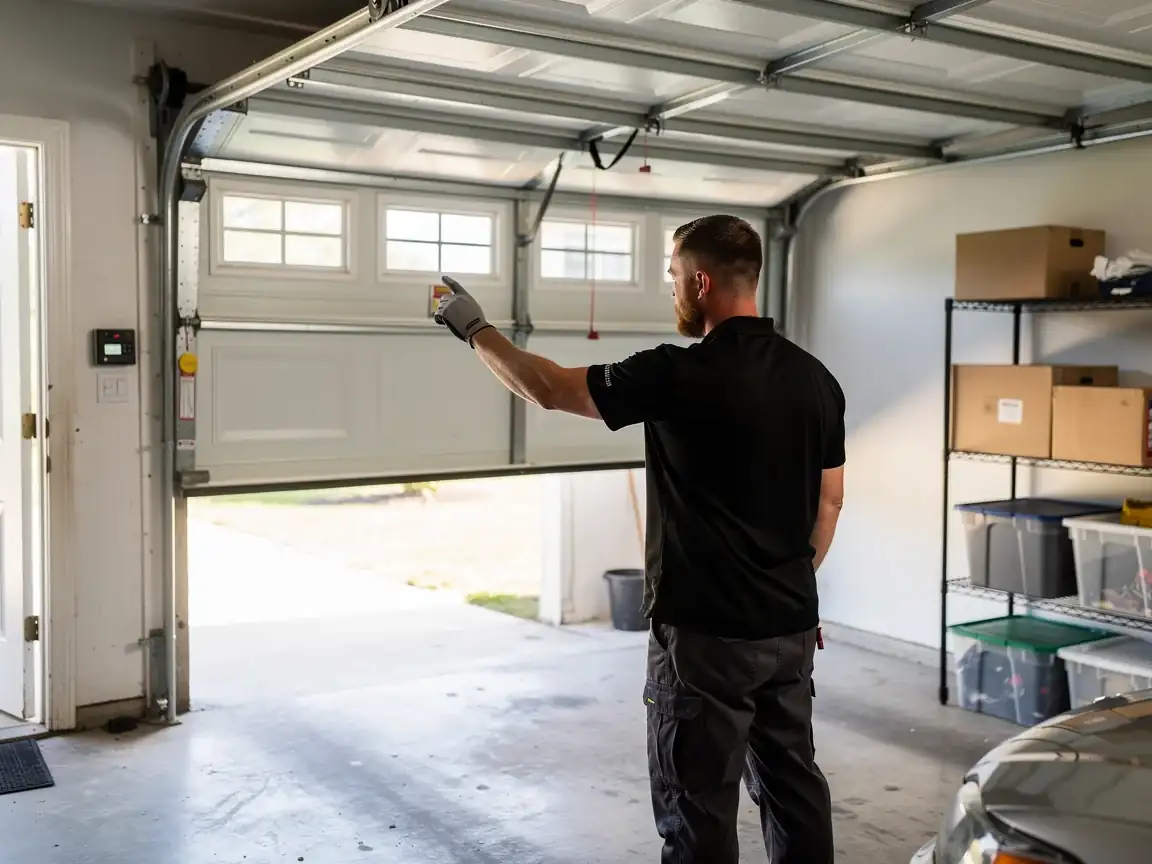
The signs that it's time to replace rather than repair tend to show up the same way: a panel that's visibly bowed or dented along the bottom section, a door that's noticeably noisier than it used to be as the rollers wear past what grease can fix, or an opener straining and reversing on doors it used to lift without effort.
Some of that is just age catching up with hardware that was never meant to last 40 years
Other times it's a sign the spring is near the end of its cycle count and about to go, which is a different, more urgent problem than wanting a new look. If you're only seeing cosmetic wear - faded paint, a dent from a stray basketball - that's usually not a reason to replace the whole door, and we'll say so if that's what we find when we look at it.
- 40 years