What Causes It Around Here
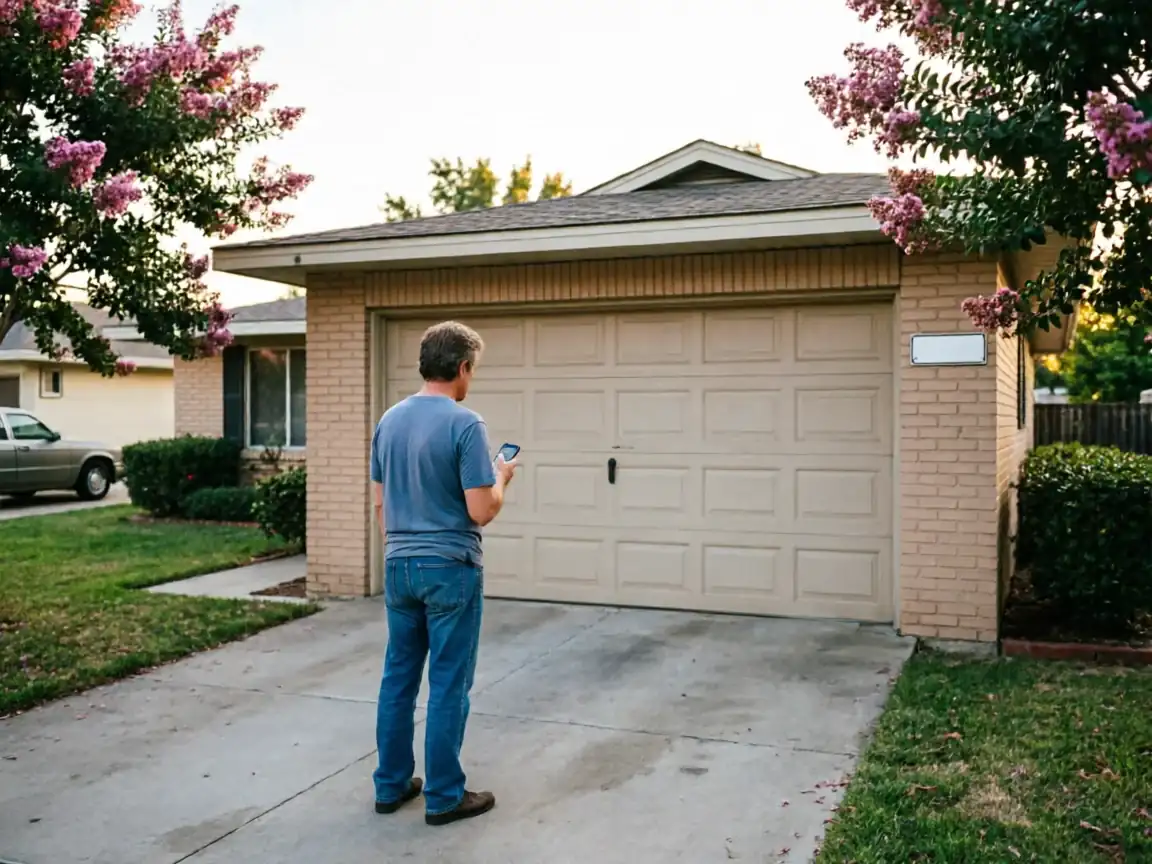
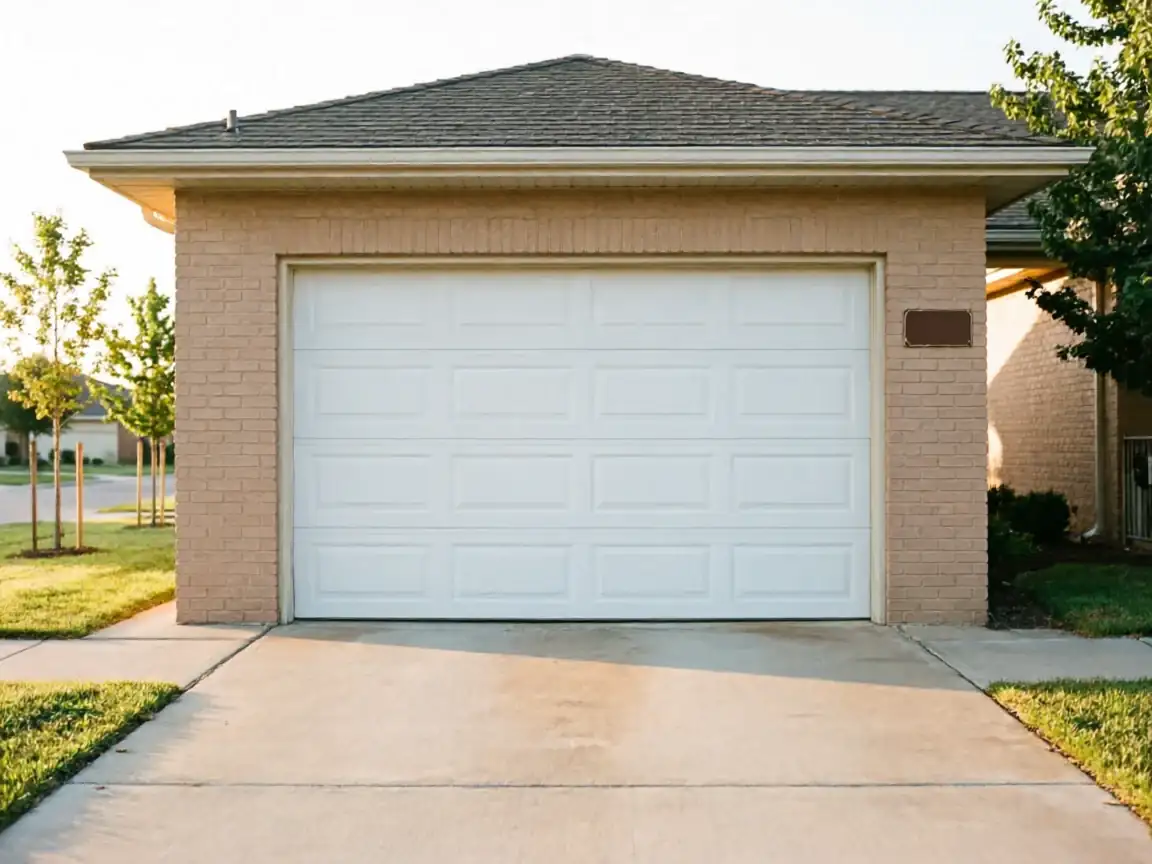
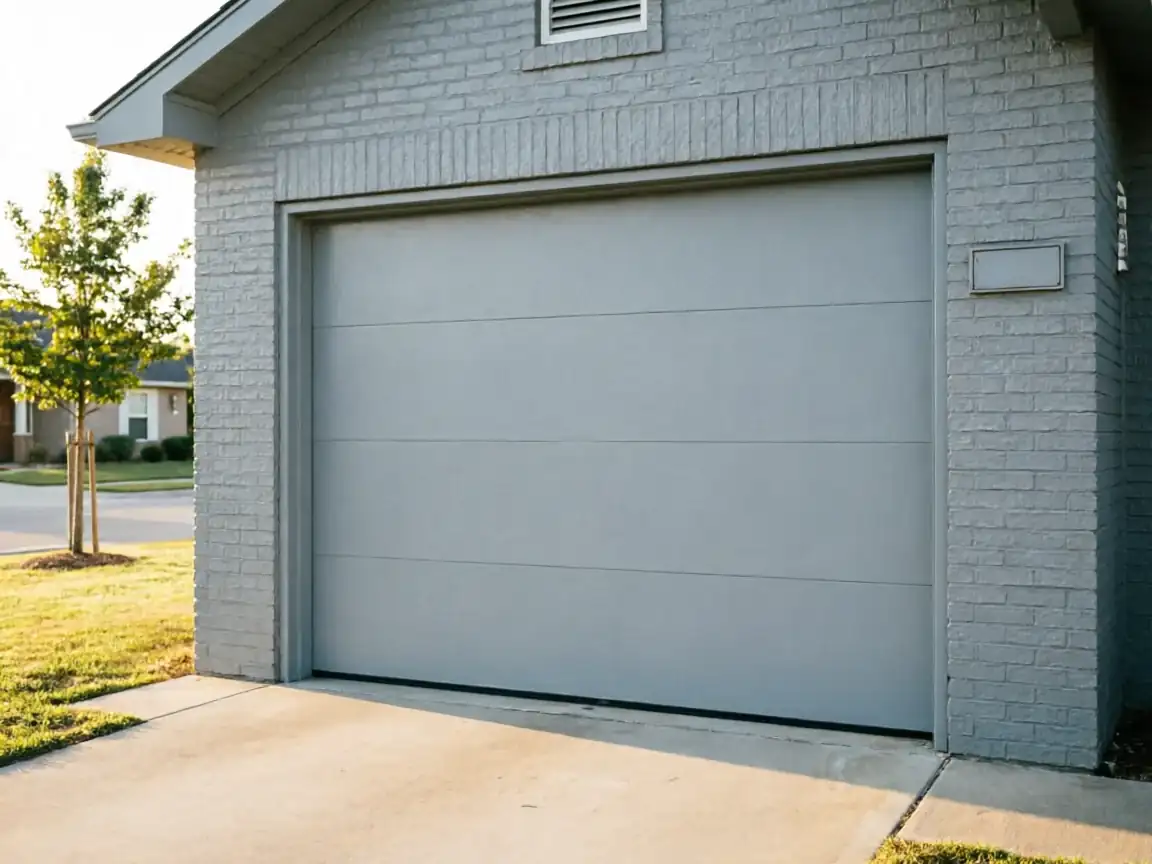
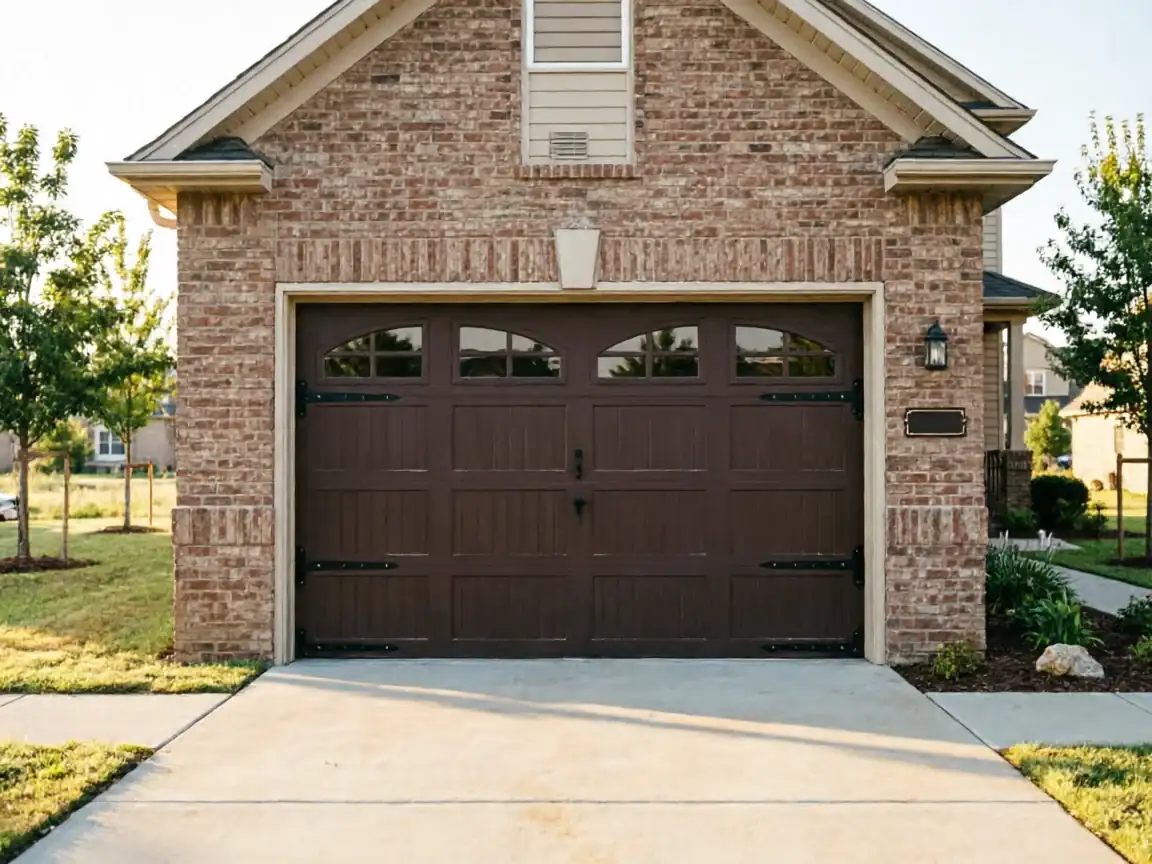
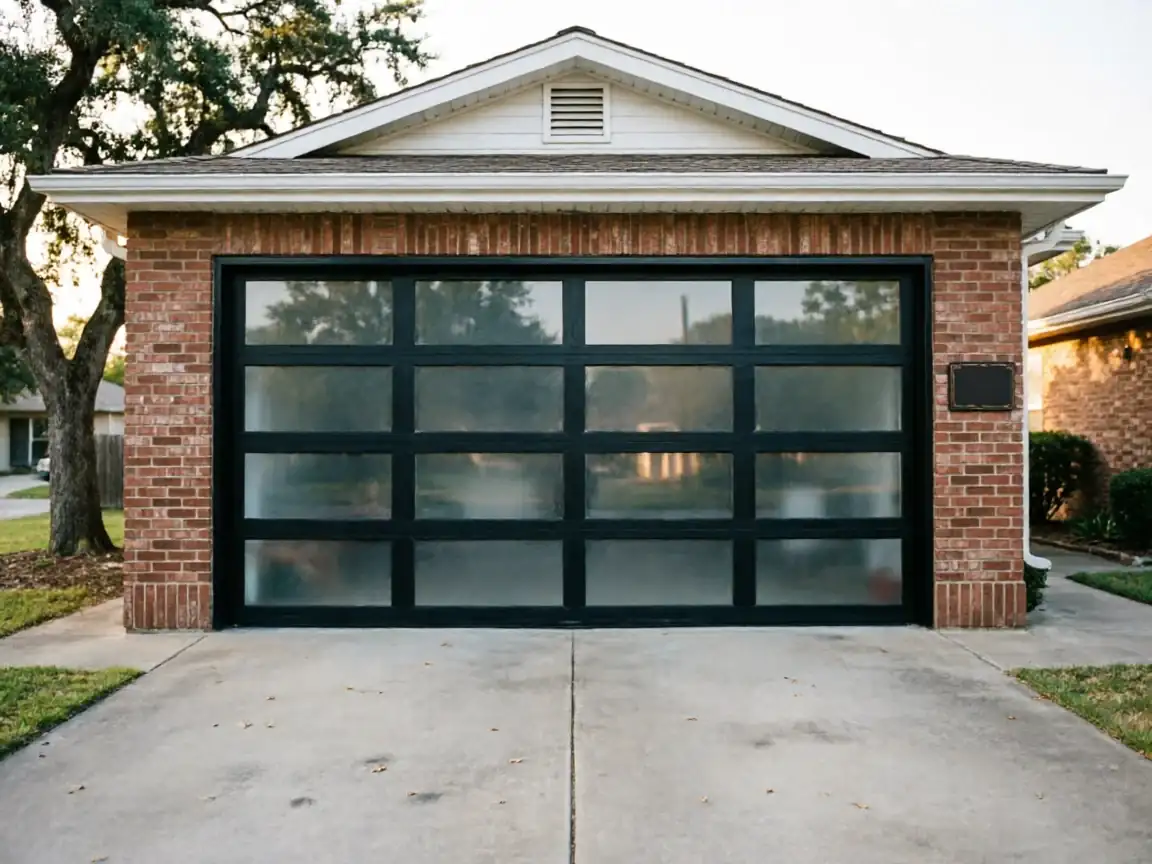
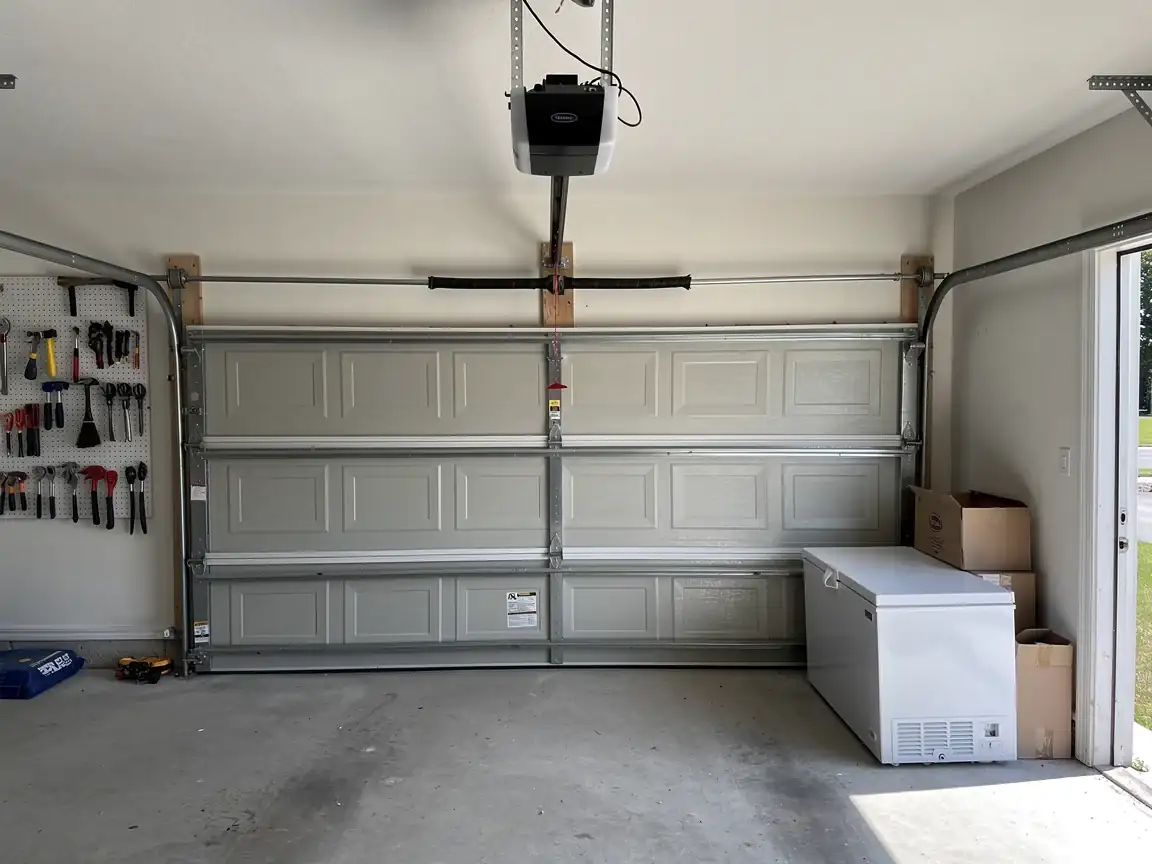
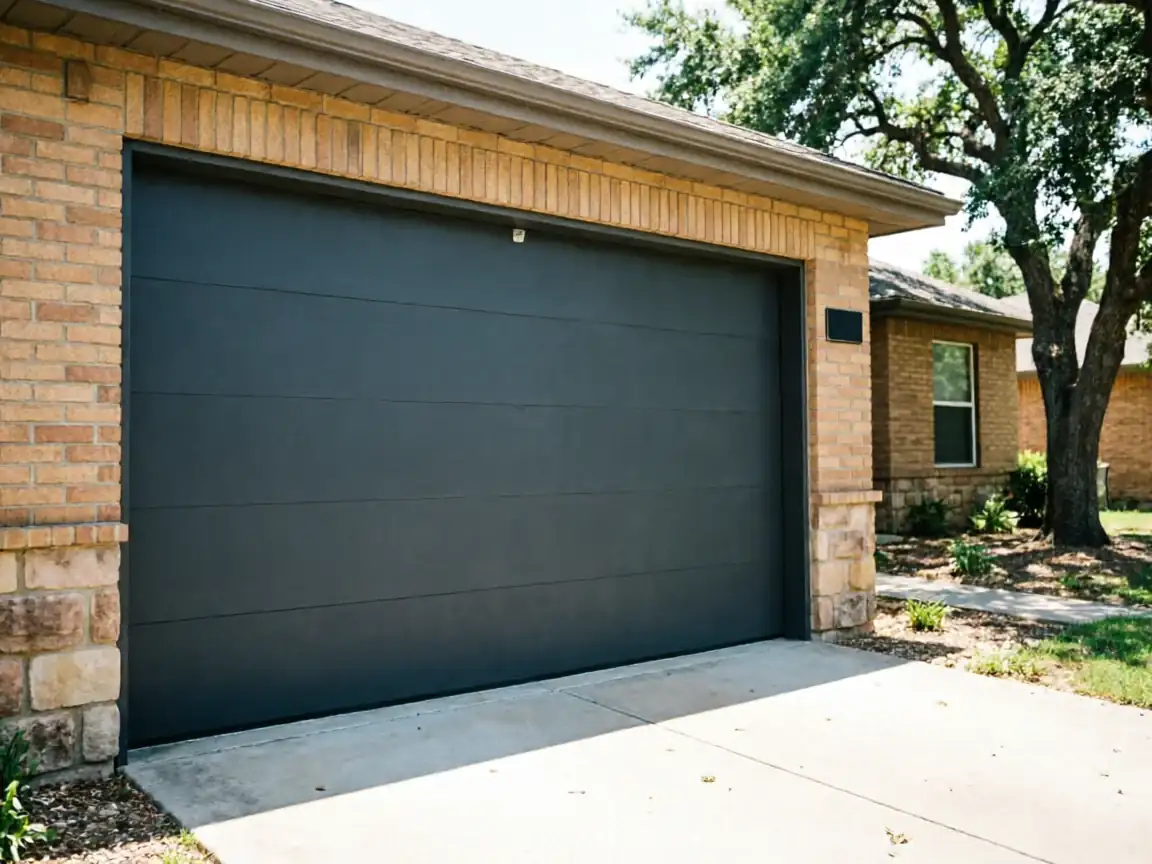
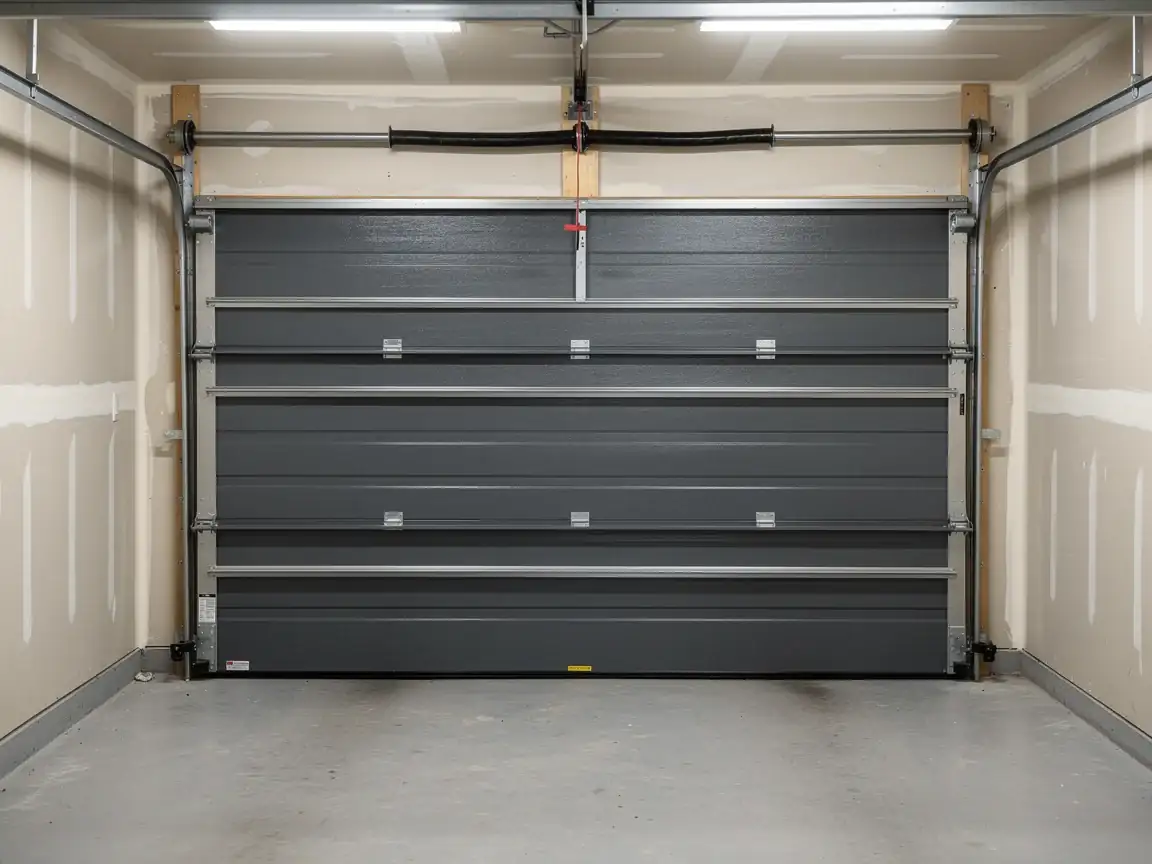
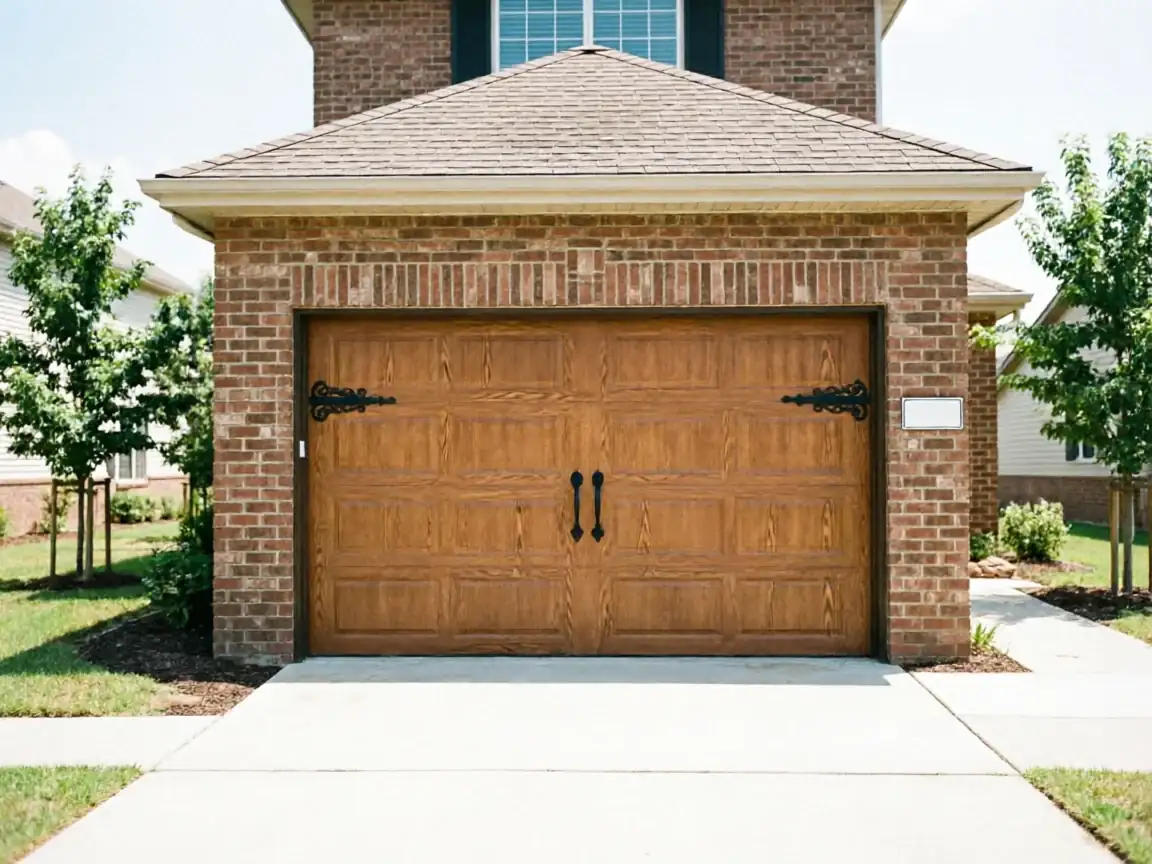
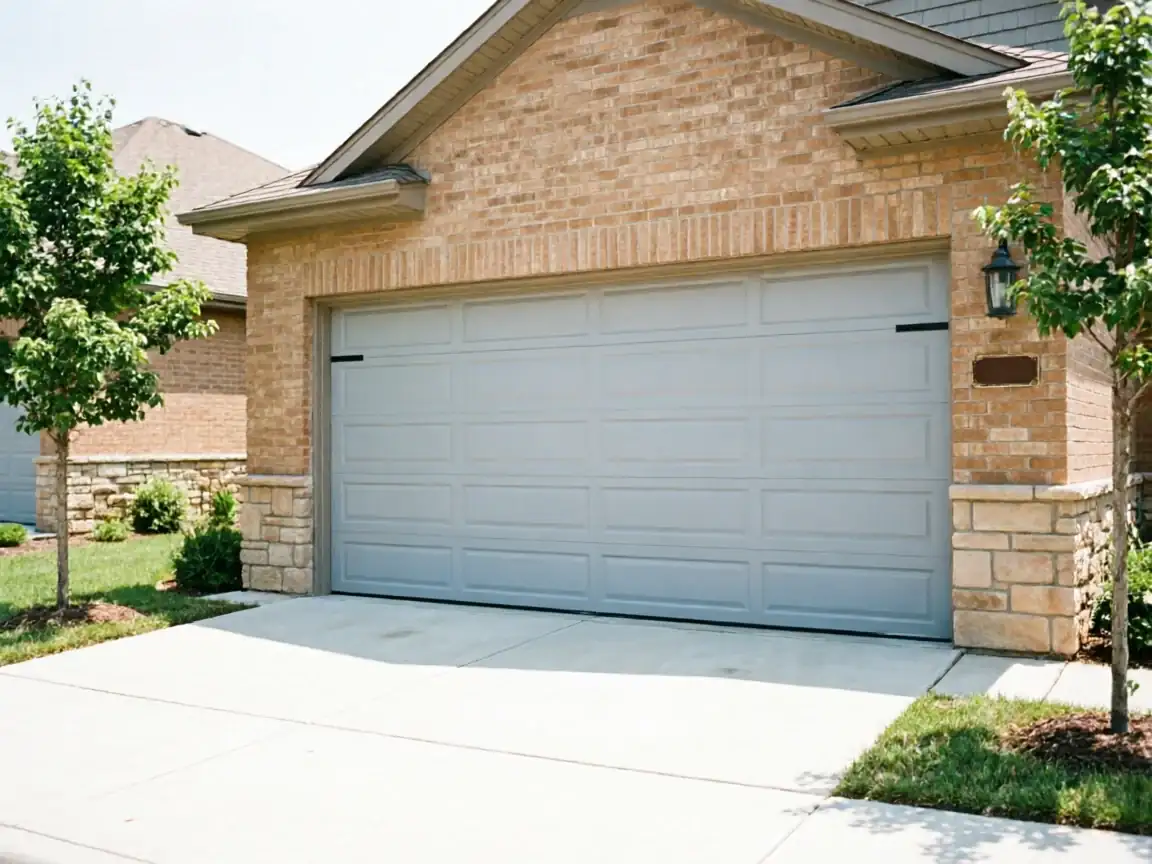
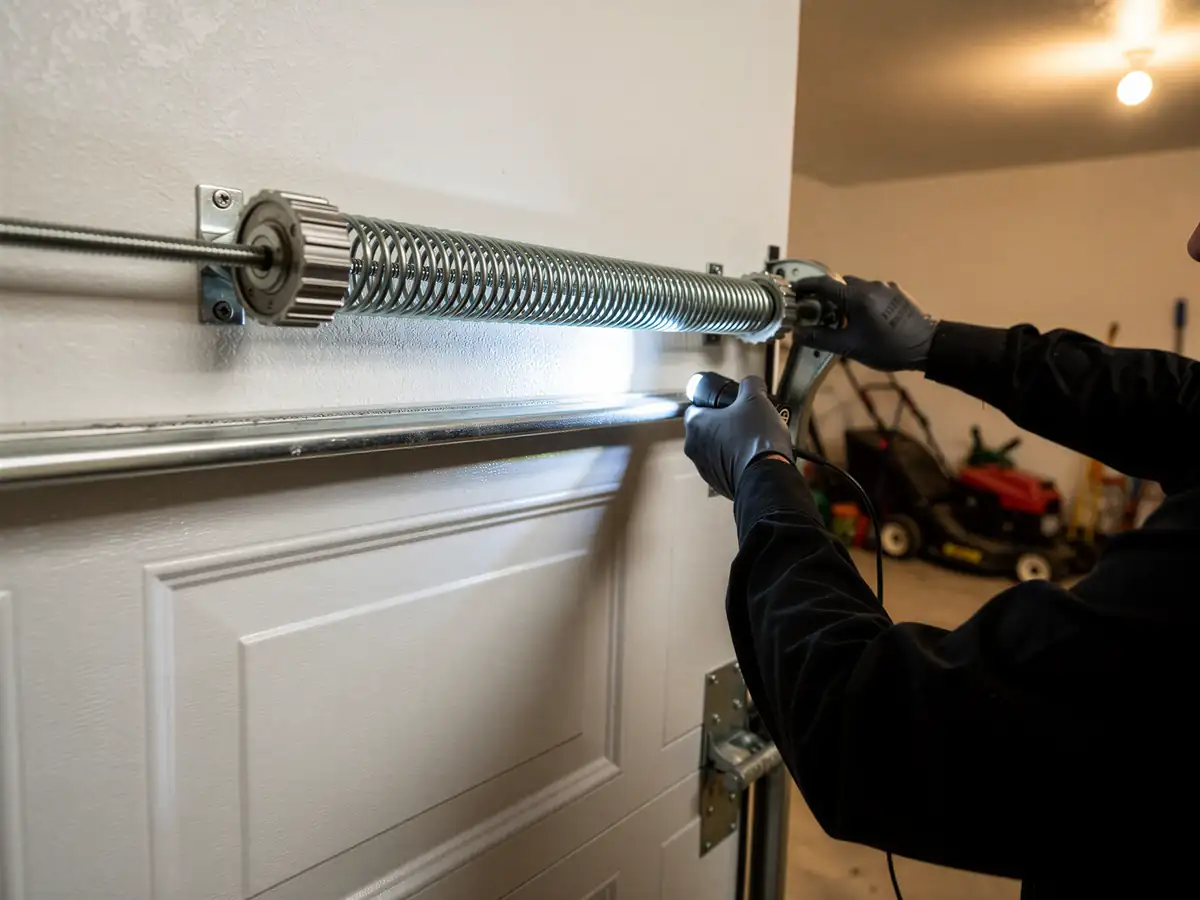
Most houses in Choctaw went up around 1983, give or take a few years either side. That's later than a lot of the Edmond service area, and it matters for the door itself: by the early '80s, builders had mostly moved to wider two-car steel sectional doors on torsion springs mounted above the opening, rather than the older extension-spring setups you'll find on pre-1970 single-bay garages elsewhere. A torsion spring on a door that size does more work cycling every day, and it's wound tighter to handle the extra weight of a full two-car steel panel.
That spring is rated for a set number of open-close cycles, usually somewhere around 10,000, and a door installed when the house was built is now past 40 years old. Combine that with our cold-moderate winters, where steel contracts and the spring's temper gets more brittle with each freeze-thaw swing, and you get a predictable failure pattern: the spring snaps clean, usually without warning, often on the coldest morning of the week. If your door suddenly won't lift, or lifts crooked and bangs on one side, that's almost always it.
What You Pay
We don't have a Choctaw-specific price list to quote you here
And giving you a number that isn't grounded in your door, spring size, and cycle count would be a guess. What we can tell you is that Choctaw's median household income runs well above the wider service area's average, and in our experience that correlates with homeowners who'd rather replace a tired spring with a heavier-duty one than patch the original. That's a judgment call we make on site once we've seen the door, not something we price over the phone.
If you want a real number, your best move is the full breakdown on our spring repair page
Which covers how we quote the job before we touch anything.
What Is on the Truck
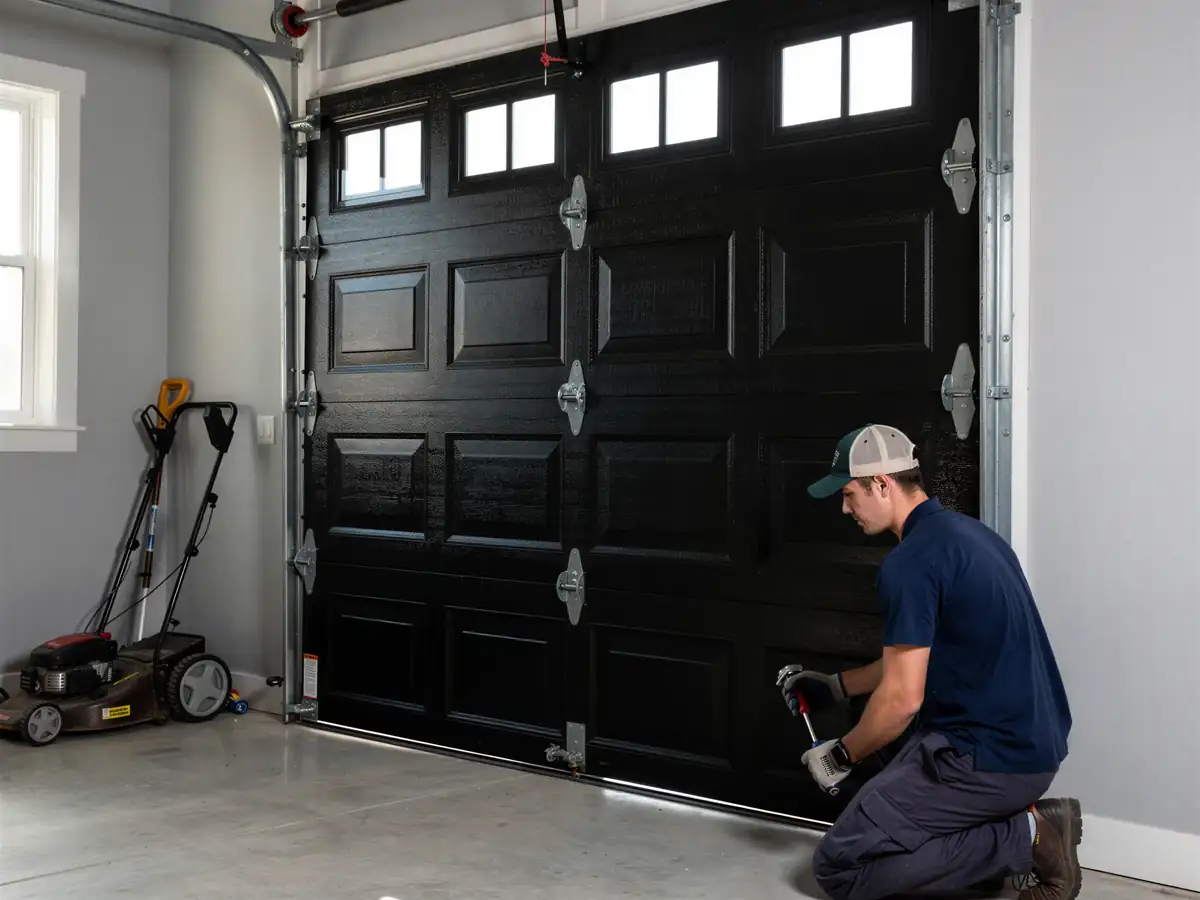
We stock torsion springs sized for the two-car steel sectional doors that make up most of Choctaw's housing stock, along with the heavier-gauge cable and drums that pair with them. What we don't carry on every run is a spring wound for an older single-bay extension setup, since that's less common on a 1983-median build like this one. If your house is an outlier, older stock closer to Guthrie's or Luther's era, say, we may need to order that spring rather than fix it same-trip. We'll tell you straight if that's the case rather than force a part that's wrong for the door.
We also carry standard safety cables, end bearings, and the torsion hardware most doors from this period use, so the common failure, a snapped spring with everything else intact, is usually a one-visit fix.
Getting It Booked In
We run this job out of Edmond, about 15 miles from Choctaw, so we're not sitting around the corner, but it's a route we drive regularly. When you call, tell us the door's width (single or double bay), roughly how old the house is, and whether the spring is above the door (torsion) or along the tracks (extension) if you can see it. That's usually enough for us to bring the right spring the first time instead of making a second trip.
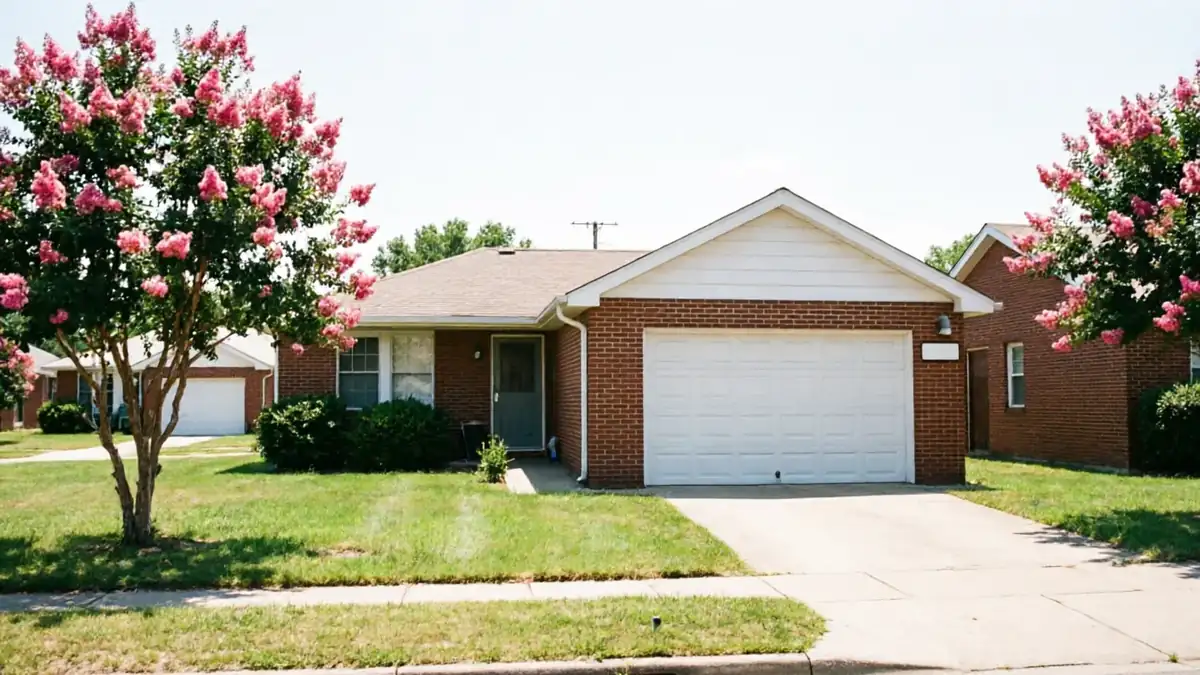
With roughly 4,333 households in Choctaw and a housing stock that's fairly consistent in age, we see the same style of door and the same failure mode often enough that we know what to load before we leave the yard.
What You Are Seeing
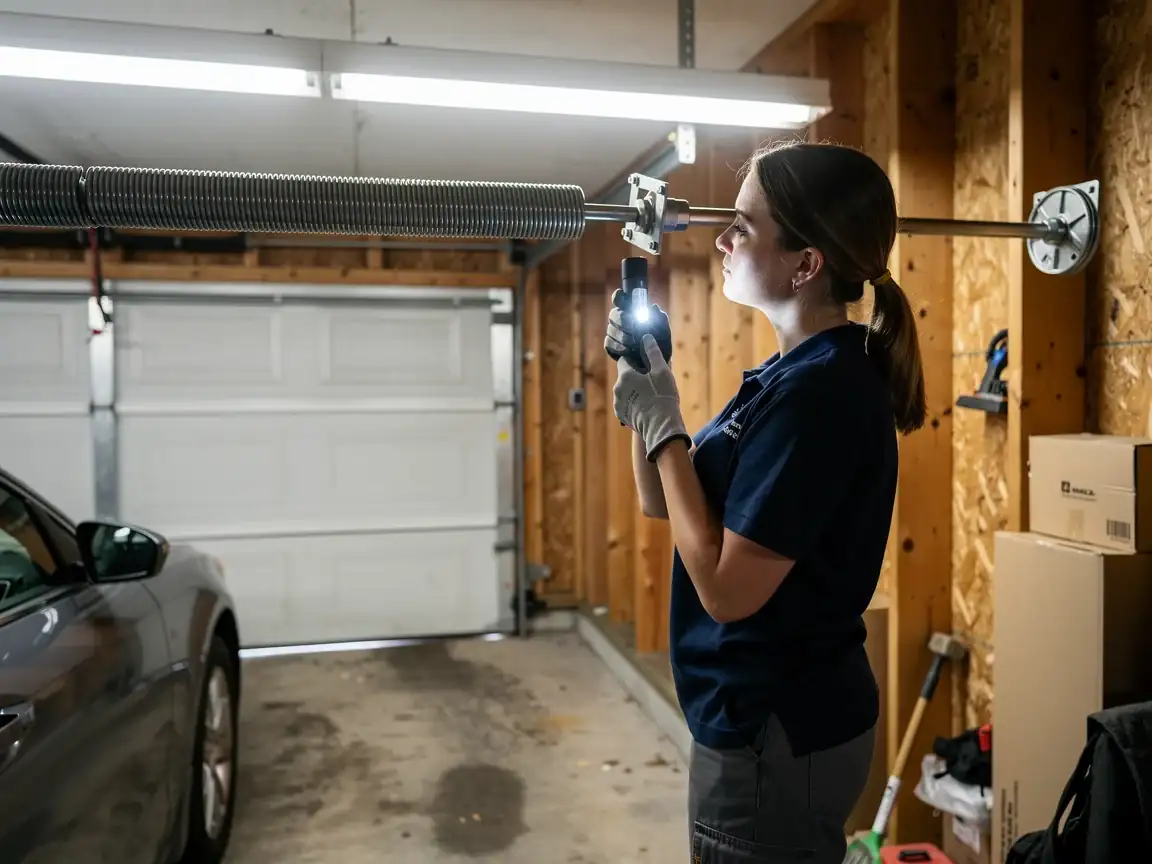
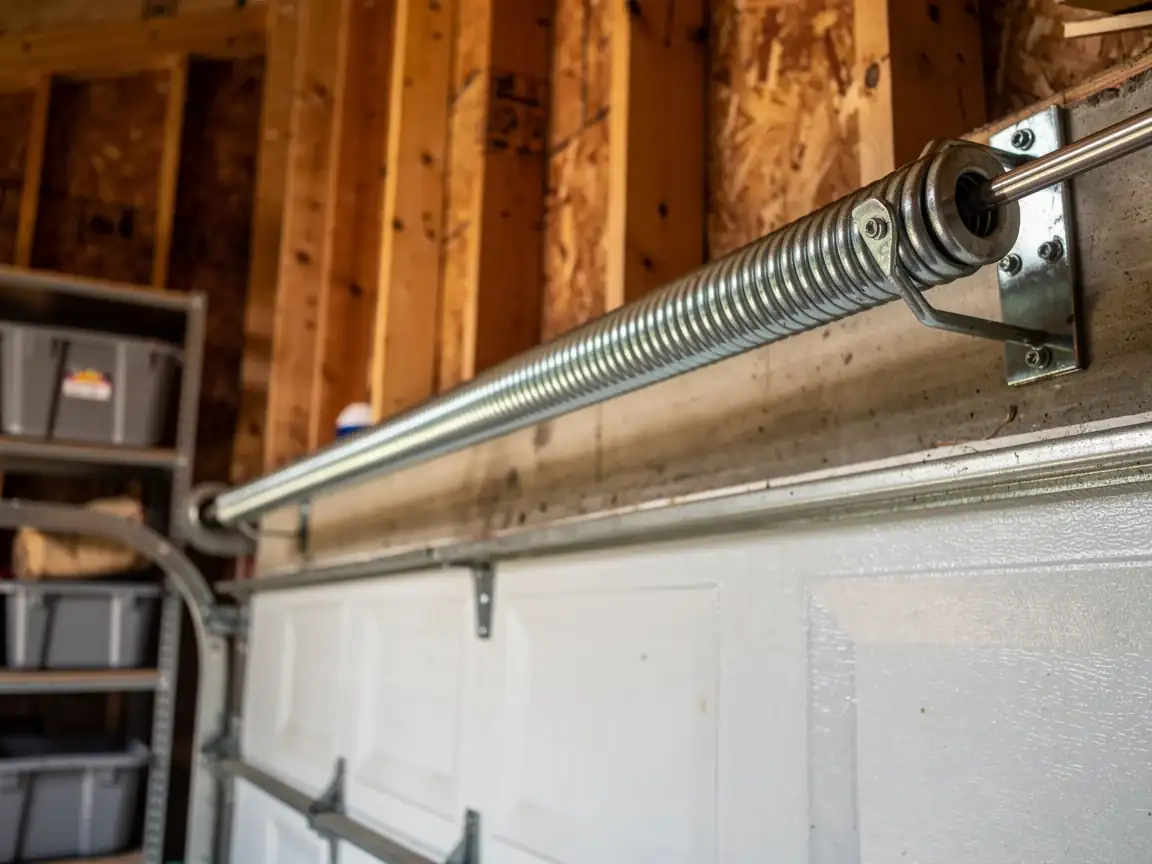
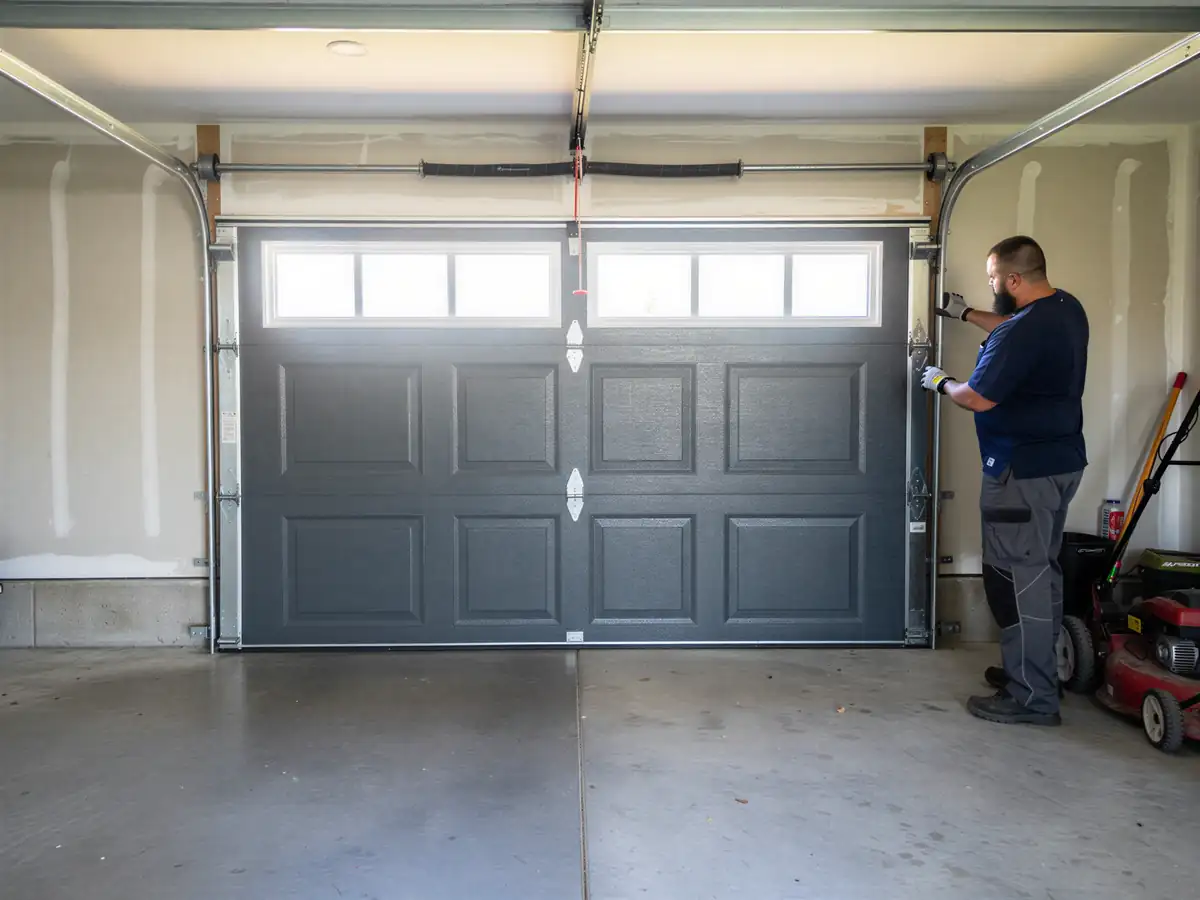
A broken torsion spring looks dramatic but is simple to confirm
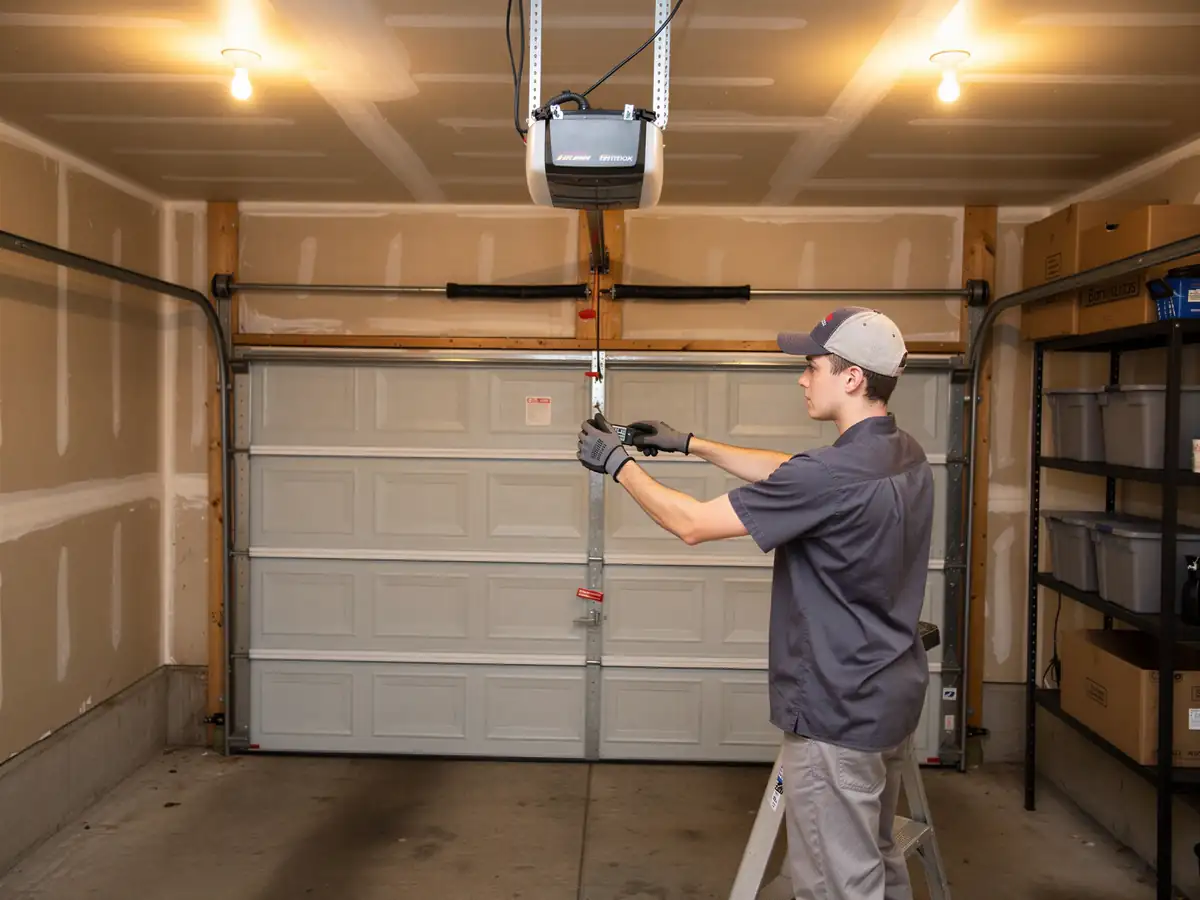
The door won't budge, or the opener strains and the belt or chain skips, or you can see a visible gap in the coiled spring above the door. Sometimes you'll hear the bang when it lets go, a loud crack from inside the garage, often overnight in cold weather.
What it isn't: a dead opener, a stuck track, or a sensor issue
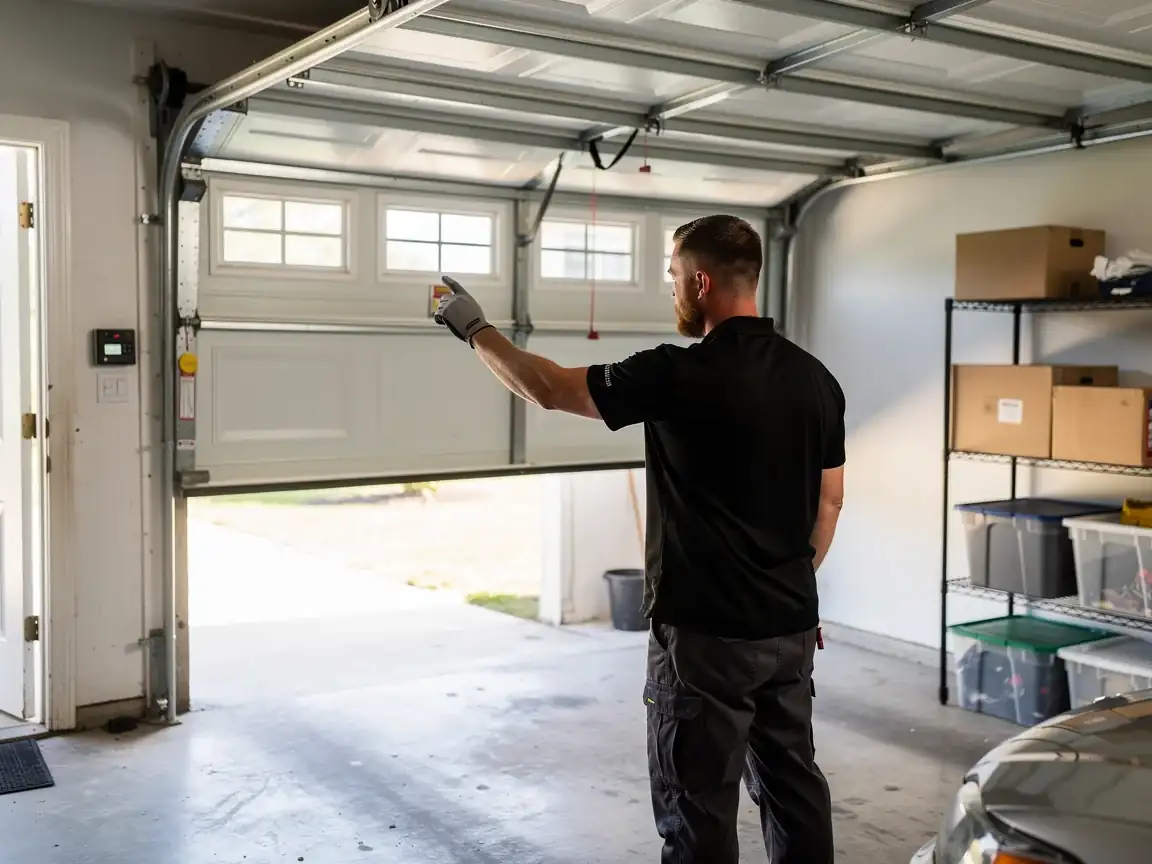
Though homeowners often call those in first. If the door is heavy to lift by hand and won't stay up on its own, that's spring, not opener. One honest limitation: if the spring has already pulled the cable off the drum or bent the shaft, that's no longer a quick swap, and we'll walk you through whether repair still makes sense or if it's time to talk about the door itself.