What Causes It Around Here
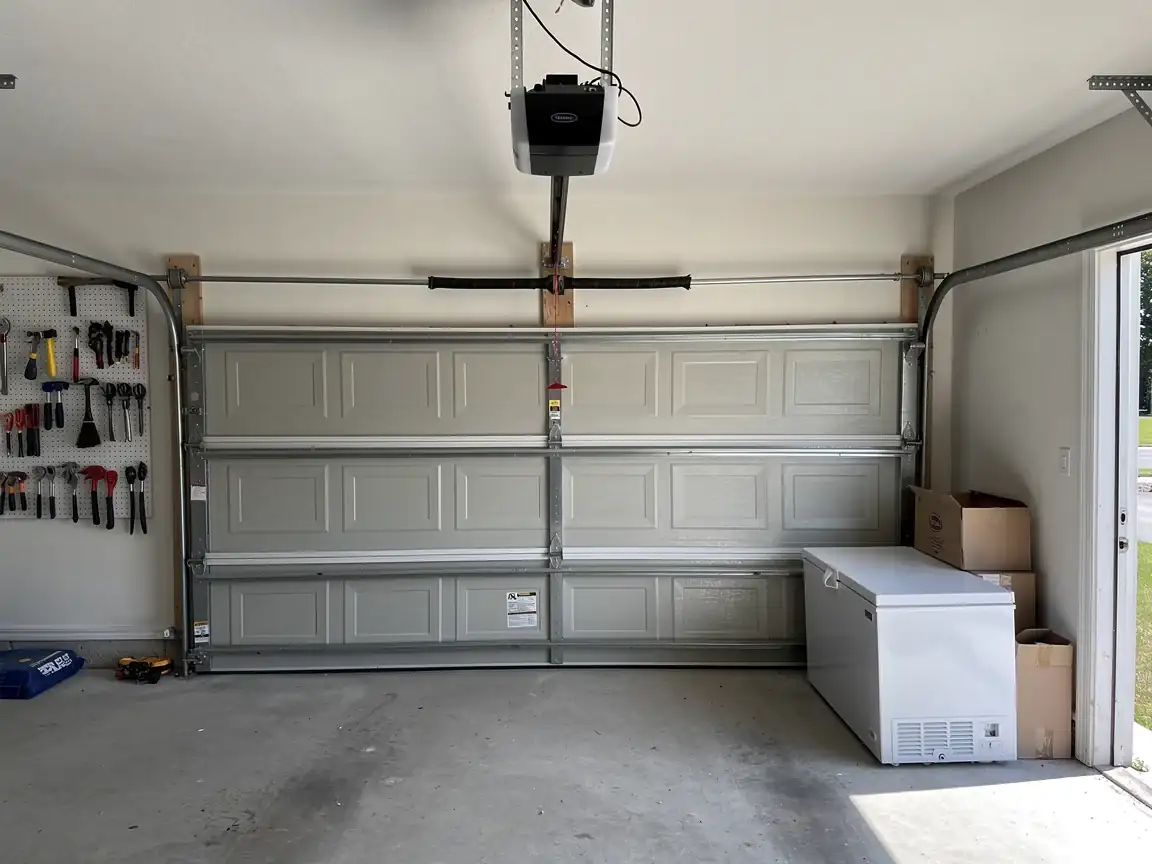
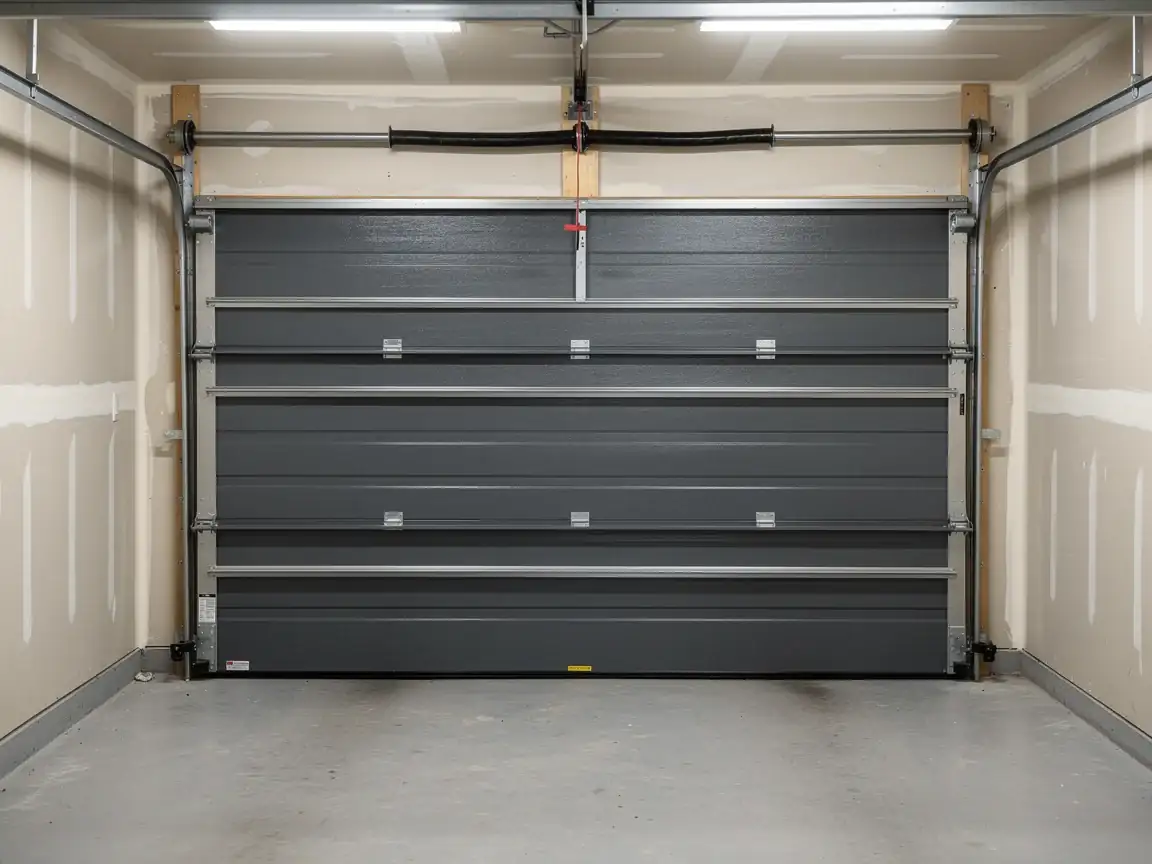
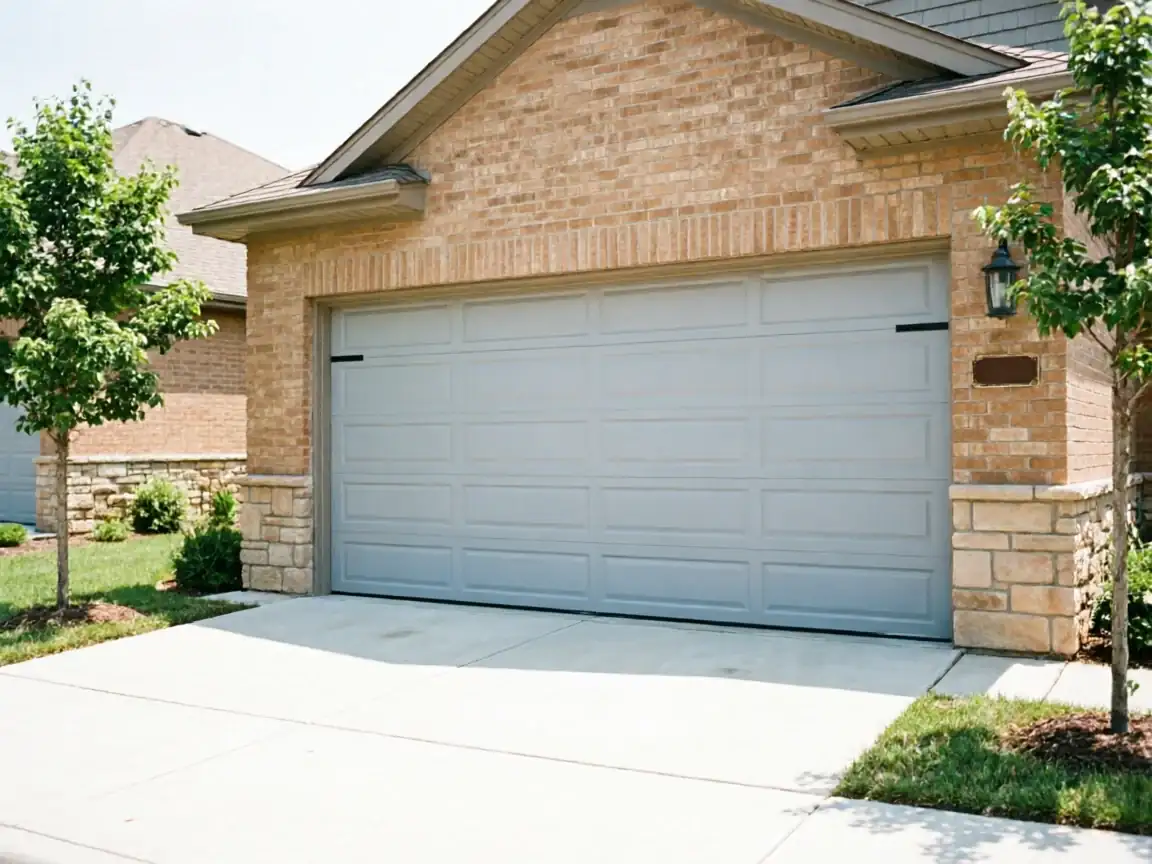
Choctaw's housing stock centers on 1983, which puts most garage doors at roughly forty years old with hardware that has never been touched. That's not a guess about any one house - it's just the math on when the neighborhood went up. A door that old almost always still runs on the galvanized steel rollers it shipped with, riding in the original track with no nylon anywhere in the system.
Steel rollers don't fail all at once. The hub wears first, since it's just a stamped sleeve around a steel axle with a thin bushing or a handful of ball bearings packed in decades ago. Once that bushing wears oval, the roller stops tracking straight and starts chewing a groove into the track edge instead of rolling through it. You hear it as a grind that gets worse every month, not a sudden bang.
Cold mornings make it worse. In this climate band, overnight temperatures stiffen whatever grease is left in an original bearing, so the door drags hardest on the first open of the day and loosens up by afternoon. That pattern - bad in the morning, fine by lunch - is almost always a roller issue on a door this age, not a spring or opener problem.
What You Pay
We don't have a Choctaw-specific price list to quote here
And giving you a made-up number would do you no favors. What we can tell you is how the job scales: a full set of ten rollers costs more in parts and labor than swapping the two or three that are actually shot, and on a door that's run the same hardware since 1983, it's common to find uneven wear - the rollers on the side that takes the most daily traffic worn well past the ones on the other.
Choctaw's median household income runs well above the wider service area's figure
And that does shift what people choose here: more owners upgrade to sealed nylon rollers outright instead of replacing steel-for-steel, since nylon runs quieter and doesn't need the periodic lubrication an original steel roller does. Neither choice is wrong - it depends on whether you want this to be the last time you think about rollers for another twenty years or the cheapest fix that gets the door quiet again today.
What Is on the Truck
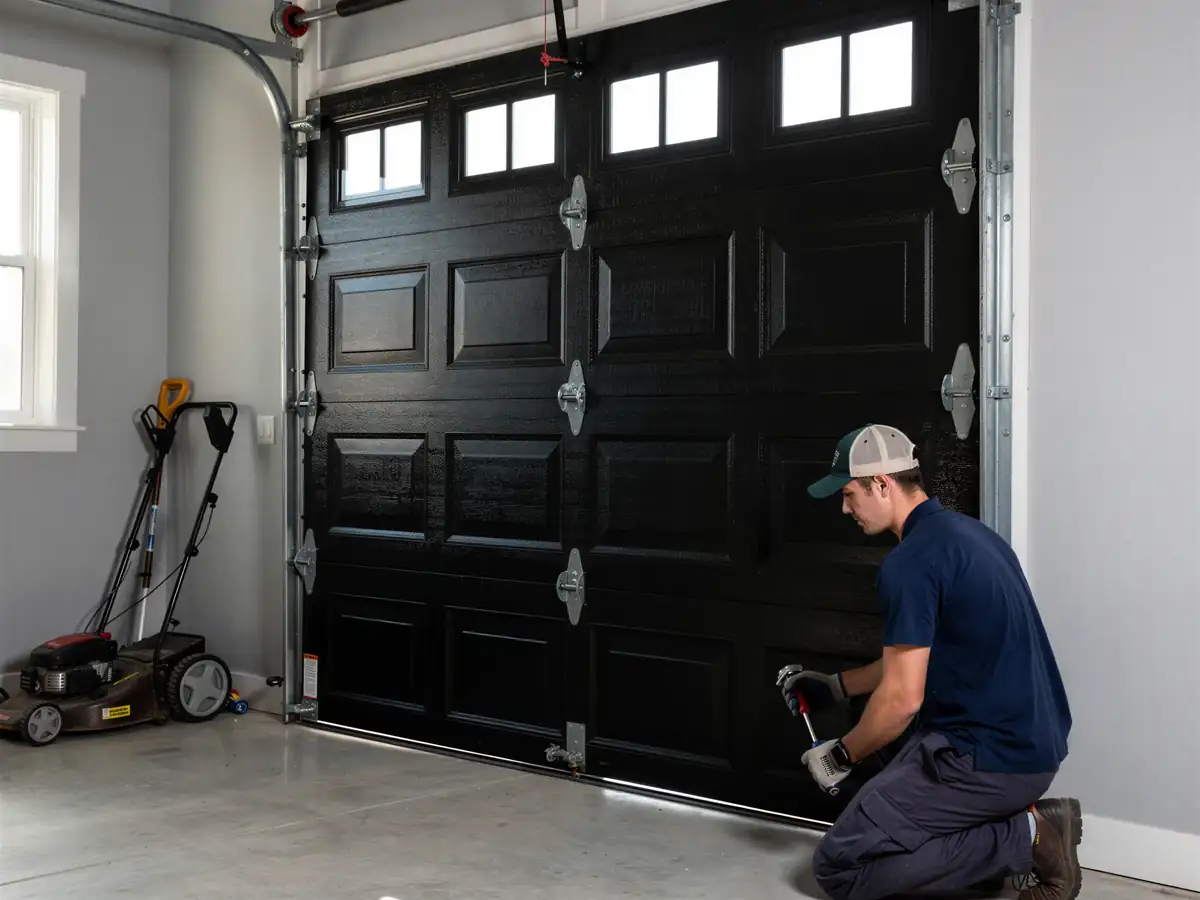
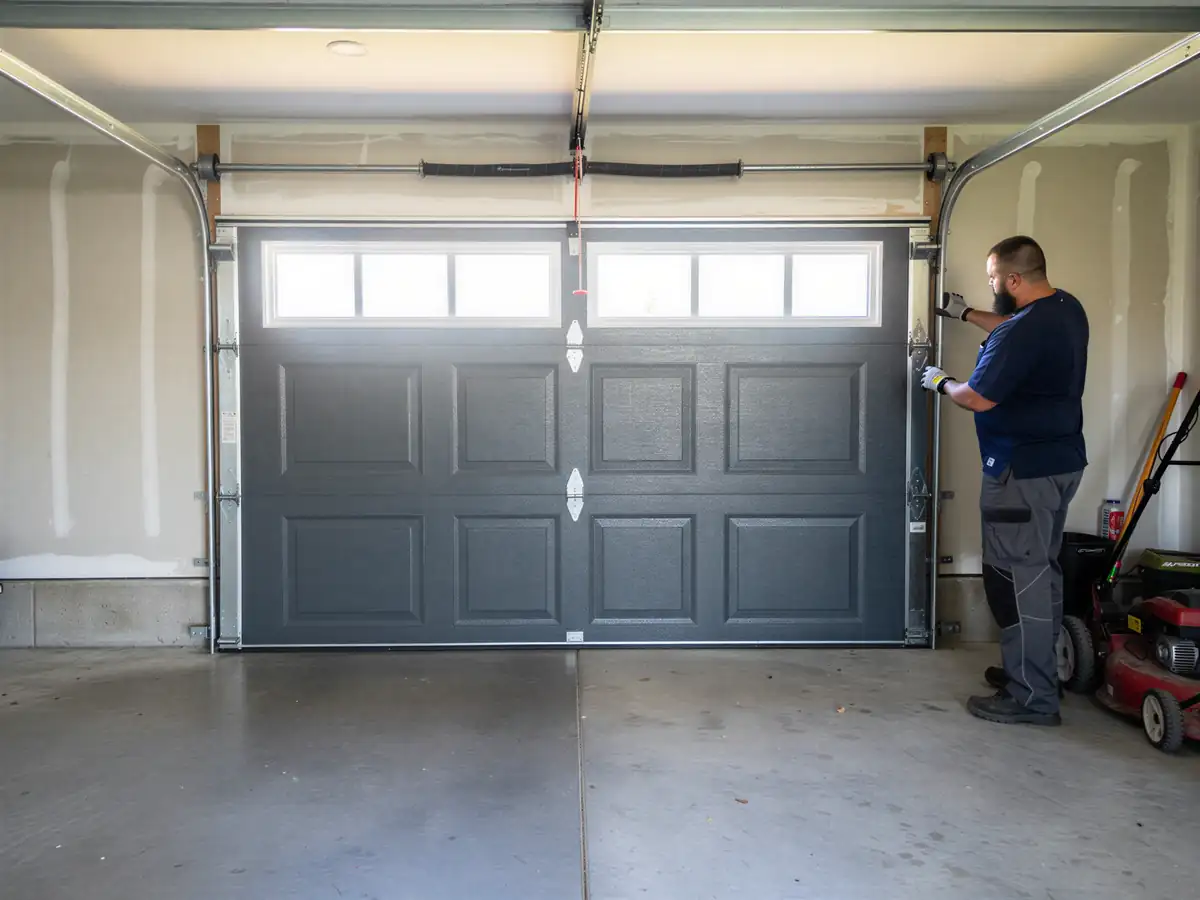
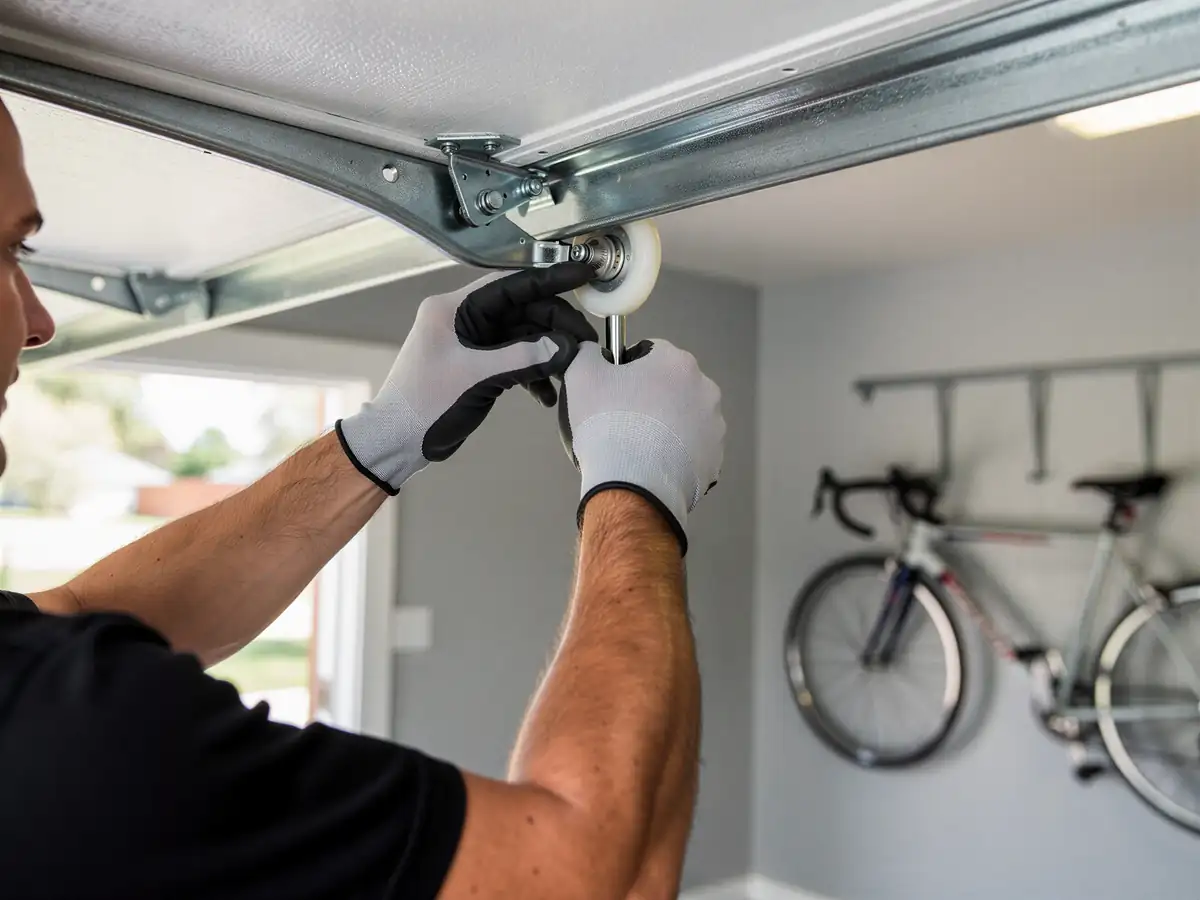
The truck comes from Edmond, about 15 miles out, so the stock on it is built around what actually shows up on doors from that era rather than guessing. For a 1983-vintage Choctaw door that means standard 2-inch stem steel rollers, the equivalent sealed-bearing nylon upgrade, and the hub bushings that original hardware this age usually needs replaced alongside the roller itself.
What doesn't always make the truck is anything non-standard - an odd stem length or a track profile that was never common even when it was new. If a door turns out to need something outside that standard range, that's an order-in part, not a same-visit fix, and we'll say so on site rather than pretend otherwise.
Getting It Booked In
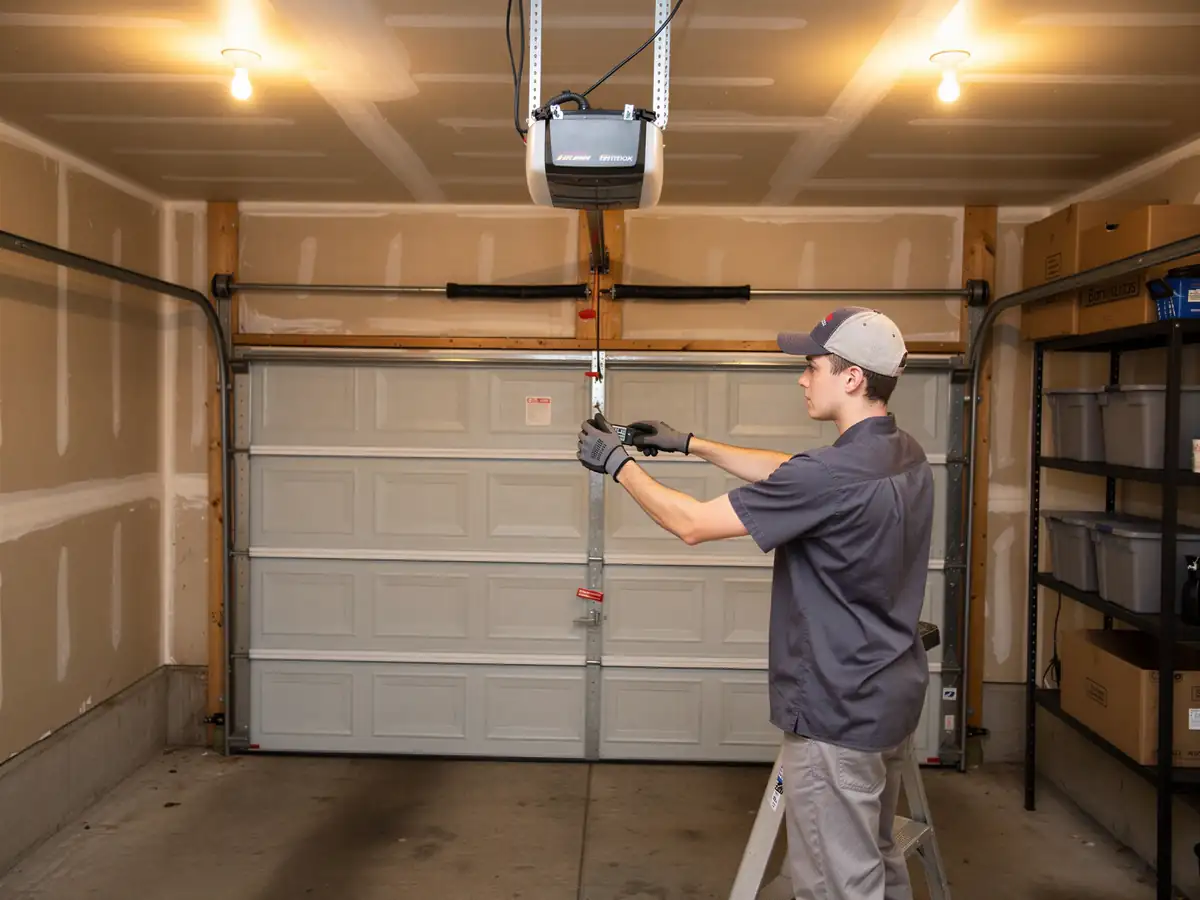
Since the crew is routing from Edmond rather than sitting in Choctaw, booking a roller job here works best when you can describe what you're hearing - grinding, a door that jumps on one side, a stiff first-open in the morning - so the right stock gets loaded before the truck leaves. You can see the areas we cover from Edmond on the service area page, and if you want the full rundown on how roller replacement works as a service rather than the Choctaw-specific version of it, that's covered on the main roller replacement page.
What You Are Seeing
On a door built around 1983, the usual signs are a rhythmic grinding or squealing as the door travels
Visible flat spots or chips on the roller wheel itself, and a door that seems to catch or jump slightly at the same point in the track every time - that's the worn hub finally giving. Rust streaking down from the roller onto the track is another one, especially after a wet stretch, since original hardware this age often has bare steel showing where the galvanizing wore through years ago.
One honest caveat: if the track itself is bent or the rust has pitted it
New rollers alone won't quiet the door down - you're replacing a wheel on a bad road at that point. We'll flag that difference on site rather than sell rollers into a track problem.