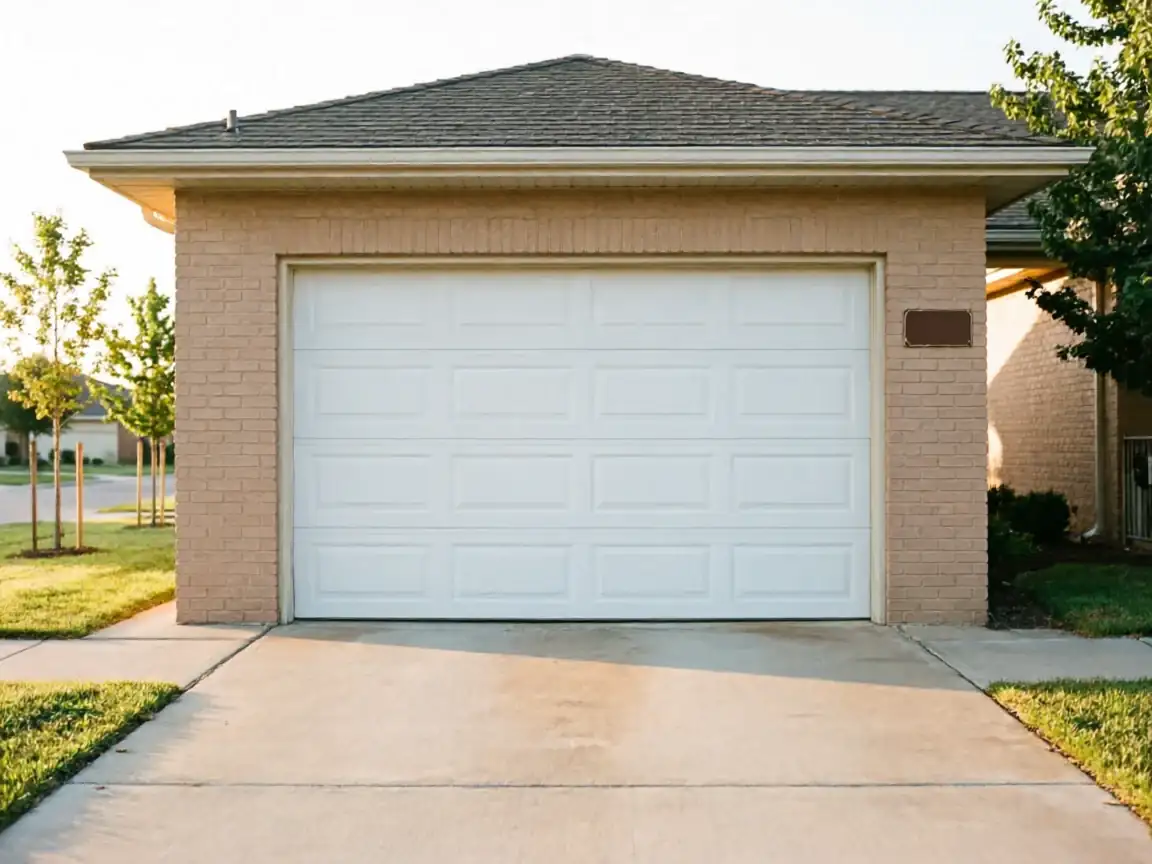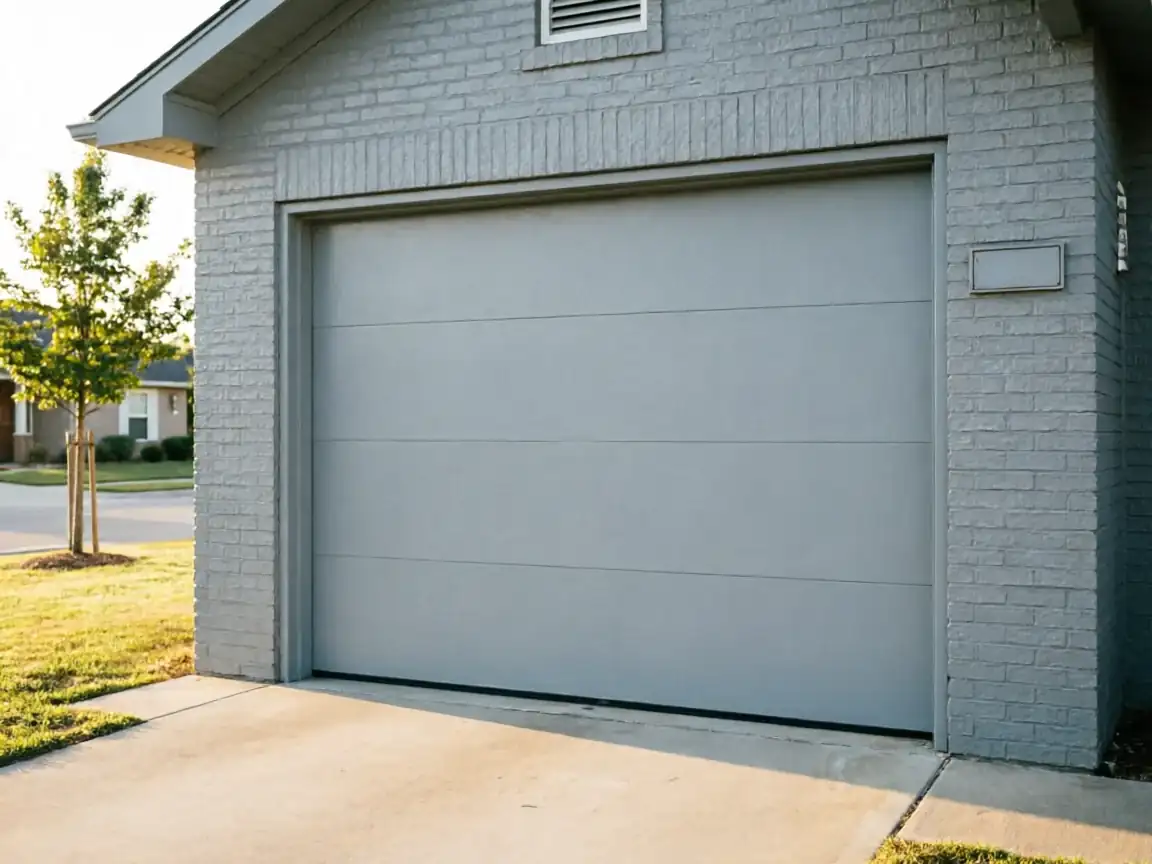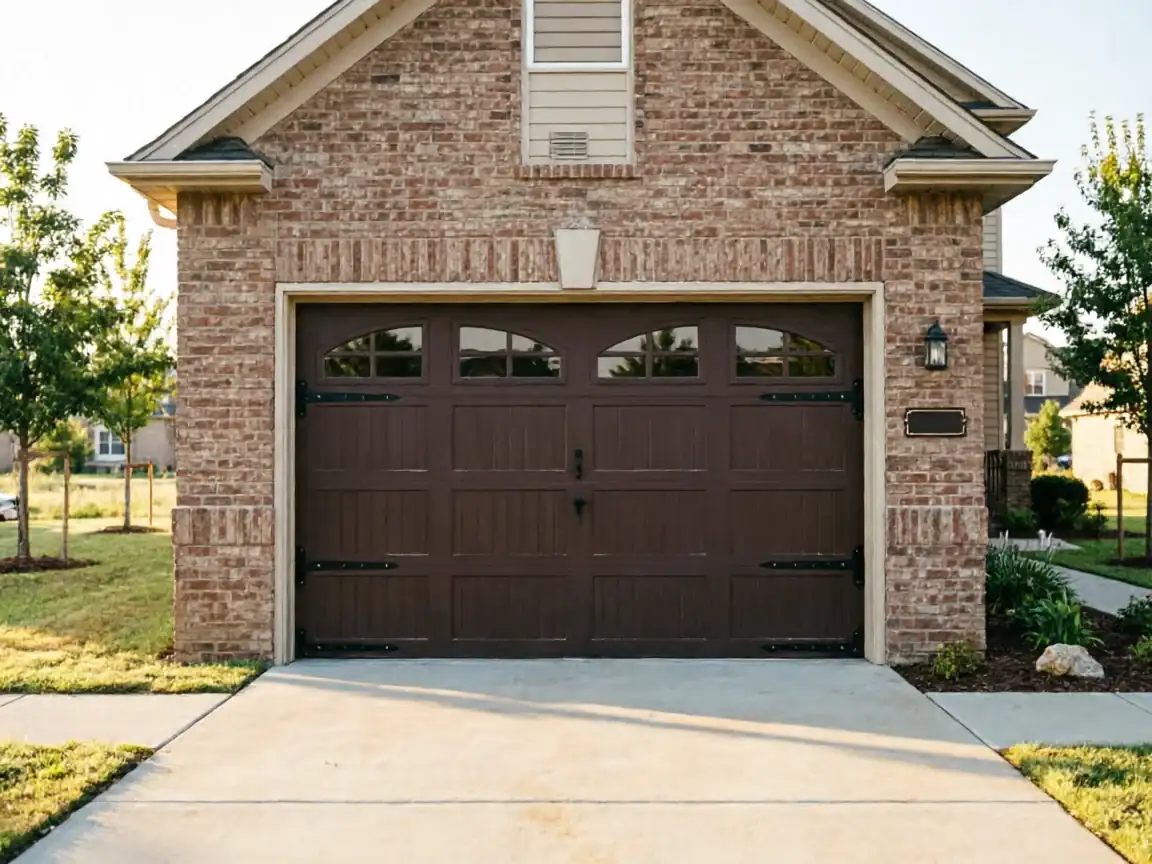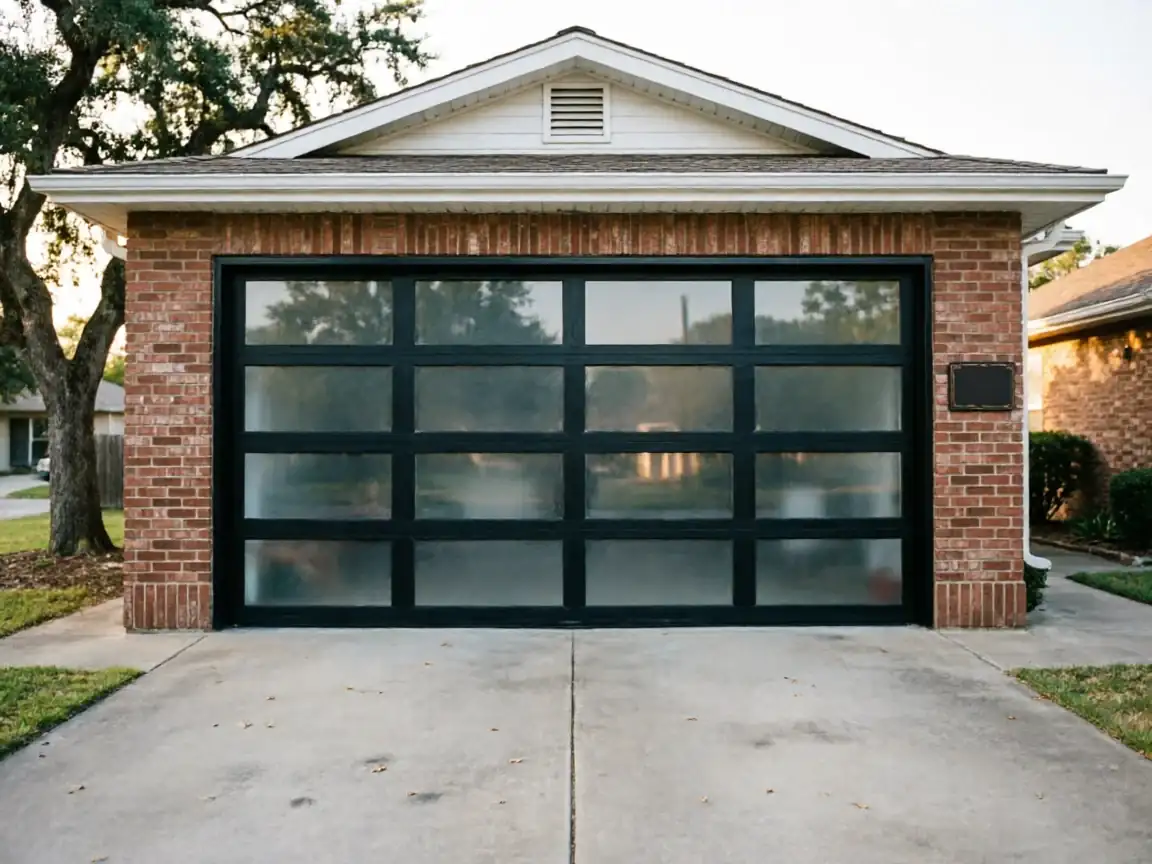
Getting It Booked In
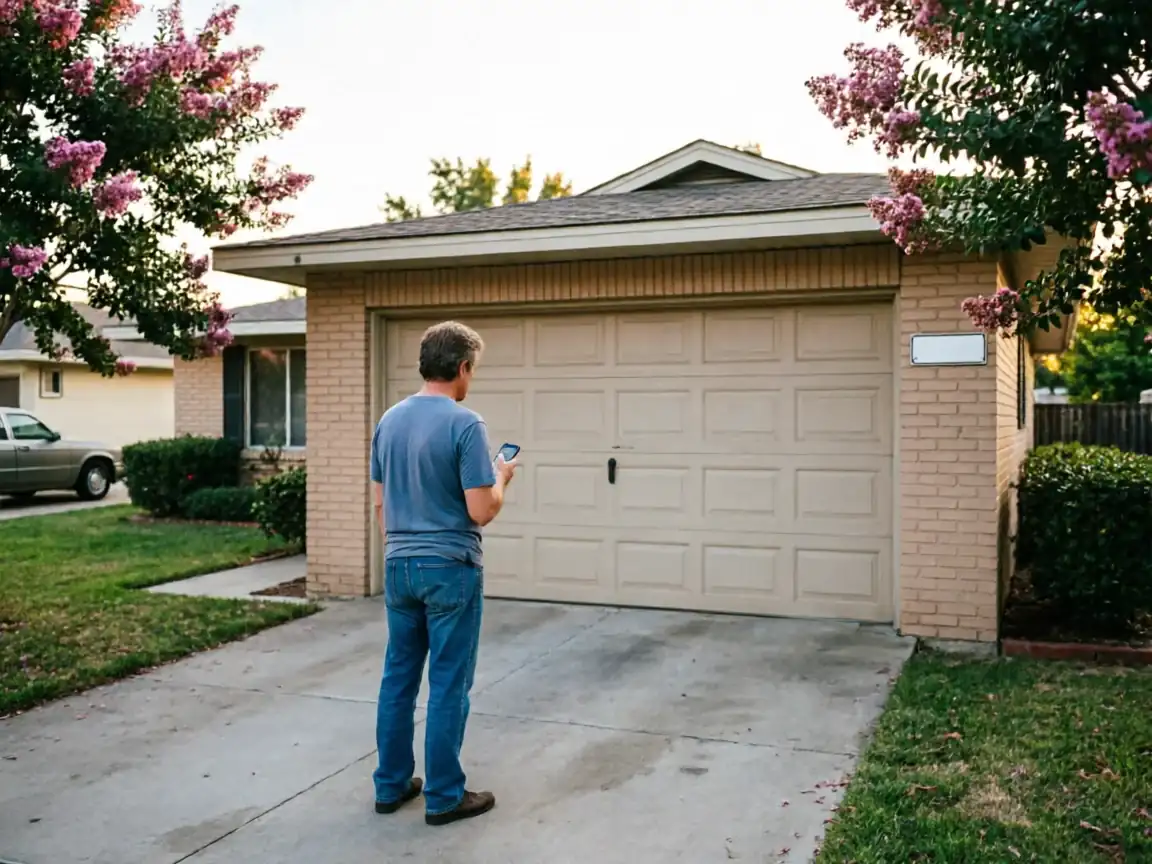
Jones is a small place. About 1,055 households, compared to roughly 70,136 across the whole area we cover out of Edmond. That size matters for how a call here plays out. In a town this small, we're not driving past five identical subdivisions with the same builder-grade opener on every door - we're working on a mix of ages and setups, one house at a time, and the job gets scoped on the phone before the truck leaves Edmond.
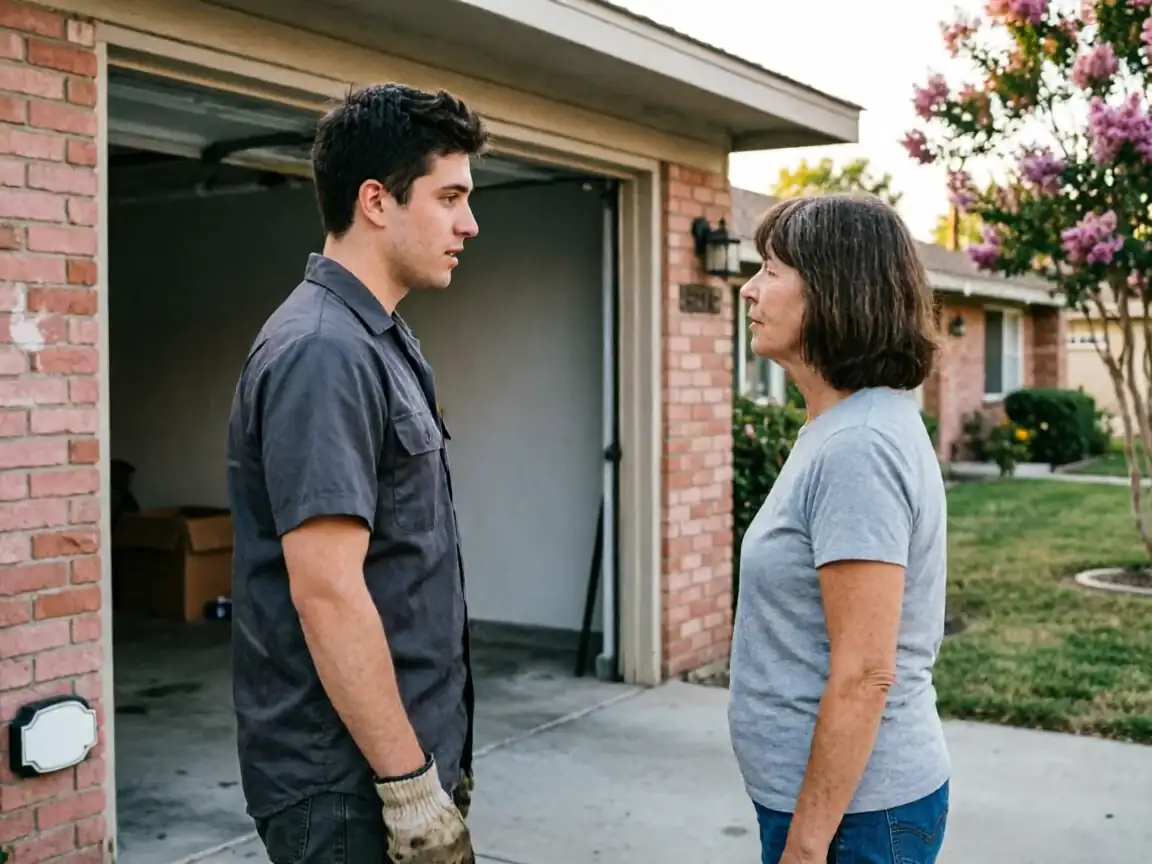
We cover Jones from our Edmond location, about 10 miles out. There's no branch or drop box here, so we schedule the visit, confirm what's wrong or what you want replaced, and load the truck for that specific job rather than guessing. For a broken spring or an opener that's quit, that's usually a same-visit fix. For a full door replacement, we talk sizing and material before anyone drives out, since a town this size doesn't have the parts-store density to swap something on a whim if we guess wrong.
If you're not sure whether it's worth a service call or a full replacement, say so when you call - that's a normal question, not an inconvenience.
What You Are Seeing
Across the wider area, housing runs 1959 to 1999, with a median build year around 1973
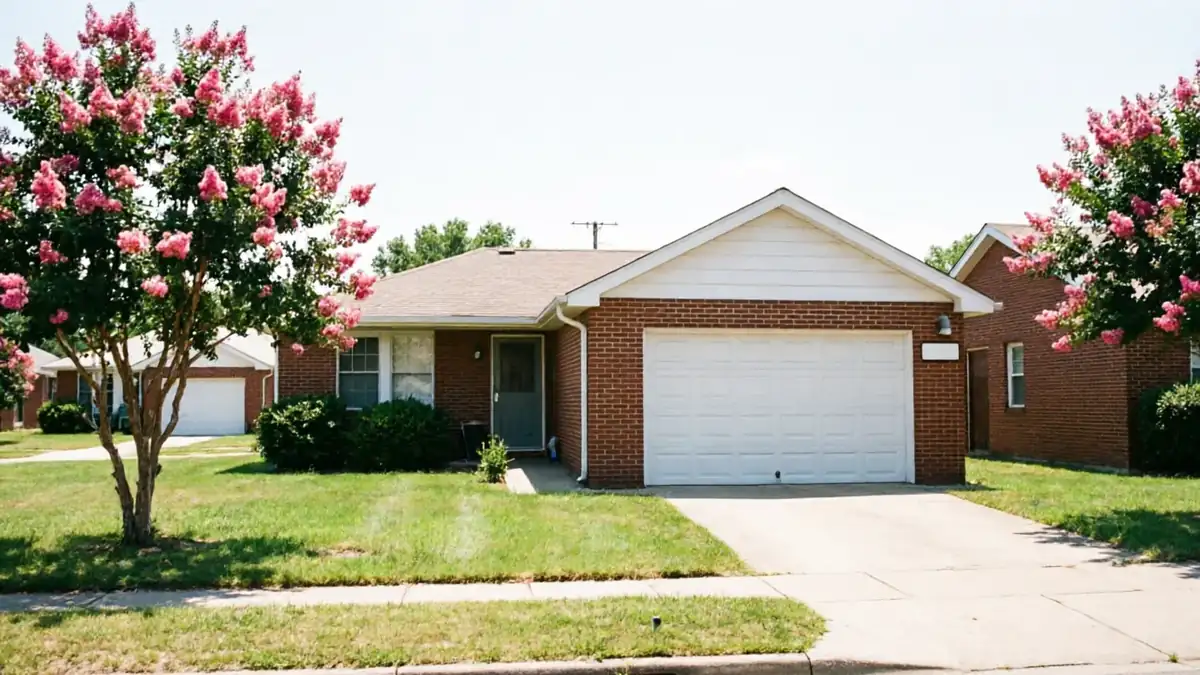
Jones sits right in that window with most homes dated closer to 1977. That matters because doors and openers installed when a house was built are usually still the ones in the garage - nobody swaps a working door for fun in a town this size.
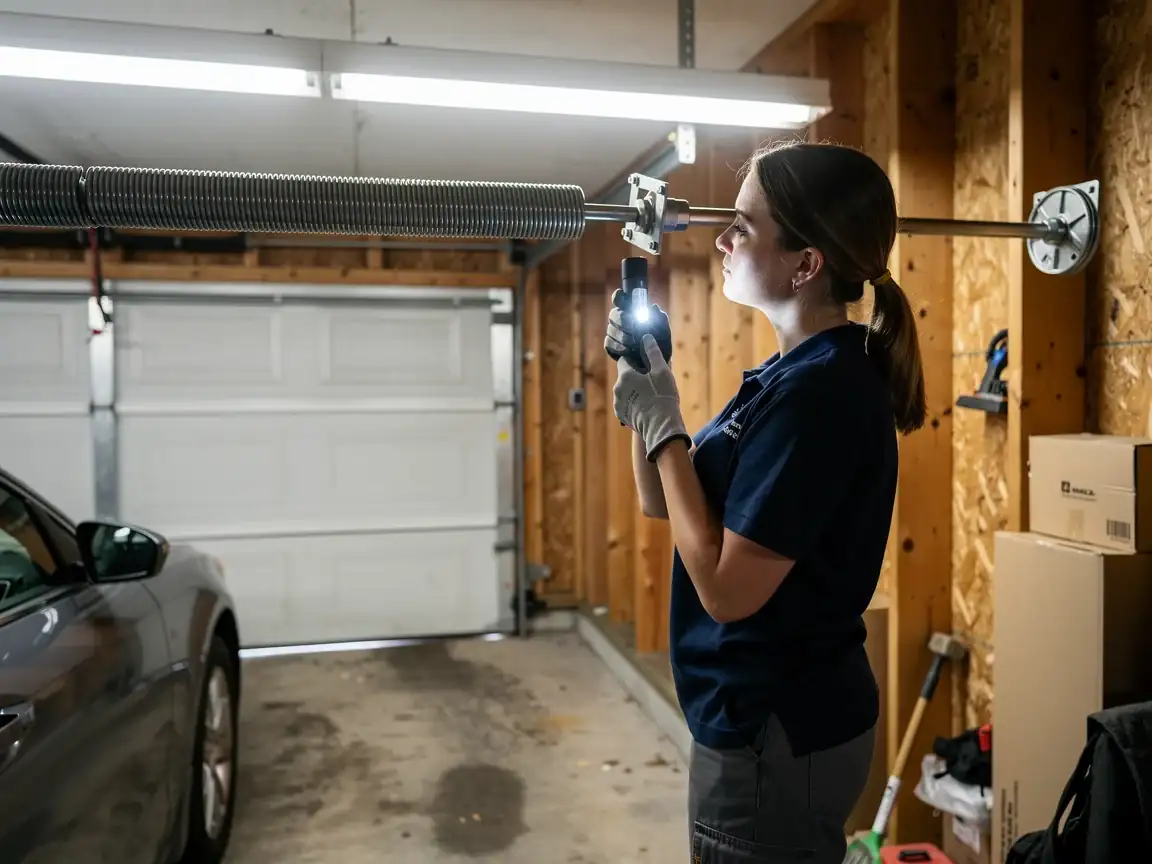
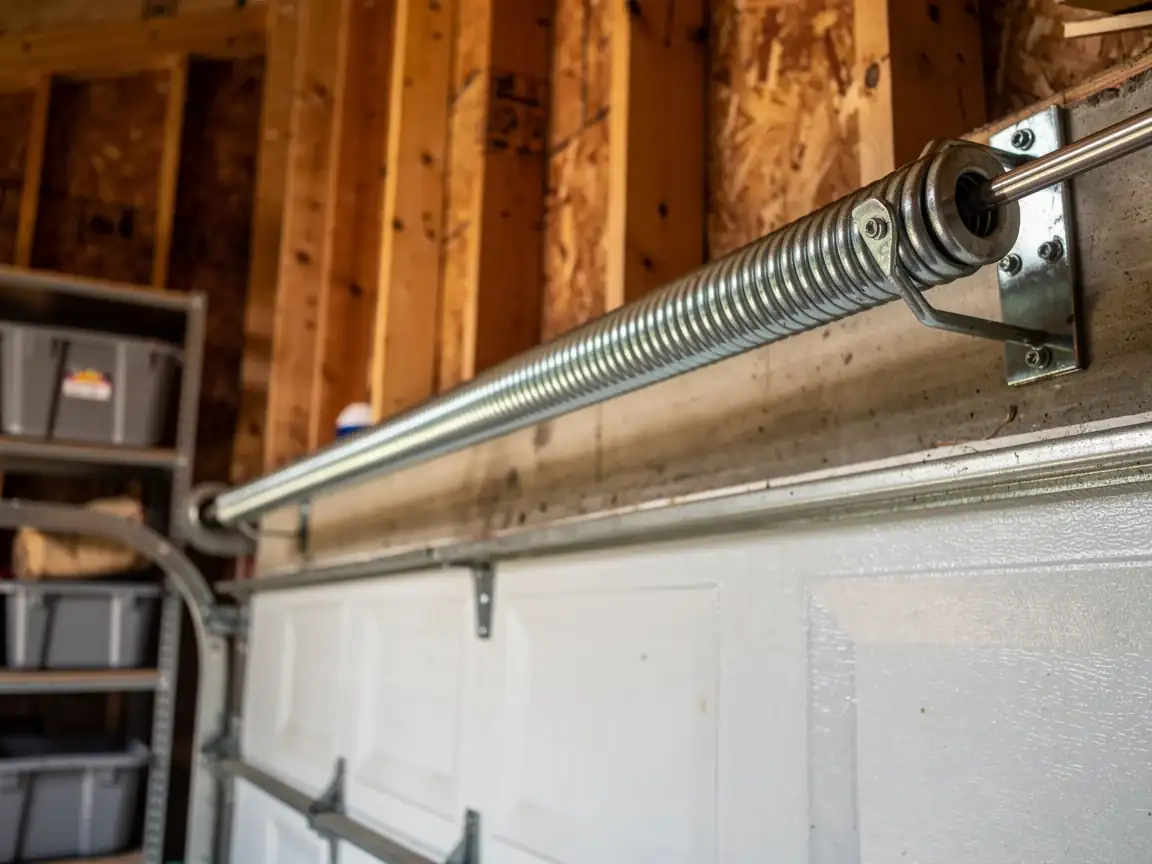
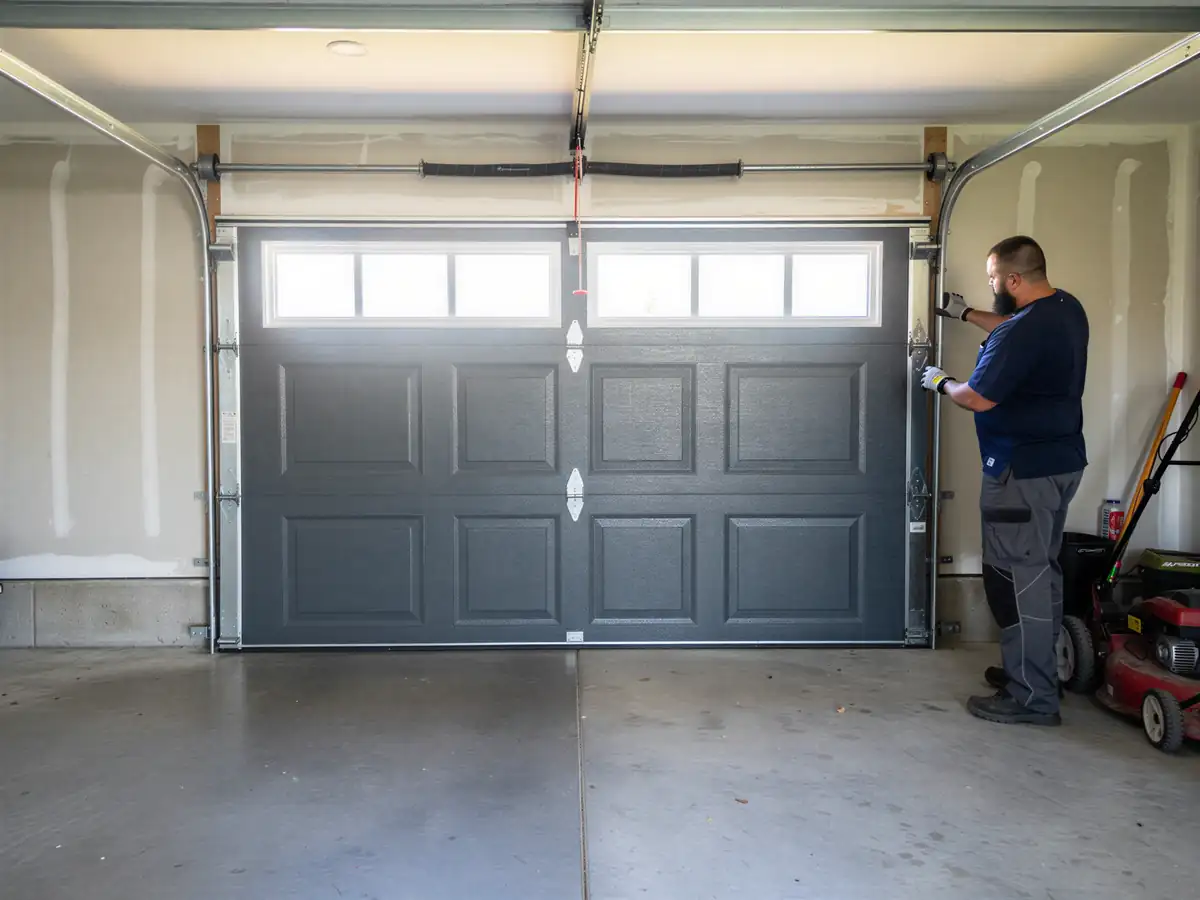
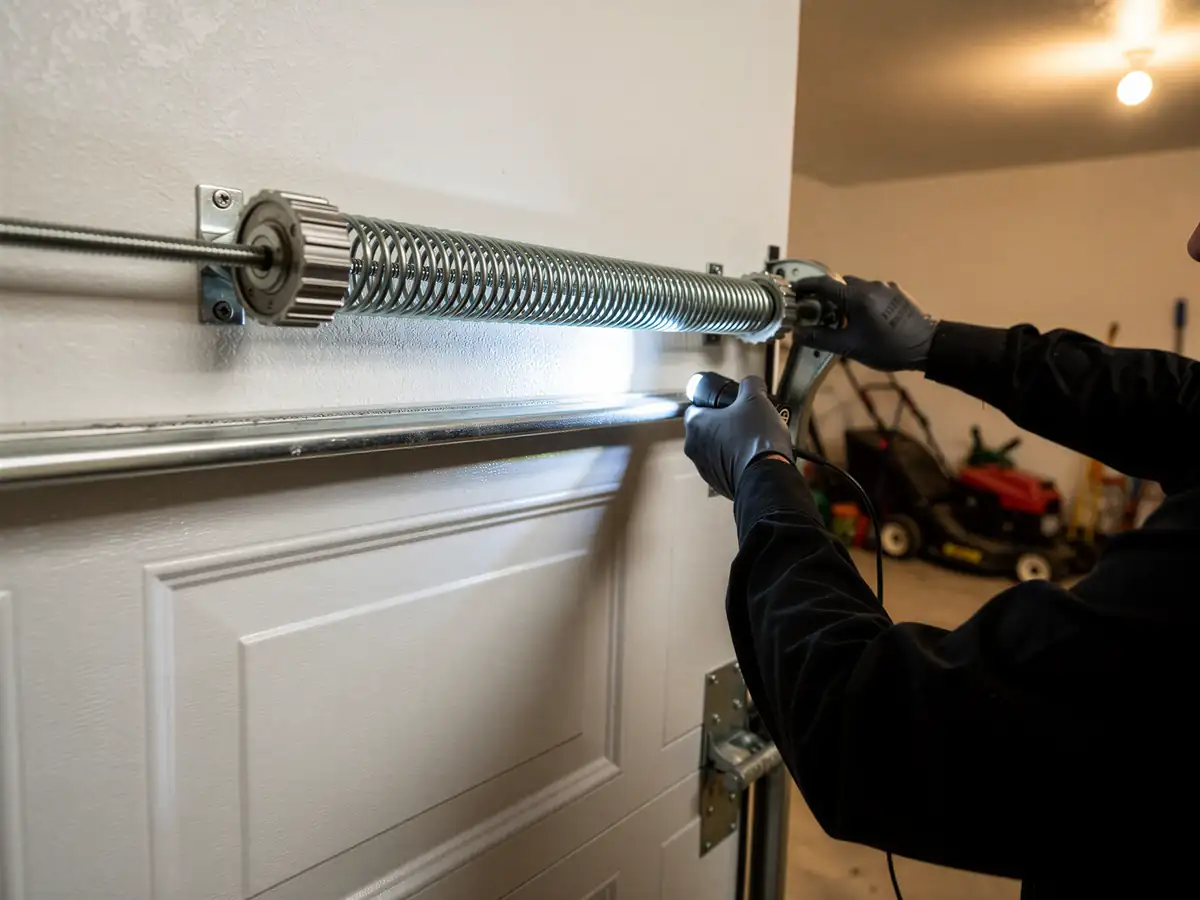
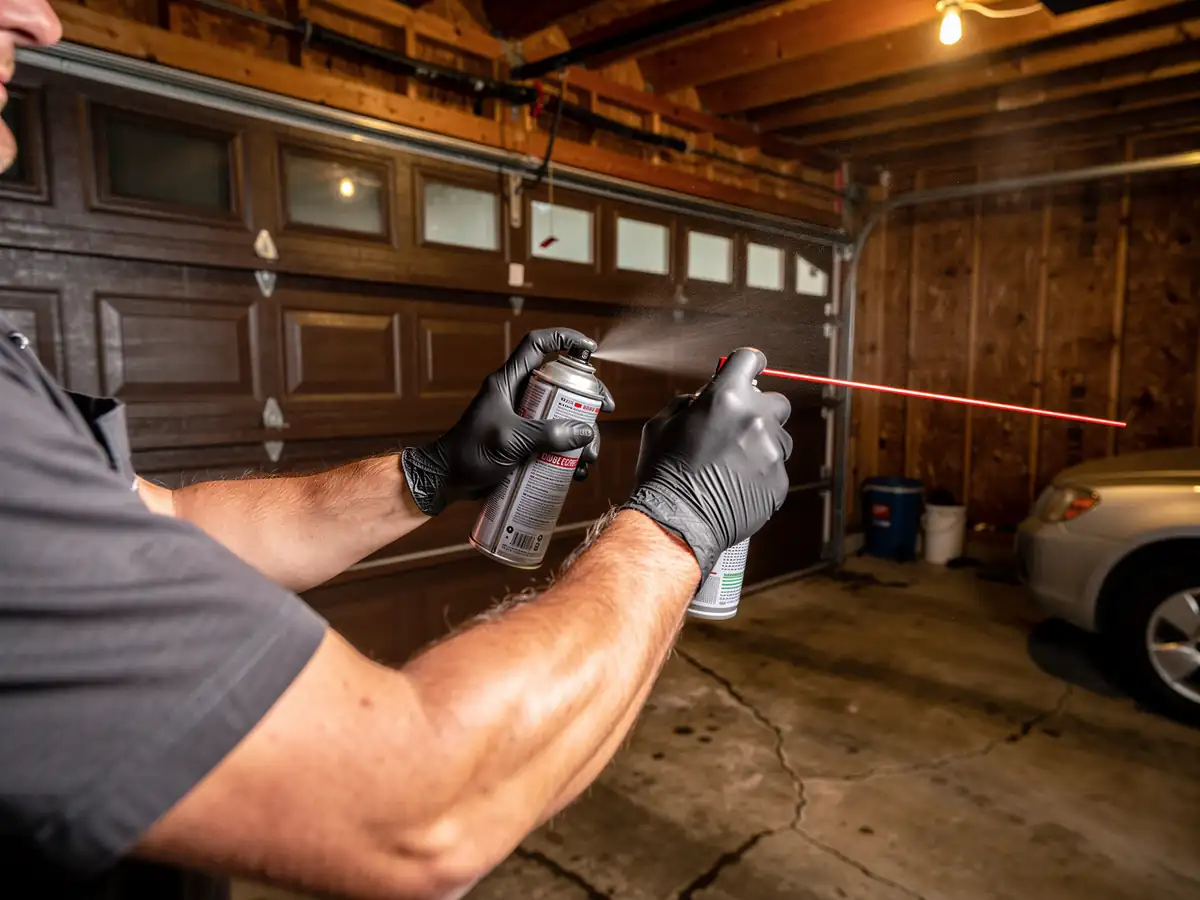
So what shows up: torsion springs that have done 20-plus years of cycles and finally let go
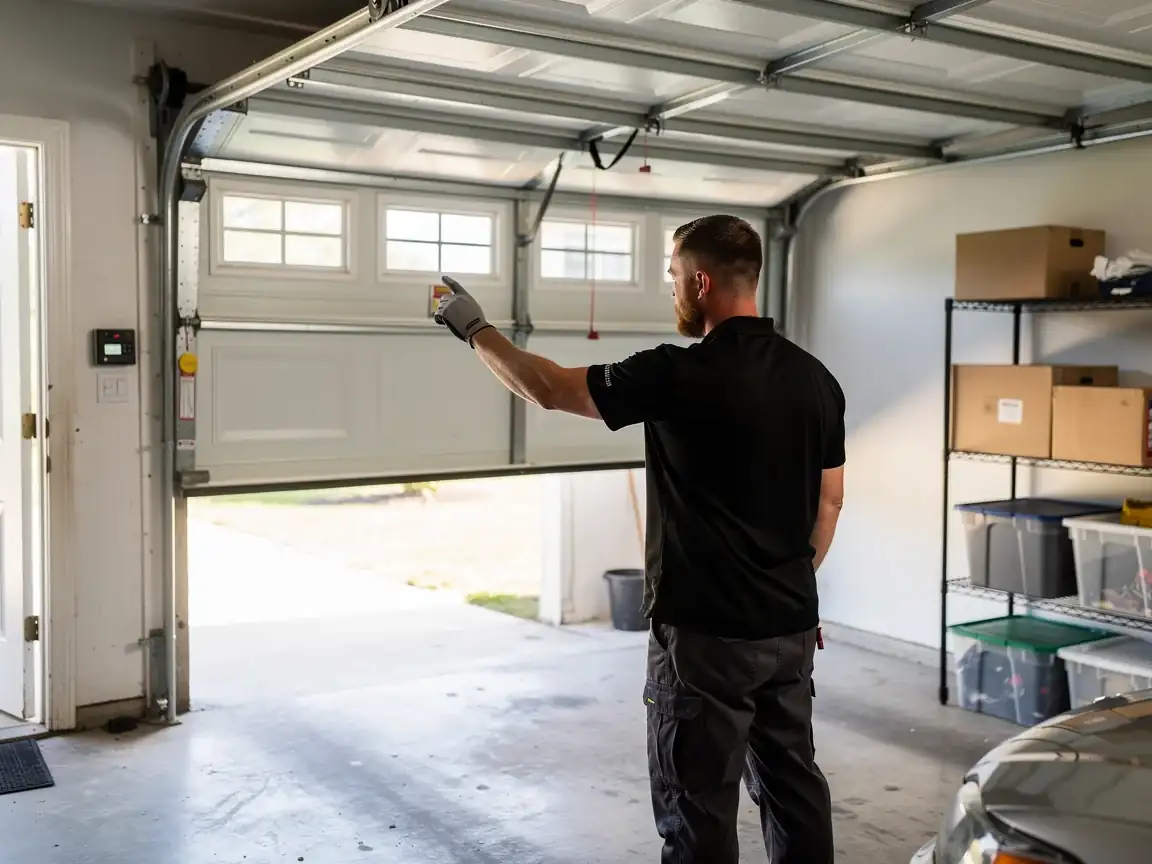
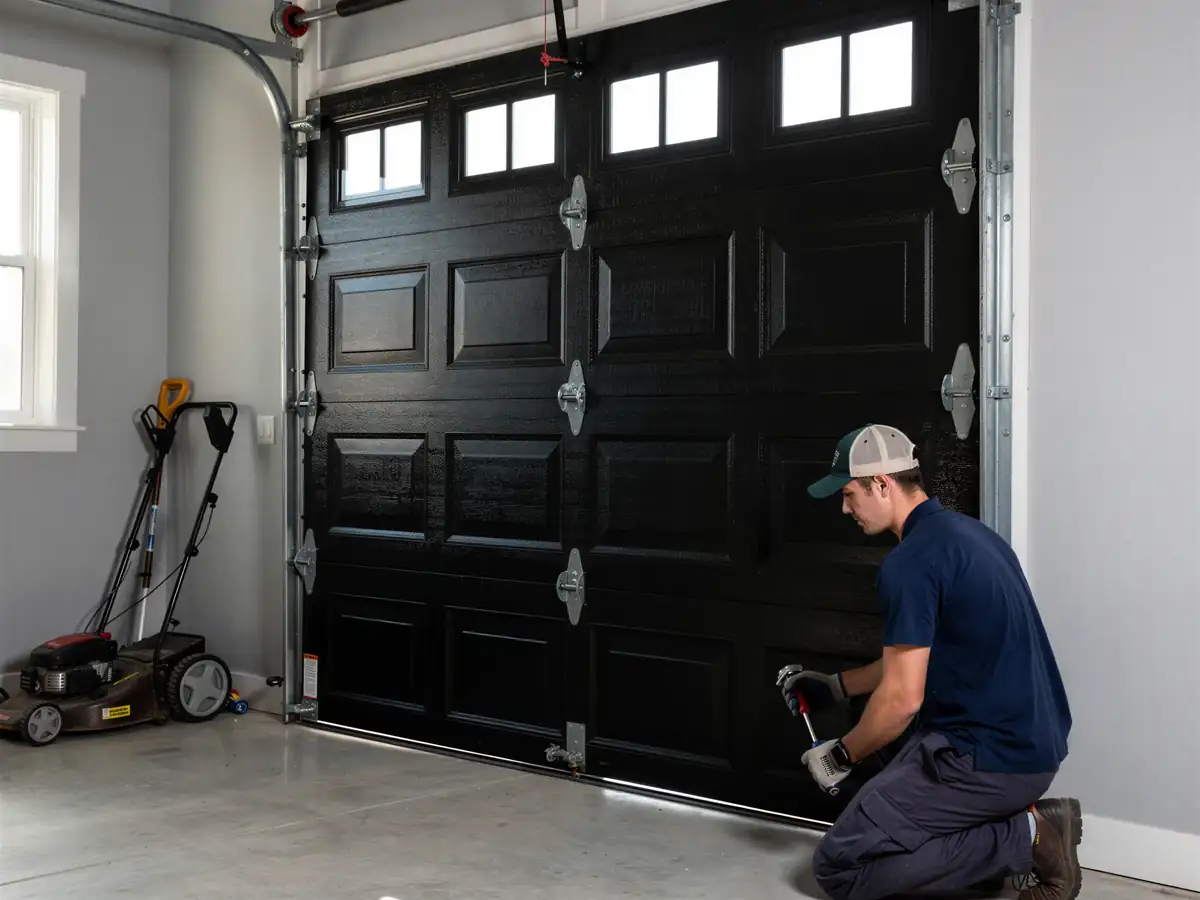
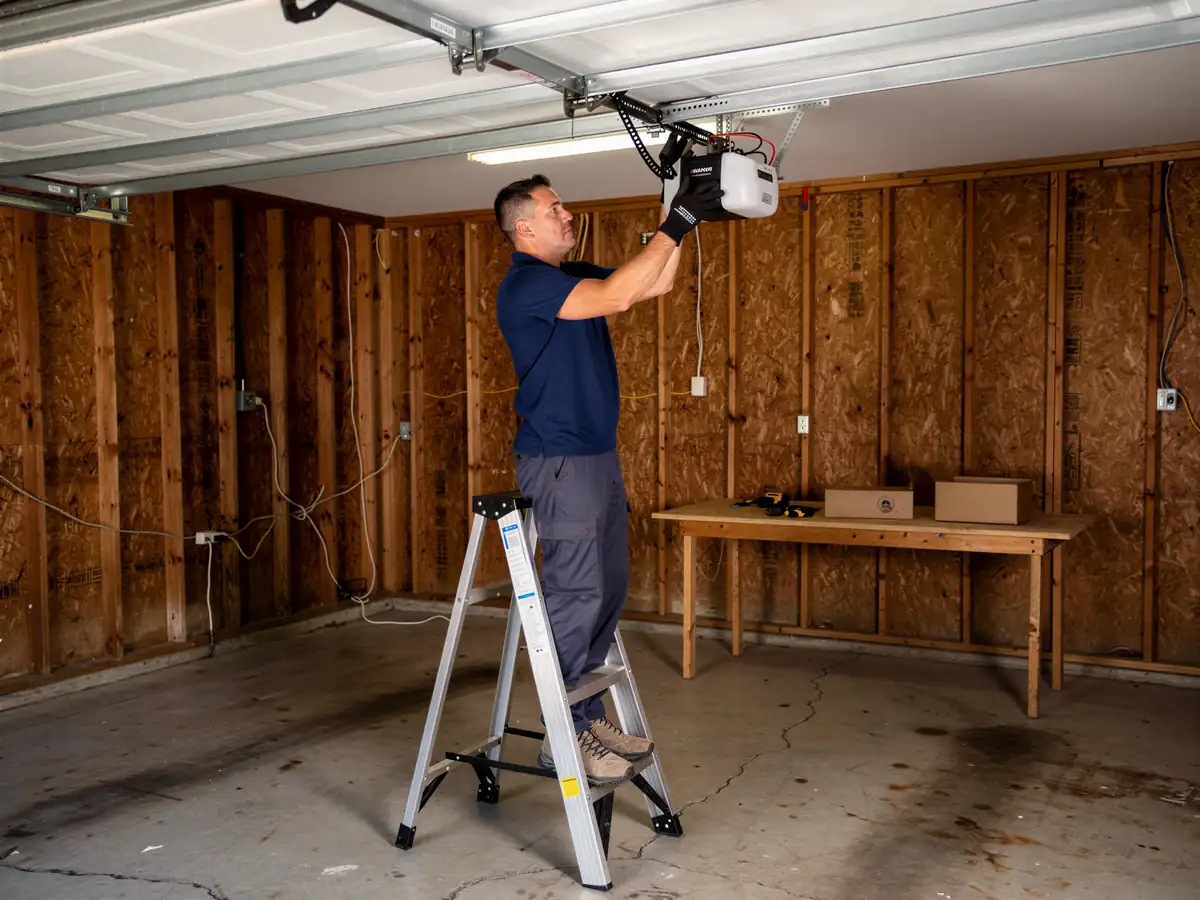
Usually on a cold morning when the steel is stiffest. Openers from the chain-drive era grinding instead of lifting. Tracks that have gone slightly out of plumb because the slab settled over four or five decades, which throws the door off its rollers on one side before it throws it off entirely.
We also see panel damage
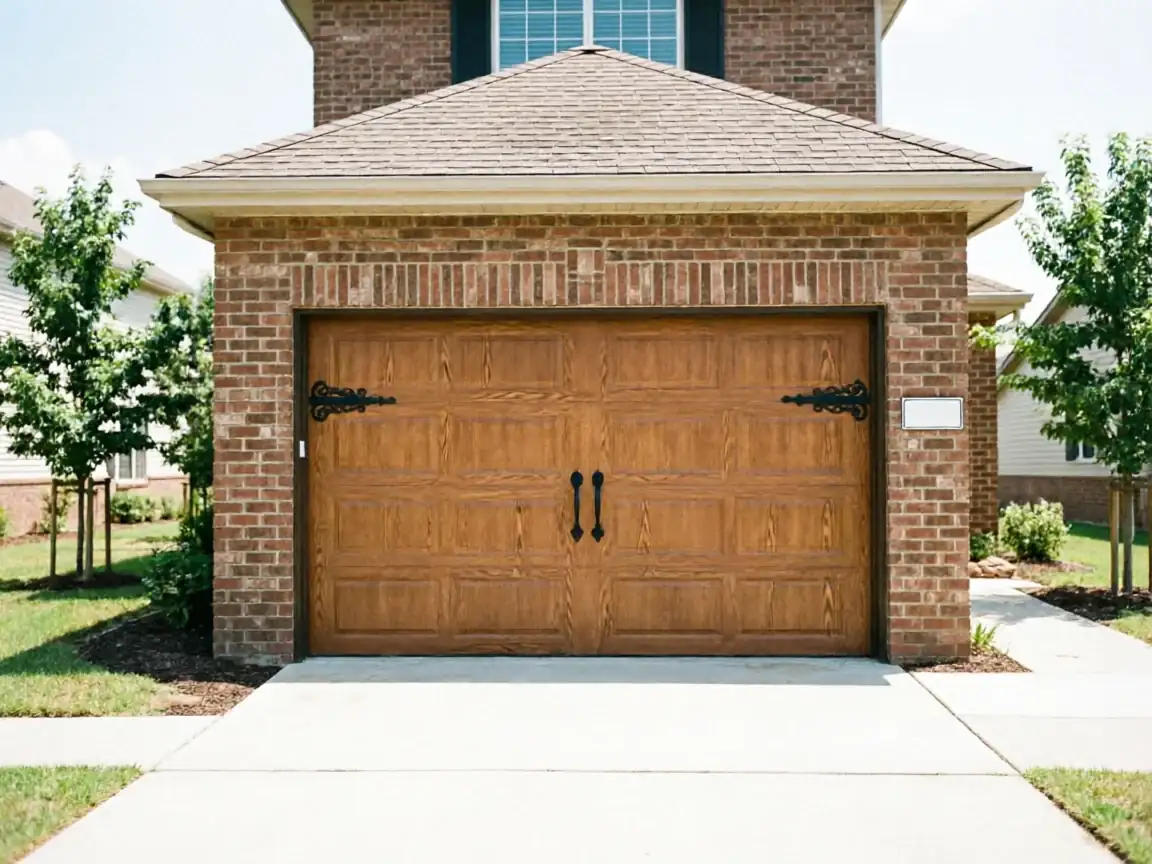
Dents, rot at the bottom panel on older wood-look steel doors - more often than total door failure. With median household income here at $76,058, a number that runs well above the broader service area's $60,822, repair-versus-replace isn't usually a money question; it's a question of whether the hardware underneath is still worth building on.
What Causes It Around Here
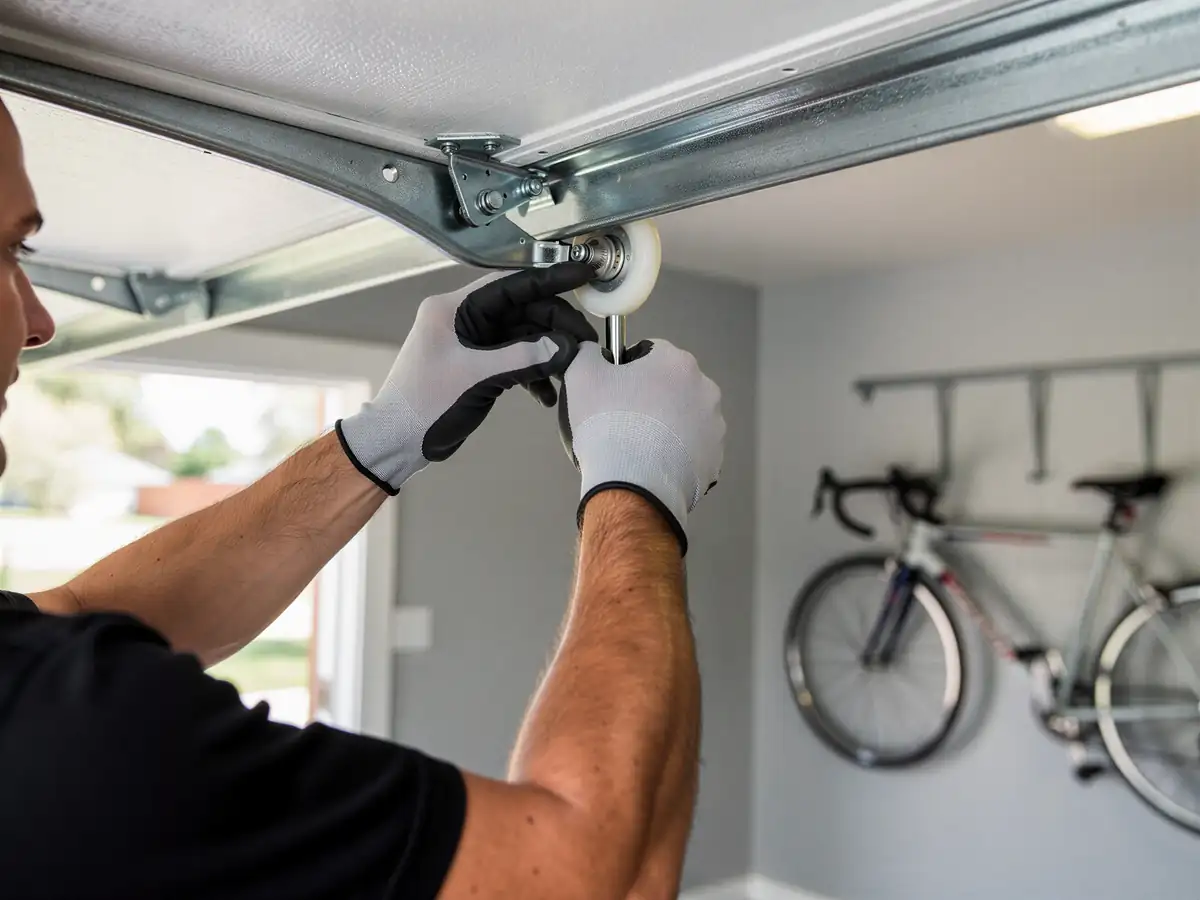
The climate band for this area is cold-moderate, not the harsh freeze-thaw of the northern plains but enough swing that steel springs and cheap nylon rollers take real wear over a 1970s-vintage door's lifetime. A spring built for average tension starts failing early once it's been through enough winter mornings at full stretch.
Age is the bigger driver than weather on its own. A door and opener installed when a house went up in the mid-1970s is now pushing 50 years old if nothing's been replaced since. That's long past the design life of the original torsion spring, and often past the point where the opener's logic board or drive gear is still sound. We're not telling you every Jones garage is about to fail - we're telling you the odds of hardware failure climb steeply once a door crosses that 40-to-50-year mark, and a lot of houses here are at or past it.
What Is on the Truck
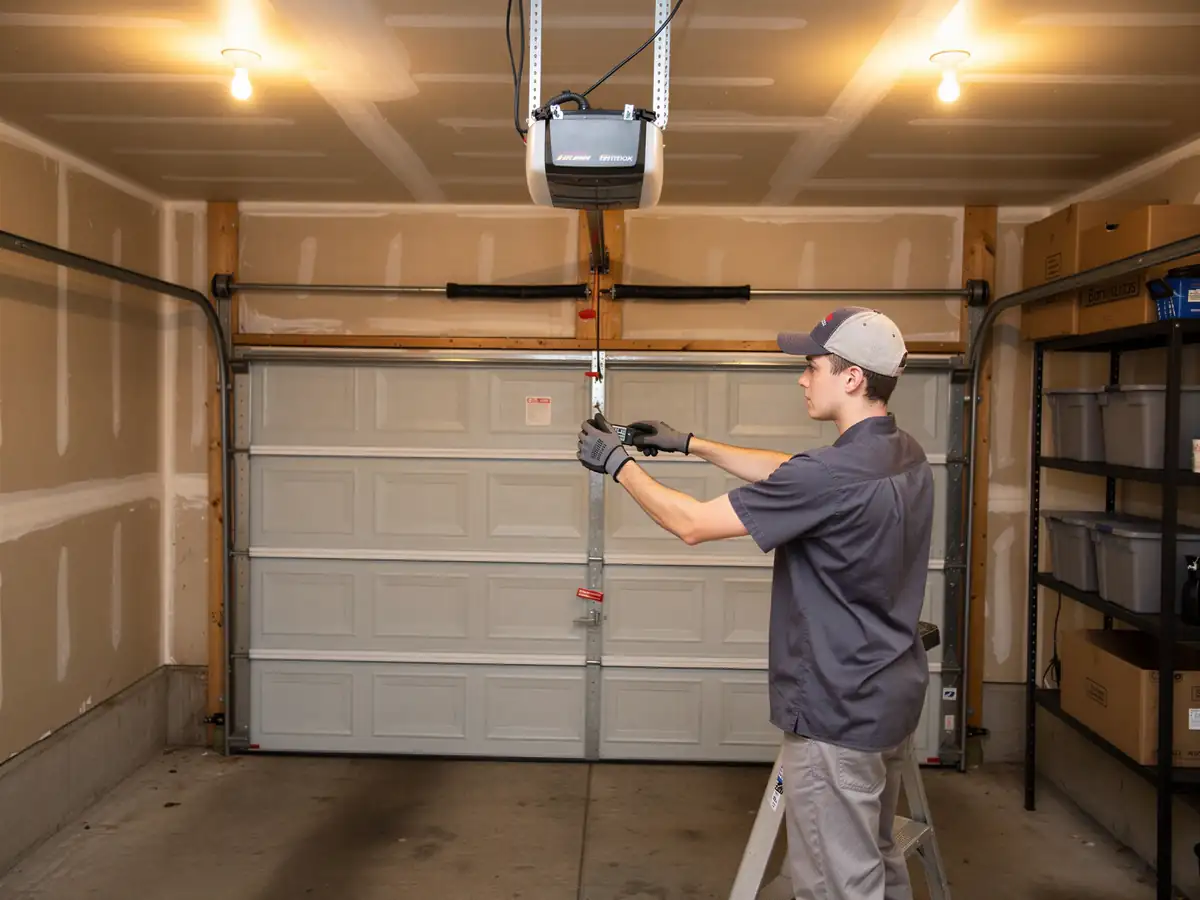
Because we're driving in from Edmond rather than working out of a local shop, we stock the truck for what the housing stock here actually needs: torsion springs sized for older steel doors, standard-width track sections, and openers that match chain-drive and belt-drive units from the last two decades. That covers most of what Jones throws at us.
What we don't carry is every obsolete part for every door ever built. If a door is old enough that the manufacturer doesn't make the matching panel anymore, we'll say so on site rather than pretend we can match it - sometimes the honest answer is a full replacement instead of a patch job, and we'd rather tell you that up front than order a part that doesn't fit and make you wait on a second trip. For anything we can't carry as standard stock, we'll tell you what we need to order and roughly what that adds to the timeline.