Getting It Booked In
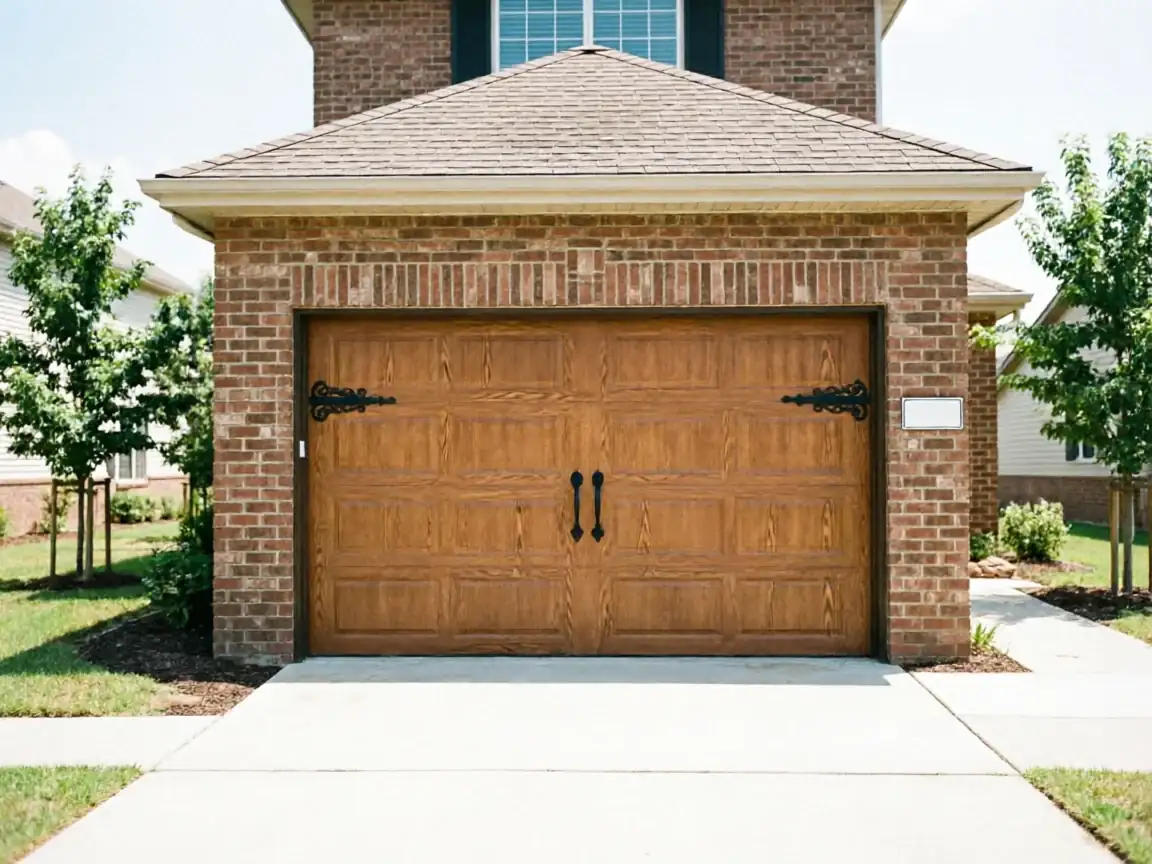
Jones doesn't have its own garage door shop, and we're not going to pretend otherwise. We run this job from Edmond, about 10 miles up the road, and that drive is part of how we schedule the work - we book opener installs in blocks so a truck isn't making that trip for one door at a time. When you call, tell us what opener you've got now (even just the brand on the motor housing helps) and whether the door itself is original to the house. That second question matters more here than in newer subdivisions, because a lot of garage doors in Jones are the same age as the opener failing on them, and sometimes the honest fix is both at once, not just the motor.
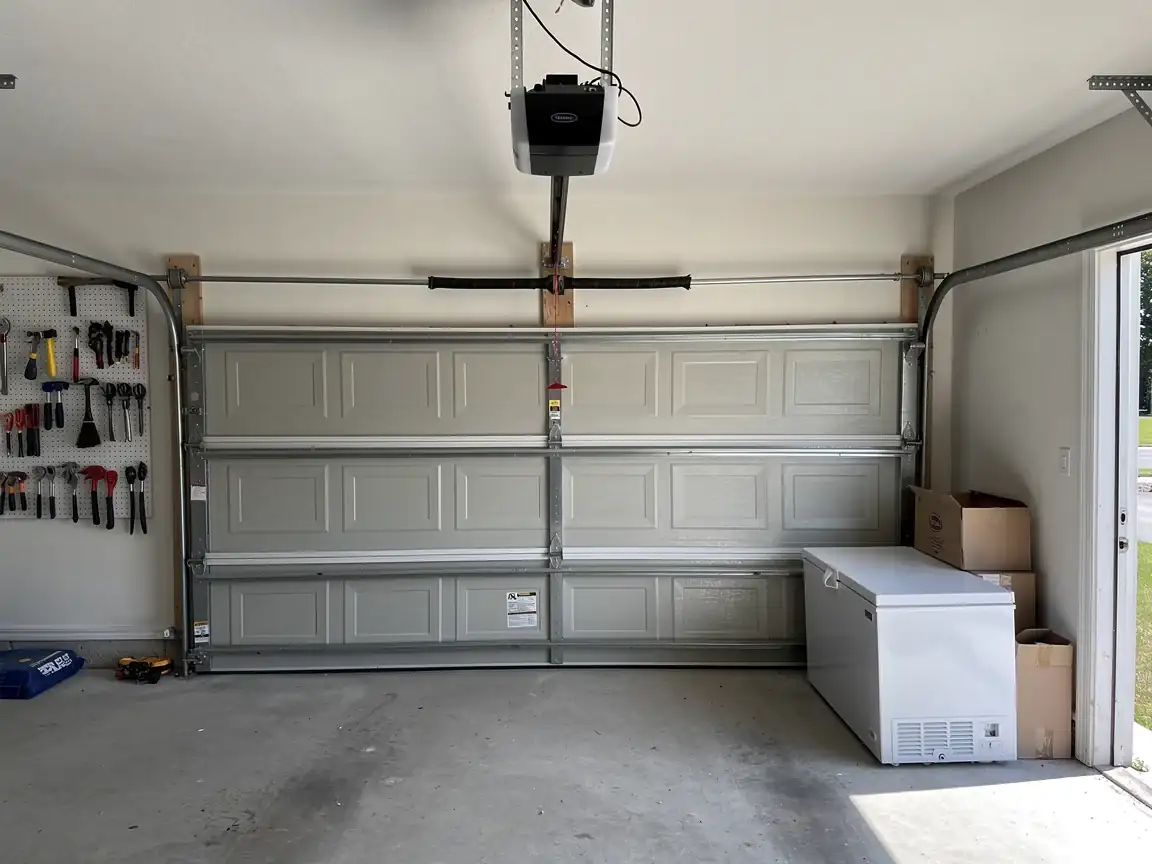
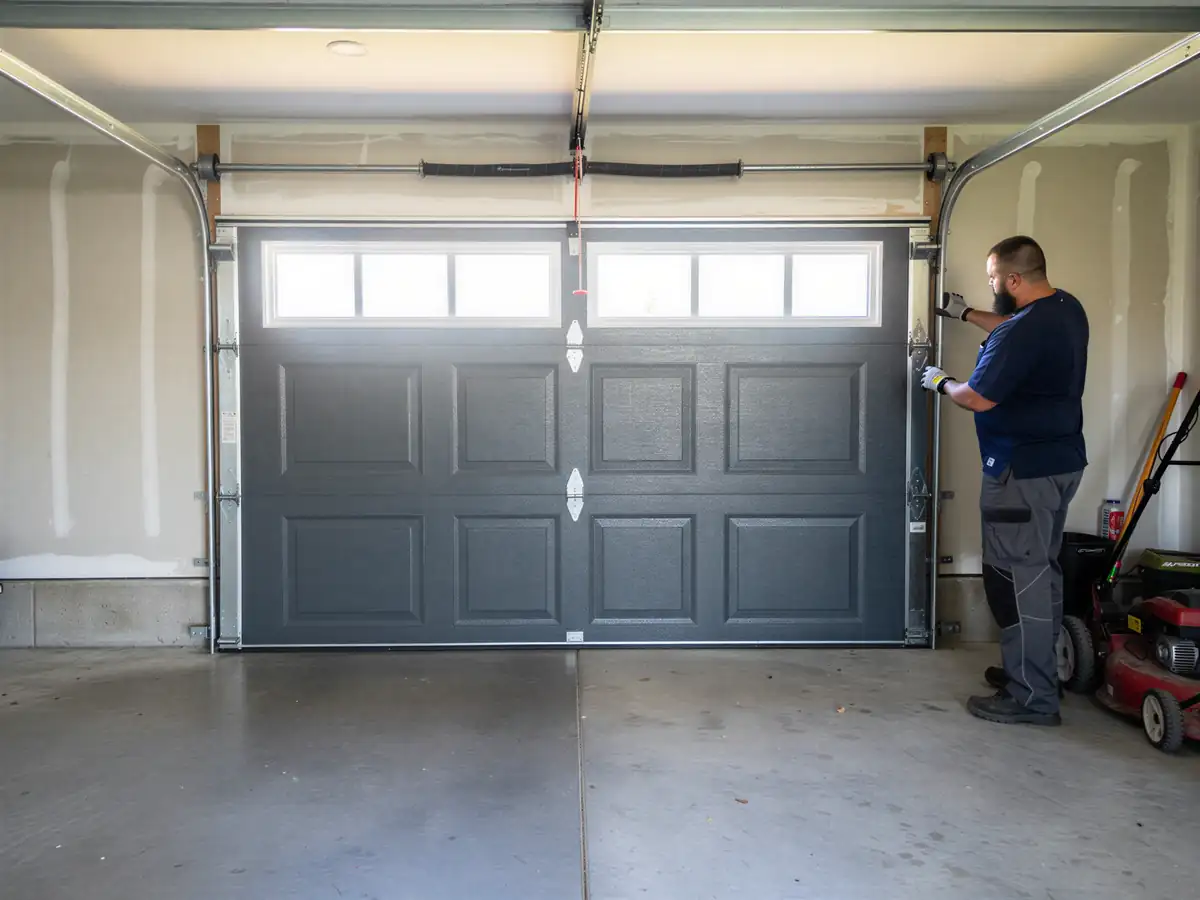
We'll ask about your panel too - chain-drive openers from the 1970s and 80s were often matched to steel doors heavier than what gets installed today, and the drive unit you need depends on that weight, not just on what's on sale. We don't guess at this over the phone if we can avoid it; we'd rather look at the track and the door before quoting a specific unit.
What You Are Seeing
If your opener is the one that came with the house, it was likely installed sometime close to 1977
That's the median build year for homes in this area - and chain-drive units from that era are now well past any reasonable service life. The symptoms show up as hesitation before the door moves, a grinding or slapping sound from the chain, or a motor that runs but the door doesn't budge because the drive gear has stripped. Some homeowners are dealing with openers that have no safety reversal at all, since photo-eye sensors weren't required equipment when these units went in.
Others have a newer opener on an old door
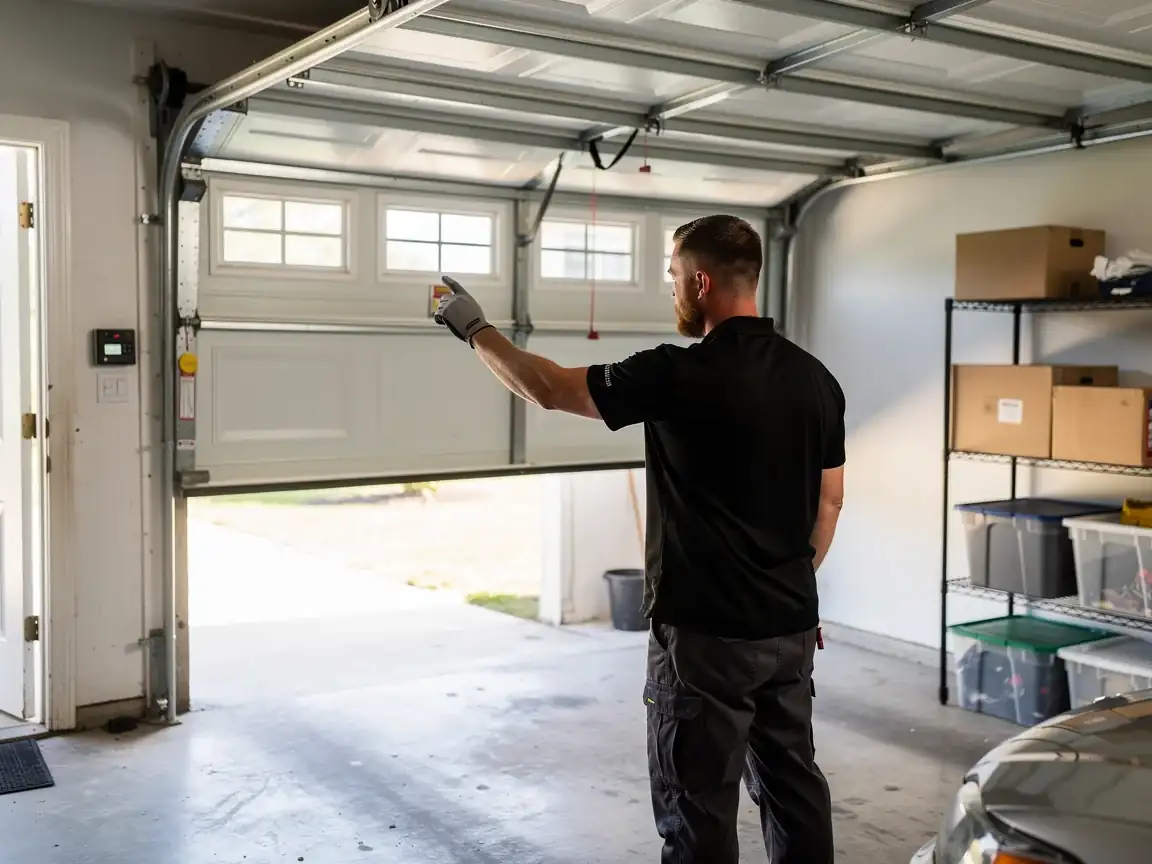
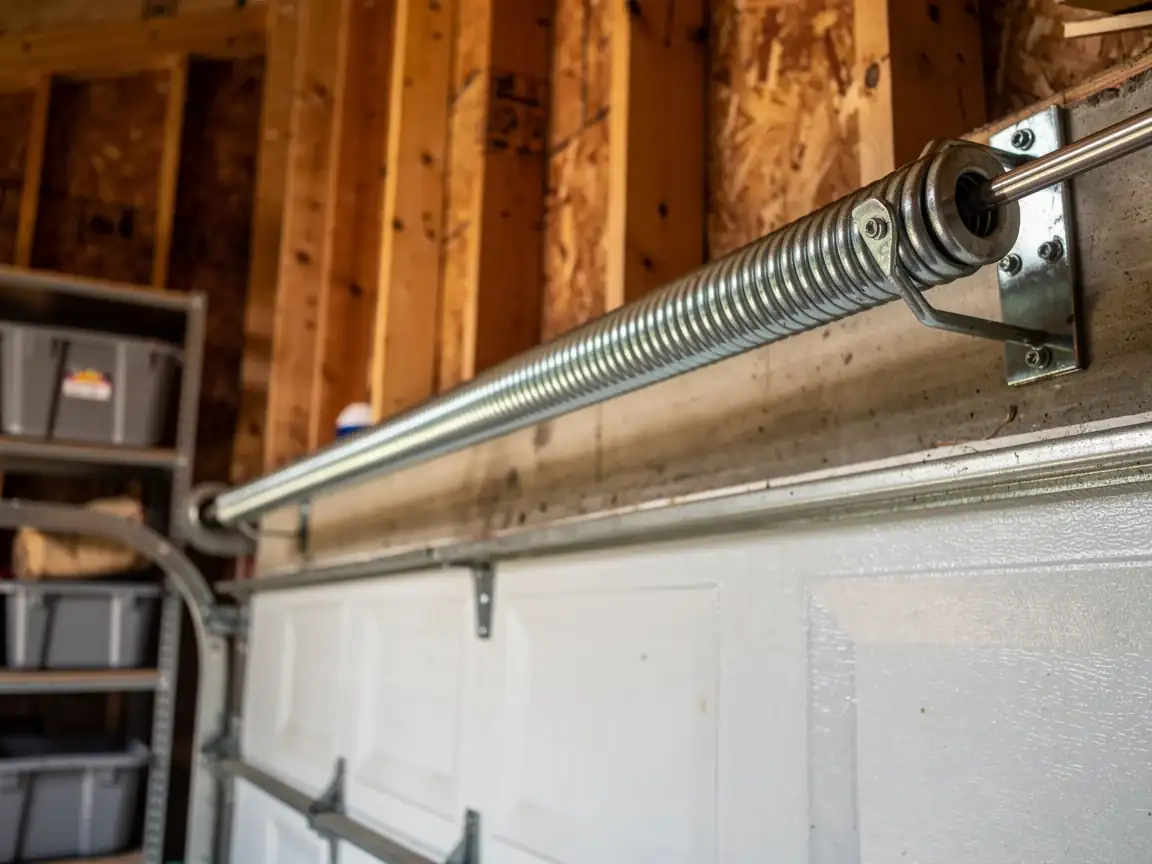
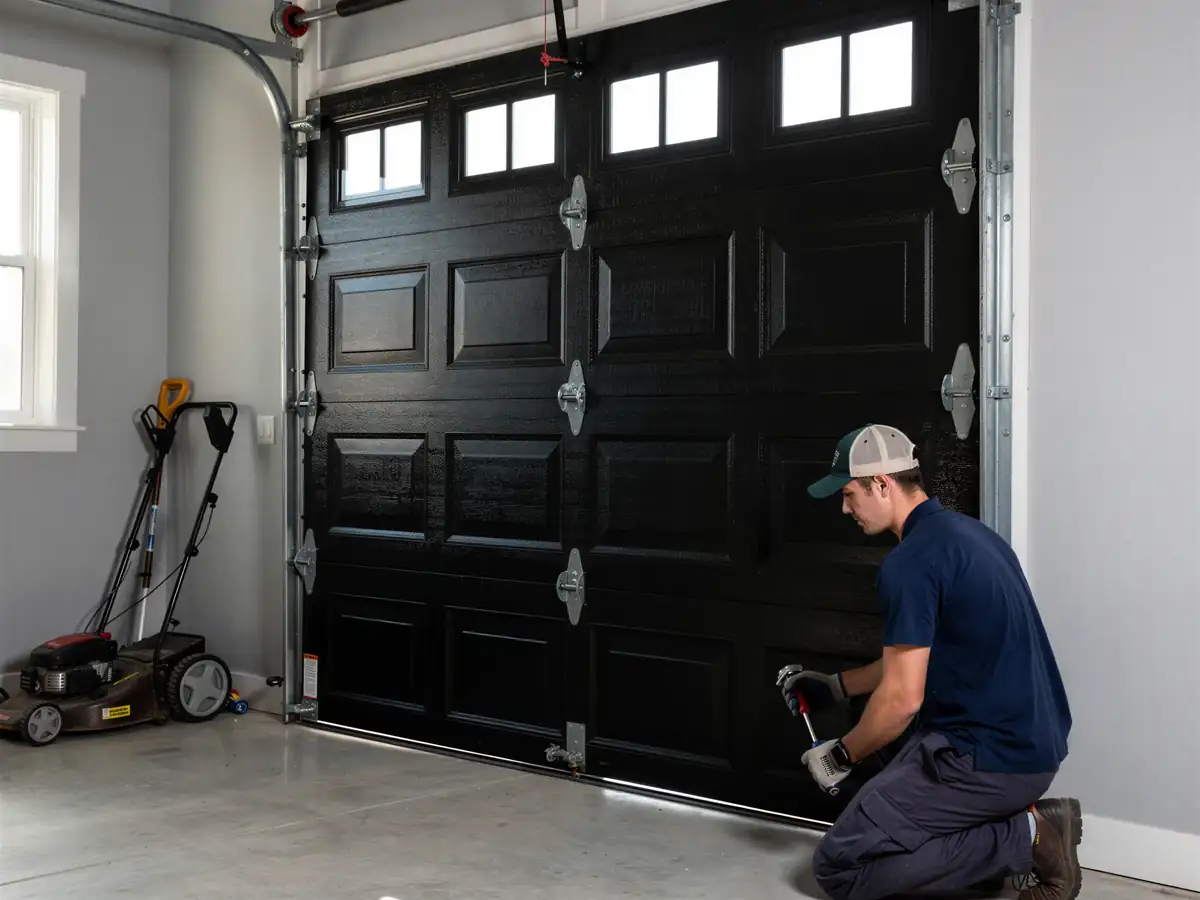
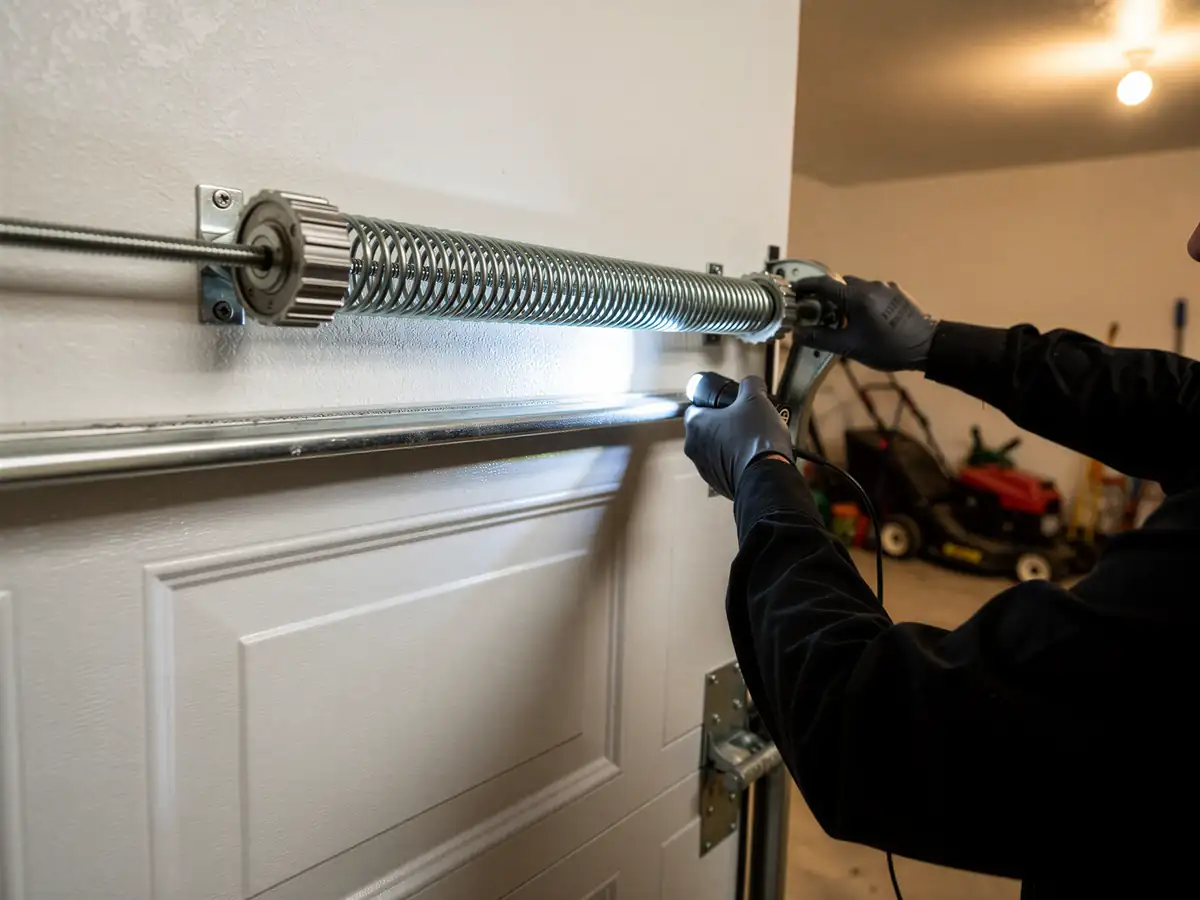
Someone replaced the motor at some point but kept the original hardware - and that mismatch shows up as the door racking in the track or closing unevenly on one side. Either way, the opener isn't the whole story in a house this age; the track, the springs, and the door panel are all carrying decades on them too.
What Causes It Around Here
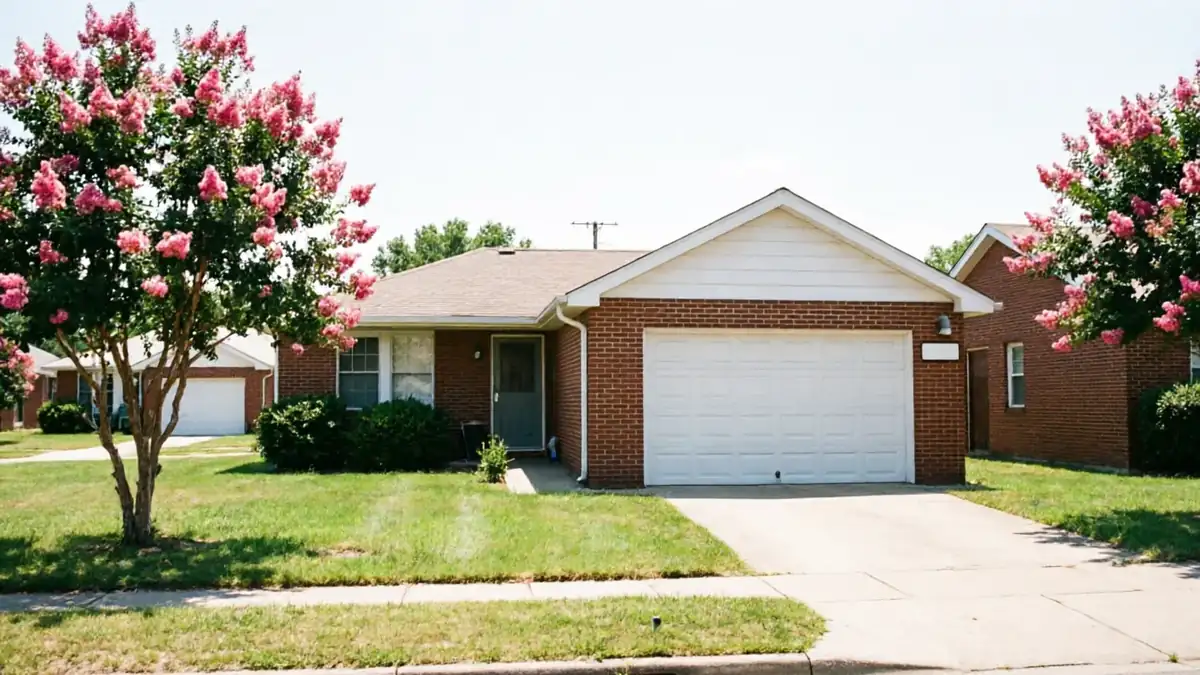
Most of the housing stock feeding this part of the service area went up between 1959 and 1999, centered around 1973, and Jones sits right in that range at 1977. That means original openers here are chain-drive units built before rolling-code remotes and auto-reverse photo eyes were standard, and before manufacturers expected garage openers to last much past 15 or 20 years of regular use.
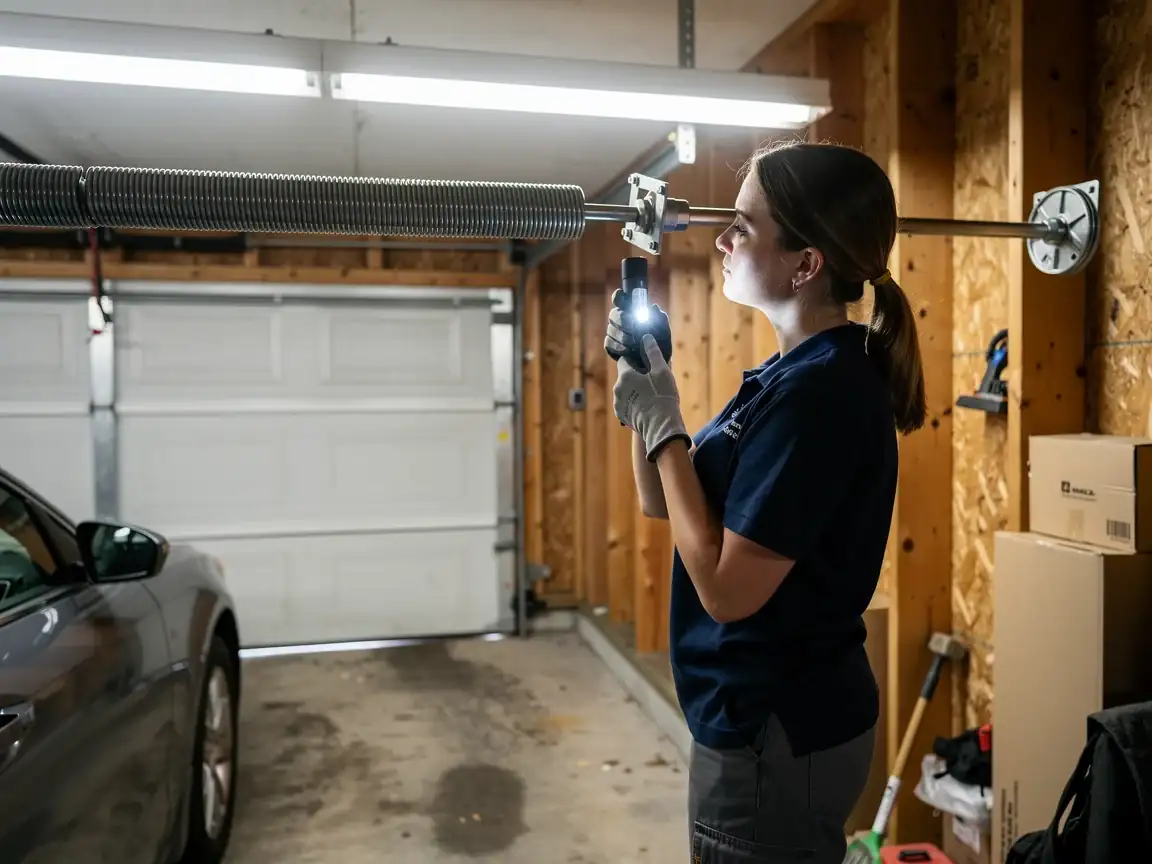
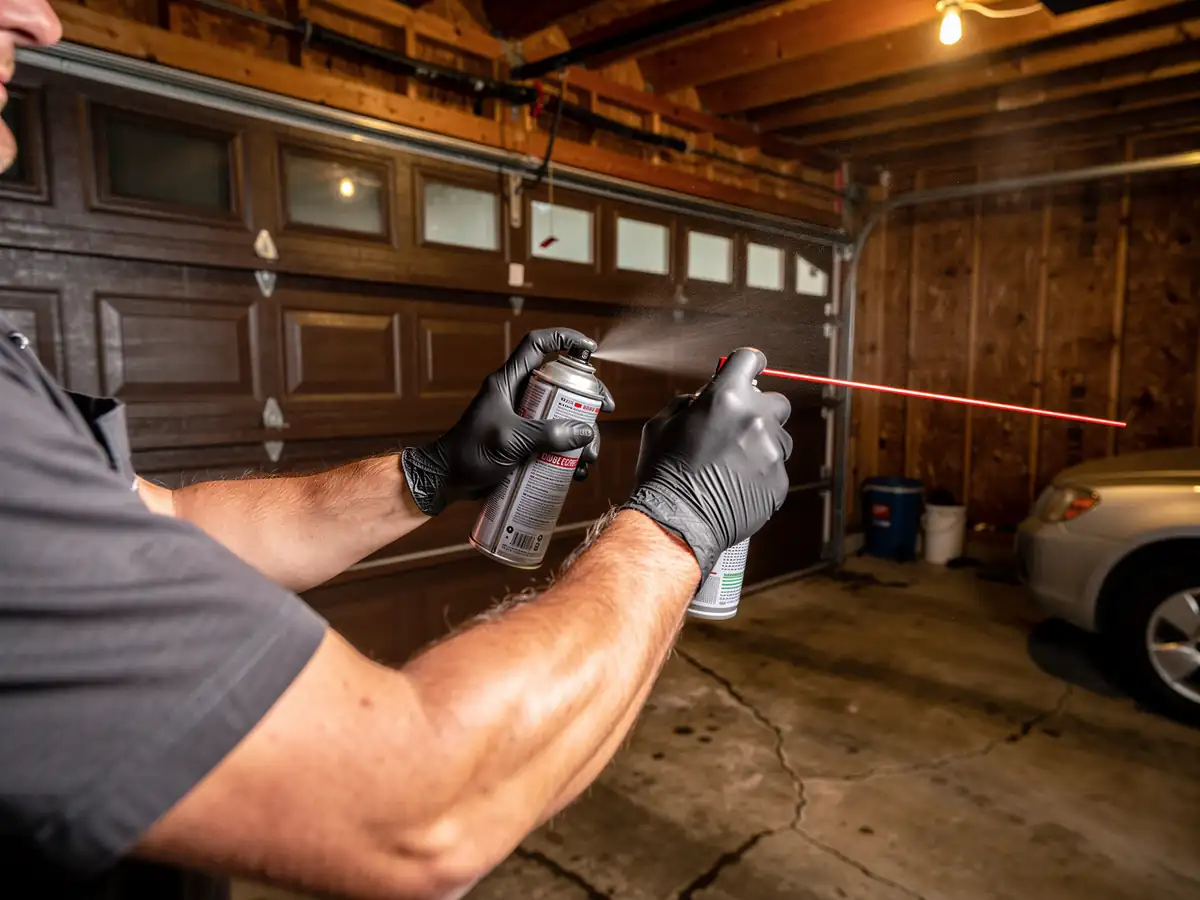
The cold-moderate climate adds its own wear. Temperature swings through the winter make steel contract and expand, which loosens the fasteners holding the rail to the motor head and lets the chain run slack. A slack chain skips teeth on the gear, and that's the grinding you hear before the opener quits outright. None of this is a Jones-specific defect - it's just what happens to equipment this old running through winters like these, in a town where most houses are the same vintage and nobody's replaced the opener since.
What Is on the Truck
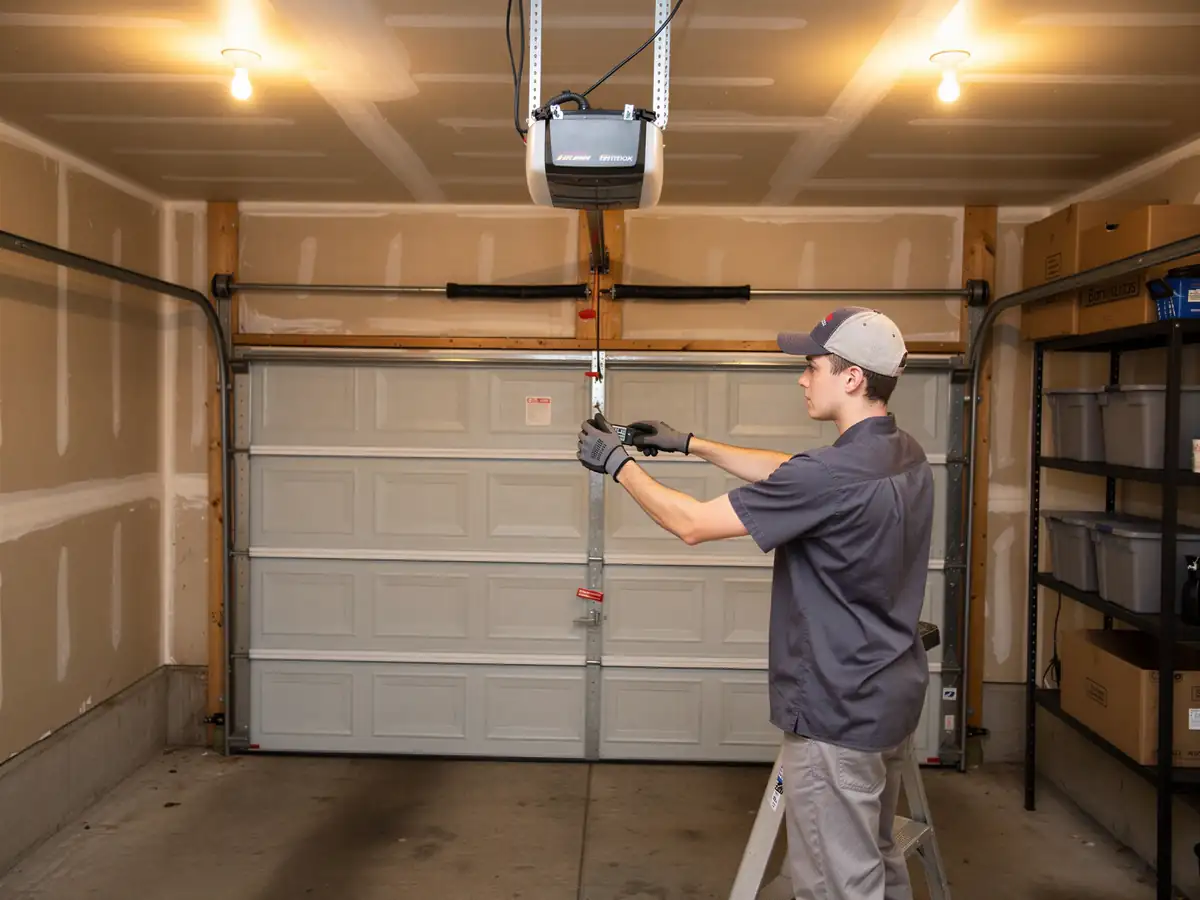
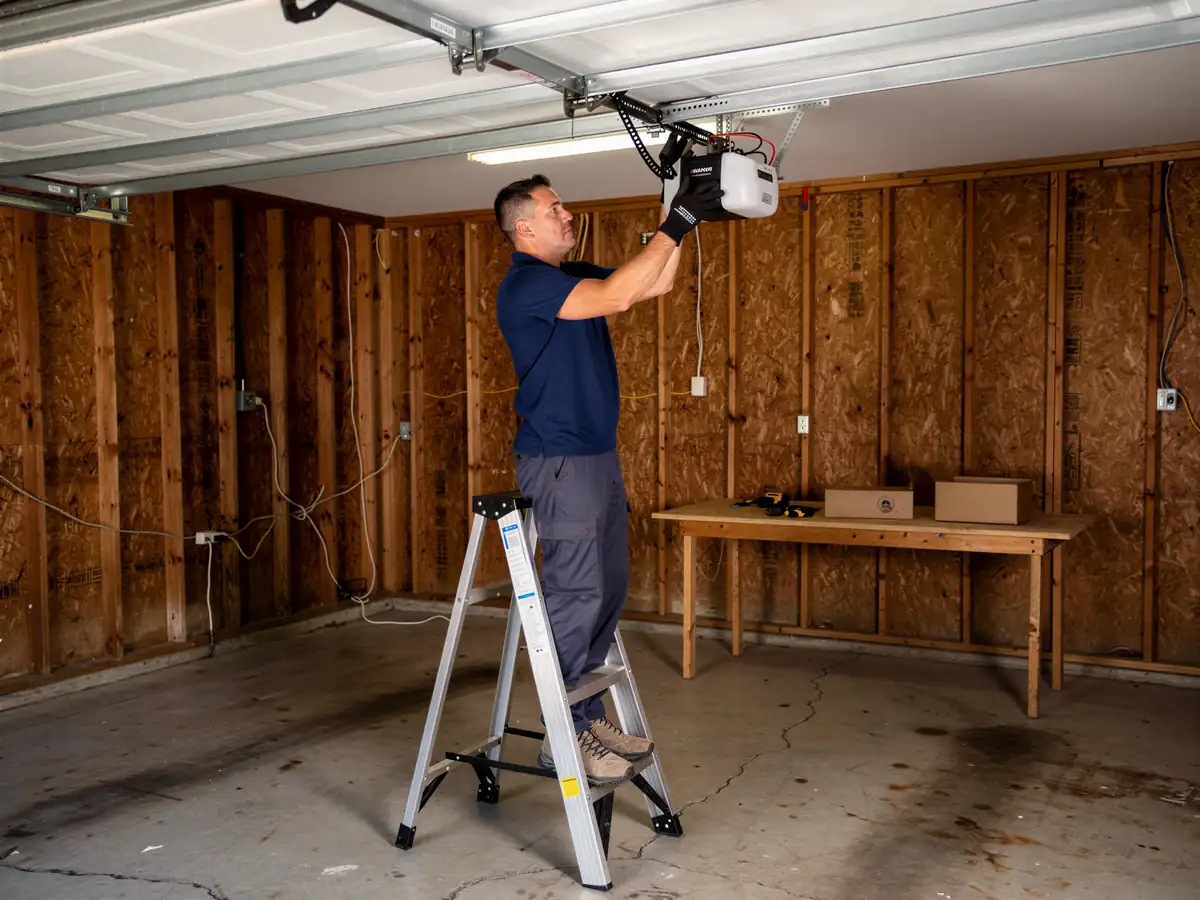
We carry belt-drive and chain-drive openers in the weight ranges that match steel doors from the 1970s through newer insulated panels, along with the rail, header bracket, and safety sensors needed to bring an older setup up to current standard. We stock battery backup units too, which matter more in a cold-climate area where a winter power blip can leave a door stuck down right when you need it up.
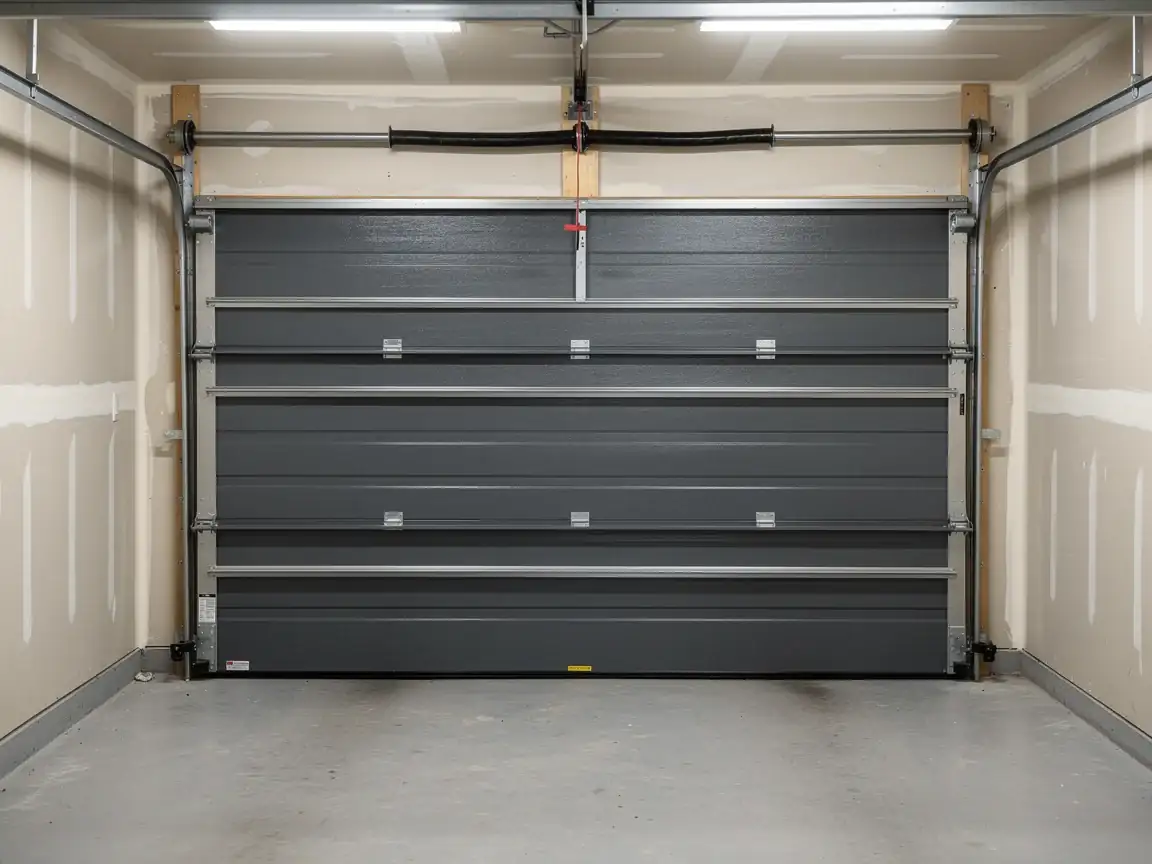
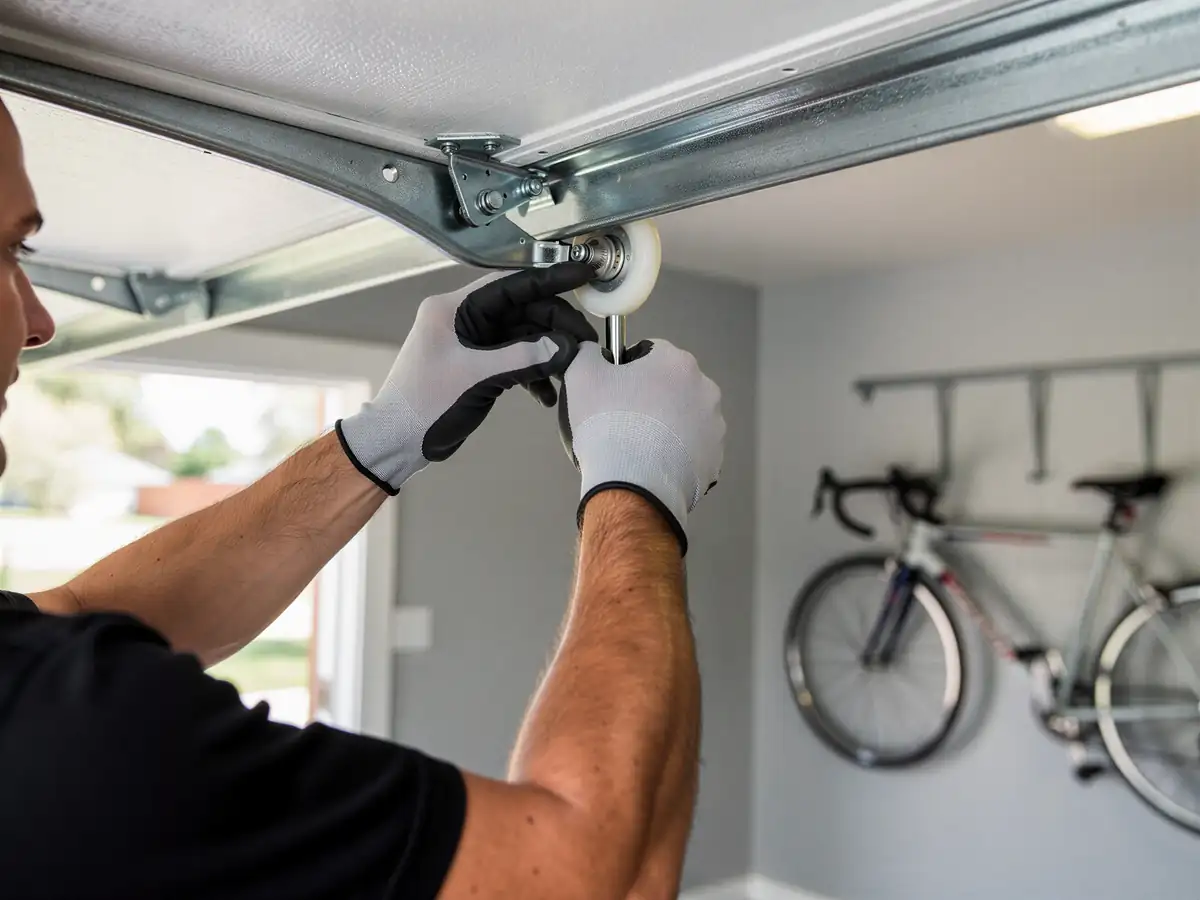
What we don't do is install a new opener on a door and track that are too far gone to carry it - if the rollers are rusted solid or the track is bent from years of a struggling chain drive, we'll say so before we hang a new motor on it, because a new opener on bad hardware just fails again in a year. That's the one limitation worth knowing going in: sometimes the opener isn't the real job, the door is.