Getting It Booked In
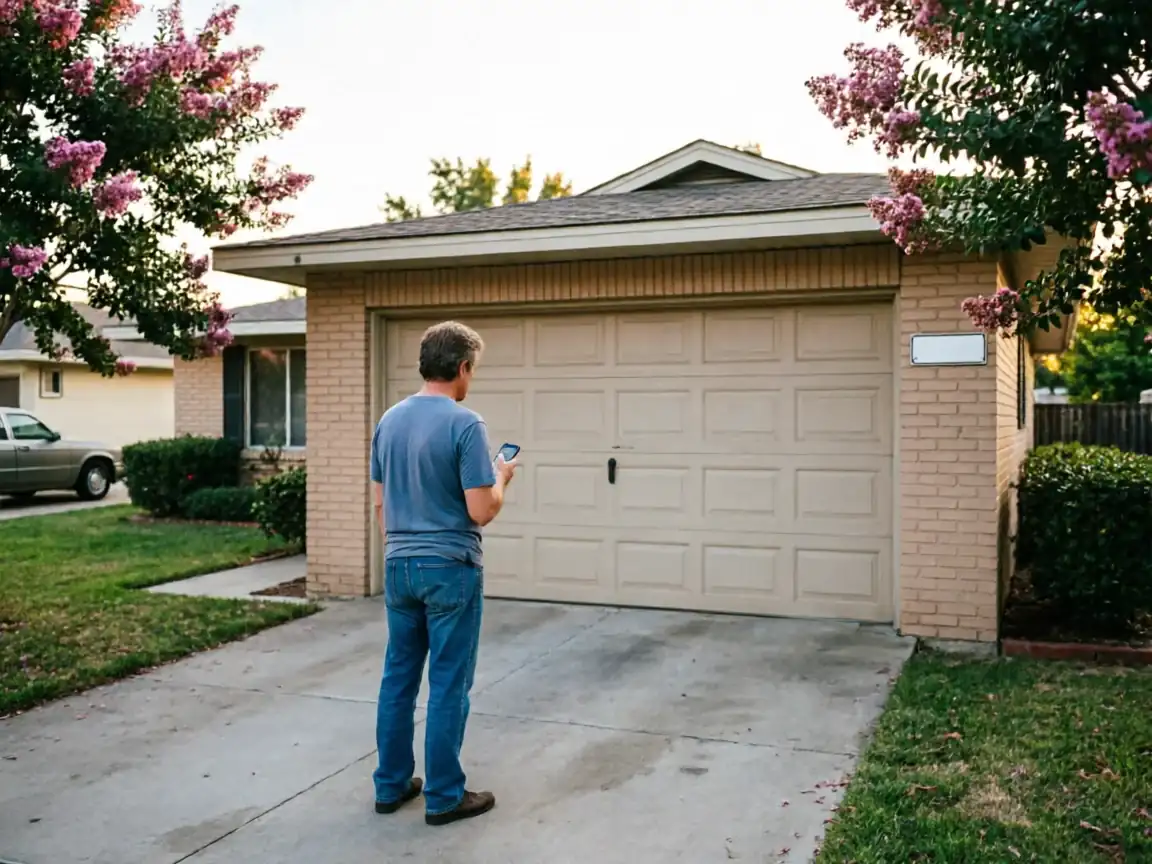
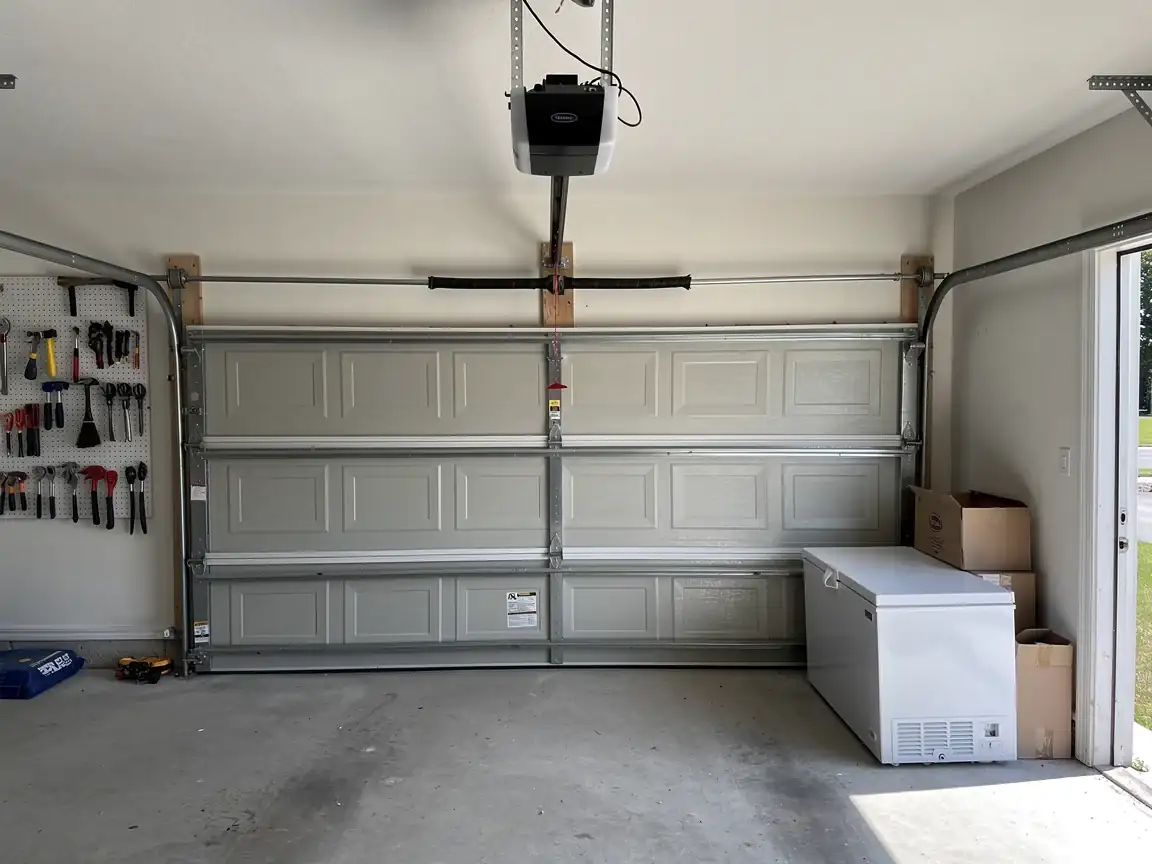
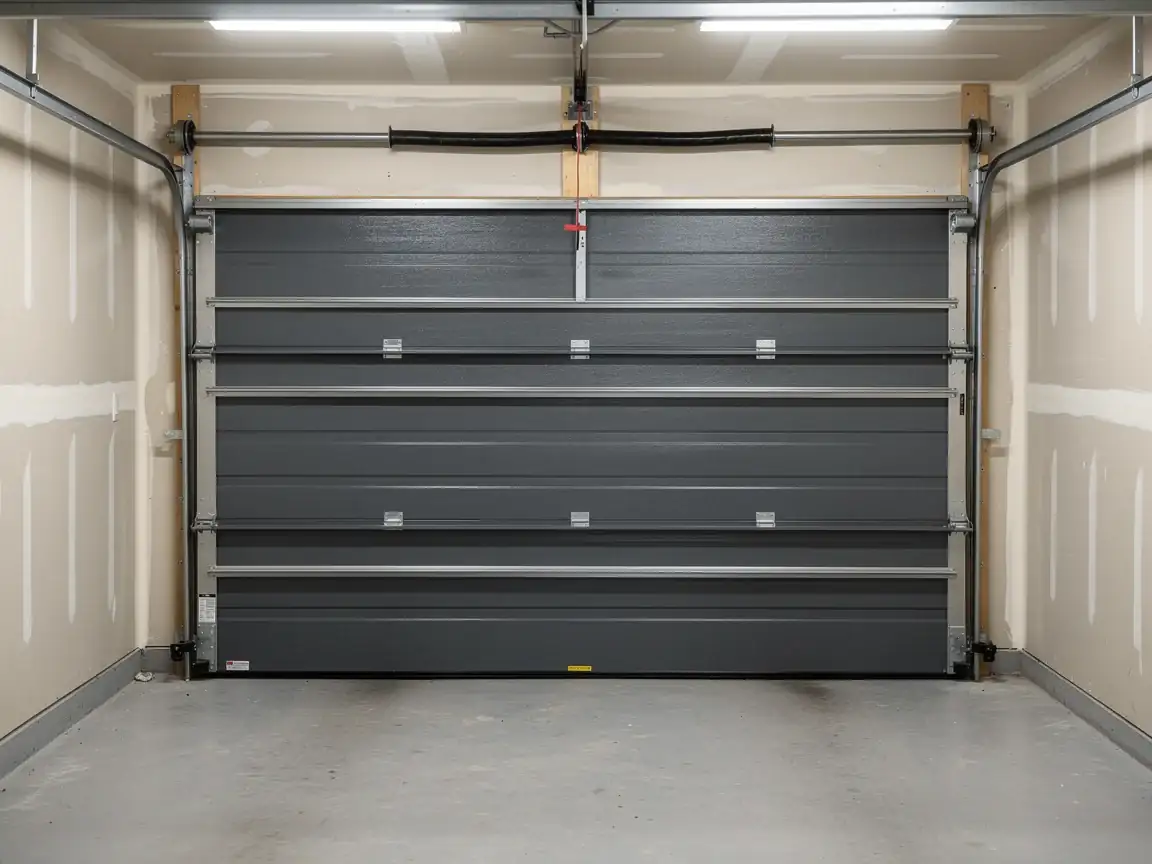
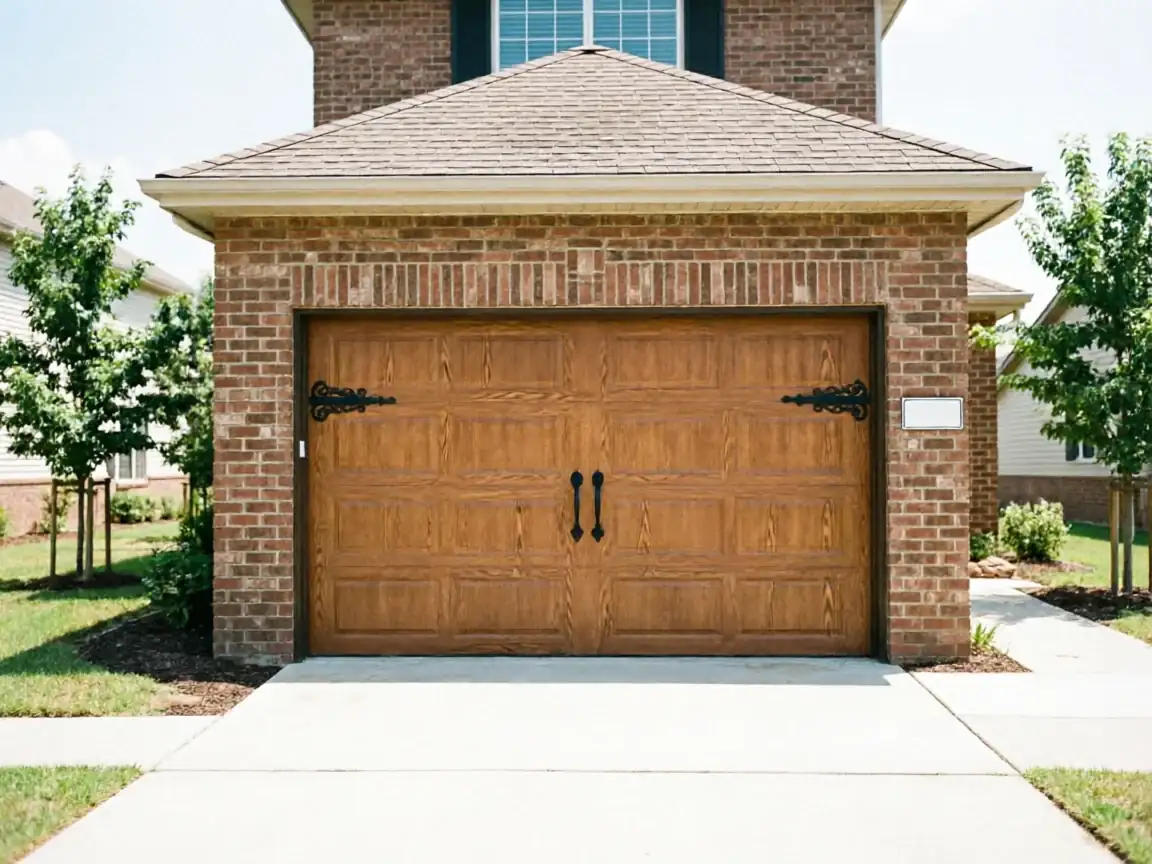
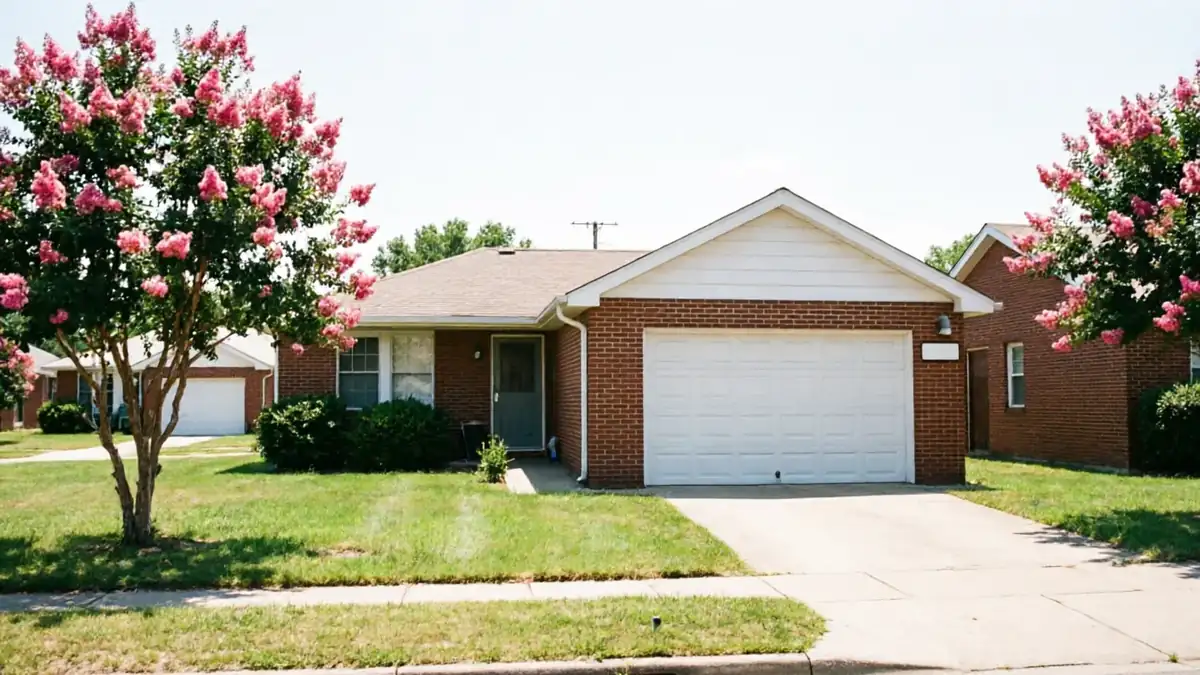
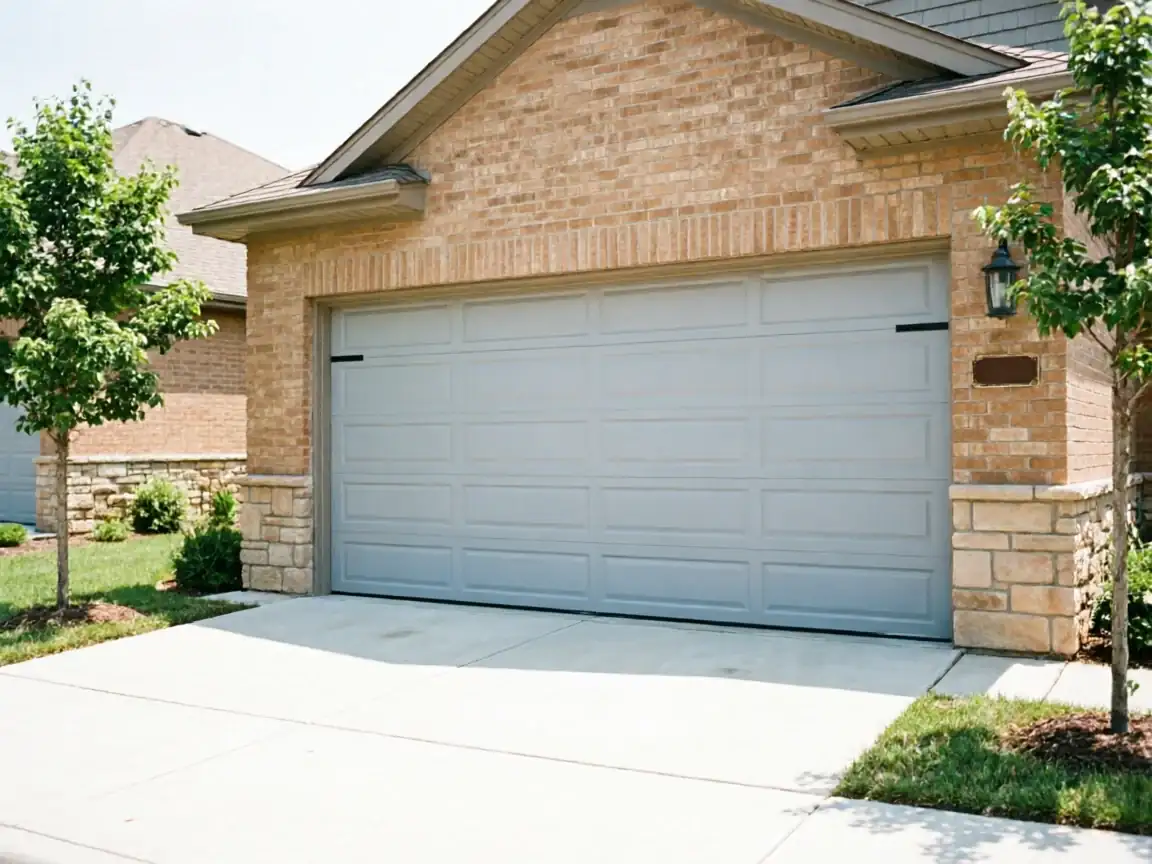
We're based in Edmond, about 10 miles from Jones, so this isn't a job we can swing by on a whim between other calls - it's a scheduled trip out your way. That's fine for roller replacement, since it's rarely an emergency: a door with bad rollers still opens, just loudly and roughly, and it'll hold until we get a truck out there. Tell us the door's width (single or double) and roughly how old the house is when you call. With Jones sitting at a median build year of 1977, most of what we see out there is a steel sectional door on galvanized track, which tells us what rollers are likely on it before we even arrive. We'll confirm on-site and bring options rather than guess over the phone. There's no local branch to dispatch from, so we batch Jones calls where we can - if your timing is flexible, say so, it can get you on the truck sooner.
What Causes It Around Here
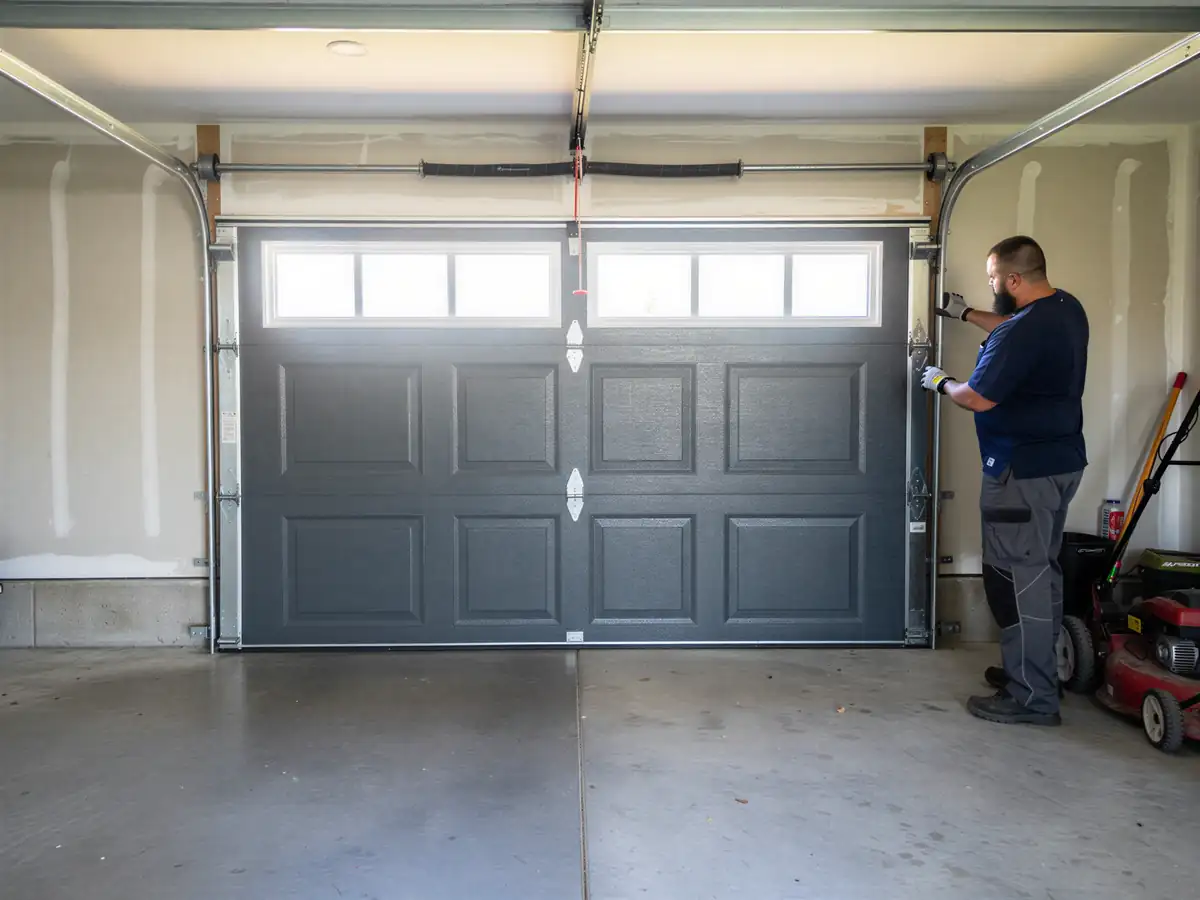
Jones runs mostly 1960s-70s housing stock with a median year built of 1977, and doors from that build generation came standard with unsealed steel rollers - no bearing, no nylon tire, just steel on steel in a steel track. Thirty-plus years of that wears a groove into the track itself, and once the track's worn, even a new steel roller slaps against it the same way. The cold-moderate climate here doesn't bring the rust load you'd see somewhere humid year-round, but the swing from summer heat to winter cold still dries out whatever lubrication was on those rollers decades ago, so they run dry and wear faster than they would in a milder, steadier climate.
What Is on the Truck
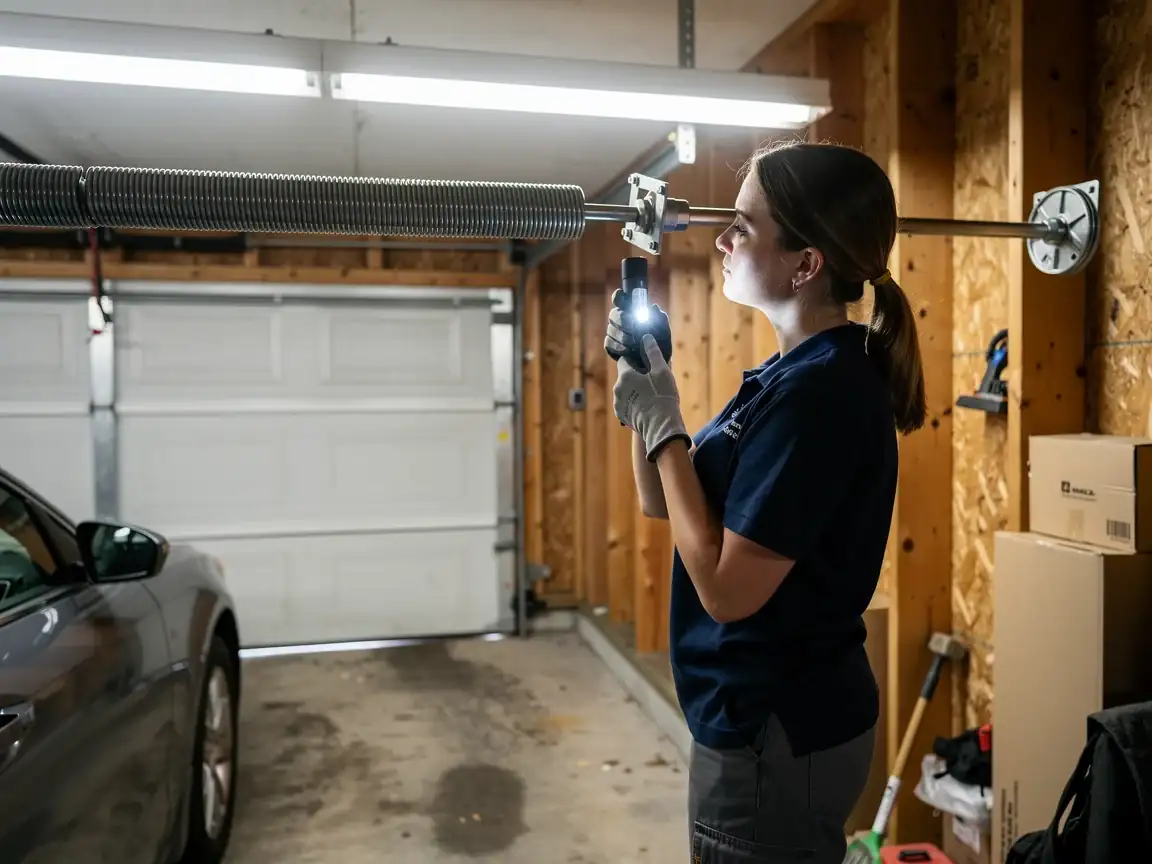
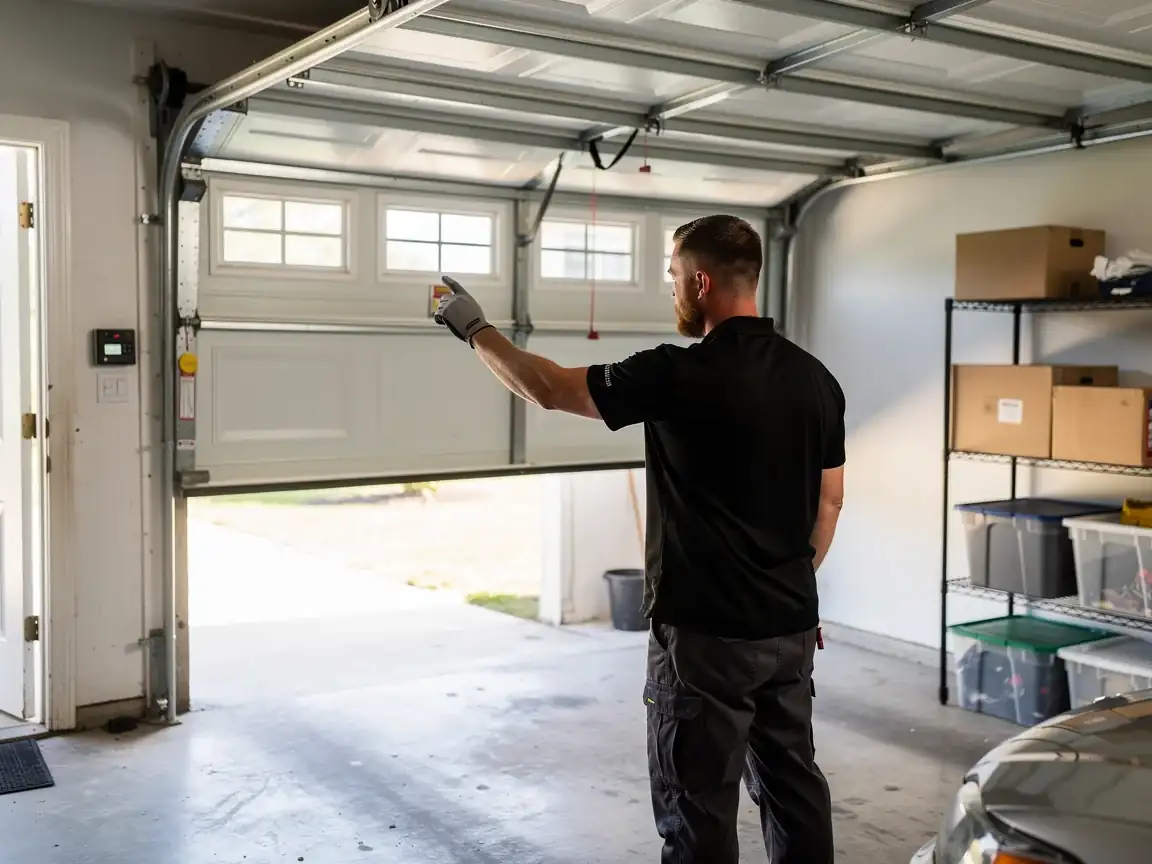
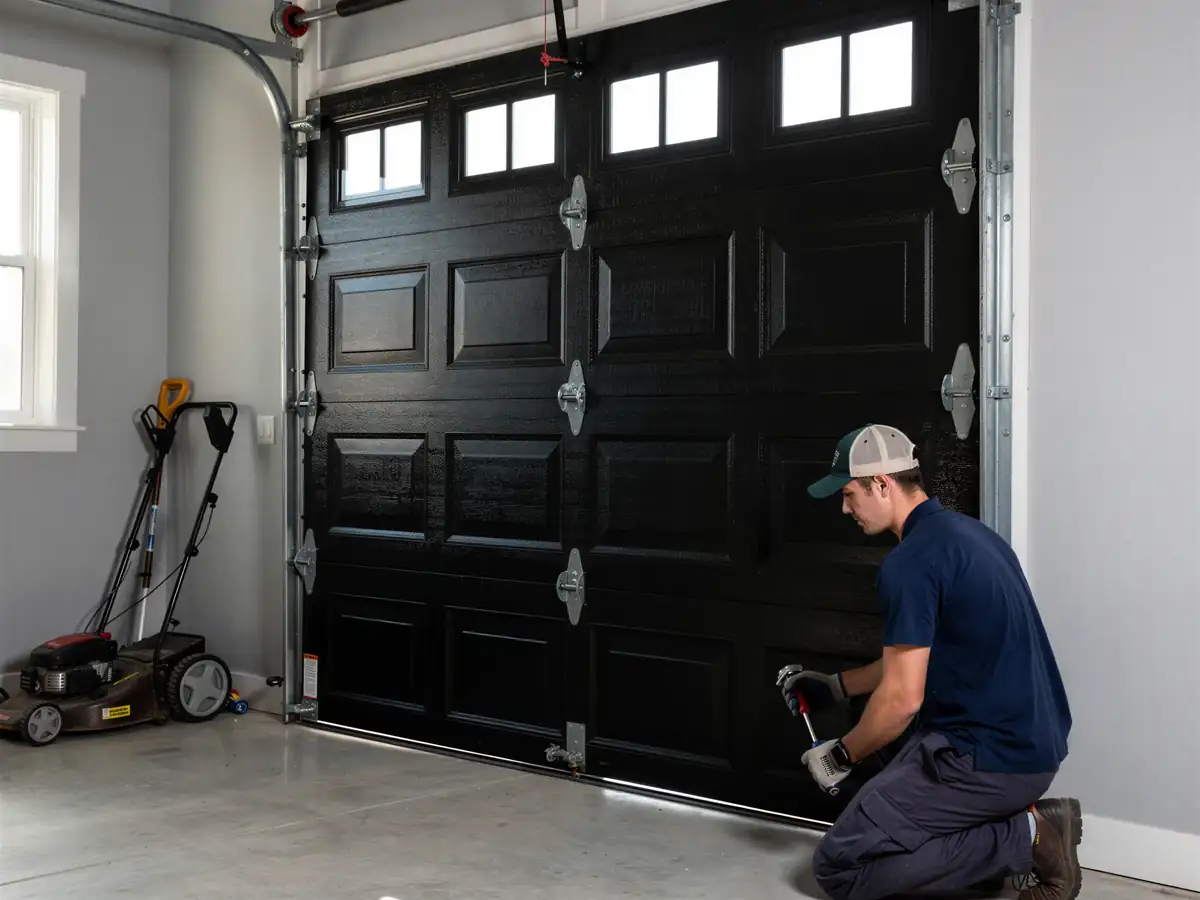
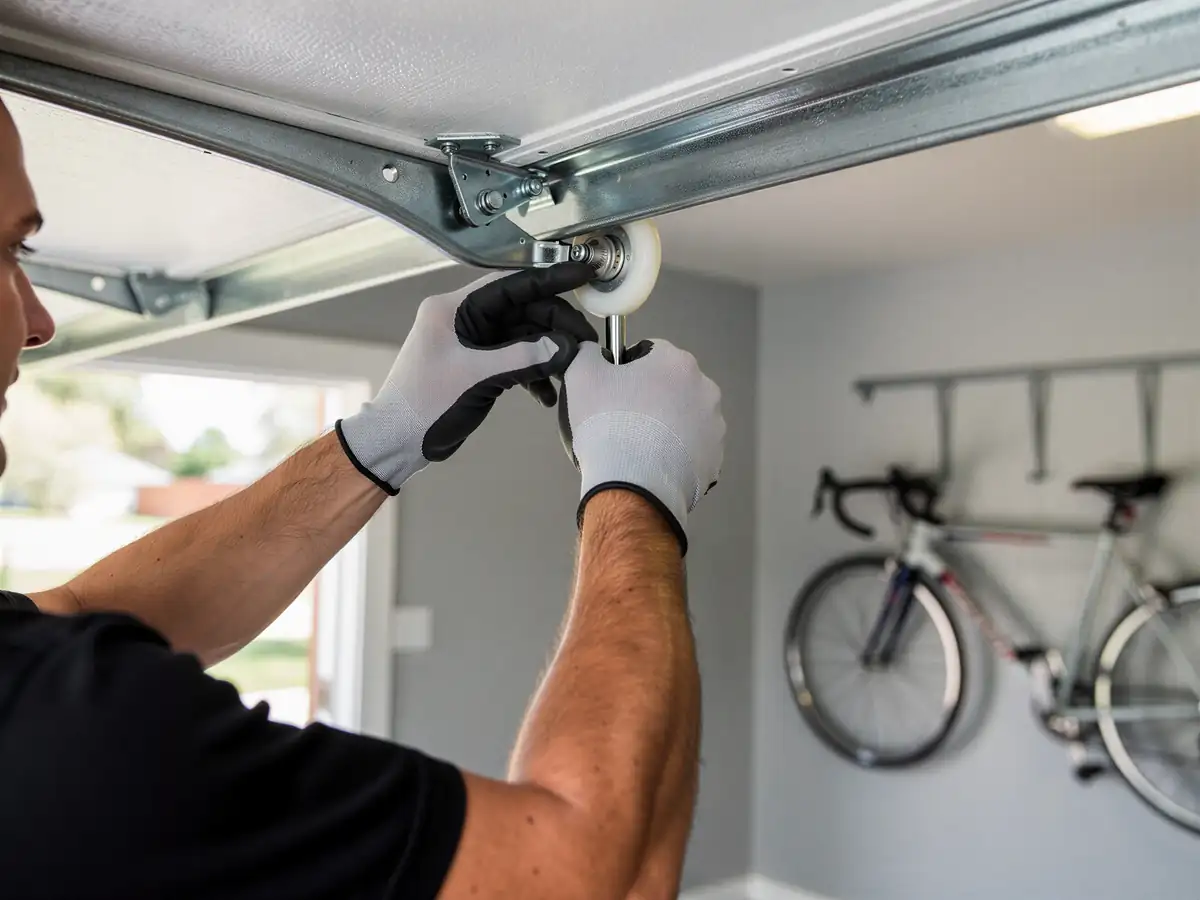
For most of what we see in Jones, we carry nylon rollers with sealed ball bearings in two stem lengths, since 1977-era doors used either depending on who installed the track. We also carry short sections of replacement track, because once a steel roller has worn a groove into the galvanized rail, a new roller alone won't fix the slap - the track has to come out with it. We don't carry plastic rollers without bearings; they wear out again in a year or two and we'd rather not sell you a second visit. One honest limit: if the track brackets themselves have rusted through or pulled loose from the jamb, that's a structural repair beyond a roller swap, and we'll tell you that on-site rather than patch around it.