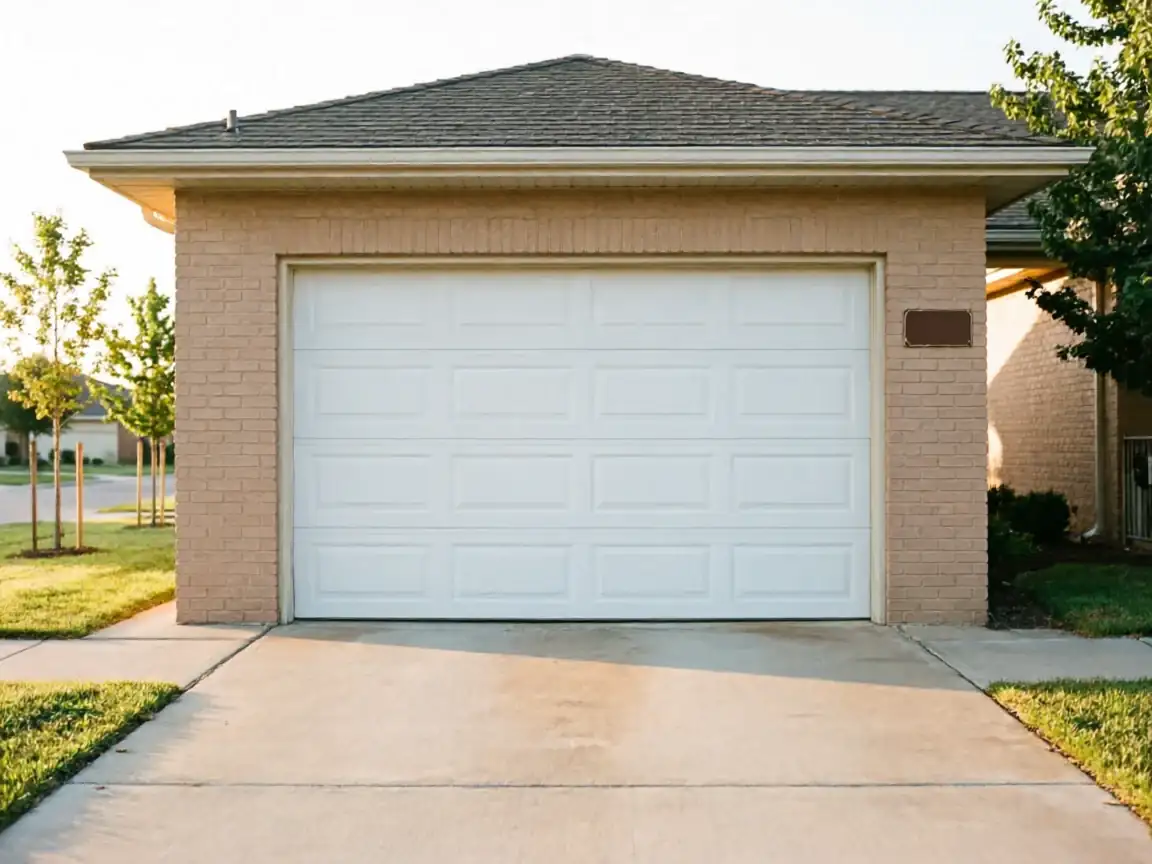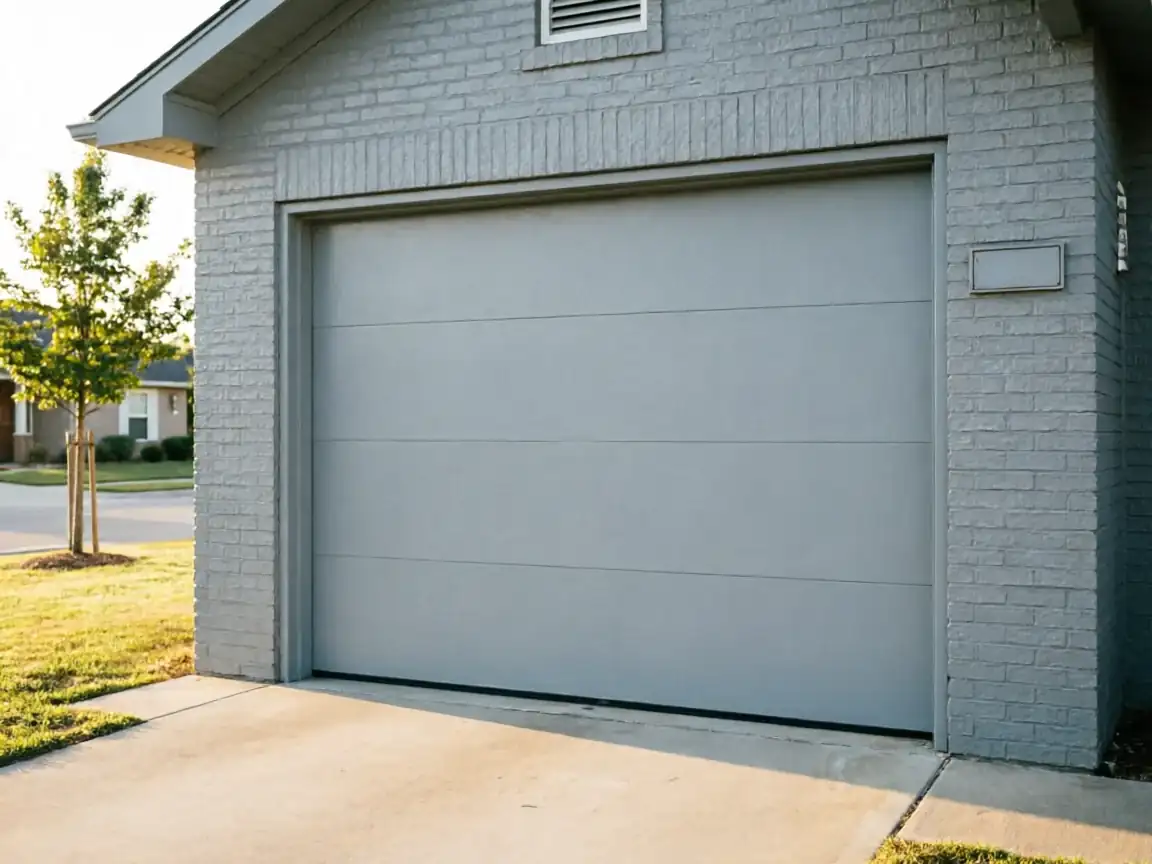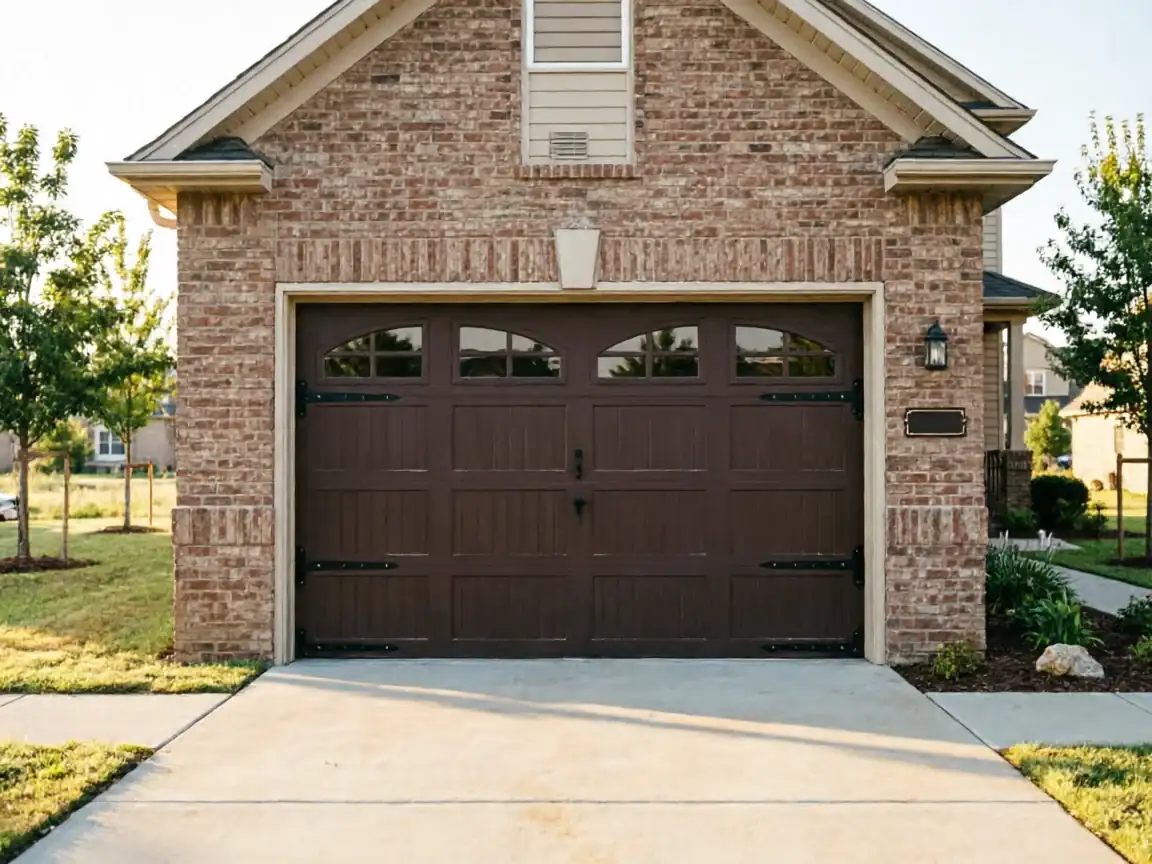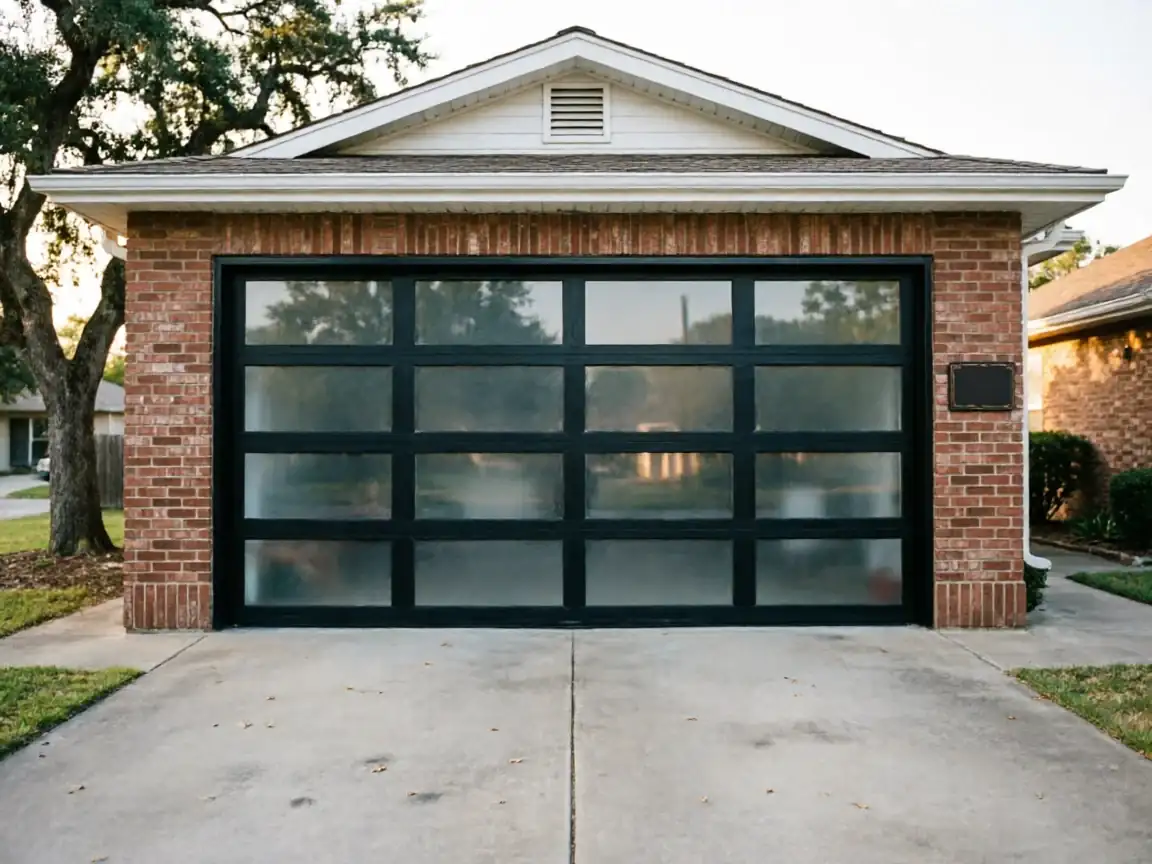
Getting It Booked In
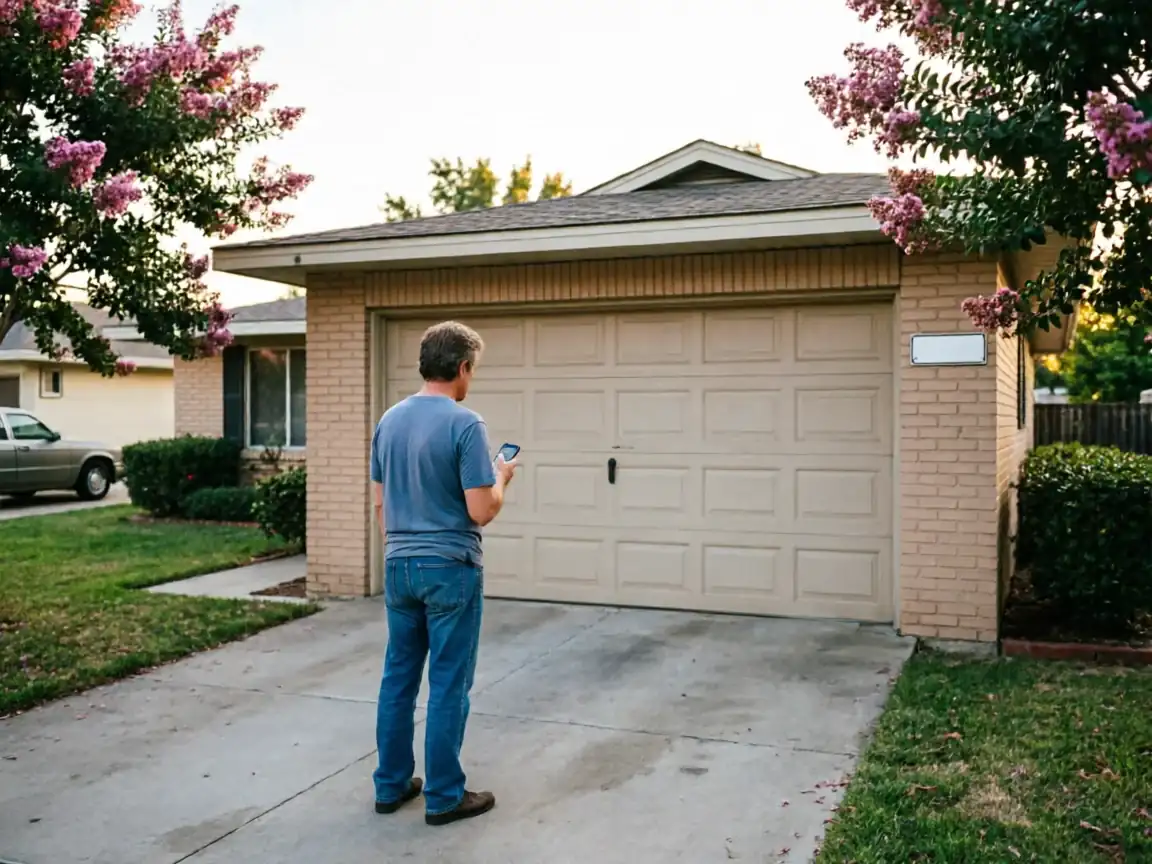
Guthrie's median household income is $54,640, noticeably under the $60,822 median across the wider service area we cover. That number matters more than it sounds like it should, because it's the number that decides whether a door gets patched one more time or replaced outright. At $54,640, a $200 part on a door that's already had three other repairs stops being the cheap option - it's money toward a door that's going to need the same fix again in a year. We book the visit, look at what's actually on the house, and tell you straight which side of that line you're on. We travel out from Edmond, 14 miles each way, so the visit gets scheduled rather than squeezed in same-day.
There's no branch or crew based in Guthrie itself - everything here runs off the Edmond shop, which means installs get set for a specific day rather than an on-the-spot stop. That's worth knowing before you call expecting someone within the hour.
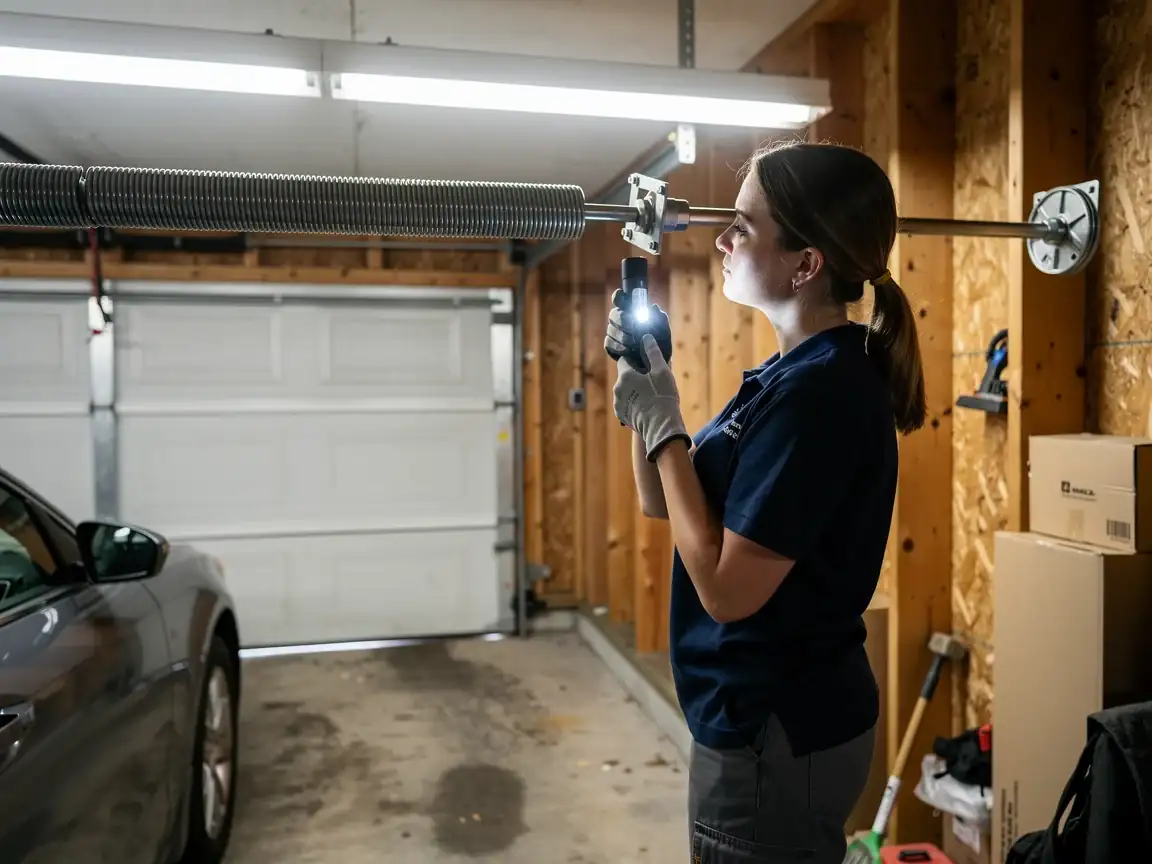
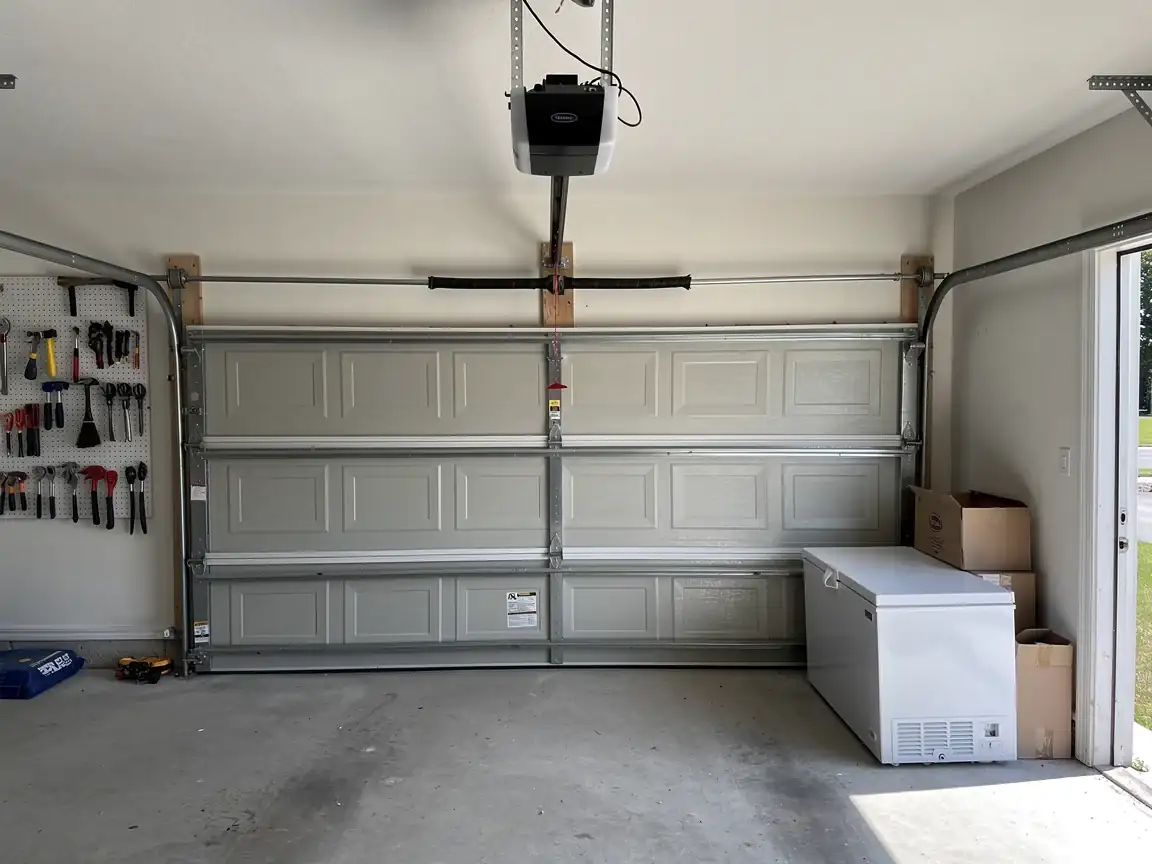
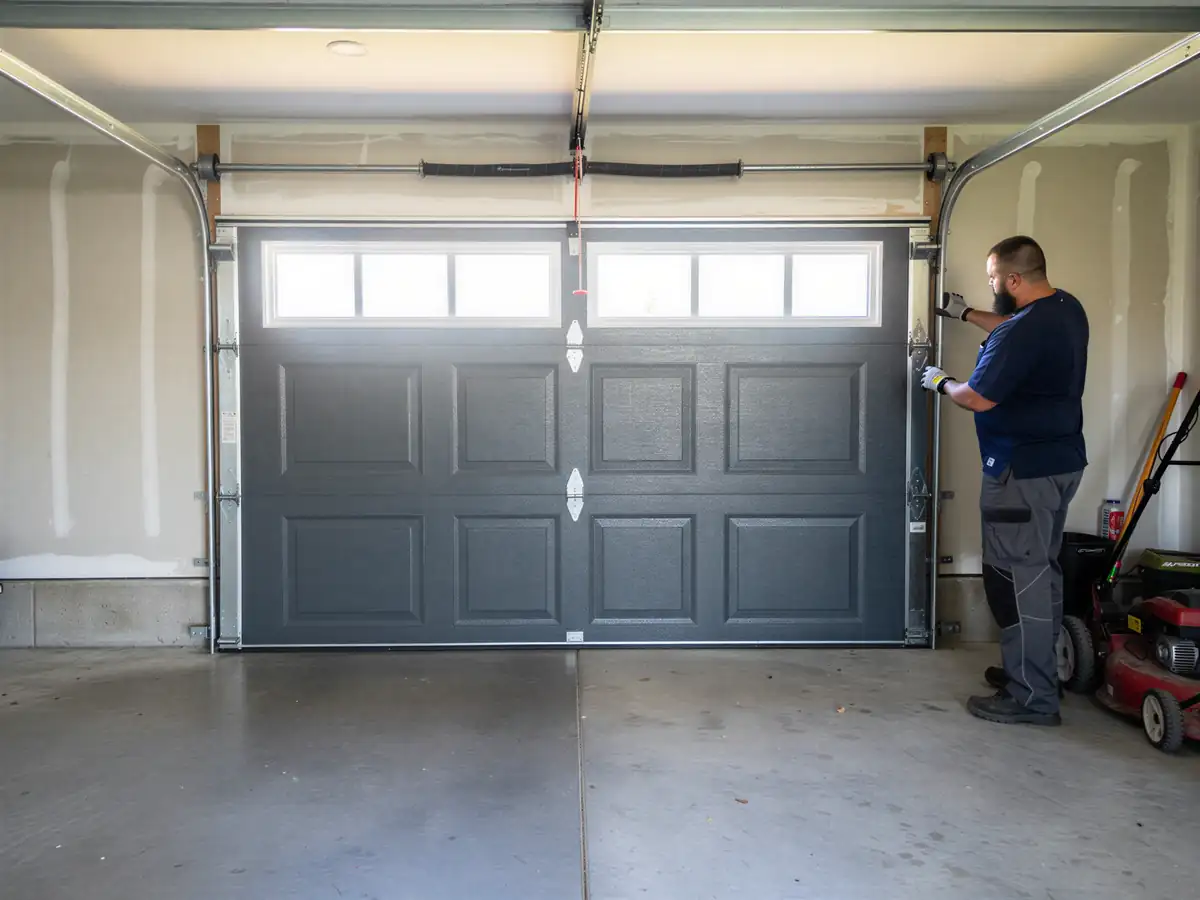
We measure the opening, check the header clearance, and confirm what track and spring setup the house can actually take before we quote anything.
The Complications
Guthrie's housing stock runs older
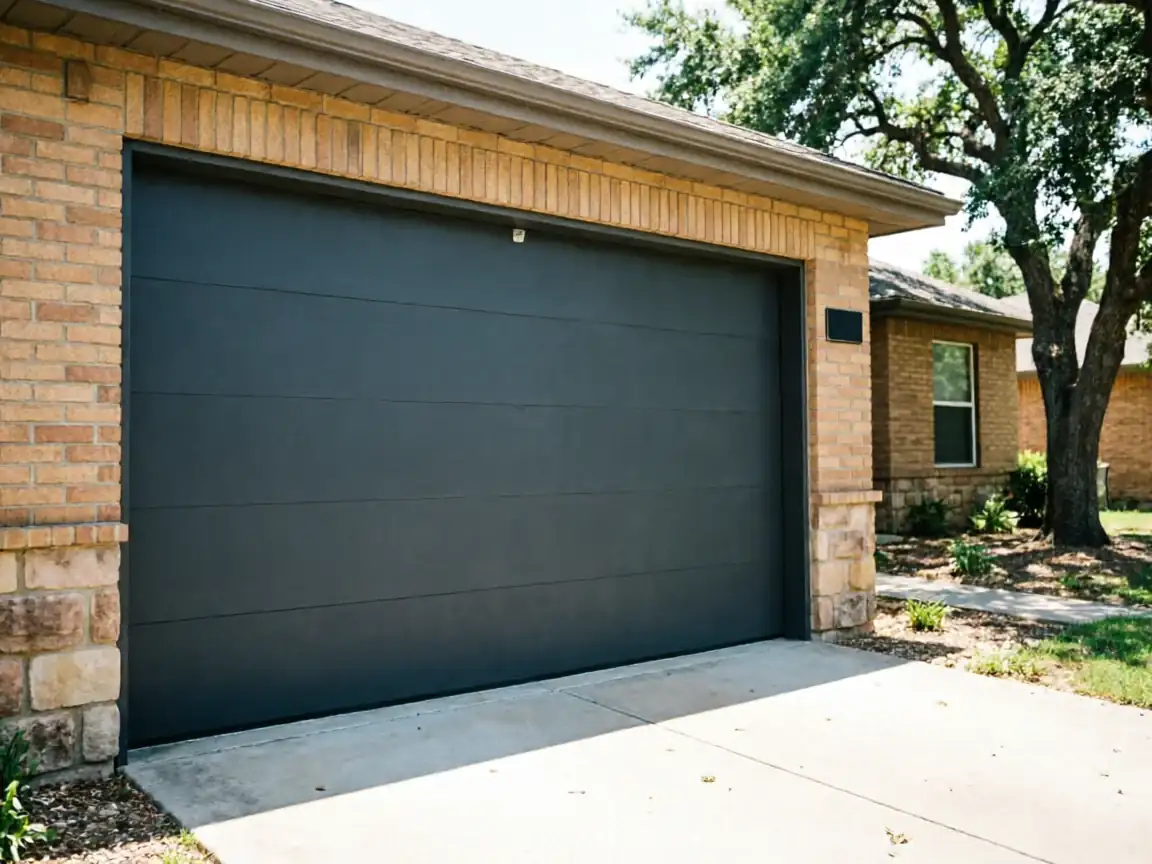
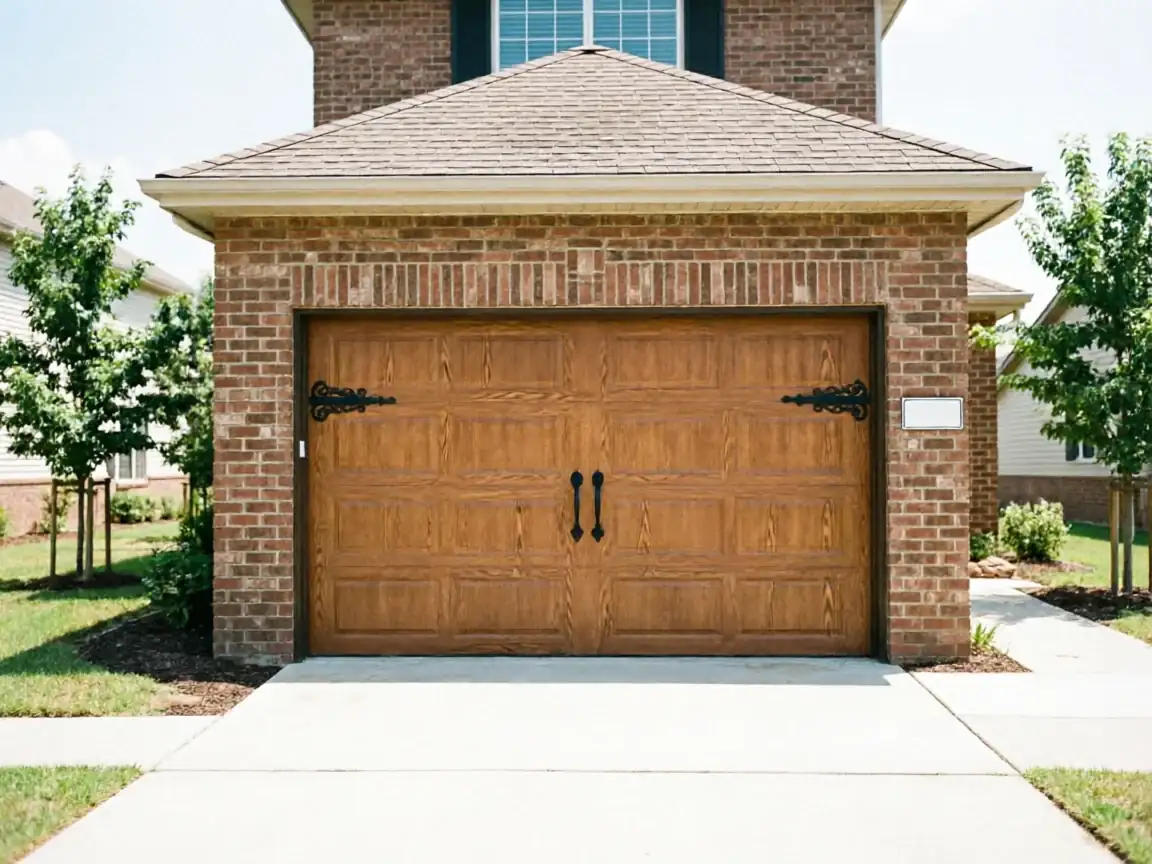
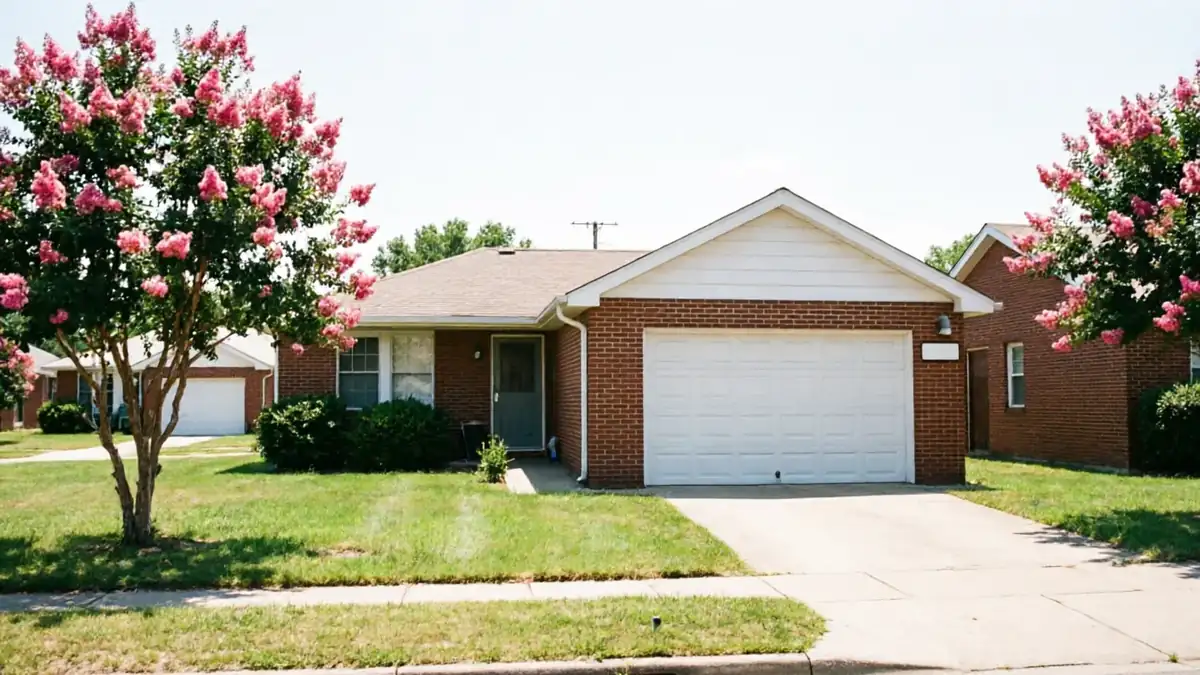
The area's median build year sits around 1972, which lines up with the broader service area's 1959-to-1999 range and its 1973 median. A door from that era was usually sized and hung for a steel section and extension-spring setup that doesn't match what's sold new today. The header framing, the track radius, even the width of the opening can be off from current standard sizes by an inch or two, which is enough to turn a straightforward install into one that needs the frame reworked first.
The other complication is the climate band this part of Oklahoma sits in
A cold, moderate zone that puts real freeze-thaw cycling on steel panels and the weatherstripping at the bottom of the door each winter. A door bought without insulation in mind works fine in October and sticks or won't seal right by January. On a 1970s-built garage, you're also often replacing the door and the track hardware at the same time, since one wasn't built to carry the other's modern counterpart.
What the Fix Involves
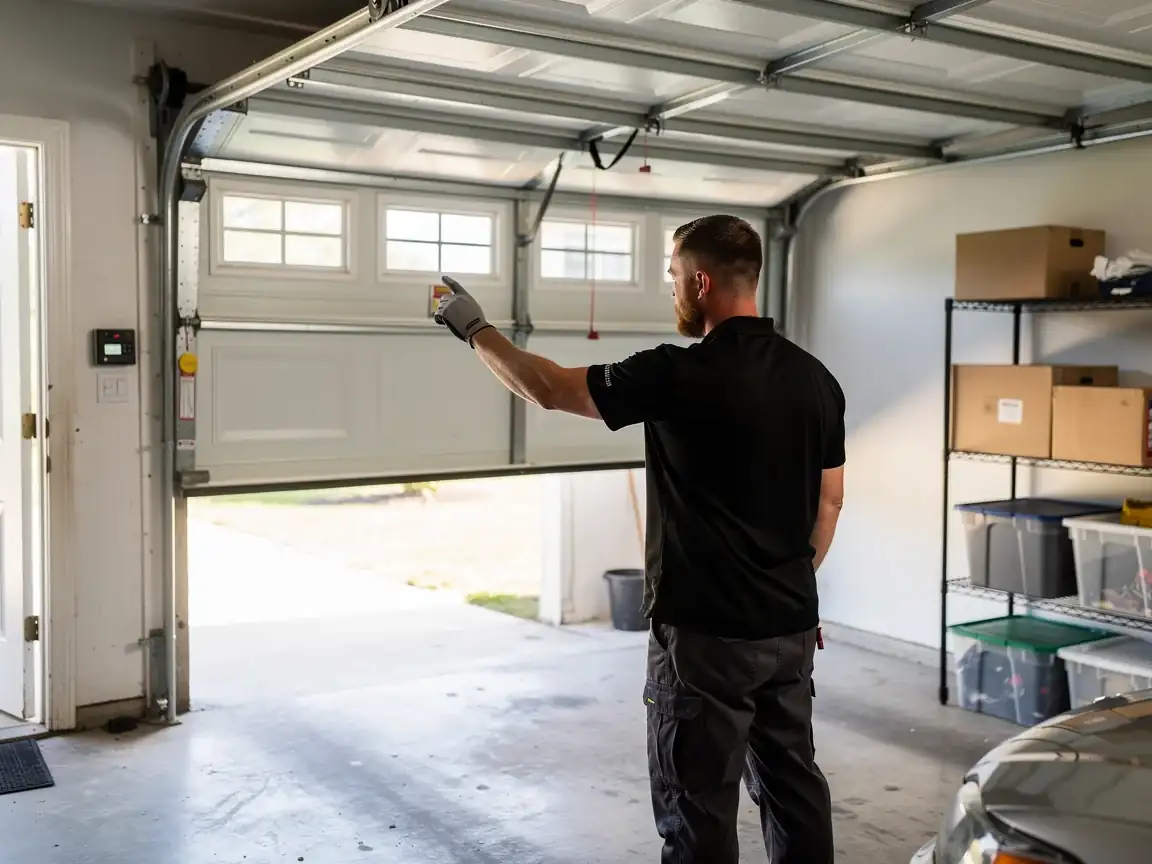
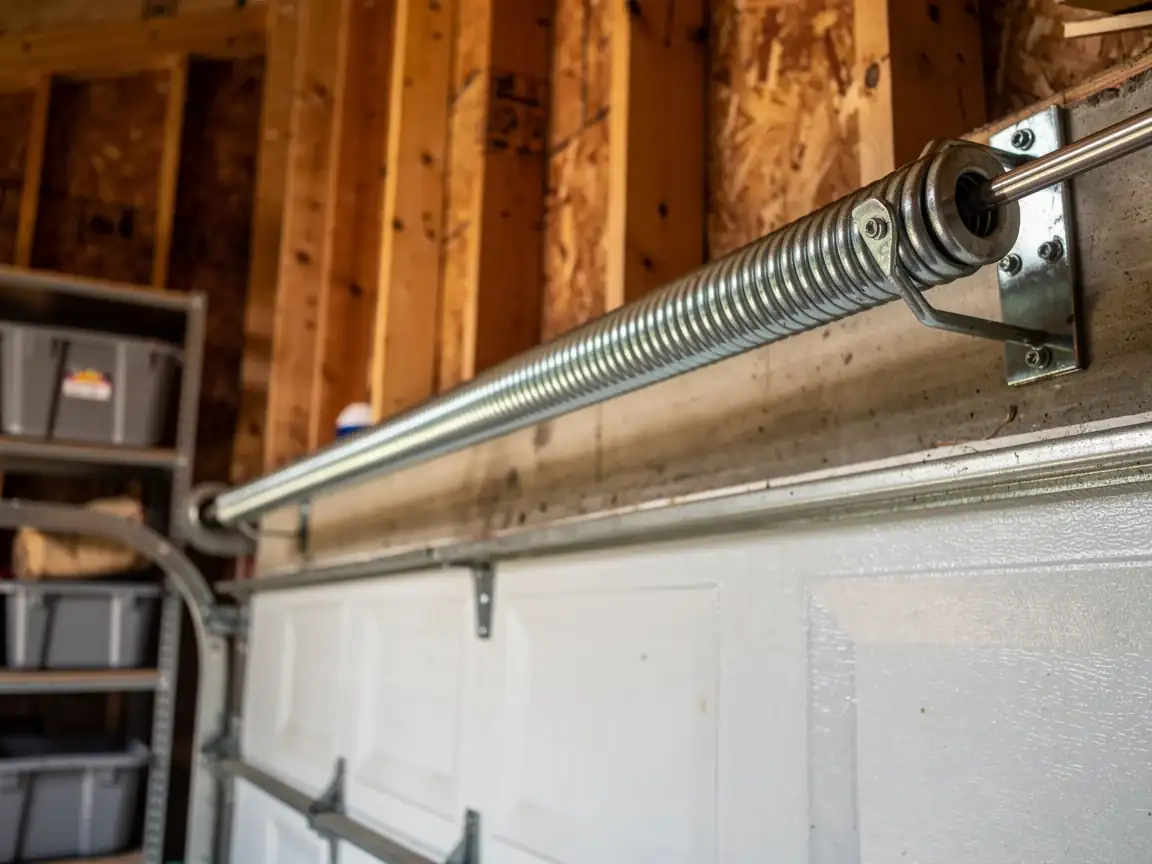
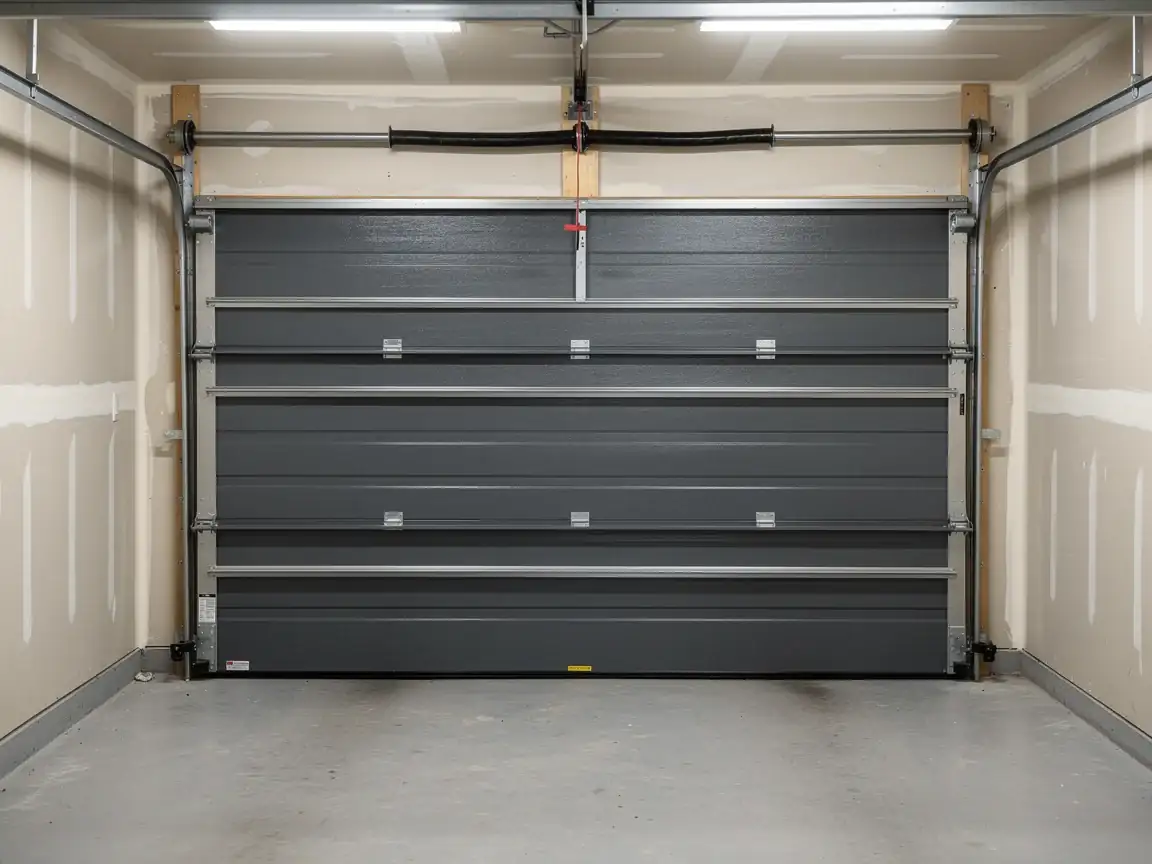
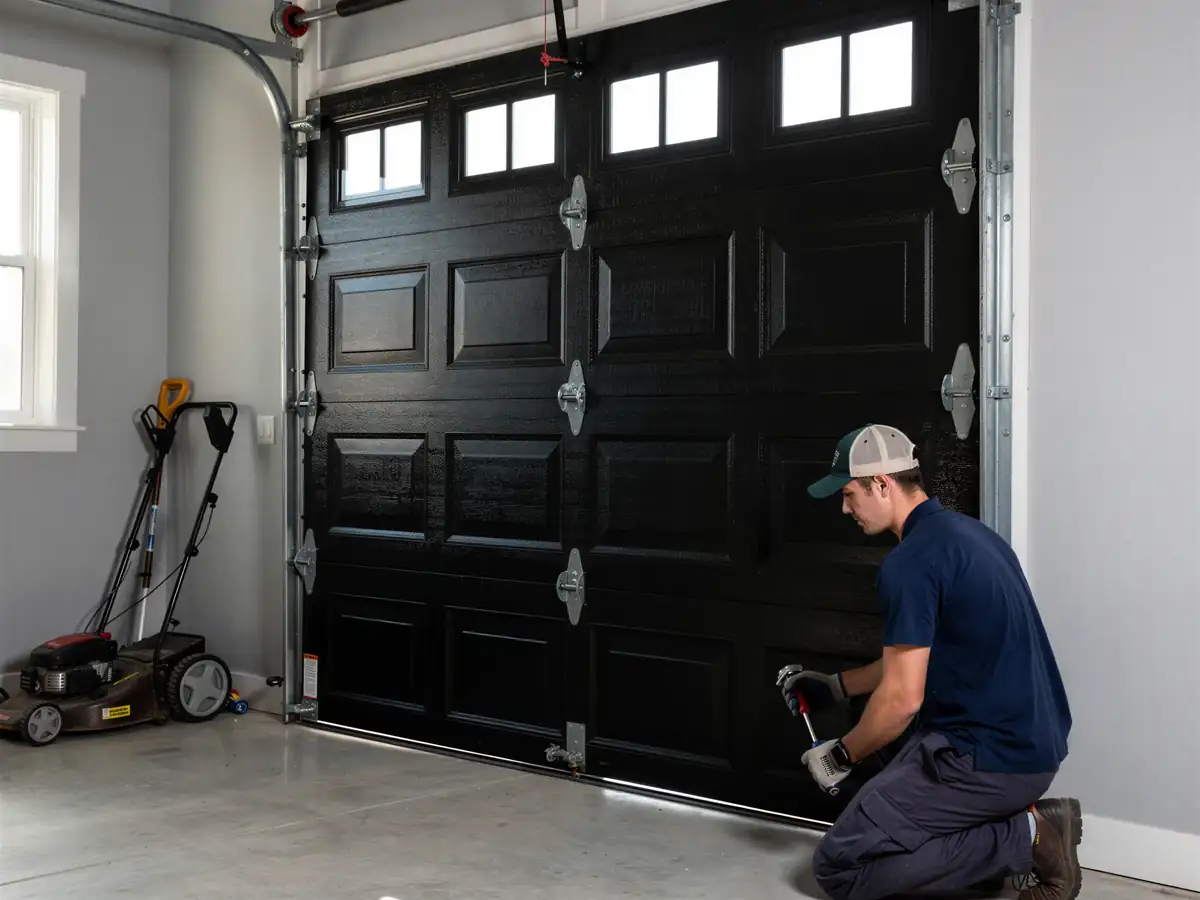
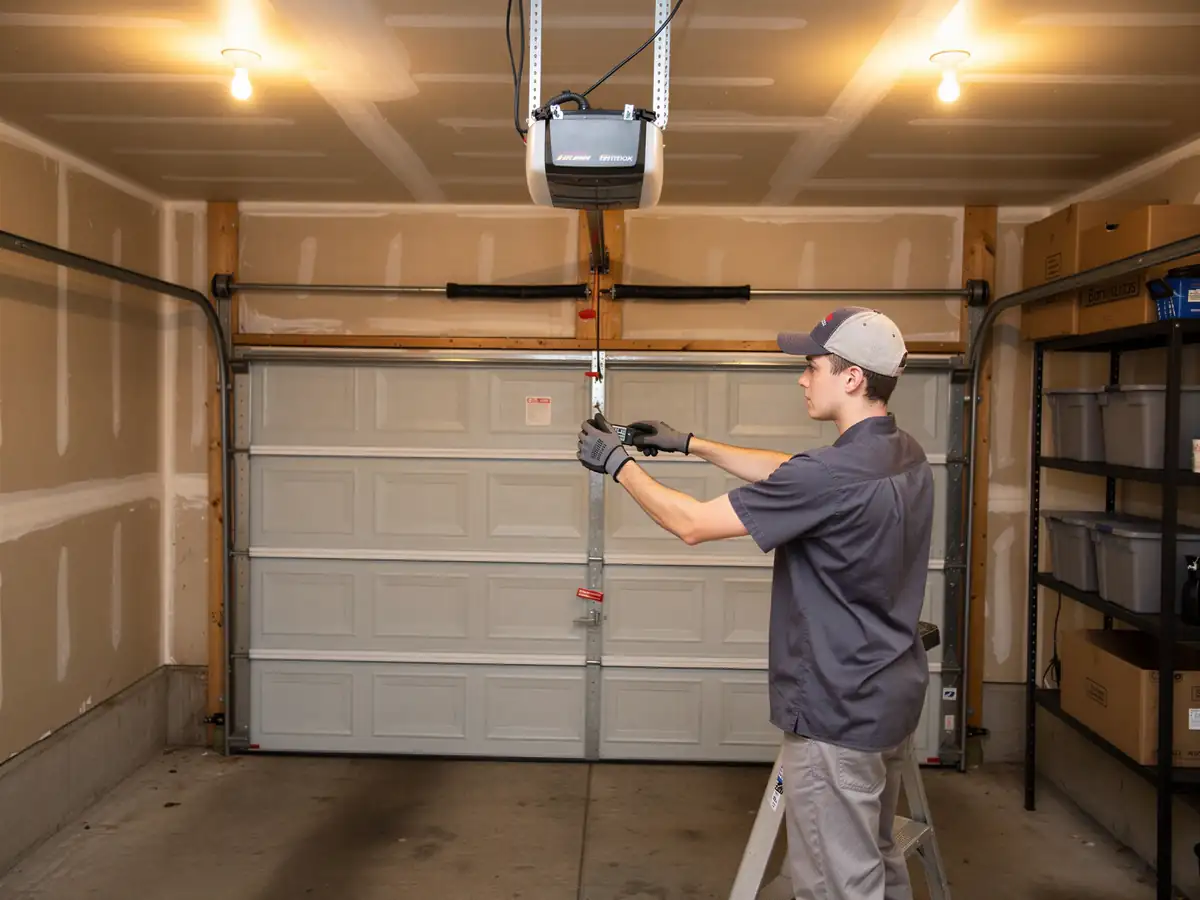
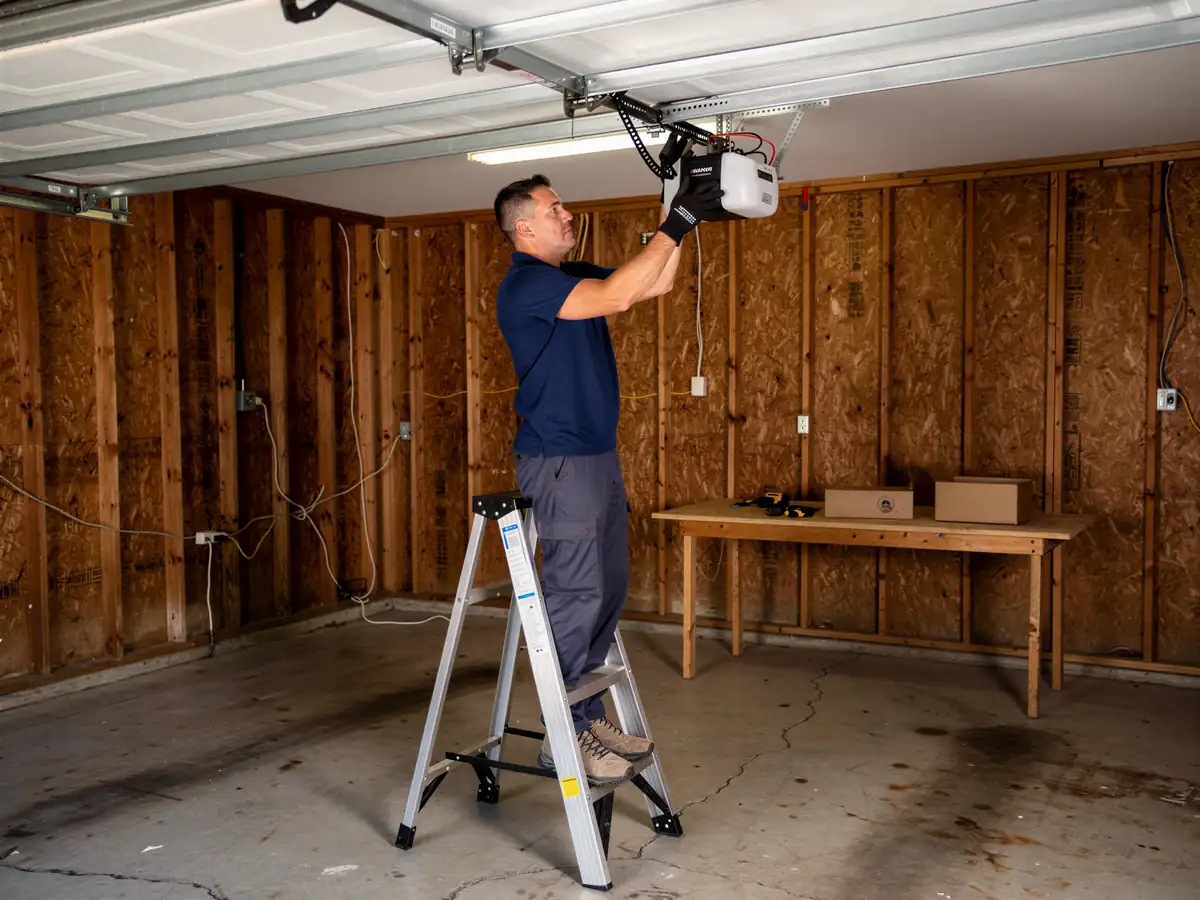
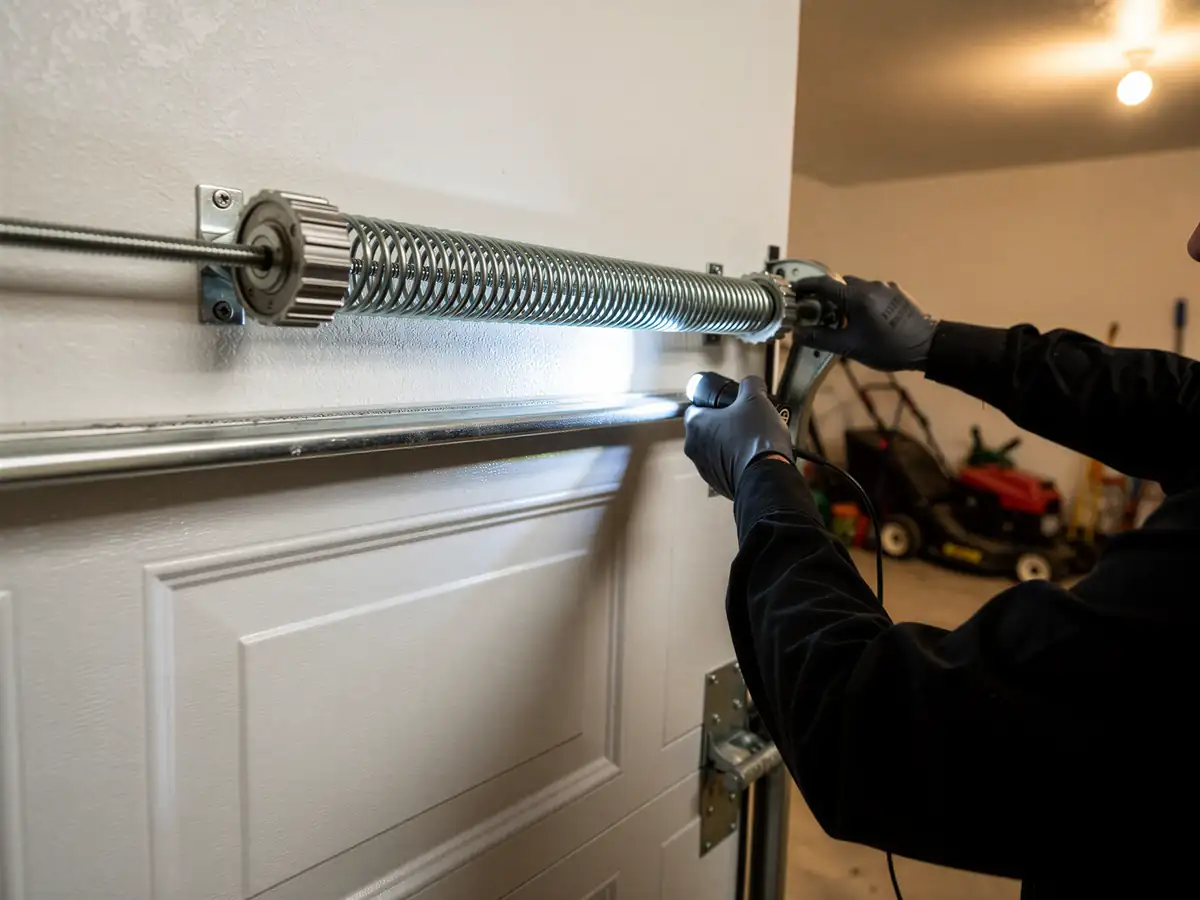
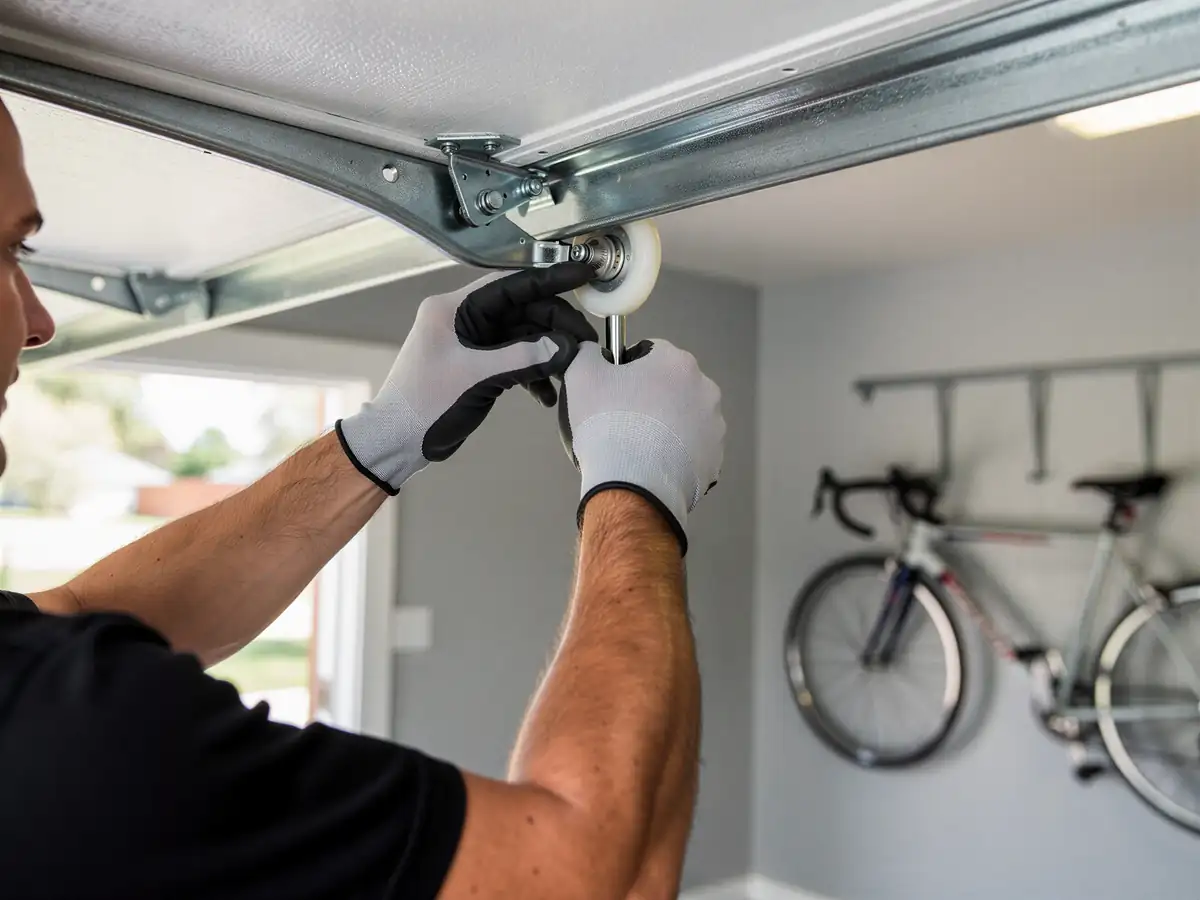
For a straight install - opening already square, header sound - it's a day's work: old door off, track and spring system matched to the new door's weight, panel set hung and balanced, opener reconnected if you're keeping the existing one. For a house built around the 1972 mark with an undersized or warped header, there's carpentry first, and we tell you that before we start, not after.
We don't do the structural carpentry ourselves if the opening needs real framing work - that's a limitation worth saying plainly. We'll install the door once the opening's ready, but a header that needs rebuilding goes to a carpenter first. On insulated doors, given the cold-moderate winters here, we talk through R-value options rather than defaulting to whatever's cheapest, because a door that isn't sealed right against a 1970s-era opening will let drafts in regardless of the door itself.
How Long You Are Without the Door
Since every Guthrie job is run off the Edmond shop, 14 miles out, the day gets scheduled rather than slotted same-day. Once we're on site, a standard install without framing work runs most of a single day - door off, new door and hardware in, opener reconnected and tested before the truck leaves. If the opening needs carpentry first, that adds a separate day once the frame work is done, since we're not stopping mid-install to wait on someone else's schedule.
Parts are the other variable. A standard-width steel door is usually in stock quick; wider or custom-insulated doors can run a longer lead time, and we'll tell you the actual wait once we've picked the door with you rather than guessing up front.