Getting It Booked In
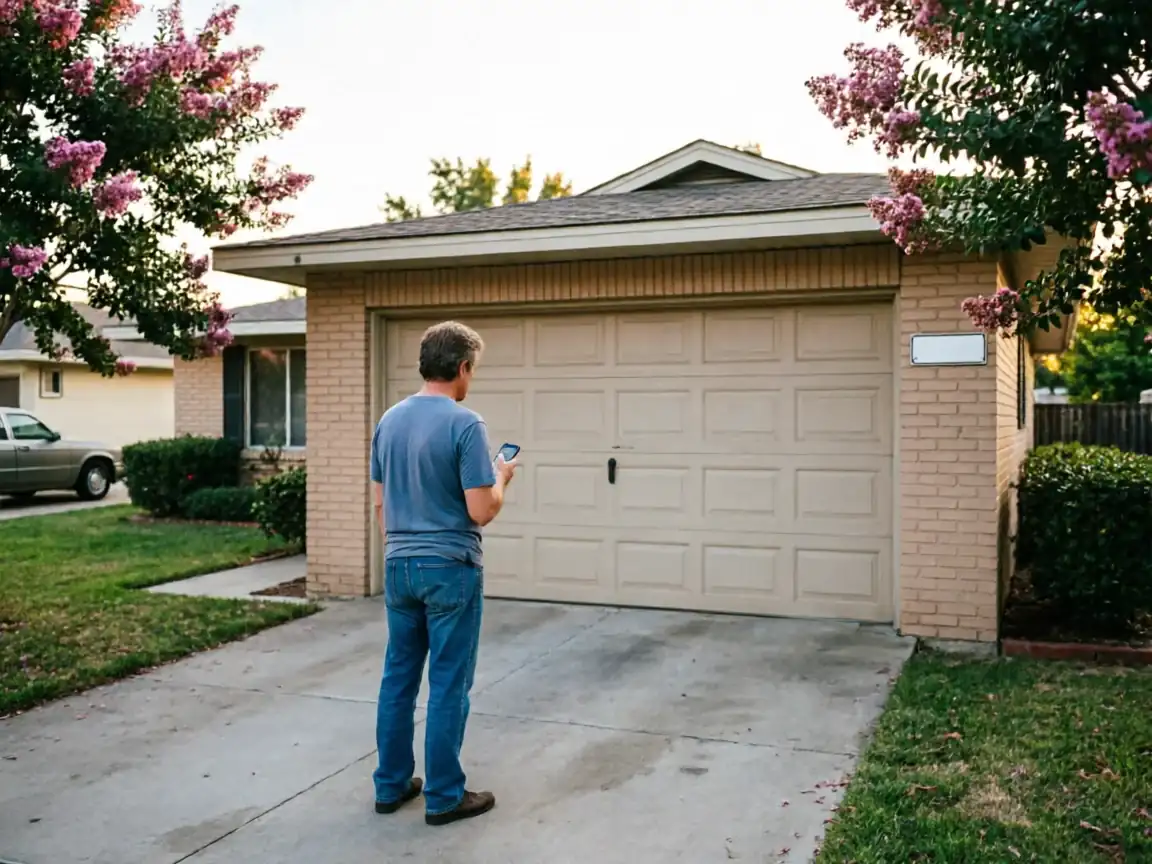
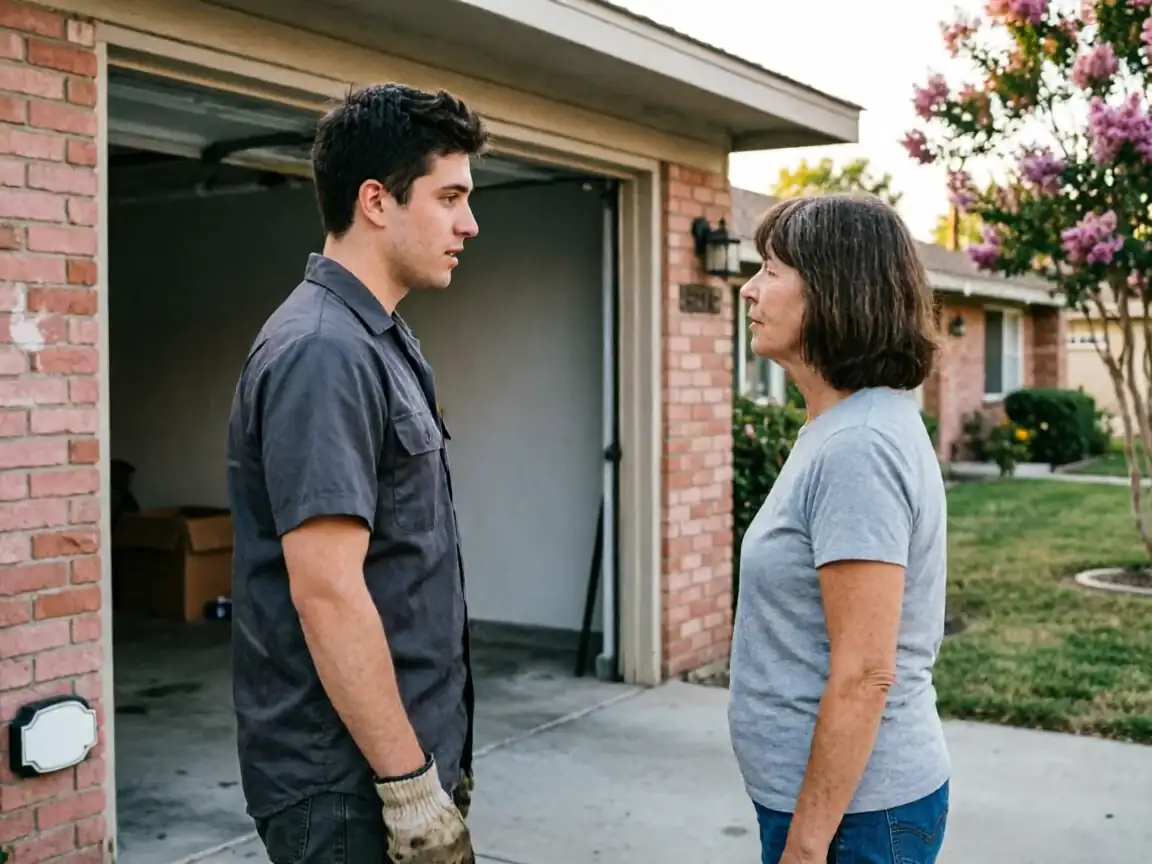
We don't keep a crew stationed in Guthrie - the truck comes from Edmond, about 14 miles out. That means booking a roller job here works best as a scheduled call rather than a same-hour walk-up; we build the drive into the appointment window so you're not guessing when the truck actually shows. Once we're on site, the roller swap itself is quick. The drive is the only part of the job that looks different from a call across town in Edmond, and we tell you that up front rather than promise a response time we can't back for a 14-mile run. If your door is already off the track or won't move at all, say so when you call - that changes what we load on the truck before we leave.
Guthrie sits far enough out that we're not rolling by on another job, so a scheduled slot usually beats trying to catch us on short notice. We'd rather give you an honest window than a vague 'on our way' that doesn't account for the distance.
The Complications
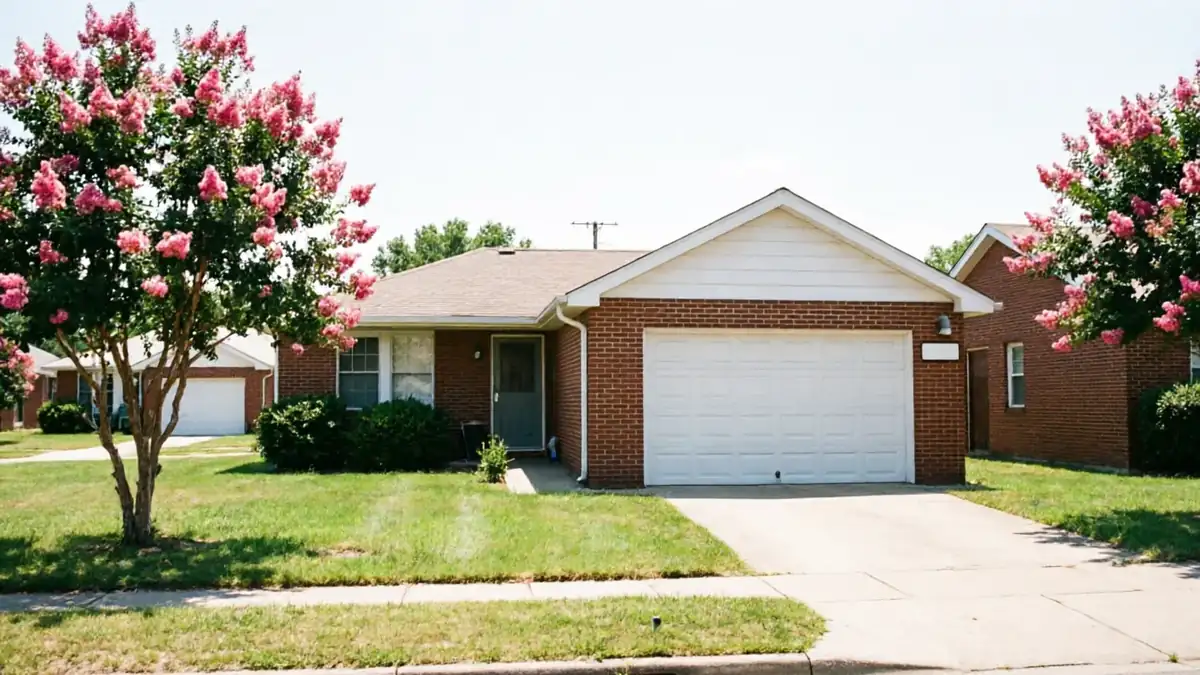
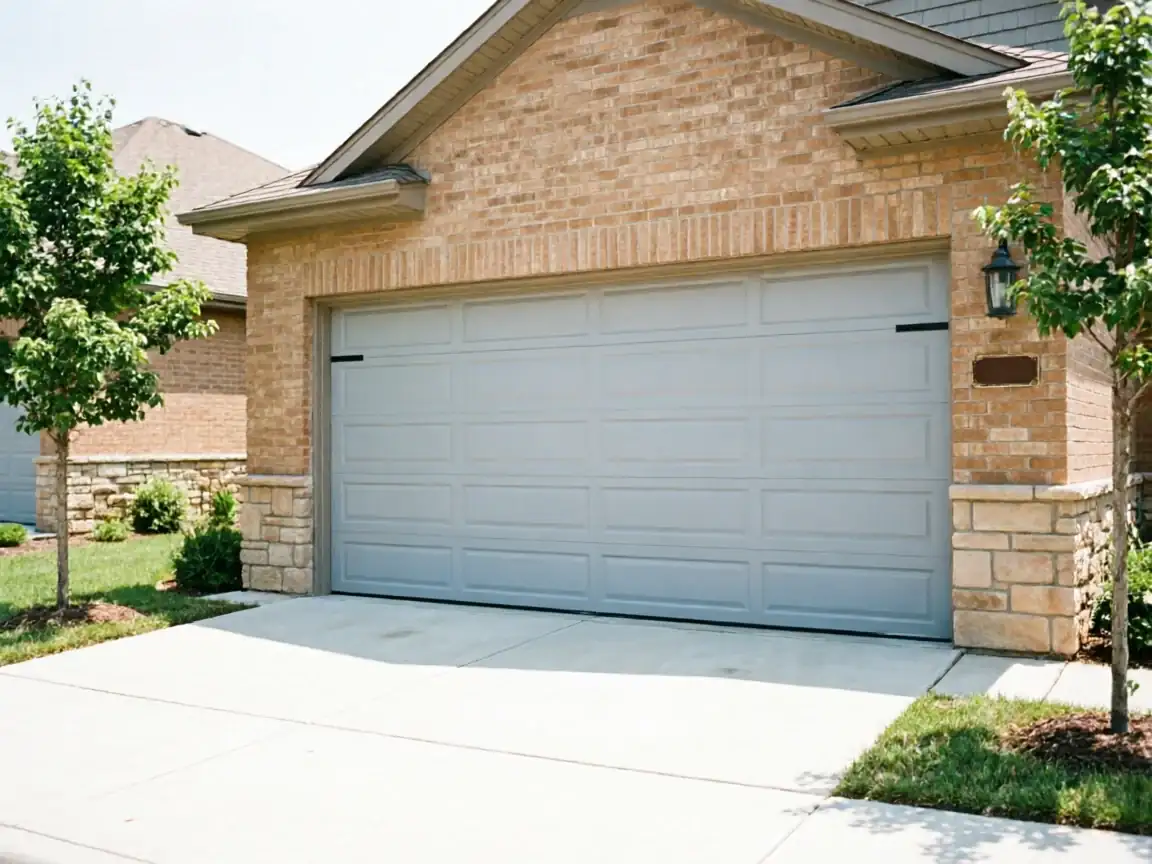
Guthrie's housing stock centers on the early 1970s
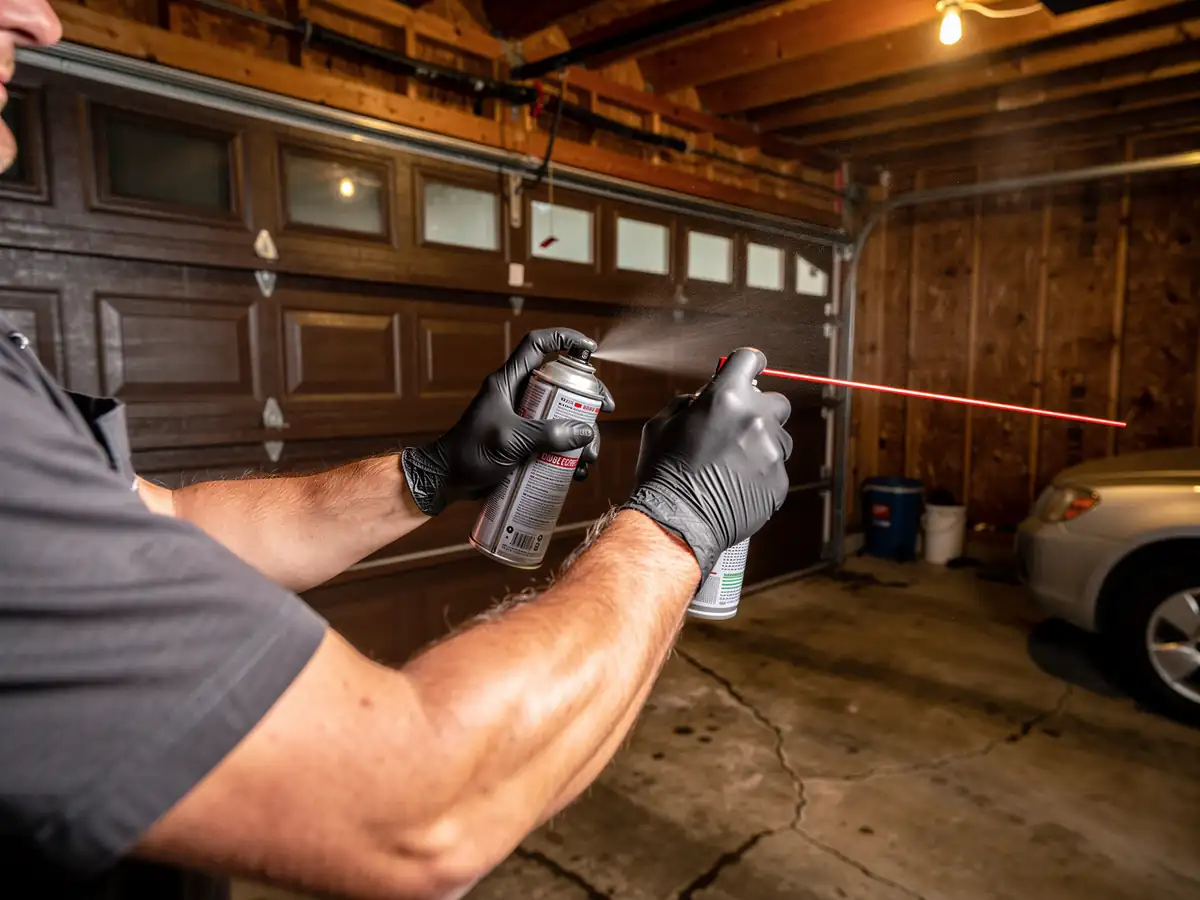
With a lot of garages built when single steel panel doors and galvanized steel rollers on narrower track were standard. Fifty-plus years on, those rollers have usually gone one of two ways: the steel wears down and starts grinding in the track, or the roller stem seizes in a bracket that's rusted enough that it won't turn anymore. Either way, the door moves rough, and rough roller travel wears the track faster, which compounds the problem if it sits too long.
The region's winters add to it
Steel rollers get brittle in cold, and a stem that's already pitted is the one that snaps on a sub-freezing morning. On an income base around $54,640 here, a bit under the wider service area's $60,822, replacing the rollers alone instead of the whole door is usually the right call rather than the automatic one - the door and track, not the roller, decide whether that's true for your garage. We won't push a full door replacement on you if new rollers and a track adjustment solve the actual problem.
What the Fix Involves
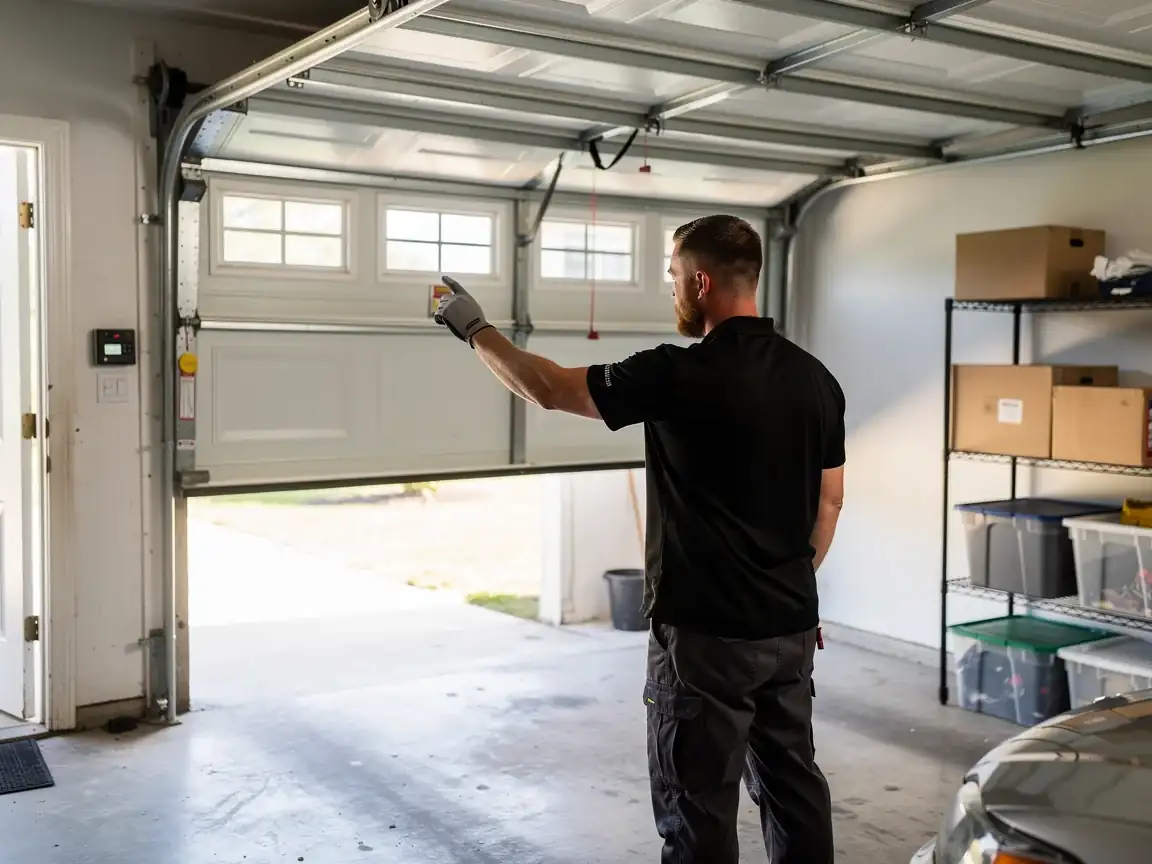
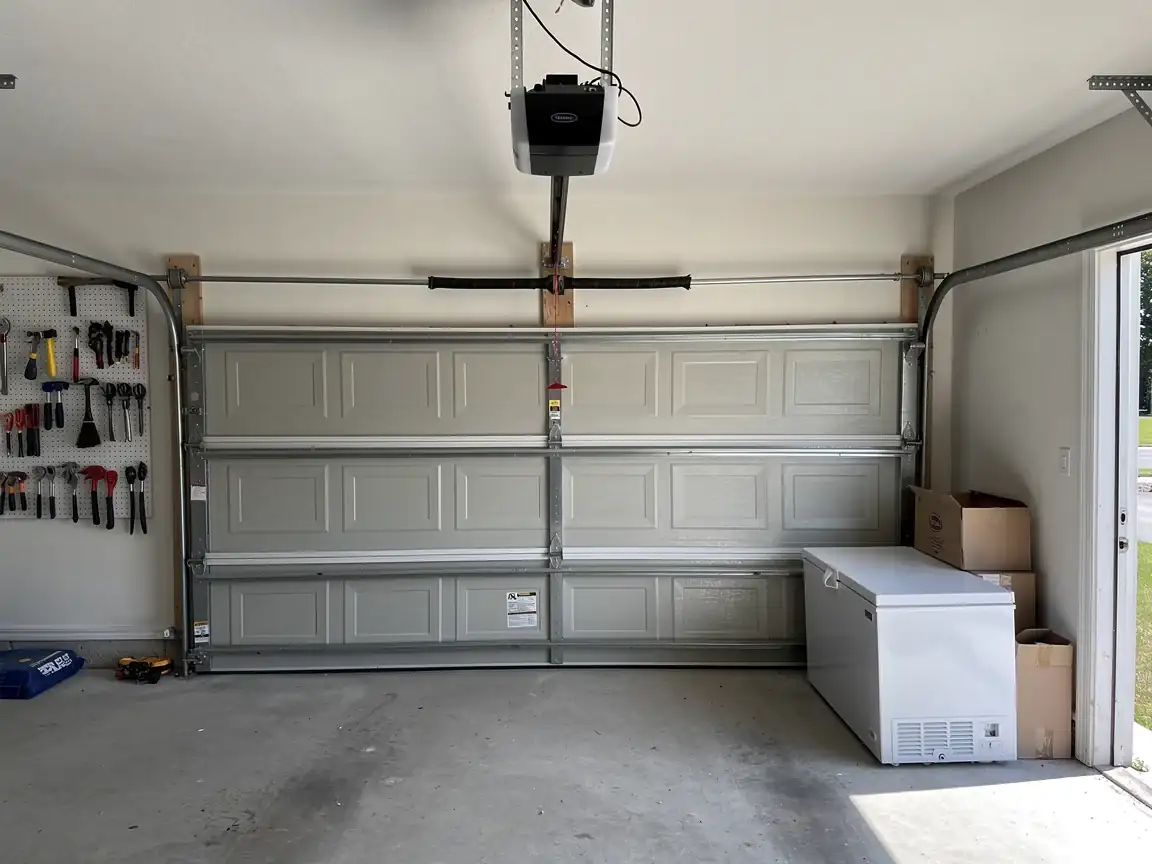
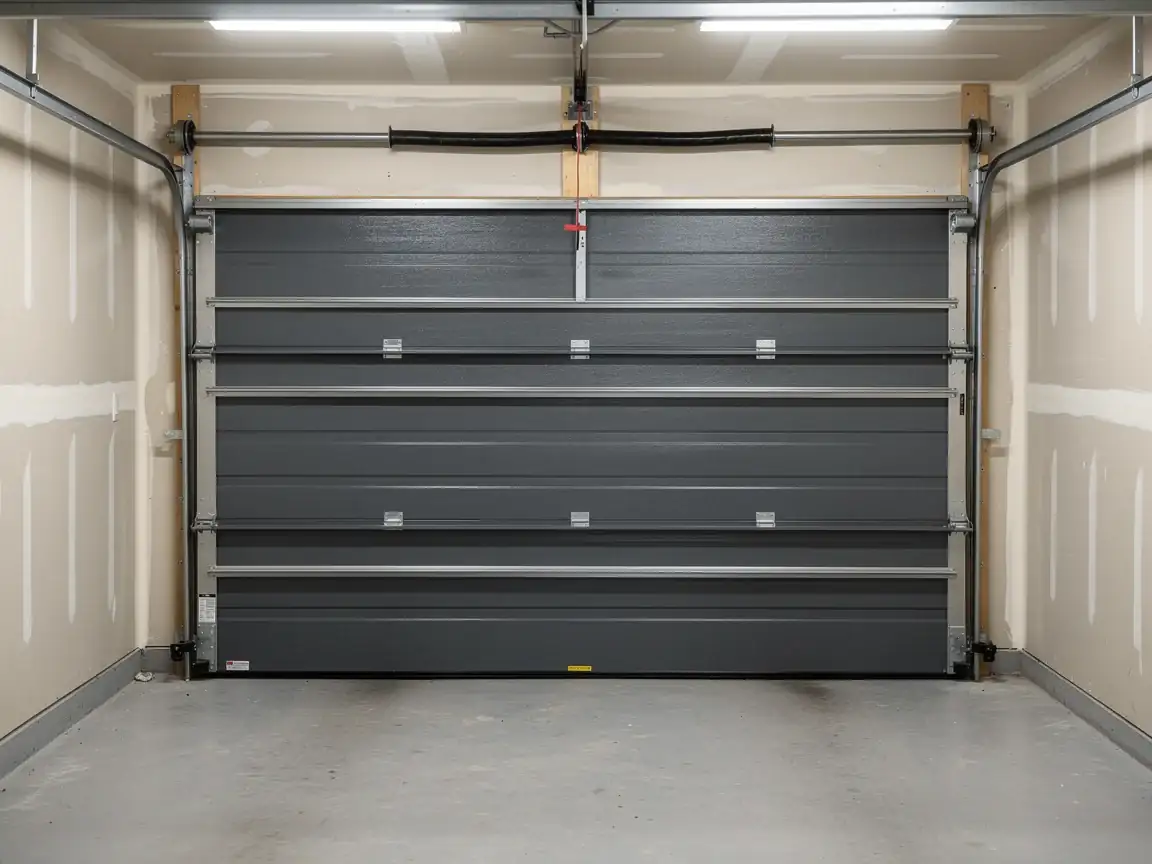
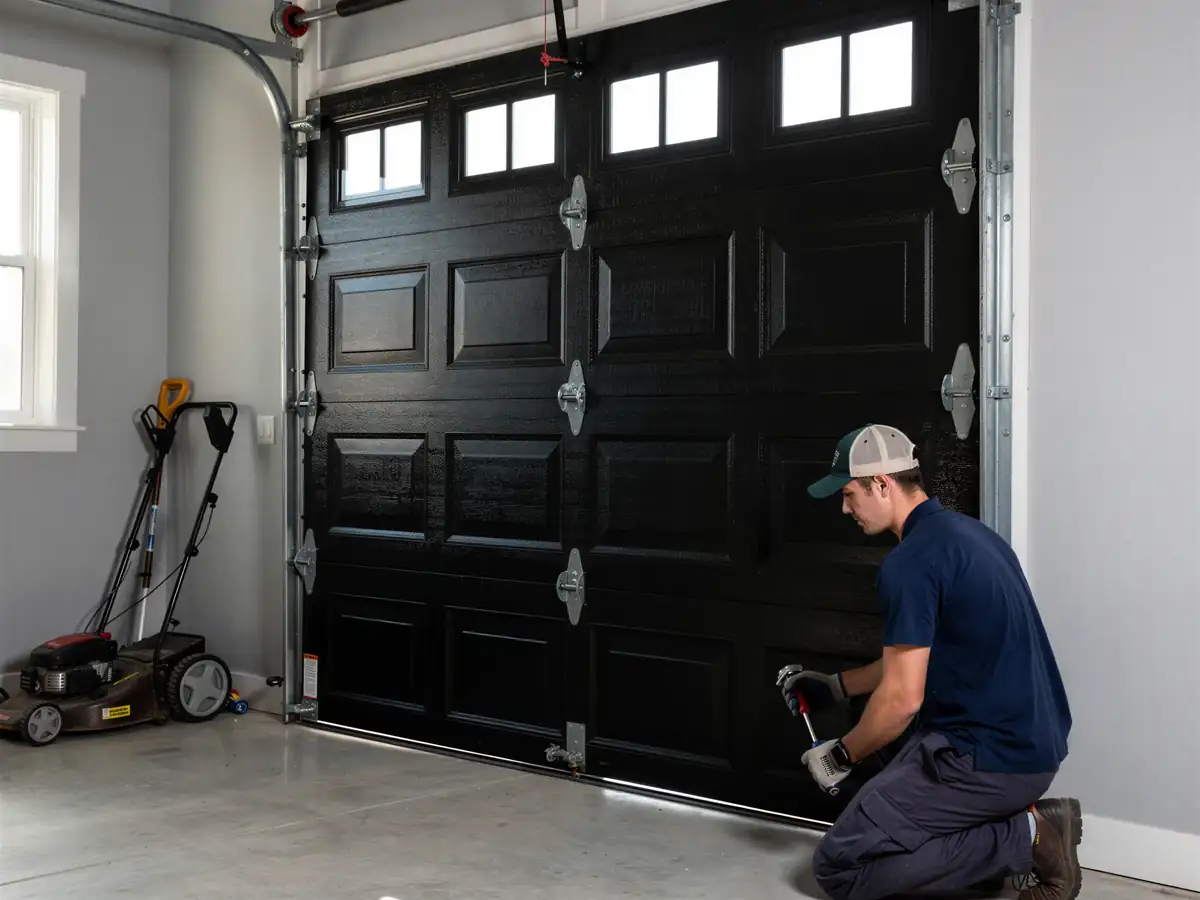
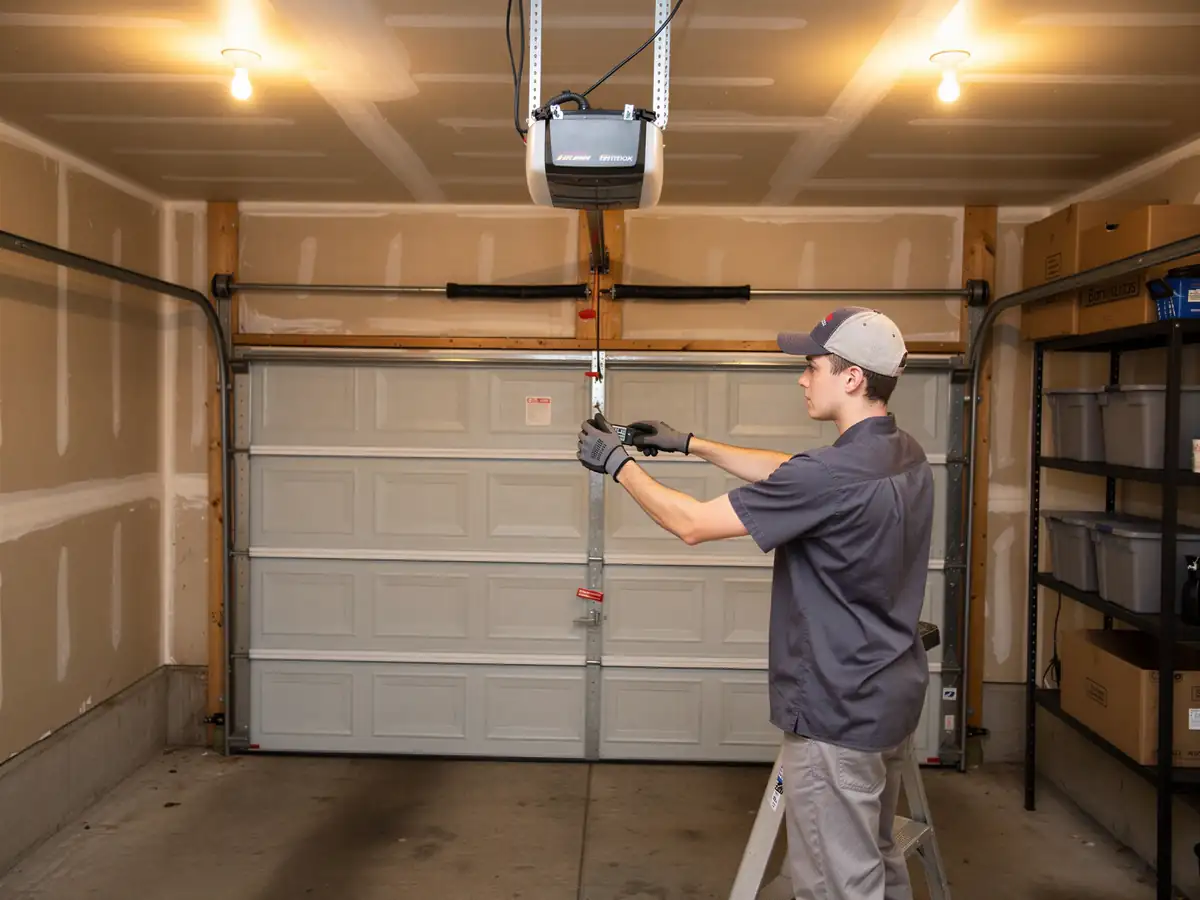
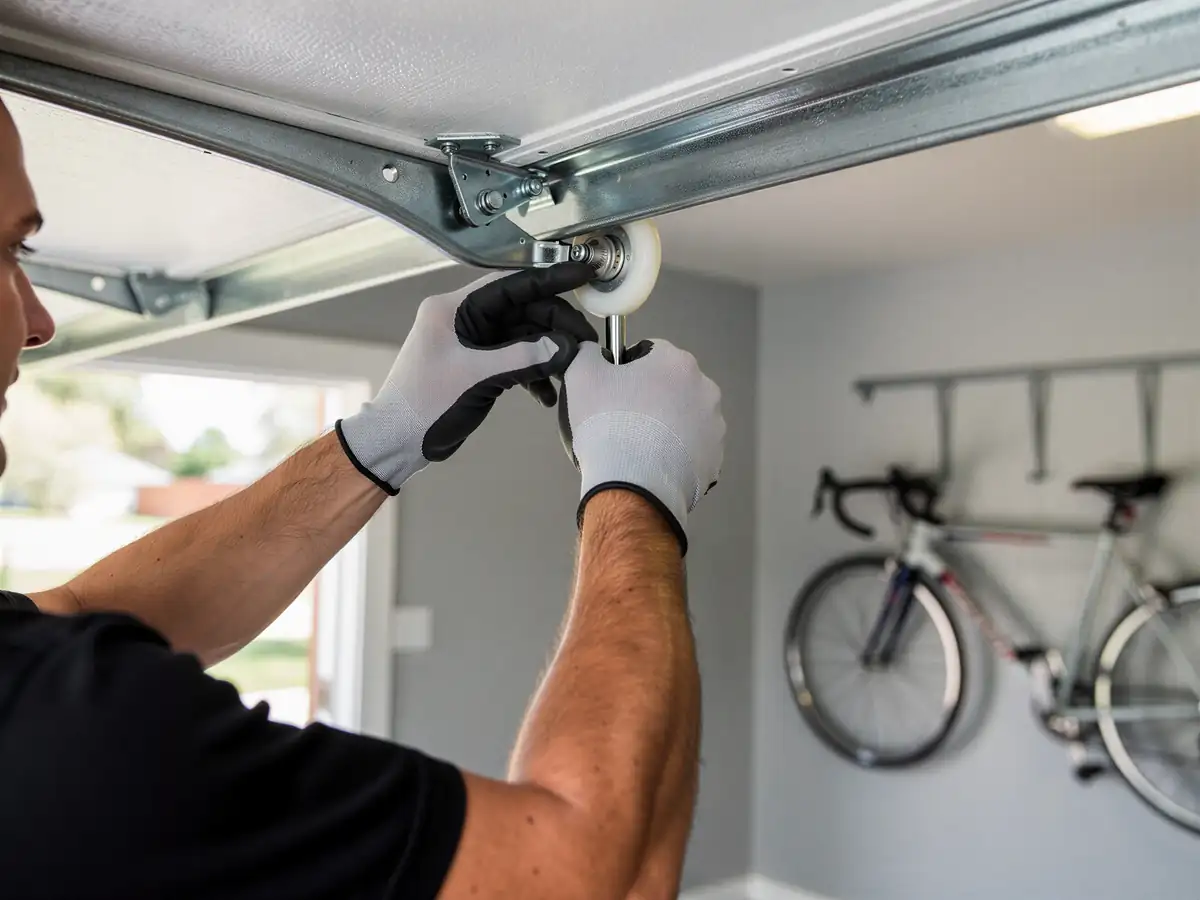
We pull the old rollers off the stems, check each roller bracket and hinge for rust or play, and swap in new rollers - nylon with sealed bearings is the common upgrade from the original steel, since it runs quieter and doesn't pit the same way in cold weather. On a door from the early-1970s build era, the track itself is often original too, so we check it for bends, narrow spots, or rust buildup before reinstalling rollers into it - a new roller in a bad track just wears out again fast.
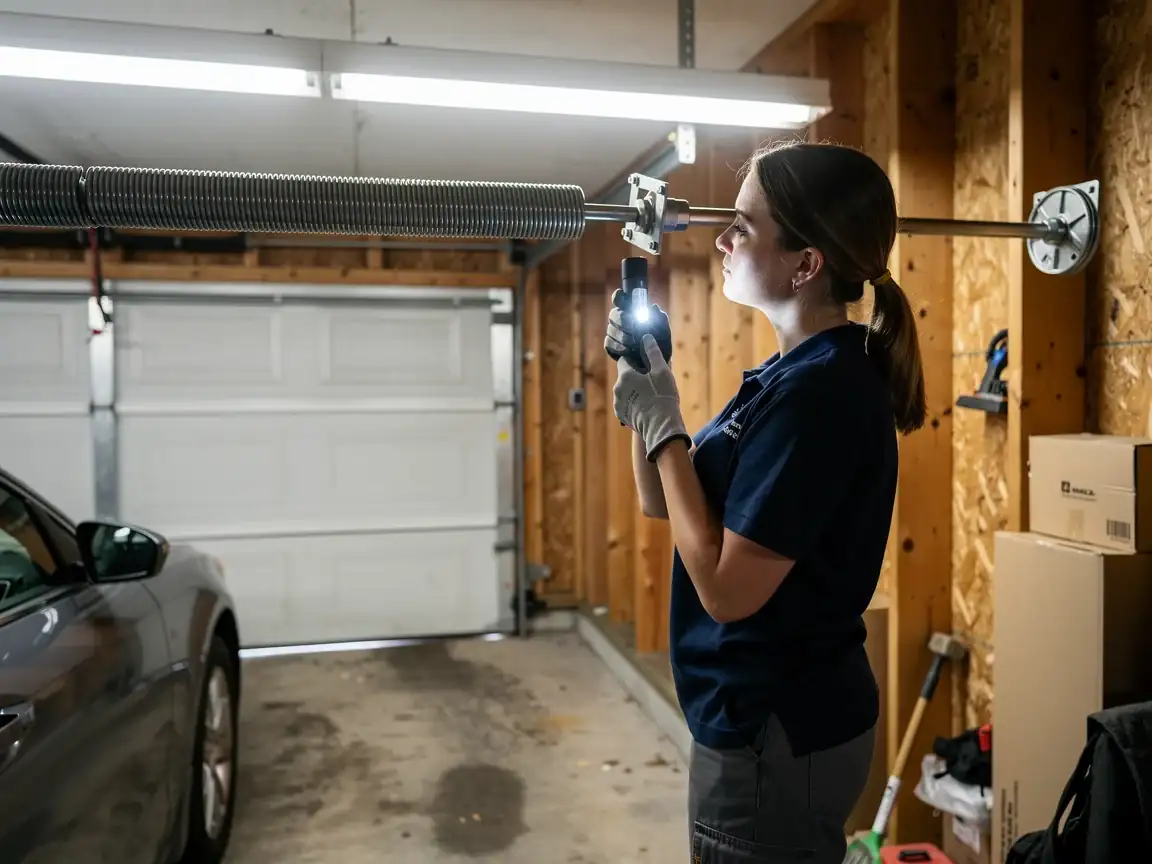
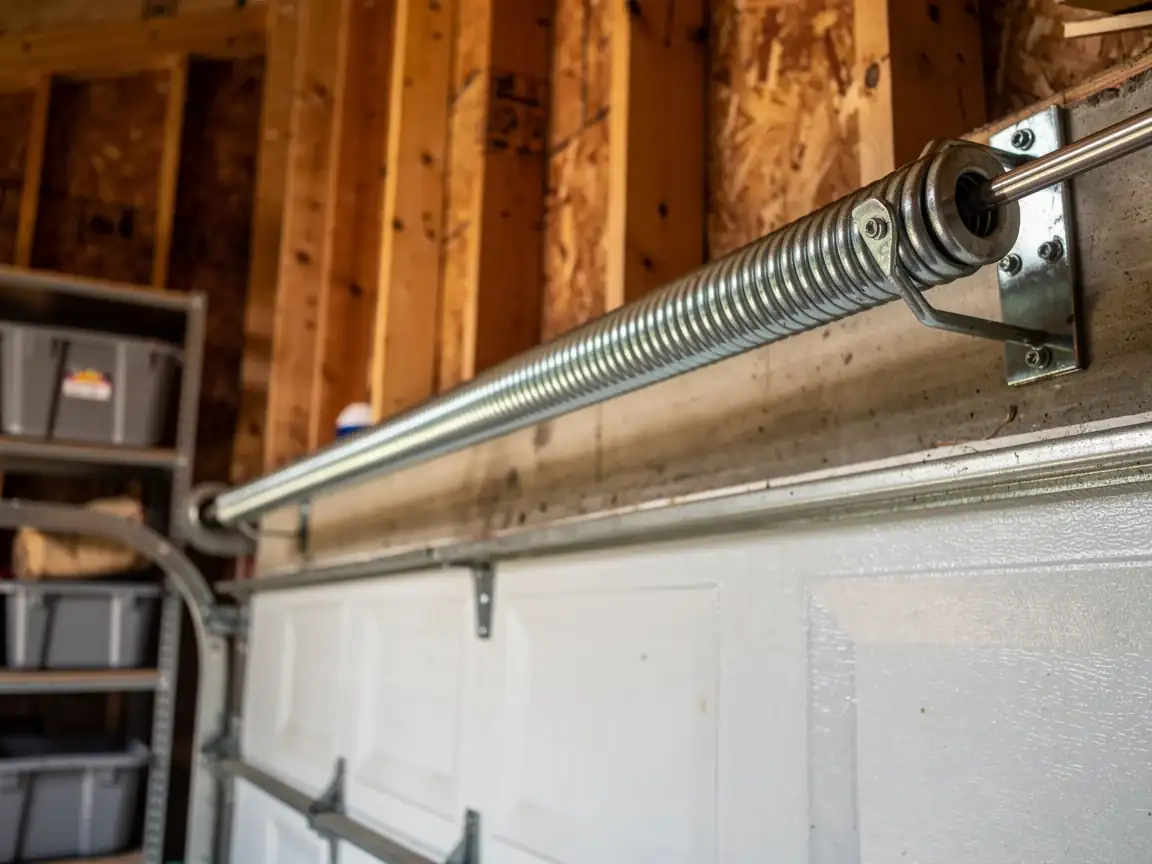
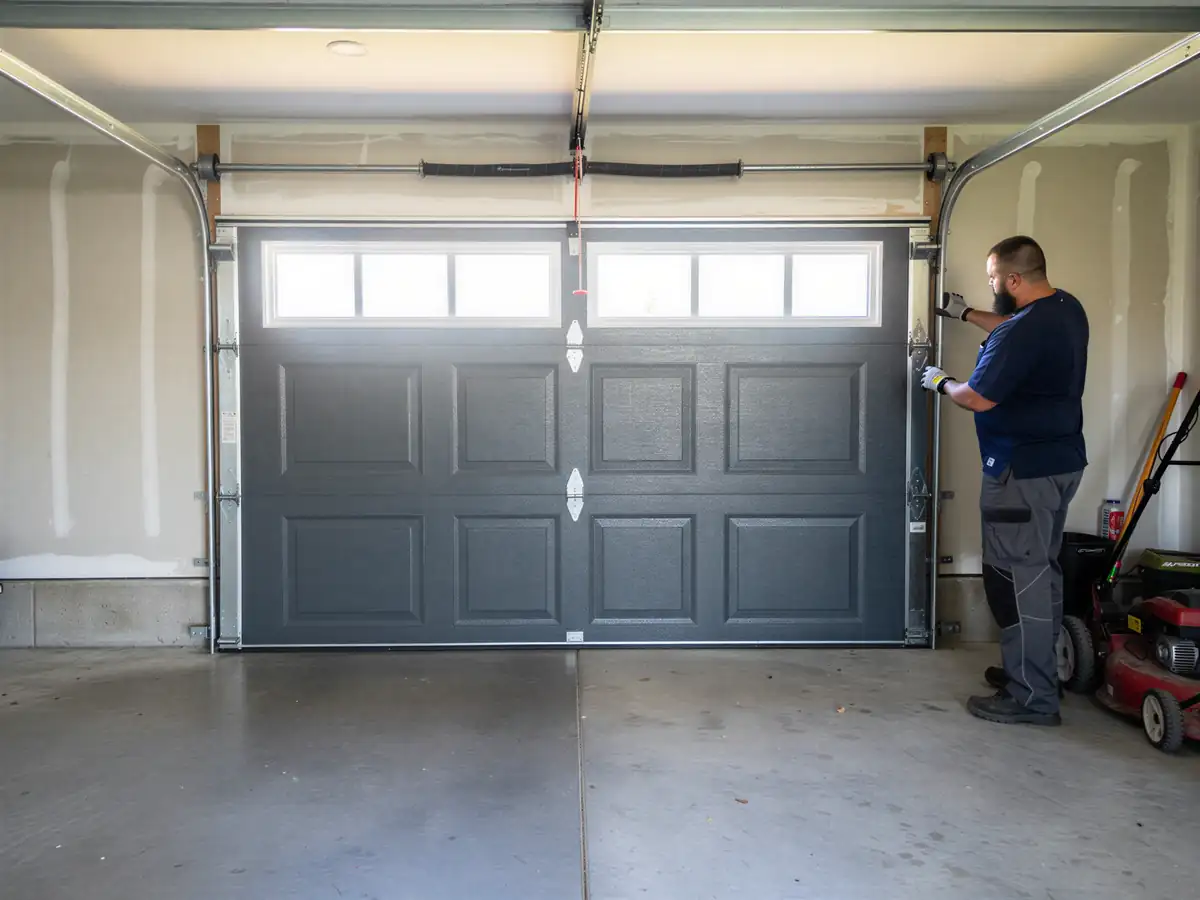
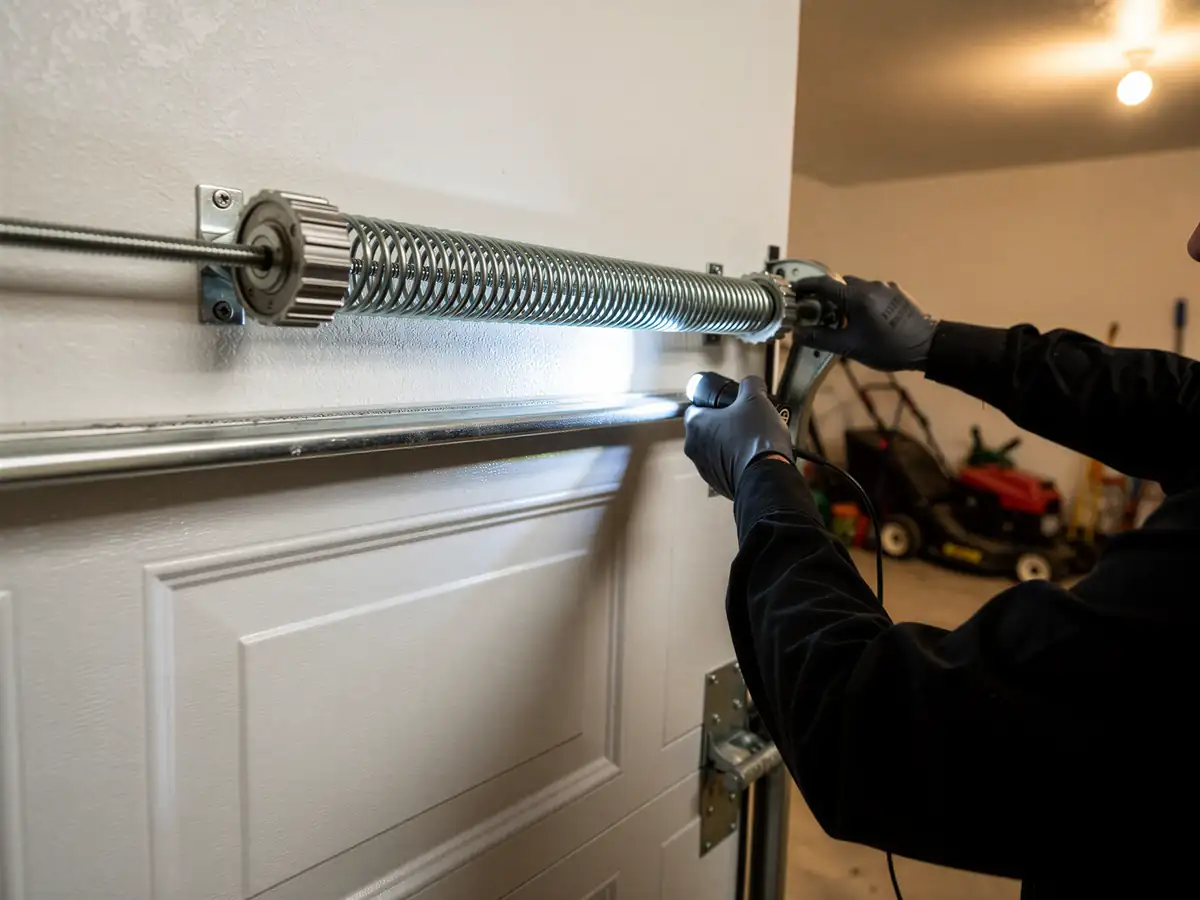
We also check the cable and spring tension while the door's apart, since a roller job is usually the first sign something else on an original-era door is due. We don't replace parts that aren't failing - if your track is straight and your springs are sound, we tell you that instead of running up the ticket. The honest limit here: if the track itself is badly bent or rusted through, roller replacement alone won't fix the rough travel, and we'll say so before we start rather than after.
How Long You Are Without the Door
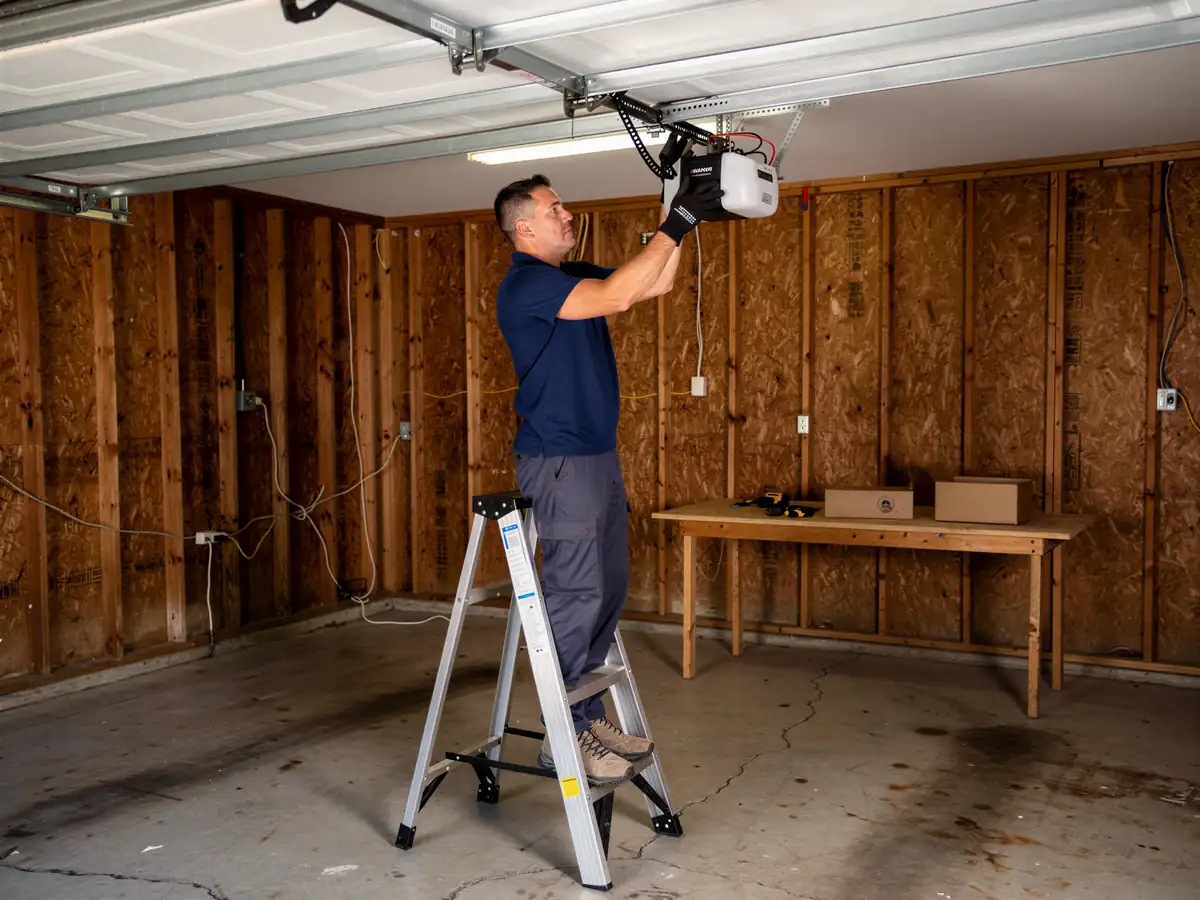
Once the truck is on site, a roller swap on a single door usually runs under two hours, including the track check. The bigger factor for Guthrie is the 14-mile drive from Edmond on each end of the job - we account for that in the scheduling window rather than the repair time itself, so plan around the appointment slot we give you rather than how long the wrench work takes.
Your door stays usable, if rough, right up until we're on site - this isn't a job that leaves the garage sealed shut for days. If we find the track needs more than an adjustment, that's a second visit with parts ordered ahead, since we don't carry every track width on the truck for a house built off 1970s-era hardware. We'll tell you on the spot if that's the case rather than let you find out when we don't show back up with the right part.