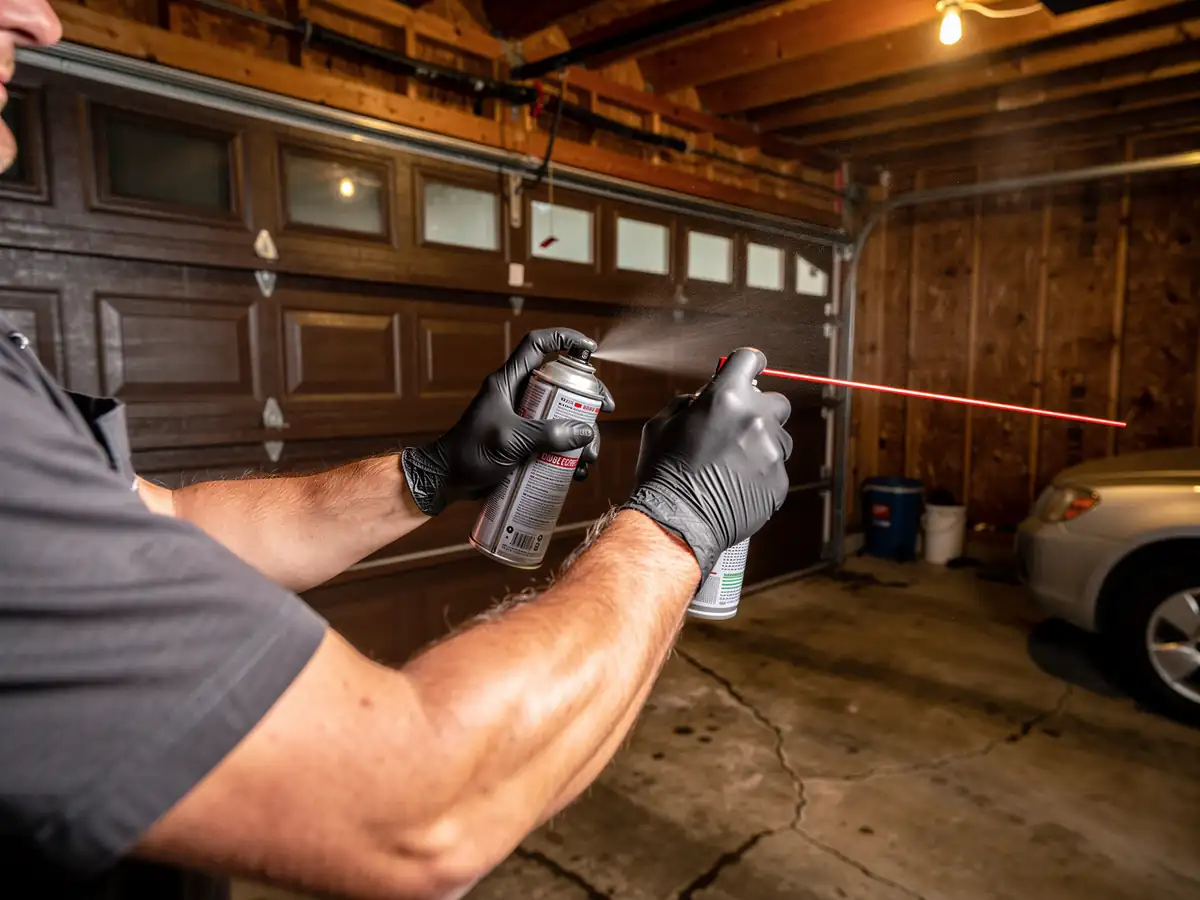
Getting It Booked In
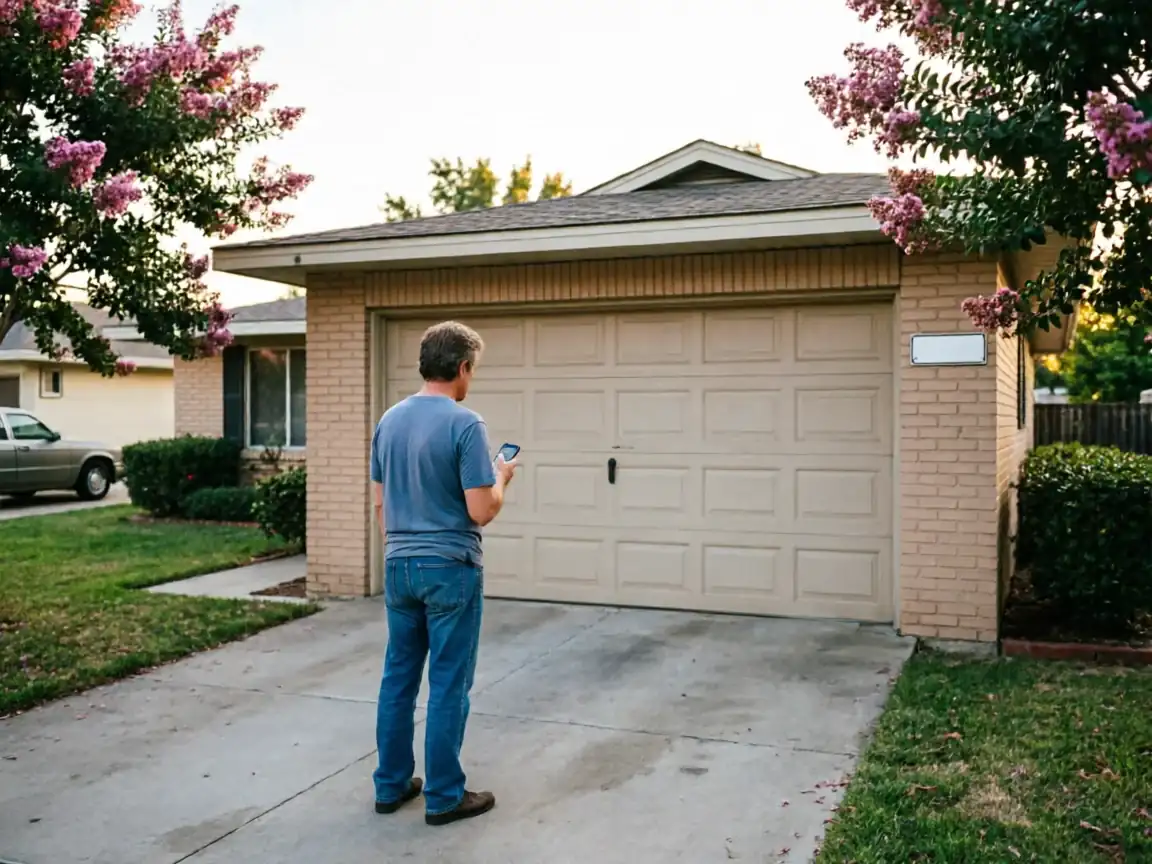
Guthrie sits about 14 miles north of our shop in Edmond, so every opener job here gets scheduled as a dedicated trip rather than a drive-by between calls. That means we ask a few more questions up front than we would for a job five minutes down the road: door weight, ceiling height at the header, whether the track has been replaced since the house was built. We don't keep a branch or a truck staged in Guthrie, so the install date gets locked in when we book, not adjusted the morning of.
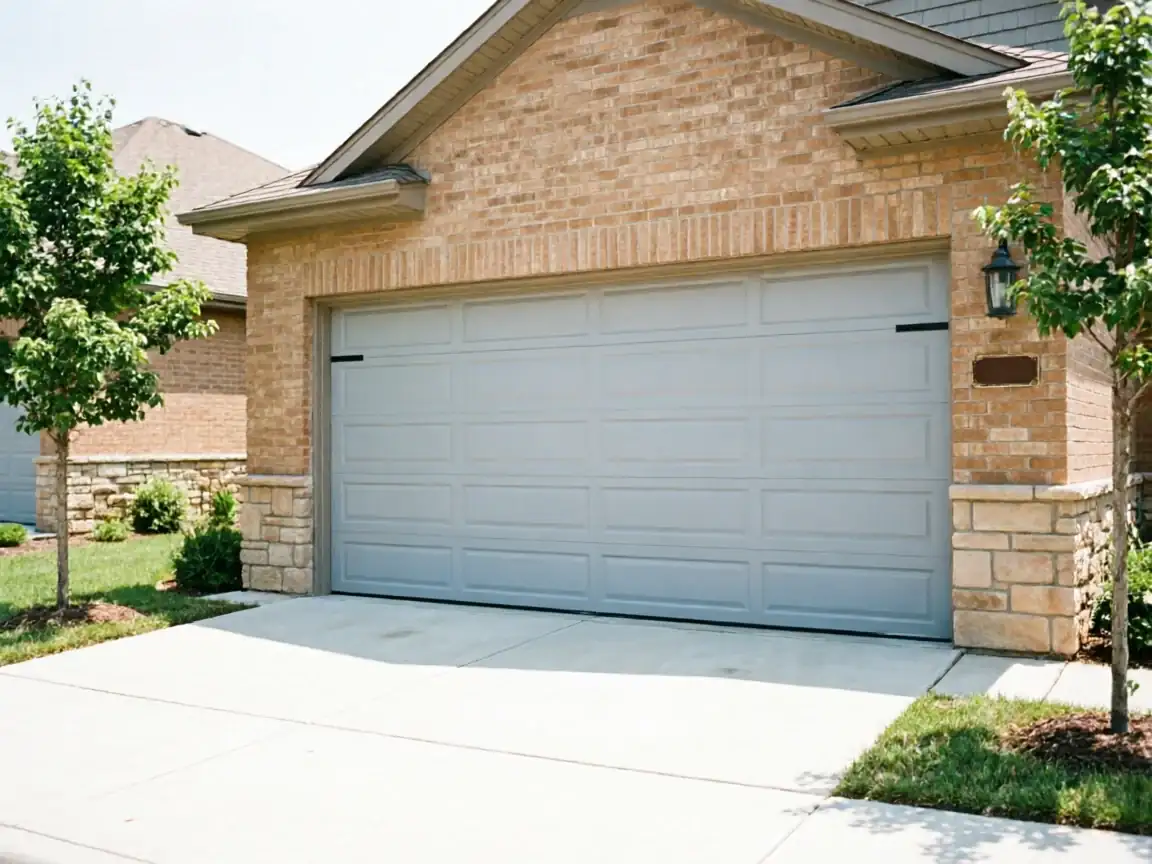
Most houses in town went up around 1972, and that one fact shapes the whole visit. A door opening sized for 1970s hardware doesn't always match the bracket kits that come standard with a new opener off the shelf, so we try to nail down the header clearance and rail length before the truck leaves Edmond rather than guessing on site. It saves a second trip, which matters more here than it would for a closer job.
The Complications
The fault we see most in Guthrie is an opener straining against a rail that was never square to begin with
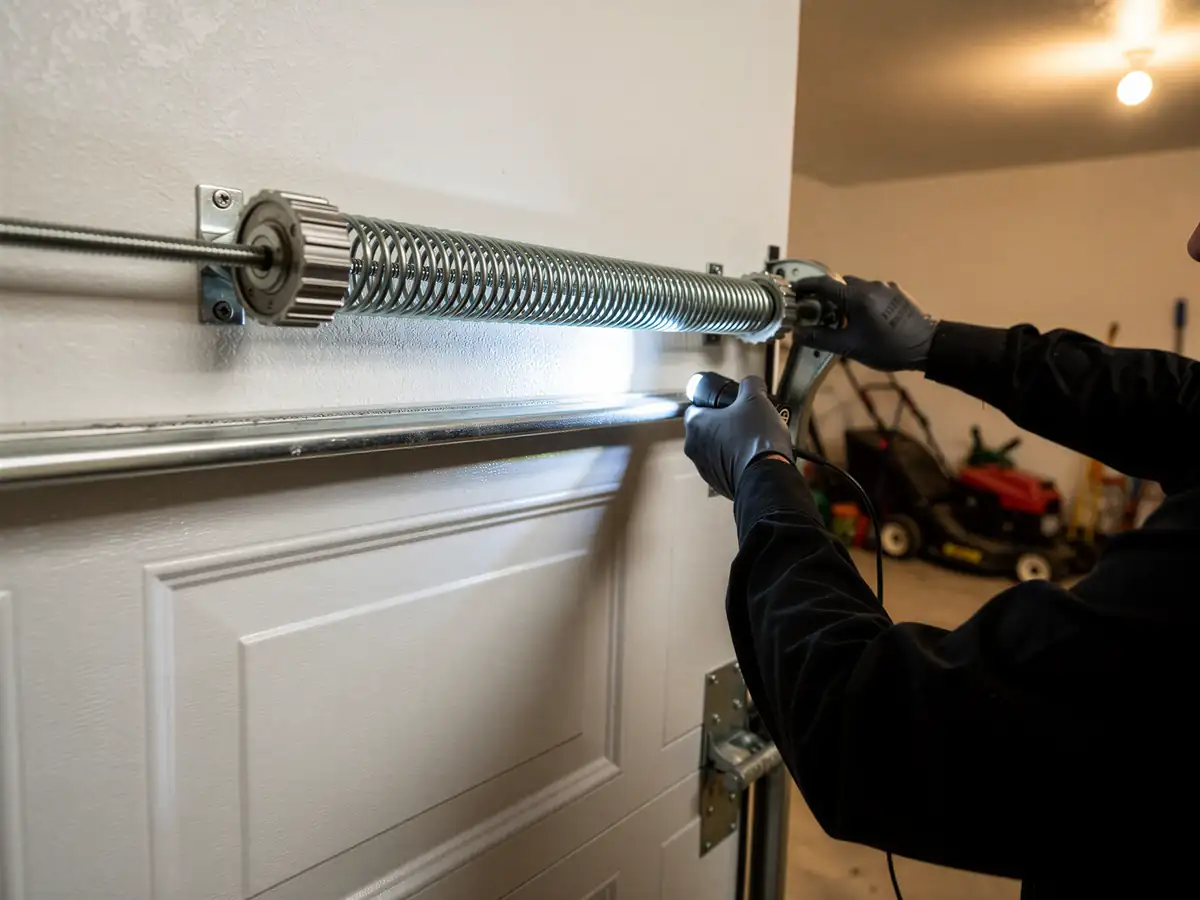
On a house built in 1972, odds are decent the original door has been replaced at least once, and when that happens the new door doesn't always get rehung on hardware sized for it. The opener ends up doing work the spring should be doing - grinding, slow travel, a motor that runs hot on a door that should move with one hand.
We're in a cold moderate climate band here
Which means temperature swings through the year change how a steel door sits in its track - tighter in winter, looser in summer - and an opener installed without accounting for that will nuisance-reverse or stall at the limits more than it should. On an older house, that's rarely a defective opener. It's usually a door that was never properly balanced against the spring before anyone bolted a motor to it. We check balance before we touch the opener bracket, not after.
What the Fix Involves
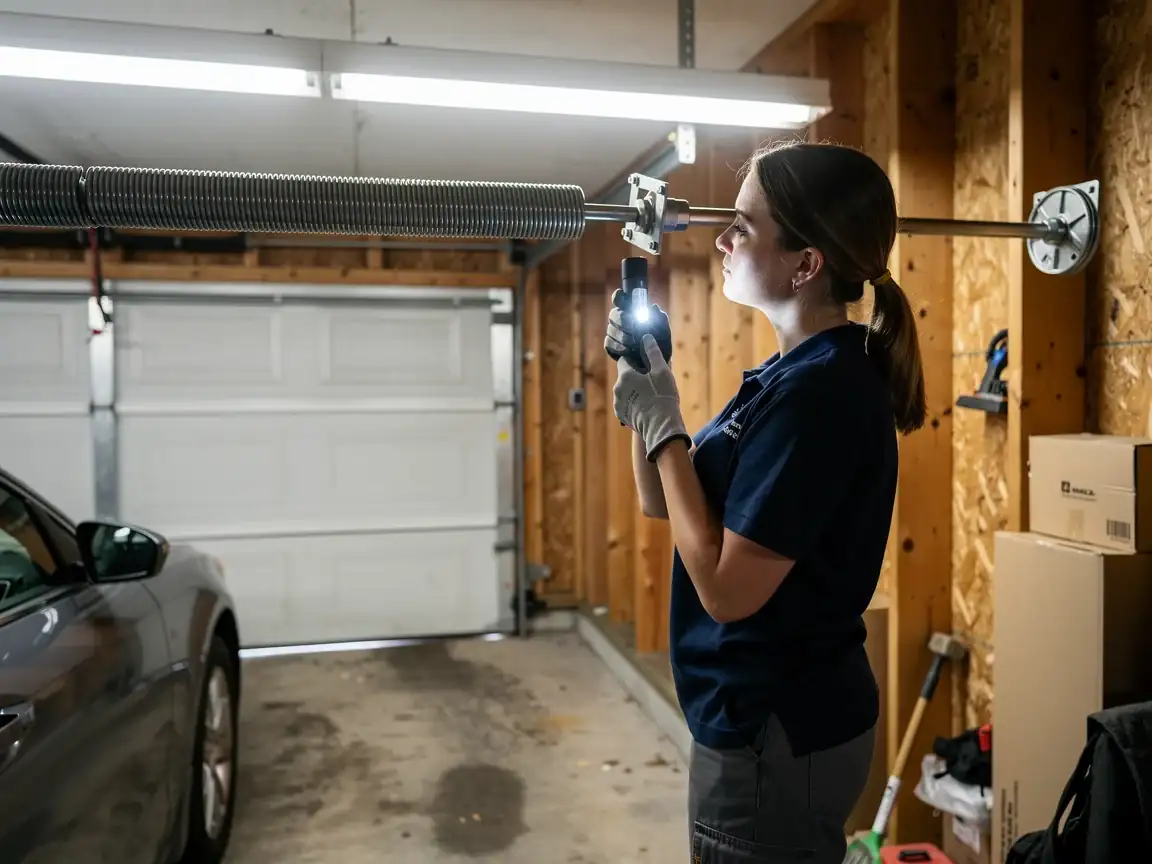
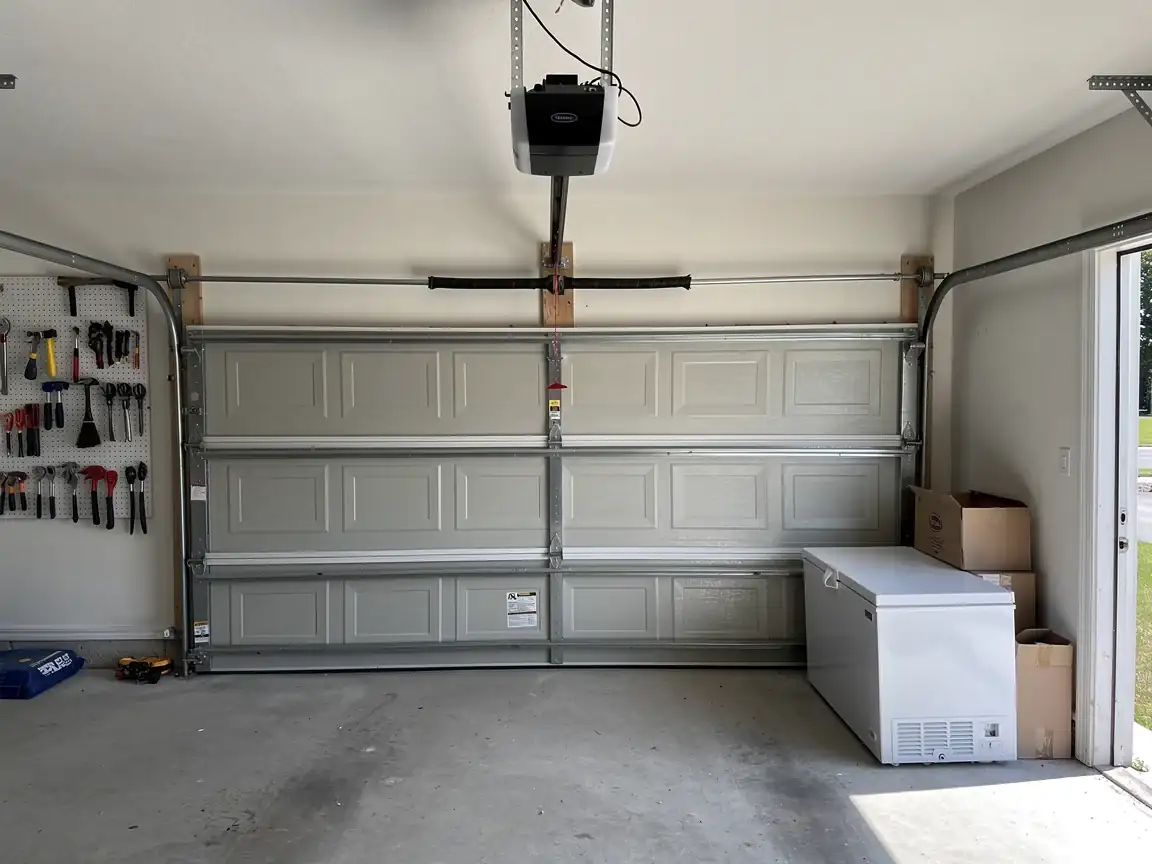
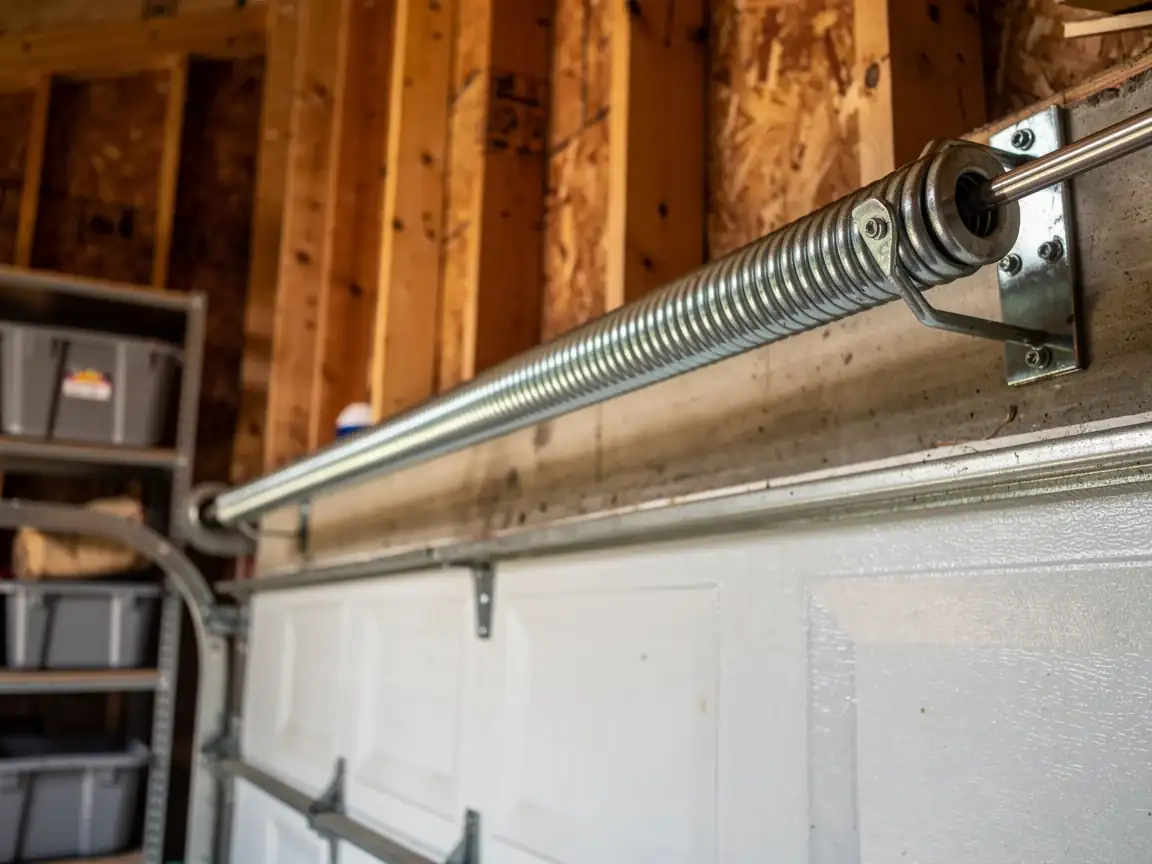
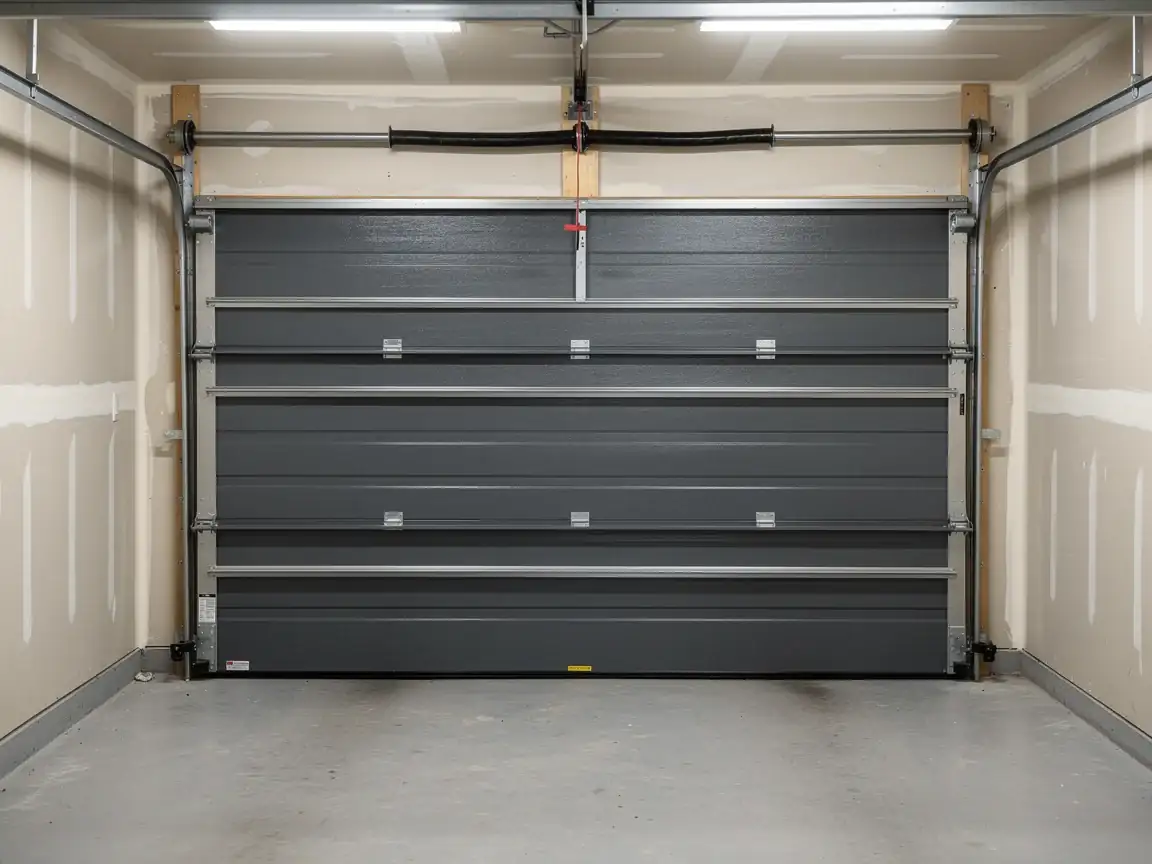
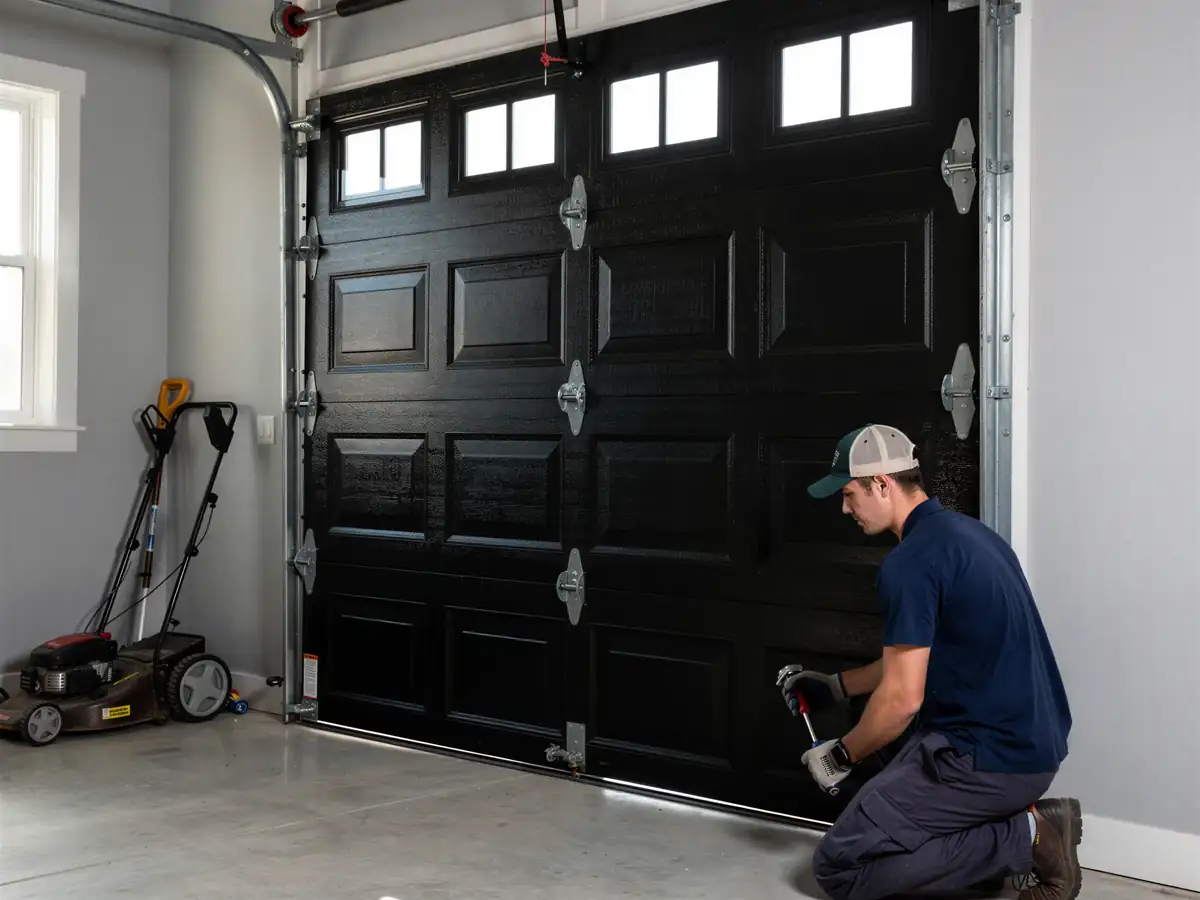
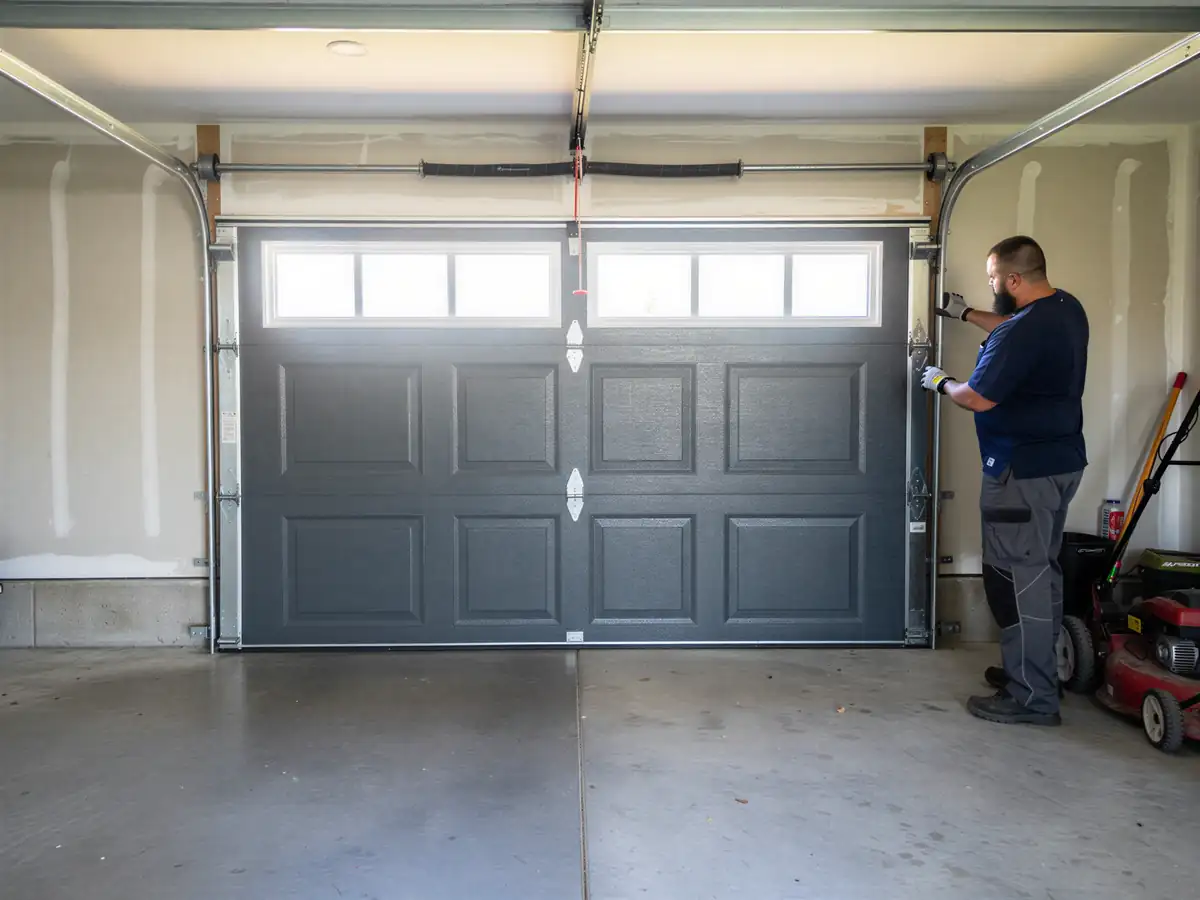
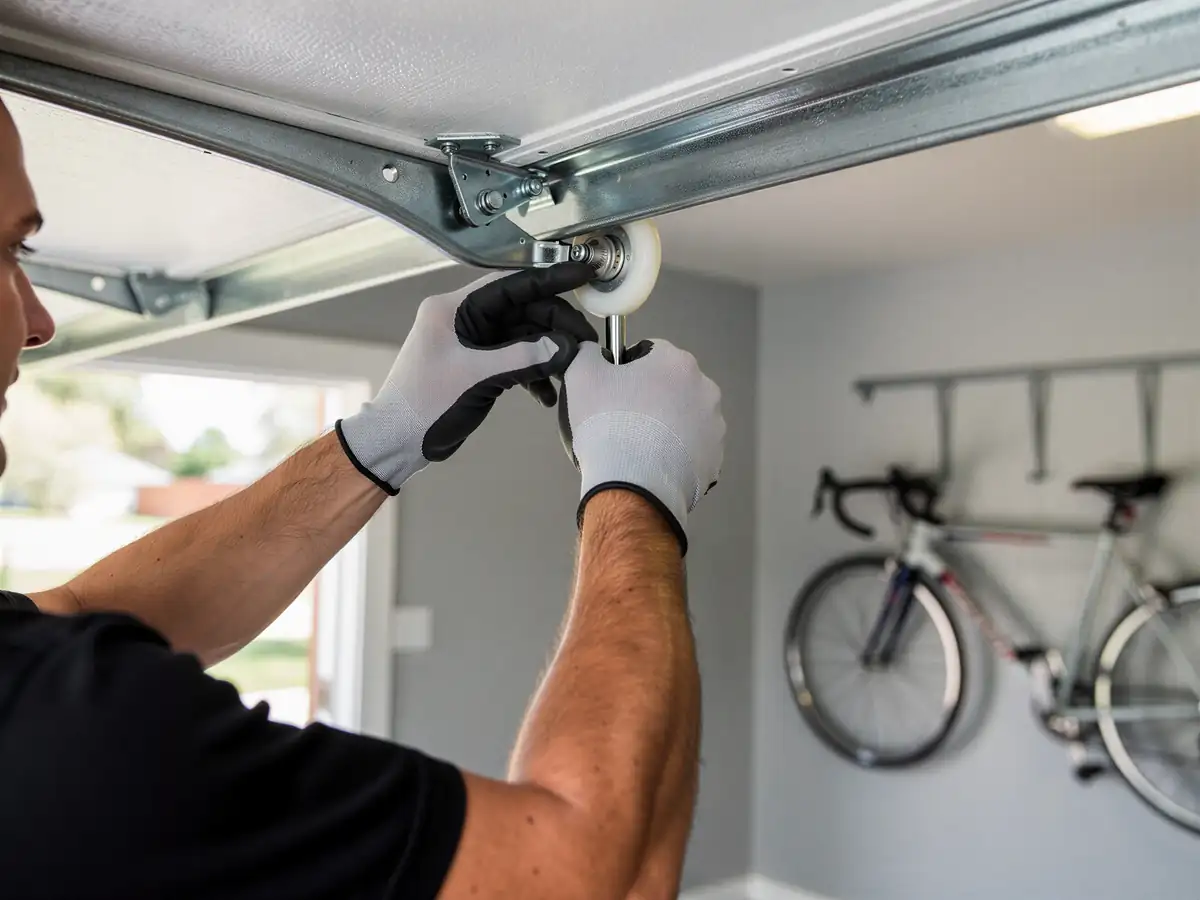
We start by pulling the old unit and checking the rail is straight and square to the header, then lift-test the door by hand with the opener disconnected. On a house from the early 1970s, this step catches more problems than people expect - a spring that was sized for a wood door decades ago, now holding up a heavier insulated steel one, or a track that's been re-shimmed one too many times.
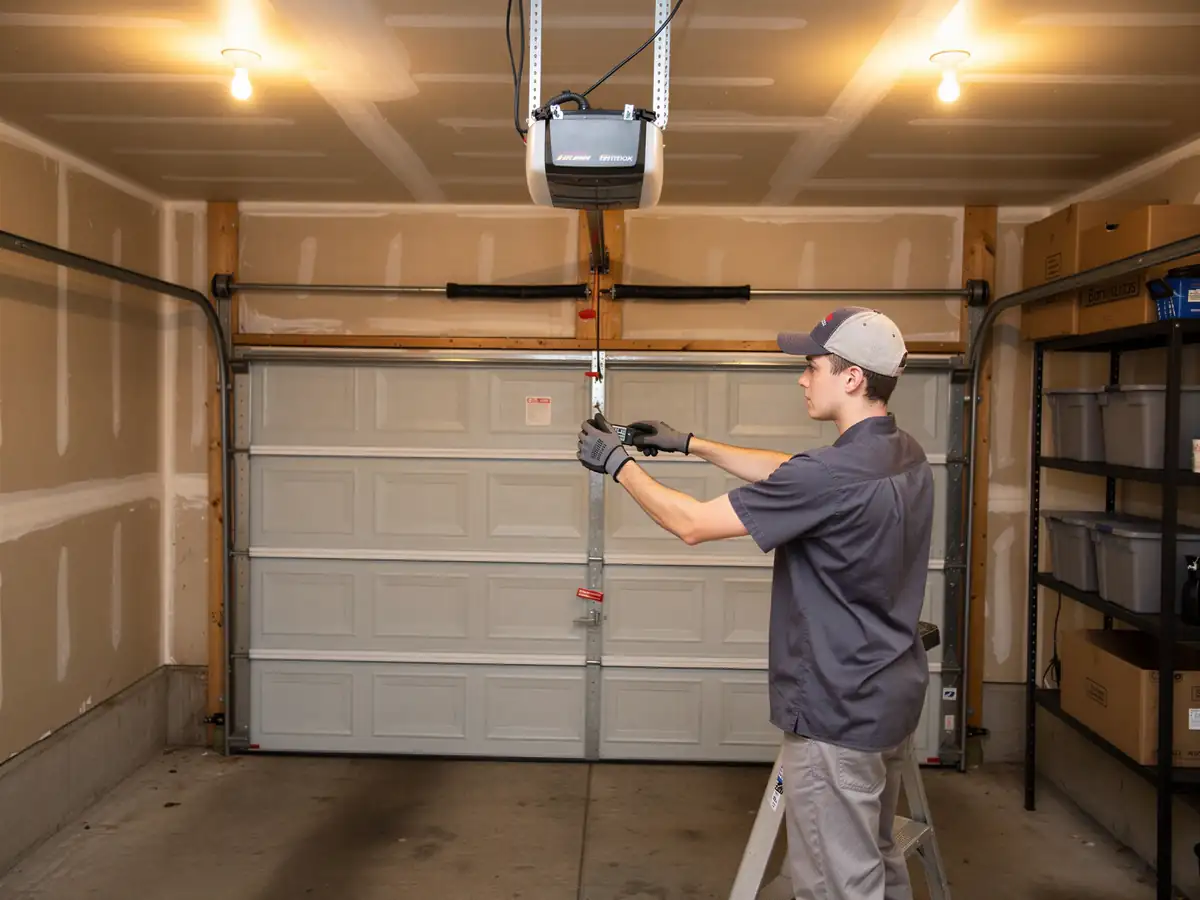
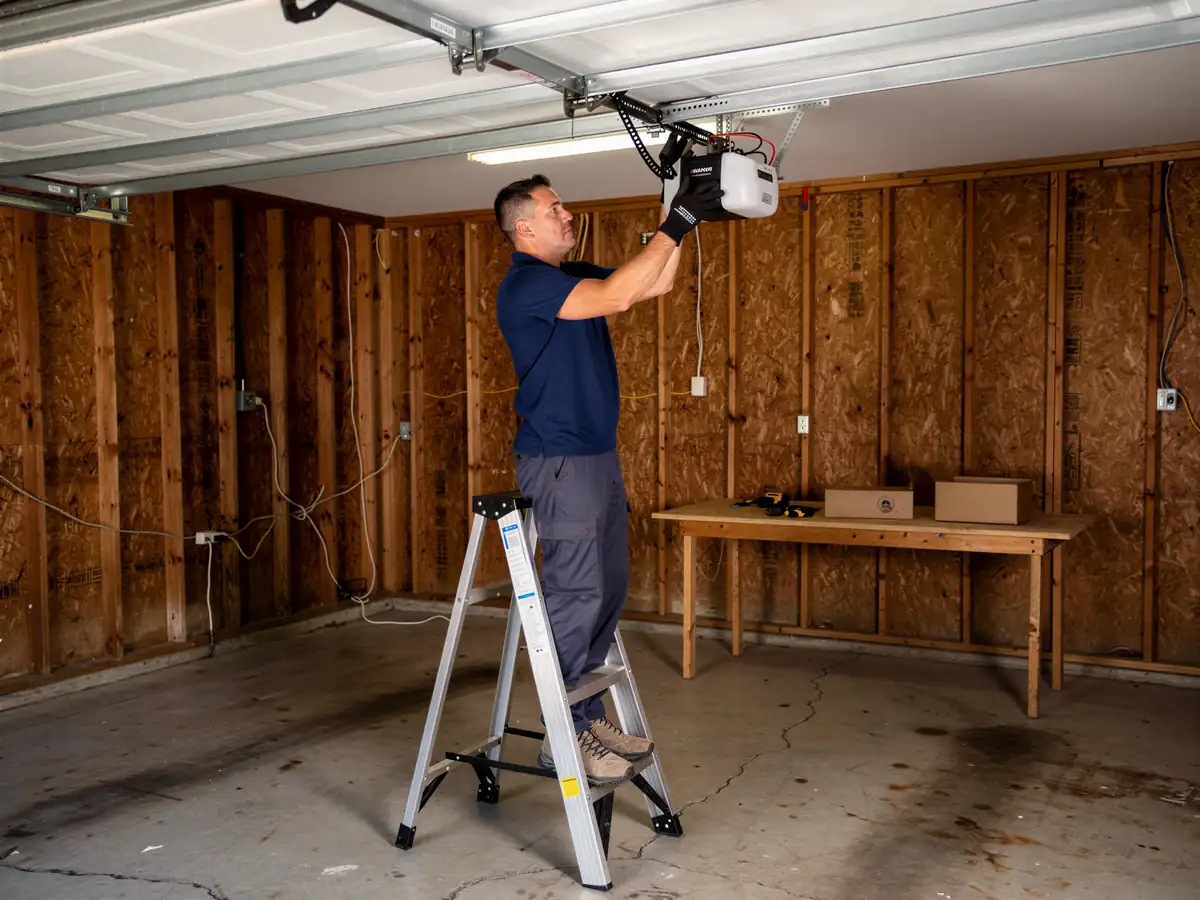
Once the door balances correctly on its own, we mount the opener, set the travel limits, wire the safety sensors at the base of the track, and program the remotes and keypad. One limitation worth saying plainly: we don't carry every bracket kit and low-headroom adapter on the truck for every ceiling height. Guthrie has enough older, shorter garages that if yours needs a special-mount kit, we'll know from the header measurement before we come out, not after we've already made the drive.
How Long You Are Without the Door
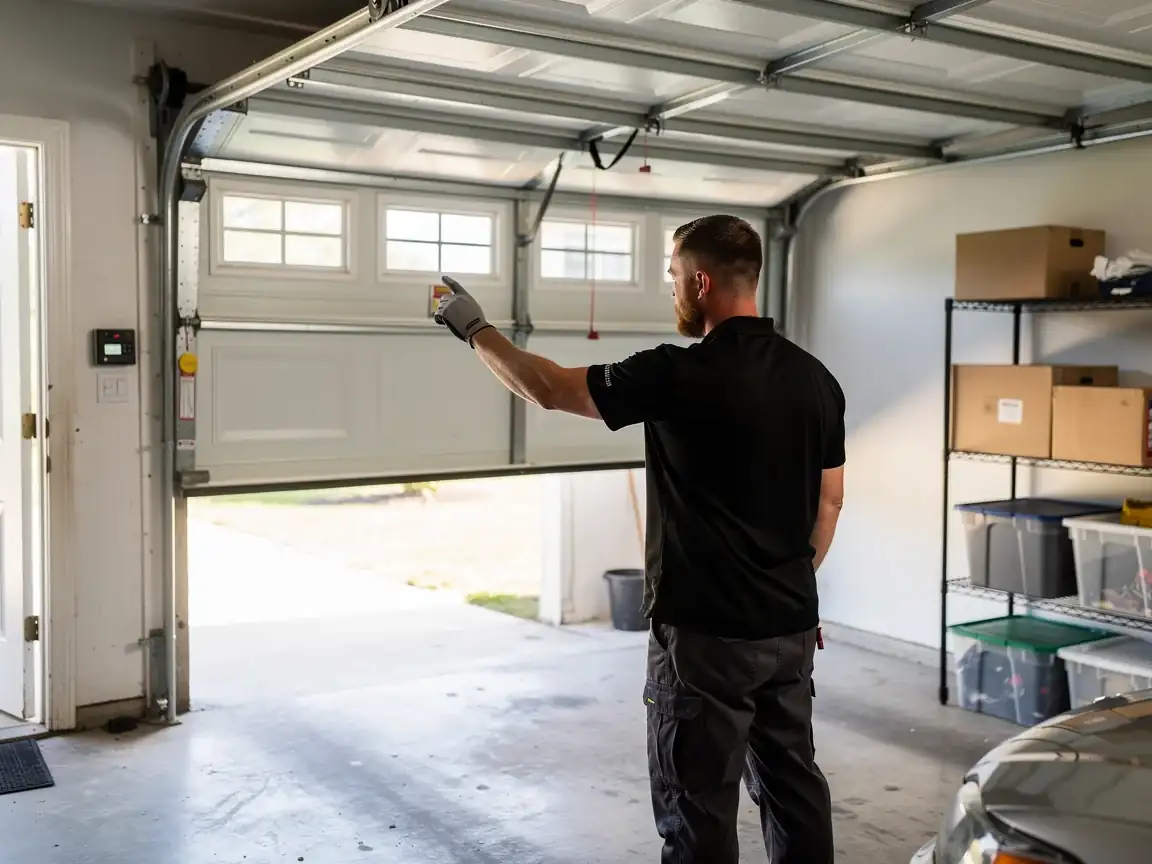
A straight opener swap, where the door itself is already balanced and the track is sound, is an afternoon's work - the door stays operable by hand with the trolley release the whole time, so you're never locked in or out. Where it runs longer is when the balance check turns up a spring or track problem that has to be fixed first; that's not an opener job anymore, that's a door job with an opener added on, and it gets priced and scheduled as both.
Because the trip from Edmond is 14 miles each way, we build the visit as one block rather than splitting it into a diagnostic trip and a return install trip. If parts turn up that we didn't anticipate - an odd bracket kit, a track size we don't carry stock of - that's the one thing that can push a Guthrie job to a second day, and we'd rather tell you that up front than promise a same-day fix we can't back up.