Getting It Booked In
We run this call out of Edmond, about 14 miles down to Guthrie, so we don't have a crew sitting on standby inside town the way a local shop might. That means a Guthrie opener call gets scheduled around the drive, not instead of it. We're straight about that up front rather than promising something we can't back from here.
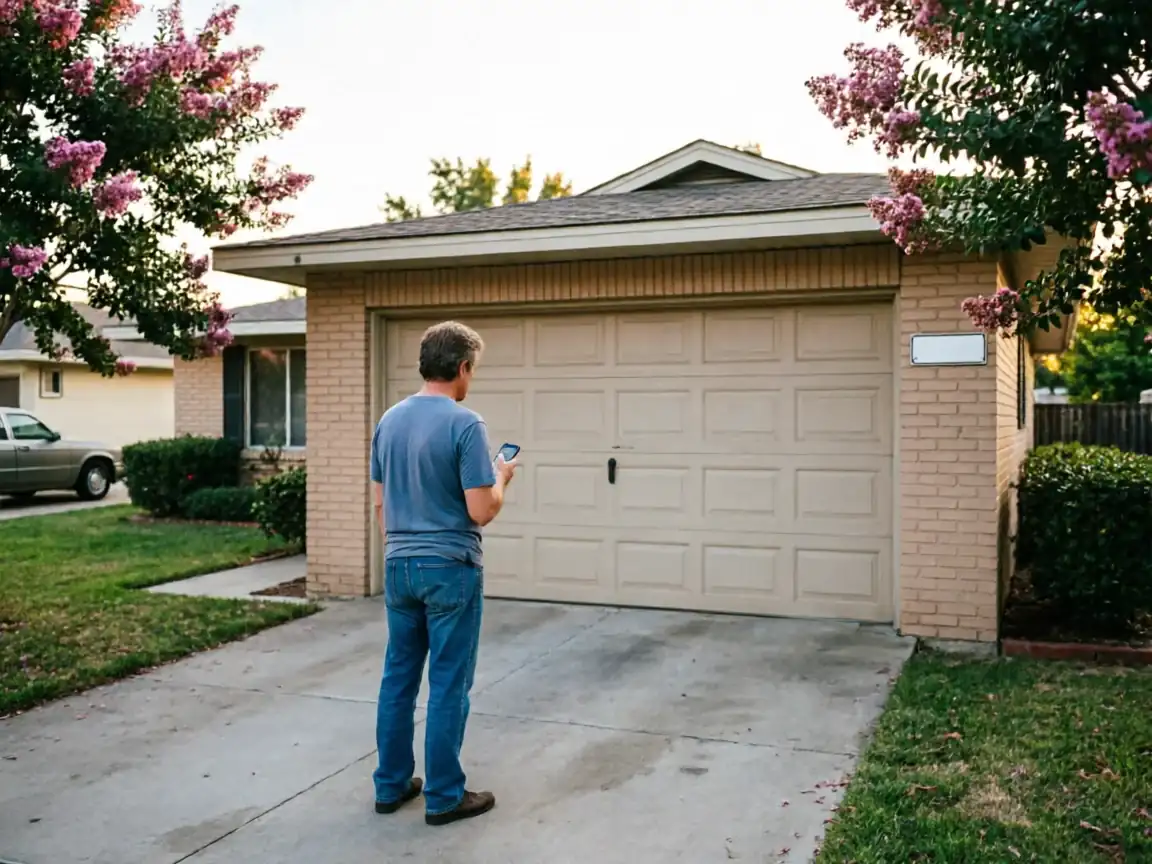
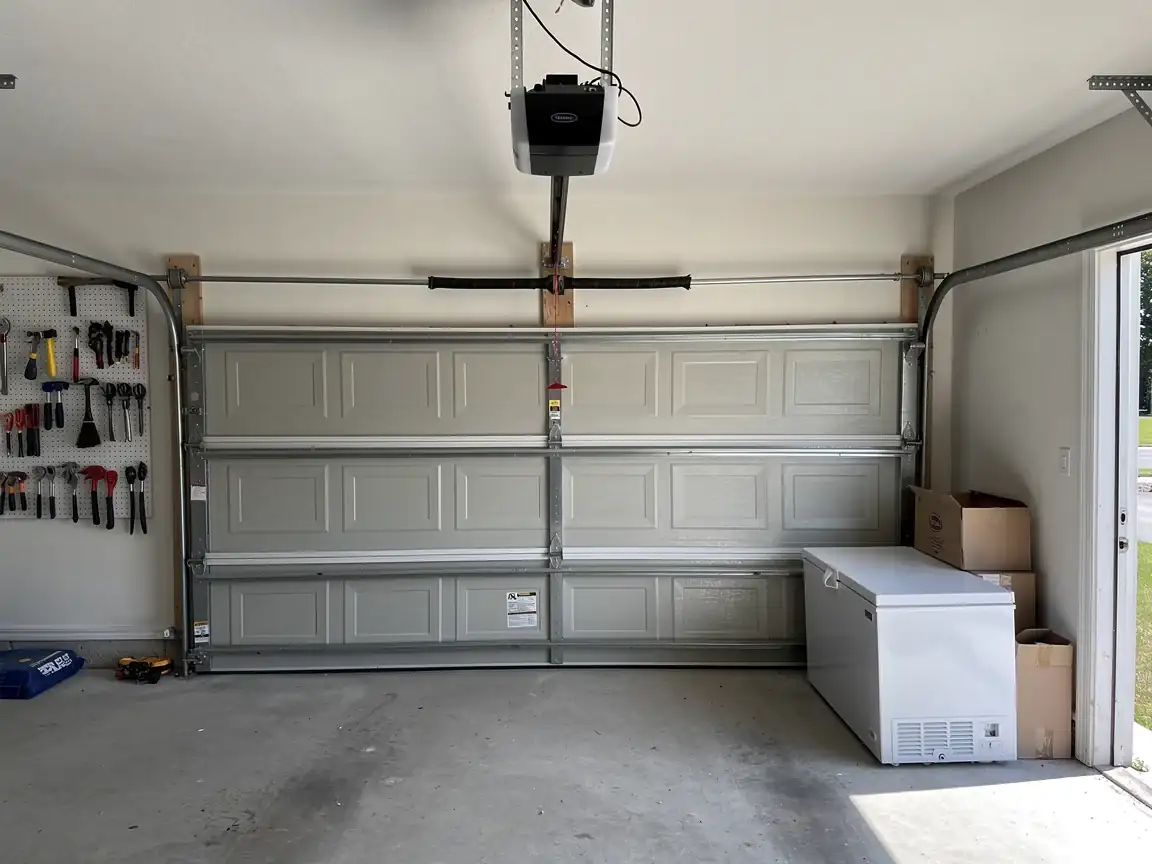
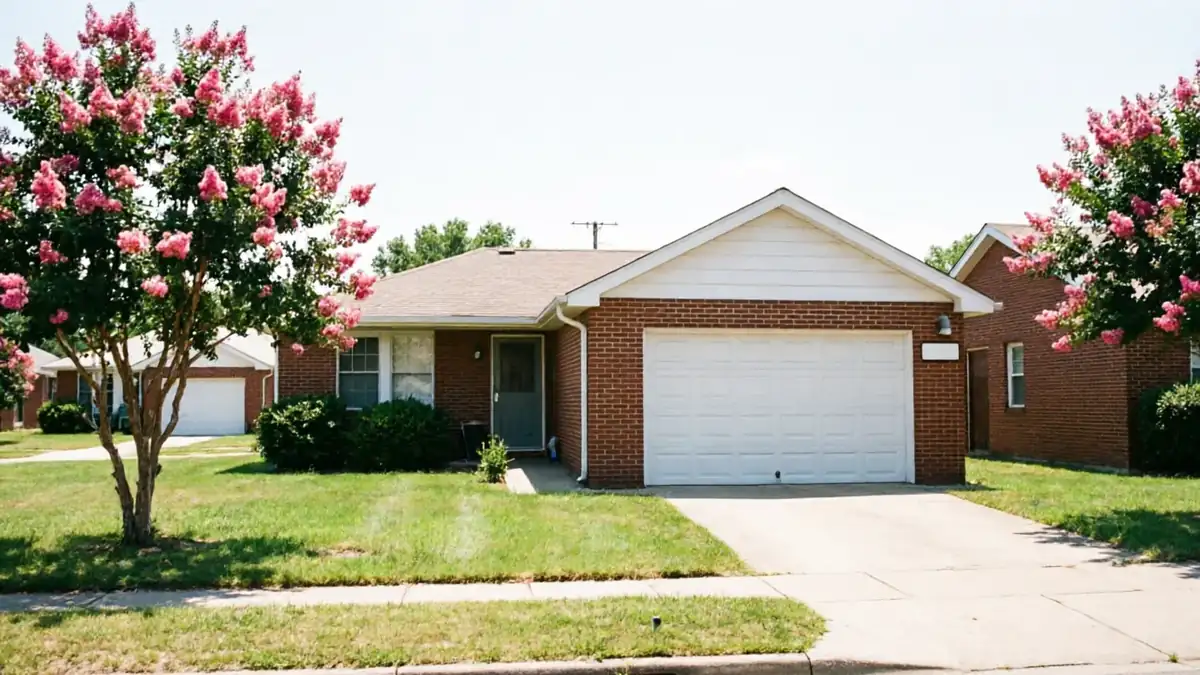
What we can tell you is what we're walking into before we knock on the door. Guthrie's housing mostly dates to the early 1970s - median build year around 1972 - which puts a lot of openers here well past any reasonable service life, especially chain-drive units from a remodel two or three owners back. If you can tell us the opener brand or even just whether it grinds, hums, or does nothing at all when you give us a call, we can bring the right parts on the truck instead of making a second trip from Edmond.
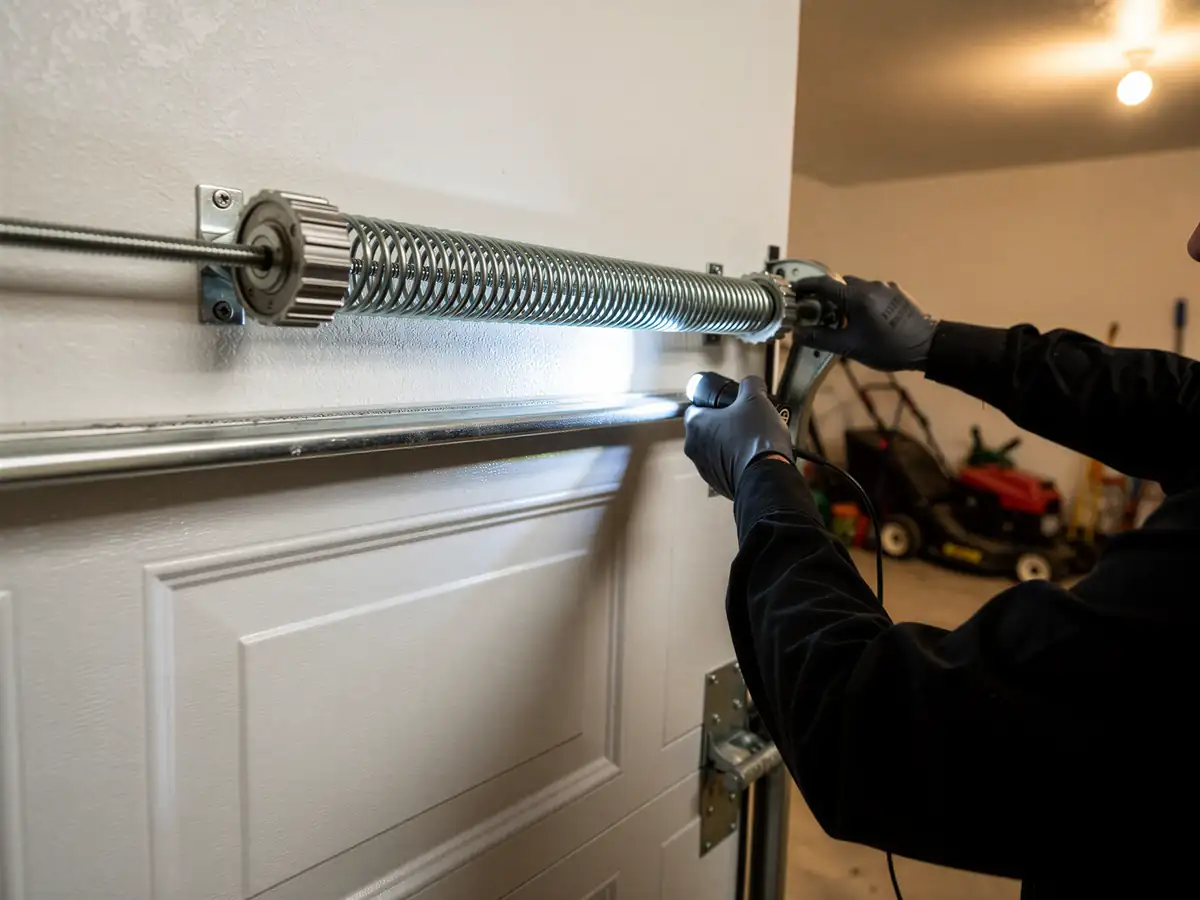
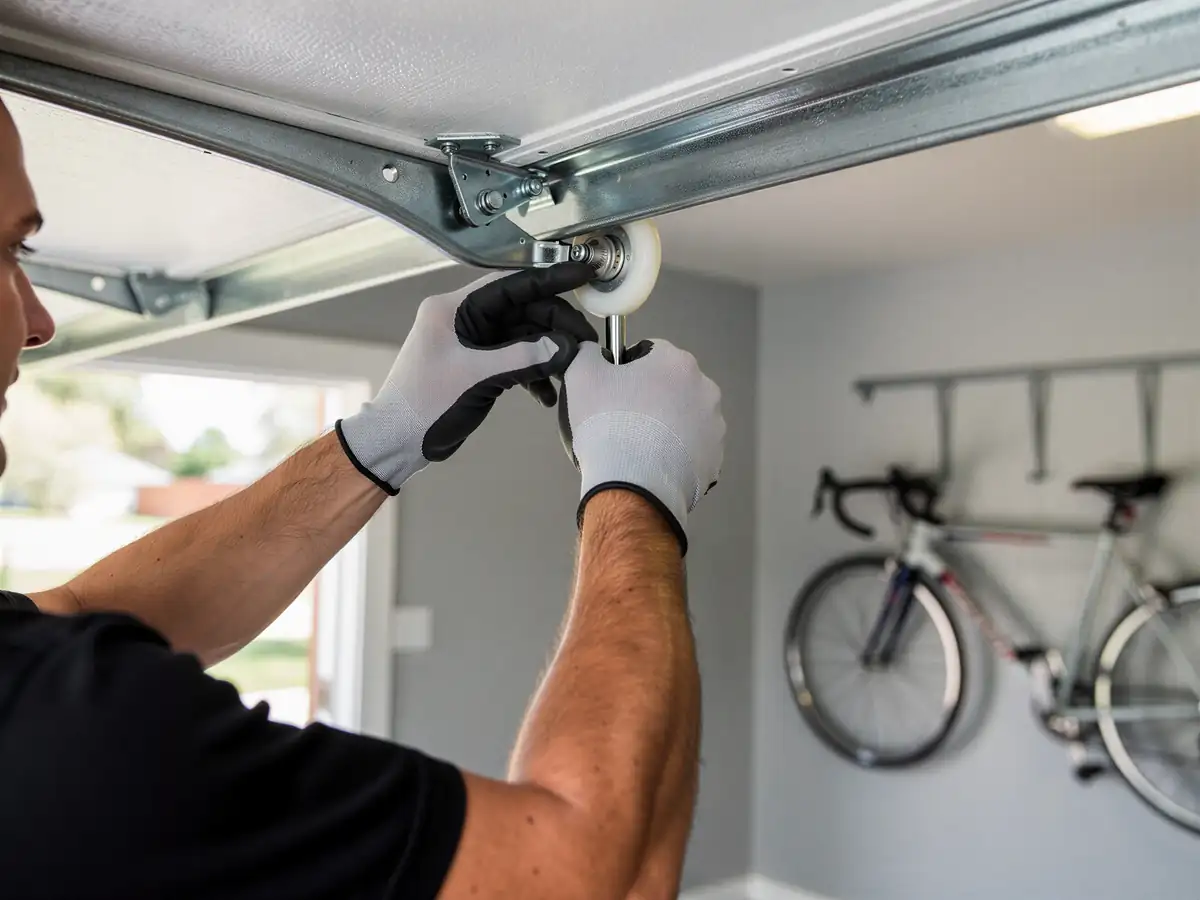
We also ask about the door itself, separate from the opener. A dead opener on a door with tired rollers or a weak spring is a different job than a dead opener on a door that otherwise moves fine by hand. Knowing which one you've got before we drive out saves everybody time.
The Complications
A house built around 1972 almost never still has its original opener
Motors and logic boards don't last five decades, and most of these units have already been swapped once or twice since. What does stick around from the build year is the stuff nobody thinks to replace: the header bracket bolted into the framing above the door, the wall switch wiring run through the same hole it's always gone through, sometimes the rail mount itself. When a newer belt-drive opener gets hung on a bracket sized for a 1970s chain-drive unit, it can work loose or sit at the wrong angle, and that shows up as noise or binding that looks like an opener problem but isn't.
Guthrie sits in the same cold-moderate climate band as the rest of the area
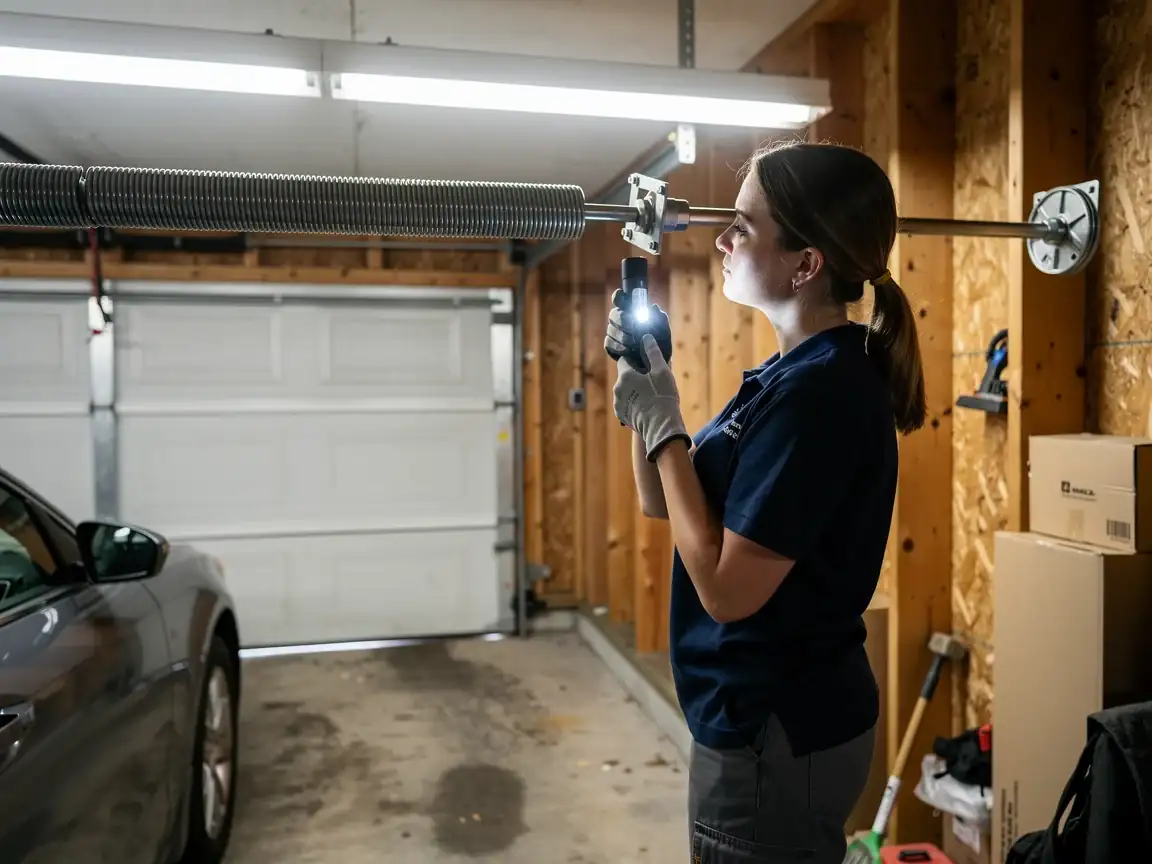
Which matters more for openers than people expect. Temperature swings work on the plastic gear inside a chain-drive unit and on the sensor eyes at the bottom of the track - both are common failure points on a 1970s-era house that's been through enough hot summers and cold snaps to crack the housing or throw the sensor alignment off by a few degrees.
We can't always tell which of these is the actual problem until we're standing in front of the opener
That's not us hedging - it's just how this kind of troubleshooting works.
What the Fix Involves
Most opener calls split into two kinds of problem: the unit itself is dying, or something feeding it - power, safety sensors, the wall button - is the actual fault and the opener is fine. We check the simple things first. A loose sensor wire or a dead coil battery in a newer remote gets mistaken for a failed motor more often than you'd think.
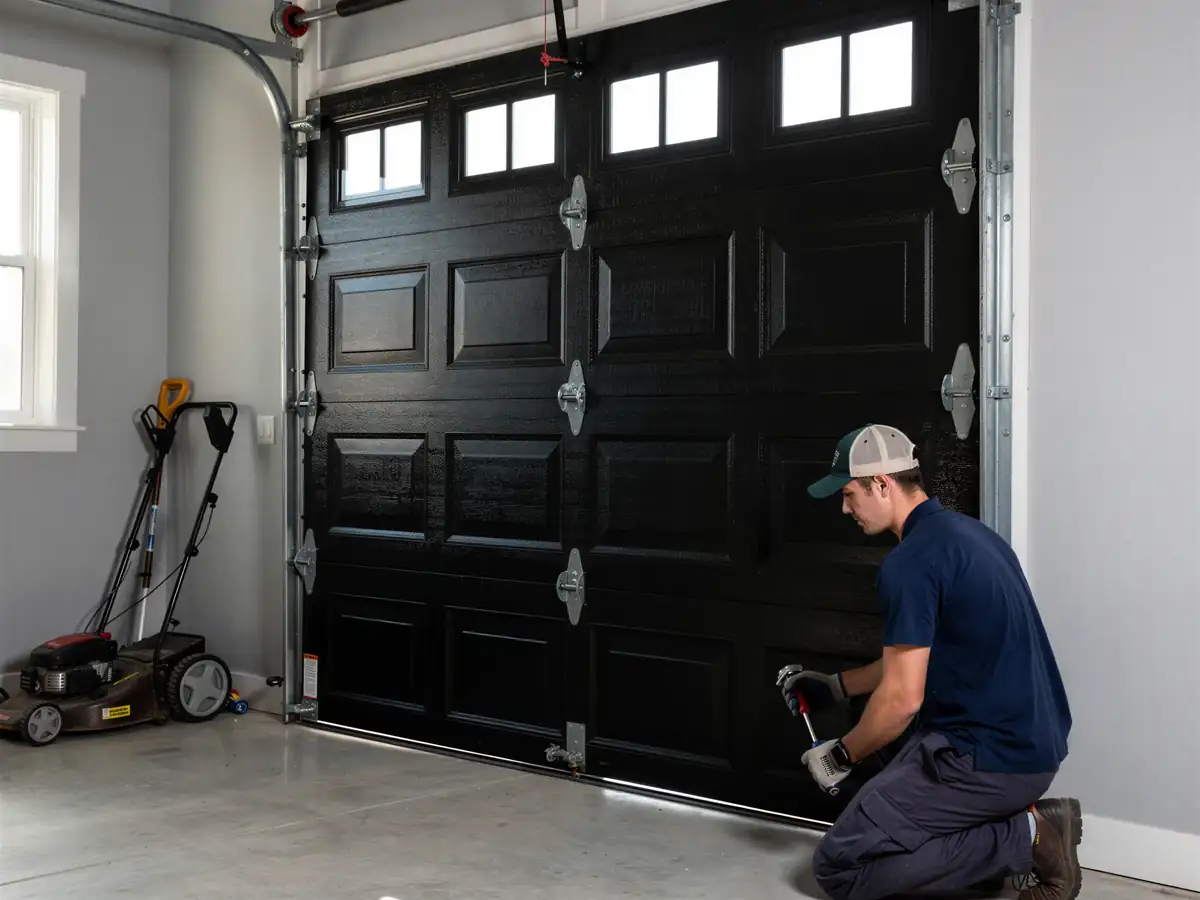
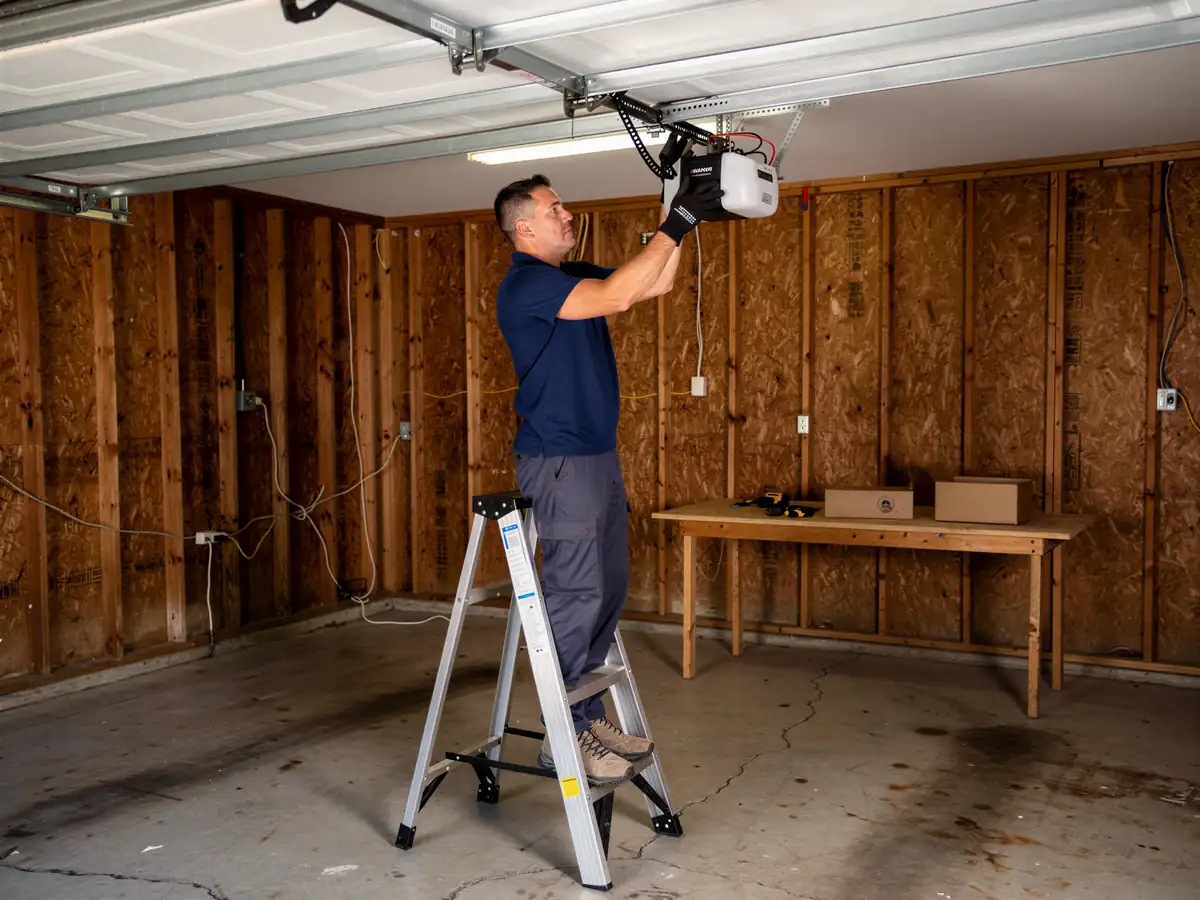
If the motor, gear, or logic board has actually failed, replacement usually makes more sense than repair once a unit is old enough - we're not going to chase a part for a motor that's past the point of being worth it. On houses from the early 1970s, we also check whether the original mounting bracket is still safe to reuse. Sometimes it is. Sometimes fifty years of wood movement means we remount into solid framing before hanging anything new on it.
Wiring is the other piece. A chain-drive opener from decades back often ran on wiring that predates current code for garage circuits. We won't put a new opener on wiring that isn't safe, even if the easier path would be to just hang the new unit and go. That's the one limitation worth saying plainly: if the wiring needs work too, the job gets bigger than "swap the opener," and we'll tell you that before we start, not after.
How Long You Are Without the Door
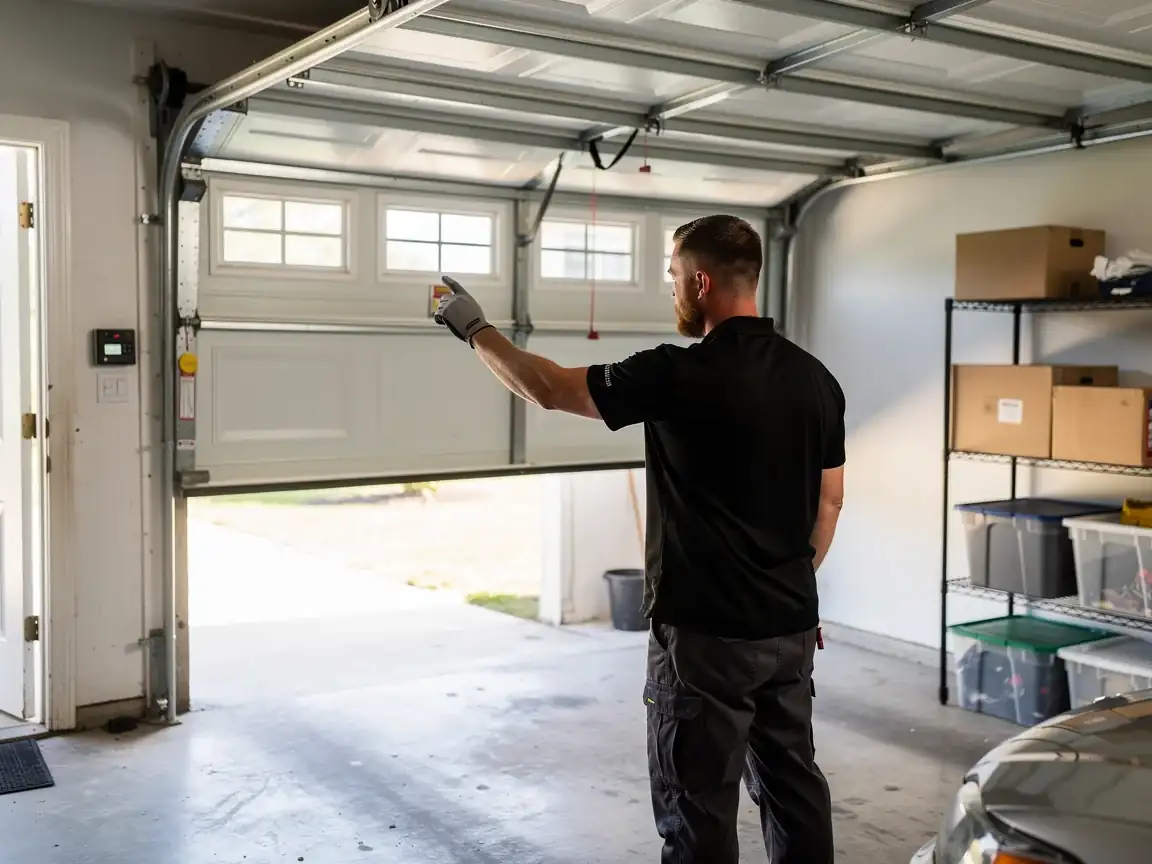
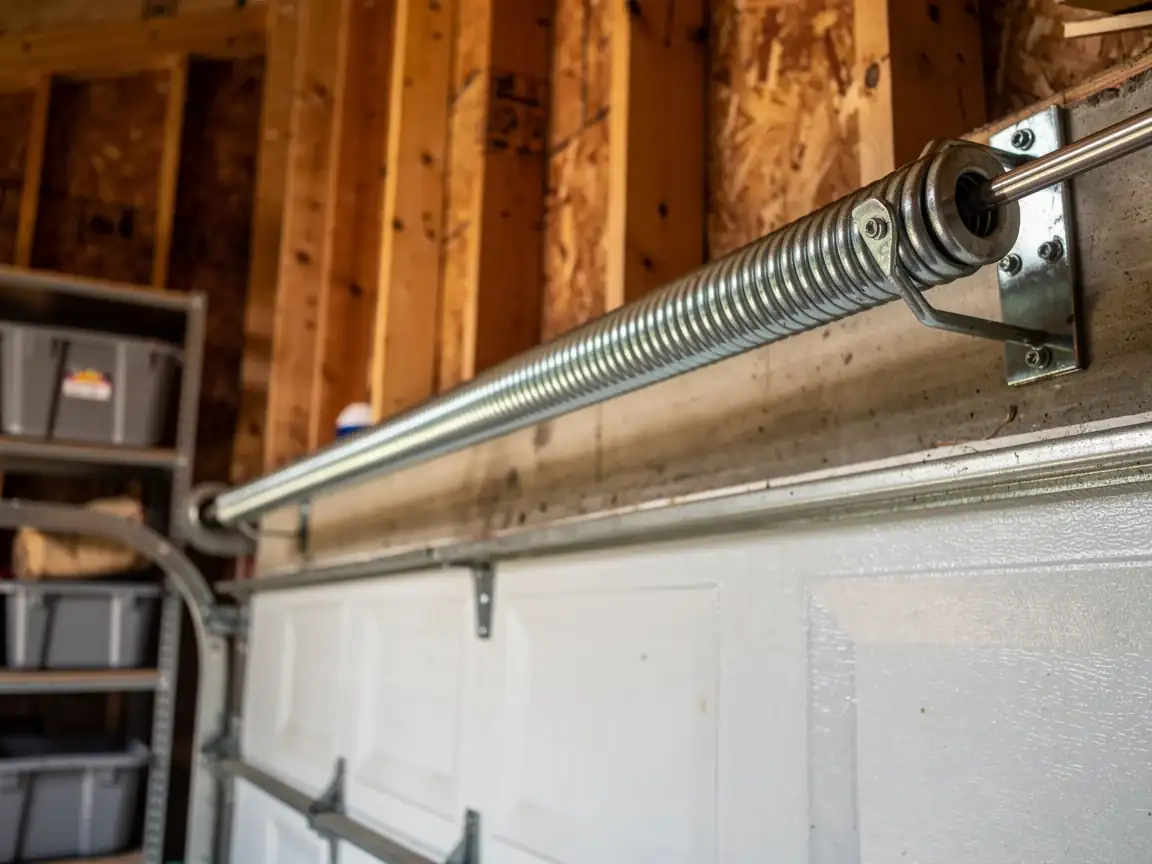
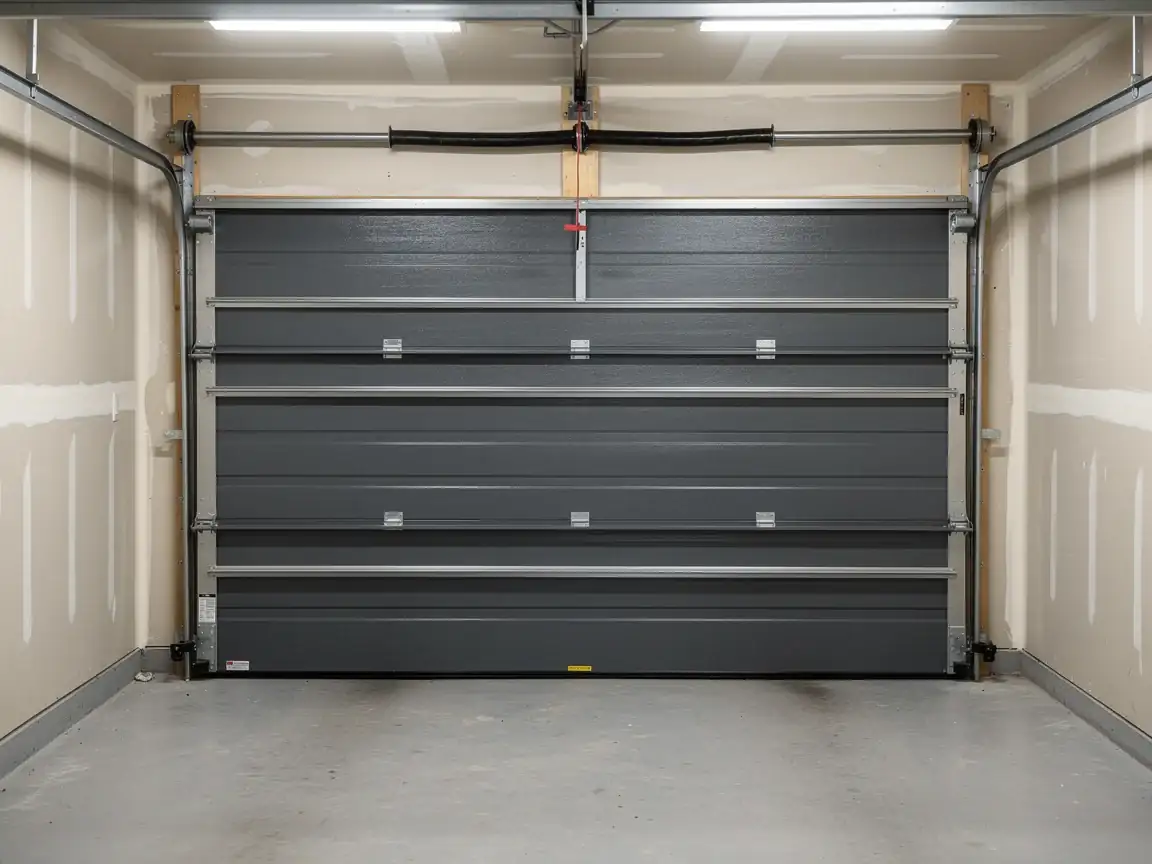
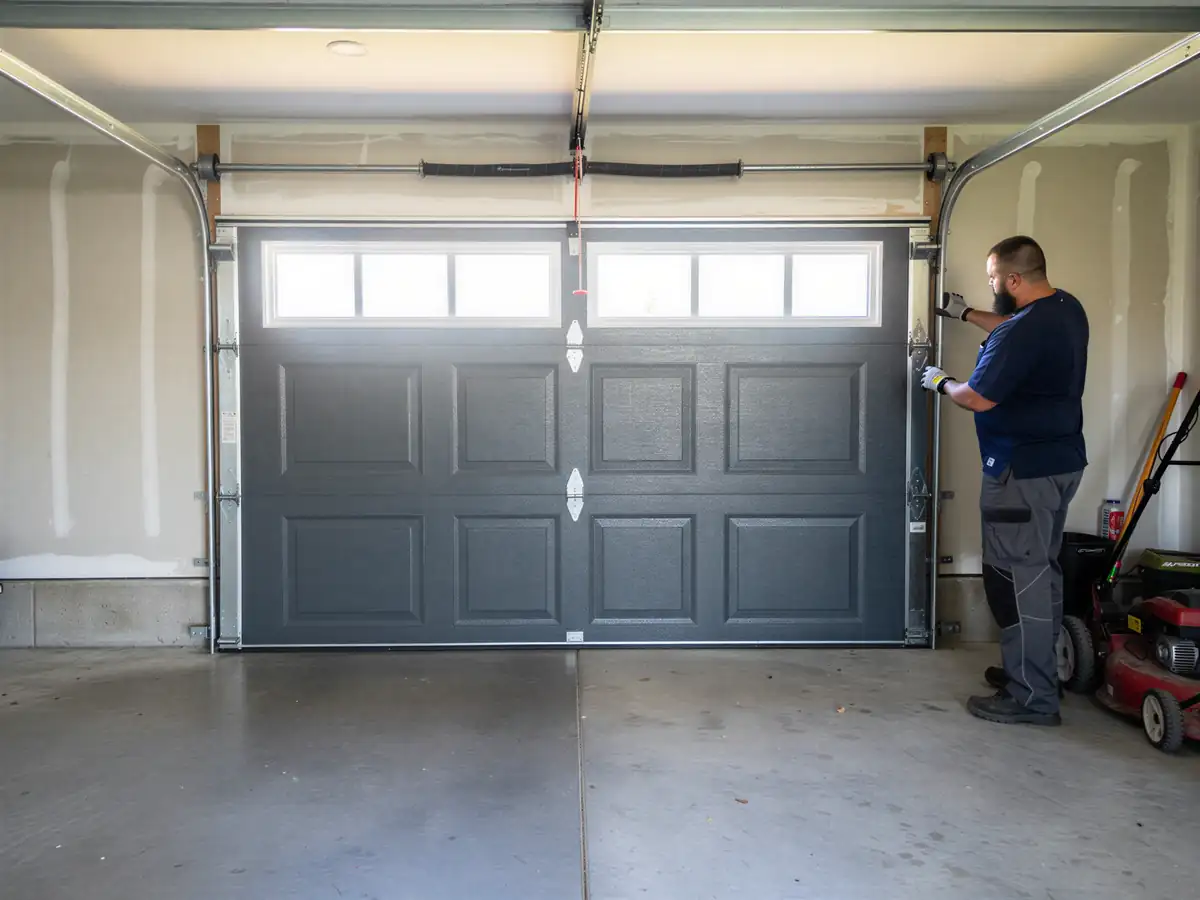
The door and the opener are separate systems, and that matters for how long you're actually stuck. If the opener fails but the springs, cables, and rollers are sound, you can release the trolley and lift the door by hand the whole time you're waiting on us. We'll show you how to do that safely if you haven't done it before - it's not complicated, but it's not obvious either if you've never had to.
Most opener repairs on a standard residential door, including a straight swap to a new unit, run a few hours once we're on site and have the right parts on the truck. Where it stretches out is a part that isn't common - an older logic board or a gear specific to a motor that's no longer made is the kind of thing that can mean a short wait on a special order rather than a same-visit fix.
Because the drive from Edmond is part of every visit here, we try to confirm the opener model and the likely part before we load the truck, so a Guthrie call doesn't turn into two trips over something we could have carried the first time.